




You know that moment when someone walks in and their outfit just whispers money—even if it cost less than your phone bill? That’s not sorcery. That’s strategy. The difference between “cheap looking” and “expensive looking” usually comes down to a few small choices that add up fast. You don’t need a platinum card; you need an eye for details and a willingness to edit.
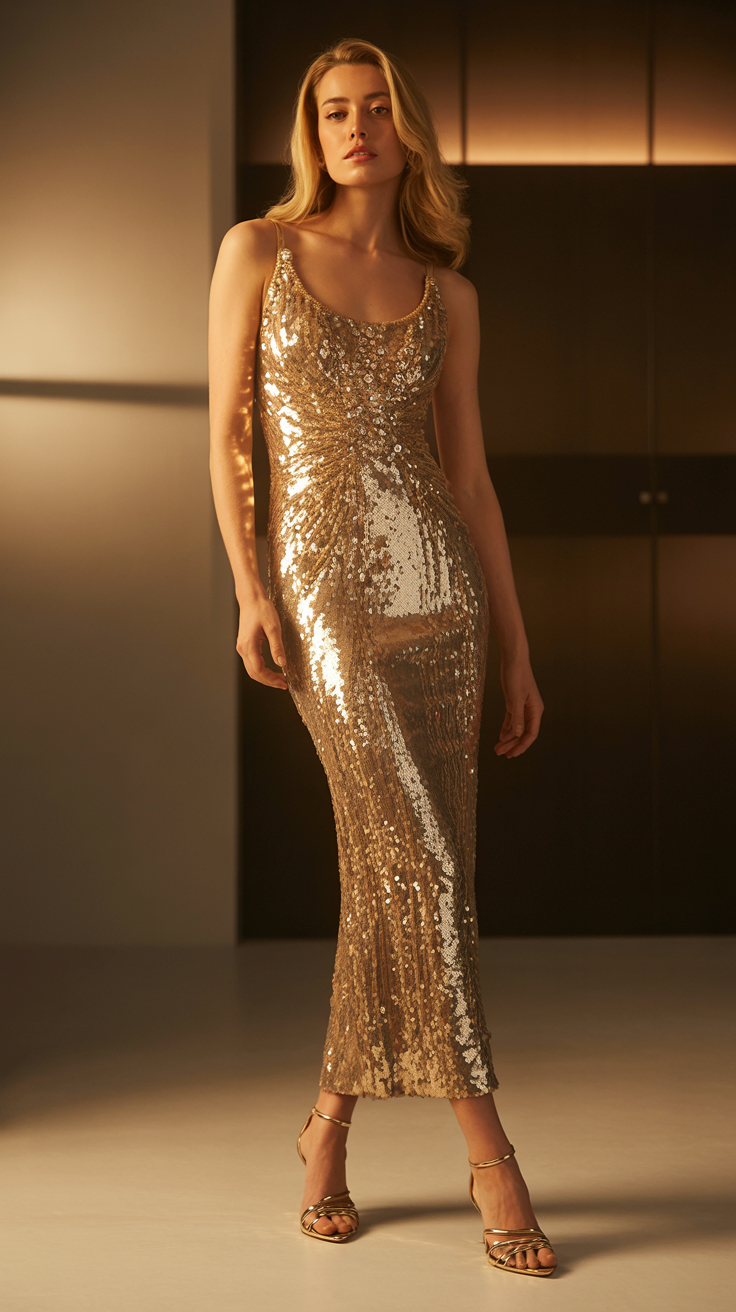
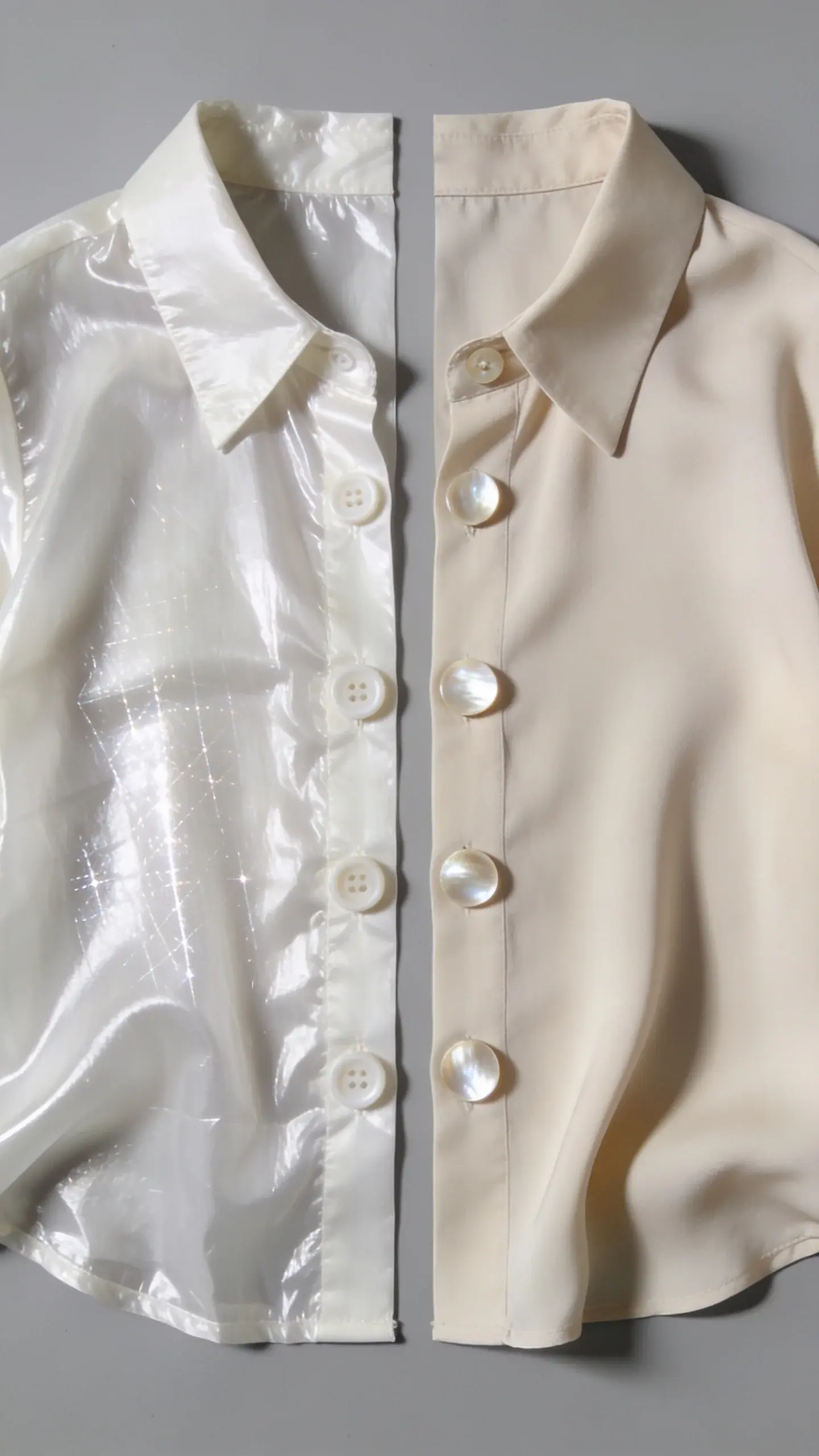
You can’t fake good fabric. Well, sometimes you can, but most cheap synthetics give themselves away with shine, stiffness, or weird drape. If your dress reflects light like a disco ball at noon, it leans cheap.
Look for these fabric upgrades:
If it feels scratchy or squeaky, skip. If it drapes and moves with your body, you’ve probably found an “expensive looking” keeper. FYI, a $40 viscose blouse can read pricier than a $150 poly one if the finish looks refined.
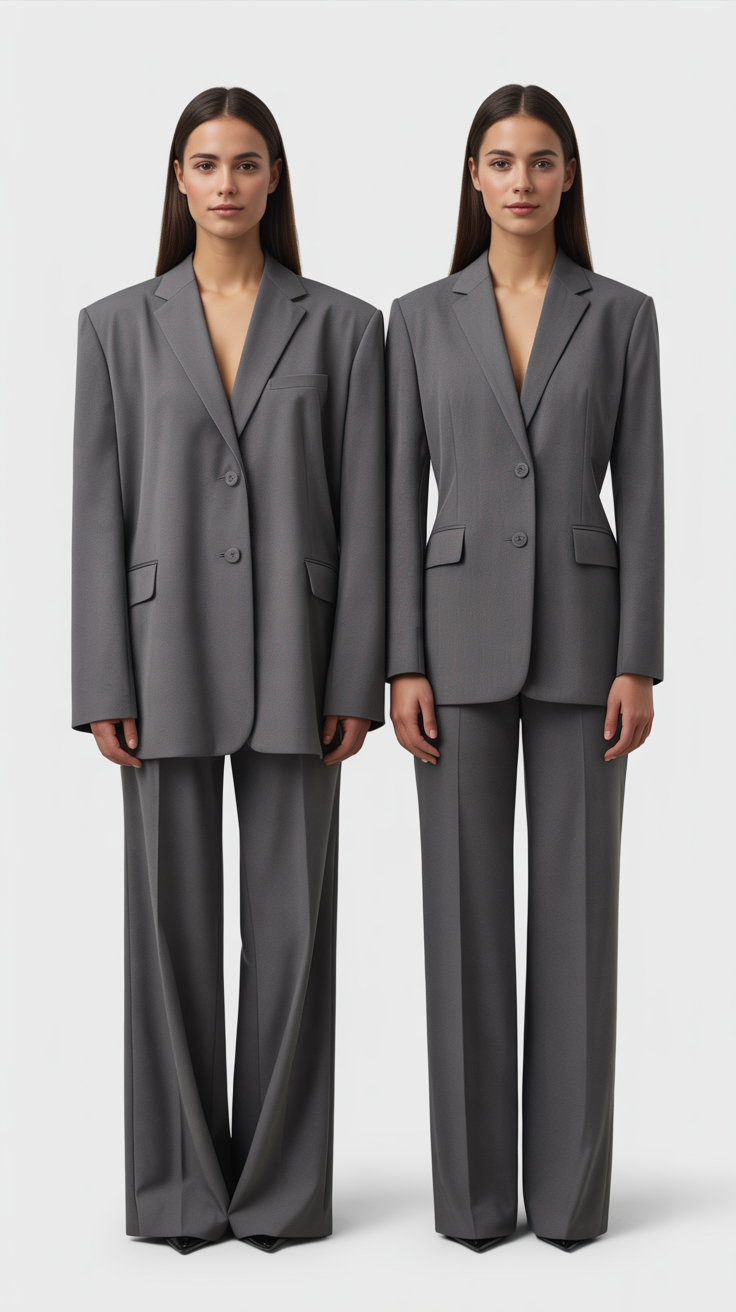
Expensive looking outfits fit like they were made for you. Cheap looking ones… don’t. They tug, gape, pool, or bunch in all the wrong places. You don’t need couture tailoring—just smart tweaks.
Do this:
When in doubt, size up and tailor. A slightly looser fit looks higher-end than something too tight. Nothing screams cheap like fabric pulling across buttons.
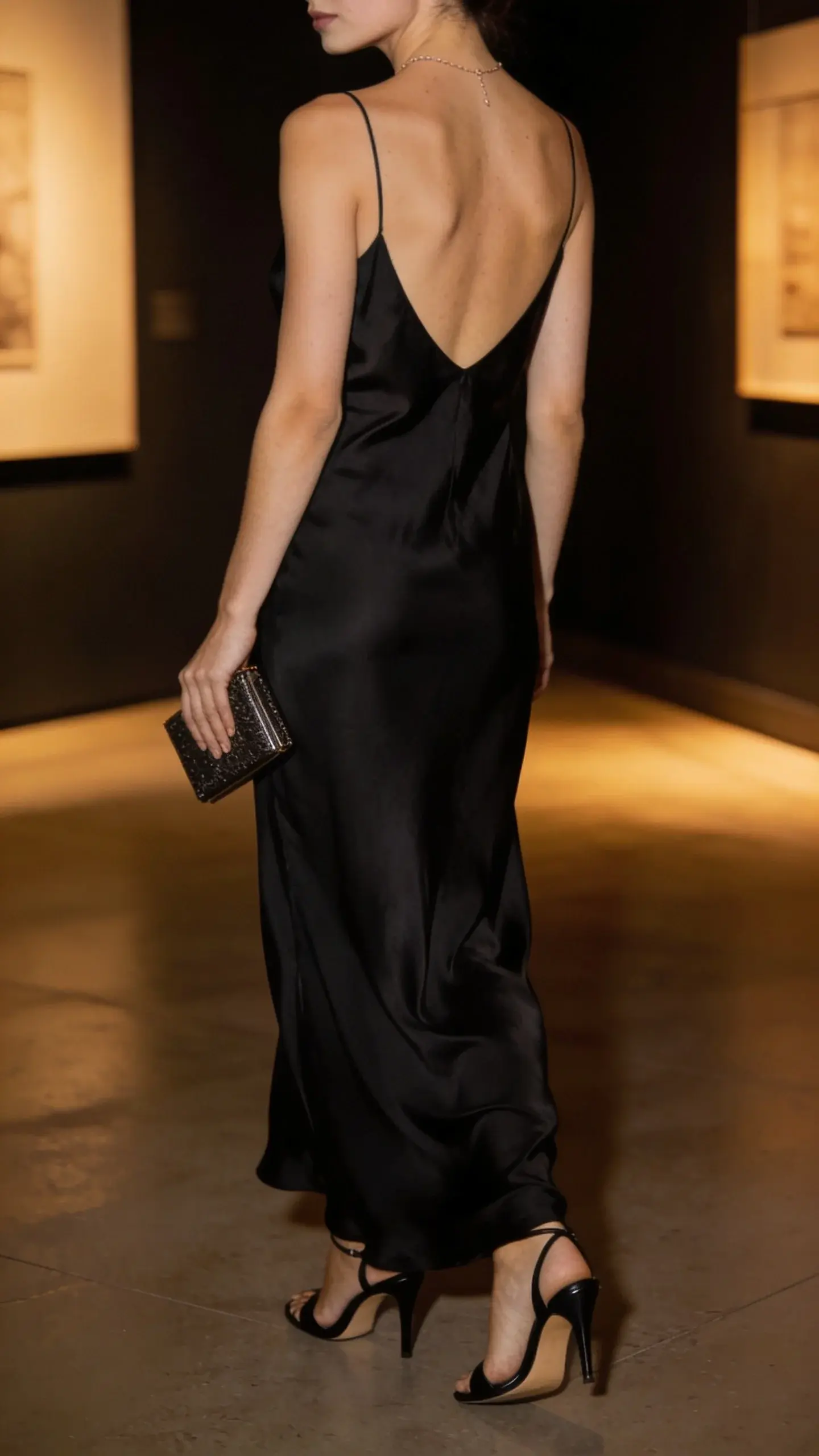
Loud doesn’t mean luxe. Neons and super-busy prints can look fun—but they often read fast fashion. If you want “expensive,” lean into restraint.
Color choices that elevate:
Go for smaller-scale, crisp prints (micro-checks, pinstripes, subtle florals) over pixelated florals or wild logos. If you want statement prints, keep everything else simple. IMO, one print per outfit most days saves you from chaos.
Cheap looking outfits usually fail on the details. Think jangly zippers, clunky plastic buttons, loose threads, and logos that yell. Swap, snip, and upgrade.
Tiny changes, huge payoff:
Your accessories carry the look. Cheap shoes peel, crease weirdly, or glare with plastic shine. Bags with floppy structure or obvious logos also read low-end.
Upgrade with:
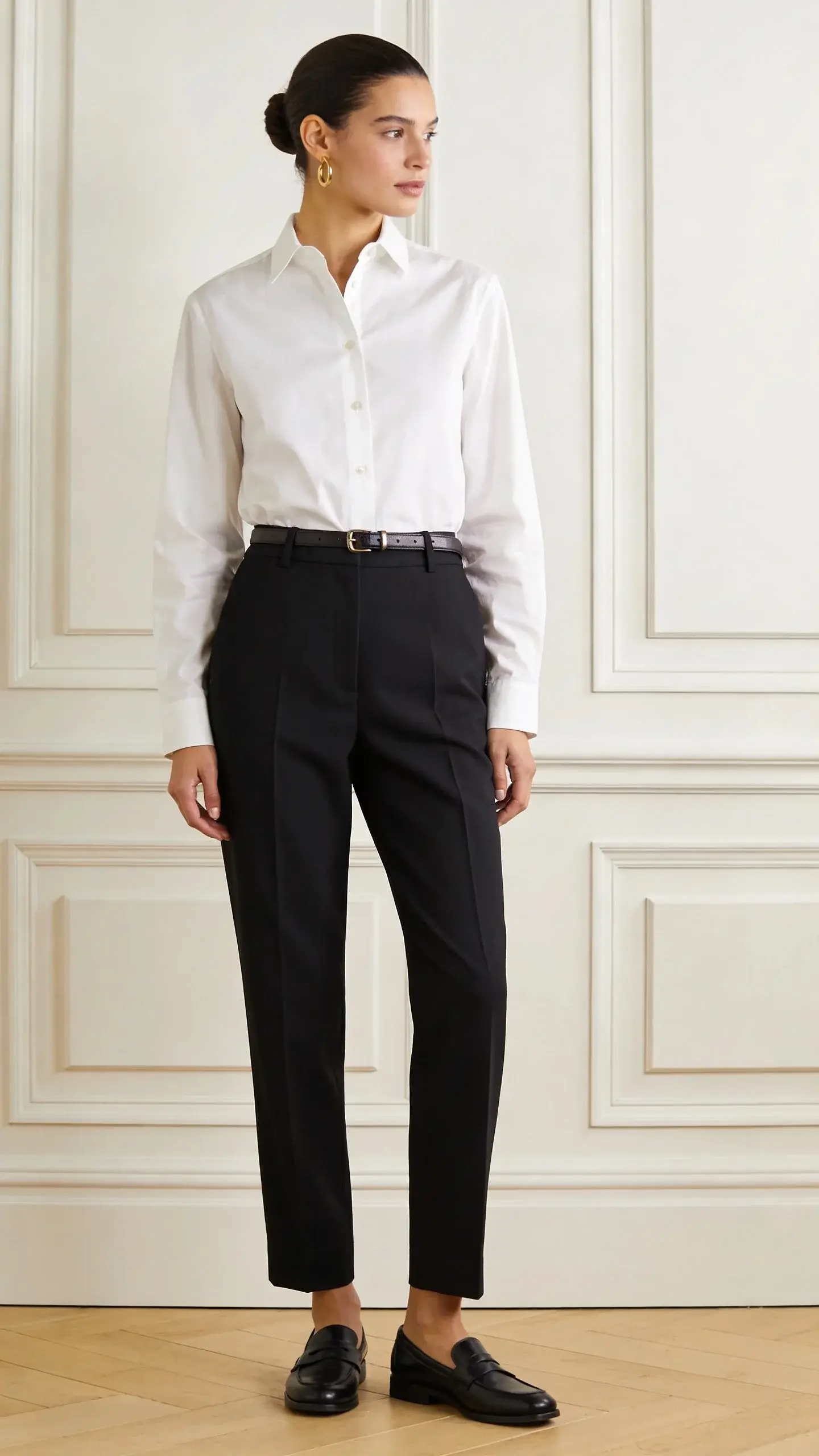
Even quality pieces look cheap when the proportions fight each other. Balance big with small, soft with structured, and fitted with relaxed.
Easy formulas that always land:
Let one piece be the star—maybe a bold shoe or statement coat—then keep everything else quiet. Too many stars, and nobody shines. FYI, this also saves time in the morning.
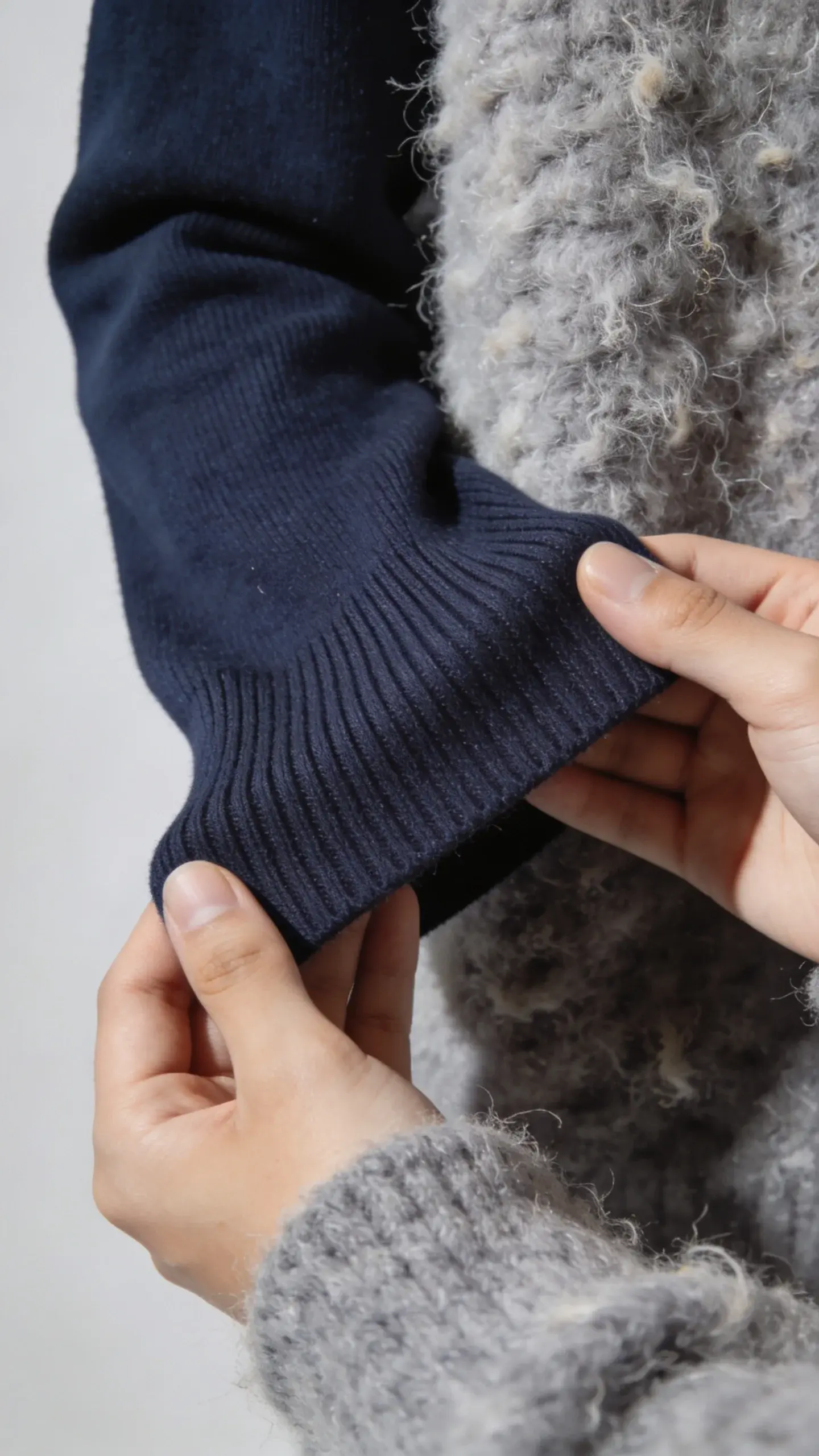
Nothing tanks an outfit faster than pilling knits and faded blacks. Treat your clothes well and they’ll return the favor.
Care basics you actually need:
You can style a $25 tee to look like a million bucks. It’s all in the finishing touches.
Try these:
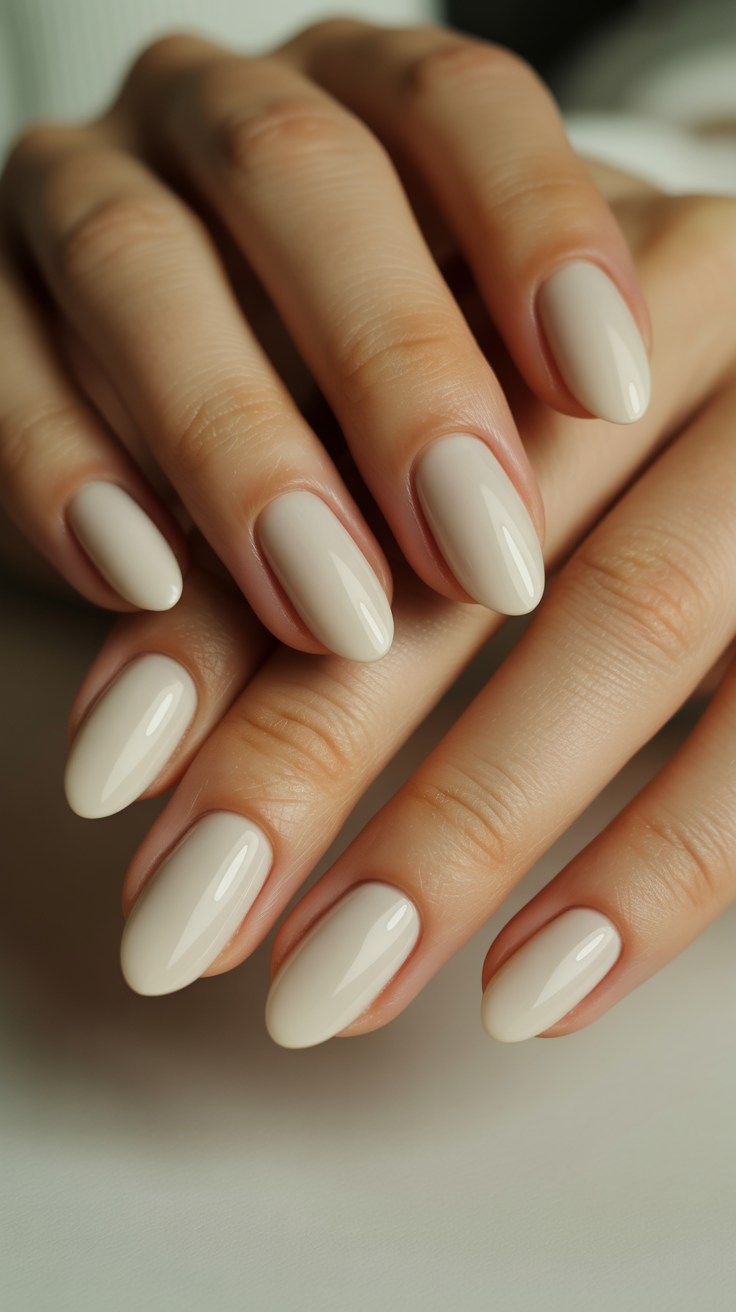
You don’t need a full blowout, but neat hair, tidy nails, and subtle makeup amplify the whole look. Lip balm and a lint roller beat a designer bag when it comes to polish, IMO.
Let’s call it out so you can avoid it. A few common offenders show up again and again.
Red flags:
Nope. Designer can help, but it’s not required. Focus on fit, fabric, and finish. Mid-range or even budget pieces can look elevated when you choose matte fabrics, tailor key items, and keep accessories clean and structured.
Blazers, trousers, and midi skirts. A blazer that hits at the right shoulder and nips at the waist changes everything. Trouser hems and waist darts do the heavy lifting for your silhouette, and a skirt that sits exactly where you want looks custom.
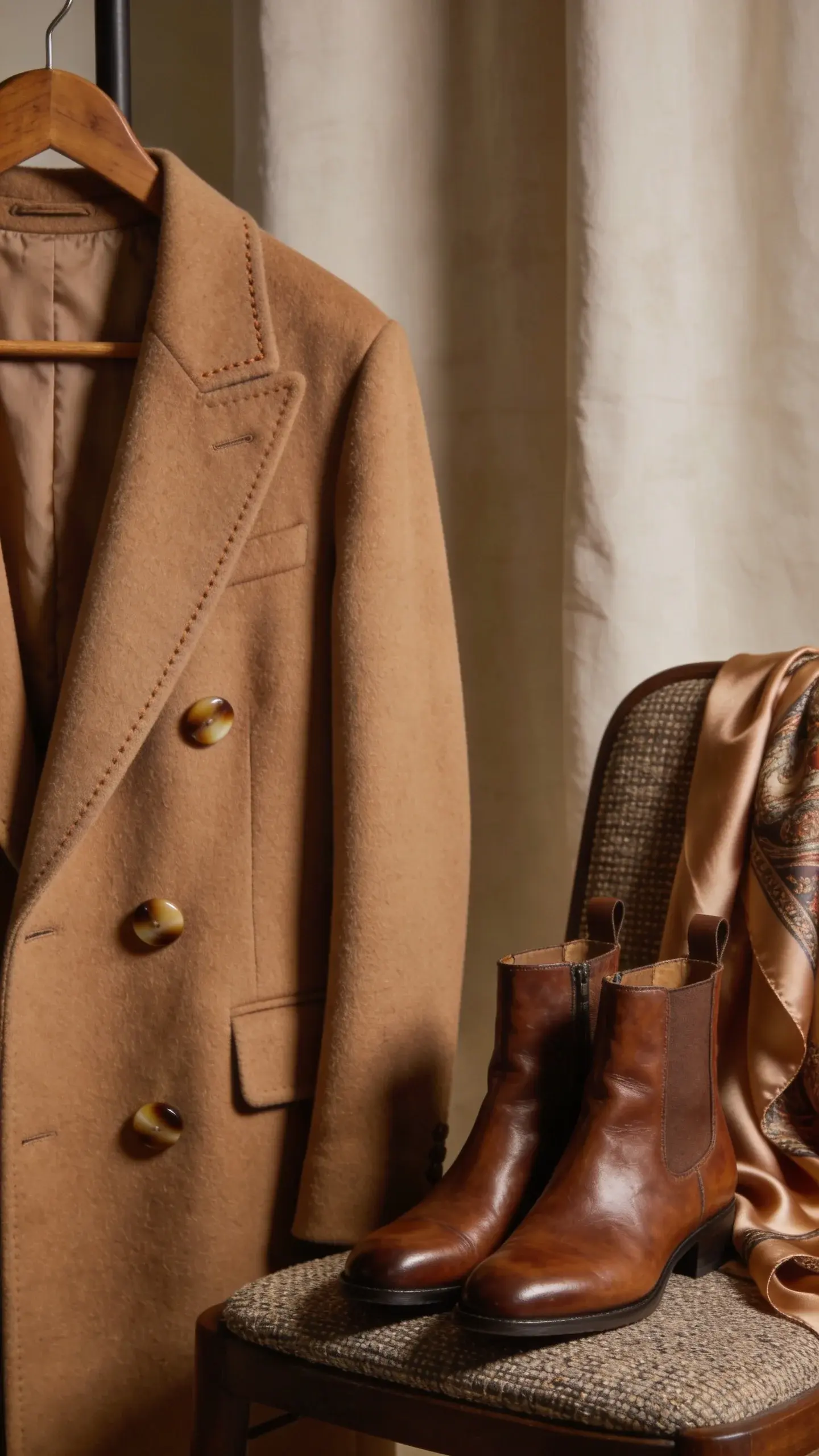
Cream, camel, navy, charcoal, and black always read luxe. Deep jewel tones like burgundy or emerald elevate basics. If you’re unsure, go monochrome or tonal; it looks thoughtful without trying too hard.
Keep them clean, polish or condition them, and swap laces if needed. Choose matte finishes and simple shapes, and avoid super thin, shiny faux leather. Also, mind the heel—chunky and stable often looks pricier than a wobbly stiletto.
Anything pixelated, overly busy, or overly branded. Large florals with a plastic-looking sheen can go wrong fast. If you love prints, try stripes, micro-checks, or one bold motif in a great fabric.
Yes—tiny details change the read of your whole look. Choose simple, well-finished pieces over big statement sets. Think small hoops, a delicate chain, one signet ring, or a watch with a clean face.