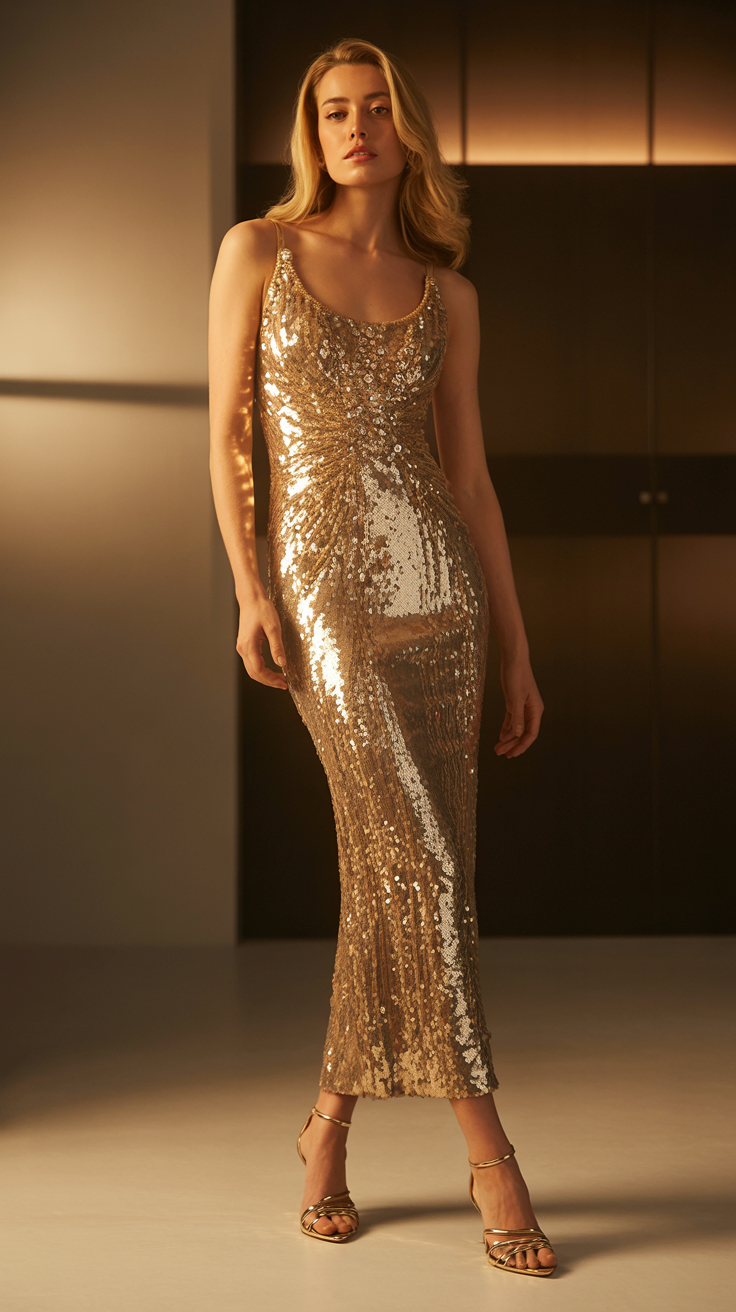
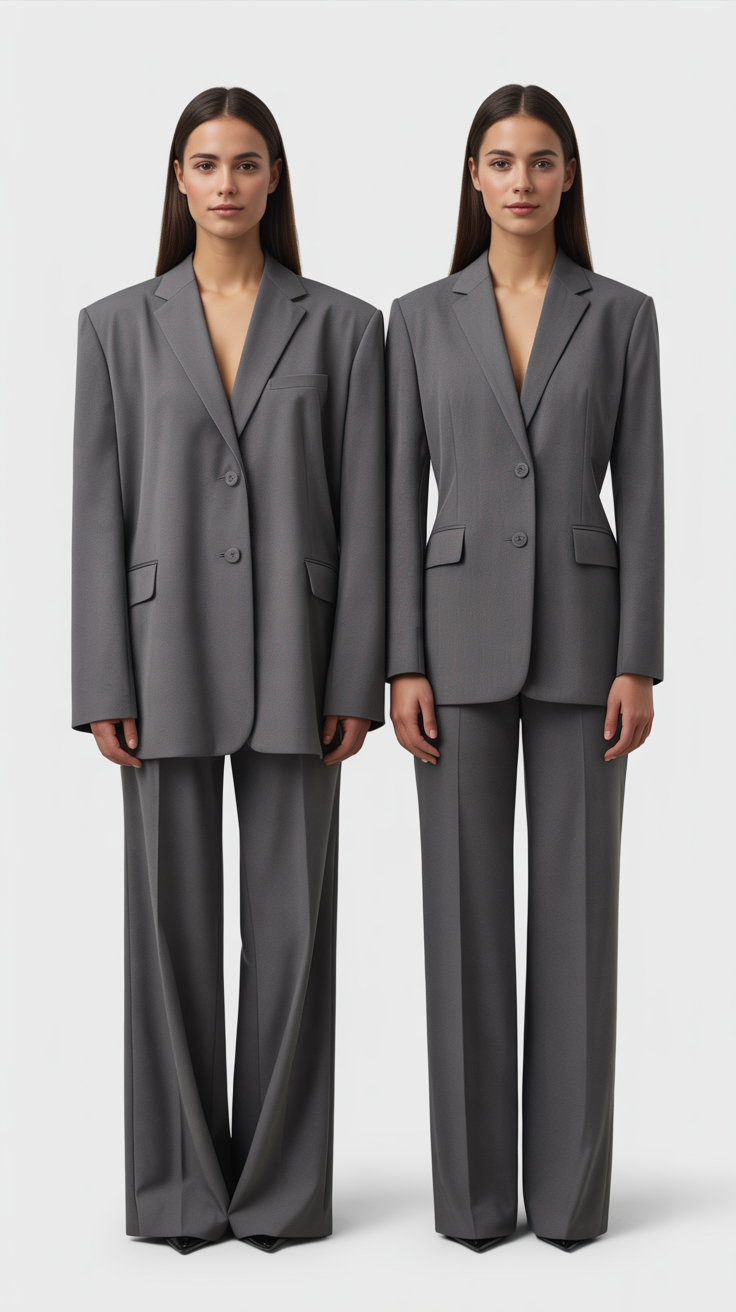
You nailed the outfit, but something still feels… off. Happens to everyone. The difference between “put together” and “almost there” usually comes down to tiny details your mirror won’t mention. Let’s fix the sneaky style saboteurs so you look sharp without trying too hard.
When Fit Isn’t It
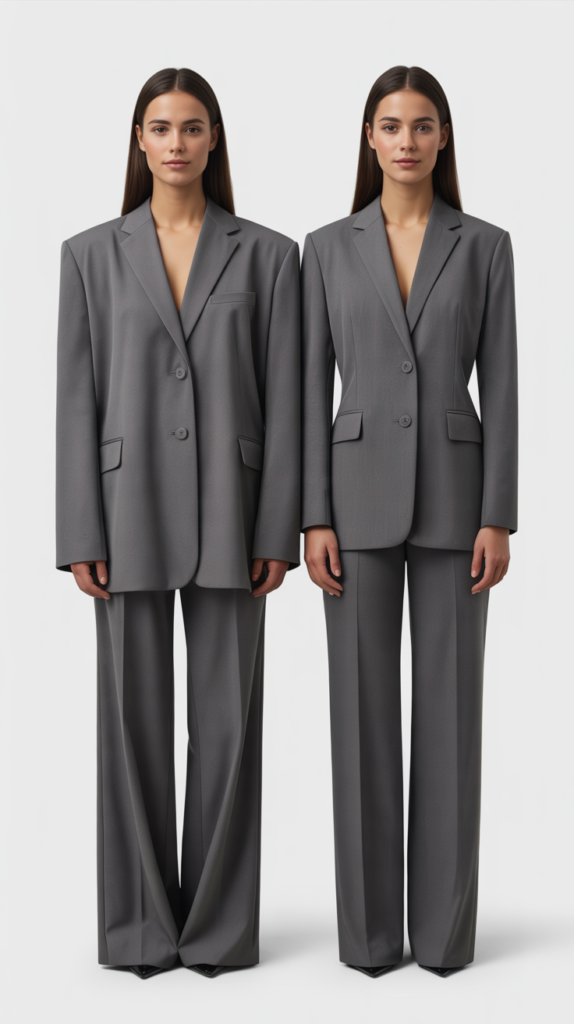
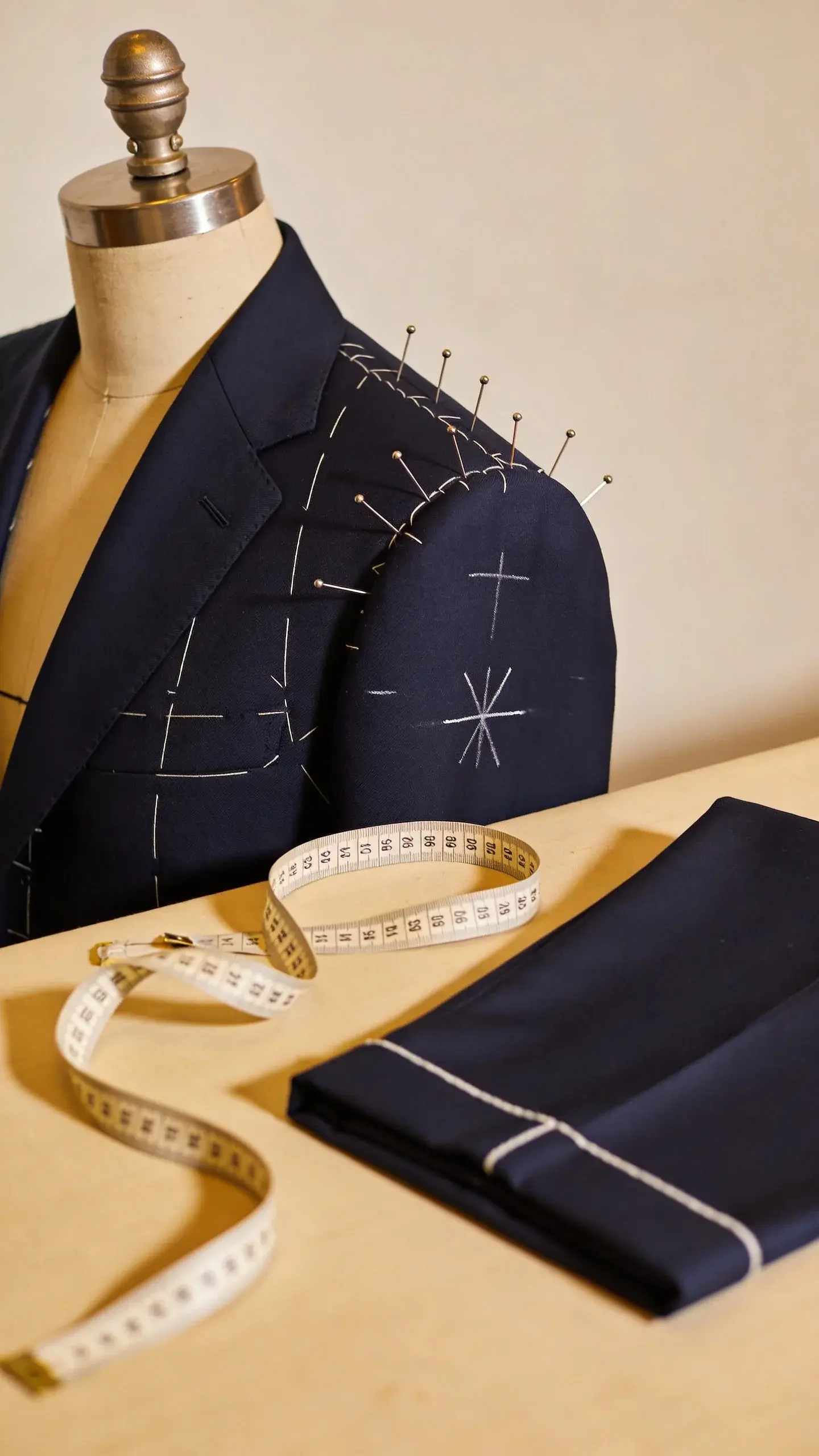
Fit makes or breaks everything. You can wear a designer blazer, but if the shoulders droop or the sleeves swallow your hands, it screams “borrowed.” Tailoring sounds fancy, but honestly, it’s the cheapest glow-up.
Signs Your Clothes Don’t Fit (and Fast Fixes)
- Shoulders on jackets and shirts: The seam should sit right on the shoulder bone. If it dips, size down. If it tugs, size up.
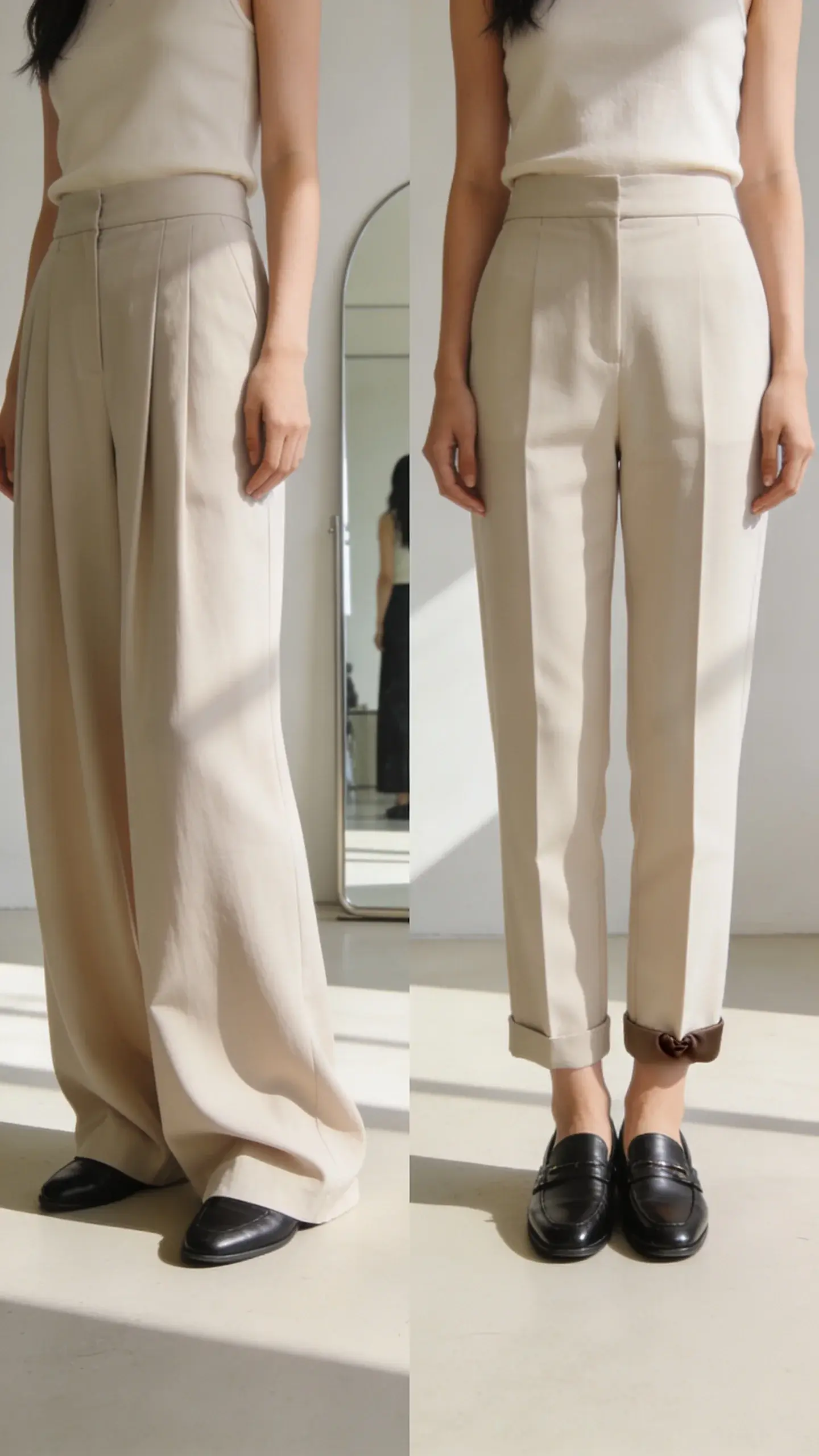
- Pants length: Hem them so they barely kiss your shoes. Puddling pants look tired; high-waters look surprised.
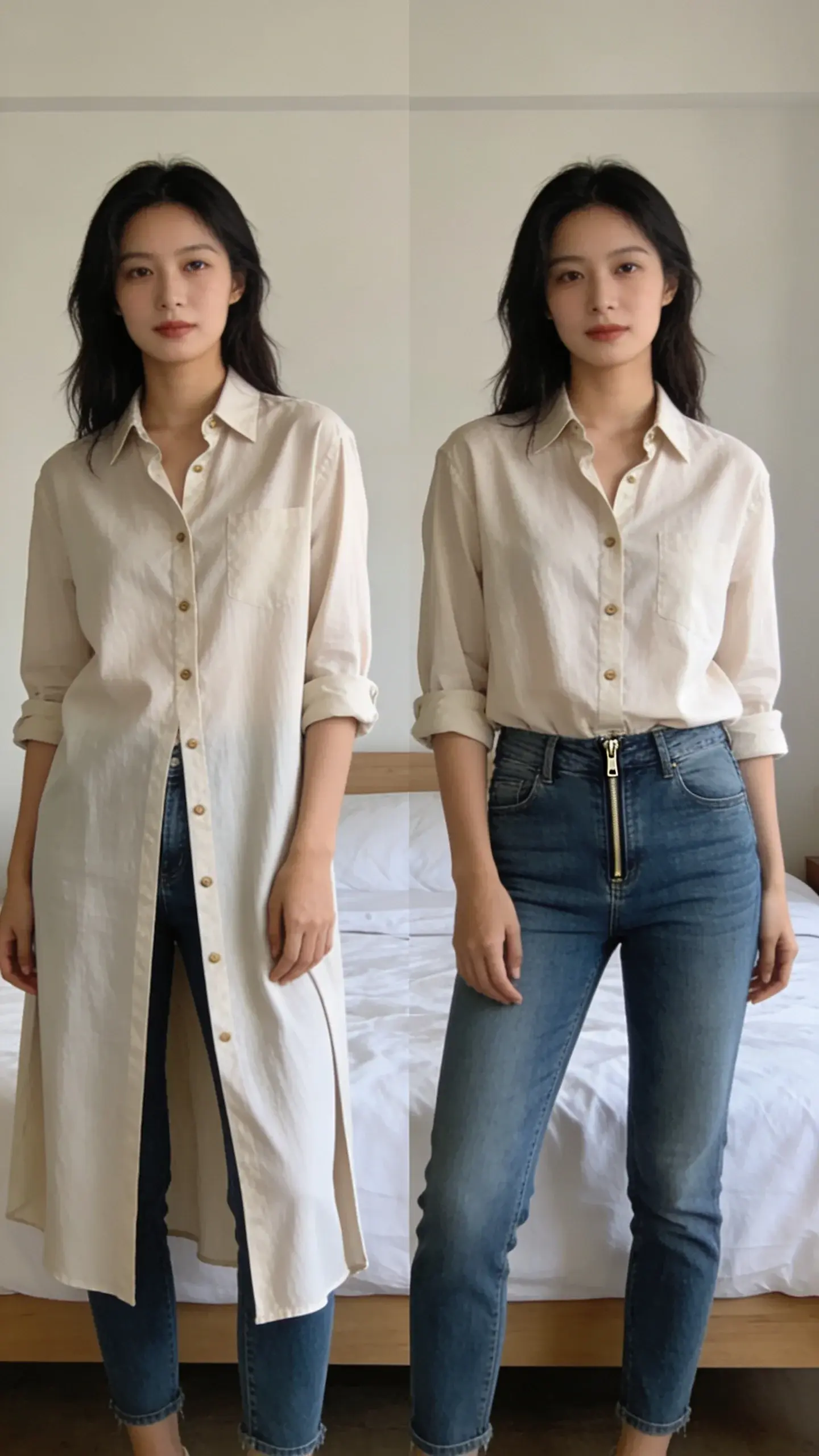
- Shirt length: Casual shirts should hit mid-zipper. Too long = nightshirt energy.
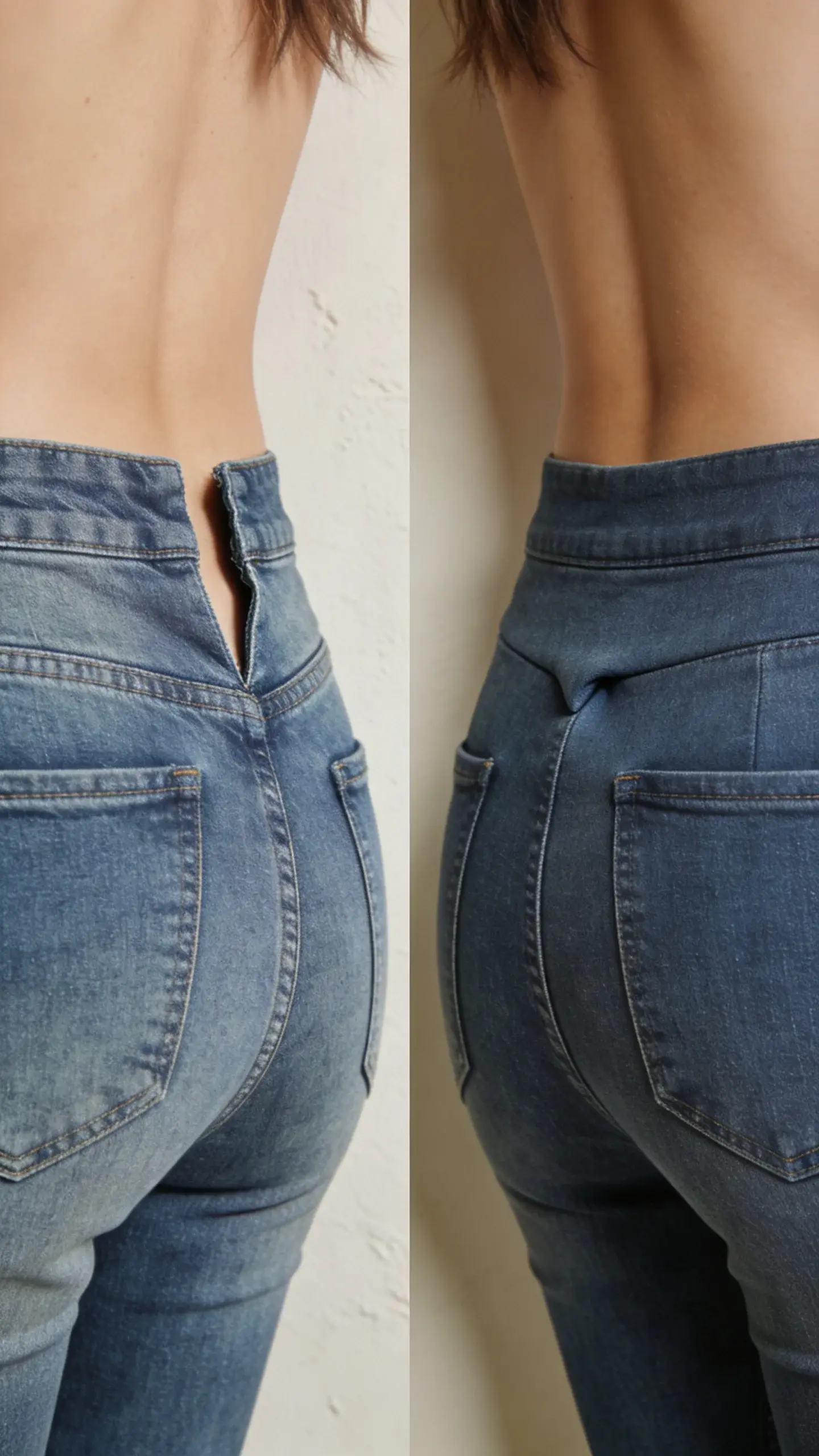
- Waist gapping: A belt can help, but tailoring looks cleaner and feels better.
Bottom line: When in doubt, tailor. Even budget pieces look luxe when they fit like they were made for you.
Wrinkles, Lint, and Pet Hair: The Silent Saboteurs
Your outfit can be A+, but wrinkles say “I just woke up.” Lint and pet hair add an instant downgrade. You don’t need to iron like a 1950s sitcom character—just a few smart tools.
The Low-Effort Care Kit
- Handheld steamer: Faster than ironing and way less drama. Great for collars, hems, and drapey fabrics.
- Lint roller or brush: Keep one at home and one in your bag or car. Dark clothes love lint. Lint loves you back. Tragic.
- Fabric shaver: Defuzz sweaters and coats. Pills look tired; clean knits look expensive.
FYI: Hang clothes right after washing to prevent deep creases. Future you will send a thank-you note.
Over-Accessorizing and Matchy-Matchy Chaos
Accessories elevate a look—until they hijack it. Too many statement pieces battle for attention and nobody wins. And matching everything (bag, belt, shoes, watch) can feel like a costume, not a vibe.
How to Keep Accessories Chic, Not Chaotic
- Pick one star: Statement earrings OR a bold necklace. Not both.
- Mix, don’t match: Metal tones can mix. Tan belt with black shoes? Totally fine if the outfit balances.
- Scale matters: If your bag is large, keep jewelry minimal. Big + big = bulky.
- Belts with intention: Use a belt to define shape, not out of habit. If it cuts you in an odd place, skip it.
IMO: If you jingle when you walk, you probably went too far.
Shoes Tell on You
People notice shoes first. Scuffed, crushed, or wildly off-style footwear takes your outfit from polished to “almost.” You don’t need a closet full—just the right few, kept in good shape.
Shoe Check: Quick Audit
- Condition: Clean the soles, buff the leather, and replace laces when they fray. Heels worn down? Get them re-capped.
- Occasion: Running shoes with formal trousers? No. Chunky sneakers with smart-casual? Could work—if intentional.
- Color coordination: Neutral shoes simplify everything. Black, white, tan, and chocolate cover 90% of outfits.
Pro tip: Shoe trees keep shape and prevent creases. They’re boring but magical.
Fabric Clashes and Season Confusion
You know when the textures fight each other? Like a shiny blazer with a flimsy tee and a stiff skirt—chaos. Also, wearing heavy winter fabrics in spring looks out of sync, even if the colors match.
Texture Rules That Just Work
- Balance shine and matte: One shiny piece max. Pair satin with wool, leather with cotton, silk with denim.
- Weight harmony: Keep fabrics in the same weight family. Chunky knits with light chiffon feel mismatched.
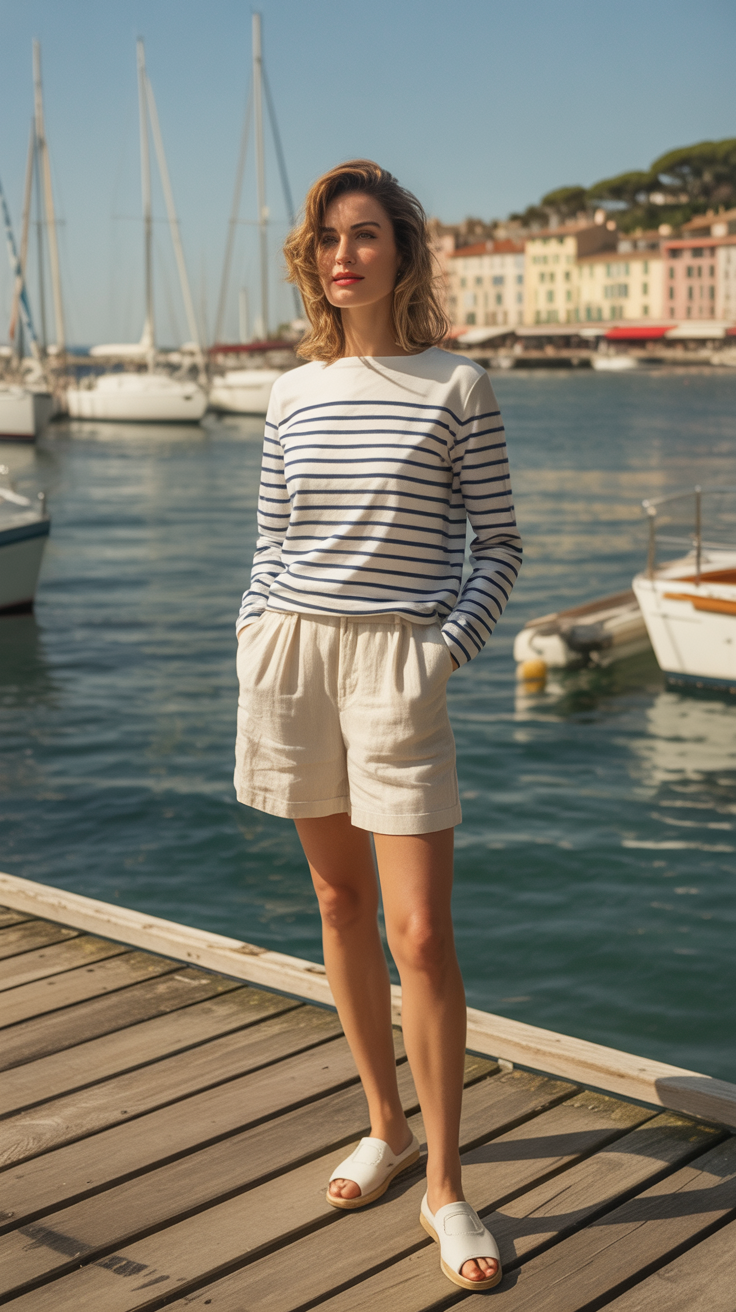
- Season-smart: Linen and wool can mix if colors align and temperatures make sense.
FYI: If you’re sweating in tweed, the outfit already lost.
Color Choices That Quietly Undercut You
Colors can brighten your whole face—or make you look like you need a nap. If you always reach for the same safe shade, you might miss what actually flatters you.
Color Tweaks With Big Payoff
- Near your face matters most: Tops, scarves, and collars should complement your undertone.
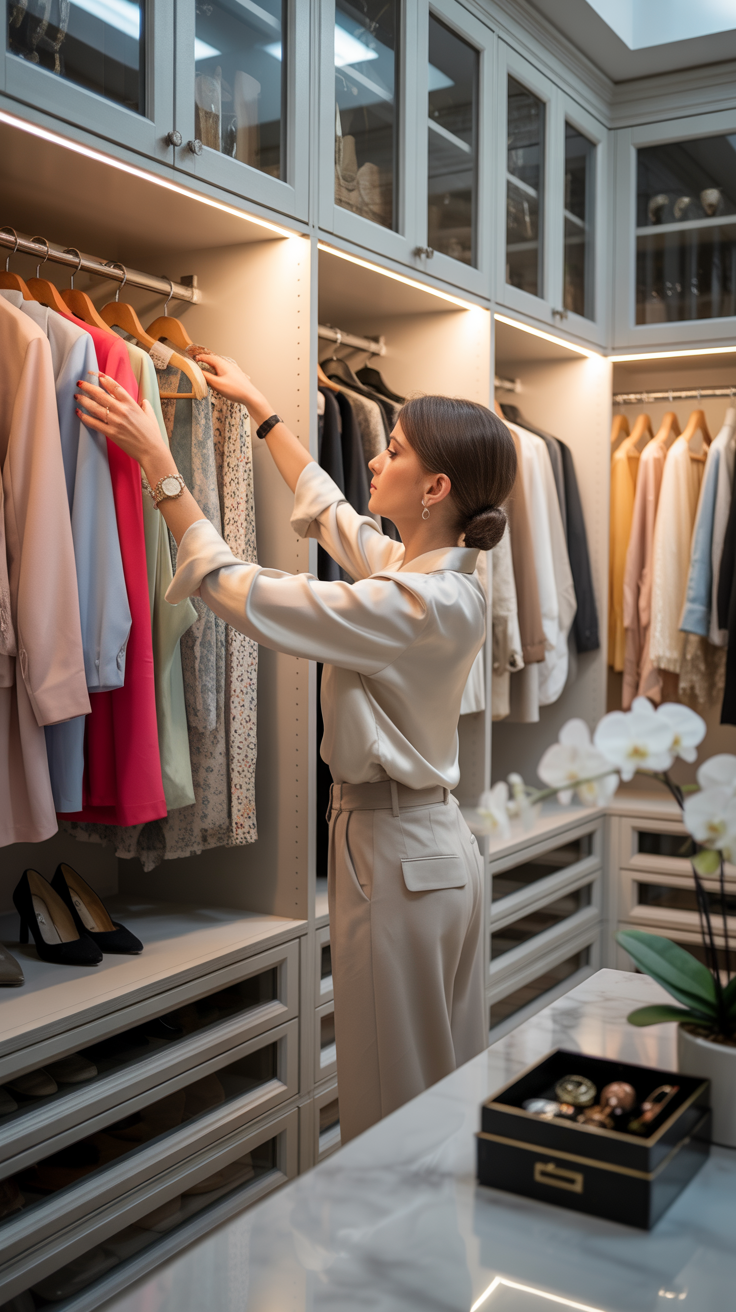
- Build a base palette: Choose 2-3 neutrals you love (navy, black, camel, olive, gray) and rotate accents.
- Test in daylight: Mirror selfies near a window never lie.
IMO: If a color makes your eyes pop or your skin look even, lock it in and wear it on repeat.
Logos, Graphics, and Distracting Details
Loud branding reads casual fast. Same with novelty graphics, rhinestones everywhere, or overly distressed pieces. They can be fun, but they cap your outfit’s polish ceiling.
- Keep it quiet: Minimal branding always looks pricier.
- Distress in moderation: One ripped element max. Distressed jeans + shredded jacket = chaos.
- Edit extras: Too many toggles, chains, zippers, and straps distract from the silhouette.
Grooming and Maintenance: The Invisible Finish
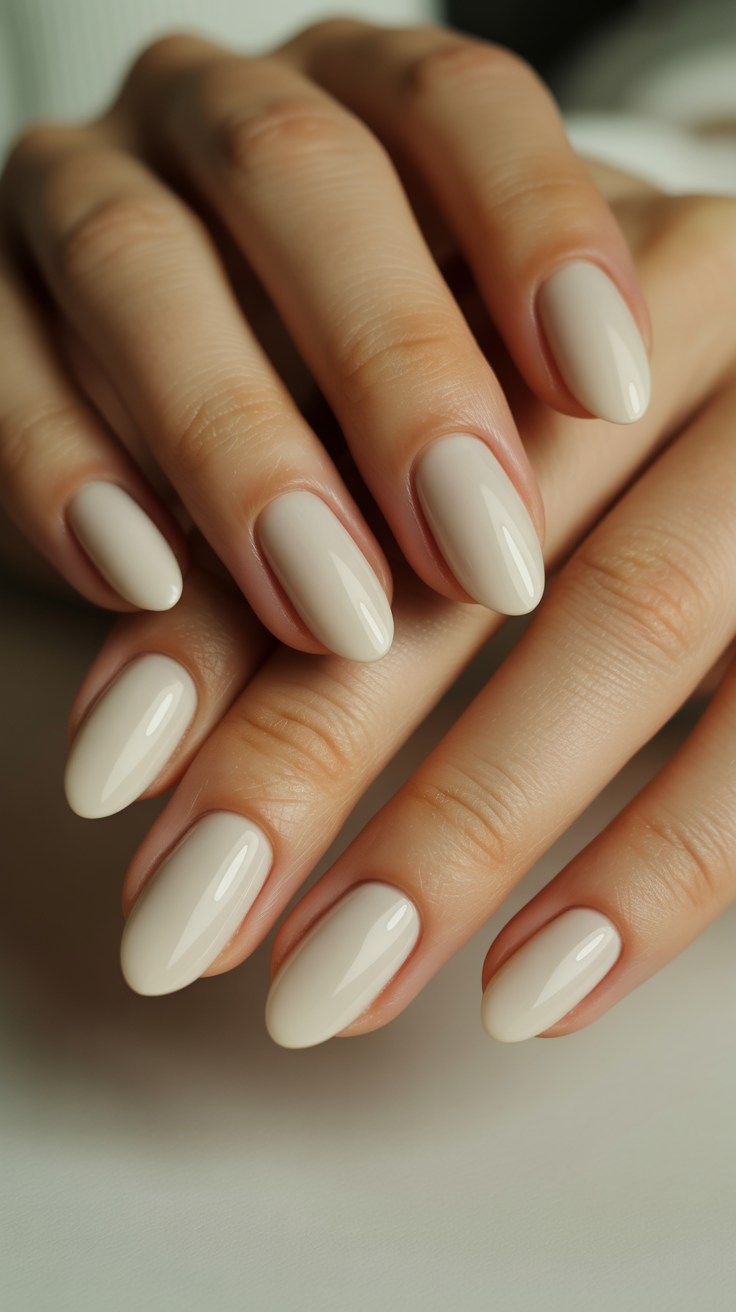
- Nails: Clean and trimmed. Clear polish or buffed works for anyone.
- Fragrance: Subtle beats cloud. People should notice you, not evacuate.
- Bag check: Wipe corners, fix frayed straps, and empty snack graveyards.
Small upgrades matter: Swap a worn phone case or scuffed wallet. These peek out more than you think.
FAQ
Do I need to tailor everything I own?
Nope. Tailor the pieces that define structure: blazers, trousers, formal dresses, and coats. Casual tees and knits can slide, but fix obvious issues like too-long sleeves or gaping waists. Start with one piece and you’ll see how much sharper everything looks.
How do I look polished on a budget?
Focus on fit, fabric care, and shoes. Thrift or buy mid-tier basics, then tailor selectively. Keep a steamer and lint roller on standby. One clean pair of sneakers and one dressier shoe can anchor almost any look.
Can I mix athletic pieces with dressier items?
Yes—carefully. Pair sleek, minimal sneakers with tailored trousers or a structured coat. Avoid gym logos and neon accents if you want polish. Think “sporty chic,” not “I missed my bus after spin class.”
What colors always look sophisticated?
Neutrals win: navy, black, charcoal, camel, ivory, olive. Add one accent color you love—burgundy, forest green, cobalt—so outfits don’t read flat. Keep the palette tight and repeat it for a signature look.
How many accessories are too many?
Try the “subtract one” rule. After you get dressed, remove one accessory. If the outfit feels calmer and cleaner, you nailed it. Statement earrings, a watch, and a simple bag? Perfect. Add three more and it starts to shout.
Is logo-heavy clothing always a no?
Not always. One logo piece in a clean outfit can look intentional. Problems start when every item shouts a brand name. If you want polish, keep logos minimal and let the fit and texture do the flexing.
Conclusion
Looking polished isn’t about spending more—it’s about editing smarter. Prioritize fit, tackle wrinkles and lint, keep shoes clean, balance textures, and rein in the extras. Make a few small changes and your outfits go from “almost” to “effortlessly sharp.” And hey, IMO, nothing looks better than clothes that clearly like you back.