
You buy the nice things. You follow the style guides. You copy the influencer’s outfit shot down to the socks. And yet… when you put it on, something feels off. Not tragic, just… not you. Let’s fix that. We’ll decode why great clothes can still miss the mark—and how to make them feel like your style instead of a costume.
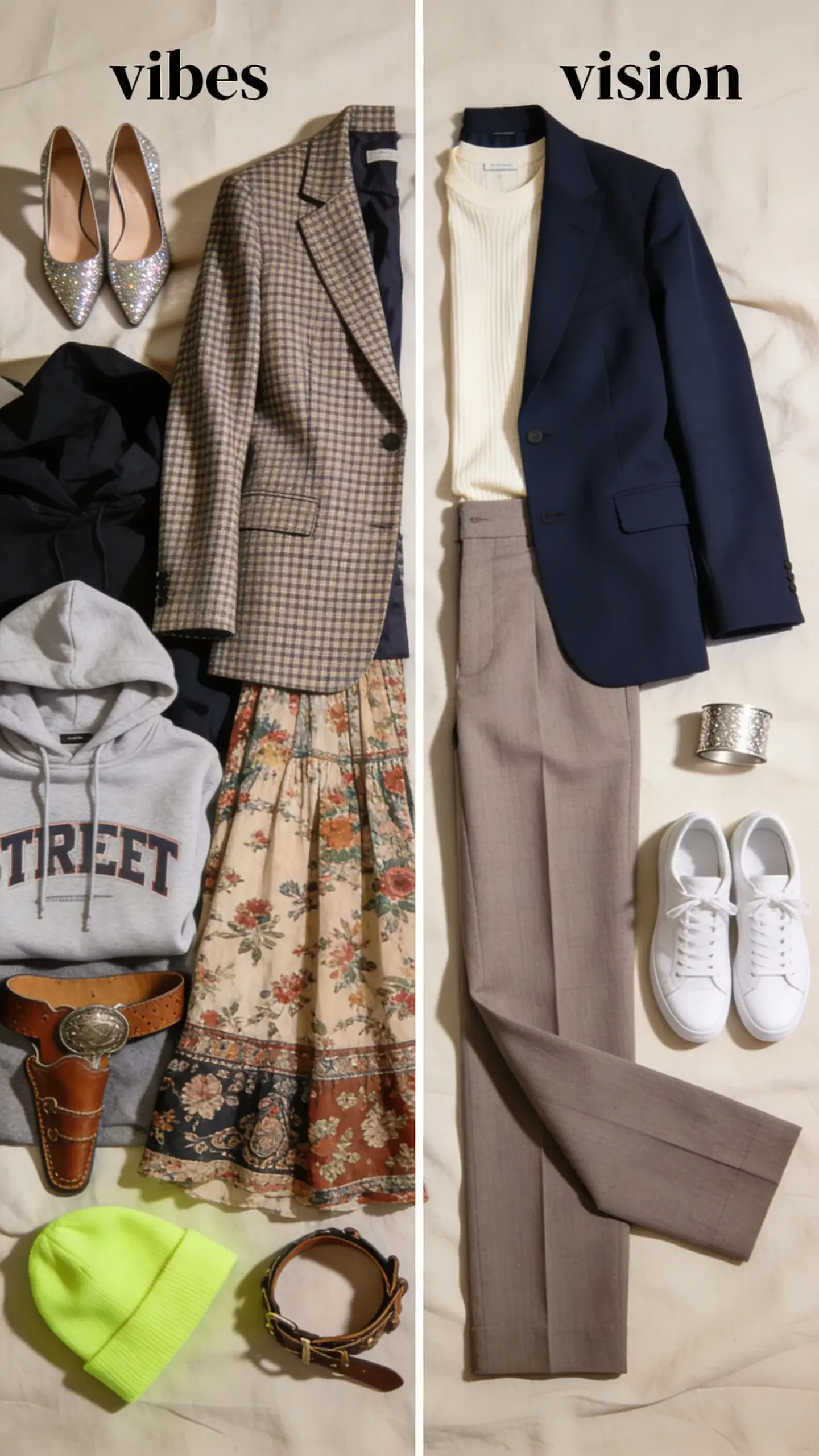
You collect cute pieces like a magpie: a “Parisian” blazer, cool sneakers, a silky skirt. But do they tell the same story when you wear them together? If your closet reads like seven different Pinterest boards, your outfits will feel chaotic.
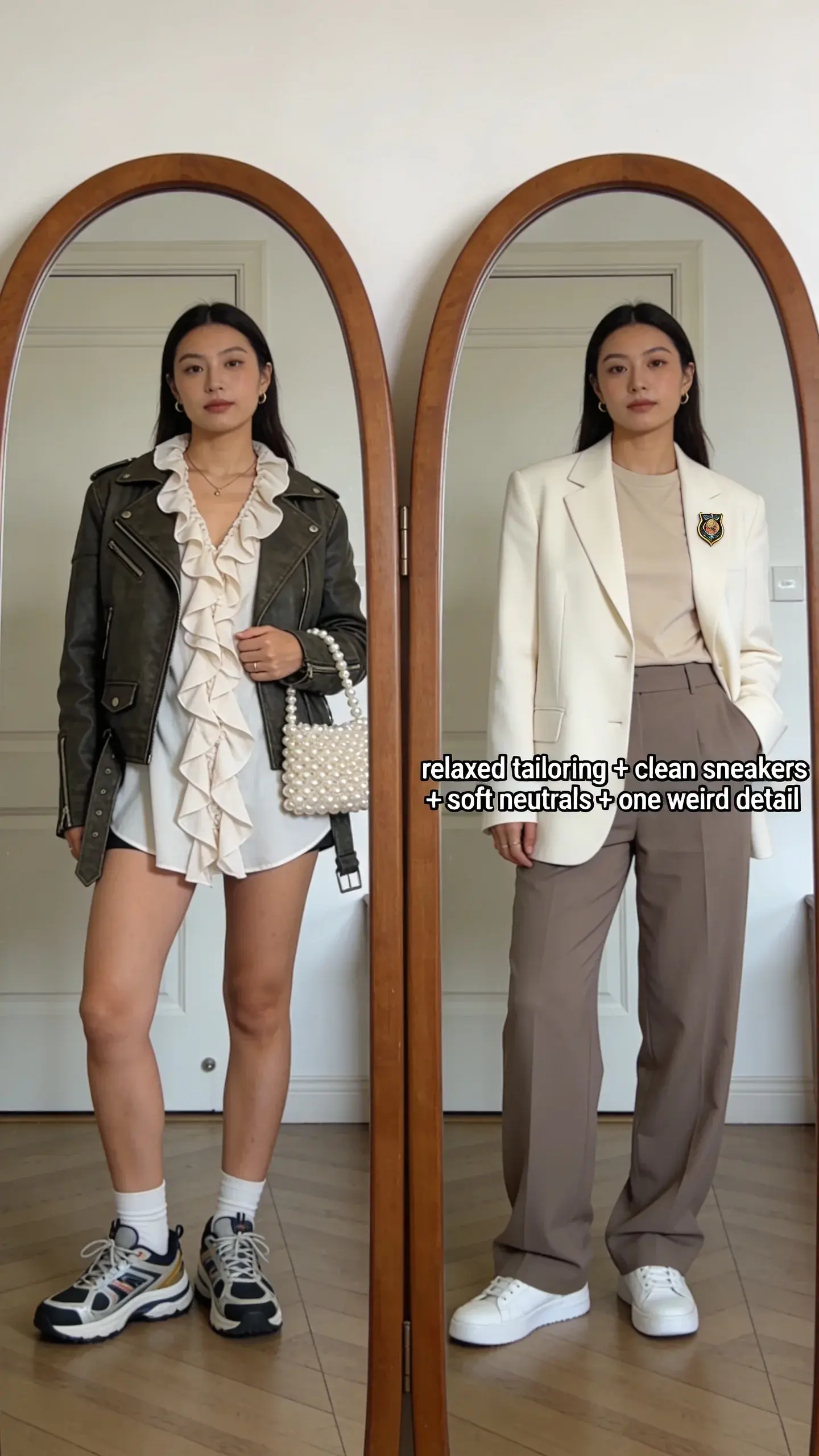
Build a style vision—short, punchy, and specific. Not “chic.” Try: “relaxed tailoring + clean sneakers + soft neutrals + one weird detail.” That’s a filter for what stays and what goes.
Ask yourself: If my style was a movie character, who am I? Are you the quiet architect in navy and cream? The artsy aunt in voluminous shapes and rich textures? Write one sentence and shop/choose outfits against it.
Nice clothes with mediocre fit equal meh. You deserve better than “close enough.” Tailoring turns 8/10 into 12/10.
Dial in these fit checks:
FYI: One $20 alteration can make a budget piece look designer. IMO, skip the third blazer and tailor the first one.
Pop on a lipstick or tinted balm that flatters you. If the outfit suddenly works, your clothes weren’t the problem—your face needed a balancing color. Wild but true.
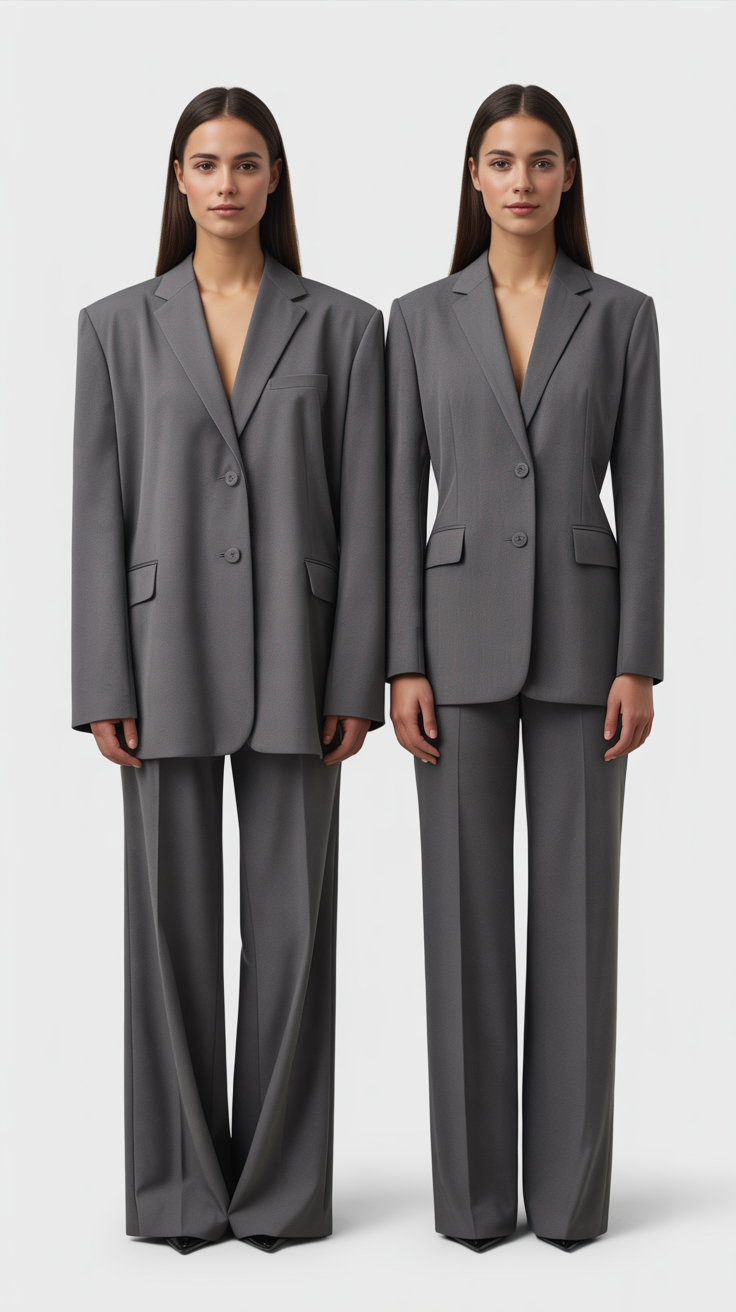
Proportions decide whether you look “put together” or “borrowed someone else’s clothes.” Aim for intentional volume.
Easy proportion formulas:
Ask: Where does the eye land? Create a clear waist or a deliberate vertical line. No mushy middle.
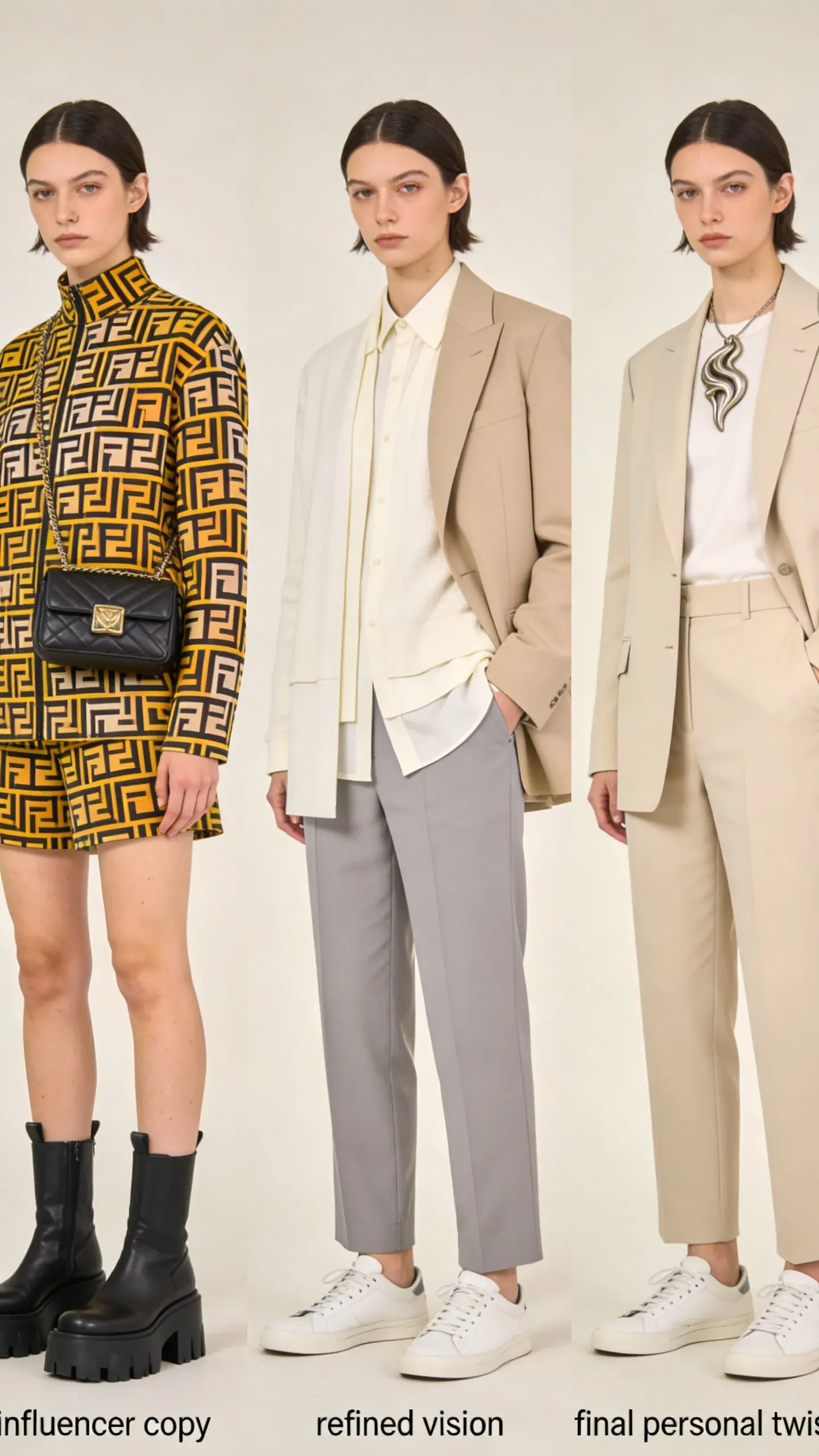
You saved the inspo pic. You bought the dupes. It still feels off. Why? You didn’t translate it to your life, your body, your climate, your vibe.
Translate any outfit like this:
IMO, the best outfits look inspired, not replicated.
Their clothes fit after pinning, clipping, steaming, and tailoring. Lighting and angles do the rest. If it doesn’t look the same IRL, you didn’t fail—physics did.
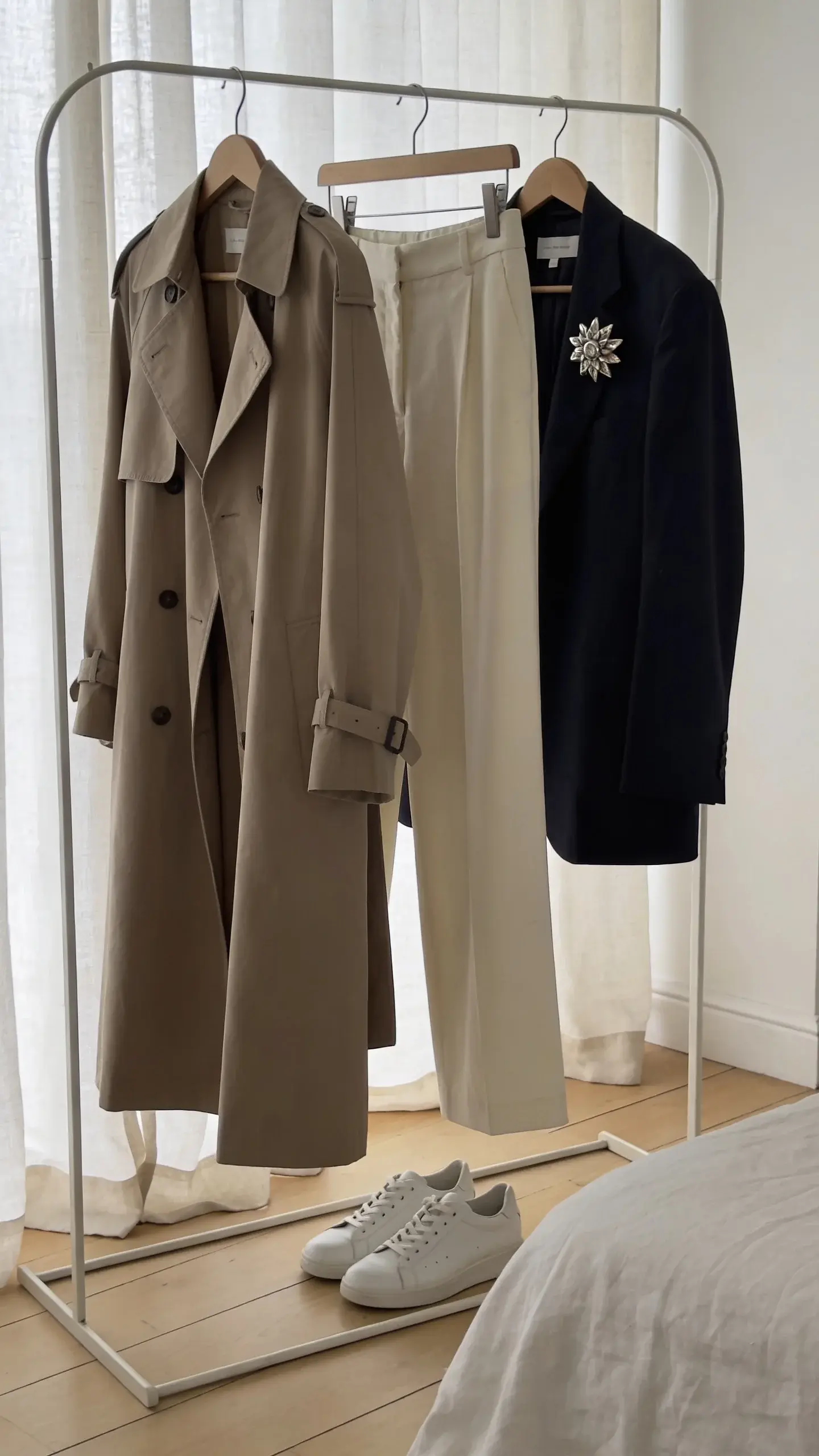
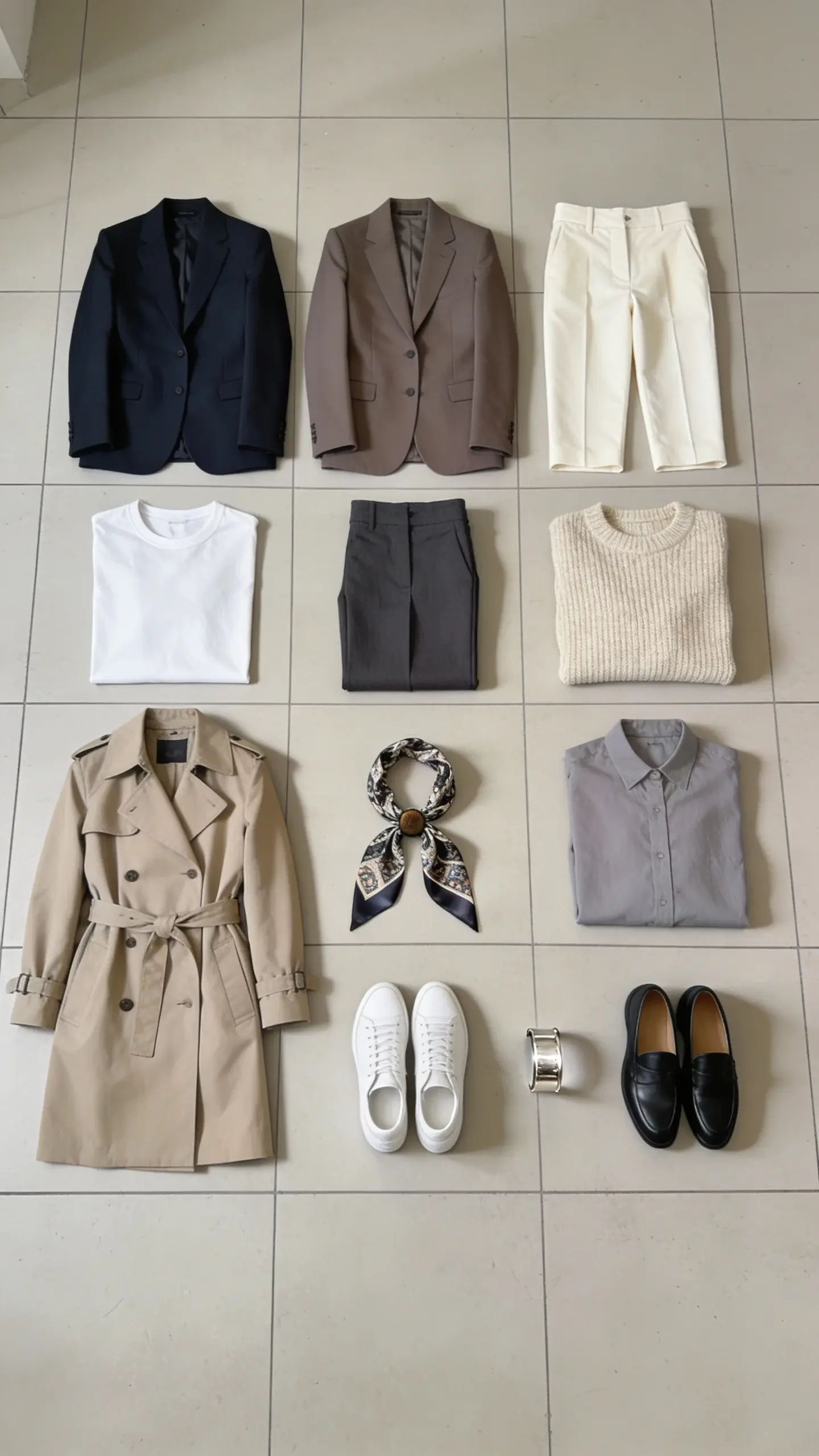
When everything feels “special,” nothing works daily. You need layers of basics, mediums, and zingers.
Build a wearable ecosystem:
Use the rule of three. Pick two foundational pieces + one finisher (or vice versa). Example: white tee + straight jeans + bold belt. Simple, sharp, done.
If you keep fussing with straps or pulling at waistbands, your style dies on the spot. Confidence sells the outfit. Comfort fuels the confidence.
Comfort audit:
FYI, you don’t need to suffer to look good. That’s marketing.
Try a two-week uniform experiment. Choose one silhouette—say, straight jeans + fitted top + relaxed jacket—and wear variations daily. Note what feels great and what annoys you. Patterns will pop up fast, and you’ll finally see your preferences without the noise.
No. Stand near a window with a mirror. Hold up different tops or scarves. If your skin looks even and your eyes brighter, keep that color family. If your face looks shadowy or dull, skip it. Simple, free, effective.
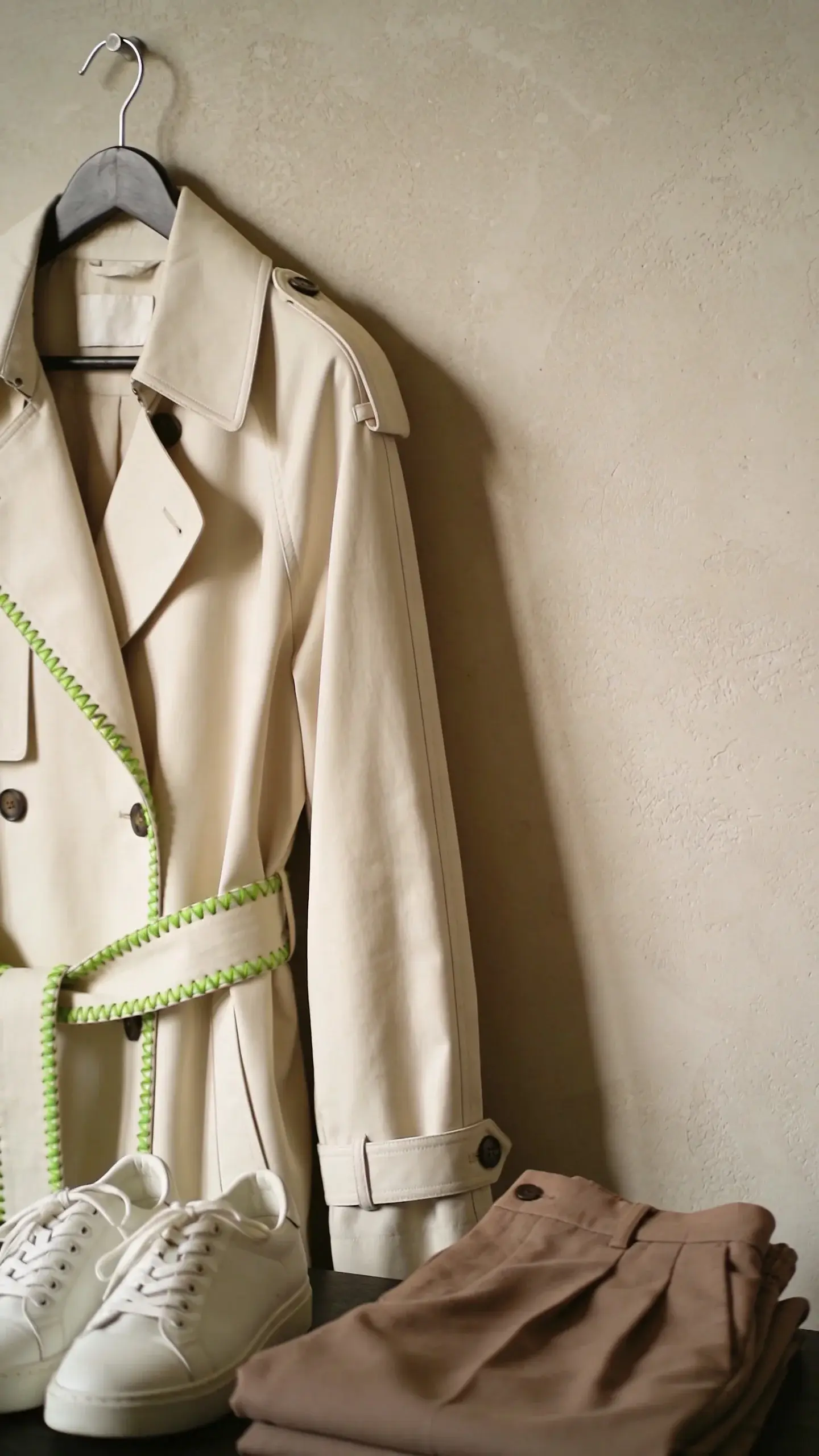
Fill foundation gaps. One perfect pair of jeans or trousers, a great everyday shoe, and a jacket that suits your lifestyle beat five random trend items. Then add one finisher you love (belt, necklace, or bag) to lock in your vibe.
Prioritize fit and fabric. Tailor cheap pieces, choose natural or blended fibers that feel good, and keep a tight color palette so everything mixes. Thrift for outerwear and leather; spend on shoes you’ll wear 100+ times.
Store mirrors, lighting, and the shopping high trick you. Always do the sit-test, the walk-test, and the photo-test. Snap a quick mirror pic; cameras catch issues eyes ignore. If it fails any test, leave it.
Two or three per season is plenty. Rotate them with strong basics so they feel fresh. If every piece screams, your outfit argues with itself.
Great clothes don’t guarantee great style. Cohesion, fit, color, proportion, translation, comfort, and micro-details do. Start with a clear vision, tailor what you own, pick colors that flatter, and build outfits like a recipe. Then finish with one confident detail and call it a day. Your wardrobe will stop feeling “off” and start feeling unmistakably you. IMO, that’s the whole point.