Why Texture Matters More Than Labels In Old Money Style
You can spot “old money” style without reading a single label. It’s the whisper of a tweed jacket, the quiet confidence of a cashmere sweater, the way suede shoes just… glide. No in-your-face logos, no neon flexing.
The secret? Texture. If you want the look that reads “I inherited taste,” not “I discovered credit,” you need to understand how fabrics talk.
Old Money Style Isn’t About the Brand—It’s About the Feel
We associate old money with understatement.
Logos scream. Texture murmurs—but everyone leans in. When you choose pieces for how they feel and wear, you naturally avoid shouty trends. Luxury gets obvious when it’s tactile. A nubby Shetland sweater says more than any badge.
A crisp poplin shirt? Respectfully impeccable. IMO, once you train your fingers, you’ll never chase labels again.
What Texture Does That Labels Can’t
Texture creates depth, character, and quiet richness.
Labels only create recognition. Which one do you think lasts longer?
- Depth: A flannel blazer looks interesting even in flat lighting. It photographs rich and looks richer in person.
- Patina: Suede, corduroy, and full-grain leather age beautifully.Logos age… awkwardly.
- Versatility: Textured neutrals play nicely together. Logos fight for attention.
- Seasonal harmony: Heavier textures in fall/winter, airy ones in spring/summer. It feels intentional without trying.
Visual Quiet vs.Visual Noise
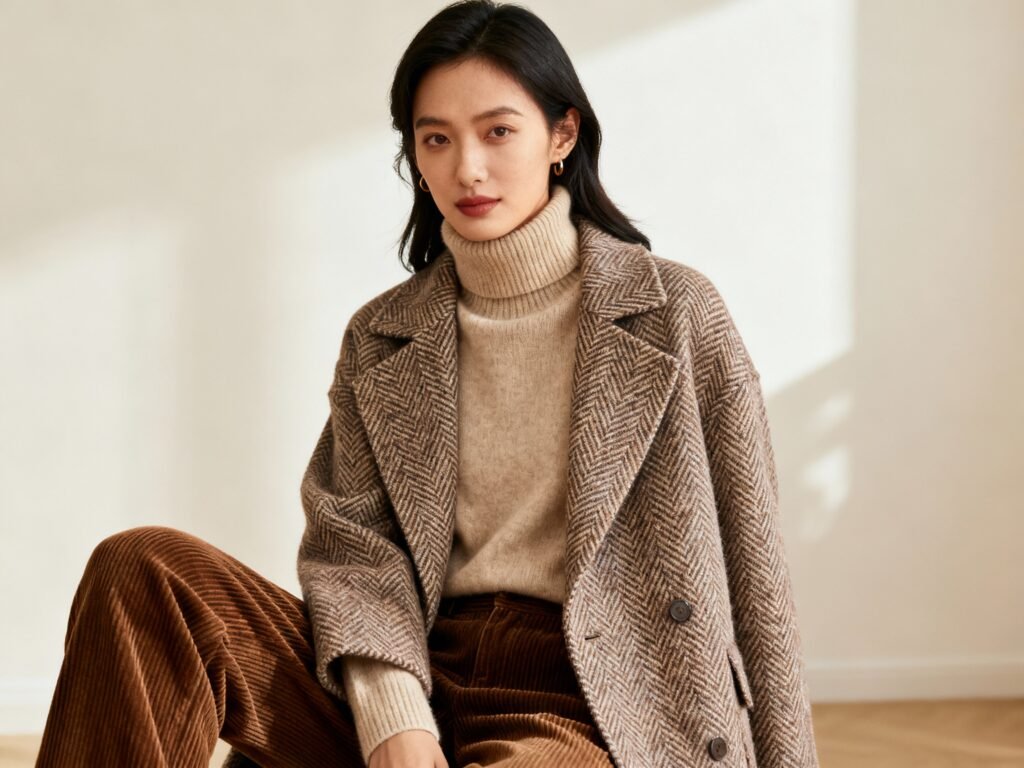
Old money style avoids visual noise. You get interest from weave and fiber, not printed patterns or giant branding. That’s why a charcoal herringbone overcoat looks expensive even from 20 feet away.
The Textures That Do the Heavy Lifting
You don’t need 100 fabrics.
You need the right ones, worn often. Here’s the short list of MVPs.
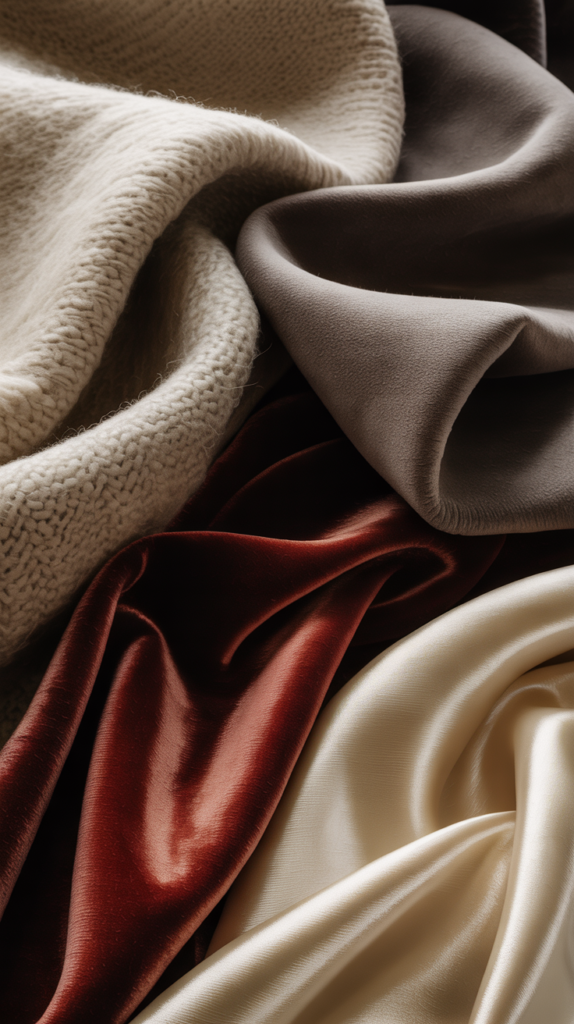
- Cashmere and lambswool: Soft, plush, non-shiny. Choose mid-gauge knits, not paper-thin ones.They drape, they flatter, they outclass.
- Tweed and flannel wool: The autumn/winter kings. Tweed brings nubs and flecks; flannel brings that fuzzy halo. Both say “I understand seasons.”
- Corduroy: Low-wale cords look refined; high-wale cords feel vintage-professor.Taupe, olive, chocolate—chef’s kiss.
- Suede: Shoes, bombers, even belts. Suede turns down the volume while turning up the richness.
- Oxford cloth and poplin: OCBDs for texture and heft; poplin for crispness. Blue, white, pale pink—done.
- Linen: Rumpled in a good way.Wears like you have a boat, even if you only have a bus pass.
- Full-grain leather: Belts, wallets, bags. It picks up character instead of cracking under pressure.
Skip These (Most of the Time)
- Shiny synthetics: Nylon windbreakers and polyester sheen read more “gym bag” than “county club.”
- Super-stretch denim: It fits, sure, but it won’t age like rigid denim. Old money loves patina, not pilling.
- Overly slick knits: If it reflects light like a mirror, that’s a no.
How to Build Outfits Around Texture
Think about contrast.
Mix textures like you mix flavors: a rich base, a crisp accent, and something with bite.
- Example 1 (Fall): Grey flannel trousers + navy lambswool sweater + brown suede loafers. Add a tweed sport coat if you want extra depth.
- Example 2 (Winter): Corduroy pants + cashmere roll neck + herringbone overcoat. Subtle but loaded.
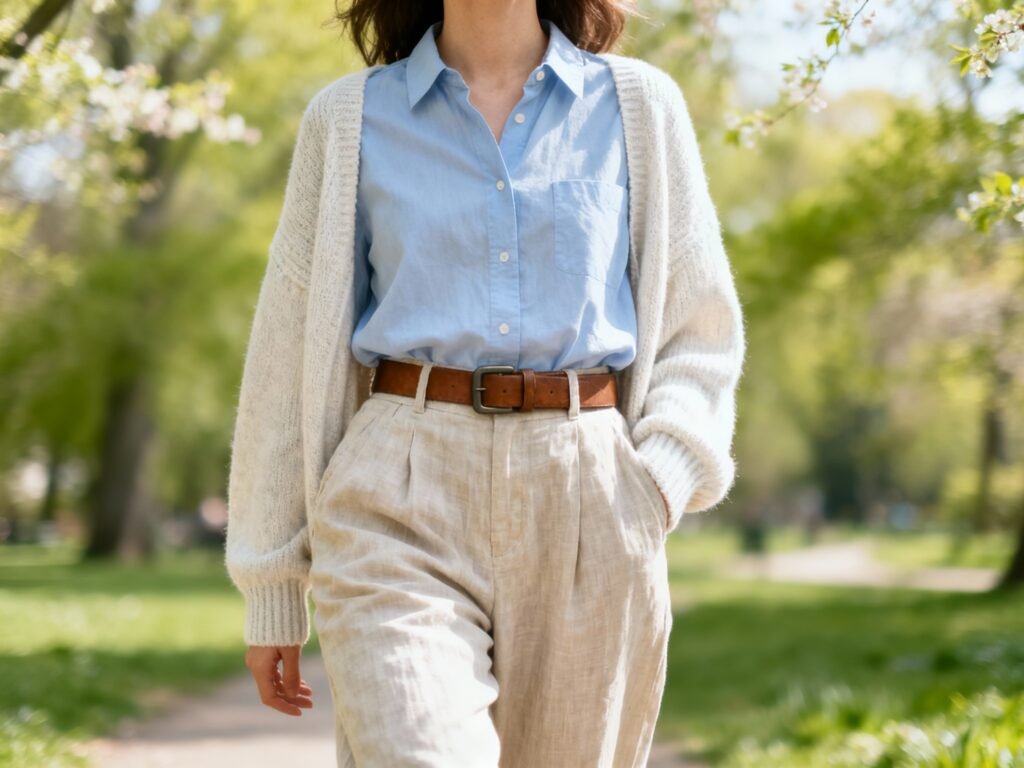
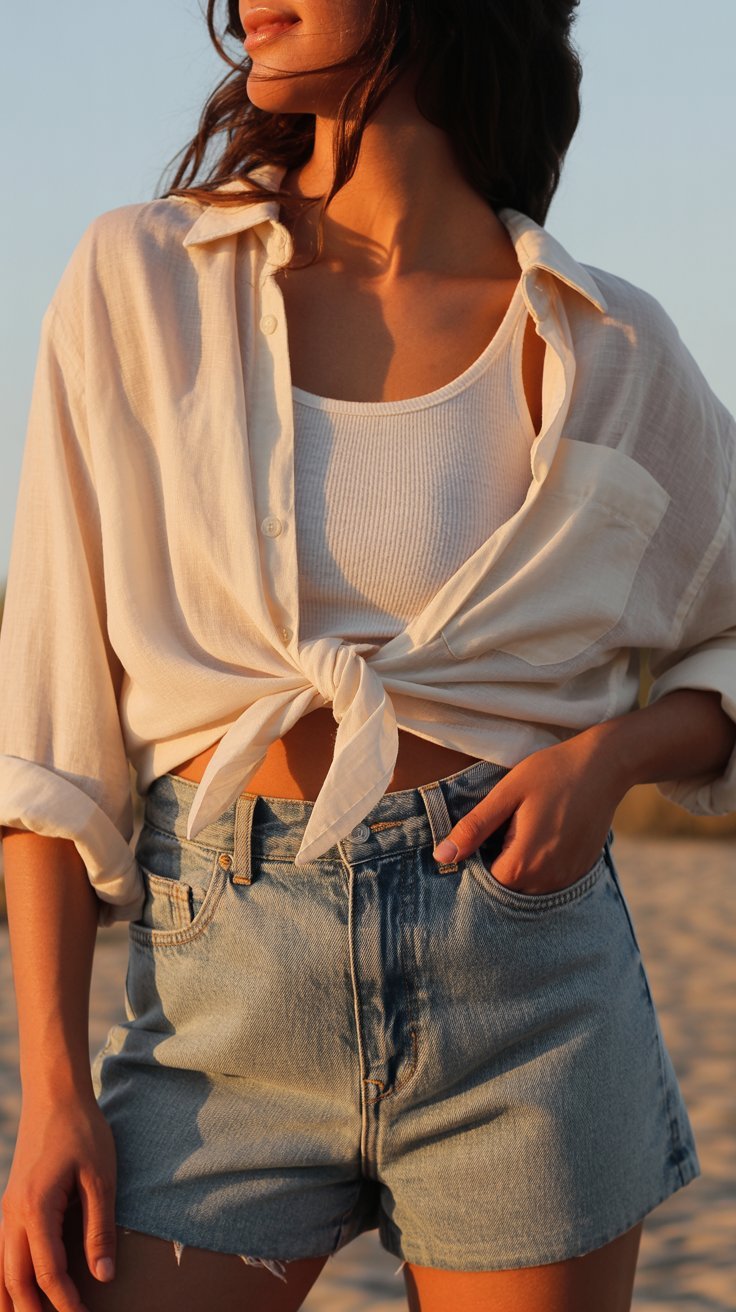
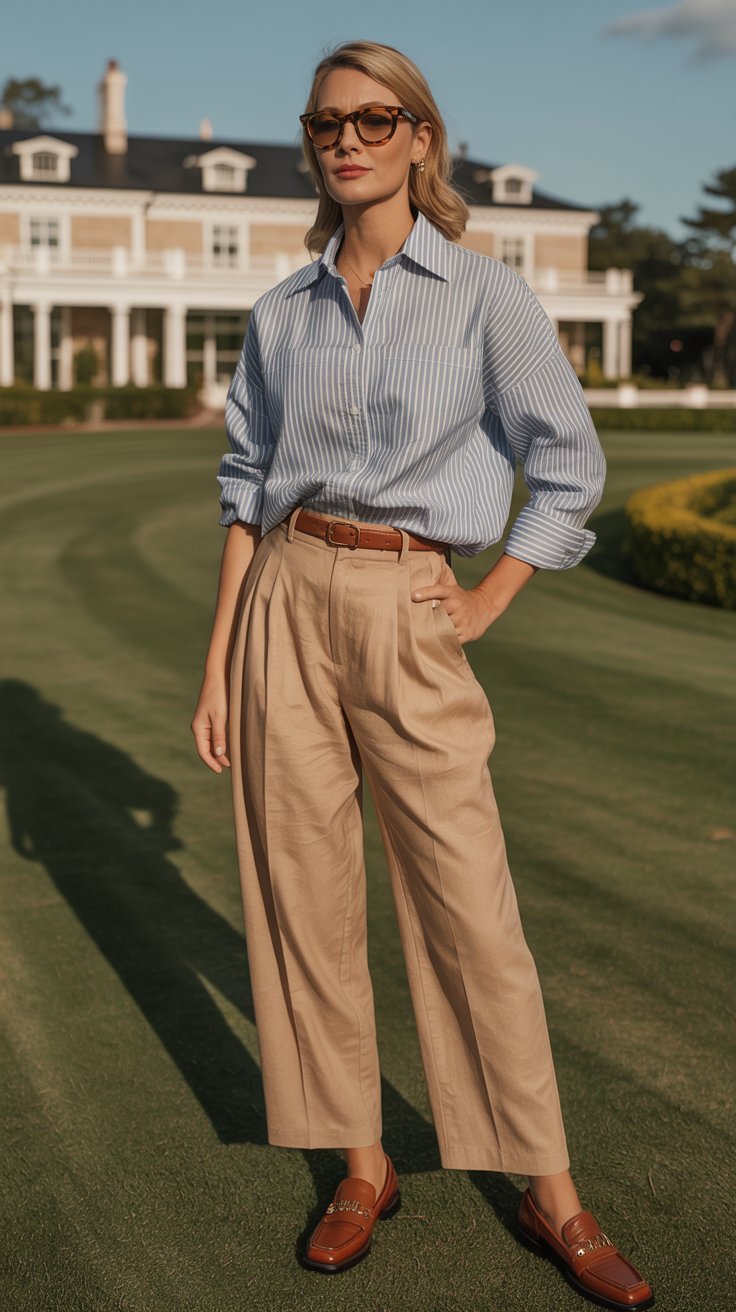
- Example 3 (Spring): Linen trousers + OCBD + lightweight cotton knit.
- Leather belt with a matte buckle seals it.
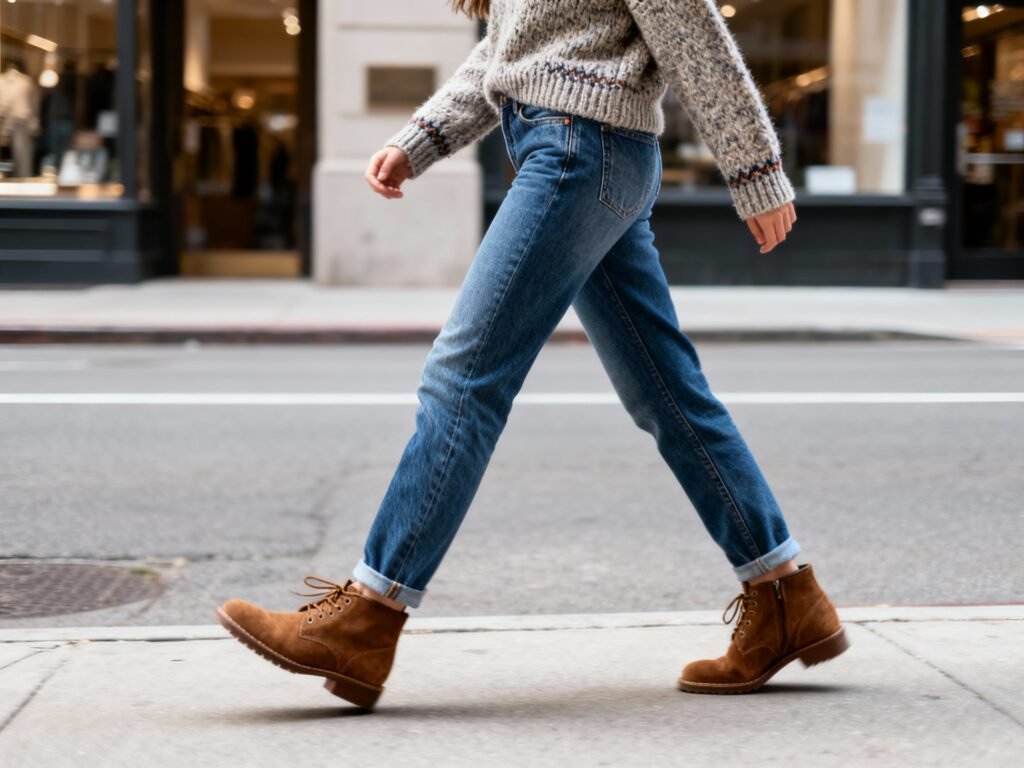
- Example 4 (Casual): Rigid denim + Shetland crewneck + suede chukkas. That’s weekend money, FYI.
Color and Texture: Best Friends
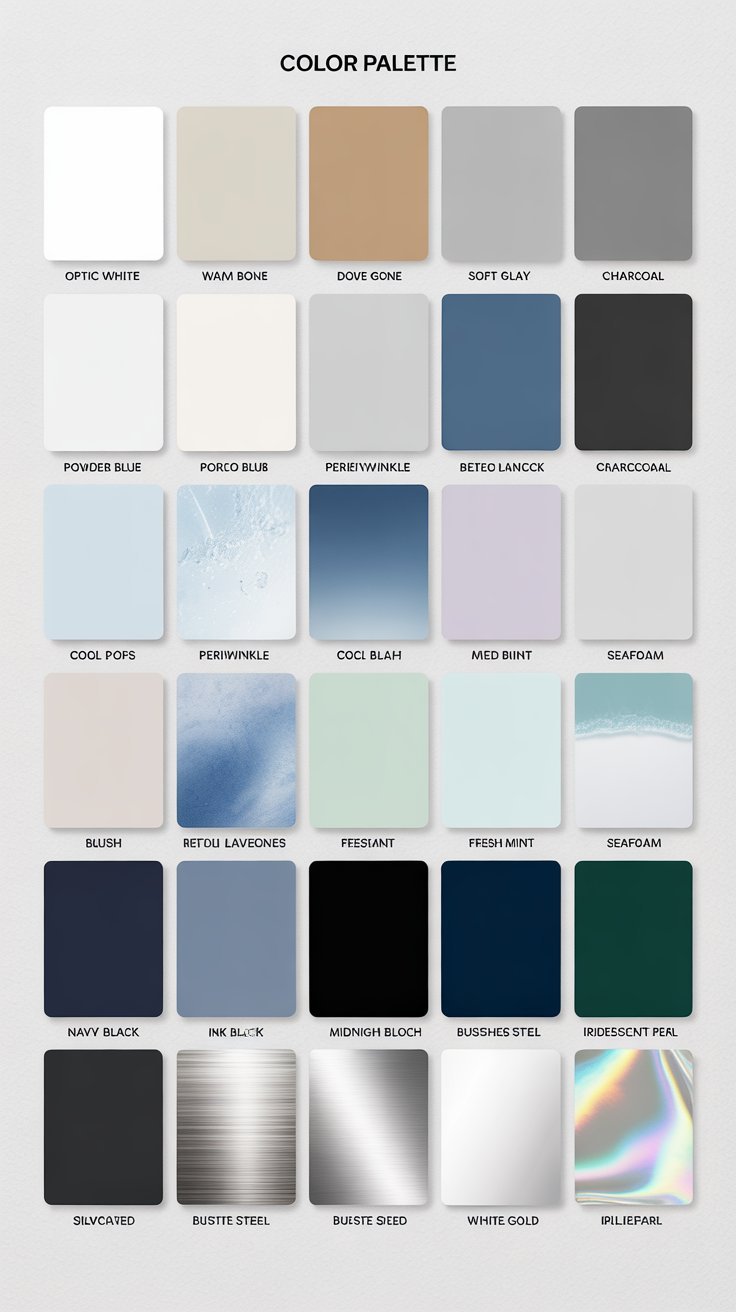
Keep the palette restrained so texture does the talking. Navy, grey, camel, olive, chocolate, cream.
Add one accent at a time—a burgundy tie, a forest scarf. If you feel loud, you’ve gone too far.
Feel for Quality Without Reading a Tag
You don’t need a microscope. You need your hands and five seconds of focus.
- Weight check: Quality fabrics have presence. Lift it.Does it drape or crinkle?
- Hand feel: Cashmere should feel buttery, not slippery. Wool should feel lively, not scratchy-flat.
- Weave integrity: Look close. Tight, even weave?Good. Loose, shiny, snaggy? Pass.
- Shine test: Matte usually reads richer than glossy, especially for tailoring.
- Wrinkle behavior: Crush it lightly in your hand.Good linen wrinkles softly; cheap blends crease like origami.
Construction Clues That Matter
- Knits: Even stitching and consistent tension.
- Tailoring: Smooth lapels, non-bubbly fusing, aligned patterns at seams.
- Shoes: Suede should feel velvety; soles should be leather or robust rubber, not flimsy foam.
Quiet Flex: Choosing Understated Pieces
You want things that get better with time and don’t scream. That means classic shapes and subtle detail work.
- Outerwear: Balmacaan or raglan topcoats, waxed cotton, field jackets. All texture, no peacocking.
- Knitwear: Shetland crews, cashmere v-necks, Aran sweaters when it’s cold enough to justify the drama.
- Shirting: OCBDs with a slightly rolled collar.Poplin for suits. No stretch shine, please.
- Trousers: Flannel in winter, linen or high-twist wool in summer, cords anytime the temperature drops.
- Footwear: Suede loafers, chukkas, derbies. Polished leather oxfords for formal, but keep the finish soft, not mirror-ball.
Logos: If You Must
If a logo exists, keep it microscopic.
A small chest emblem on an OCBD? Fine. Giant chest billboard?
Not the vibe.
Care, Because Texture Needs Love
Old money style values maintenance. Ironically, caring well for mid-range pieces beats neglecting “luxury” ones.
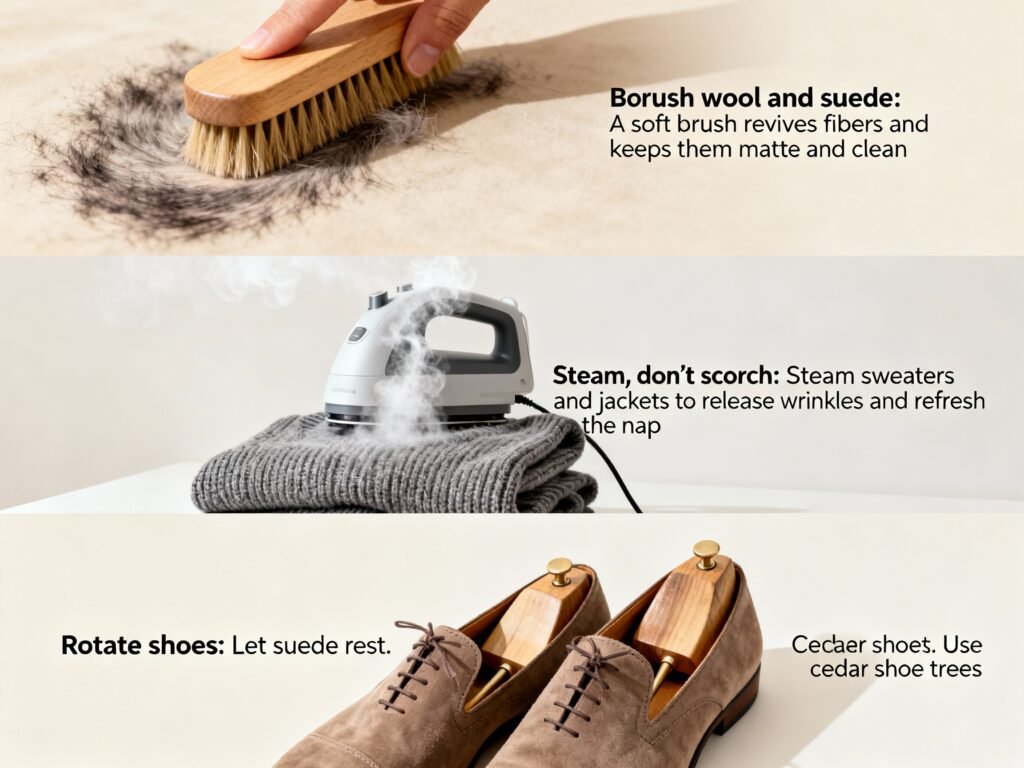
- Brush wool and suede: A soft brush revives fibers and keeps them matte and clean.
- Steam, don’t scorch: Steam sweaters and jackets to release wrinkles and refresh the nap.
- Rotate shoes: Let suede rest. Use cedar shoe trees.Your future self will thank you.
- Wash gently: Cold water for knits, flat dry. Aggressive heat equals sad sweaters.
Seasonal Storage
Store knits folded, not hung. Use garment bags for coats.
Cedar blocks for the win. Moths hate your diligence.
FAQs
Can I get an old money look on a budget?
Absolutely. Focus on thrift stores and secondhand apps for wool, cashmere, and tailored pieces.
Prioritize fit and texture over brand. A $40 thrifted tweed that fits will beat a $400 flashy jacket that doesn’t. IMO, alterations plus good fabric equals “quiet luxury” faster than any logo.
What colors should I start with if I’m rebuilding my wardrobe?
Navy, grey, camel, olive, cream, and white.
These shades mix easily and let your textures shine. Add muted accents—burgundy, forest green, dusty blue—once the basics feel dialed.
How do I know if a sweater is good quality?
Check weight and hand feel. Look for dense knitting, minimal sheen, and natural fibers (wool, cashmere).
Lightly stretch the fabric—good knits bounce back. Pills happen, but quality yarns pill less and depill cleanly.
Is linen too wrinkly for “old money” style?
Nope. The right kind of wrinkly looks lived-in, not sloppy.
Go for heavier linens or linen-cotton blends if you want fewer creases. Embrace the rumple—it reads relaxed, not careless.
Do I need to ditch logos entirely?
Not mandatory, just minimize. If the logo takes center stage, it hijacks the outfit.
Keep it small and subtle so texture and silhouette carry the look.
What’s the best first textured piece to buy?
A navy lambswool or Shetland crewneck. It layers over shirts, pairs with denim or flannels, and instantly adds depth. You’ll wear it nonstop and wonder why you waited.
Conclusion
Labels tell people where you shopped.
Texture tells them who you are. If you build your wardrobe around fabrics that feel rich, wear well, and age like good stories, you’ll nail the old money vibe without spending like it. Start with a few textured staples, keep the palette calm, and let the fabrics do the flexing.
Quiet never looked so good.