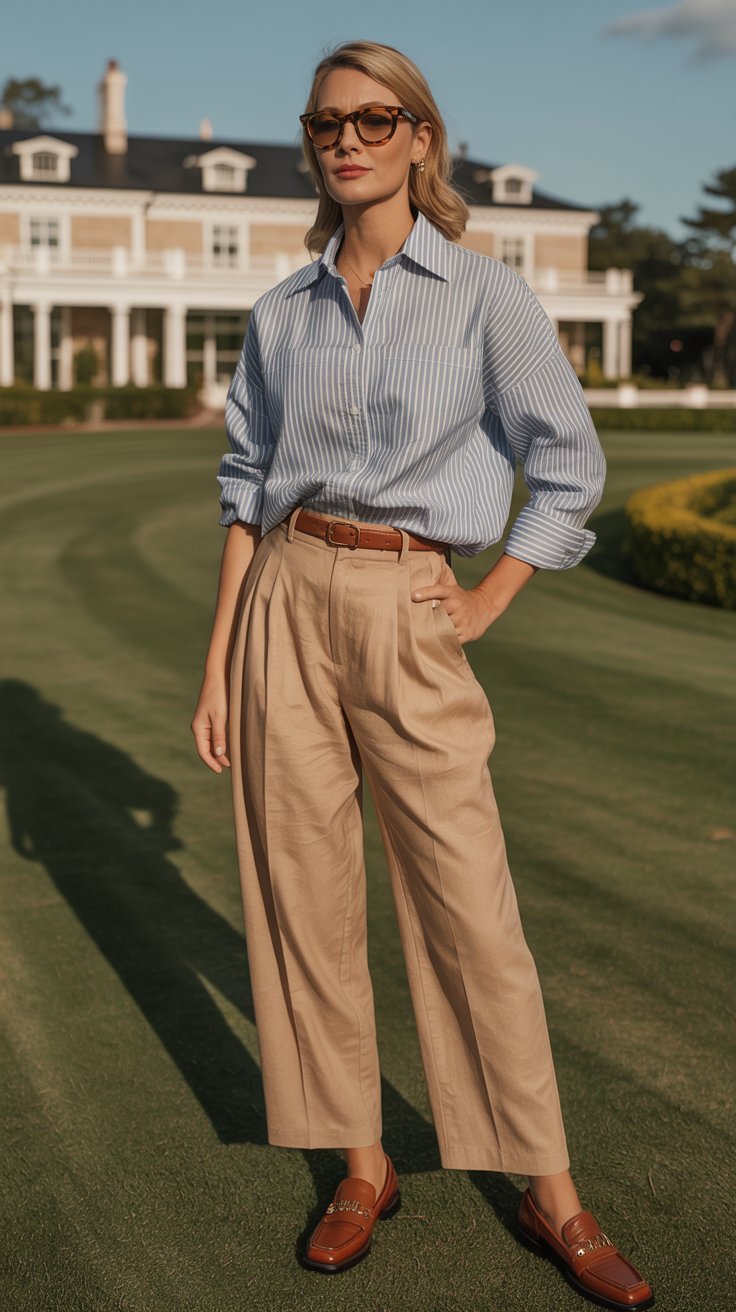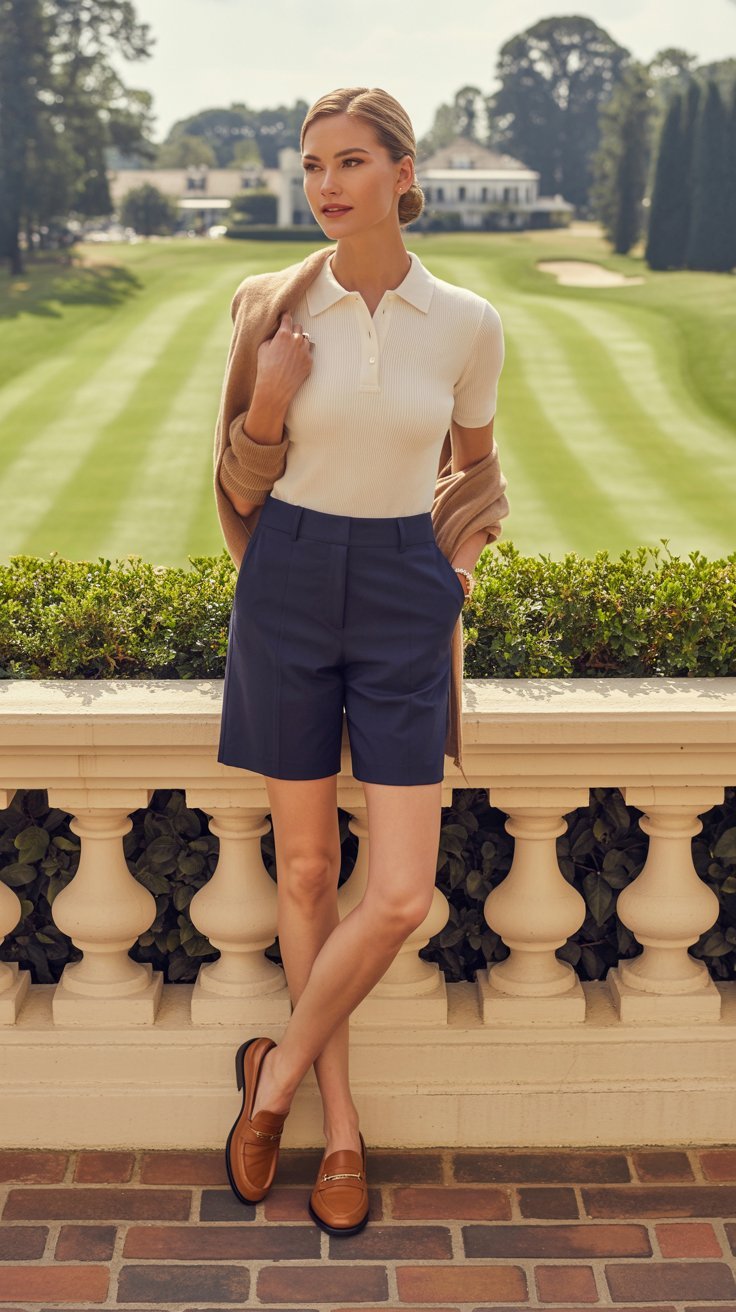

Everyone keeps chasing the “old money” look like it’s the final boss of style. Cable knits, loafers, pearls, the whole Pinterest starter pack. But here’s the kicker: most “old money” outfits miss the mark because they try too hard to look effortless.
If that sounds like a paradox, that’s because it is.
People treat “old money” like a dress code. It’s not.
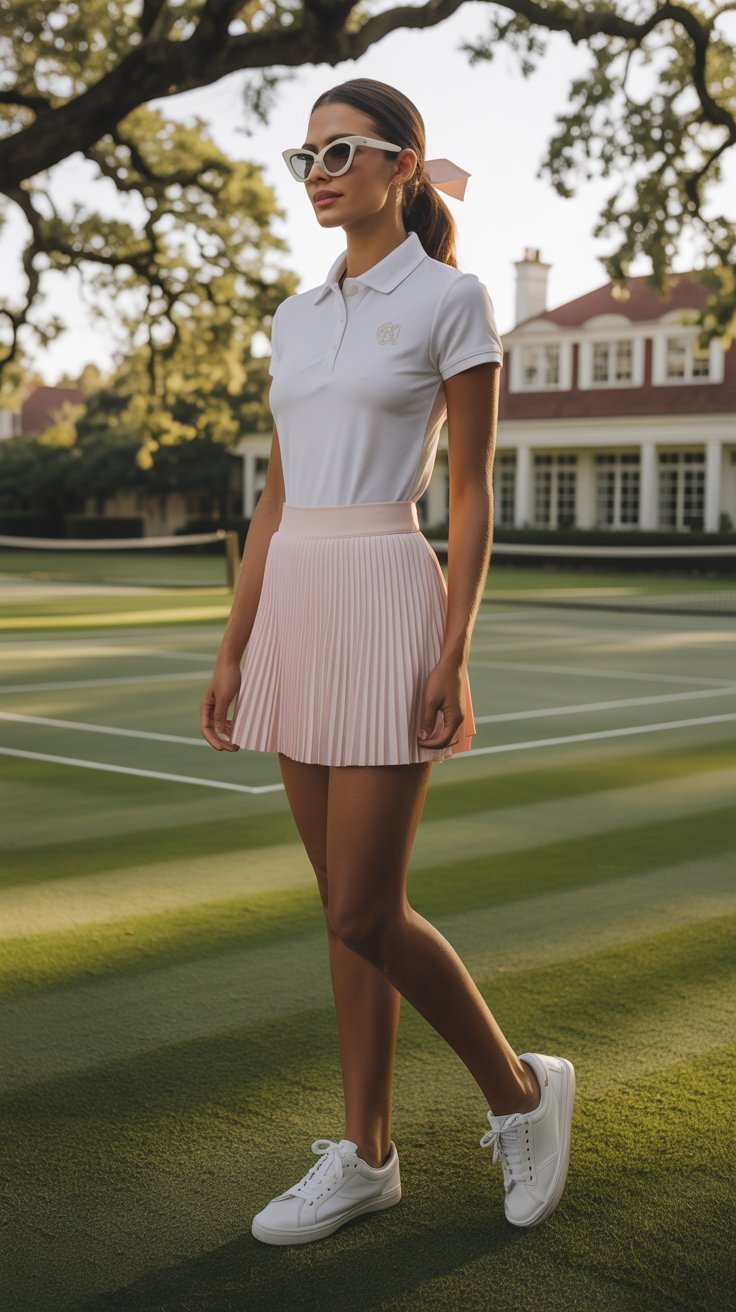
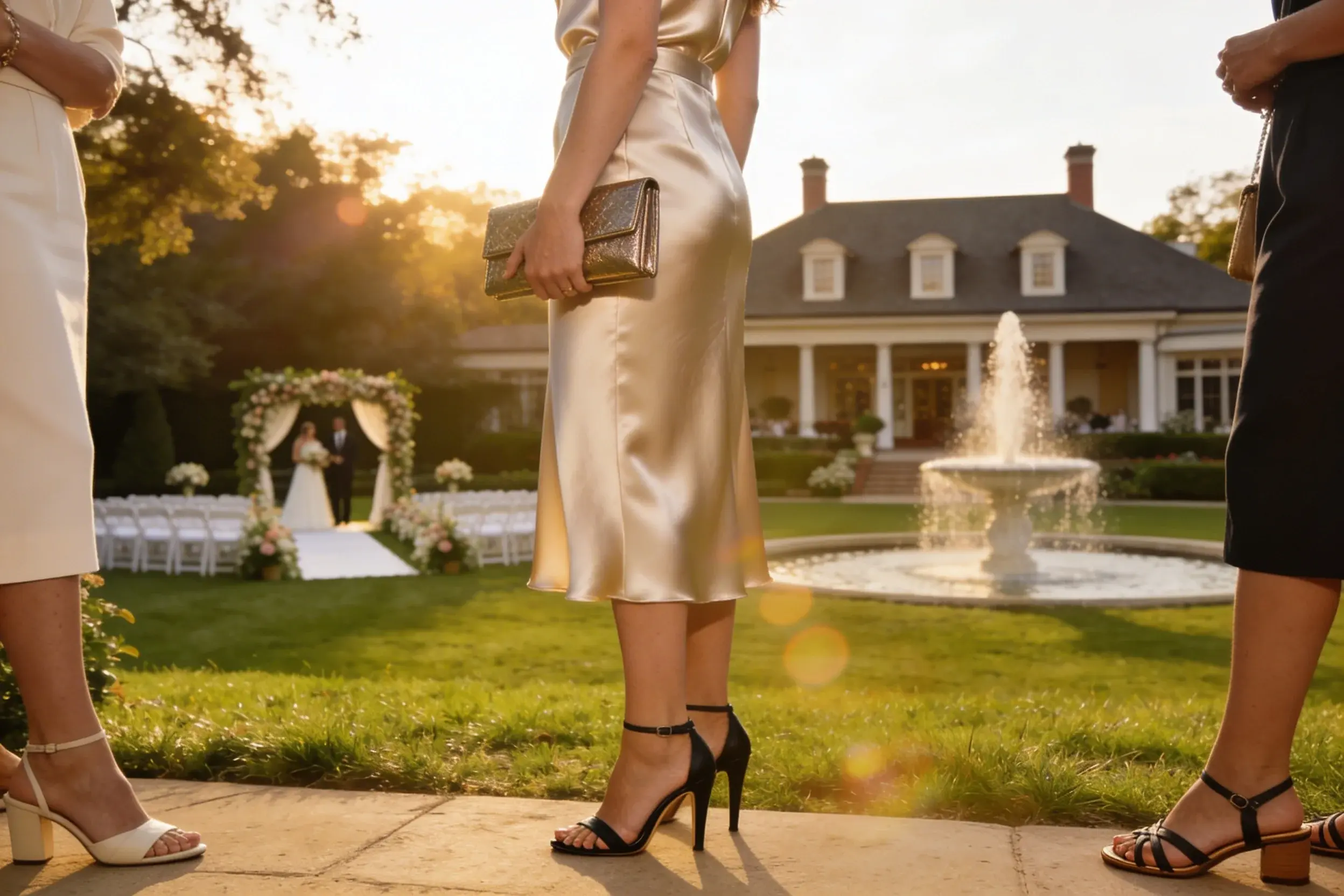
It’s a lifestyle with its own social rules, inside jokes, and very specific settings. You can wear a tweed jacket to brunch and feel chic. But if you copy someone’s grandfather at a country club, you’ll look like you borrowed a costume. Clothes only make sense when the context matches. If your outfit screams yacht club and you’re in an office park, it’s cosplay.
Old money style evolves around activities: sailing, hunting, equestrian, garden parties no one actually enjoys.
If your life doesn’t include these, then wearing a regatta blazer just reads as… cosplay with extra starch. Build your wardrobe around your actual routines, then add nods if you love the aesthetic.
The TikTok version of “old money” loads up on beige and strip-mines a Ralph Lauren outlet. But the real thing values fabric, construction, and restraint.
You can’t fake a good drape or clean finishing. People notice when your “cashmere” pills after three wears. The subtle flex sits in:
Slapping a crest on a poly blend doesn’t turn it into heritage.
FYI: logos aren’t evil, but logos instead of quality just look loud.
A lot of “old money” looks feel stiff, like you’re walking around in a catalog photo. Real old money style often looks a little rumpled—on purpose. The fit aims for relaxed, tailored comfort, not “my blazer is holding me hostage.” What usually goes wrong:
Aim for a natural shoulder, soft construction, and trousers with a gentle break.
You want movement, not armor.
Spend on alterations. Hemming trousers, shaping the waist, slightly shortening sleeves—these tiny changes make even mid-range pieces look expensive. IMO, a $150 blazer that fits beats a $1,500 one that doesn’t.
The Instagram version of old money acts like neutrals are the whole plot.
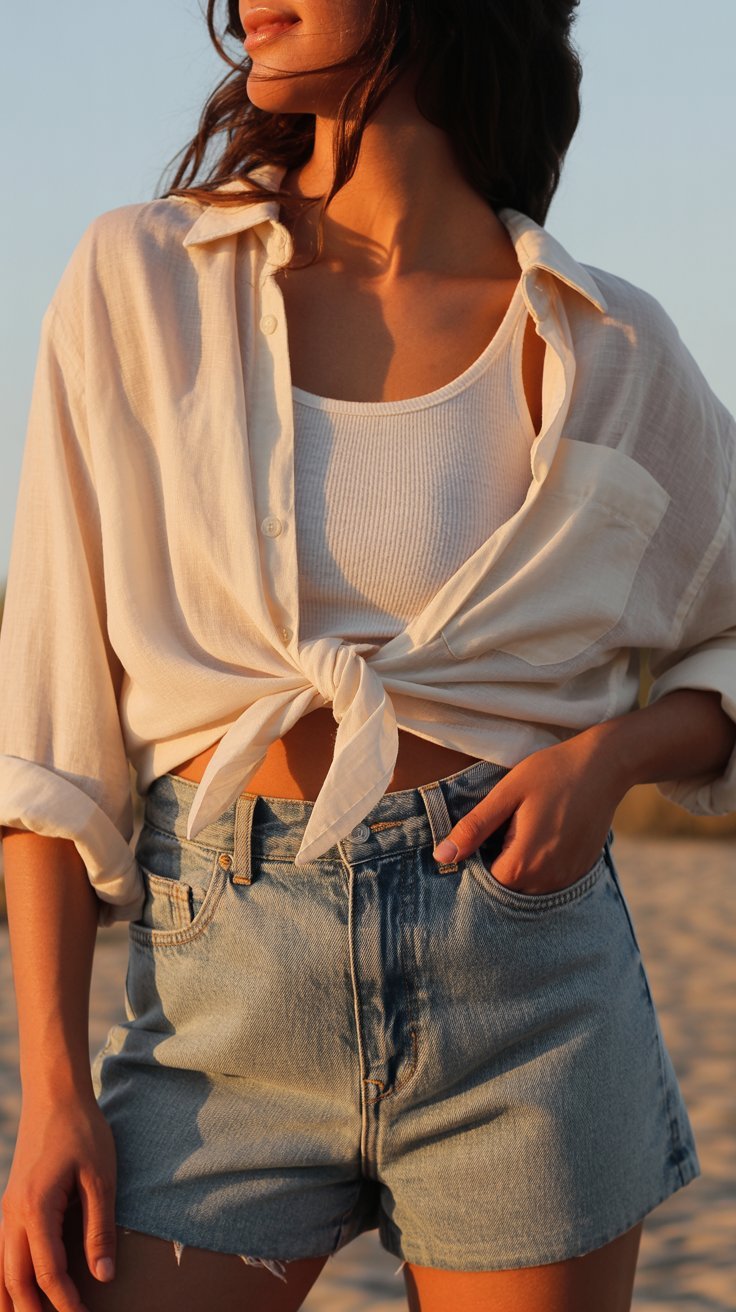
Beige, camel, cream, navy—sure, they’re classic. But the real charm comes from texture and subtle color play. Want old-money energy without looking washed out?
You’re aiming for “I dress in natural light,” not “I fear saturation.”
Here’s where many looks faceplant: matching every heritage trope at once.
Think double monk straps, gold signet ring, club tie, cable knit, and tweed cap—on a Tuesday. It’s too many signals. Pick two heritage cues max, then keep the rest normal. Example: oxford shirt + tweed blazer + plain dark denim. Or a cable-knit sweater + wool trousers + clean sneakers.
You get the vibe without turning into a period piece.
Instead of copying crests and coats of arms, copy silhouettes and layering. A soft-shouldered jacket, straight-leg trousers, and a collared knit say “grown-up” without the costume jewelry.
Old money outfits look good because people take care of them. Wild, right? Maintenance is the unsexy secret.
If your wardrobe can’t survive normal life, it won’t look “old money.” It’ll just look tired.
The real reason many “old money” outfits flop? No personality. You wore the uniform without the point of view. Style loves a wink. Try:
Let your clothes say “I know the references, but I’m not beholden to them.” Also, smile occasionally.
That helps too.
Want the old-money aura minus the cringe? Here’s a simple playbook.
FYI: Confidence finishes the outfit.
Not arrogance—just “I chose this on purpose.”
Totally. Focus on fit and fabric first. Thrift blazers, buy decent shoes on sale, and spend a bit on tailoring.
A tidy mid-range wardrobe beats a flashy one that falls apart.
Nope. Subtle branding can look great if the garment quality stands on its own. The problem starts when the logo becomes the outfit’s main event.
If you’re using the logo to signal status, the vibe turns off fast.
Yes, and it looks fresh. Pair clean leather or canvas sneakers with wool trousers or a blazer. Keep them minimal and spotless to avoid looking like you swapped shoes in the elevator.
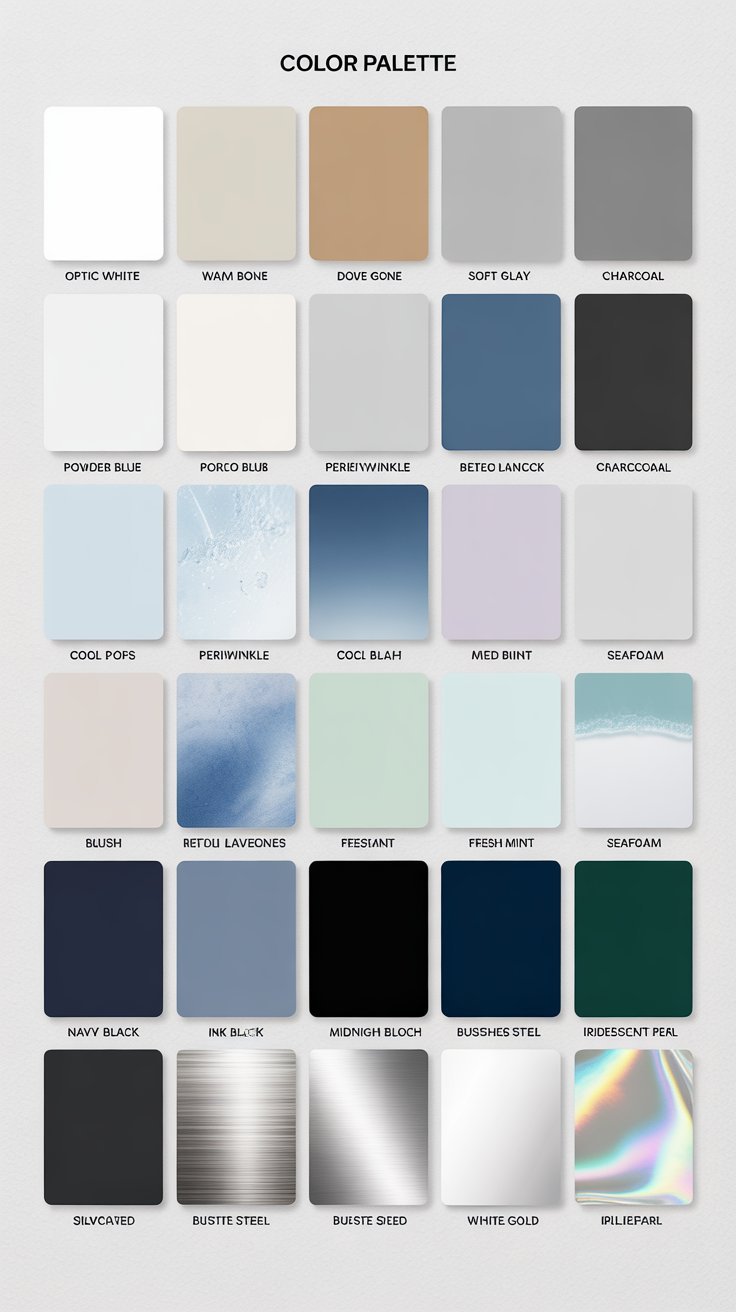
Navy, charcoal, white, and mid-grey form a solid base.
Add oatmeal, olive, and chocolate for depth. Then sprinkle in muted accents like burgundy or powder blue.
The principles stay the same: quality fabrics, clean tailoring, and restraint. Think silk shirts, cashmere cardigans, loafers or riding boots, structured bags, and minimal jewelry.
Soft silhouettes beat sharp, hyper-trendy cuts every time.
A little goes a long way. Simple gold hoops, a thin chain, a signet ring if it actually suits you. Avoid stacking seven statement pieces.
Let the clothes breathe.
“Old money” outfits miss the mark when they chase a fantasy instead of serving your life. Skip the costume, pick quality, and edit your look down until it feels like you. Blend comfort, texture, and a dash of heritage, then add your personality back in.
IMO, the goal isn’t to look old money—it’s to look like the best version of you, who just happens to have excellent taste.