
You can spot “old money” style from across the room—calm fabrics, quiet colors, and someone who looks like they didn’t try at all (but somehow nailed it). No screaming logos. No frantic trend-chasing.
Just polish. If you think it sounds boring, spoiler: it’s anything but.
Old money style whispers. It doesn’t need to announce itself with brands or novelty silhouettes.
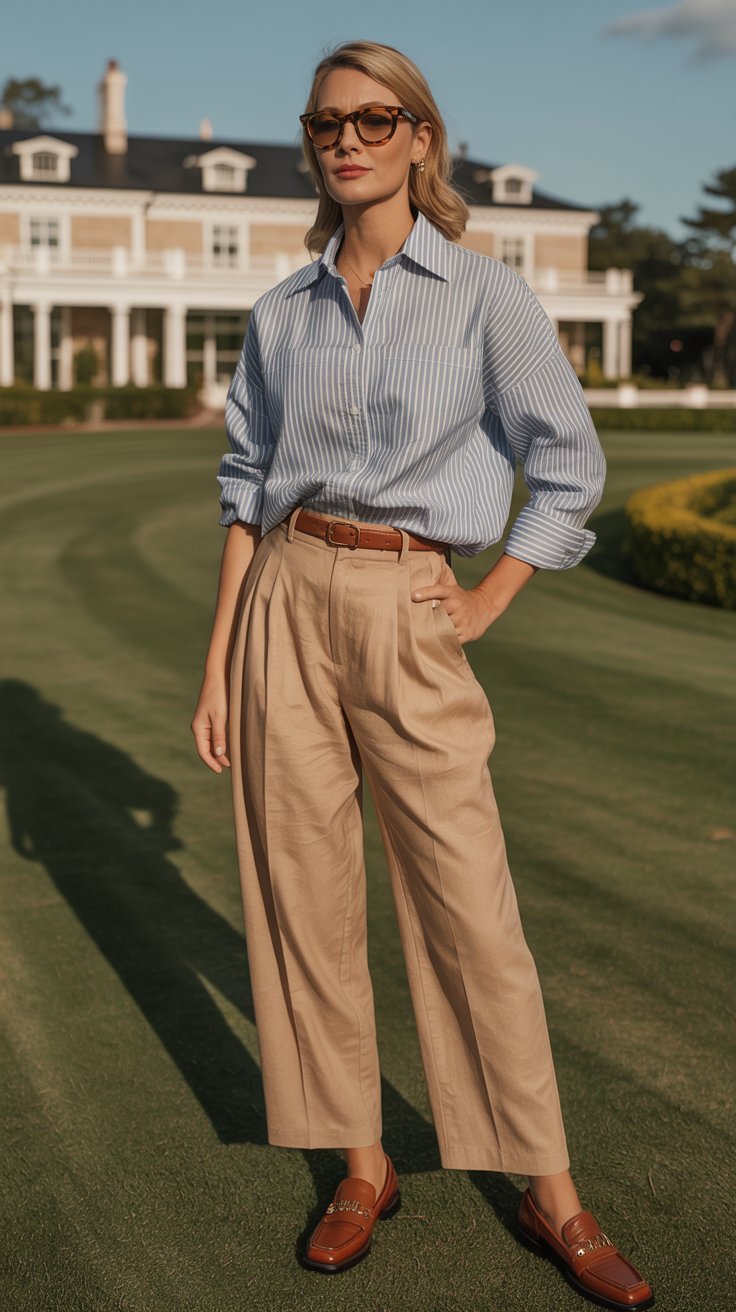
It focuses on quality, fit, and restraint—the triple threat. You’ll see muted hues, natural fibers, and pieces that age beautifully. Think navy cashmere, crisp oxford shirts, camel coats, supple loafers.
It says, “I’ve been dressing this way for decades,” even if you only started last year. FYI: confidence completes the look more than any price tag.
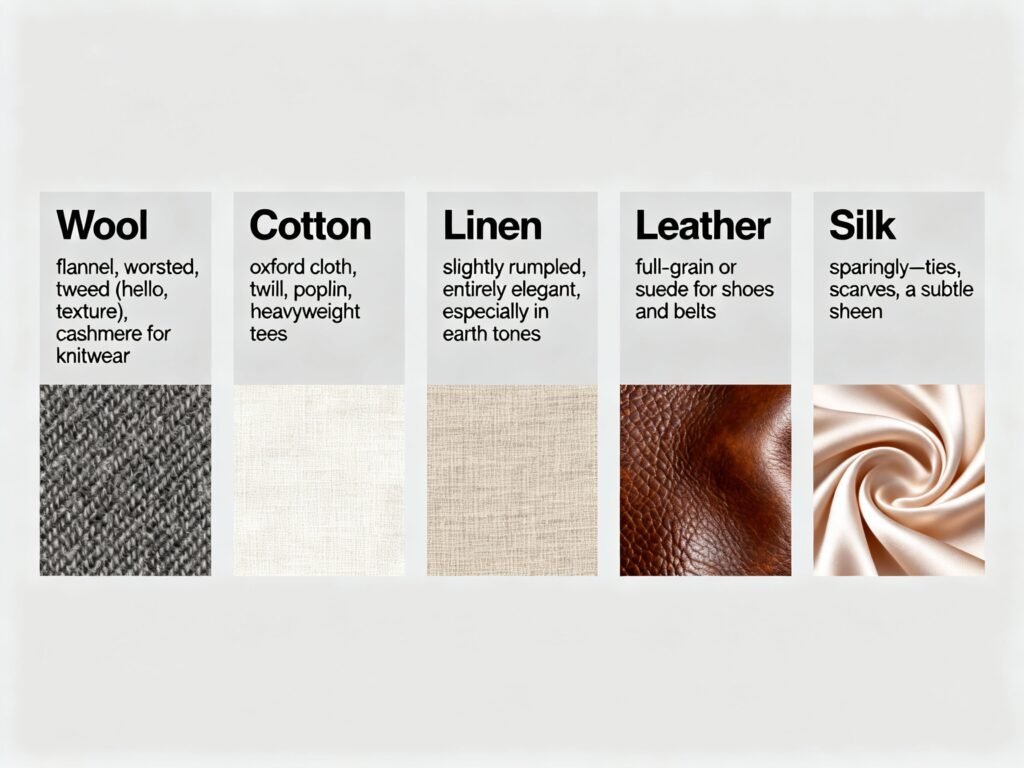
If you only take one lesson, take this: choose better fabric. Old money style starts with fibers that wear well, breathe well, and last.
Cheap synthetics can mimic a look on camera, but they won’t drape or age the same.
IMO, if you upgrade fabric, everything else instantly levels up.
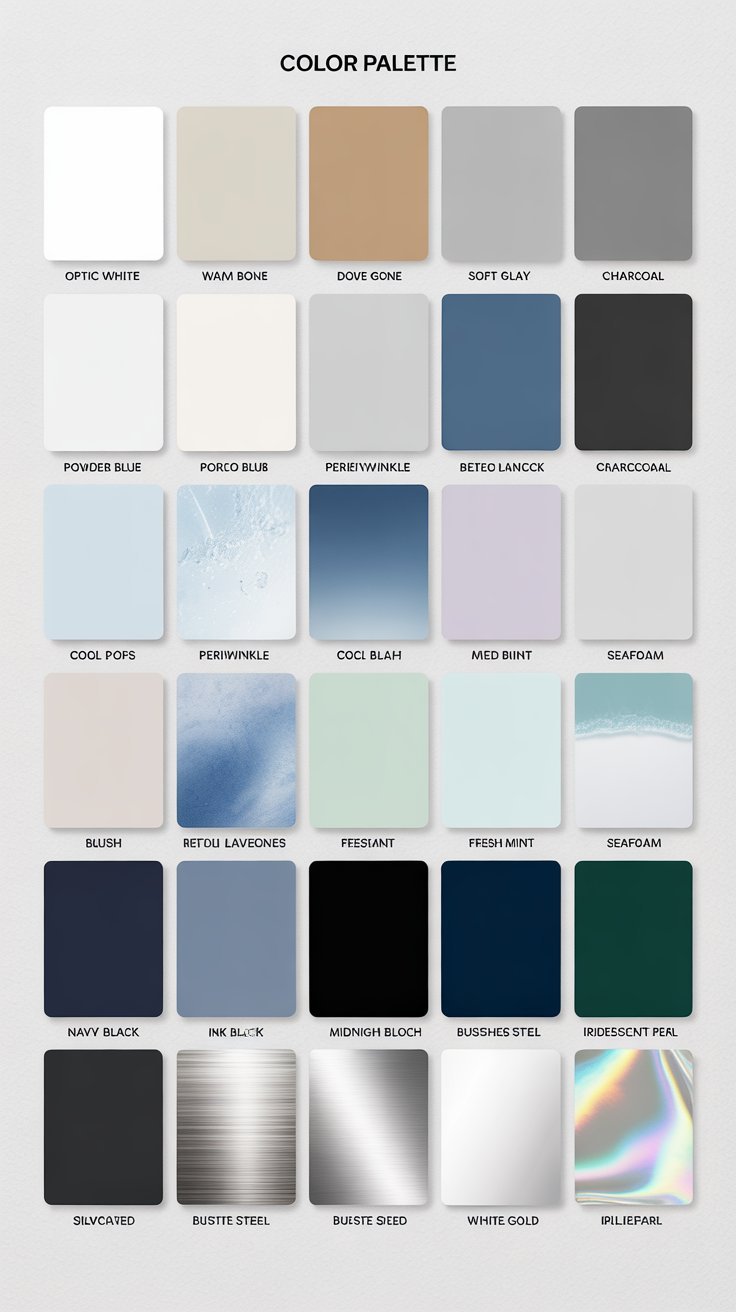
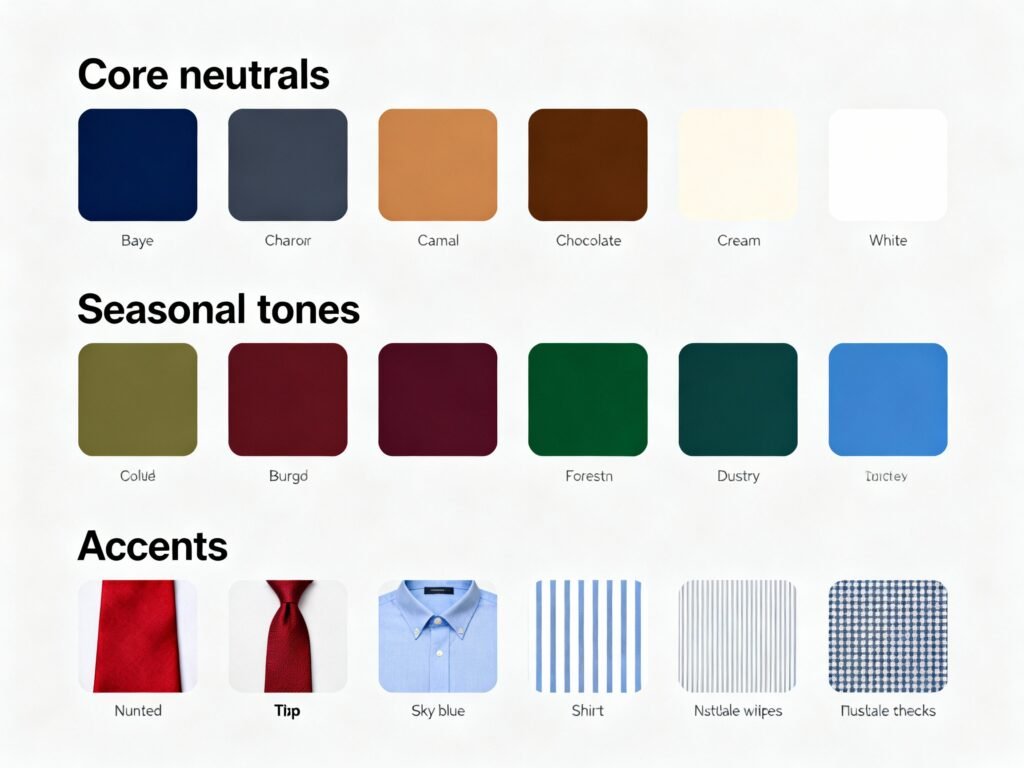
Old money style isn’t afraid of color; it just refuses chaos. You’ll see a palette that plays nicely with itself.
The trick? Understatement. When you pop color, do it with one piece.
A red cashmere scarf with a navy coat? Perfect. A full Crayola box?
Not so much.
Clothes should skim your body, not strangle it. Old money fit means ease and movement without sloppiness.
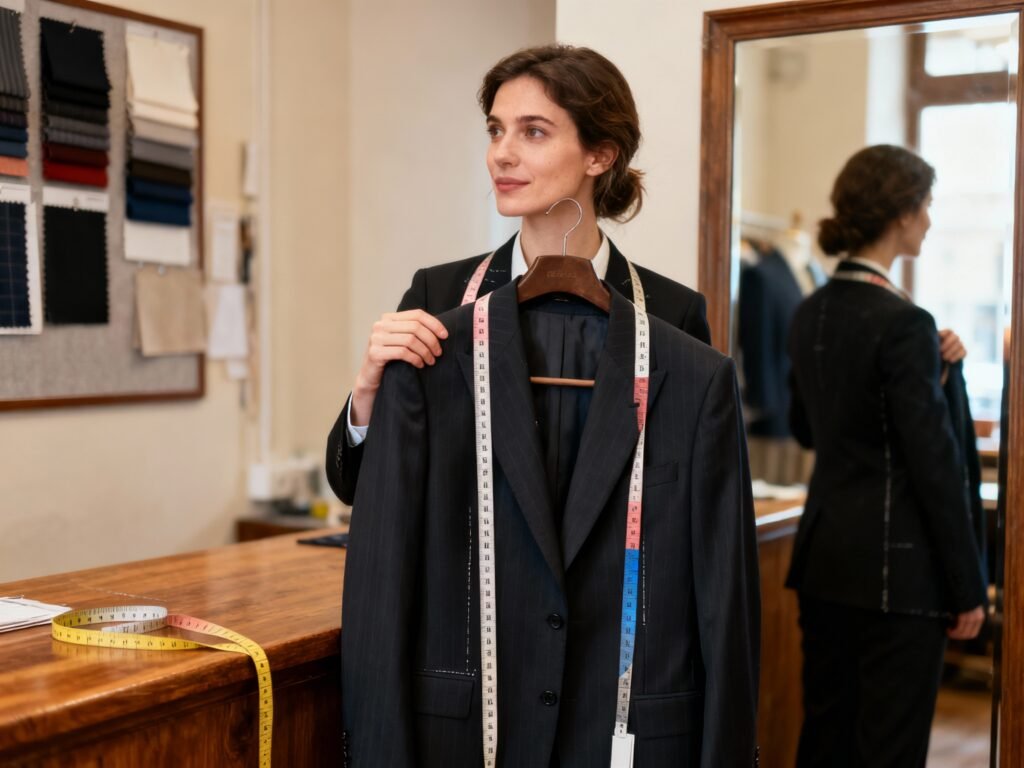
Tailoring beats trends. Spend a little with a good alterations tailor and your mid-range blazer suddenly looks like money.
Try three sizes of the same item.
Walk, sit, and reach up. The one that moves with you wins—even if it’s not the size you “usually” wear. Vanity sizing lies; mirrors don’t.
Keep It Quiet
This might hurt: visible branding breaks the vibe. Old money style leans on cut and quality—not labels. If there’s a pony or a croc, it’s small and basically minding its business.
Instead, look for:
You know what flexes harder than a giant logo? A perfectly shined pair of loafers and a sweater with zero pilling. IMO that’s the real status move.
You can wear a great coat and still lose the plot with clunky, overdesigned trainers.
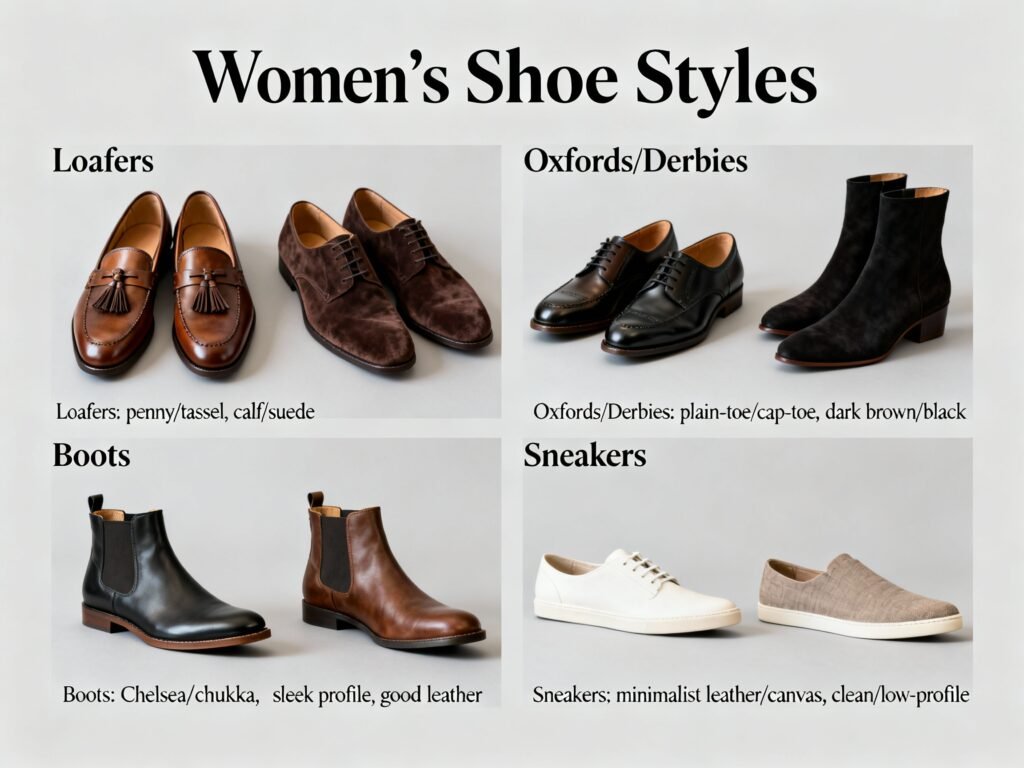
Old money shoes keep it elegant.
Care matters. Use cedar shoe trees, rotate pairs, condition leather. People won’t always notice the perfect sock match, but they always clock destroyed heels.
Match trousers first, not shoes.
Add personality with texture—ribbed knits, wool blends, maybe a quiet argyle if you feel cheeky.
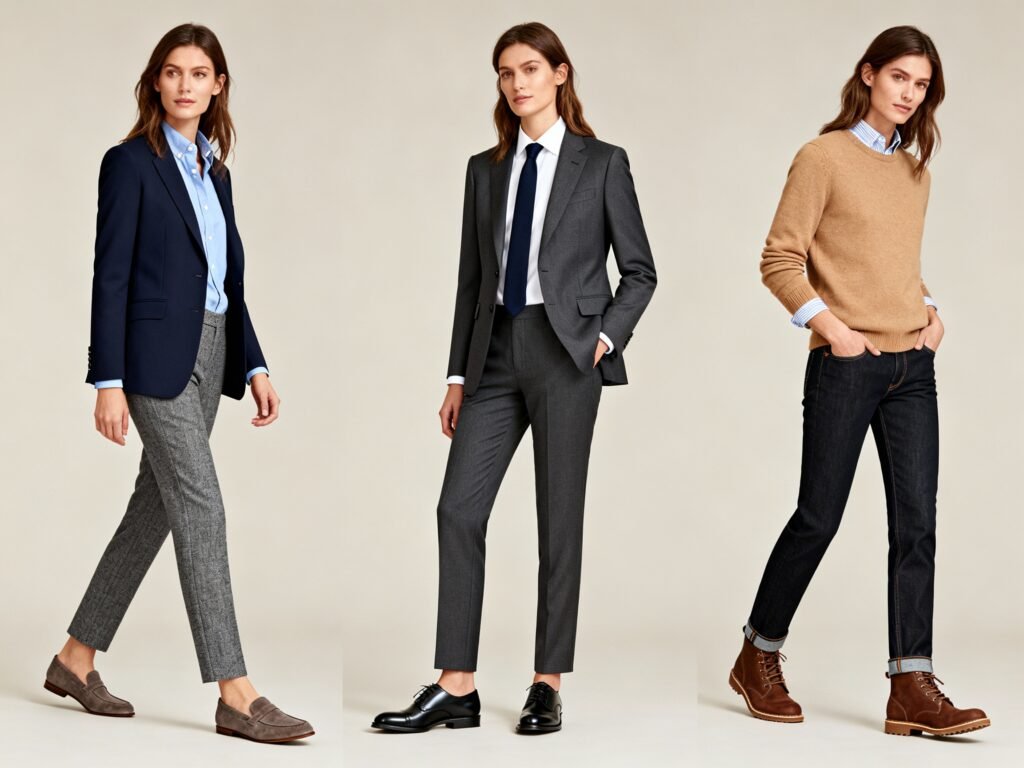
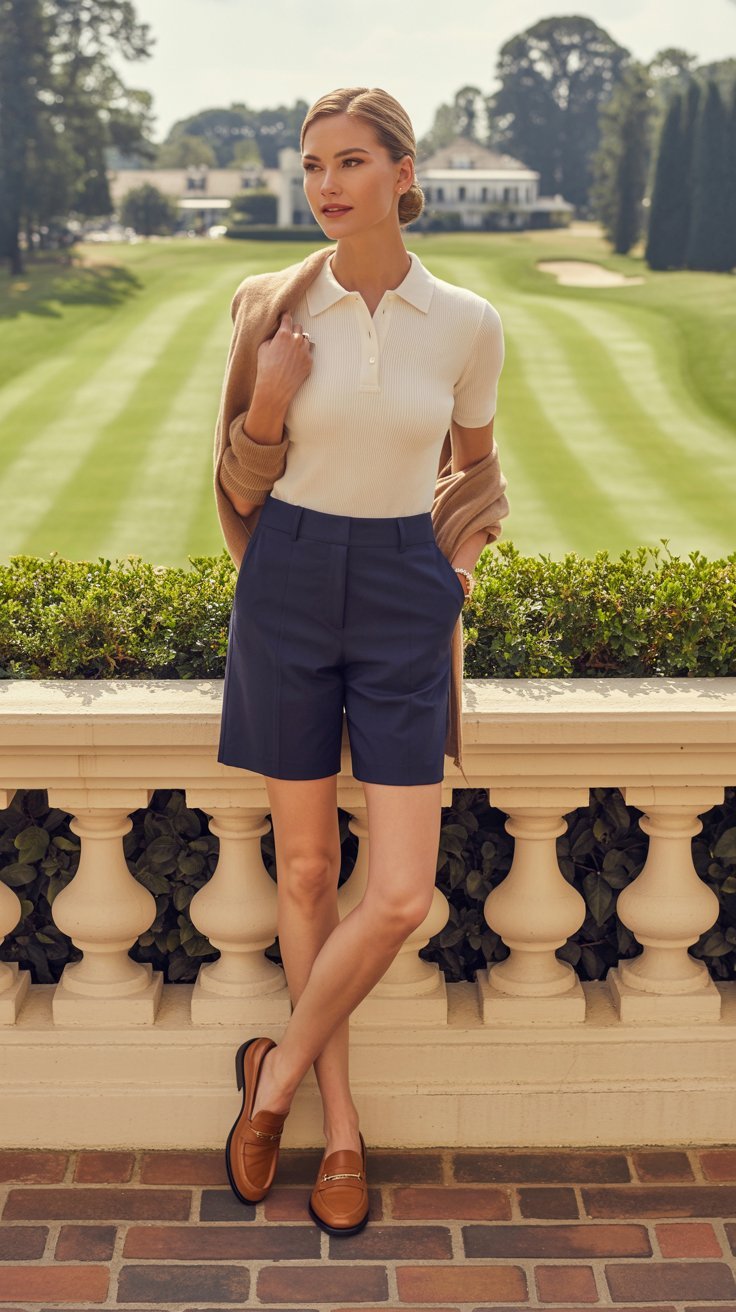
Let’s make it real. Here’s what old money style looks like outside of a mood board.
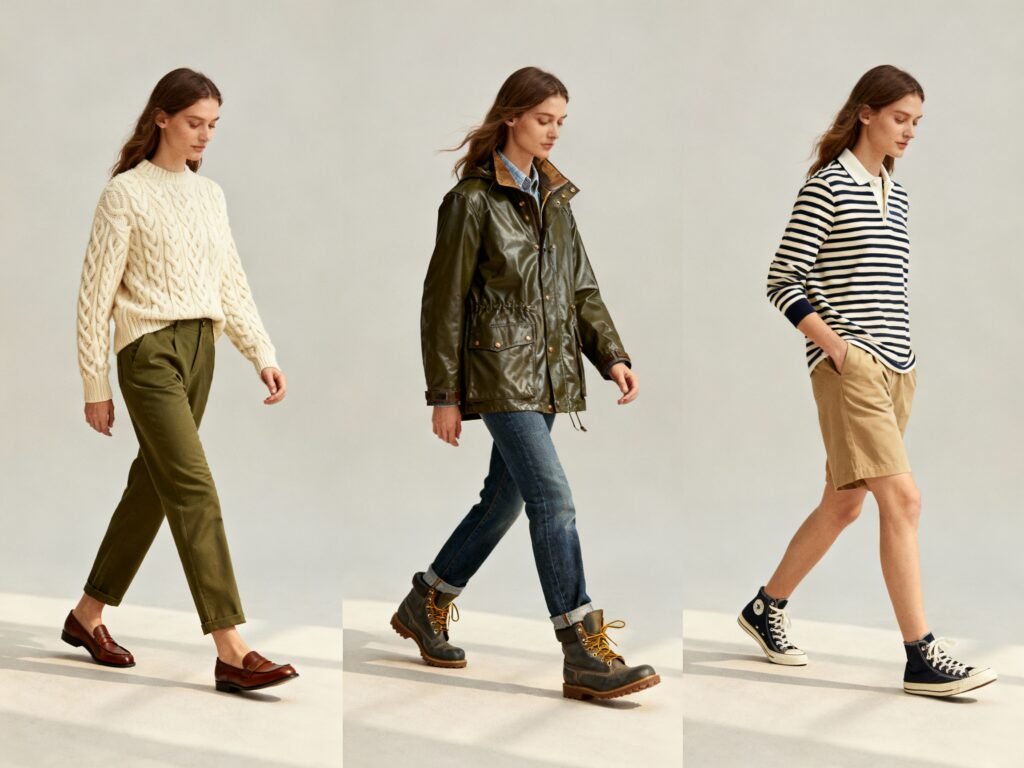
Notice the pattern? Classic pieces, repeated creatively. Nothing feels costume-y.
Nothing tries too hard.
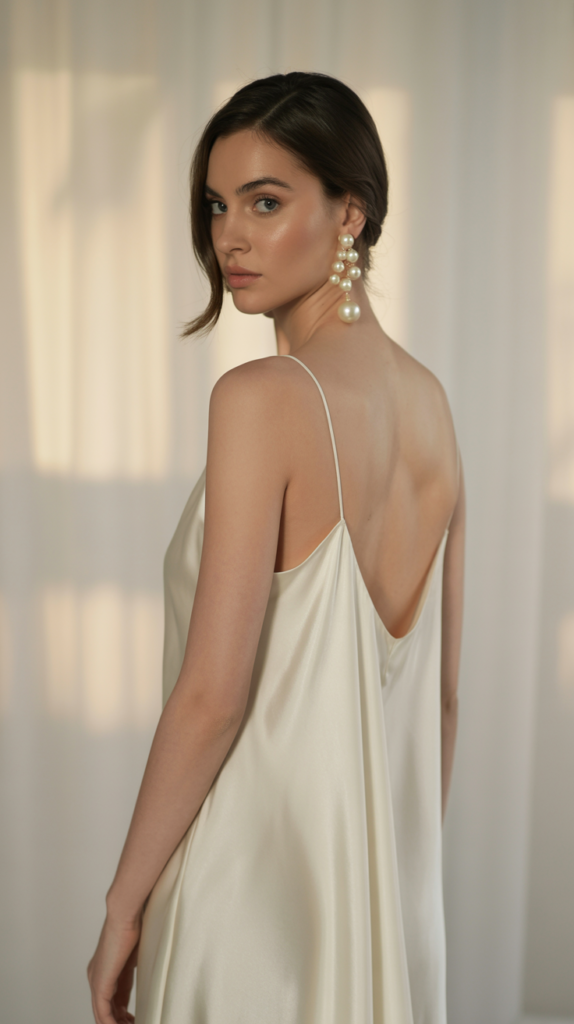
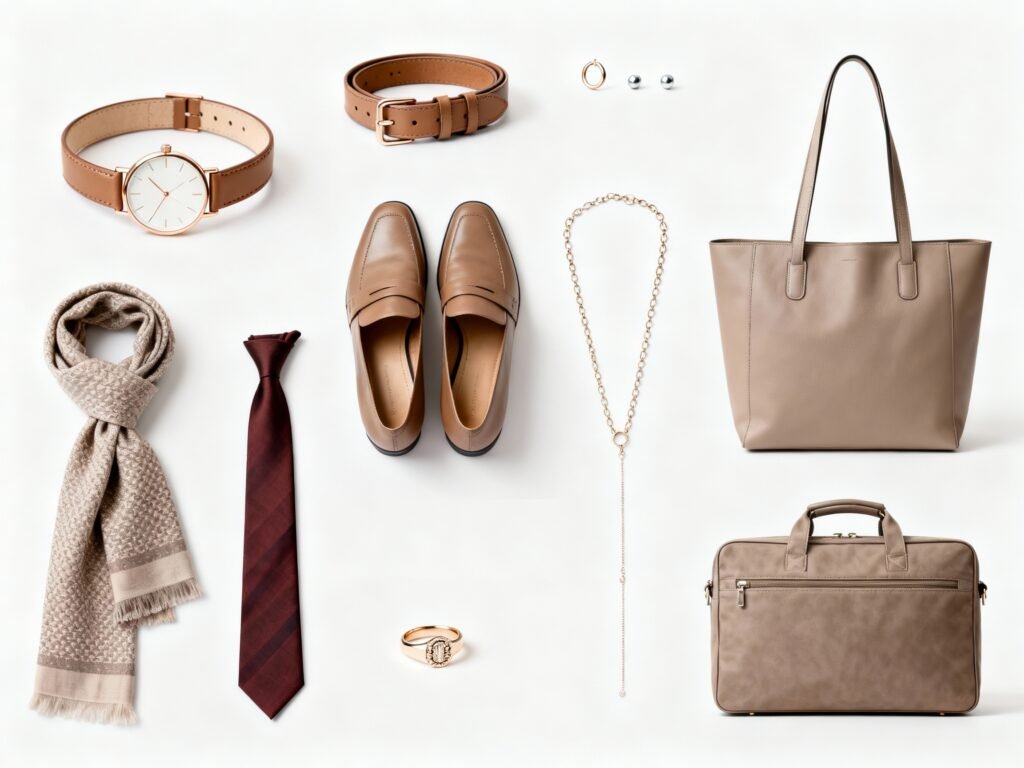
Old money style treats accessories like punctuation—useful, minimal, and placed with intention.
One statement at a time. If you wear a bold scarf, keep everything else quiet.
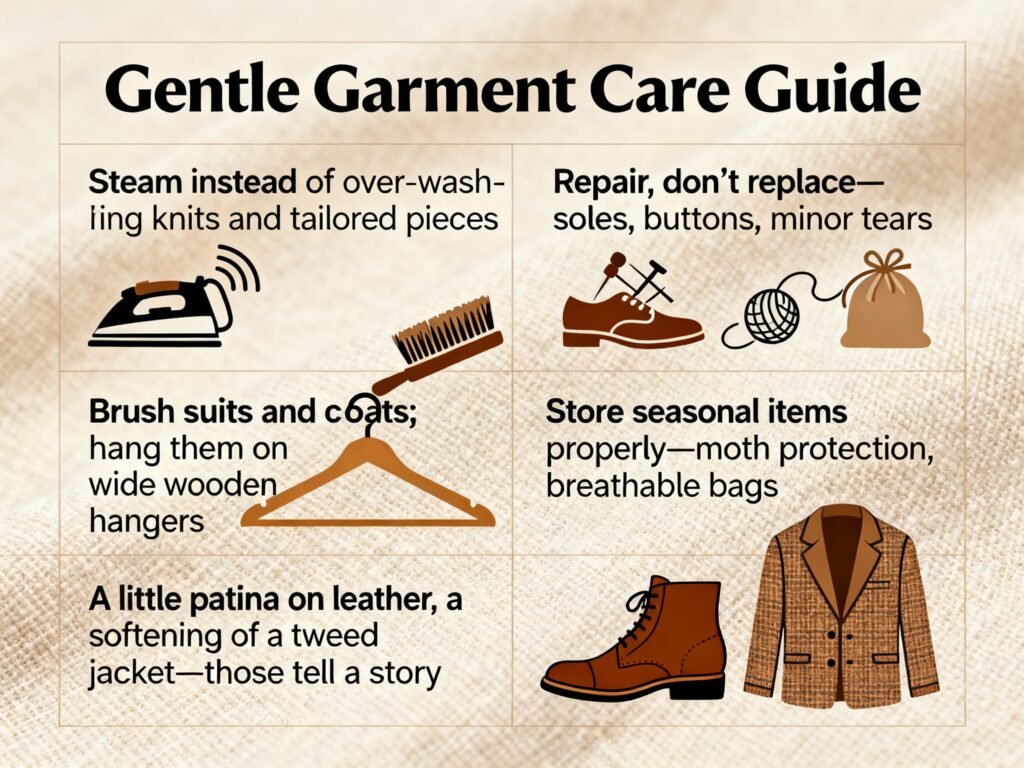
Old money style isn’t disposable. It ages well on purpose.
A little patina on leather, a softening of a tweed jacket—those tell a story.
The good kind.
Not at all. You need quality and fit, not hype. Shop secondhand, look for heritage fabrics, and spend on tailoring.
A well-altered mid-level blazer beats an ill-fitting designer one every time.
Sure—just filter them. Choose trends that harmonize with classics: wider trousers, fuller cuts, muted palettes. If a trend shouts, pass.
If it whispers, maybe.
Lean into elevated basics. Swap the graphic tee for a heavyweight pocket tee, the joggers for tailored chinos, the giant sneaker for a minimalist pair. Add a chore jacket or cardigan and you’re there.
Nope.
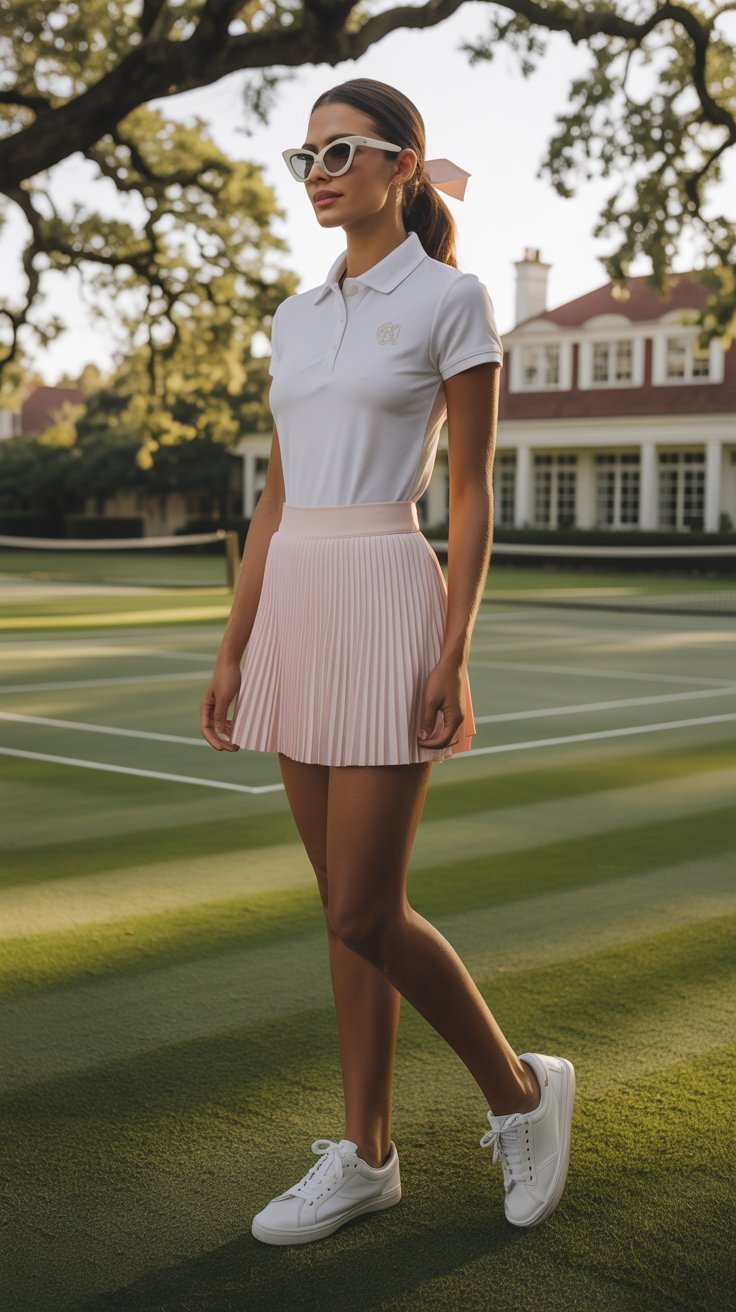
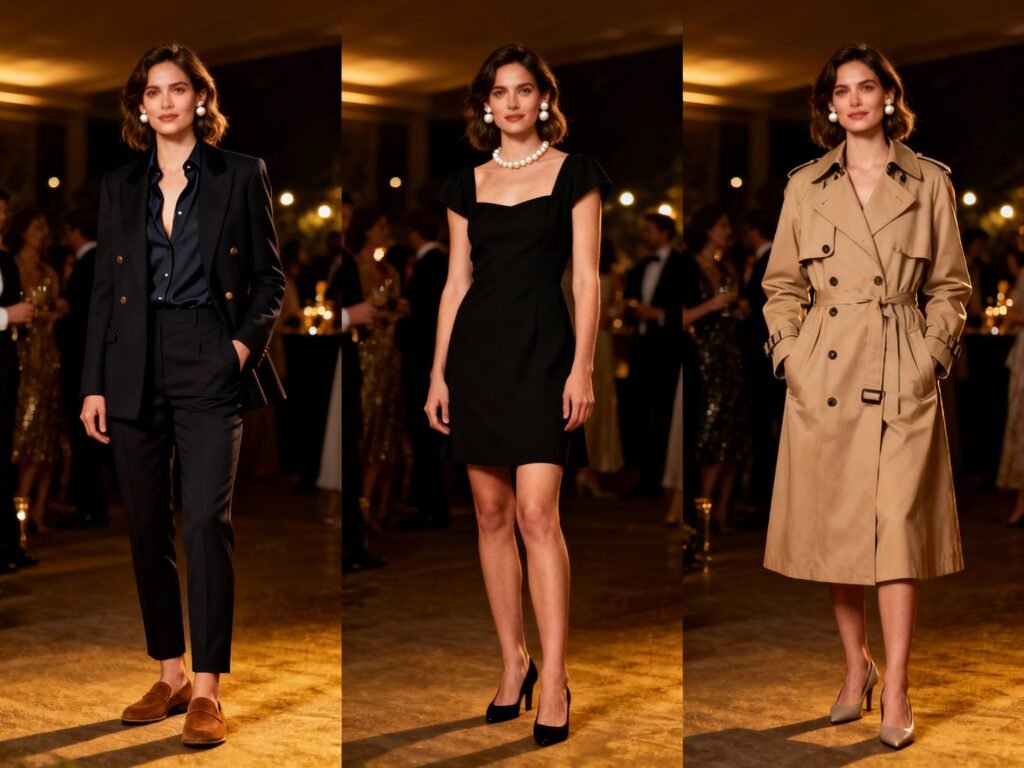
It’s chic and flexible. Try a trench over a knit dress, a tweed blazer with jeans, ballet flats with a silk scarf, or a navy sweater with a pleated skirt. Details—buttons, texture, jewelry—carry the look without shouting.
Fewer than you think.
Start with a tight capsule:
Build slowly. Repeat outfits. That’s the point.
They matter—maybe more than the clothes.
Clean shoes, trimmed nails, tidy hair, light fragrance, and good posture elevate everything. Call it the “finished” factor. It costs little and reads as confidence.
Old money style isn’t about a trust fund; it’s about taste, discipline, and longevity.
Choose fabrics that feel good, colors that play well, and fits that let you move. Keep logos quiet, accessories thoughtful, and care routines consistent. Do that, and you’ll look effortlessly refined—no yacht required, IMO.