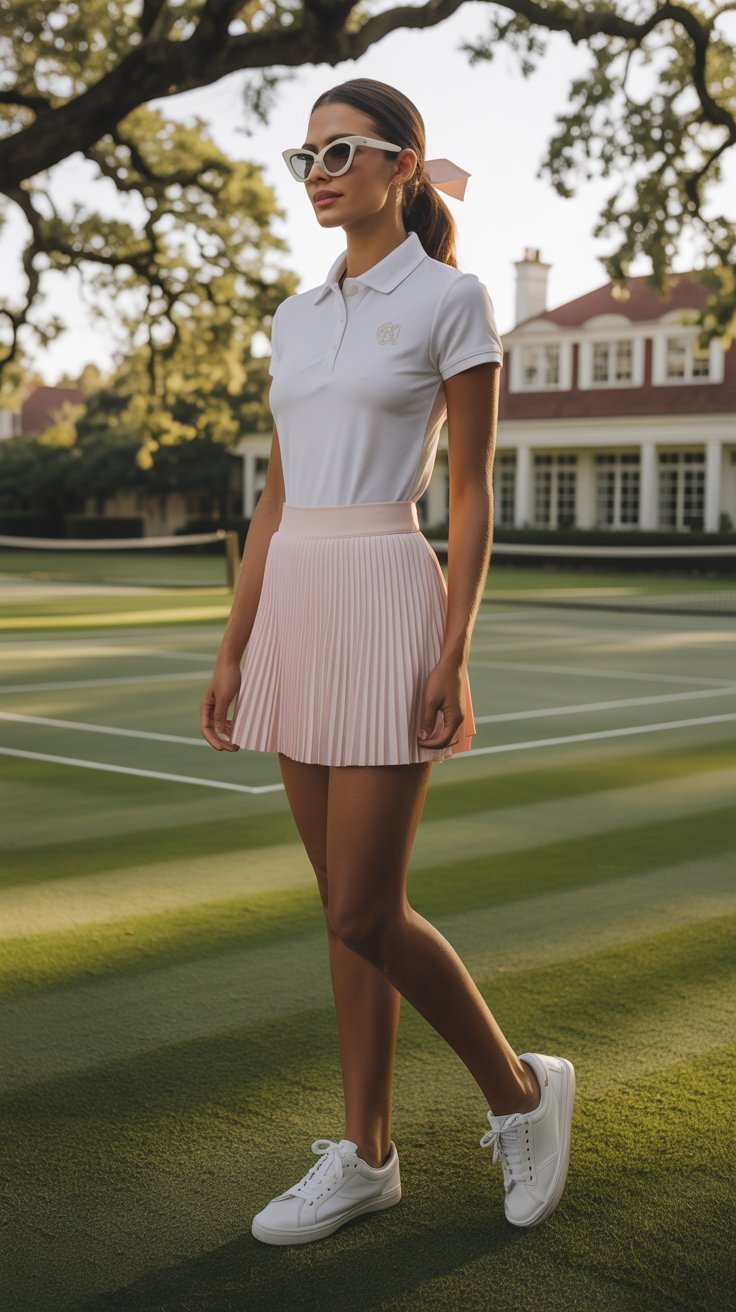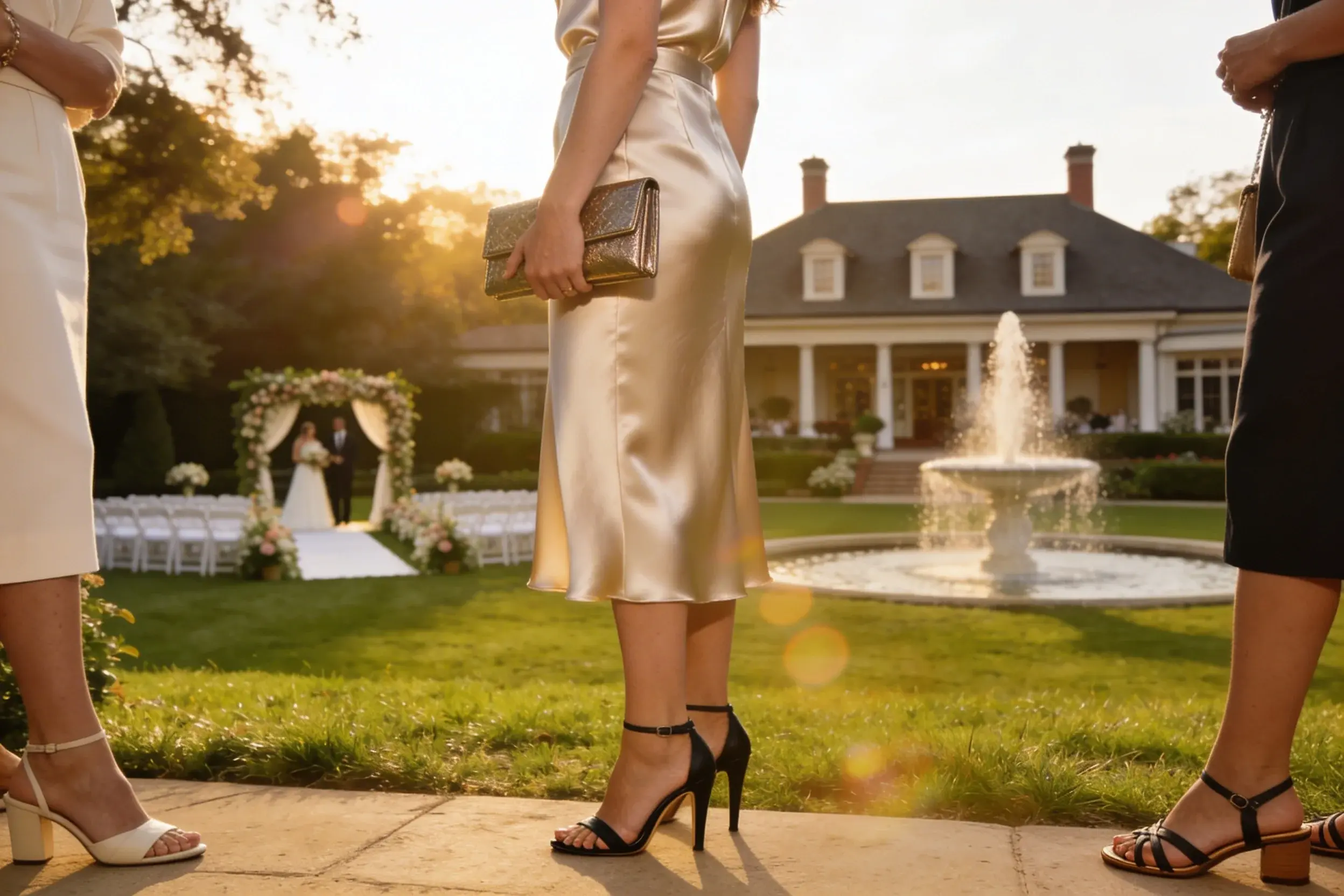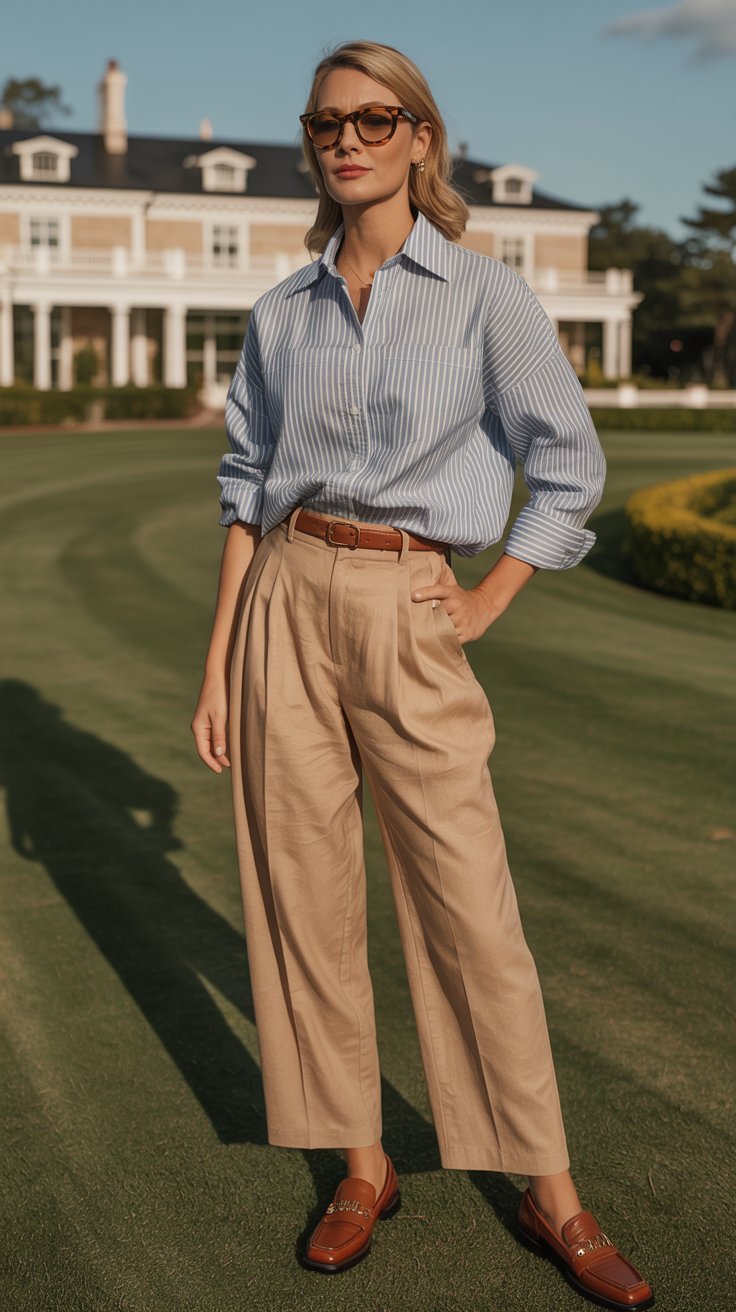
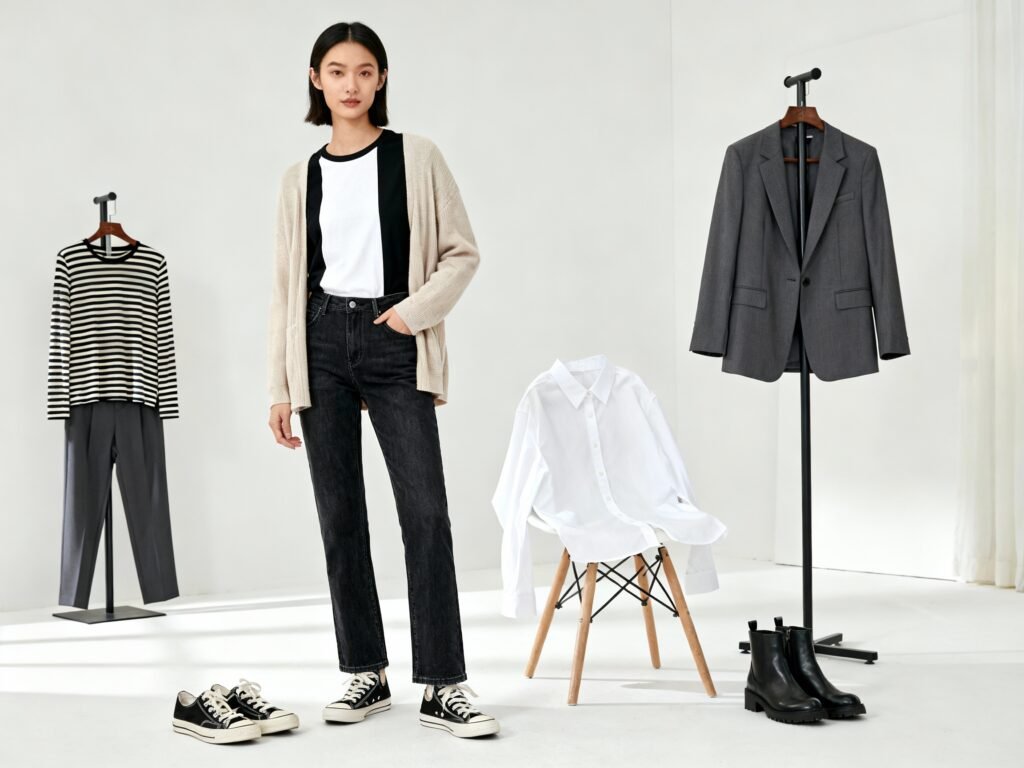
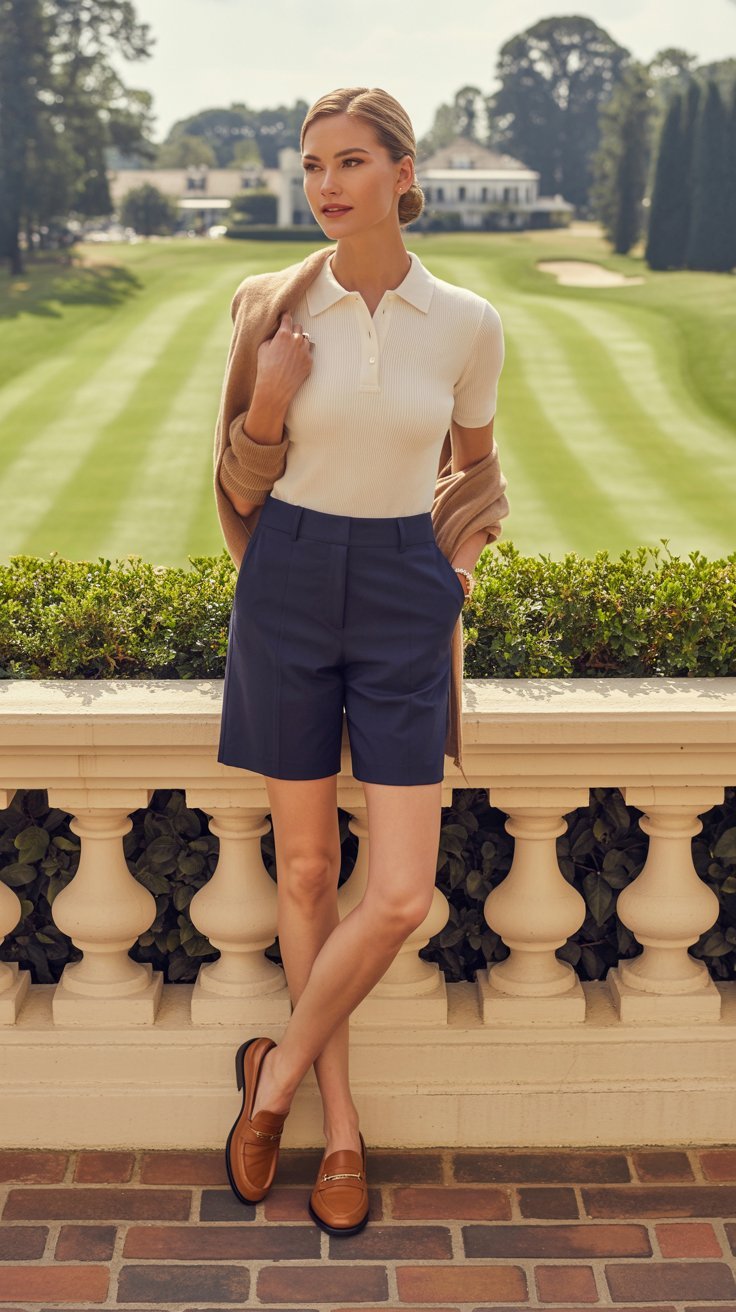

You don’t need a billionaire’s closet to look put together—you need a plan. An intentional wardrobe doesn’t mean boring, and it definitely doesn’t mean beige-only. It just means you choose clothes that actually earn their spot.
Fewer pieces, more outfits, zero stress. Sounds dreamy, right?
Intentional doesn’t mean minimalist monk-core unless that’s your thing. It means you build your closet around your life, not a fantasy version of it.
You pick pieces that mix, match, and survive the washing machine. It also doesn’t mean you can’t own fun stuff. Statement pieces still fit—they just need friends. If a jacket only works with one pair of shoes and one pair of pants, it’s on thin ice.
Start with brutal honesty: how do you actually spend your week?
Dress for that. Not for an imaginary Parisian holiday or a Pilates schedule you don’t have (yet).
Use a quick 7-day snapshot. If you need 3 smart-casual outfits and 4 casual ones each week, that’s your formula.
From there, buy to fill gaps—not to chase vibes.
Think of your closet like a pyramid: sturdy base, useful middle, fun on top.
These do the heavy lifting. They pair with everything, and you’ll wear them constantly.
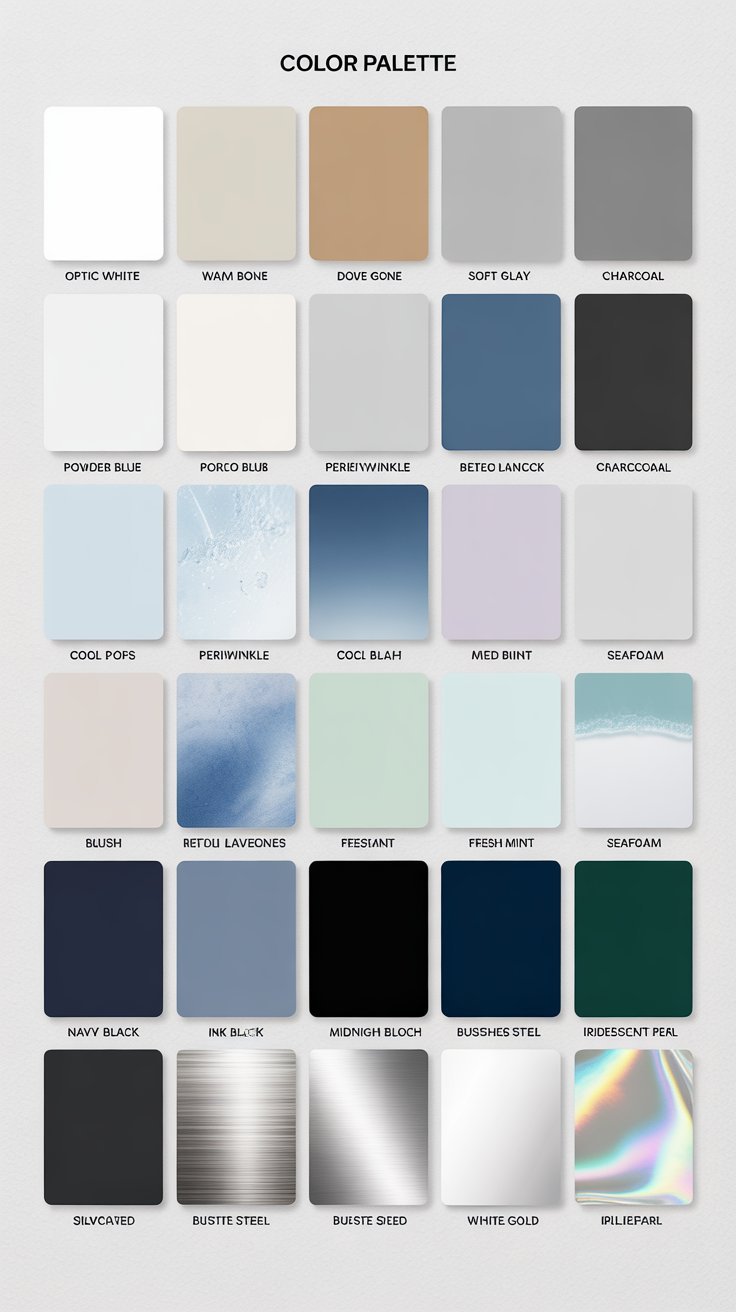
Aim for neutral-ish colors here—navy, black, white, gray, olive, tan. Not exciting, but ridiculously useful.
This is where you flex.
Rule of thumb: For every statement piece, make sure you own 3 things it pairs with. Otherwise it’s closet decor.
Belts, scarves, watches, hats, jewelry—cheap outfit upgrades.
A scarf and a bracelet can make a tee and jeans feel intentional. IMO, a leather belt and a great bag cover 80% of situations.
You can buy the “right” item in the “right” color and still never wear it if it fails any of these.
Before you keep anything, build three full outfits with it using what you already own.
If you can’t, it’s not ready for your closet yet.
You don’t need a PhD in color theory. Pick a small palette that fits your vibe and stick with it.
If your bottoms live in the same neutral family, your tops can rotate freely. That’s the magic.
Also, stick to one or two patterns for maximum mixability—stripes plus checks, for example.
Impulse buys create chaos. Lists create outfits.
Pay more for the things that take a beating: shoes, bags, outerwear, denim. Spend less on trend pieces and tees. Cost-per-wear wins long term—yes, that boring phrase—but it works.
You don’t need a laundry shrine.
Just some basics.
At the start of each season, do a quick mini-audit:
Let’s make it concrete. Here’s a sample setup that covers work, weekends, and the occasional fancy dinner.
Adjust to your style and climate, obviously.
From that, you can spin dozens of combos. Weekend brunch? Striped tee, light denim, chore jacket, white sneakers.
Client meeting? White button-up, navy trouser, blazer, loafers. Date night?
Knit polo, dark denim, boots, leather belt. Easy math.
Nope. A capsule is one method, not the law.
If you like variety, keep it—just make sure every piece plays well with others and earns frequent wear. Intentionality is about purpose, not strict limits.
There’s no magic number. Aim for coverage (your week’s needs), versatility (mix-and-match), and comfort (you’ll actually wear it).
If you can’t remember owning it, that’s your sign.
Yes, in moderation. Pick trends that align with your core shapes and colors, not ones that fight them. Try trends via accessories or mid-priced pieces so you can exit gracefully when the moment passes.
FYI: micro-trends are where budgets go to die.
Neutrals are the canvas, not the art. Use accent colors, textures, and accessories to bring life. Swap a neutral sweater for a rich green or a rust cardigan and watch your basics wake up.
Shop your closet first.
Make a hit list. Give every item a 48-hour cool-off. If it still fills a real gap and pairs with three things you own, go for it.
Otherwise, close the tab and hydrate. IMO, your future self will thank you.
Absolutely. Minor tweaks—hemming, waist nips, sleeve lengths—make mid-range pieces look luxe.
A $20 alteration beats a $200 replacement almost every time.
An intentional wardrobe doesn’t require perfection. It asks for clarity: what you wear, how you live, and what actually feels good. Build from a solid base, add personality with purpose, and keep the care simple.
Do that, and your closet stops arguing with you every morning—and starts helping you win the day.