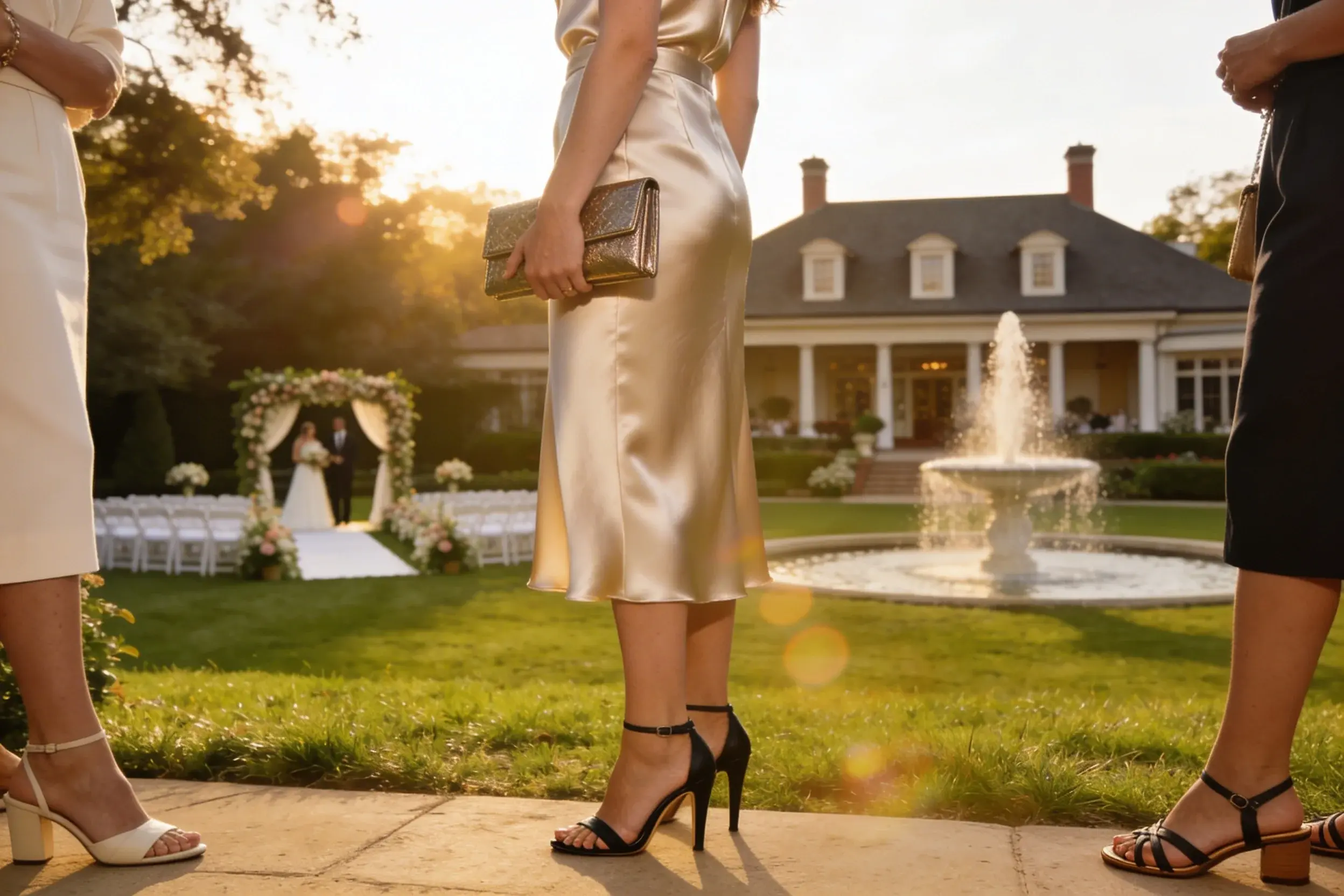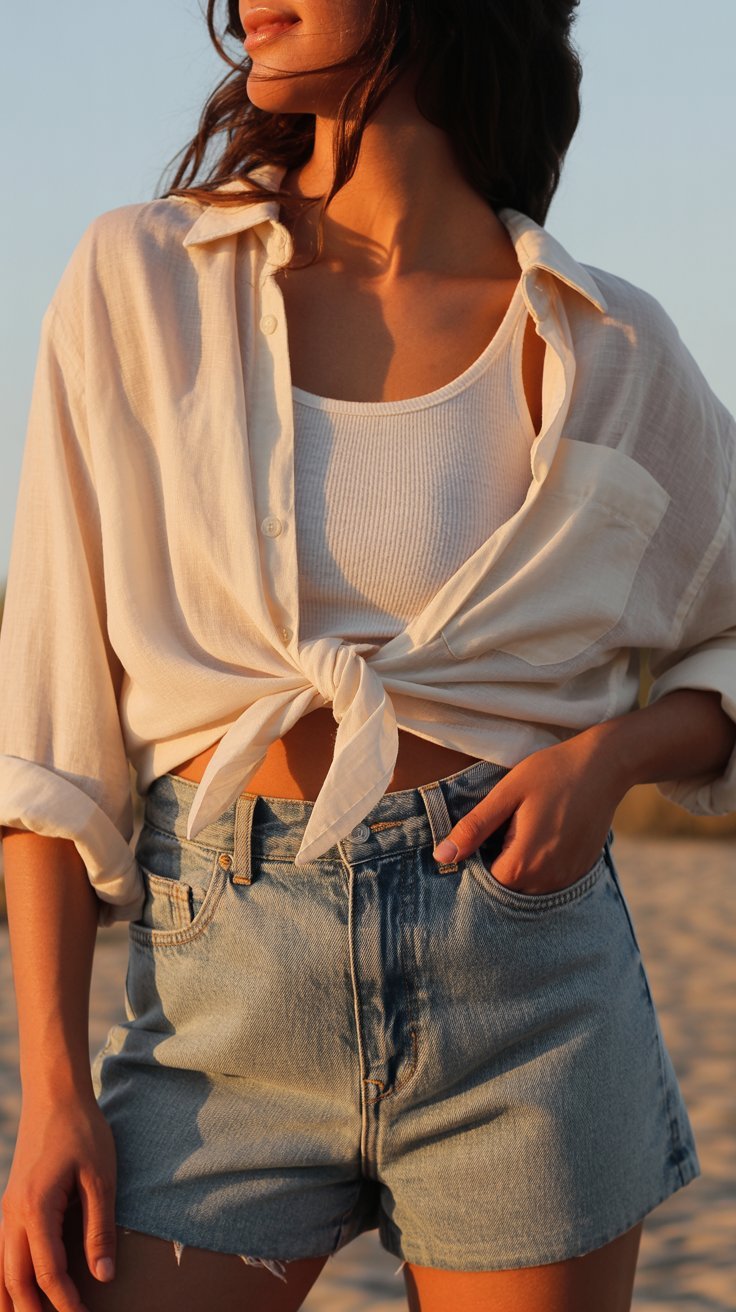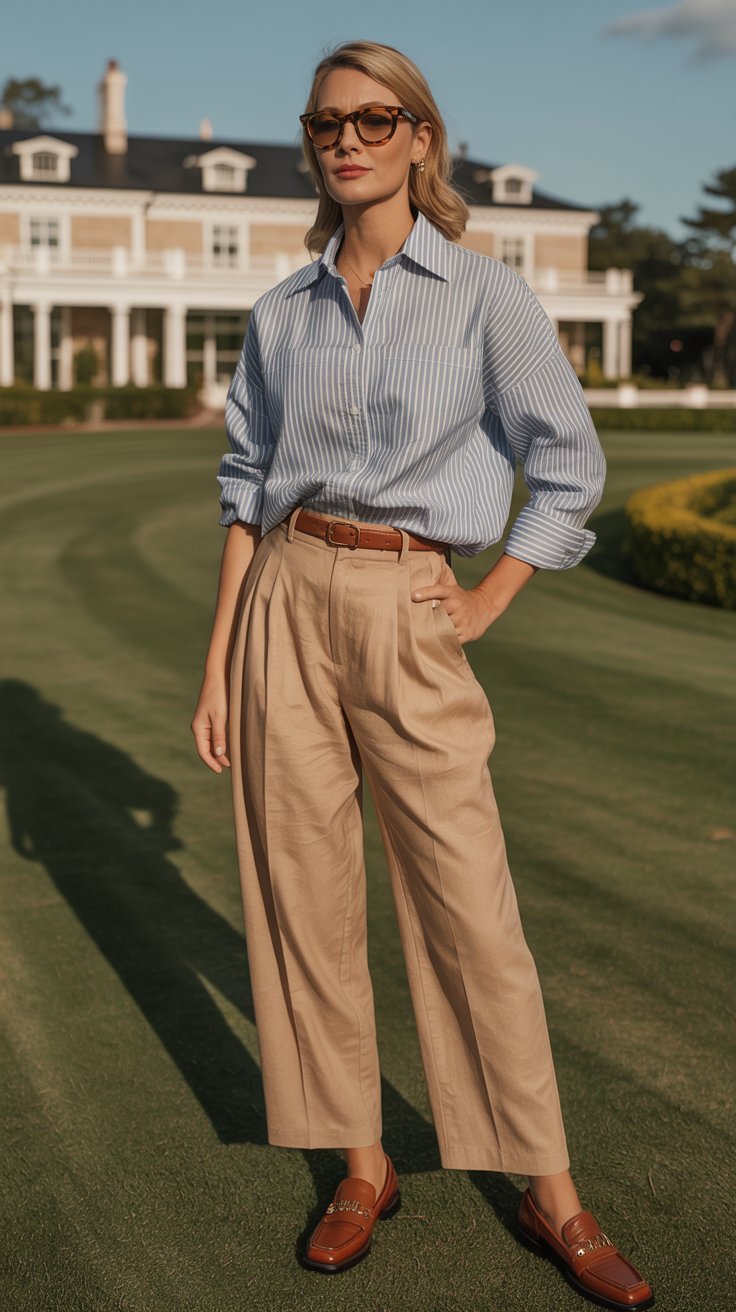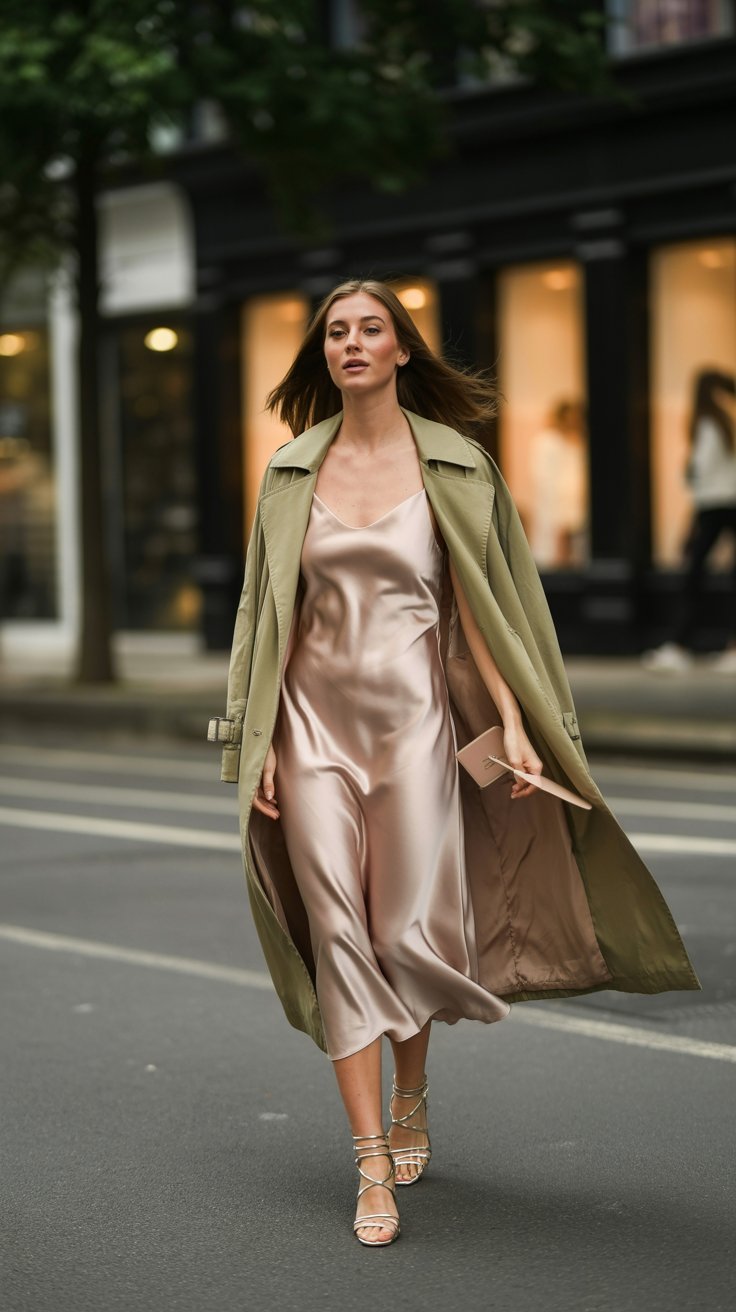

Quiet luxury doesn’t shout. It whispers. It looks effortless, feels expensive, and never needs to explain itself.
But little mistakes can blow the whole vibe—fast. If your “stealth wealth” looks more like “trying too hard,” don’t stress. Let’s course-correct and make your wardrobe do the quiet flex you want.
We’ll get this one out of the way.
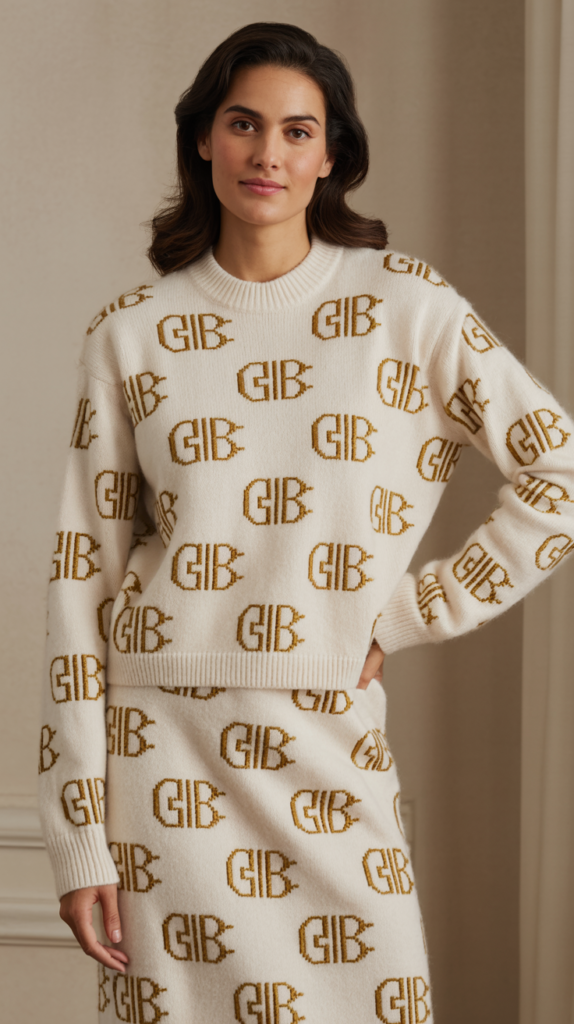
Quiet luxury isn’t anti-brand, it’s anti-billboard. Big logos turn your outfit into an ad, and the subtlety disappears. Focus on:
If the answer is “only because of the name,” skip it.
You want a piece that whispers money in a library voice.
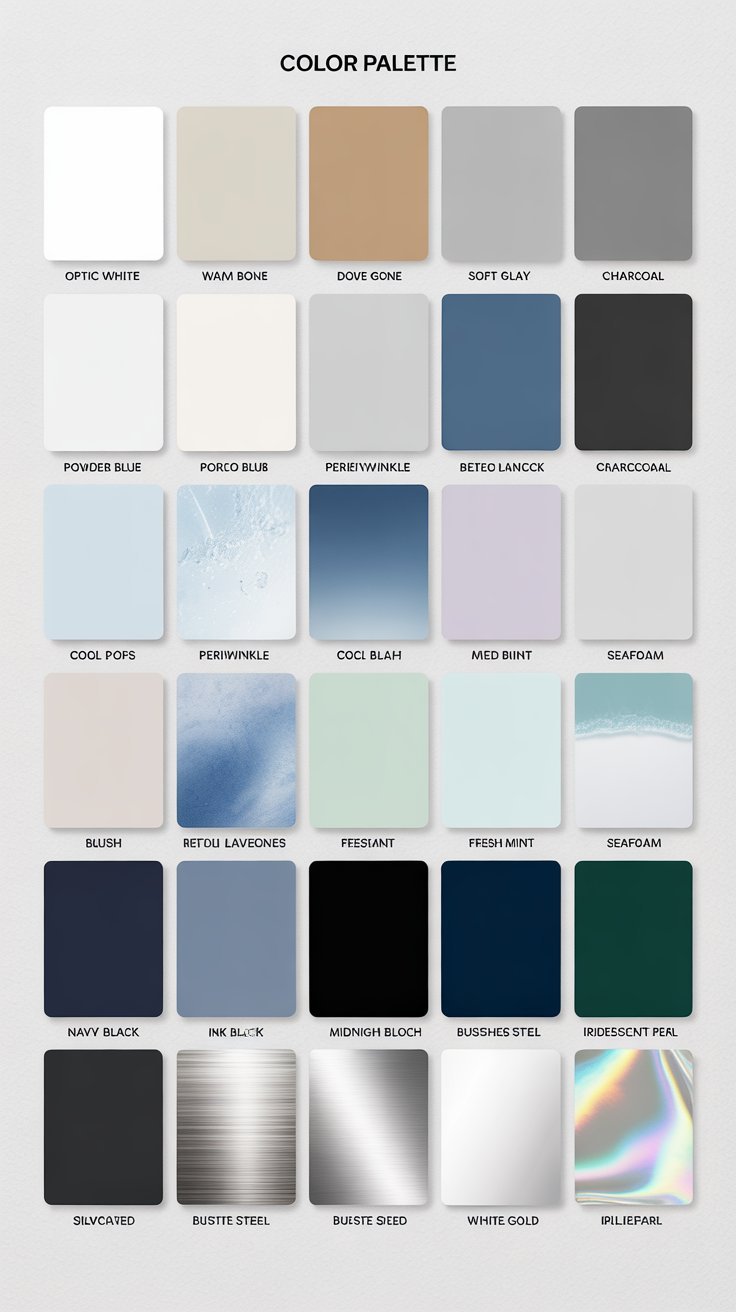
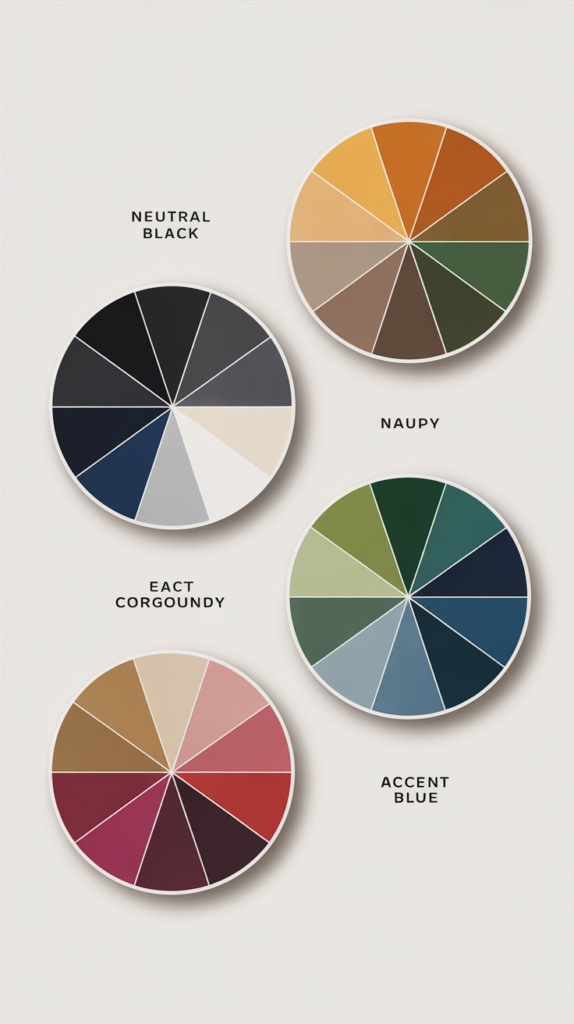
Too many colors kill the vibe. Quiet luxury thrives on restraint, not a rainbow. Build a core palette:
Aim for two to three. That’s it.
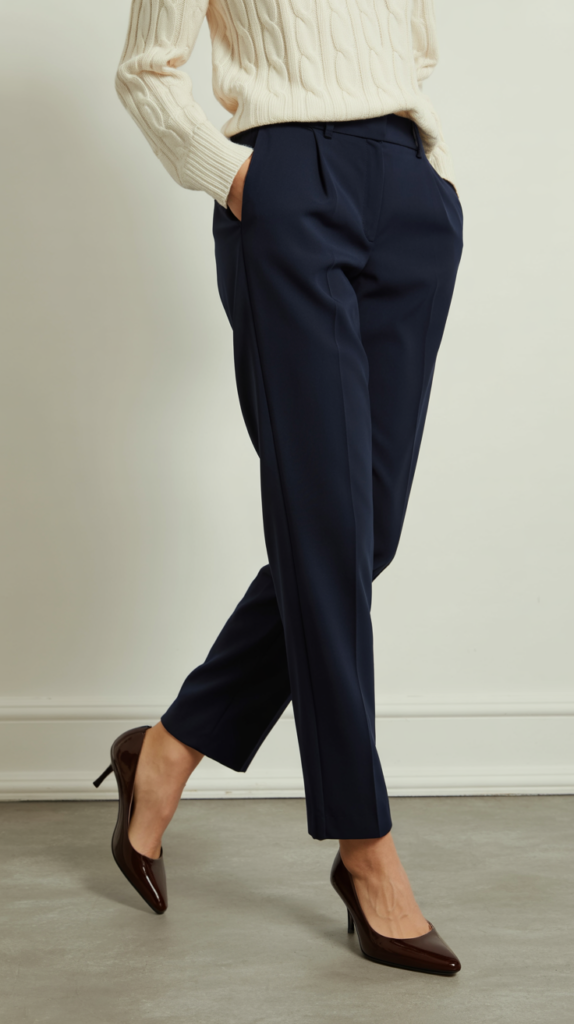
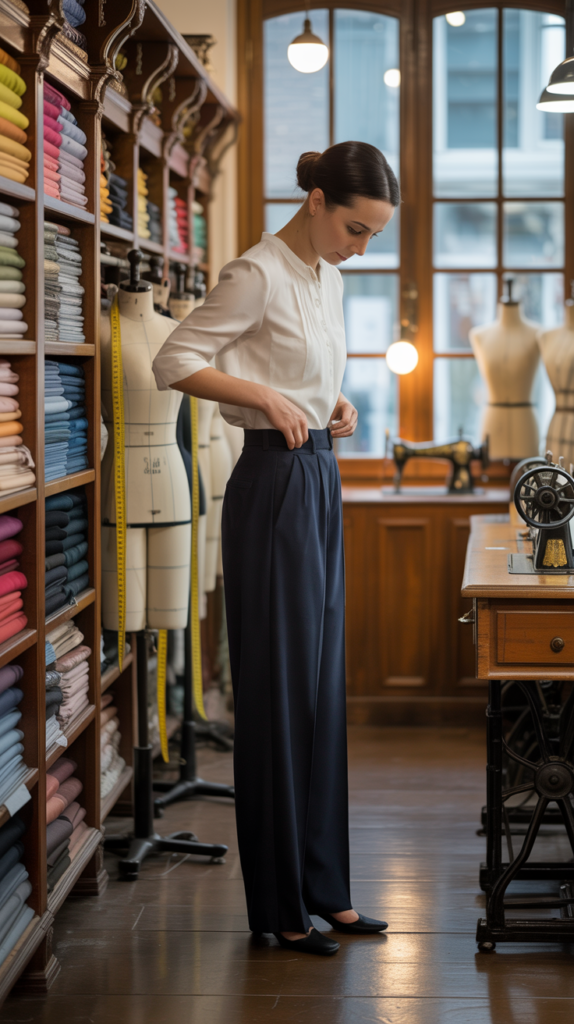
A navy trouser, ivory knit, and dark brown shoe? Chef’s kiss. IMO, if you’re wondering whether a color fits, it probably doesn’t.
You can buy the fanciest fabric and still look messy if the fit misses.
Quiet luxury clothes skim the body, never squeeze it. They move. They breathe.
They don’t need to be tight to read as refined.
Tailoring priorities:
Go for softly structured pieces—think straight-leg trousers, minimally padded blazers, fluid knits.
Slouchy with intention beats tight and try-hard every time, FYI.
A shiny plastic button or squeaky faux leather can wreck the whole outfit. It’s like a loud ringtone in a quiet gallery—everyone notices for the wrong reason.
Upgrade the details:
A clean, structured tote or a quiet belt can elevate everything. One great leather piece can make a $70 sweater look like $700.
Magic? No. Just materials.
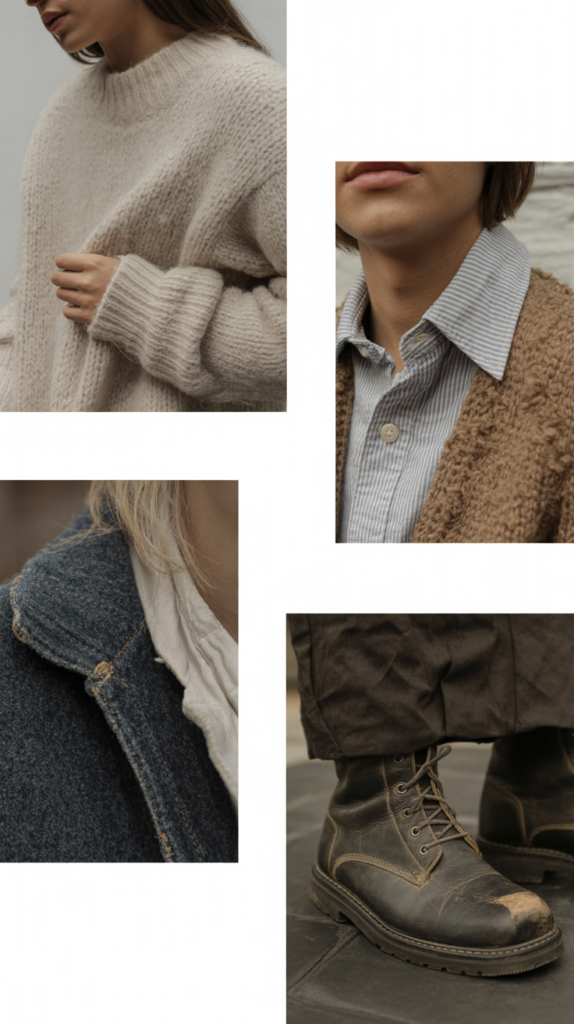
Pilled knitwear, crushed collars, and salt-stained boots don’t read “stealth wealth.” They read “I gave up.” Care is a huge part of the aesthetic.
Minimal maintenance routine:
Good hangers, breathable garment bags, and folding knits properly preserve shape. Treat your clothes like investments—because they are.
A plain tee that twists after one wash? Not basic.
A “classic” coat with weird darts and shiny lining? Also not basic. Quiet luxury basics don’t demand attention—they earn it with quality.
Checklists before you buy:
If the piece only works for one occasion, skip it.
You want versatility—office to dinner, flight to weekend.
IMO, if you can style it three ways immediately, it’s a yes.
Quiet luxury loves restraint. But zero accessories can feel unfinished.
Find the sweet spot.
Keep it intentional:
Go for subtle, skin-close scents. Overpowering fragrance breaks the quiet part of quiet luxury—shocking, I know.
A wardrobe isn’t a Pinterest board.
It needs to match how you live. Cashmere suits don’t make sense if your day is jeans and commutes—and vice versa.
Build capsules by context:
Linen in winter reads confused. Heavy flannel in July reads sweaty.
Rotate: linen and cotton blends for heat; flannel, cashmere, and tweed for cold.
Nope. You need quality, not clout. Look for great fabrics, clean cuts, and solid construction.
Many mid-range labels offer excellent pieces—just avoid trendy details and obvious branding.
Less than you think. A tight rotation of 20–30 high-quality items can cover most scenarios. Edit ruthlessly, buy intentionally, and repeat outfits proudly.
Start with shoes and outerwear.
A refined coat and clean, well-made shoes elevate everything. Then swap in better tees, knitwear, and trousers as you go.
Not at all. Navy, charcoal, camel, olive, and ivory are all winners.
If you love color, pick muted tones and keep the styling minimal.
Yes—with care. Think suede sneakers with wool trousers, or a merino hoodie under a tailored coat. Skip shiny gym fabrics with suiting unless you’re going for “athleisure,” which is a different vibe.
Touch it.
Check weight, drape, and seams. Look at the finish—no puckering, no loose threads, no plastic shine. If it feels substantial and lies clean, you’re on the right track.
Quiet luxury is a discipline, not a shopping spree.
You edit more than you add. You choose better fabrics, better fits, and calmer palettes—and suddenly everything looks intentional. Avoid the loud logos, the messy maintenance, and the over-styled chaos.
Keep it simple, keep it polished, and let your clothes do the whispering while you enjoy the silence.