


You want clearer skin without five serums, a chem degree, and a second mortgage? Same. The right vitamins can support calmer, less reactive skin from the inside out—no 47-step routine required.
Think: fewer angry breakouts, faster healing, and better oil balance. Let’s build an acne-fighting vitamin routine that actually makes sense (and won’t wreck your stomach or your budget).
Your skin needs raw materials to function like a well-behaved bouncer. Without them, pores clog, inflammation spikes, and pimples RSVP “yes.” Vitamins don’t replace good skincare, but they can fix internal gaps that trigger acne.
And FYI, “natural” doesn’t mean harmless—dose and timing matter.
These are the heavy-hitters with the most skin-credible evidence. If you do nothing else, start here.
– What it does: Regulates cell turnover, supports oil balance, and keeps pores from stuffing themselves like it’s Thanksgiving. – Food sources: Eggs, dairy, liver (if you’re brave), and beta-carotene from sweet potatoes and carrots. – Supplement notes: Consider low-dose vitamin A or beta-carotene if your diet lacks it. Do not megadose. High vitamin A can be toxic and is a hard no during pregnancy.
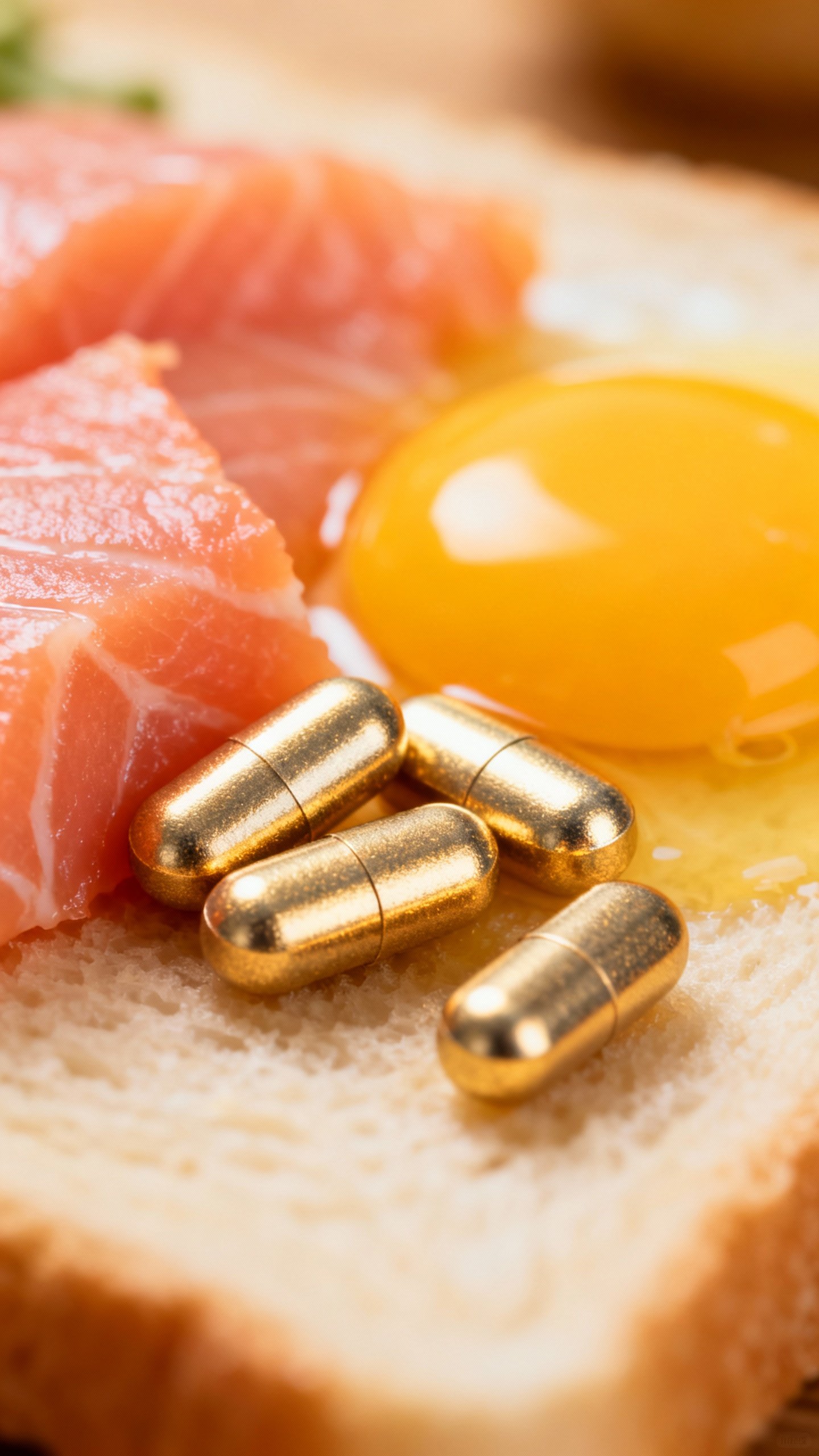
– What it does: Calms inflammation and supports immune function, which helps with those deep, painful pimples. – Food sources: Fatty fish, fortified dairy, egg yolks.
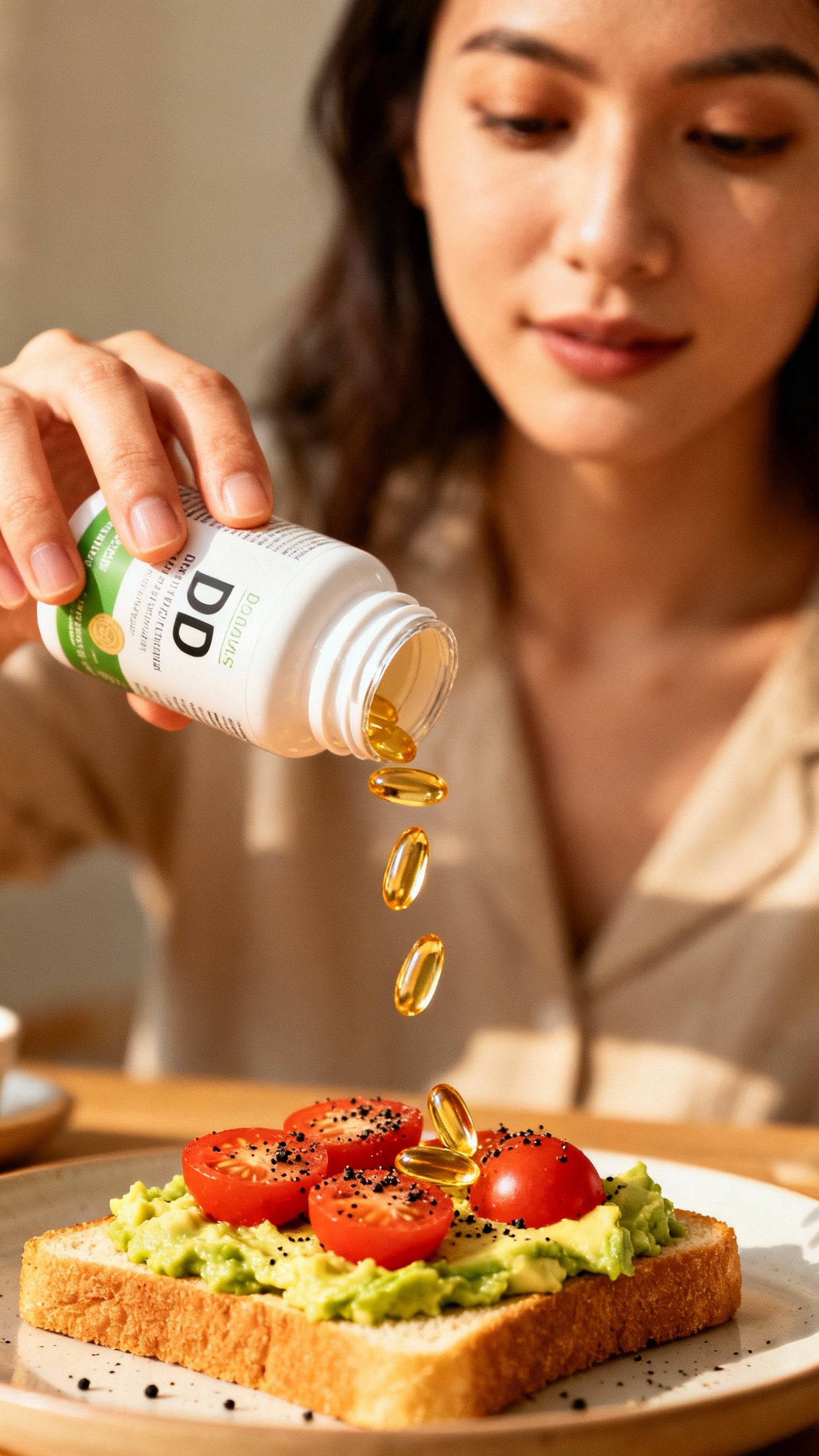
Sunshine helps, but SPF exists, so supplements often make sense. – Supplement notes: 1000–2000 IU daily works for most adults, but check your blood levels if you can. Pair with a meal that has fat.
– What it does: Supports fatty acid metabolism, which can reduce excess sebum. Many people notice less shine and fewer clogged pores. – Supplement notes: 500–1000 mg daily is common.
Start lower to avoid tummy drama. You can split doses with meals.
– What it does: Reduces redness, supports the skin barrier, and helps balance oil. Topical niacinamide rocks, but oral niacinamide can help too. – Supplement notes: Don’t confuse with niacin (which flushes).
Look for niacinamide specifically, 100–500 mg daily.
These aren’t always essential, but they fill key gaps that can keep acne flaring.
– What it does: Speeds up post-blemish healing and supports collagen. Also fights oxidative stress from pollution and UV. – Supplement notes: 250–500 mg daily. If you get acid reflux, try buffered vitamin C.
Great with iron-rich meals if you run low on iron.
– What it does: Works with vitamin C to reduce oxidative stress that can worsen inflammation. – Supplement notes: Get it from food first—nuts, seeds, avocado. If supplementing, stick to modest doses (like 100–200 IU). Don’t overdo.
– What it does: Reduces inflammation, supports wound healing, and may curb acne-causing bacteria. – Supplement notes: 15–30 mg zinc picolinate or gluconate daily with food.
Long-term zinc can drain copper, so consider a tiny copper add-on (1–2 mg) if you stay on zinc for months.
Let’s make this painless. You don’t need a supplement altar—just consistency.
– Vitamin D: 1000–2000 IU with breakfast – Vitamin B3 (niacinamide): 100–500 mg – Vitamin C: 250–500 mg (or with lunch if your stomach complains)
– Zinc: 15–30 mg with dinner – Vitamin B5: 500–1000 mg (split AM/PM if needed) – Vitamin A or beta-carotene: low dose with a fatty meal, only if diet seems low (IMO, food-first if possible)
– Are you breaking out less around your cycle? Keep going. – Still getting cystic, jawline acne?
Consider checking vitamin D, zinc, and ferritin levels with your doctor. – Burping up vitamins? Switch forms (e.g., zinc picolinate, buffered vitamin C) or move to mid-meal.
You can absolutely build an acne-friendly plate that feeds your skin.
– Fat-soluble vitamins (A, D, E) love fat. Pair with olive oil, avocado, or yogurt. – Vitamin C boosts iron absorption.
Team it with beans or red meat to support energy and skin healing. – Zinc and calcium compete. Don’t take zinc with large dairy-heavy meals or calcium supplements.
Supplements help, but you can’t out-supplement chaos. Quick reality check:
You’ll get the best results when you combine internal and external support.
– Inside: vitamins reduce inflammation and rebalance oil. – Outside: topicals keep pores clear and speed healing. – Together: fewer breakouts, fewer scars, more glow. It’s teamwork, not magic.
You want it yesterday—same.
But skin runs on biology, not Prime shipping.
Stick with your routine for at least 8 weeks before calling it quits. Track with selfies—unflattering bathroom lighting is brutally honest.
Yes, but start slow. Add one supplement every 5–7 days so you can spot what helps (or annoys) your stomach.
Combine fat-soluble vitamins with meals and keep zinc away from big calcium doses.
No. They can complement retinoids, benzoyl peroxide, or antibiotics. If you use isotretinoin, skip extra vitamin A.
Always tell your dermatologist what you’re taking—saves everyone guesswork.
That’s common. Vitamin D and B3 help with inflammation, and zinc supports healing. Consider adding omega-3s (not a vitamin, but clutch for hormonal flares) at 1–2 grams EPA/DHA daily.
If cysts persist, chat with your doctor about spironolactone or birth-control options.
They’re fine for compliance, but sugar and low doses can make them underwhelming. If gummies spark joy, cool—just check actual dosages and keep zinc and B vitamins at effective levels.
Yes. Don’t megadose vitamin A or zinc.
High vitamin E can interfere with meds. If you’re pregnant or trying, avoid supplemental vitamin A and stick to beta-carotene and food-based sources. When in doubt, get a quick blood panel (vitamin D, zinc, ferritin, B12) and tailor your plan.
Maybe.
Multis can cover small gaps, but they often underdose the skin-specific players (zinc, B5, D). IMO, a targeted stack beats a generic multi for acne.
Clearer skin usually comes from boring consistency, not heroic doses. Build your base with vitamins A, D, B5, and B3; add vitamin C, E, and zinc as needed; and keep your skincare simple but diligent.
Give it 8–12 weeks, track progress, and tweak based on your body—not the loudest TikTok. Healthy skin loves patience, balance, and a little humor. You’ve got this.