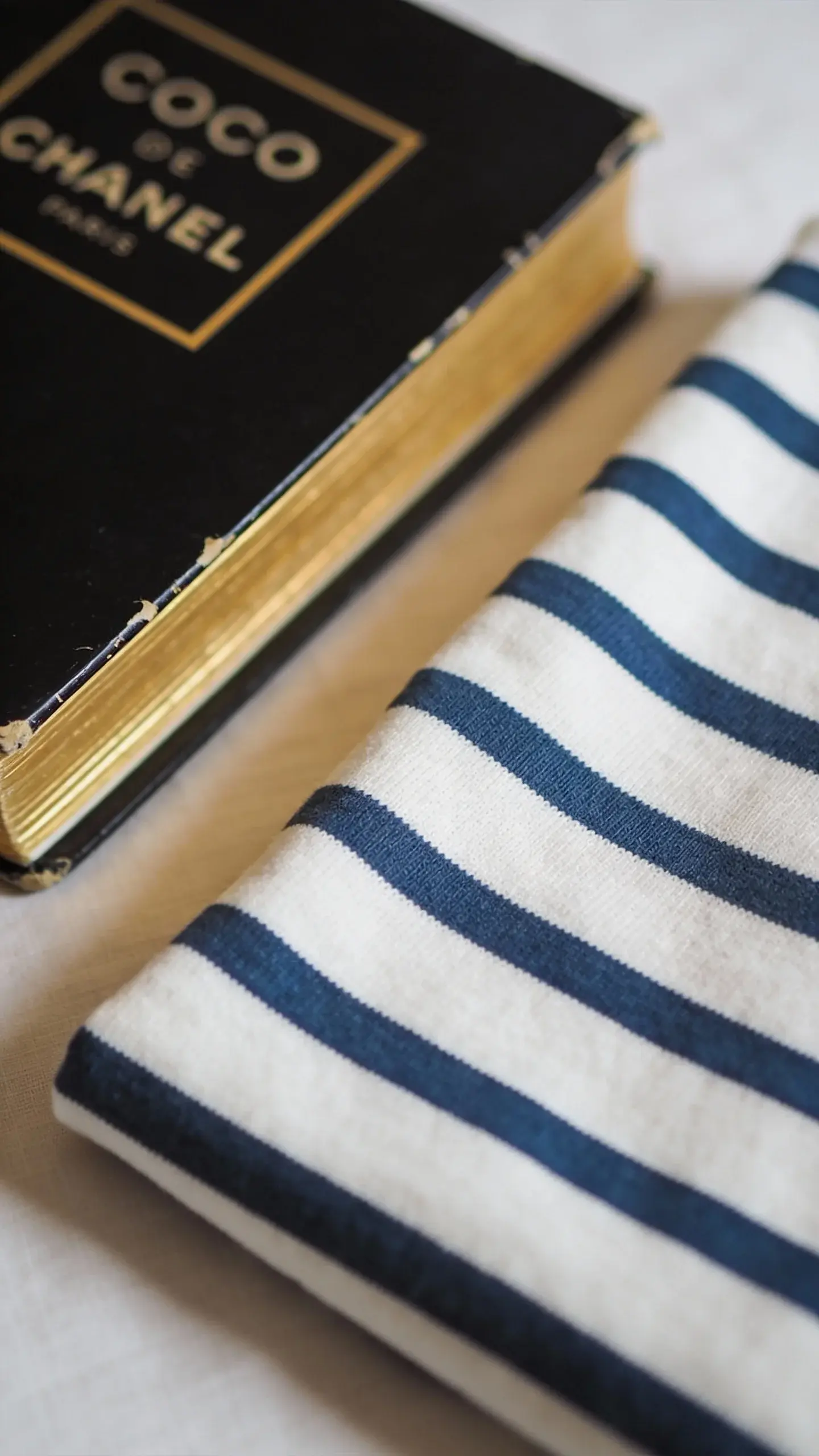




You know that shirt you grab when you’re running late, feel indecisive, and still want to look like you tried? That’s the Breton striped top. It never judges, it never clashes, and it somehow always looks cool. If your closet had a MVP, this would be it—low effort, high payoff, every time.
The Breton top started as a French naval uniform in the 1850s. Sailors wore thick cotton shirts with crisp horizontal stripes so you could spot a guy if he fell overboard. Practical and stylish? Iconic.
Then Coco Chanel saw the potential and brought it into womenswear in the 1910s. Fast-forward and you’ve got artists, movie stars, and basically every stylish person owning one. It jumped from the sea to street style without missing a beat.
Let’s be blunt: the Breton top solves outfit panic. It’s pattern without chaos, polish without effort.
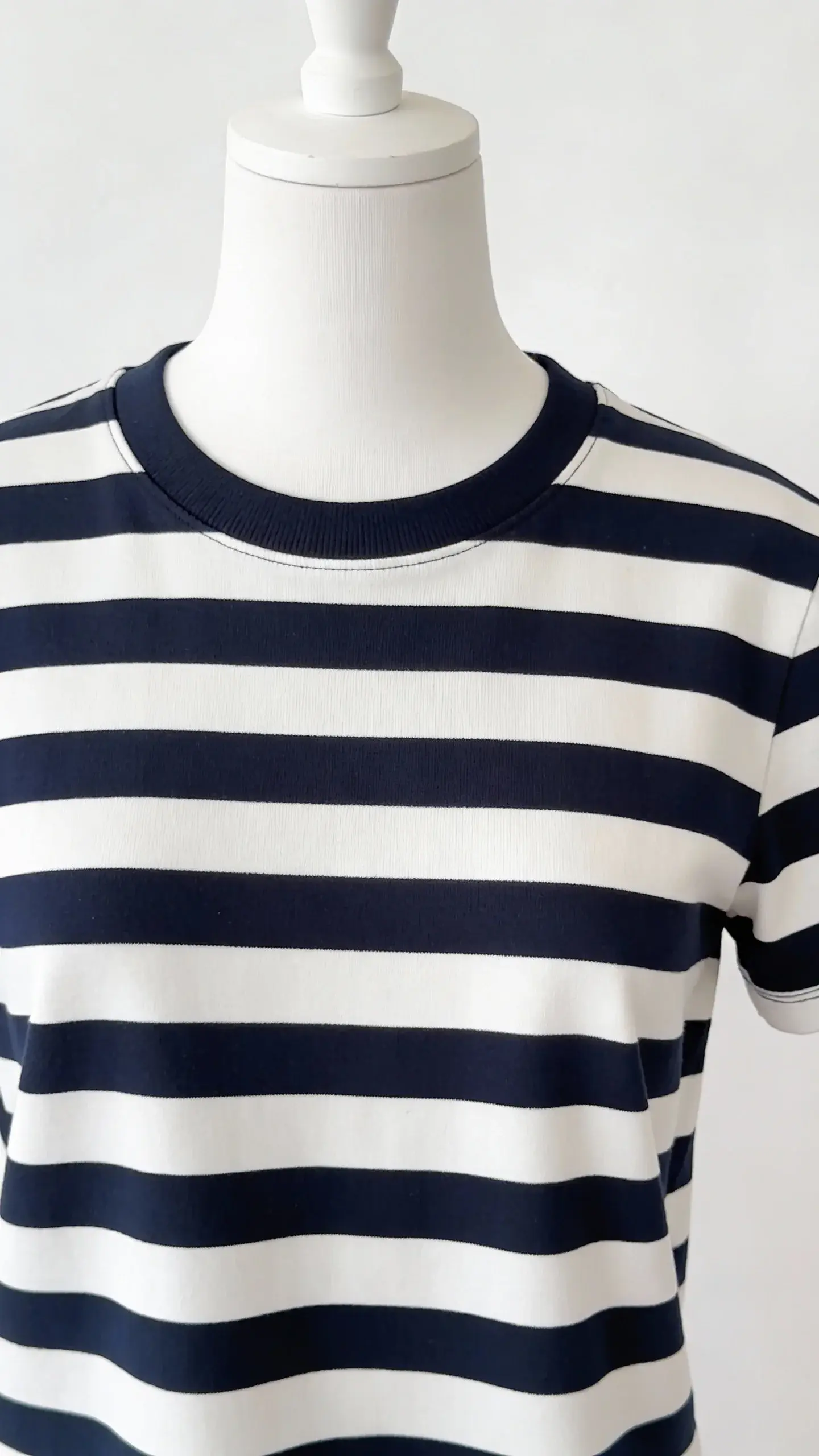
– Narrow stripes read refined and slightly dressier. Great for tucking into tailored pieces.
– Medium stripes hit the sweet spot for everyday wear—not shouty, not shy.
– Wide stripes feel graphic and modern. They skew casual and look sharp with simple bottoms.
You can’t mess this up, but if you want a cheat sheet, I’ve got you.
– Under a blazer or chore jacket for structure
– Over a chambray shirt with the collar peeking out
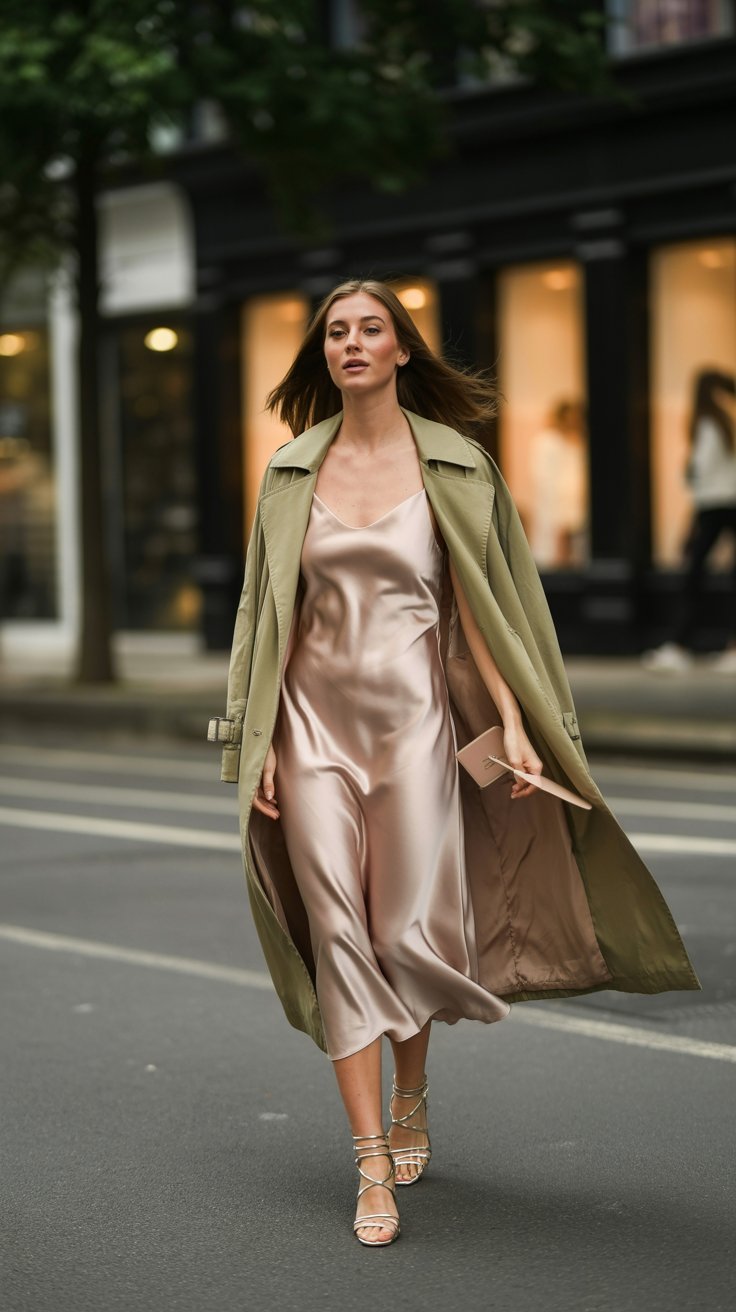
– Under a slip dress for 90s energy (yes, it still slaps)
– With a quilted vest or gilet when it’s chilly
Not all striped tops deserve lifetime membership in your wardrobe. Here’s how to pick a keeper.
– Stripe alignment at seams: If stripes match at the sides, that’s craftsmanship.
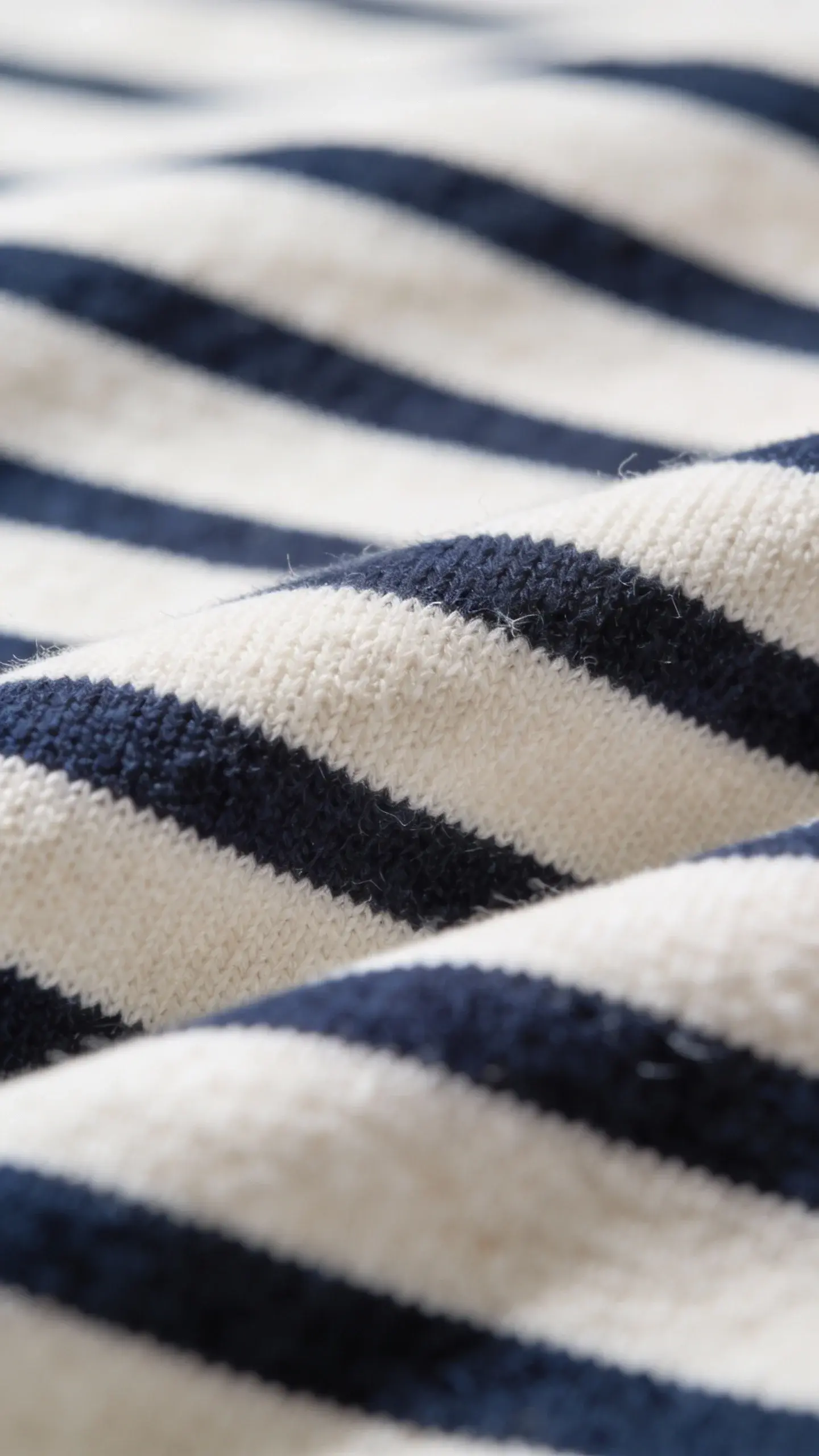
– Density: Hold it up to light. Less see-through equals more wear and less twisting.
– Finish: Clean neckline binding, reinforced shoulder seams, and minimal puckering mean it won’t warp after two washes.
If you worry about horizontal stripes, let’s calm that right down. It’s all about proportion and styling.
– Red lipstick or a bright bag for that French-girl wink
– Gold hoops or a simple chain necklace
– A silk scarf tied at the neck or on a tote
– Minimalist watch and white sneakers—always a win
You bought a classic—treat it like one. It’ll pay you back in compliments.
You can wear a Breton anywhere, but some moments practically demand it.
Not when you choose the right scale and fit. Narrow to medium stripes create a tidy visual rhythm that reads polished instead of wide. Balance with tailored bottoms or a structured jacket, and you’ll be fine—promise.
“Breton” usually means a nautical-inspired top with evenly spaced horizontal stripes, typically in navy and white, often with a boat neck and a slightly boxy cut. Regular striped tees play with colors, widths, and necklines more freely. Think: Breton = classic formula; striped tee = wildcard.
Two covers most bases: one classic navy/cream in midweight cotton and one variation (black/white, colored stripe, or heavier knit for cooler months). If you wear them constantly, grab a third in a different cut. FYI, duplication is allowed when it’s this useful.
Absolutely. Tuck it into tailored trousers, add a blazer, and choose clean shoes—loafers or block heels. The stripes read intentional, not casual, when you pair them with structure.
Go crew neck. You’ll lose a touch of nautical nostalgia, but you’ll gain versatility for layering. Crew necks sit better under jackets and work well with necklaces. IMO, it’s the most wearable option if you’re stripe-curious.
Add something crisp or edgy. Try straight-leg dark denim, chunky boots, sharp tailoring, or minimal silver jewelry. Skip the cutesy sailor extras unless that’s your vibe.
The Breton striped top nails that rare combo: familiar yet fresh, casual yet refined. It’s a shortcut to style that still feels personal, because you can tweak stripes, fits, and layers to your life. Invest in a good one, wear it a lot, and let it do what it does best—make everything you own look smarter with almost zero effort.