The Quiet Luxury Transition Checklist (step-by-step)
You’re over the logo mania, the flash, the “look at me” vibes. You want clothes and spaces that whisper, not yell. Good.
Quiet luxury isn’t about being boring—it’s about intention. Quality, fit, materials, and restraint. Think: items that age beautifully and never look try-hard.
Ready to switch lanes? Here’s your step-by-step transition checklist.
Audit Your Closet (and Life) First
Before you buy anything, figure out what you actually wear. Yes, even those “someday” heels.
Be ruthless and honest.
Questions to ask yourself
- Would I buy this again today?
- Does it work with at least three outfits?
- Does the fit make me feel expensive? If not, tailor or toss.
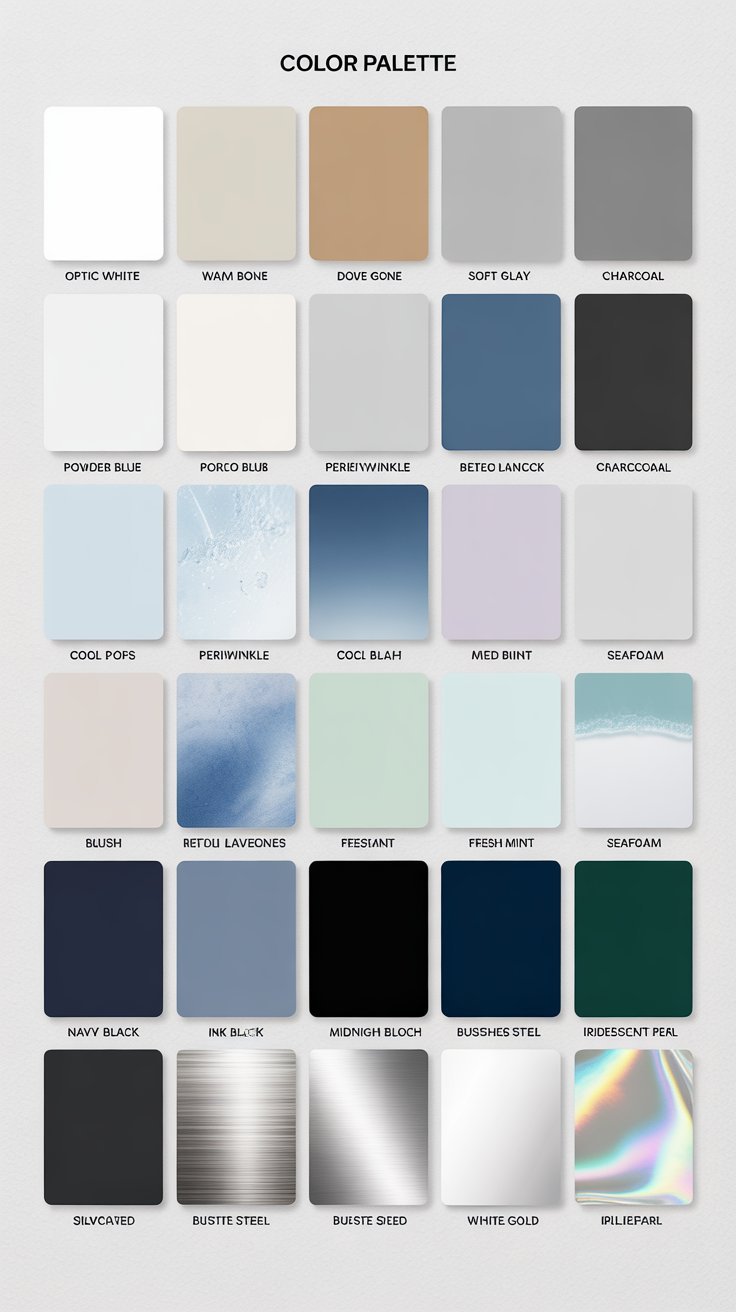
Define Your Palette (and Stick to It)
Quiet luxury thrives on consistency. You don’t need 50 colors.
You need a handful that love each other.
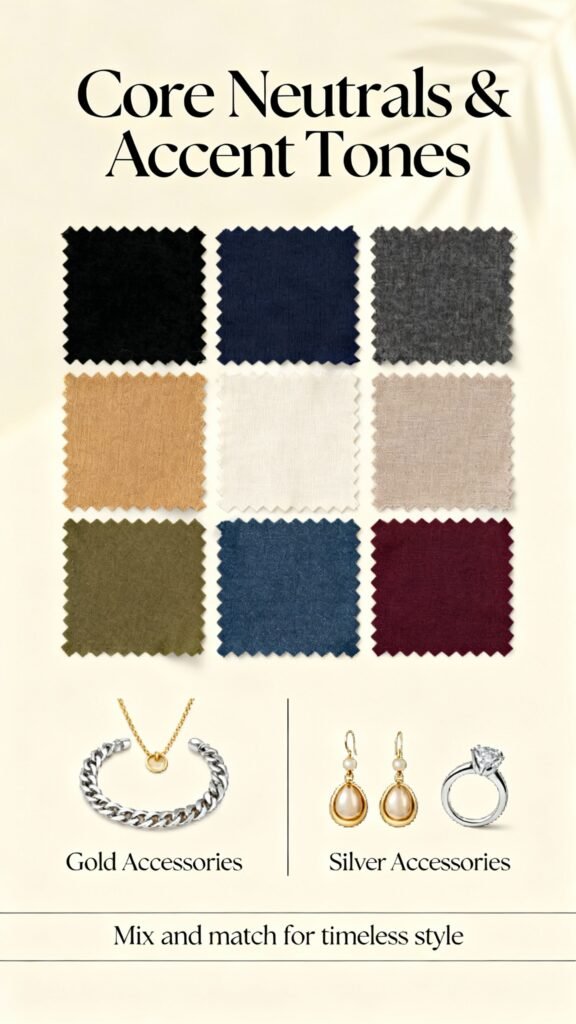
- Core neutrals: black, navy, charcoal, camel, ivory, taupe.
- Accent tones: olive, chocolate, slate blue, muted burgundy.
- Metal choice: pick gold or silver as your default so accessories feel cohesive.
How to build it
- Choose 2 core neutrals for tailoring (blazers, trousers, coats).
- Add 1 light neutral for knitwear and shirts.
- Allow 1-2 accents for personality, but keep saturation low.
Invest in the Big Four
You don’t need a whole new wardrobe. You need the right anchors. These pieces do the heavy lifting daily.
- Tailored outerwear. A camel or navy coat with clean lines and a sharp collar.
Mid-calf length = timeless. Belt optional.
- Flawless knitwear. Lightweight cashmere crewneck or a fine merino turtleneck. Avoid fuzz and bulky ribs.
- Perfect trousers or jeans. Flat-front trousers with a slight drape, or dark, straight jeans with minimal hardware.
- Quiet shoes. Sleek loafers, minimal sneakers, or almond-toe boots.
No giant logos. Soft leather rules.
Quality checks
- Stitching: even seams, no loose threads, secure hems.
- Fabric handfeel: smooth, dense, no scratchy finishes unless it’s raw linen on purpose.
- Lining: breathable if possible (cupro, viscose). Avoid crunchy polyester when you can.
Get Fanatical About Fit
Fit screams luxury more than any brand ever will.
Tailoring takes good to great, and great to “expensive.”
- Jackets: shoulder seam hits right at the edge, sleeve breaks at wrist bone. You should hug in it without strain.
- Trousers: clean front (no pulling), slight break or cropped above ankle. Waist sits comfortably without digging.
- Shirts: no gaping buttons, collar sits flat, hem tucks without bunching.
What to tailor first
- Trouser length and waist.
- Jacket sleeves and minor waist suppression.
- Hems on dresses/skirts to your most flattering length.
Go Logo-Light, Texture-Heavy
Quiet luxury isn’t anti-brand; it’s anti-billboard.
Keep visual noise down. Let materials take the spotlight.
- Swap loud prints for texture. Cashmere, brushed wool, silk twill, leather grain, suede, fine rib knits.
- Limit hardware. Clean buckles, subtle zips, no oversized monograms.
- Monochrome outfits win. Vary textures within one color family for depth.
Smart substitutions
- Logo tote → structured leather tote with minimal branding.
- Chunky statement necklace → slim gold chain or small hoops.
- Patterned polyester blouse → solid silk shirt with sheen.
Create a Uniform (Your Life Will Get Easier)
A personal uniform keeps you consistent and saves brain cells. It’s not boring; it’s branding—yours.
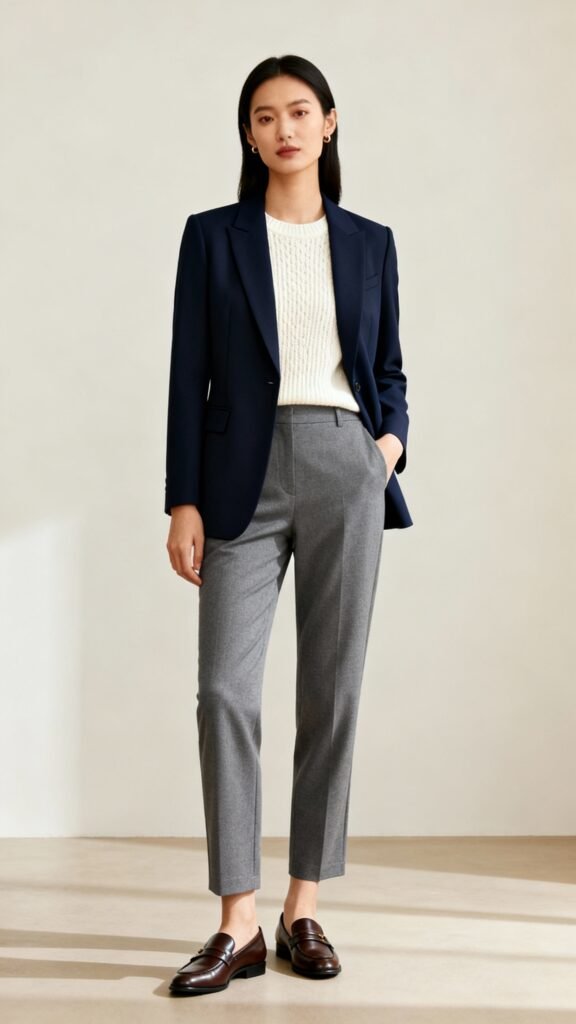
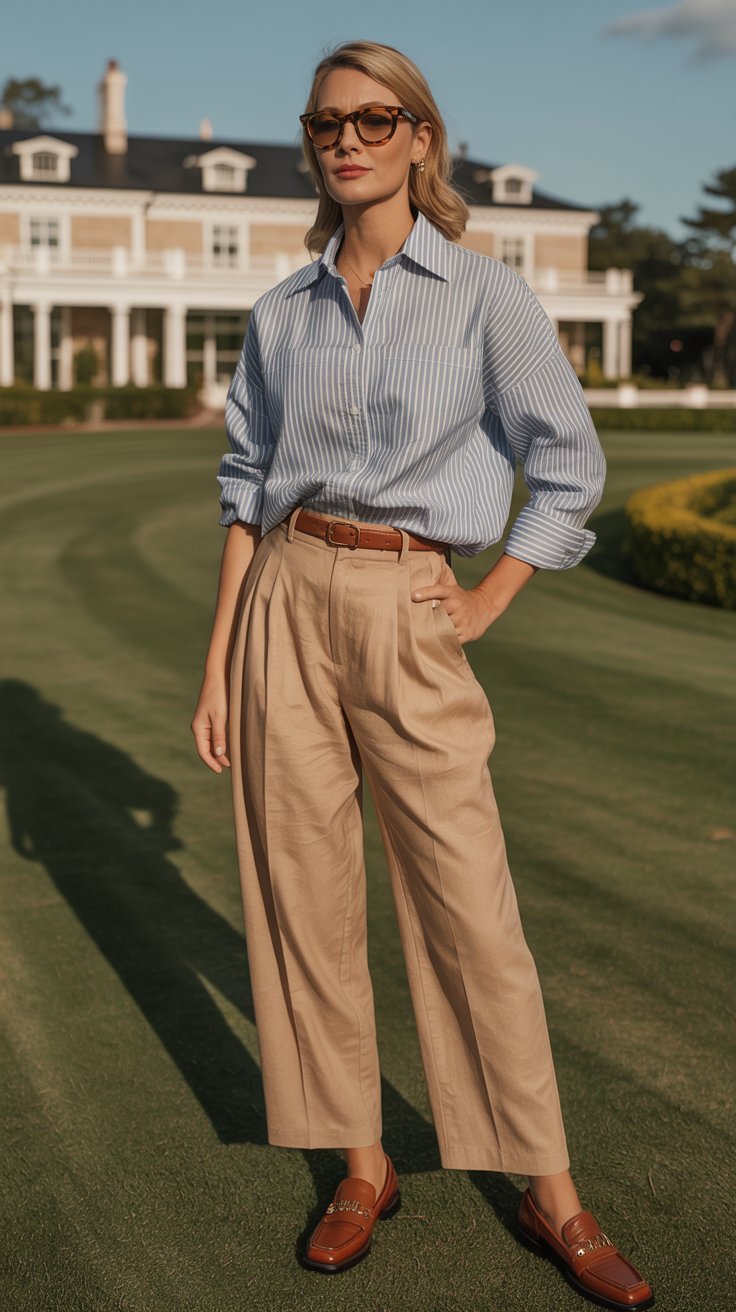
- Work look: navy blazer, ivory knit, gray trousers, leather loafers.
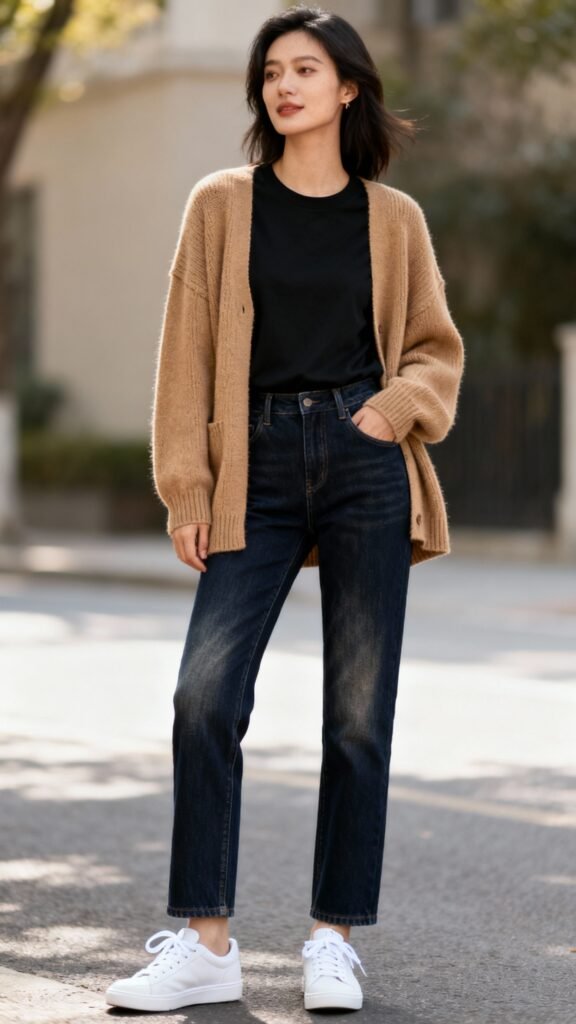
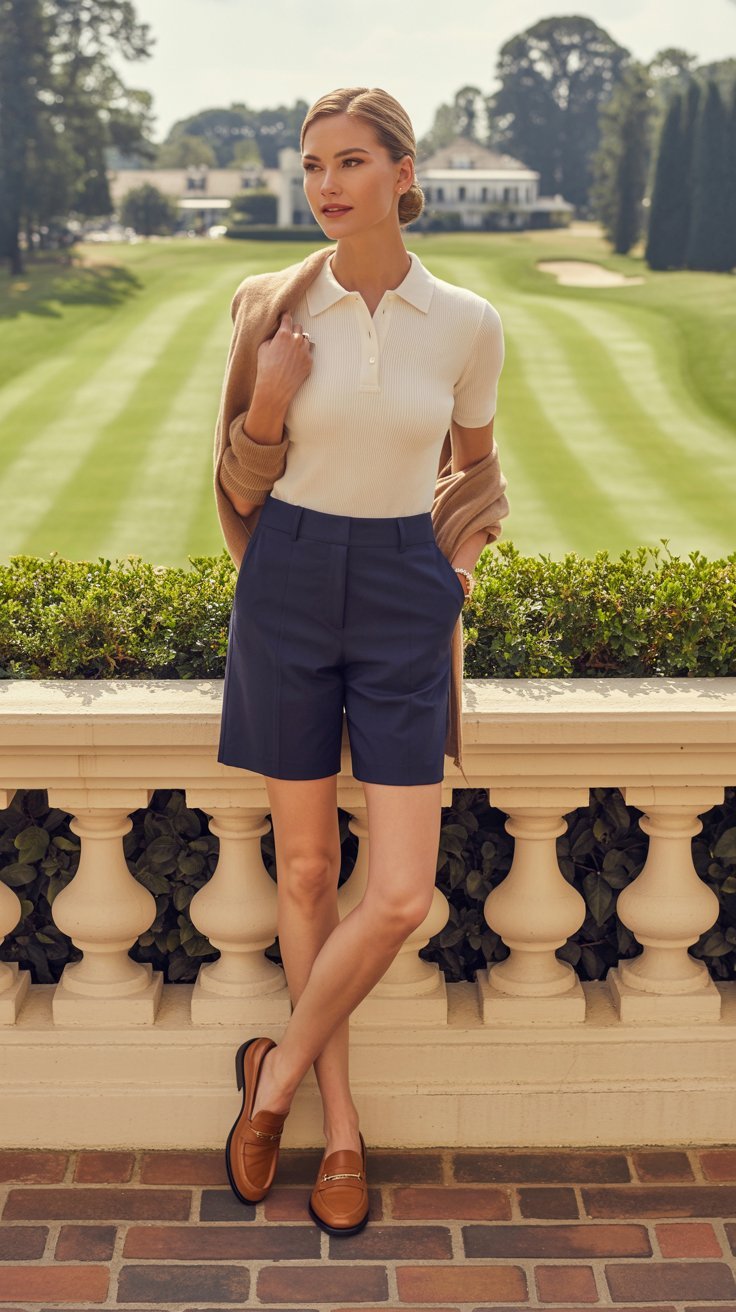
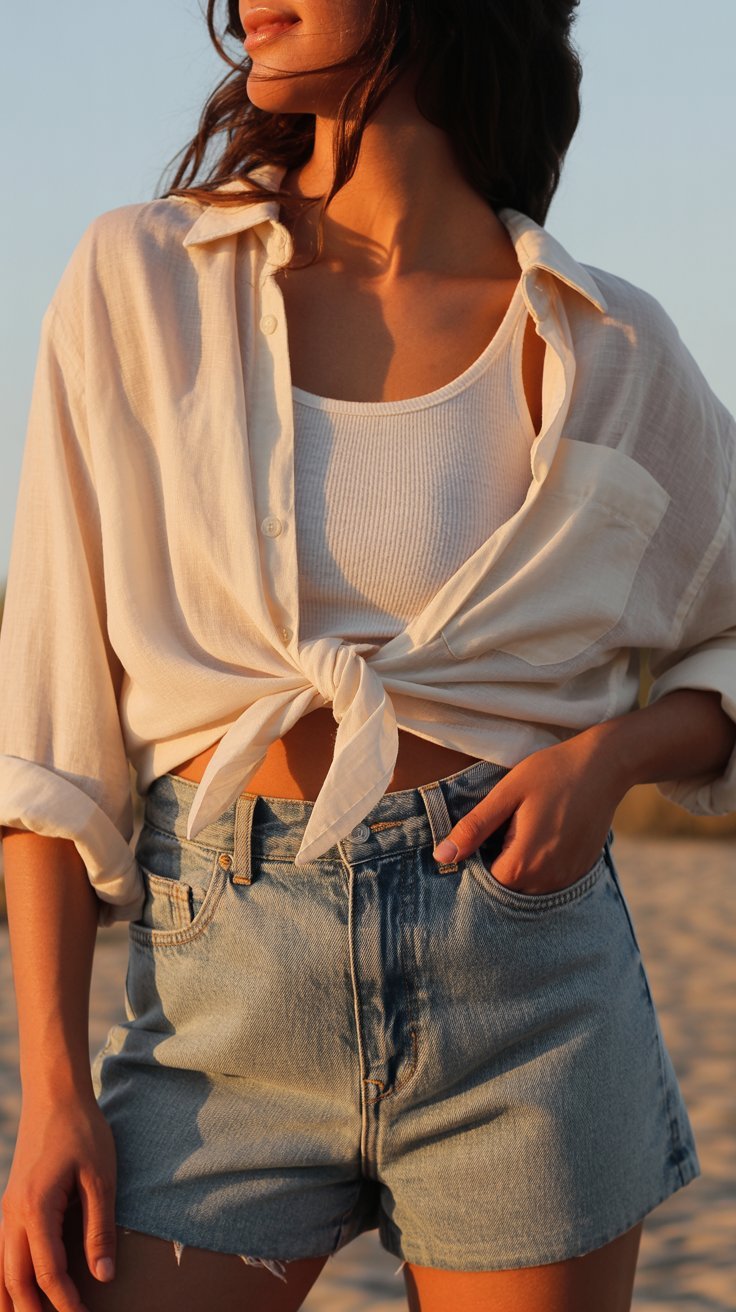
- Casual look: straight dark denim, black tee, camel cardigan, white sneakers.
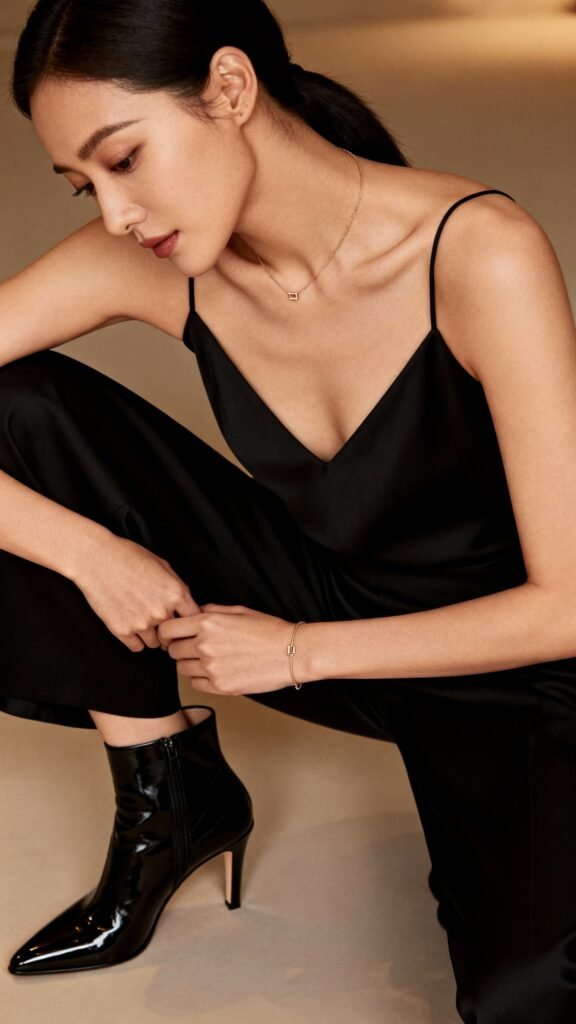
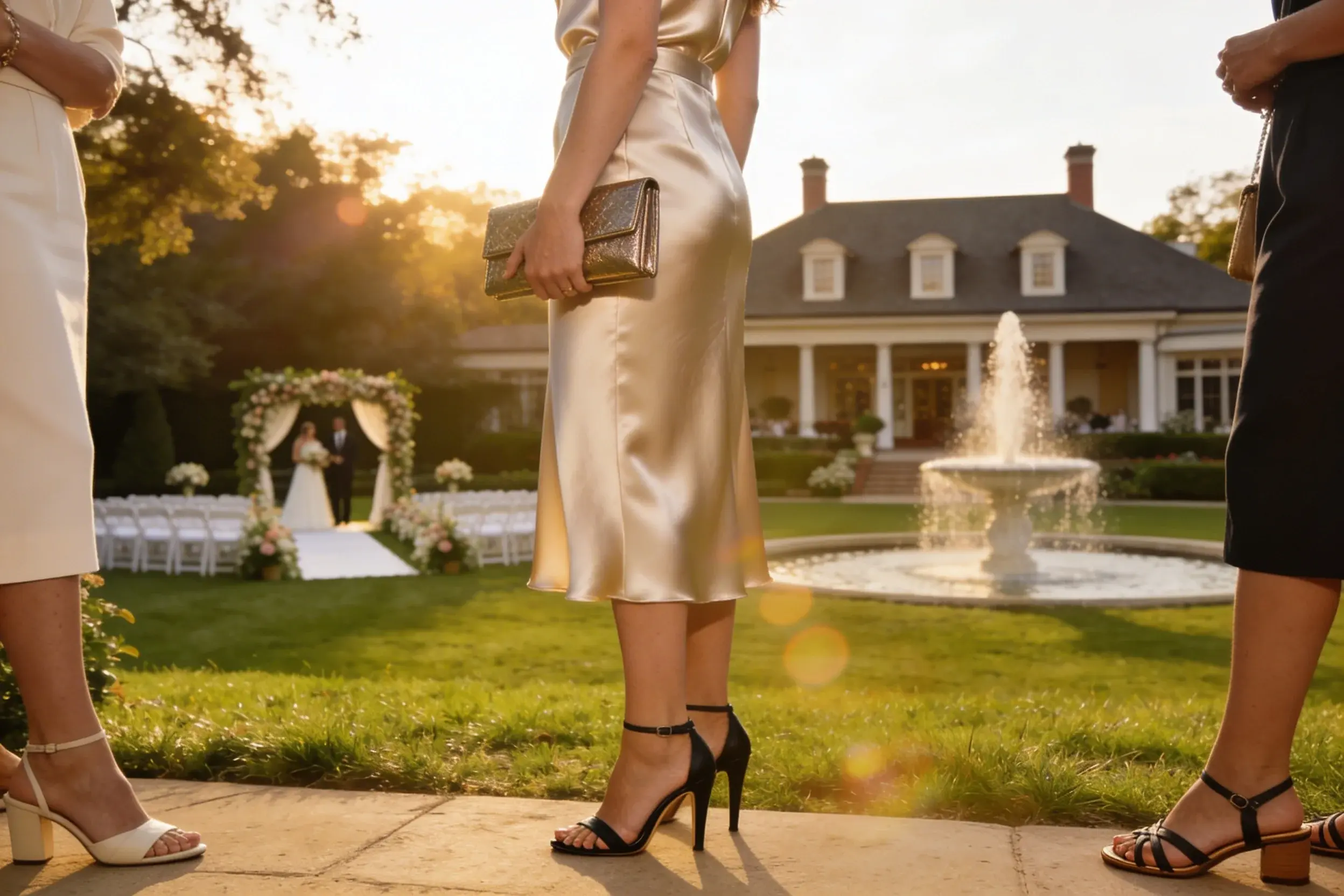
- Evening look: black slip or tailored dress, minimal jewelry, heeled boots or sleek slingbacks.
Uniform rules
- Each uniform uses your palette.
- Swap in seasonal fabrics: linen in summer, cashmere in winter.
- Keep silhouettes consistent; change textures to keep it interesting.
Care Like a Pro (The Boring Part That Matters)
You can’t look luxe if your sweaters pill like a peach.
Maintenance makes everything last—and look expensive.
- Steam instead of iron. Wrinkles vanish without shine or scorch.
- Rotate shoes. Use cedar trees, condition leather every few months.
- Wash less, air more. Follow care tags; handwash delicates. FYI: many “dry clean only” knits do fine with cold water and a gentle detergent.
- Defuzz regularly. Use a fabric shaver lightly on knits.
Storage tips
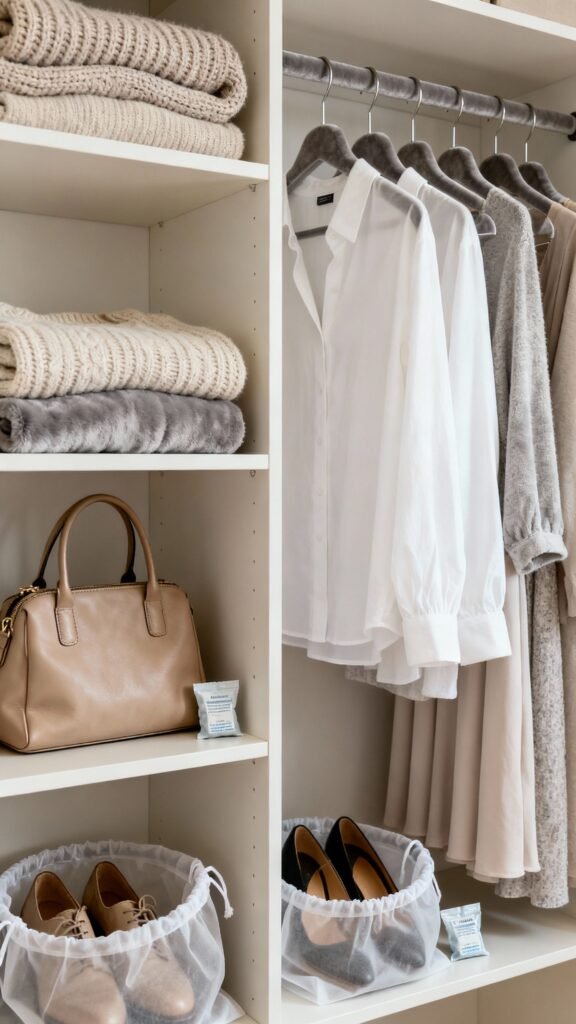
- Fold heavy knits; don’t hang them.
- Use slim velvet hangers for shirts and dresses.
- Keep dust bags for bags and shoes. Silica packets help.
Curate Accessories With Restraint
Accessories set the tone fast.
Keep it understated and intentional.
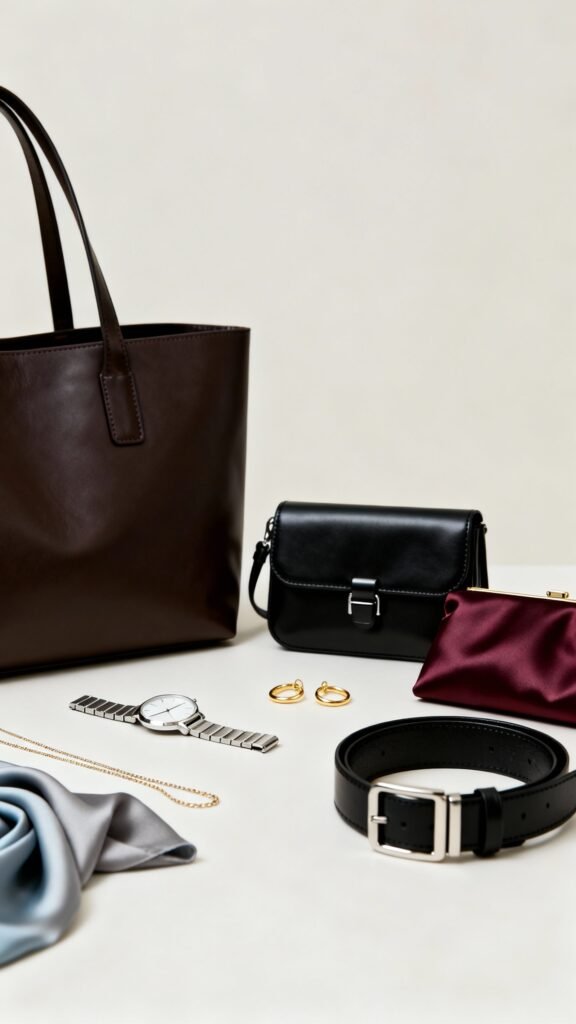
- Jewelry: one watch, small hoops or studs, a simple chain. Choose one focus piece at a time.
- Bags: medium structured tote, small crossbody, evening clutch. Minimal hardware, rich leather.
- Belts and scarves: matte buckle, silk scarf in muted tones.
No shouting.
- Beauty: groomed brows, clean nails, soft hair. The quiet luxury face is healthy, not heavy.
Shop Fewer, Better (And Know Where to Look)
You don’t need a trust fund—just strategy. Spend more where it shows, save where it doesn’t.
IMO this is the real secret.
- Splurge: coats, shoes, bags, tailoring. These anchor every look.
- Save (smartly): tees, tanks, seasonal trend accents.
- Sources: off-season sales, outlet sections, pre-loved platforms, local tailors, heritage labels.
Red flags when shopping
- Itching, squeaking shoes, crunchy linings.
- Overt brand placement or too many metal bits.
- Trendy cuts that will date in a year.
Your Quiet Luxury Transition Checklist
Use this to stay on track. Print it, screenshot it, tattoo it (kidding, kind of).
- Audit closet; purge what doesn’t fit your palette or life.
- Choose a 3-5 color palette and a metal tone.
- Secure the Big Four: tailored coat, quality knit, perfect trousers/jeans, quiet shoes.
- Tailor priority pieces for impeccable fit.
- Adopt a weekday and weekend uniform.
- Switch logos for texture; keep hardware minimal.
- Set a care routine: steam, condition leather, de-pill, proper storage.
- Add restrained accessories: one watch, minimal jewelry, structured bag.
- Shop intentionally: fewer, better, in your palette.
FAQ
Do I need to ditch every logo I own?
Not at all.
Keep pieces where the logo is subtle and the quality holds up. The goal is to reduce visual noise, not live in witness protection. If you love it and it looks refined, it can stay.
Is quiet luxury only neutrals?
No, but neutrals make consistency easy.
You can use muted colors—olive, rust, slate, chocolate—and still look polished. The trick is low saturation and cohesive pairings.
How do I transition on a budget?
Start with the checklist, then tackle one category at a time. Prioritize tailoring and shoes—they change everything instantly.
Shop secondhand for quality fabrics; FYI, great coats hide in consignment stores.
What about trends—do I ignore them?
Use trends like seasoning, not the main dish. Try them in accessories or low-commitment pieces. If a trend fights your uniform or palette, skip it.
Your future self will thank you.
How many items do I actually need?
Enough to create repeatable outfits without boredom. For many, 25-40 core pieces cover life nicely. Build around your uniform and lifestyle, not a random capsule list online, IMO.
Can I do quiet luxury if I work in a creative field?
Absolutely.
Keep silhouettes clean and fabrics elevated, then add a signature twist—interesting shoes, an artful cuff, or a standout texture. Quiet doesn’t mean bland; it means considered.
Conclusion
Quiet luxury doesn’t ask for permission or attention. It looks effortless because you front-loaded the decisions: palette, fit, fabric, care.
Make the swap piece by piece, not all at once. When everything works together, your style starts to whisper—and somehow everyone listens.