


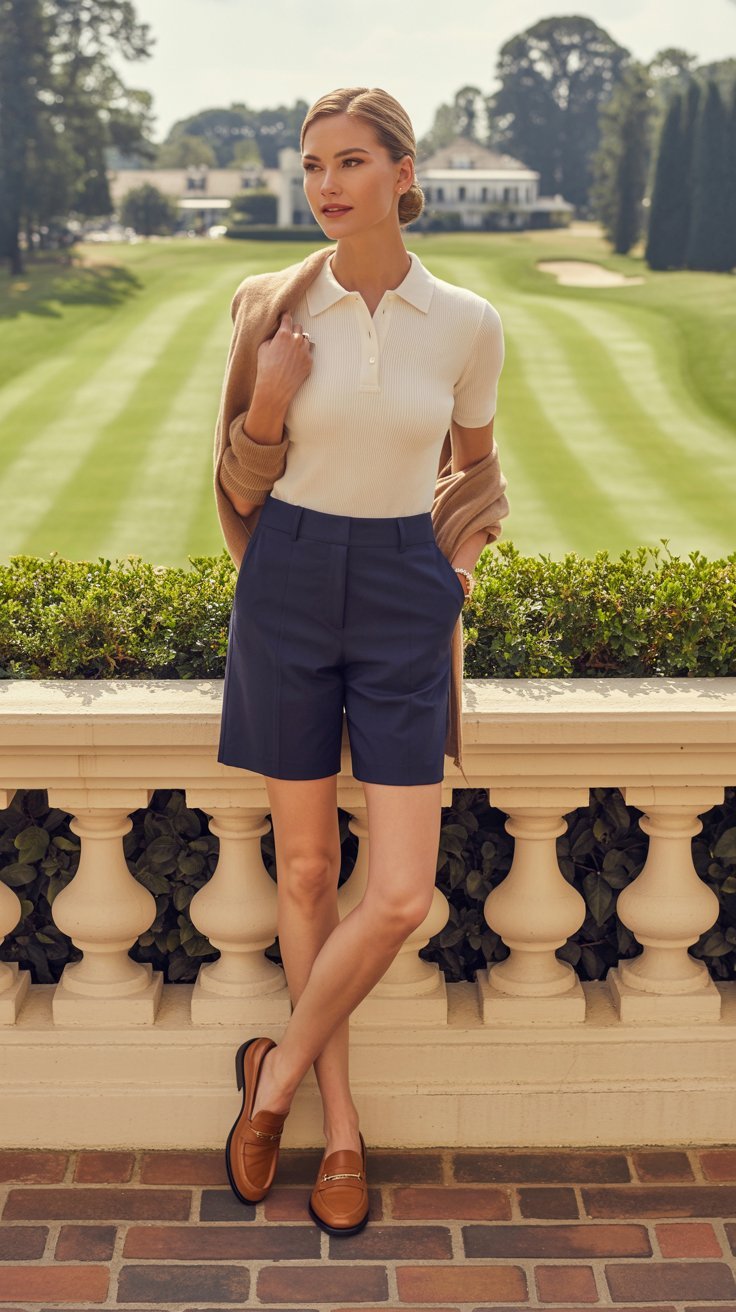

You want a summer tee that keeps you cool, looks sharp, and doesn’t morph into a clingy sweat rag by noon. Good news: the perfect T-shirt exists, and it’s not hiding in some runway collection. It’s all about fabric, cut, and—yes—the way you tuck it. Let’s build your go-to summer uniform without overthinking it.
Short answer: breathable fabric, a flattering cut, and styling that looks intentional. You want a tee that handles heat, sits right on your body, and works with your shorts, jeans, or that one linen skirt you wear every other day. FYI, small details matter more than logos.
You don’t need a PhD in textiles. Just know what works when temps spike.
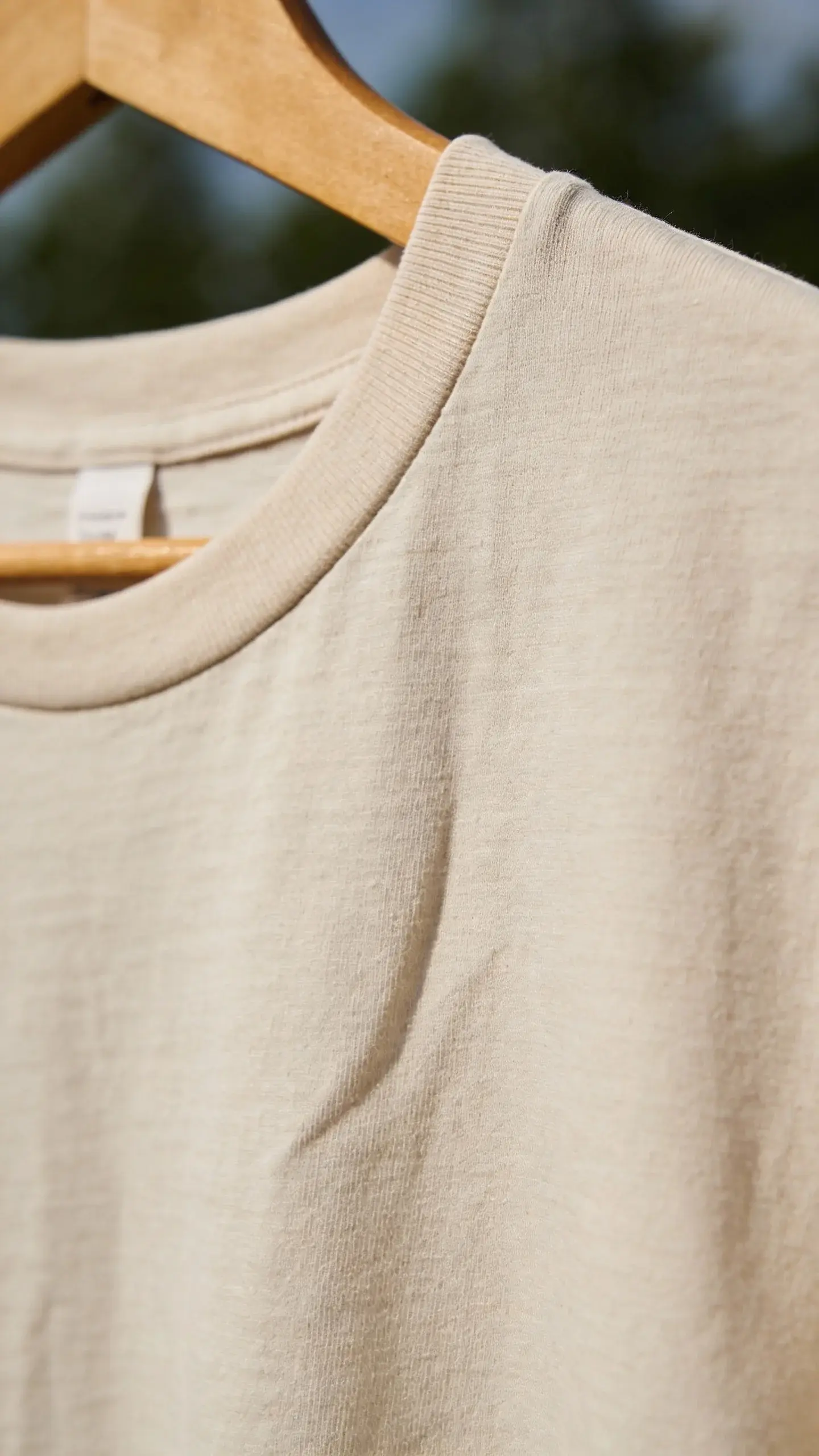
Go for midweight 100% cotton (around 140–180 GSM) for airflow and structure. It drapes nicely, absorbs sweat, and doesn’t feel clingy. Avoid ultra-heavy cotton in peak heat unless you like your torso simmered.
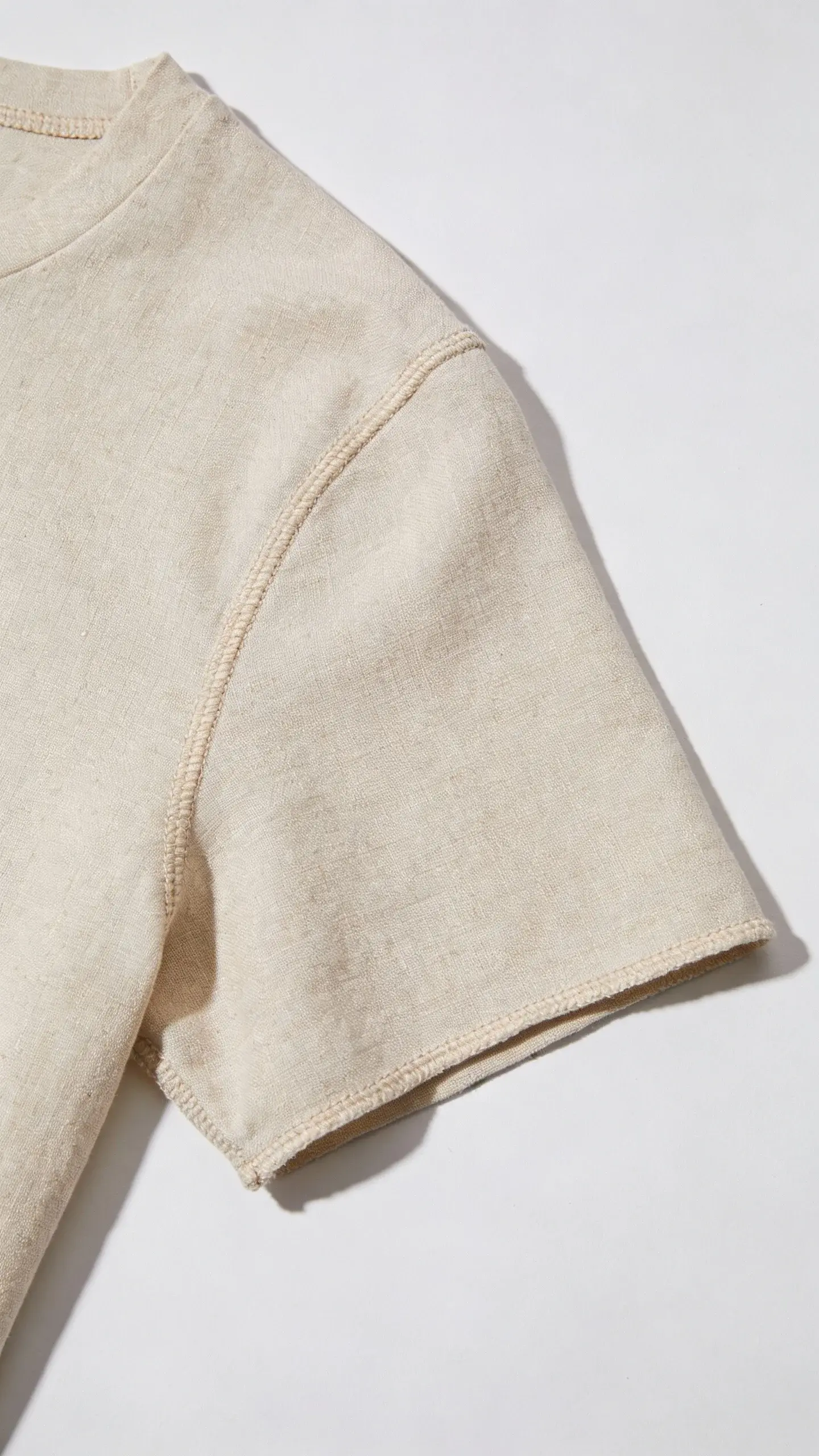
Linen breathes like a window screen and dries fast. It wrinkles—embrace it. If full linen feels scratchy, try a linen-cotton blend for comfort with that beachy texture.
These finer cottons feel luxe and resist pilling. They’re smooth, cool, and slightly more drapey. If you want a tee that looks a little elevated with trousers, start here.
These are silky, lightweight, and great for heat. Modal/Tencel blends drape beautifully but can show sweat more. If you run hot, go lighter colors or layered textures to disguise moisture.
Moisture-wicking synthetics work for workouts, but they can trap odors off-duty. If you want that feel, look for hybrids with natural fibers or odor control tech.
You want ease without sloppiness. Think clean lines, not cling film or parachute.
Aim for the hem to hit mid-fly (front) or mid-hip. Longer tees bunch under a tuck and shorten your legs visually. Curved hems look polished untucked; straight hems work for all the tucks.
Shoulder seams should land at the edge of your shoulder bone. Sleeves should skim your arm, not strangle it. For men, mid-bicep is the sweet spot. For women, cap sleeves can cut into arms—try a slightly longer sleeve for balance.
IMO, a clean crewneck wins 80% of the time.
Summer light hits different. Your tee should, too.
The right tuck turns a basic tee into an outfit. No tailoring required—just a little finesse.
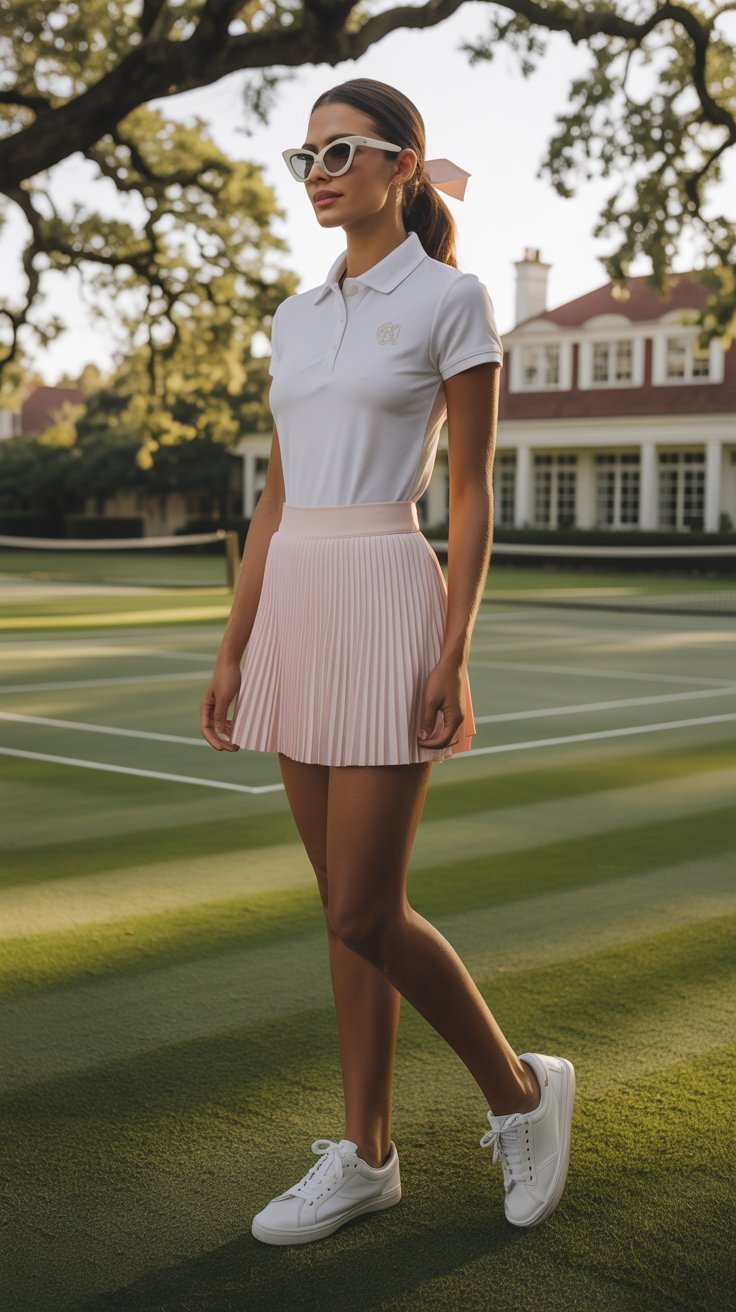
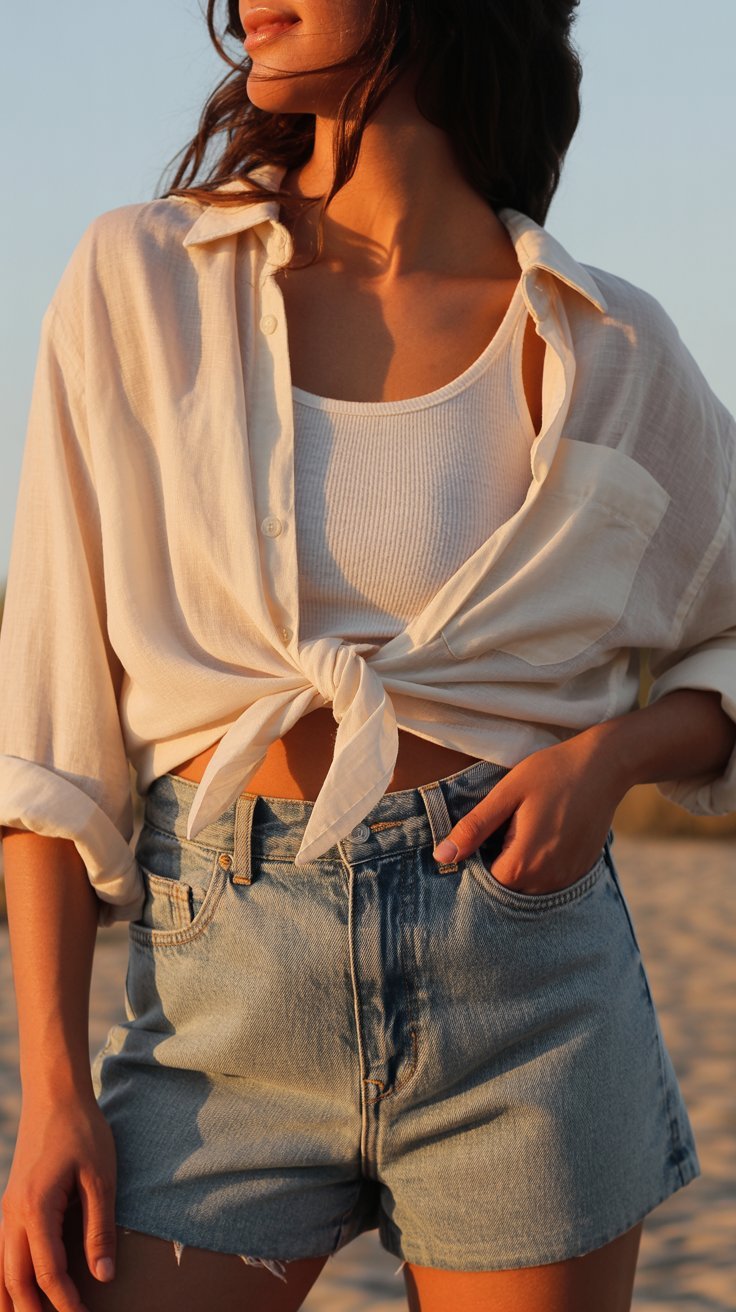
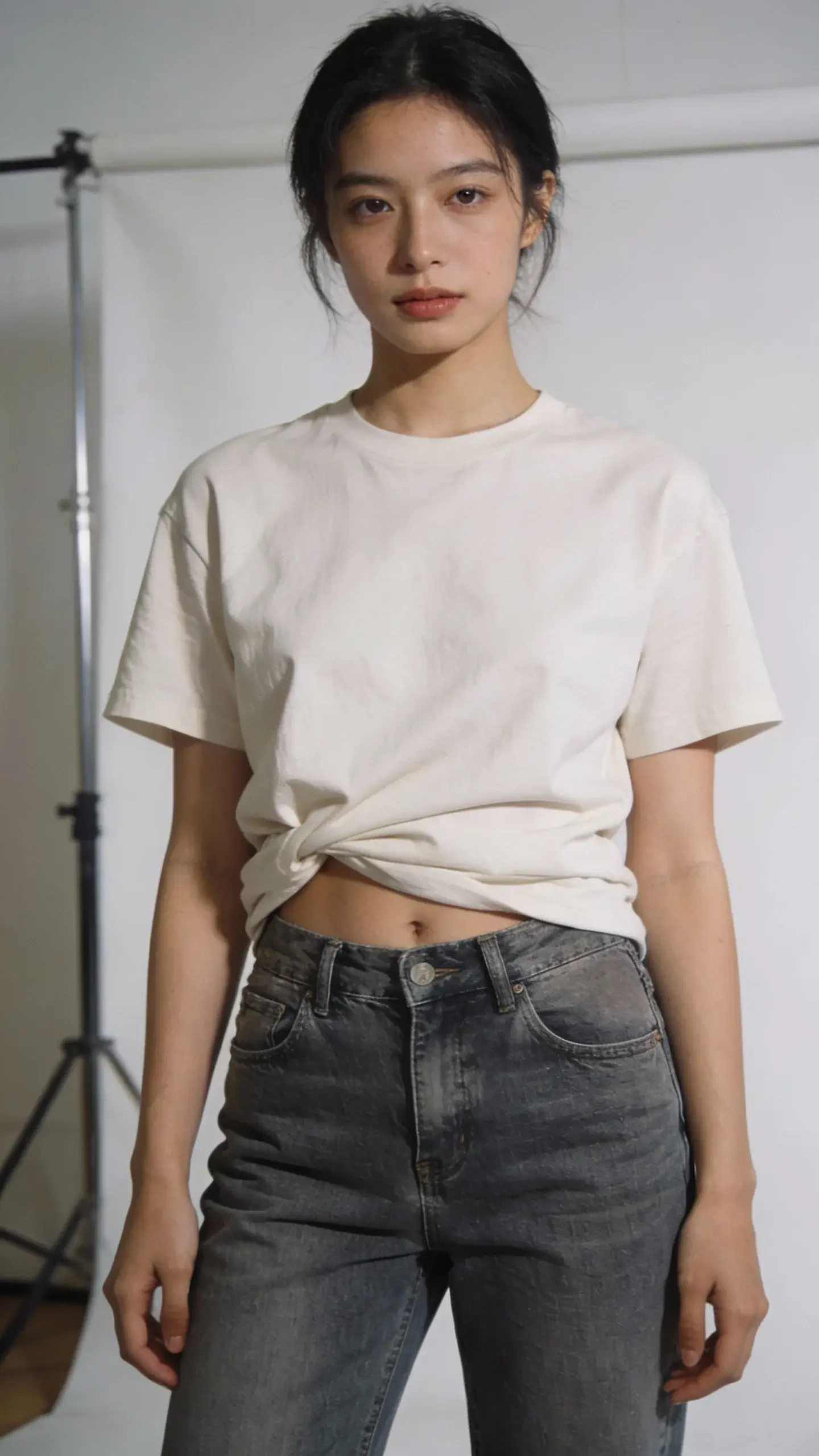
Best for: relaxed jeans, chinos, shorts, skirts, wide-legs.
How: Tuck 2–3 inches of fabric dead center (or slightly off-center) in the front. Let the sides and back drape.
Why it works: It defines your waist and elongates your legs without screaming “I tried.”
Best for: polished looks, high-waisted pieces, structured bottoms.
How: Tuck all around. Then lift your arms to let the fabric “blouse” a bit. Smooth at the side seams.
Why it works: It cleans the silhouette and makes a tee look like part of a real outfit. Add a belt for extra sharpness.
Best for: casual days, asymmetry, half-untucked vibes.
How: Tuck just at one hip, about a palm-width.
Why it works: It adds movement and a tiny bit of attitude. Perfect with drapey fabrics.
You found your perfect tee—don’t ruin it with lava-temp laundry.
Take the guesswork out. Build from these and tweak to your style.
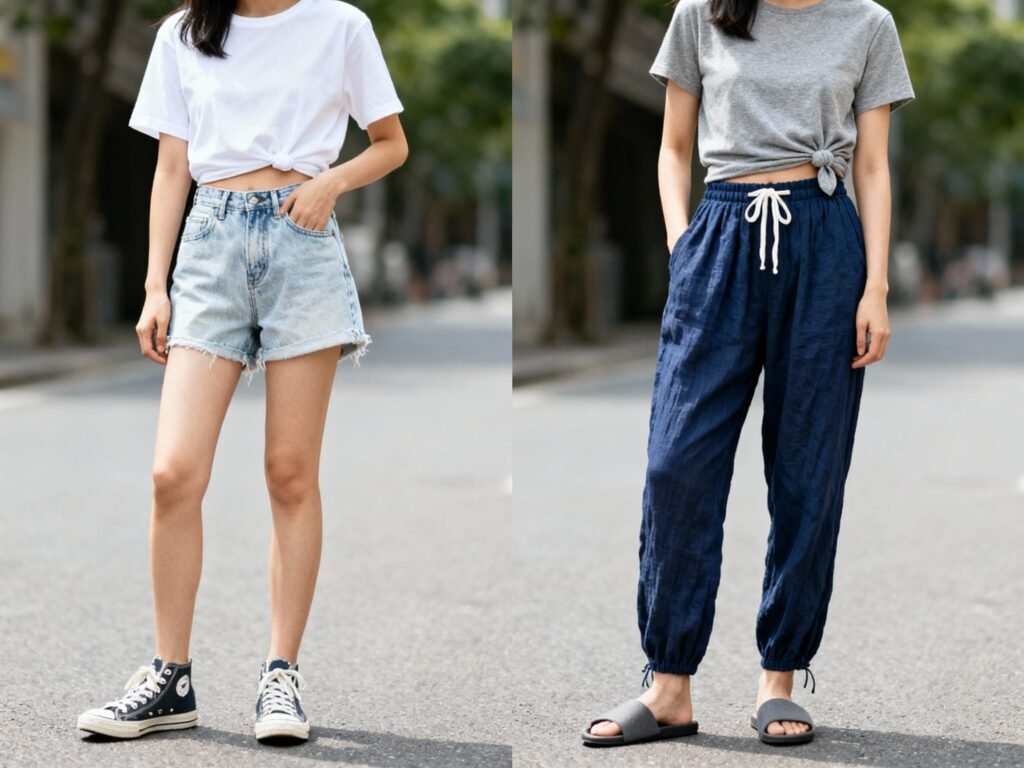
– White cotton tee + light-wash denim shorts + front tuck + canvas sneakers
– Heather gray tee + navy linen drawstring pants + side tuck + slides
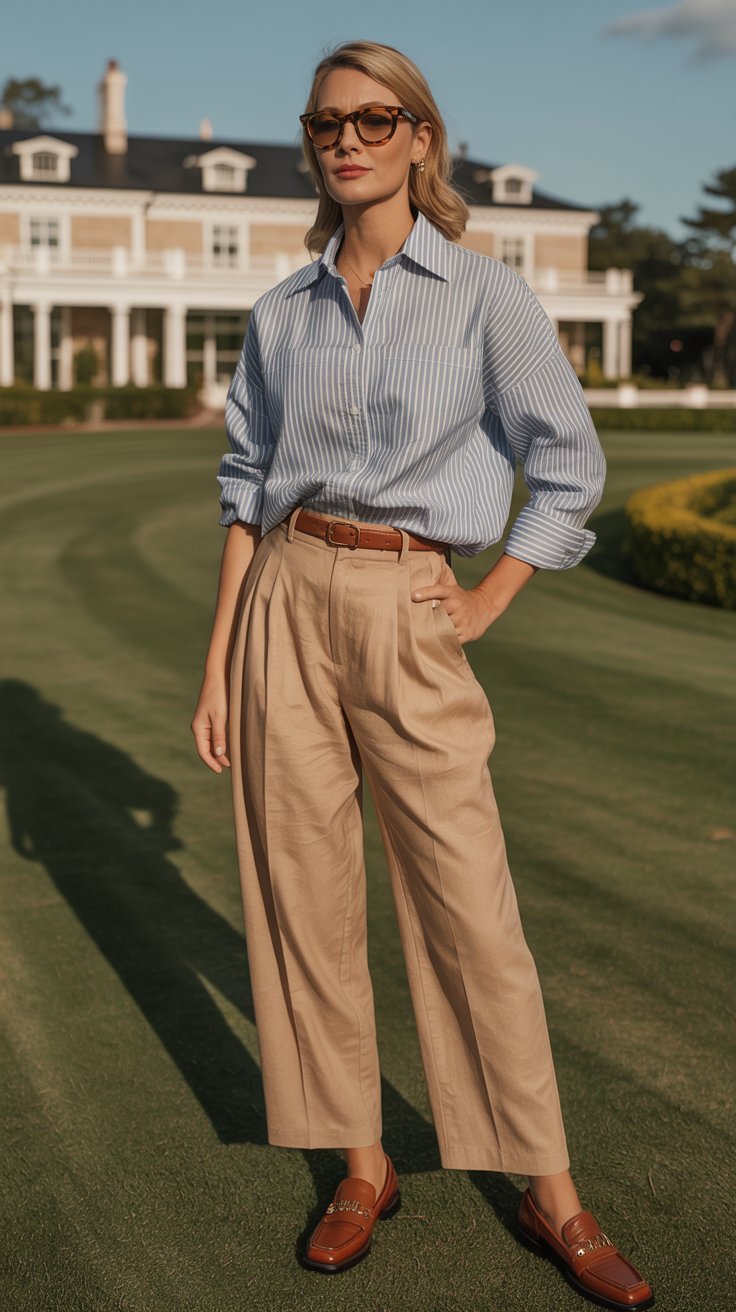
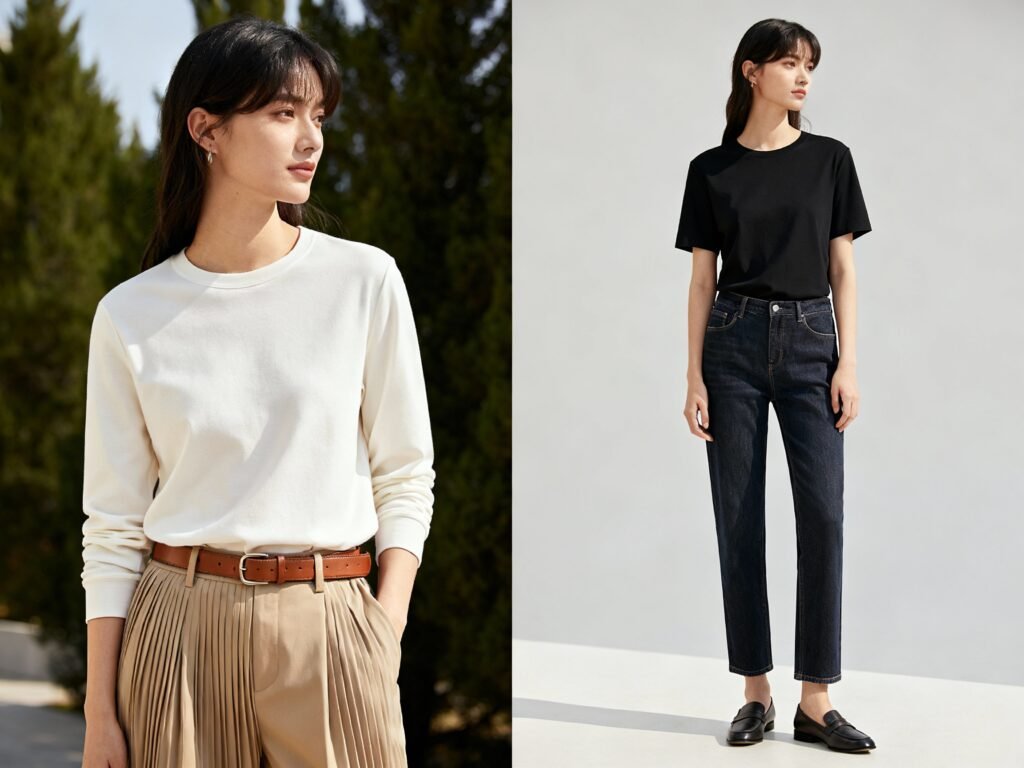
– Pima crewneck + pleated chinos or a midi skirt + full tuck + leather belt
– Black tee (lightweight) + straight jeans + loafers or strappy sandals
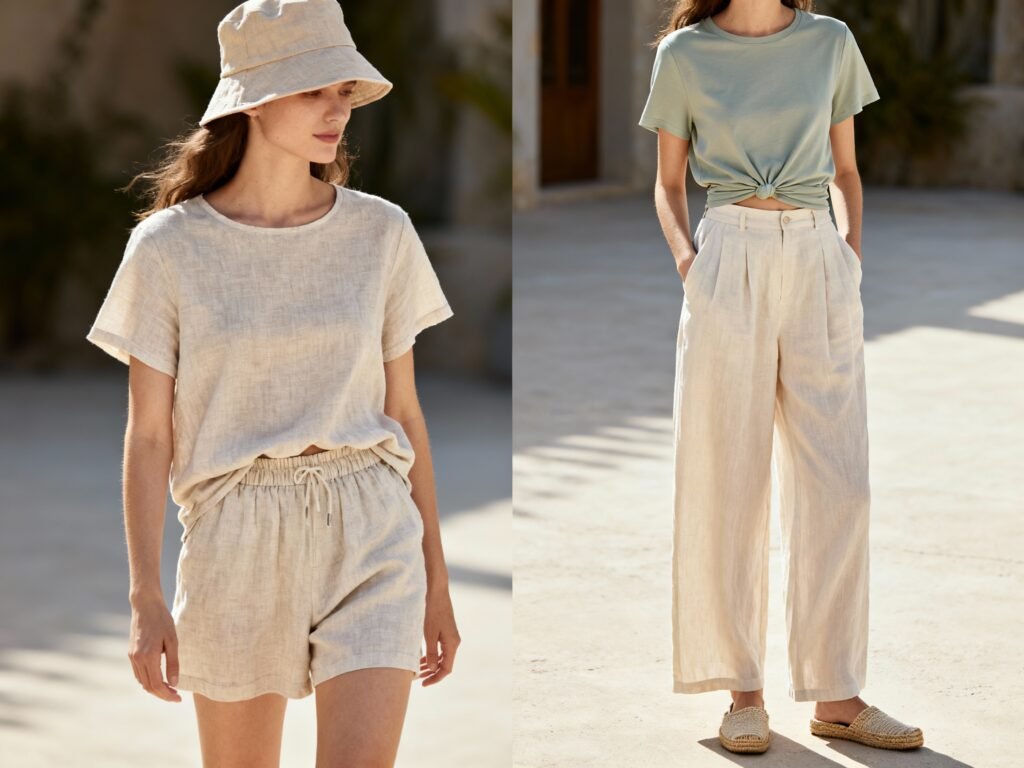
– Linen blend tee + elastic-waist shorts + no tuck + bucket hat
– Tencel tee + wide-leg linen pants + front tuck + espadrilles
IMO, travel tees earn bonus points if they don’t wrinkle like a used receipt.
Aim for 140–180 GSM for everyday summer wear. It strikes the balance between breathable and not see-through. Go lighter for linen blends, and slightly heavier if you want more structure.
Choose lighter colors and breathable fabrics. Use a gentle, aluminum-free deodorant and wash tees promptly. Pre-treat underarms with a mix of baking soda and water before washing. For synthetics, add vinegar to the rinse cycle occasionally.
You can, but do it smart. Size up one if the shoulders still sit close to the edge and the sleeves don’t swallow your arms. If the shoulder seams drop halfway down your biceps, it looks sloppy, not intentional.
Both work. Crewnecks look cleaner and layer easily. V-necks open up the chest and feel airier. If you wear necklaces or want a longer neck line, go V. For crispness under a jacket, go crew.
Yes, if you pick lightweight fabric and a relaxed cut. Black absorbs more heat, so choose a breathable weave (pima, modal blend, or airy cotton) and skip heavy weights. Pair with light bottoms to balance the look.
Sometimes. You often get better fabric and construction—clean seams, no warping, fewer pills. But plenty of mid-range brands nail it. Check the tag, feel the fabric, and inspect the stitching. If it fits perfectly and feels great, that’s your tee.
You don’t need a drawer full of complicated tops to look put-together in summer. Pick breathable fabric, a clean cut, and master a front or full tuck. Then rinse, repeat, and enjoy not melting while still looking like you meant it. Simple formula, great style—IMO, that’s the whole point.