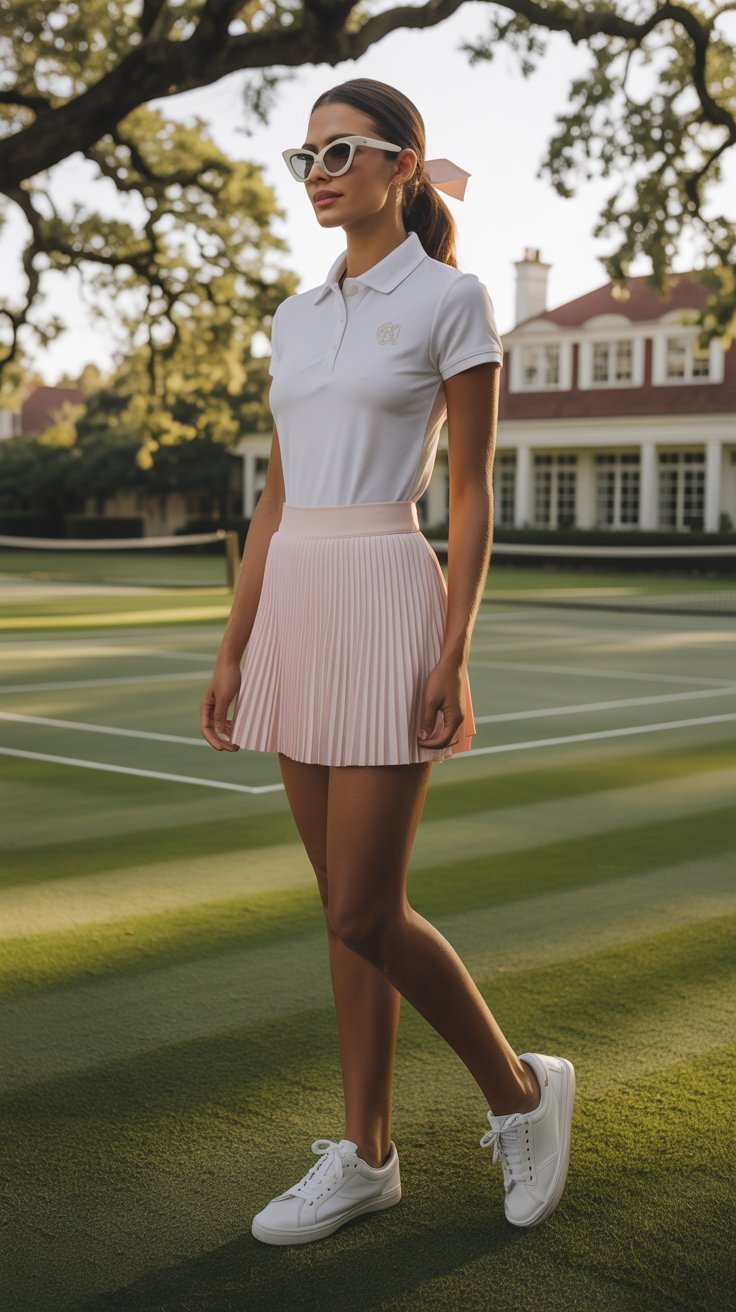

You’re busy building a career, a life, an empire—pick your adventure. You don’t need your outfit sabotaging your energy. So let’s cut the fluff and get into the style mistakes successful women don’t have time for.
Spoiler: it’s less about trends and more about strategy.
When your clothes don’t match your schedule, you lose time, comfort, and confidence. If you’re walking a mile, why commit to shoes that turn into medieval torture devices by 11 a.m.? If you’re presenting, why wear a neckline that needs constant adjustment? Clothes should support your day, not demand a support team. Build a wardrobe that moves with you.
Fabrics that breathe, silhouettes that don’t ride up, shoes that you can actually stride in—these are non-negotiables.
Trends are fun, but chasing every one drains your wallet and your closet. Successful women curate a signature look. That doesn’t mean boring.
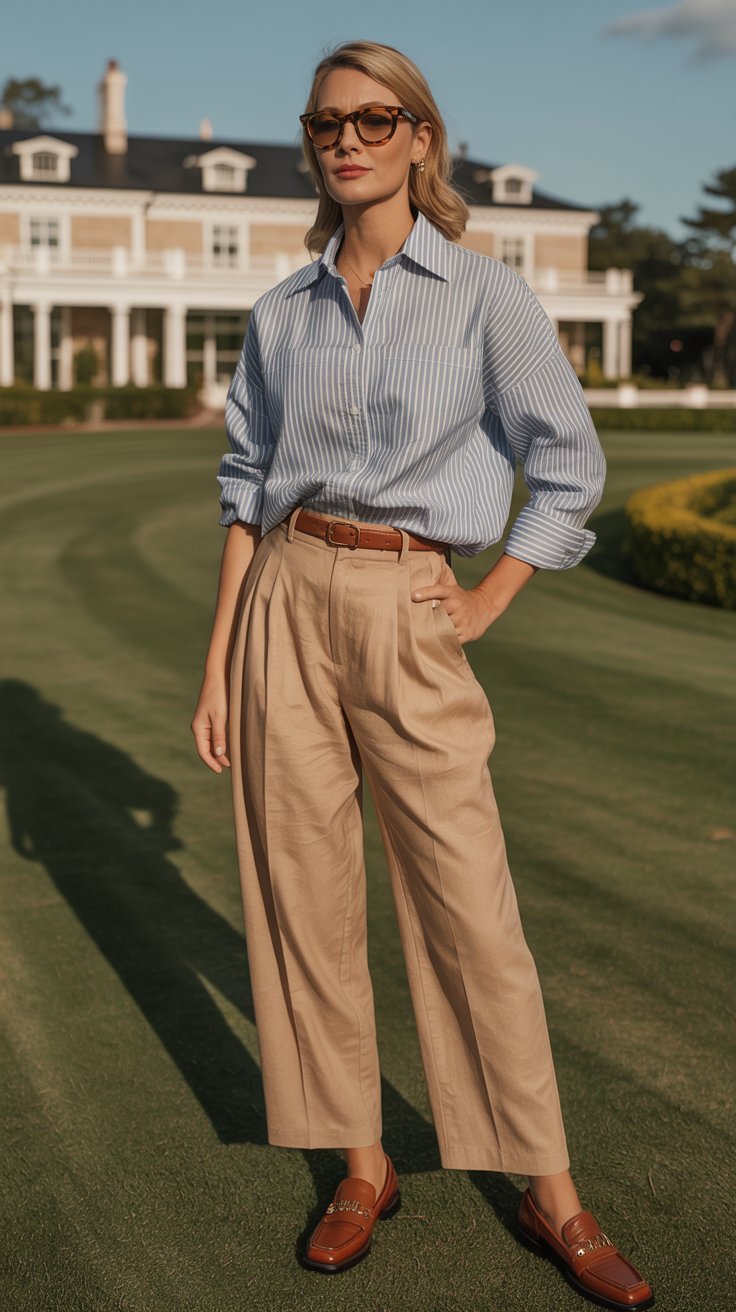
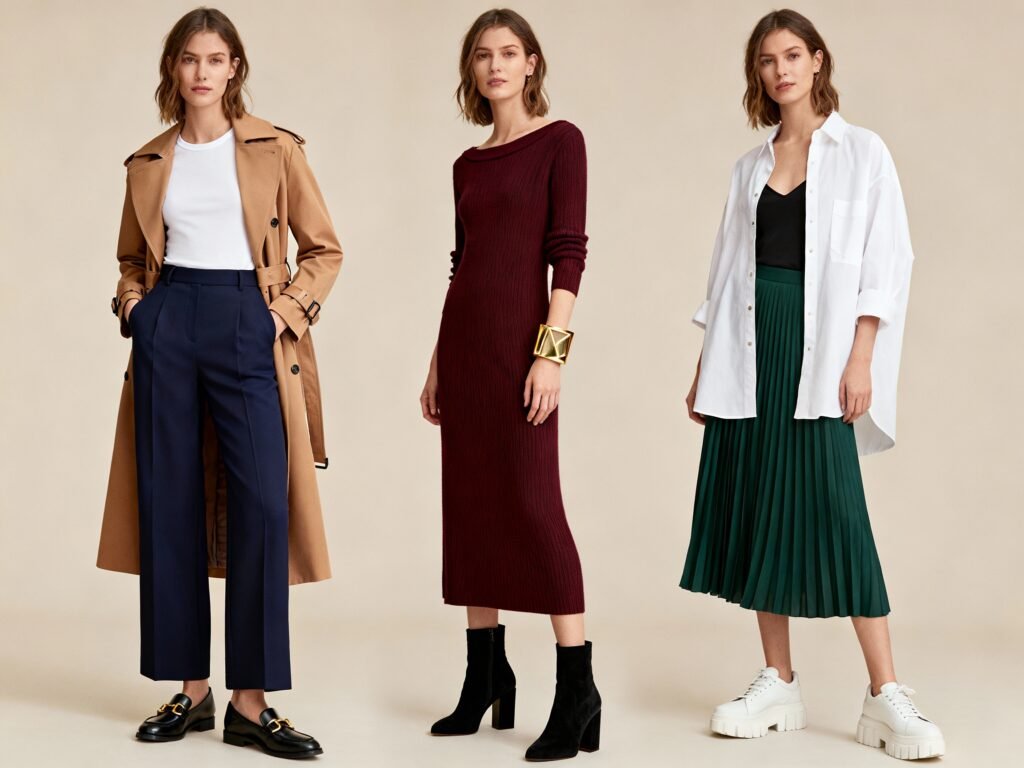
It means consistent, easy decisions that still feel like you. Create a “uniform” that flexes: maybe it’s tailored pants + crisp knit + structured jacket. Then rotate colors, textures, and accessories. FYI, your “uniform” can include sneakers, silk, and statement earrings.
Not an either/or.
Fit can make a $60 blazer look like a designer piece—or make a designer piece look like it came from a lost-and-found bin. You can’t fake fit. Tailoring wins every time, and it usually costs less than your last delivery order. Key places to check fit:
Take in a blazer waist, shorten sleeves, hem trousers, and adjust a waistband.
Those four tweaks transform 80% of your closet. IMO, a great tailor equals a style superpower.
Accessories finish the outfit. They shouldn’t suffocate it.
One statement per look keeps things clean and intentional. Want bold earrings? Great—then let your necklace sit this one out. Use a 1-2 rule: pick one statement piece and one supporting player.
That could be a chunky ring + subtle studs. Or a bright bag + sleek watch. Keep the rest minimal.
Rotate by function, not guilt.
And clear the receipts and lip balms weekly. You know why.
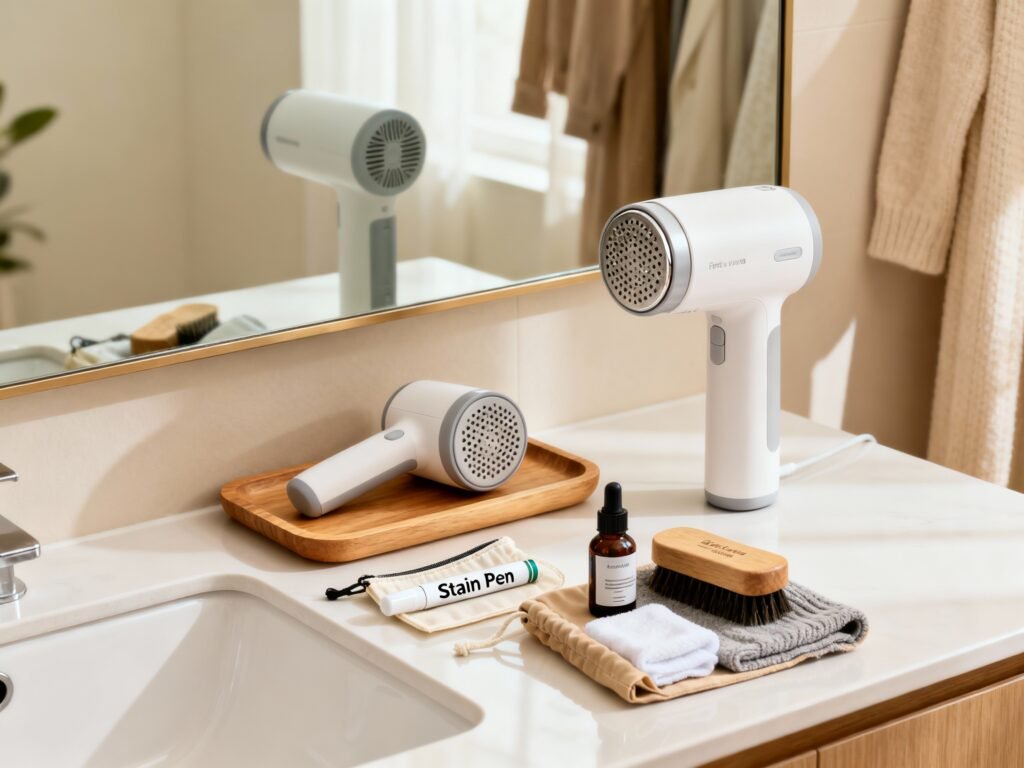
Some clothes demand constant steaming, delicate washing, and daily pep talks. If that’s not your vibe, don’t buy high-maintenance fabrics.
Successful women read care labels like contracts. Low-drama fabric picks:
Silk and linen can work—just pick high-quality versions and accept their quirks. Or go for washable silk. Yes, it exists.
Yes, it’s worth it.
We all own them: the too-tight dress, the shoes that hurt, the blazer that’s gorgeous but impossible to move in. If it doesn’t serve your current life, it’s clutter in disguise. “Someday” isn’t a styling strategy.
Edit with a yes/no approach:
Donate, tailor, or sell. Reclaim closet space for things that earn their keep.
Black is classic, but constant black can flatten your presence on camera and in rooms with low light.
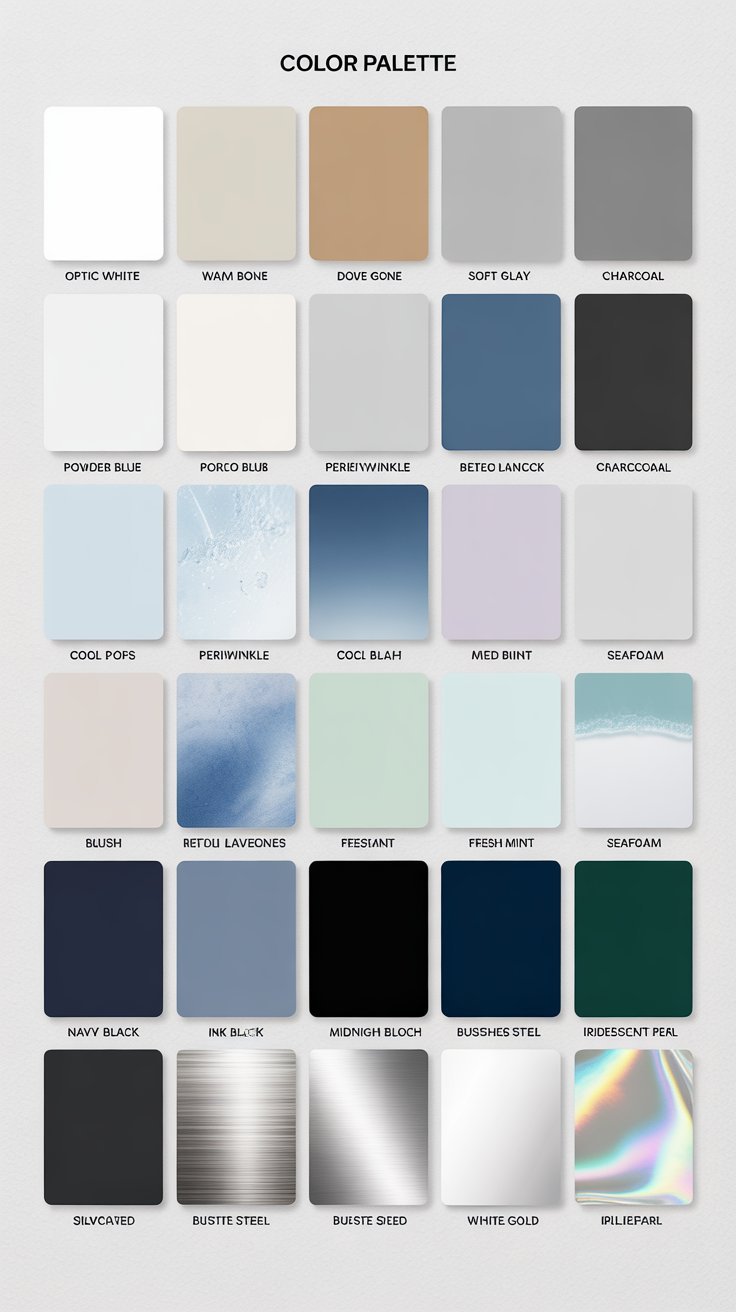
Color and contrast help you read as intentional, awake, and authoritative—no espresso shot required. Find your power colors:
The difference between “nice” and “nailed it” sits in the last 5%. Wrists, collars, hems, and hairlines tell a story. Make it a good one. Micro-checklist before you leave:
Two minutes, big payoff.
FYI, a tidy ponytail can beat a messy blowout on a deadline day.
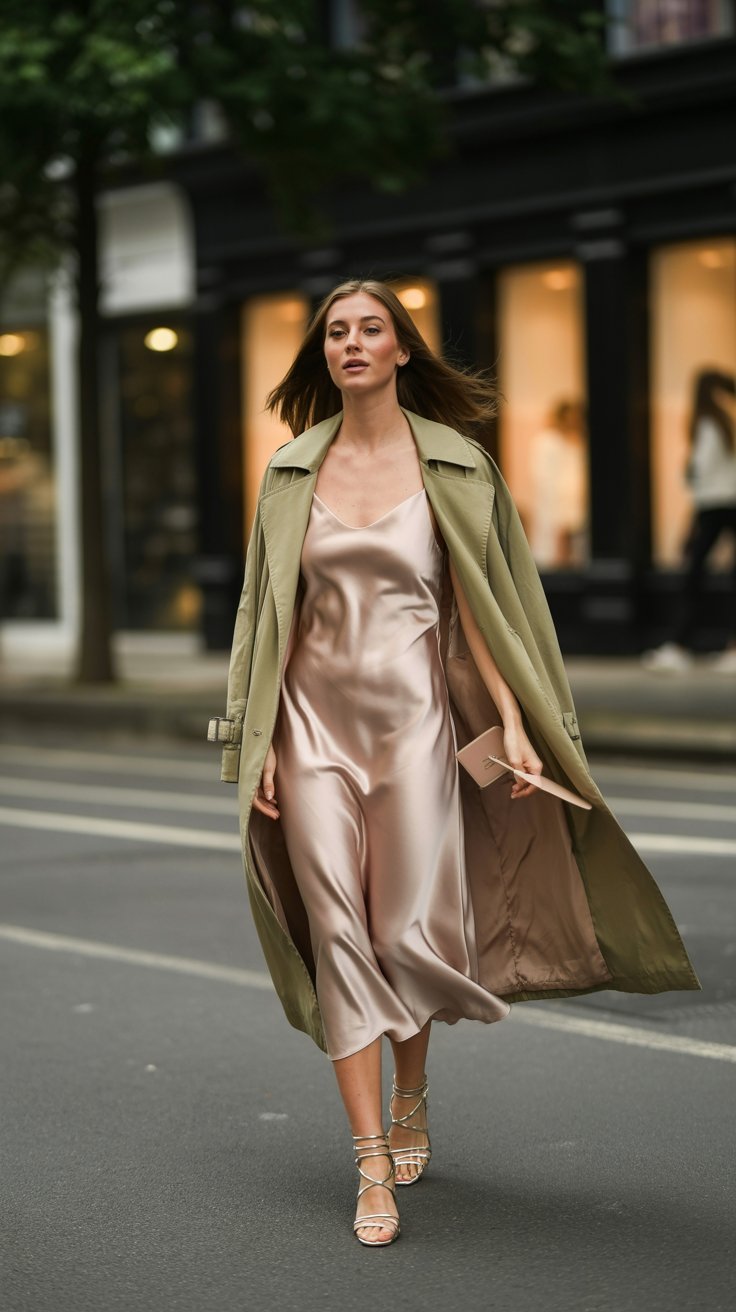
If a look feels like a costume, your body language will snitch on you. Style should amplify who you are, not audition for a role you don’t want. Ask: would Future Me wear this to sign the deal, present the deck, or meet the board?
Keep a “confidence capsule”:
When in doubt, reach for these.
IMO, that capsule saves more days than coffee.
Start with a short list of high-impact items: a tailored blazer, versatile trousers, a quality knit, and a pair of comfortable, polished shoes. Buy fewer, better, and tailor the fit. Then fill gaps with affordable basics in good fabrics.
Sales and consignment are your friends.
Casual doesn’t mean careless. Upgrade the fabrics and structure: swap hoodies for knit blazers, leggings for tailored joggers, and flip-flops for leather sneakers or loafers. Aim for relaxed but intentional.
Your future self will thank you when a surprise meeting pops up.
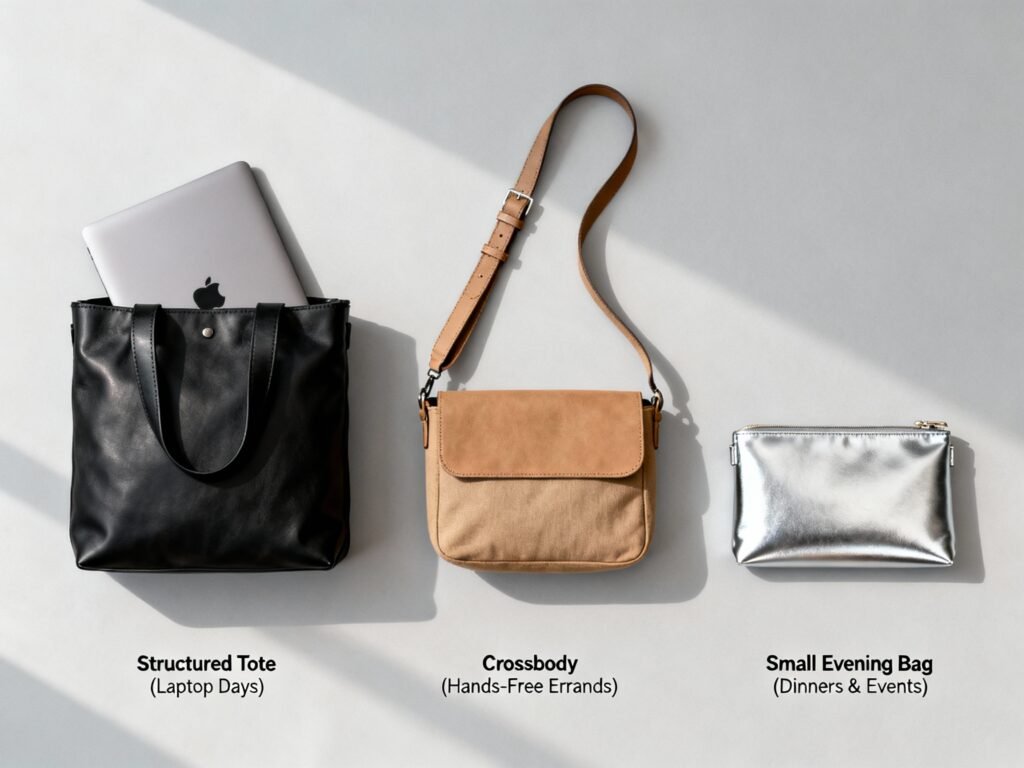
You can do a lot with three shoes (loafers, ankle boots, clean sneakers) and three bags (structured tote, crossbody, evening clutch). Add specialty pairs—heels or sandals—only if your lifestyle needs them. Streamlined options reduce decision fatigue.
Medium-depth colors that contrast your background work best.
Jewel tones, navy, and rich neutrals beat stark black or bright white on most cameras. Matte fabrics help, and a simple neckline frames your face without distraction.
Do a mini-edit every season and a deeper edit twice a year. Remove anything damaged, uncomfortable, or unloved.
If you haven’t worn it in a year and it’s not occasion-specific, it’s probably not earning space.
Ready-to-wear fits an average that doesn’t exist. A quick nip at the waist or a hem adjustment can make “fine” look custom. Tailoring stretches your budget, elevates your look, and reduces returns.
Worth it.
Style should run on autopilot so you can focus on bigger wins. Drop the high-maintenance pieces, tailor the favorites, pick a uniform, and finish with simple, intentional details. You’ll look like you have your life together because, in this department, you do.
And yes—you can still have fun with it. That’s the point.