

Your skin looks tired. Not “need-a-coffee” tired—more like “been-on-a-red-eye-then-watched-three-episodes” tired. The glow feels MIA, fine lines say hello, and your moisturizer is doing the heavy lifting alone.
Let’s fix that with a red light therapy night routine that’s simple, low-effort, and actually works while you wind down.
Red light therapy uses specific wavelengths—usually 630–660 nm for red and 810–850 nm for near-infrared—to tell your skin cells to get their act together. Think of it like a pep talk for your mitochondria, the tiny engines inside your cells. You get benefits like more collagen production, better circulation, and less inflammation.
Translation: plumper skin, calmer breakouts, and less “I stayed up too late again” texture. Using it at night pairs perfectly with your skin’s natural repair cycle. You chill.
Your skin heals. Everyone wins.
You don’t need a spa. You need a clean face and a plan.
Here’s the low-lift setup:
Distance matters.
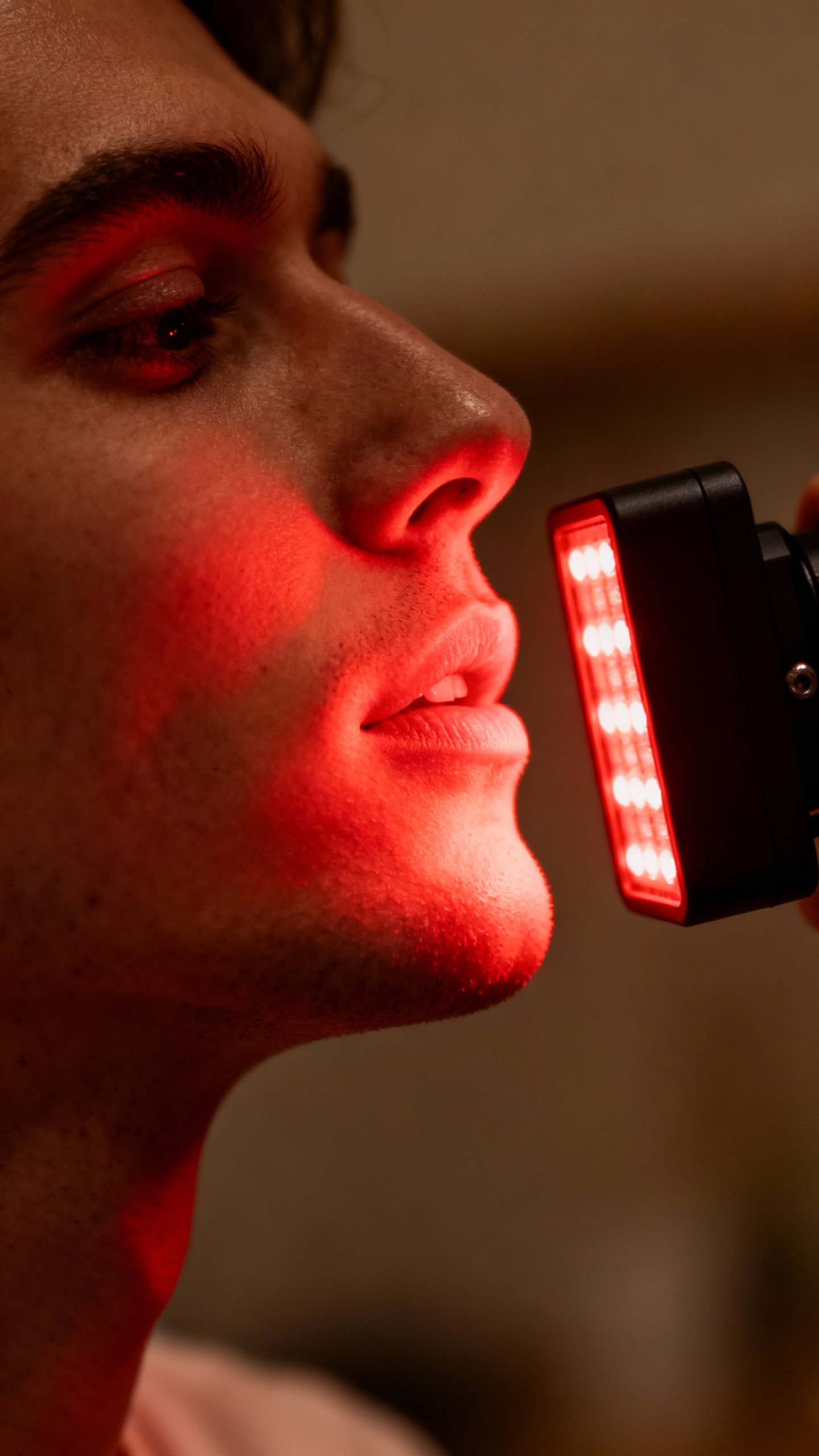
With most panels and masks, aim for 4–12 inches away if it’s a panel, or wear as directed if it’s a mask. Hit your whole face evenly. No need to roast your nose while your jawline sits in the dark.
Keep it tight.
Consistency beats intensity.
Use it 3–5 nights a week.
You’ll usually notice glow in 2–3 weeks and firmer texture around 6–8 weeks. FYI: More time doesn’t equal more results. Overdoing it can just irritate your skin.
Don’t let tech specs scare you.
Focus on these:
Splurge
– Budget: Lightweight LED masks that use 630–660 nm. Great for glow and redness. – Mid: Panels with both red and near-infrared, decent irradiance, timer built in. – Splurge: Medical-grade panels with uniform output and excellent heat management. IMO, only worth it if you’re treating face + body regularly.
You don’t need a 10-step routine.
Pair RLT with smart ingredients and call it a night.
A little pink flush after RLT = normal.
Burning, stinging, or hot skin = too much or too close.
This isn’t a facelift. It softens fine lines, improves tone, and calms redness. It won’t erase deep-set wrinkles or melasma solo.
Pair with sunscreen during the day—yes, even if you only use the device at night.
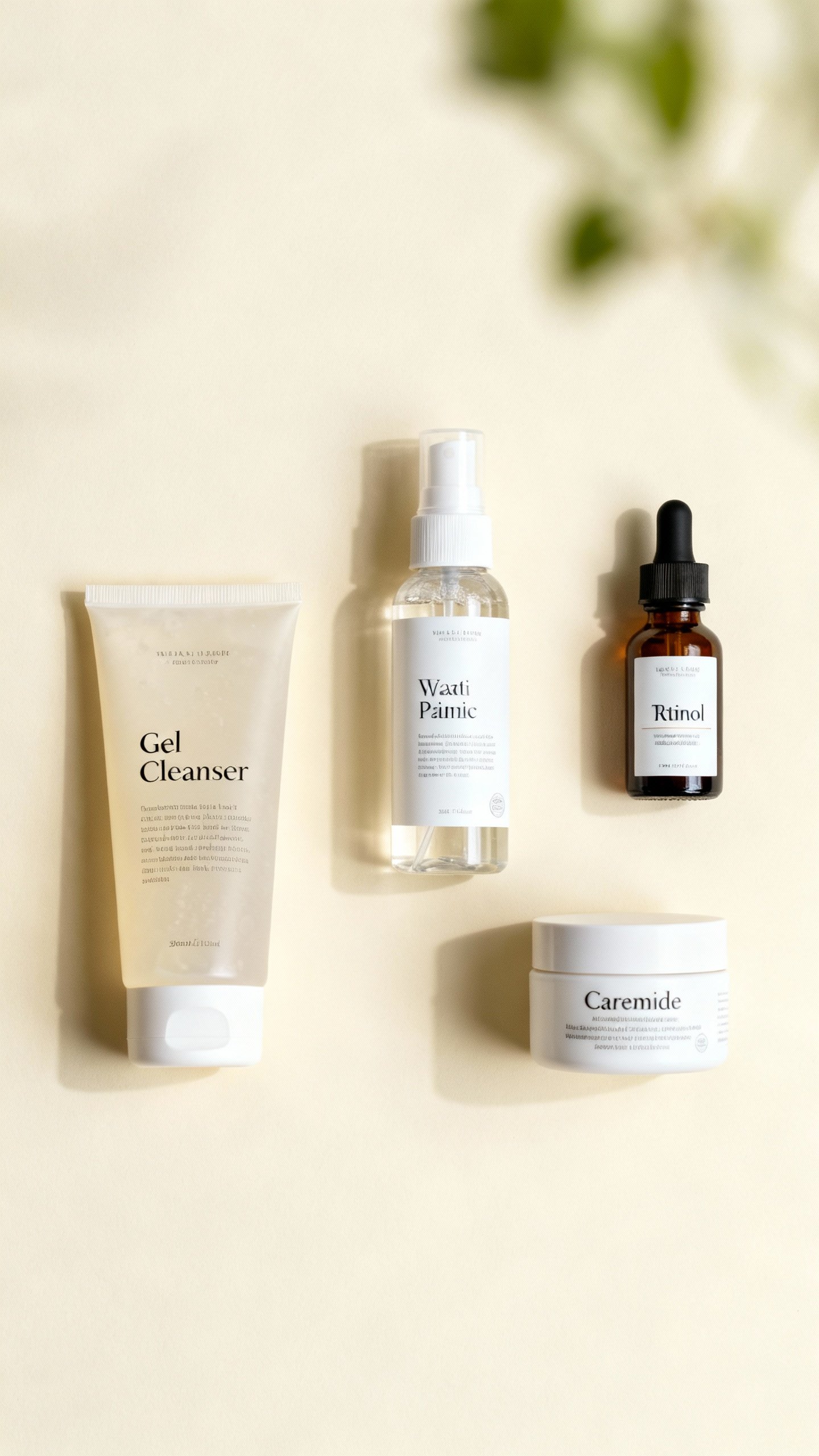
– Cleanse with a gentle gel. – Mist with a hydrating toner (optional). – 10 minutes under red + near-infrared light. – 0.3% retinol or peptide serum (alternate nights if you’re sensitive). – Ceramide-rich moisturizer. – A tiny layer of squalane or balm on dry areas. Repeat 4 nights a week. On off nights, swap retinoids for niacinamide or just keep it hydrating and boring.
Boring works.
You can, but you don’t need to. Most people see great results with 3–5 nights a week. If you go nightly, keep sessions short and watch your skin’s response.
Overachieving won’t speed up collagen like a fast-forward button.
Do it after cleansing, before heavy products. Light needs a clear path. Apply actives and moisturizer after your session to support repair.
Expect a subtle glow within 2–3 weeks.
Texture and firmness usually improve around 6–8 weeks with consistent use. Keep photos for comparison—our mirrors lie, but selfies don’t.
Generally yes. Red light can help calm inflammation and support healing.
Start with shorter sessions, avoid strong acids on the same night initially, and keep your routine simple.
Close your eyes with masks and consider protective goggles with panels. Don’t stare into LEDs like they’re the sun. Simple.
Not required, but the combo rocks.
Red targets surface-level benefits (glow, redness), while near-infrared penetrates deeper for recovery and firmness. If budget allows, go dual. If not, a solid red-only device still delivers.
Red light therapy turns your night routine into a micro-repair session with almost zero effort.
Cleanse, light, treat, moisturize—done. Use it a few nights a week, pair it with smart skincare, and give it time to work. IMO, it’s one of the easiest, most relaxing ways to bring tired skin back to life.
And if you can do it while watching your favorite show? Peak efficiency.