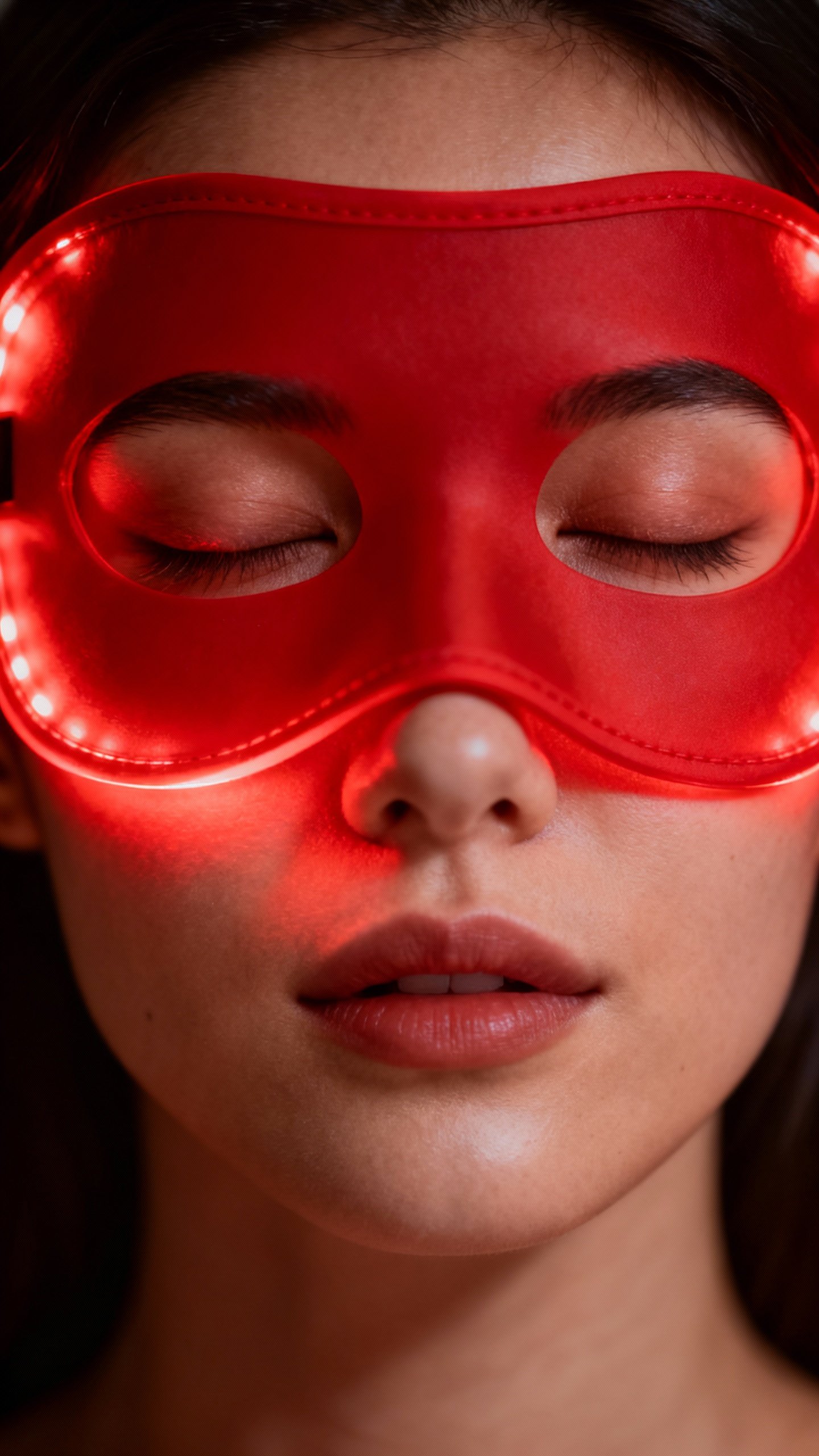


You bought a red light mask, and now you want glowing, glassy skin by next Tuesday. I get it. These gadgets look like Iron Man met a facialist, and the promises sound delicious.
But real talk: people sabotage their results with a few avoidable mistakes. Let’s skip the regret and get you using that mask like a pro, starting today.
You want instant miracles.
Your skin wants consistency. Red light therapy works slowly because it nudges your cells to produce more collagen and calm inflammation over time. Think weeks, not days. What to expect, realistically:
Skip the “I tried it for a week and nothing happened” spiral.
Commit to a routine, then judge it. IMO, take before photos in natural light. Your mirror lies; your camera doesn’t.
Red light is gentle, but overdosing still backfires.
You can irritate your skin, trigger dryness, and waste time. General guidelines that keep your skin happy:
If your face feels tight, itchy, or hot afterward, cut back. Your skin is communicating; don’t ghost it.
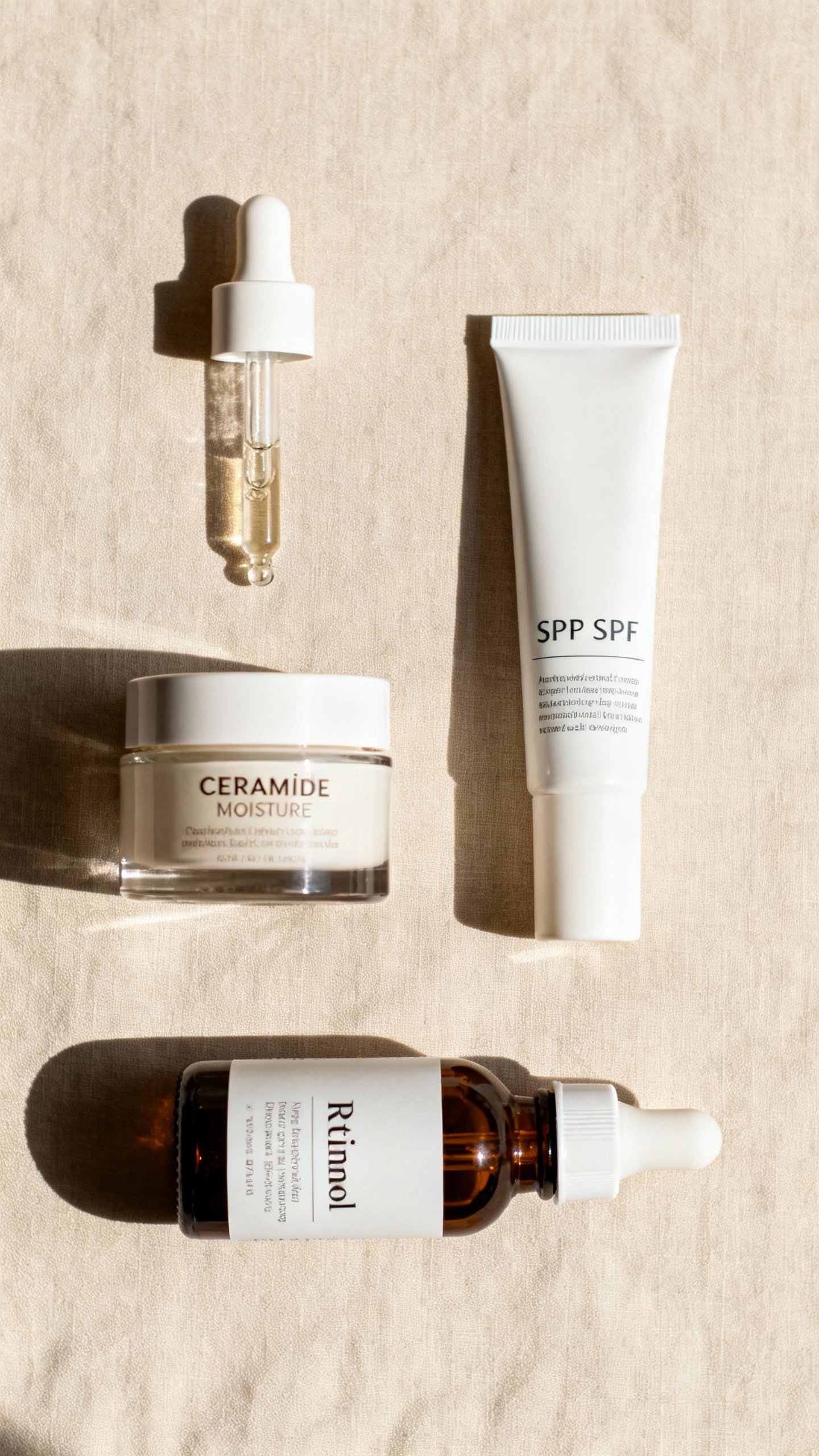
Using your mask over a full face of SPF and serum cocktail? That’s a no.
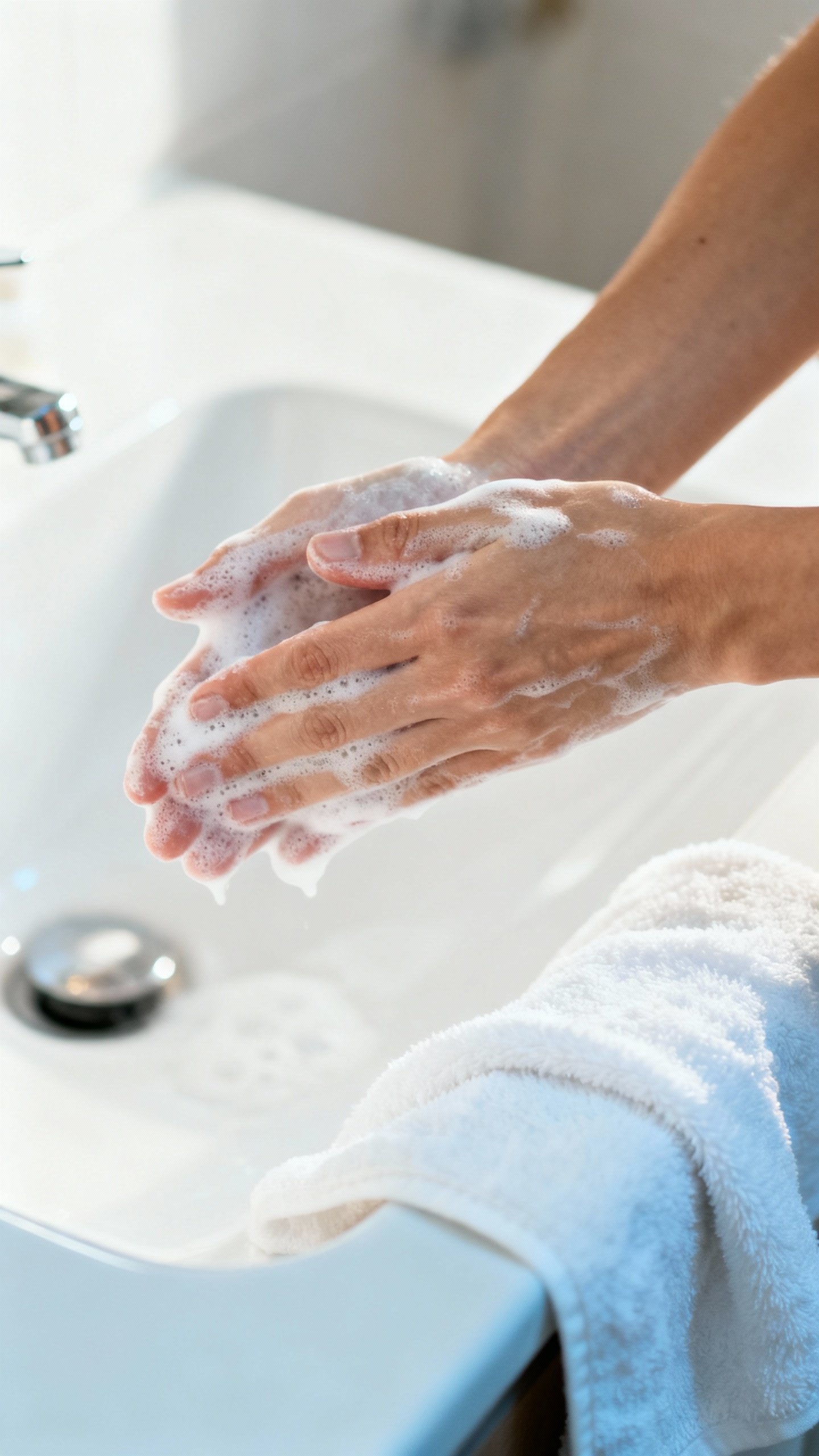
Makeup, oils, and mineral sunscreens can block light penetration, and some actives can irritate under light. Do this instead:
FYI: You can still use retinoids or acids, just not immediately before the mask. Space them out.
You need the light to actually reach your skin.
Loose fit or big gaps? That reduces effectiveness. Also, eyes matter.
Even with red light, protect those peepers. Fit checks that make a difference:
No, you don’t need to stare into the LEDs to “make it work faster.” Please don’t.
All red light masks are not created equal. Some look cute but barely deliver the right wavelengths or power output. What to look for when you shop:
If your current mask feels weak, don’t panic. Use it consistently first.
If you still see nothing after 12 weeks, then consider upgrading.
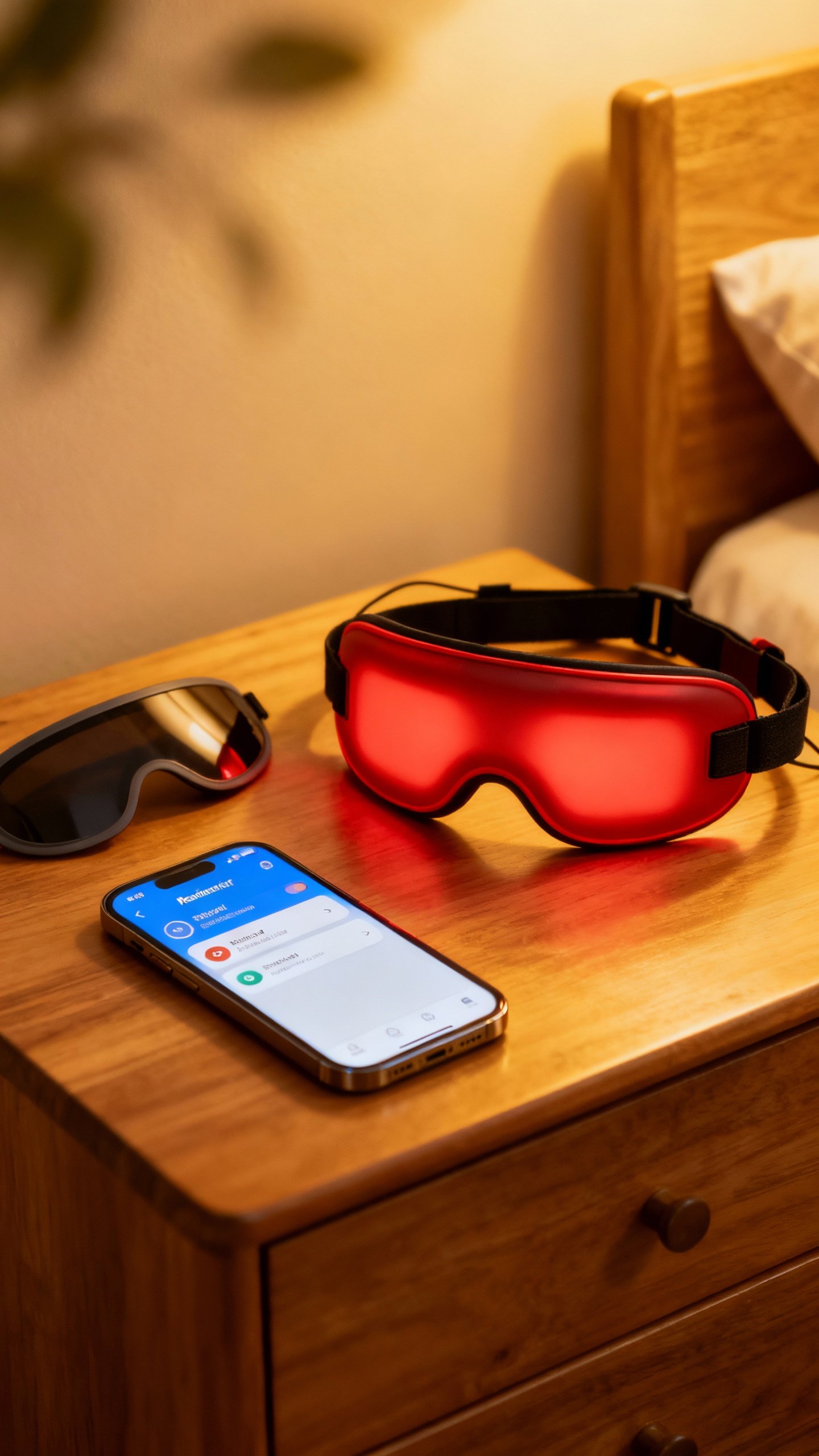
You will forget sessions unless you create a habit. No shame—life happens. But consistency separates “cute gadget” from “skin investment.” How to make it stick:
IMO, tiny wins add up faster than you think.
Great tools don’t fix chaotic routines.
If you’re dehydrating your skin or skipping moisturizer, you’ll blunt your results. Your red light–friendly routine:
Prioritize ceramides, cholesterol, and fatty acids in your moisturizer. Your barrier stays calm, so red light can do its thing. Dry, irritated skin = slow progress.
If your skin currently screams (inflamed acne, eczema flares), handle the basics before you expect major glow.
Red light can help calm inflammation, but it’s not a fire extinguisher for full-on flare-ups. Do this if your skin is reactive:
Expect small improvements in 2-3 weeks, more noticeable changes by 6-8 weeks, and the best results around 12 weeks with consistent use. Take progress photos monthly to keep your motivation alive.
You can, but you probably don’t need to. Most people do best with 3-5 sessions per week for 10-15 minutes.
If you go daily, watch for dryness or tightness and scale back if your skin complains.
Red light won’t darken melasma like heat or some lasers can, but everyone’s triggers differ. Start slow and always use daily SPF. For uneven tone, pairing red light with vitamin C in the morning works well.
Yes, just not at the same time.
Use your mask on “gentle” nights and your actives on alternate nights. If your skin tolerates both well, you can apply actives after the session, but beginners should separate them.
It can reduce inflammation and speed healing, especially for red, angry pimples. For acne-causing bacteria, blue light works better, but red light still supports recovery and reduces post-acne redness.
That’s a plus for deeper effects like collagen support.
It’s invisible, so don’t assume it’s “off.” Keep eyes closed, follow the same timing, and enjoy potentially better long-term results.
Red light masks can deliver legit glow, smoother texture, and calmer skin—if you avoid the rookie mistakes. Clean skin, smart timing, consistent use, and a chill routine win every time. Be patient, track your progress, and let the LEDs do the heavy lifting.
Your future selfies will thank you.