

Your skin doesn’t just want hydration—it begs for it. Dryness makes fine lines louder, dullness creeps in, and makeup suddenly looks like it’s filing a complaint. Here’s the good news: you can stack the deck in your favor with smart supplements that moisturize from the inside out.
No gimmicks—just science-backed picks and a few fun extras your skin will actually thank you for.
Hydration isn’t only a “drink more water” situation. Water needs electrolytes and supportive nutrients to actually make it into your cells and stay there. That’s where supplements come in. Think of it like this: your moisturizers seal and protect, while targeted supplements feed your skin’s barrier, collagen, and hydration network.
You support both sides, and your glow goes from “eh” to “oh hello.”
You don’t need a pharmacy aisle’s worth of bottles. Start with these MVPs that most dermatologists and nutrition nerds agree on.
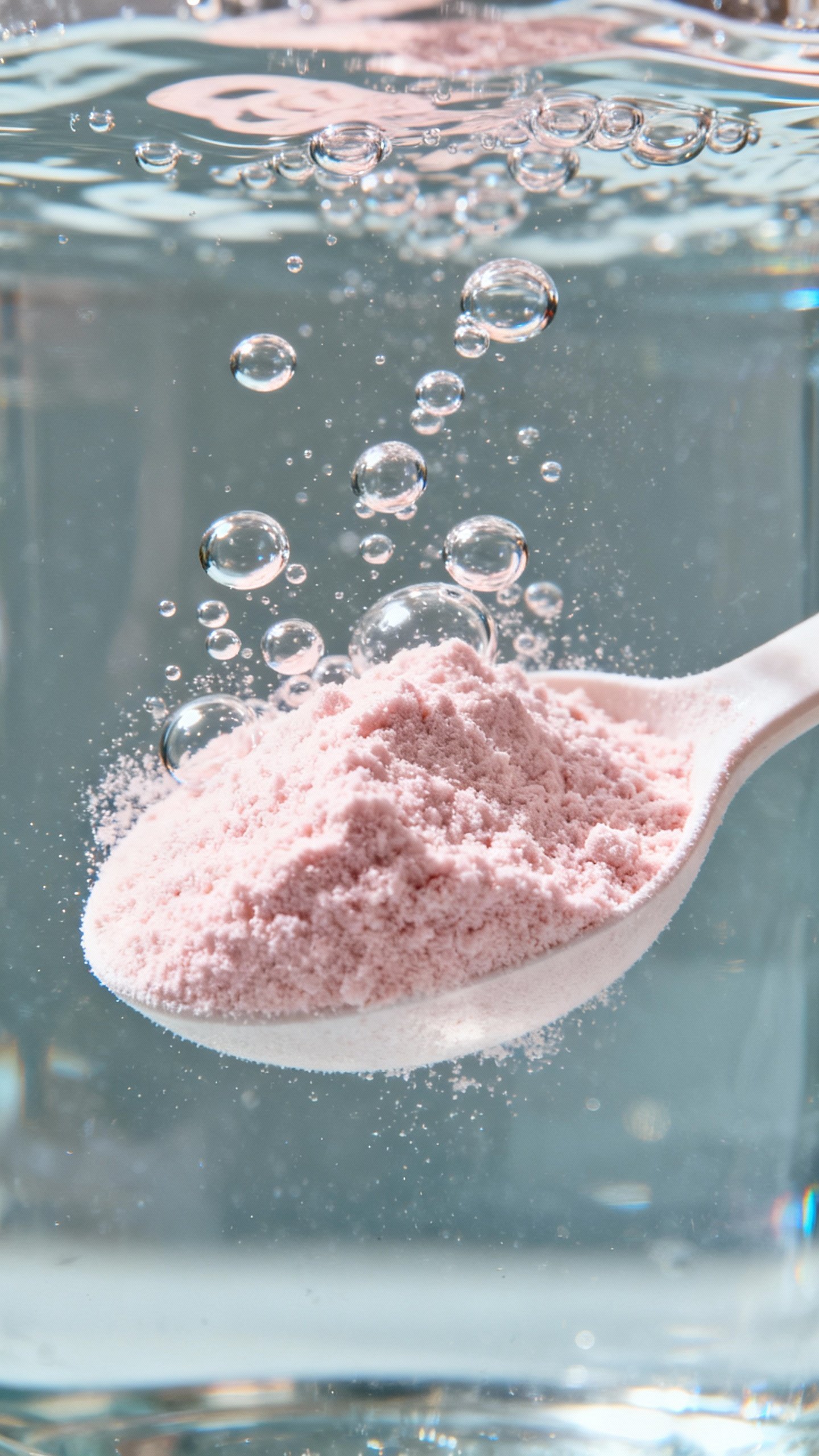
HA acts like a water magnet. Inside your skin, it binds water and gives that juicy, bouncy look we all chase.
Oral HA supplements can support skin moisture and elasticity, especially as natural HA production drops with age.
Collagen doesn’t “become” your collagen like magic, but it breaks down into amino acids and peptides that signal your body to produce more. Users often report firmer skin, fewer fine lines, and better hydration.
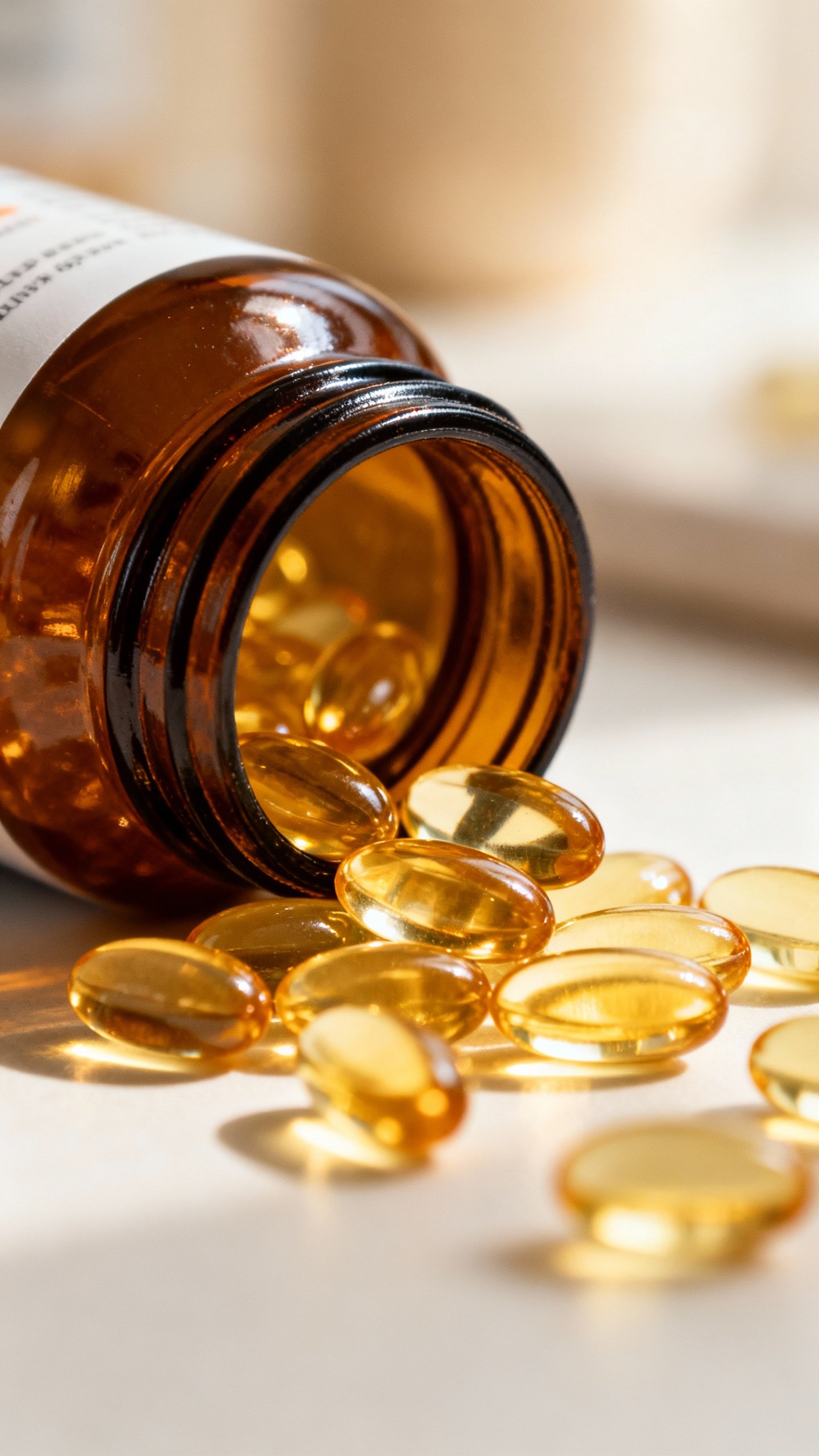
Omega-3s help strengthen the skin barrier, which prevents transepidermal water loss (aka your glow evaporating). They also calm redness and support a smoother complexion.
Ceramides are the lipids that glue your skin barrier together.
Oral ceramides support smoother texture and better moisture retention from the inside.
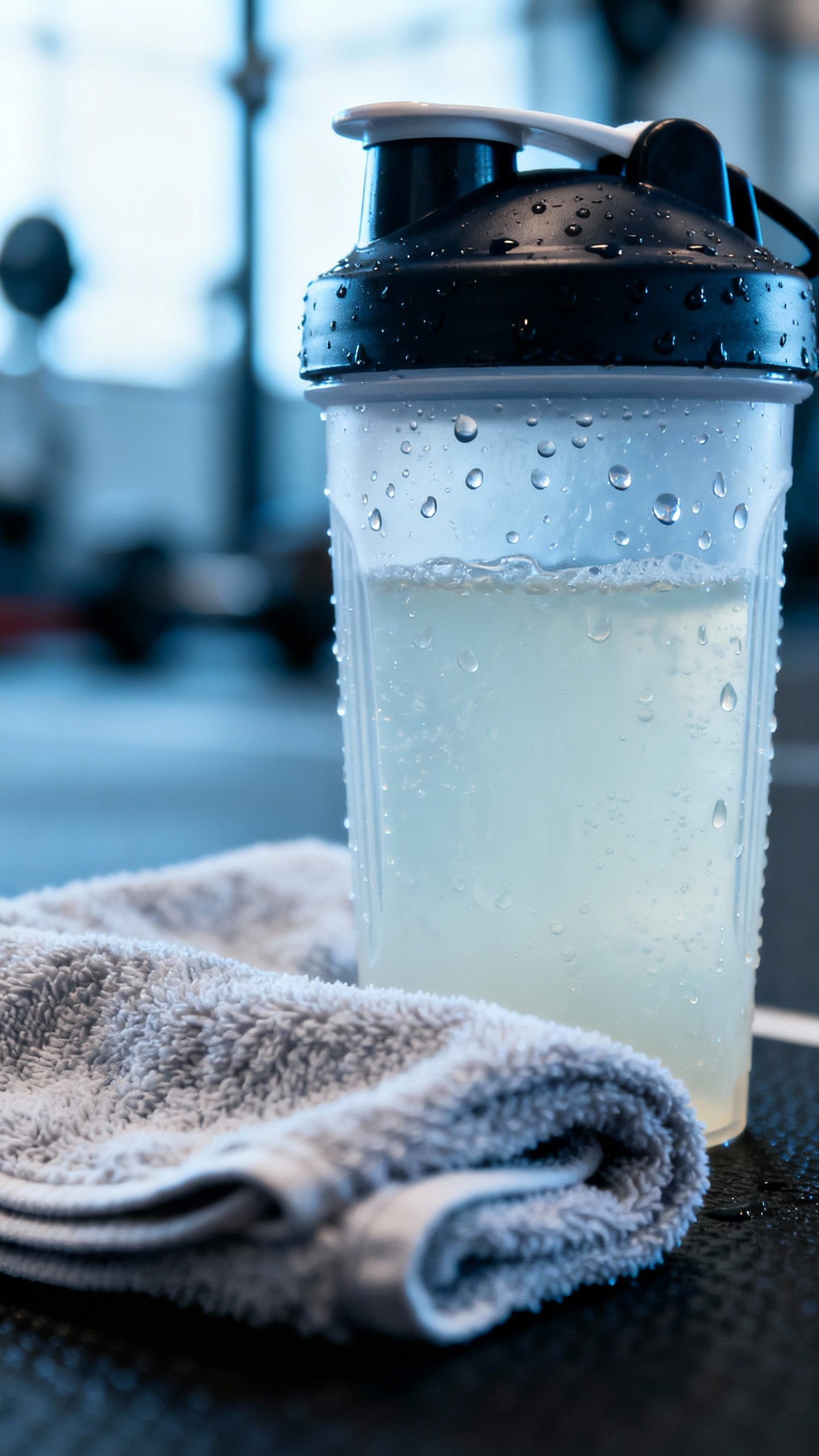
Sodium, potassium, and magnesium help your cells manage fluid balance. If you sweat, travel, or live on coffee (hi), you’ll likely benefit.
These aren’t always headliners, but they’re the clutch support cast that makes the difference.
You need vitamin C to synthesize collagen and protect against oxidative stress.
It also supports HA levels and helps even tone.
Silica supports collagen and elastin architecture. Zinc helps barrier integrity and calms inflammation.
A powerful antioxidant from microalgae that supports elasticity and resilience, particularly against UV-induced stress (again, not a sunscreen replacement).
Let’s keep it real: you still need to drink water.
But make it strategic.
You can’t absorb what your gut can’t handle. If you battle bloating, IBS, or frequent antibiotics, consider gut support:
Want a reliable routine without turning your kitchen into a lab? Try this IMO solid baseline stack.
Cycle and assess: Give it 8–12 weeks.
Take before/after photos under the same light. Your mirror lies; your camera doesn’t.
Supplements help, but they aren’t magic. A few rules keep things safe and sane.
The supplement aisle loves big promises. You need a filter.
You don’t need both, but they target different things and pair well.
Collagen supports firmness and structure, while HA helps your skin hold water. If budget allows, use both for 2–3 months and evaluate; if not, start with collagen and add HA later.
Most people notice subtle hydration changes in 2–4 weeks and bigger improvements in firmness and texture by 8–12 weeks. Take consistent daily doses and keep your skincare simple and supportive while you test the stack.
You can absolutely build a great vegan stack.
Use algal oil for DHA, plant-based ceramides, HA from fermentation (most HA is already non-animal), and silica for structural support. For collagen, try “collagen booster” blends with vitamin C, lysine, proline, copper, and protein—results vary, but many see benefits.
Nope. Supplements work from the inside, but you still need topical moisture and daily sunscreen.
Think of it as a team effort: barrier from the outside, nourishment from the inside. Your future self will send a thank-you note.
Spread them out for comfort and absorption. Collagen and vitamin C in the morning, electrolytes around activity, and HA/ceramides later in the day.
Omega-3s with a meal to avoid fishy burps (you’re welcome).
Common ones include mild stomach upset, especially with vitamin C, zinc, or probiotics. Fish oil can cause reflux if you take it on an empty stomach. If you have celiac or wheat allergies, choose non-wheat ceramides.
When in doubt, start one supplement at a time.
Want plumper, calmer, glowier skin? Support your skin barrier and hydration pathways with the right inside-out combo: collagen, hyaluronic acid, omega-3s, ceramides, smart electrolytes, and key antioxidants. Keep it consistent, keep it simple, and give it time.
FYI, great skin is usually boring daily habits done well—plus a little science and a lot of SPF. IMO, that’s a pretty good trade for a steady glow.