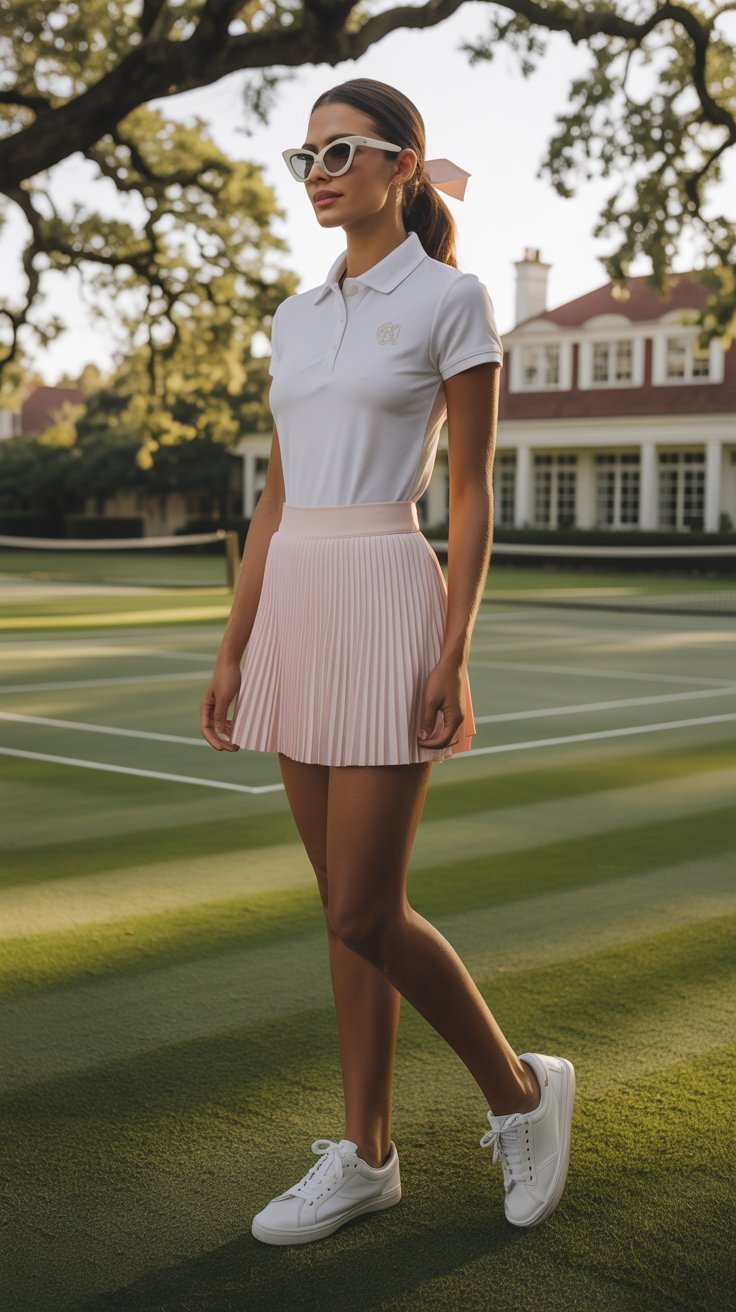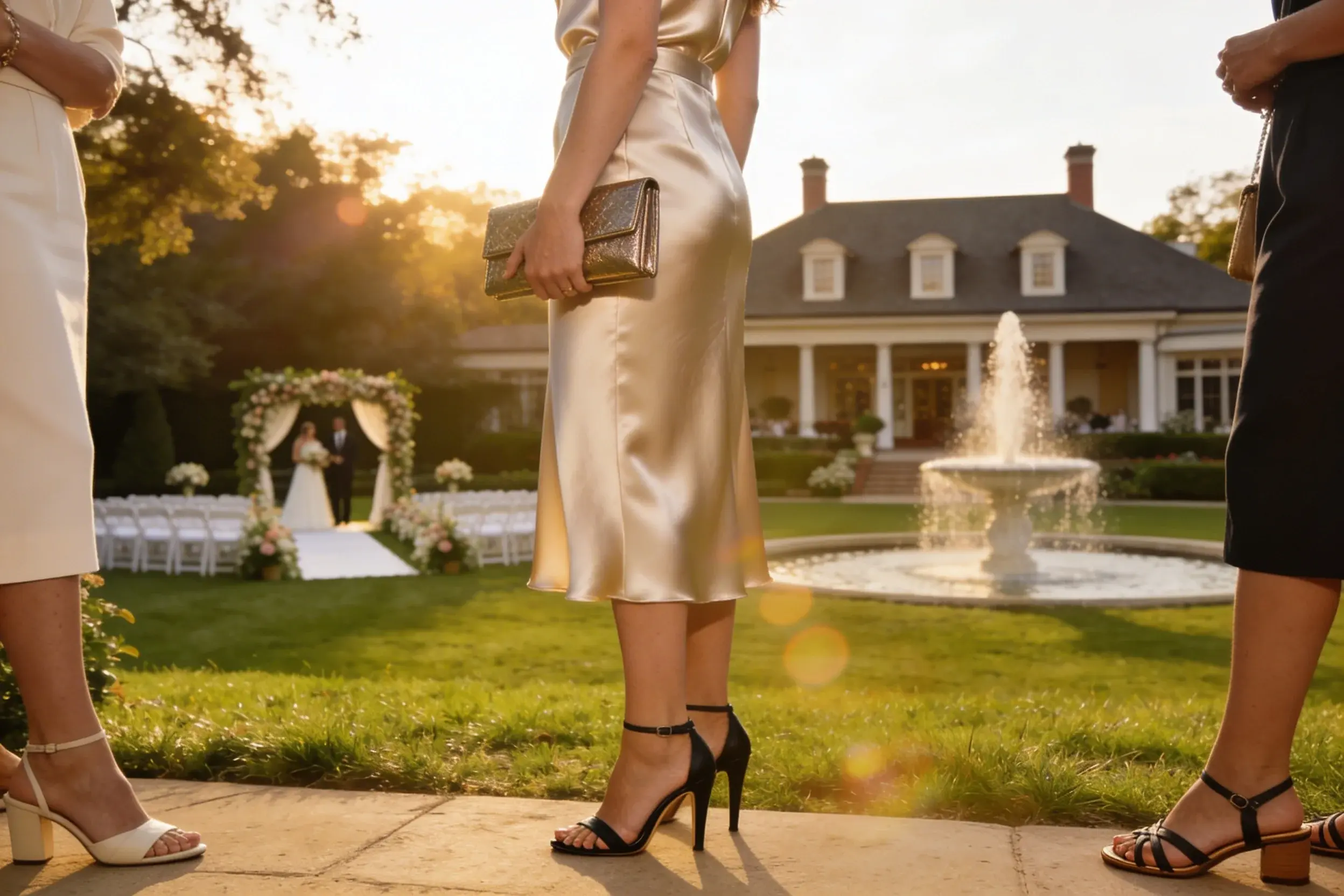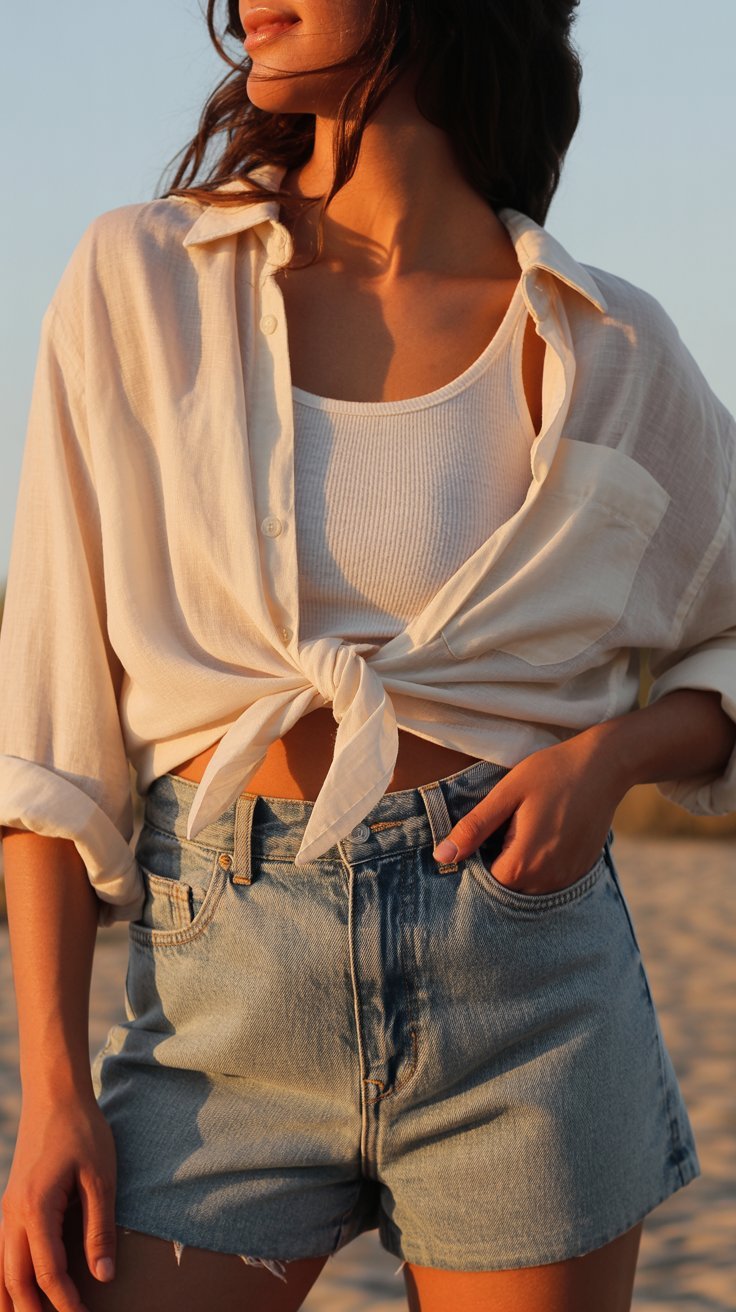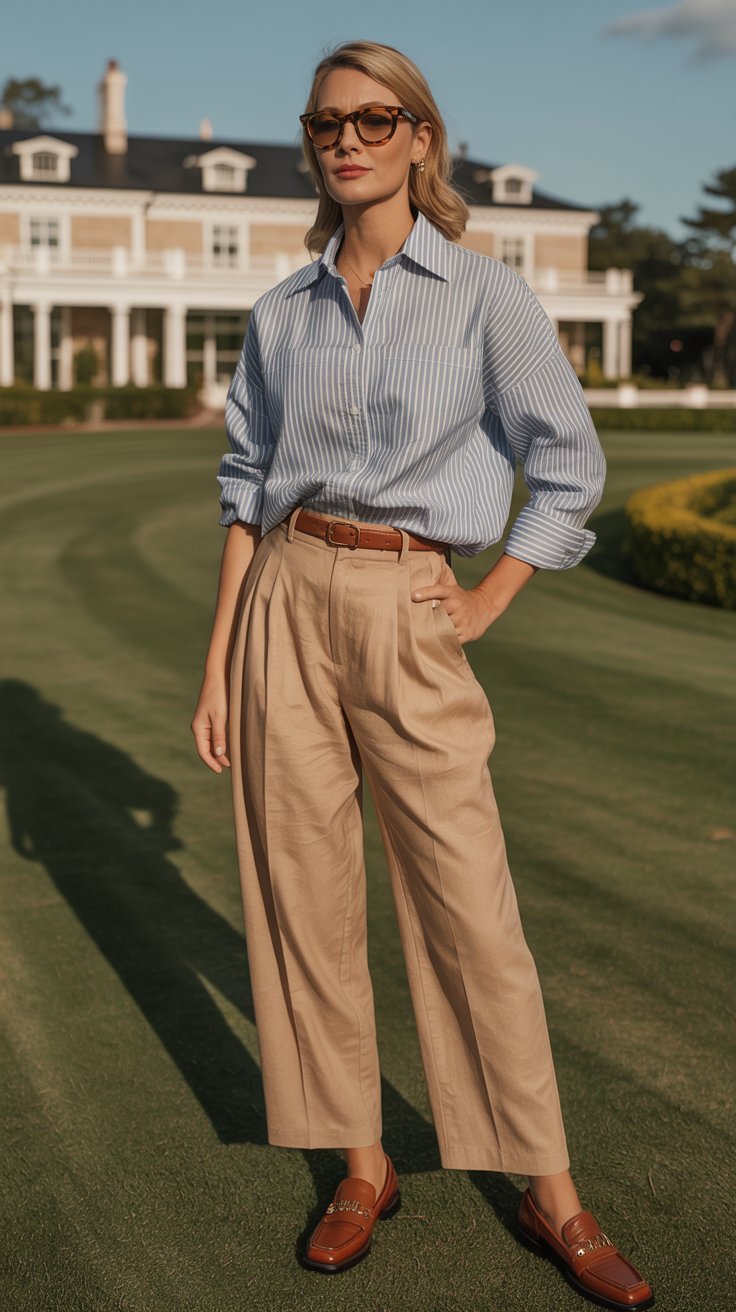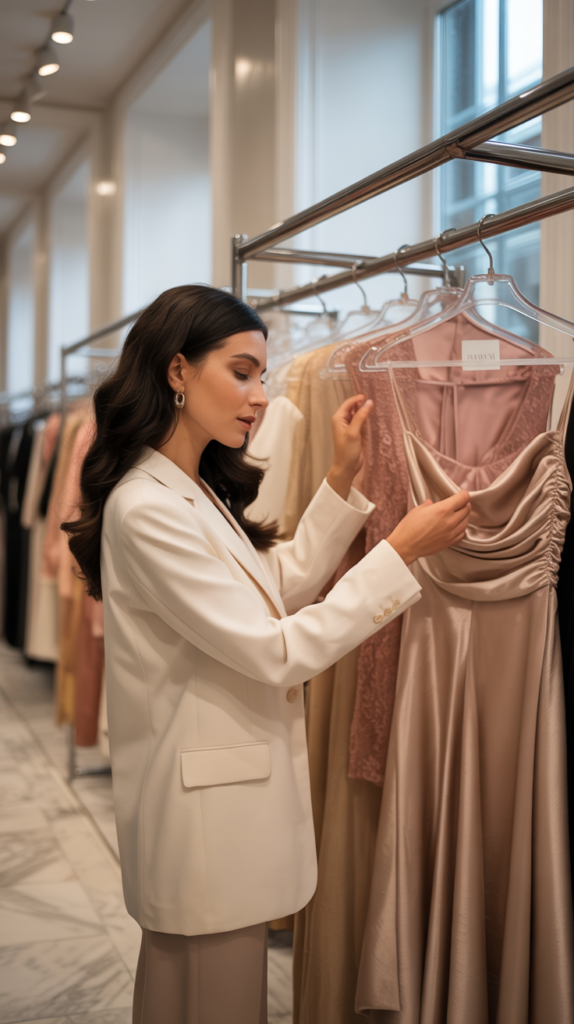
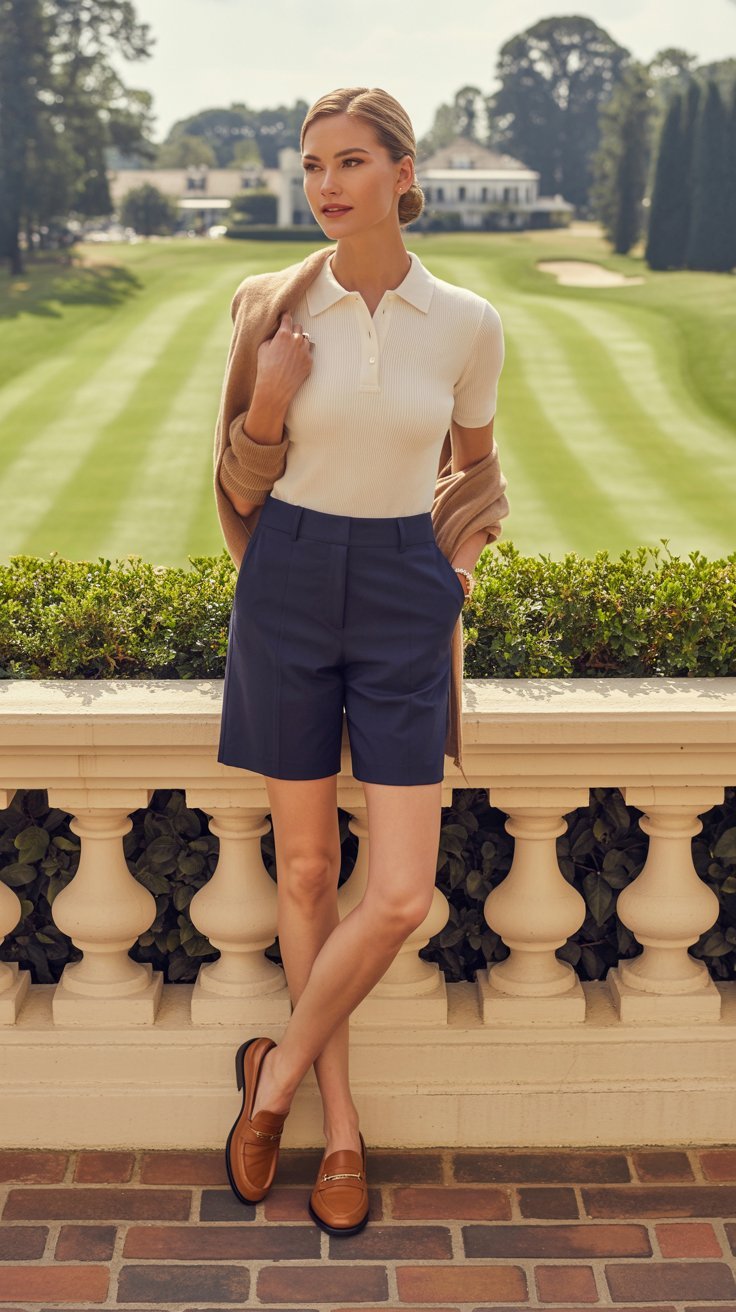

We’ve all seen the logo parade: bags screaming their own names, sneakers that look like billboards, and jackets louder than a stadium speaker. Quiet luxury looks at that, sips its espresso, and whispers, “No thanks.” It doesn’t beg for attention; it earns it. If you think it’s about spending more, you’re missing the point.
It’s about taste, intention, and comfort that feels like a secret.
Quiet luxury is the art of choosing quality over spectacle. It’s the difference between a cashmere sweater that lasts ten winters and a trendy piece that pills by brunch. Brands don’t set the tone here—materials, fit, and craft do.
You won’t need a logo when the fabric drapes perfectly and the hem sits exactly where it should. It’s also a mindset: you edit, you simplify, and you buy with purpose. You choose a coat that works with everything you own.
You fix the buttons. You learn which colors love you back. That’s quiet luxury in a nutshell.
Let’s talk tactility.
Quiet luxury starts with touch. If it feels incredible, wears beautifully, and holds up after actual life—not just photo ops—you’re in the zone.
Quiet luxury avoids gimmicks. No random zippers or fake distressing.
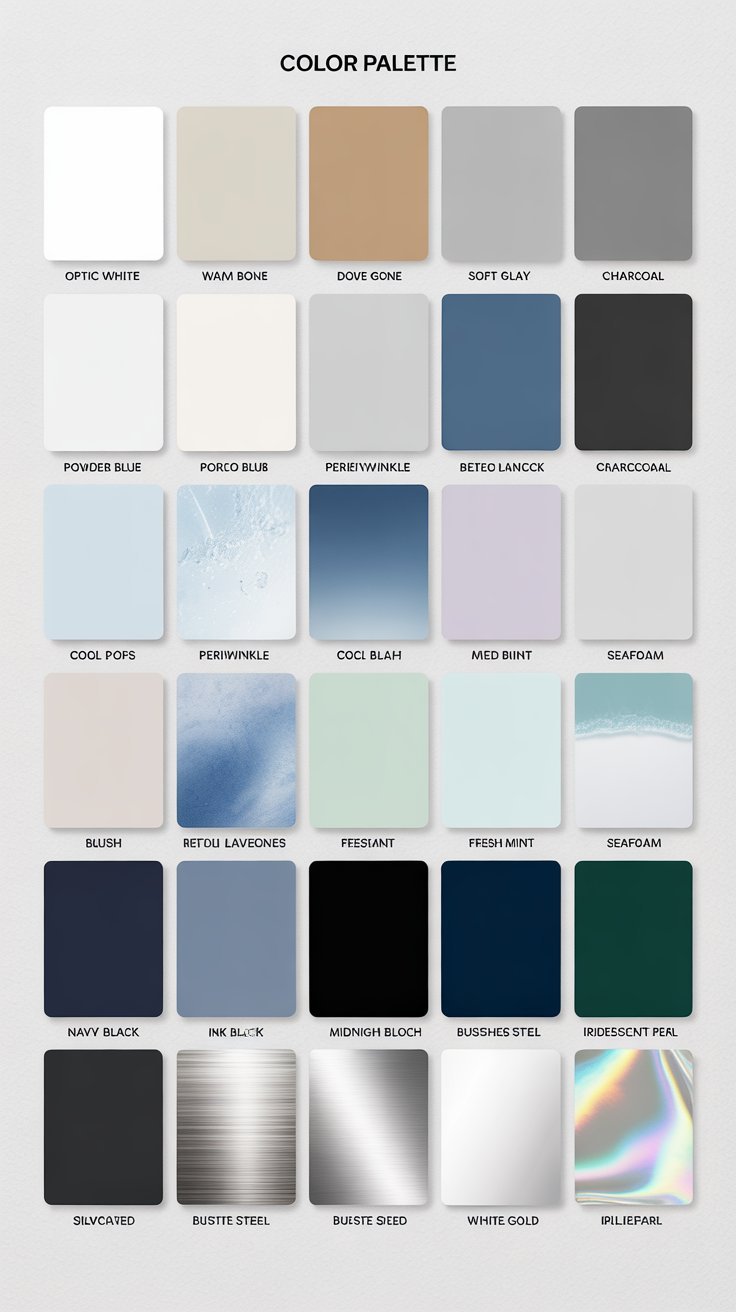
The shapes feel familiar—elegant, easy, and slightly understated. You’ll see neutral palettes, but not boring ones. Cream, camel, charcoal, navy—and that perfect dusty green that somehow goes with everything. Minimalism? Kind of.
But not the cold, sterile version. This is warmth with discipline. A silk shirt under a soft blazer.
A tee with drape. Jeans that skim, not strangle.
Yes, quiet luxury often costs more upfront. But it doesn’t have to bleed your wallet.
The real flex? Buying smarter and wearing longer.
Cost per wear becomes your new best friend.
If a $400 coat lasts four years and you wear it 60 times a year, that’s under $2 per wear. Compare that to a $120 coat that gives up after one winter.
The math isn’t sexy, but your wardrobe will be.
Quiet luxury bleeds into the rest of your life. It’s the ceramic mug that feels perfect in your hand. The linen sheets you can’t wait to crawl into.
The candle you burn all the way, not because of the label, but because the scent actually fills the room. In practice, this means you curate, not collect. You edit your closet, your kitchen, your calendar.
You choose things with intention and let them earn their space. FYI: donating that “just in case” blazer might unlock five new outfits. Magic.
You don’t need a closet reset.
You need a strategy. Think of this as a playlist, not a full album overhaul.
You can’t buy quiet luxury and then treat it like gym laundry. Maintenance keeps the vibe alive.
Not quite.
Minimalism focuses on fewer items and clean lines. Quiet luxury cares about how those items feel, fit, and last. You can have a bold color or a relaxed silhouette and still live in quiet luxury if the craft holds up.
Nope.
Brands can help, but they don’t define it. Focus on fabric, construction, and fit. You’ll find winners across price points—often in places that don’t advertise on billboards, IMO.
Small, discreet branding?
Sure. Giant monograms? That’s a different party.
If the logo shouts before your outfit speaks, you’re off-brief.
Neutrals rule—camel, navy, charcoal, cream, chocolate—but mix in muted tones that flatter you. Think olive, dusty blue, soft burgundy. The goal: cohesion without sameness.
Pick one outfit formula that works (e.g., straight jeans + tee + blazer + loafers).
Wear it three different ways this week. Then upgrade one item at a time—start with shoes or outerwear. Progress beats perfection.
Timeless has intention.
Boring lacks detail. A timeless coat will have a beautiful drape, proper shoulders, and great buttons. A boring coat?
It just exists. Details make the difference.
Quiet luxury isn’t about flexing a label—it’s about living well in what you wear. You choose comfort that looks effortless, quality that lasts, and design that doesn’t need applause.
Build slowly, care for what you own, and let the details carry the story. No fanfare required—just you, looking like yourself, but sharper. FYI: that’s the real luxury.