
Old money style looks simple until you try to pull it off and realize… it’s all details. You can buy the loafers, the silk scarf, the navy blazer—and still something feels off. Why?
Because the illusion depends on subtle cues that don’t scream. It whispers. Let’s talk about the mistakes that break the vibe—and how to fix them without selling a kidney.
You know what old money doesn’t do?
Turn their chest into a billboard. Logos can work, but they should be discreet. Think tiny monograms, not giant emblems across your torso. Quiet luxury focuses on make and fit, not branding. If your sweater shouts the label from across the room, the illusion crumbles.
Opt for pieces that rely on texture, cut, and quality fabric. Cashmere over “logo cotton” every time.
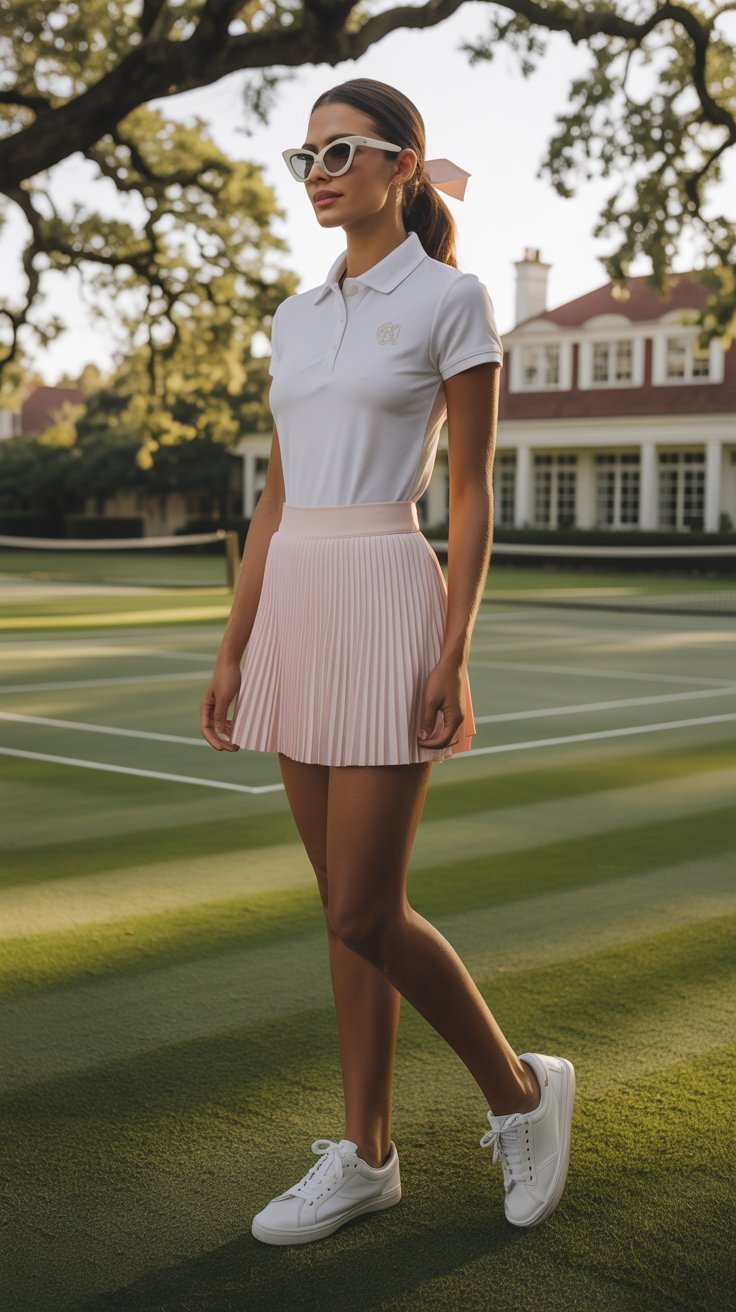
– A small emblem on a polo can pass, especially heritage brands with classic fits.
– A subtle monogram on a leather bag? Sure—if the leather and craftsmanship do the talking.
– Anything loud, shiny, or repeated all over?
Hard pass.
There’s a right and wrong version of almost every classic. Take loafers. Chunky, oversized soles?
Trendy, not timeless. You want the version your granddad wore in college—even if you’re buying it new. Old money style leans traditional, not experimental. That means:
IMO, if it looks like a runway remix of a classic, skip it.
– Swap glossy leather for matte calf or suede.
– Swap aggressive tapering for a straight or slightly tailored leg.
– Swap tight-as-leggings fits for comfort-first silhouettes.
Old money style loves patina. But patina is not an excuse for neglect.
Scuffed loafers with good soles? Charming. Cracked leather that flakes?
Not charming. Care beats replacement in this world. You polish shoes, steam knits, and brush suits. You repair hems before they unravel. The “I’ve had this for years” look comes from maintenance, not apathy.
FYI, a simple shoe tree and a fabric shaver can rescue half your closet.
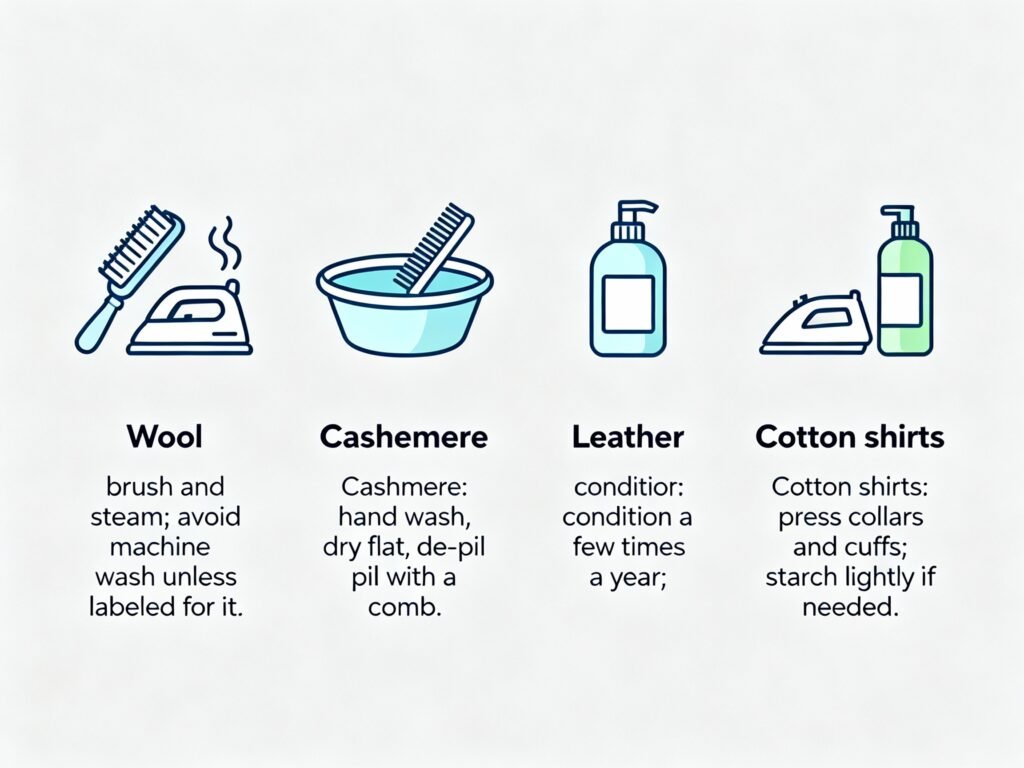
– Wool: brush and steam; avoid machine wash unless labeled for it.
– Cashmere: hand wash, dry flat, de-pill with a comb.
– Leather: condition a few times a year; resoling beats rebuying.
– Cotton shirts: press collars and cuffs; starch lightly if needed.
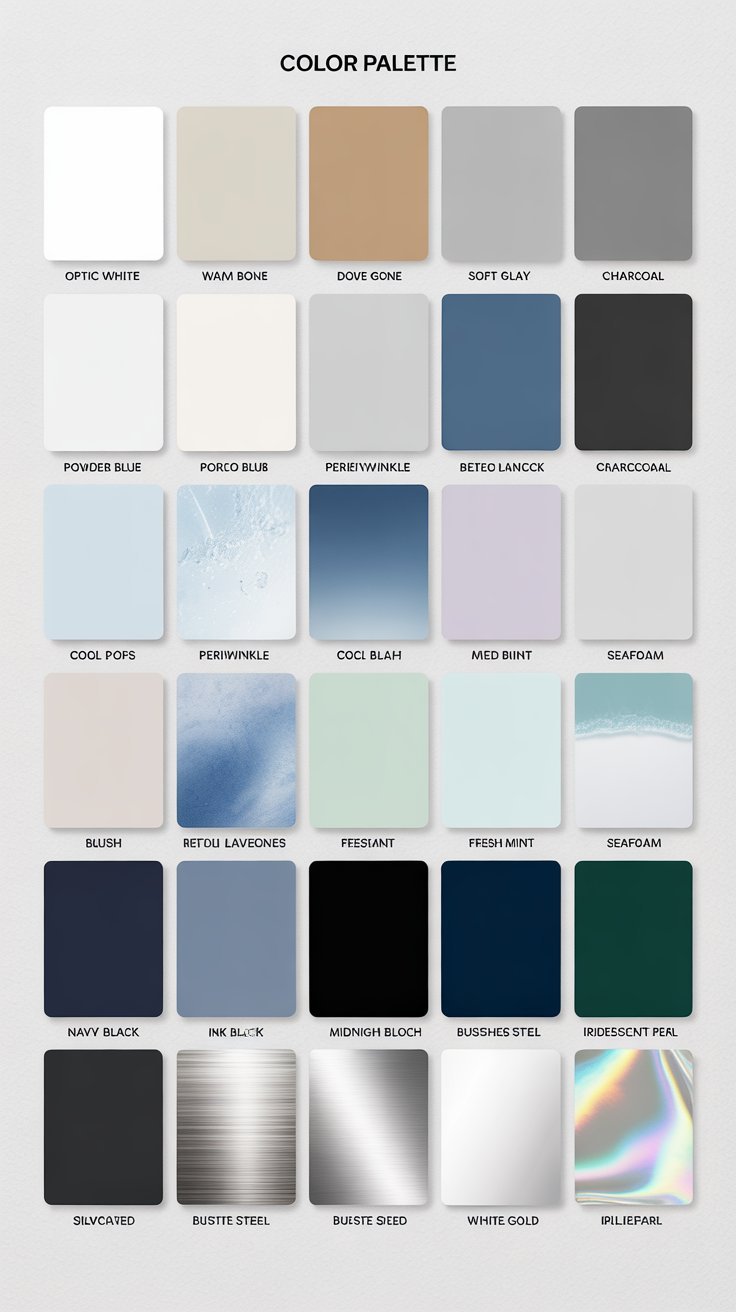
Old money wardrobes rarely reinvent the color wheel. They live in neutrals, navy, forest green, camel, cream, and the occasional burgundy or soft pastel. If your outfit looks like a highlighter set, the illusion snaps. Think harmony, not drama. Anchor outfits with one core neutral and layer in texture: flannel, tweed, cashmere, crisp cotton.
Want color? Add it in small doses—ties, scarves, pocket squares, or a single knit.
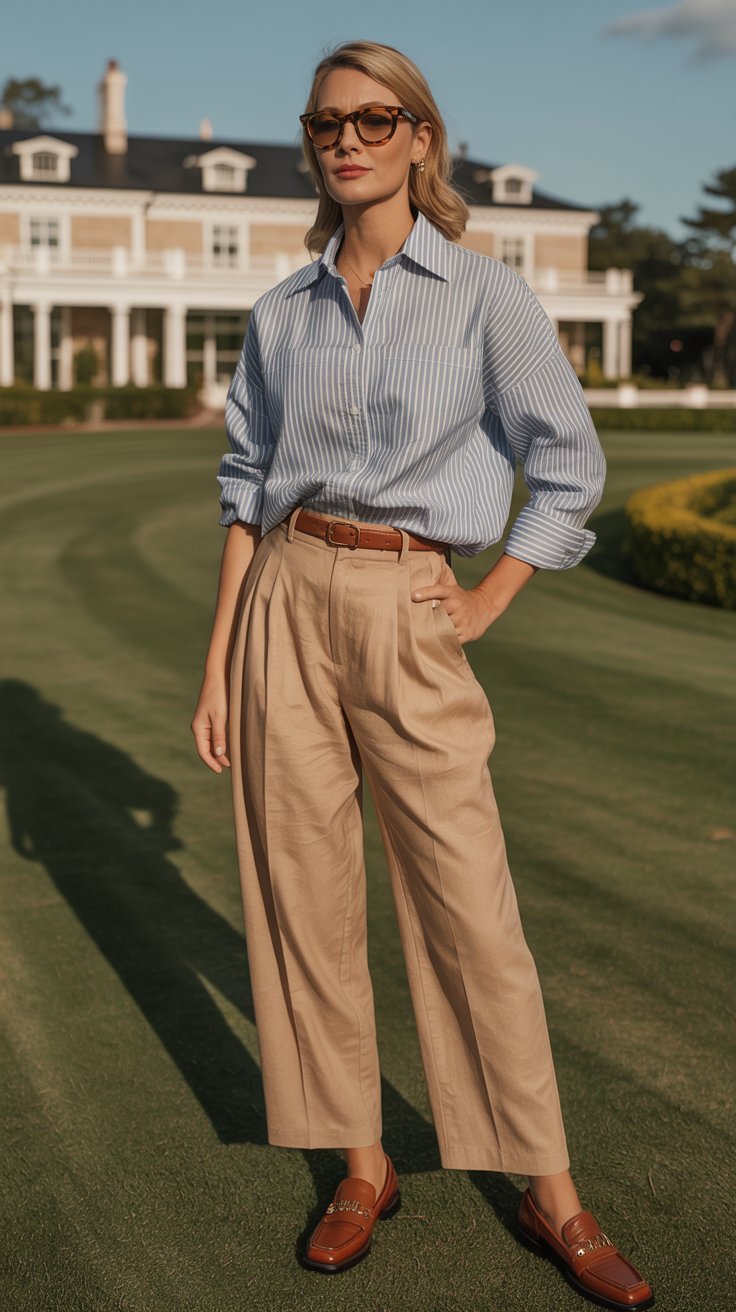
– Navy blazer + light blue Oxford + grey flannel trousers – Camel coat + cream knit + dark denim – Olive field jacket + chambray shirt + brown suede boots
A silk scarf, signet ring, pearl earrings, headband, and brooch—all at once? That’s not old money; that’s theatre.
Accessories should look collected over time, not ordered overnight from one “quiet luxury” TikTok.
Choose one or two signature accents max. A good watch. A single strand of pearls. A discreet signet.
Leather belt that matches your shoes. Done. Restraint reads as confidence.
You can own the right pieces and still miss the mark if the fit is off.
Shoulders should sit on your shoulders, not halfway to your elbows. Trousers should break slightly, not puddle like you borrowed them. Tailoring is the secret handshake. Hem trousers. Take in the waist.
Shorten sleeves so your shirt cuff peeks out a half-inch. Nothing beats a good tailor—nothing. IMO, one trip to the tailor beats three new purchases.
– Blazer: sleeve ends at the wrist bone; collar lies flat; no pulling at the button.
– Shirt: no gaping at buttons; clean line at the shoulders; tuck stays put.
– Trousers: waist sits comfortably without belt; gentle taper, slight break.
– Dresses/skirts: skim the body; movement without cling.
Old money style vibes timeless, not stodgy.
It adapts quietly. You can wear a pair of crisp white sneakers with a blazer, just make sure they’re clean and minimal. You can wear denim—dark, straight, no distressing. Balance tradition with subtle modern touches. A heritage blazer with a simple tee.
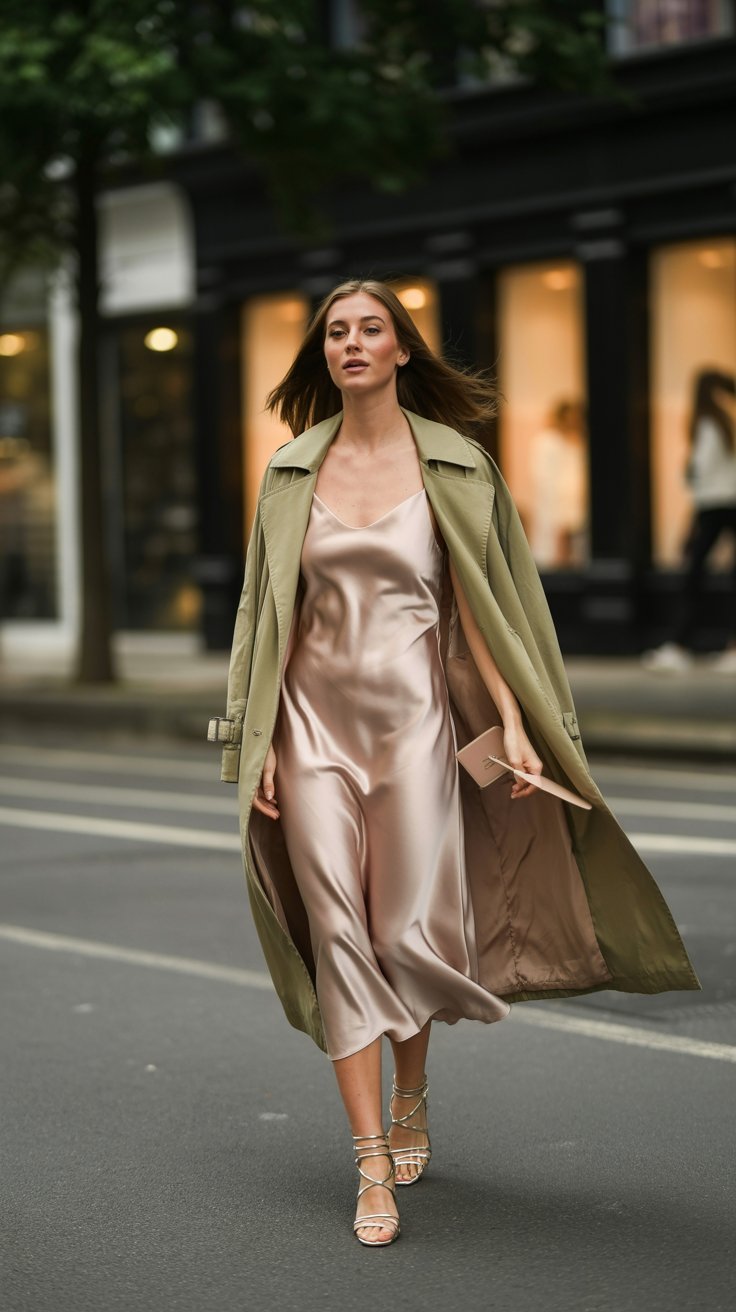
A tailored trench over a knit dress. Suede loafers with clean denim. The goal: fresh, not fussy.
– Swap heavy, dated ties for textured knits or skip the tie.
– Pick slimmer (not skinny) silhouettes for trousers and jeans.
– Choose lighter, softer fabrics for year-round wear.
Wearing a velvet jacket to brunch?
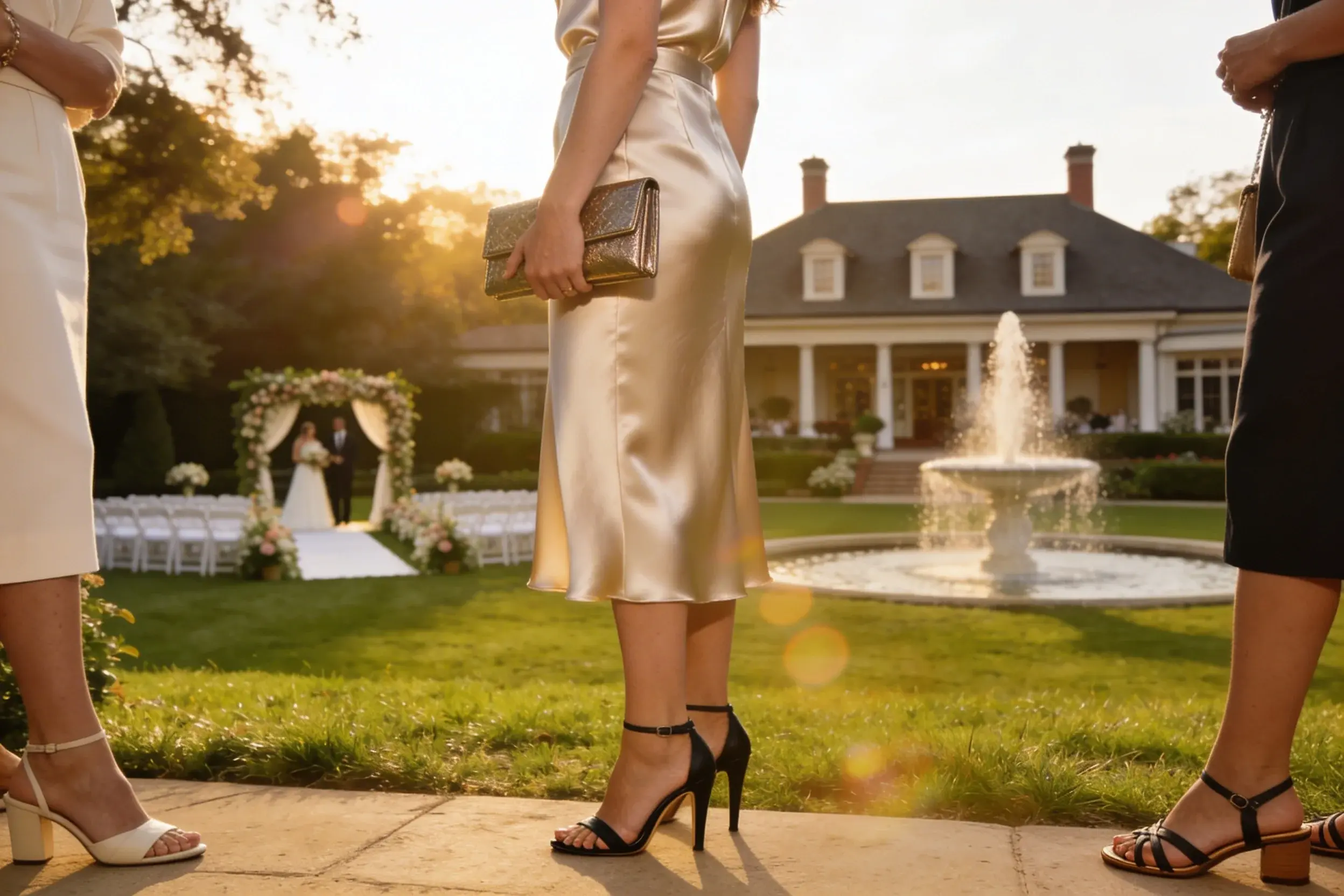
A ballgown to a cocktail event? That mismatch ruins the illusion faster than a giant logo. Old money style thrives on appropriateness. Dress for the room you’re in. Country club?
Soft tailoring, loafers, muted colors. City dinner? Sharp blazer, understated jewelry, polished shoes.
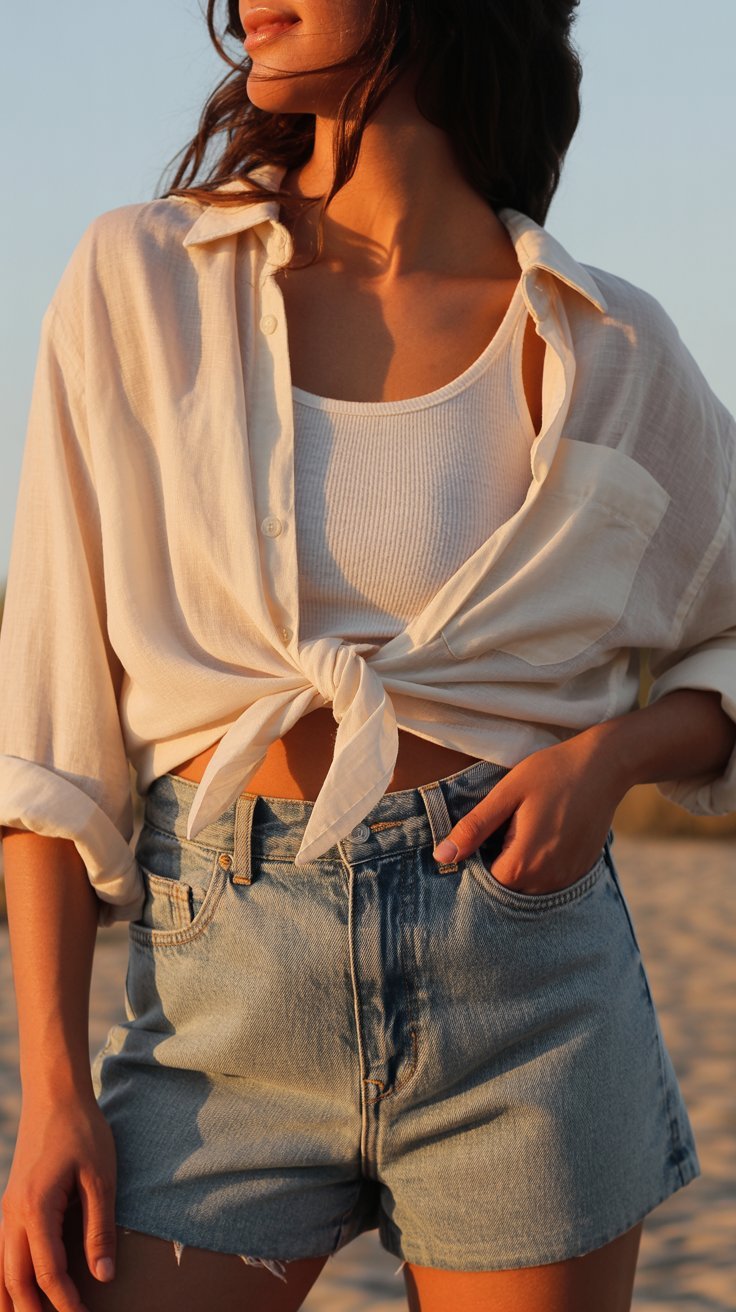
Weekend errands? Casual but intentional: cashmere sweater, clean denim, simple flats.
– Work: navy blazer, light blue or white shirt, grey trousers or pencil skirt. – Weekend: fisherman knit, dark denim, loafers or ballet flats. – Evening: little black dress or navy suit, low-key jewelry, leather belt and shoes.
Clothes can’t do all the work. Unkempt hair, chipped nails, or a wrinkled collar breaks the spell.
So does bad posture. Harsh truth, but fair. Keep grooming simple and consistent. Trim, buff, brush, and steam. Stand tall.
The confidence sells it.
Ready for a wardrobe that works for every part of your life?
I offer a private, high-touch styling experience designed to create an intentional wardrobe that supports your work, lifestyle, and personal image—without trends or excess.
Private styling is available by application.
→ Apply to work with me
Nope. You need good fabrics, clean lines, and tailoring. Shop secondhand, look for natural fibers, and prioritize fit over label.
The right $150 blazer with alterations beats a $1500 one that fits poorly.
Wool, cashmere, cotton poplin, linen, tweed, and suede. They age gracefully, feel substantial, and look better over time. Synthetics can work in blends, but pure natural fibers carry the vibe.
Yes—if you choose minimal, clean pairs.
Think white leather or suede in classic shapes. Avoid chunky soles, neon colors, and giant logos.
Two or three max. A watch and ring.
Or earrings and a necklace. If you add a scarf, edit other jewelry. Less feels intentional.
Definitely.
Keep them classic: stripes, houndstooth, glen check, subtle plaids. Pair one pattern with solids or mix scales carefully—big with small—to avoid visual noise.
Strip back to basics. Build a capsule: navy blazer, white and blue shirts, straight dark denim, grey trousers, camel coat, simple knitwear, leather loafers or flats.
Tailor them, then add personality slowly.
Old money style isn’t about wealth—it’s about understatement and care. You edit instead of flaunt. You choose quality, fit, and context over trends.
Dodge the loud logos, the costume accessories, the sloppy fit, and the mismatch of occasion, and the illusion stops being an illusion. It just looks like you—quietly put together, every time.