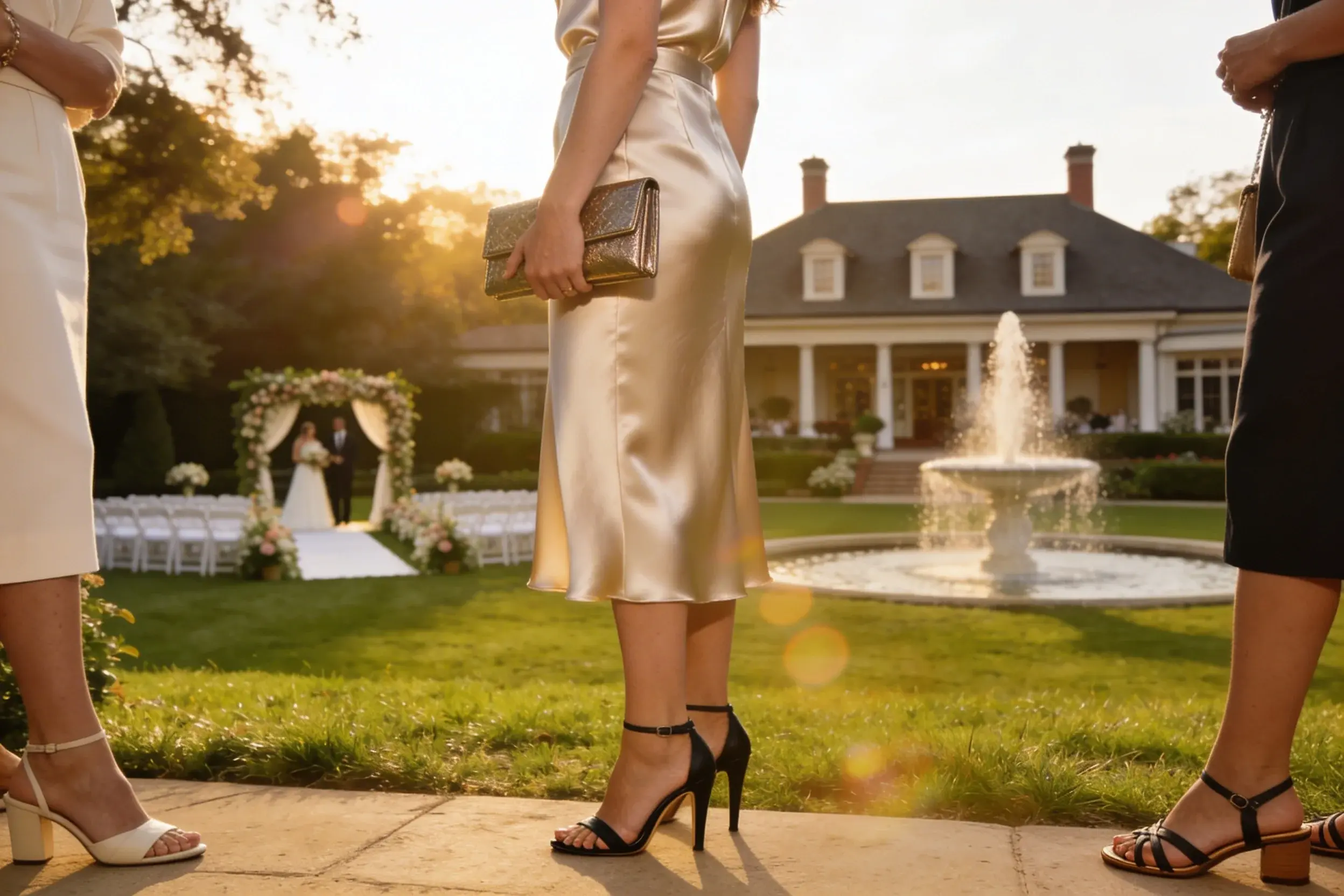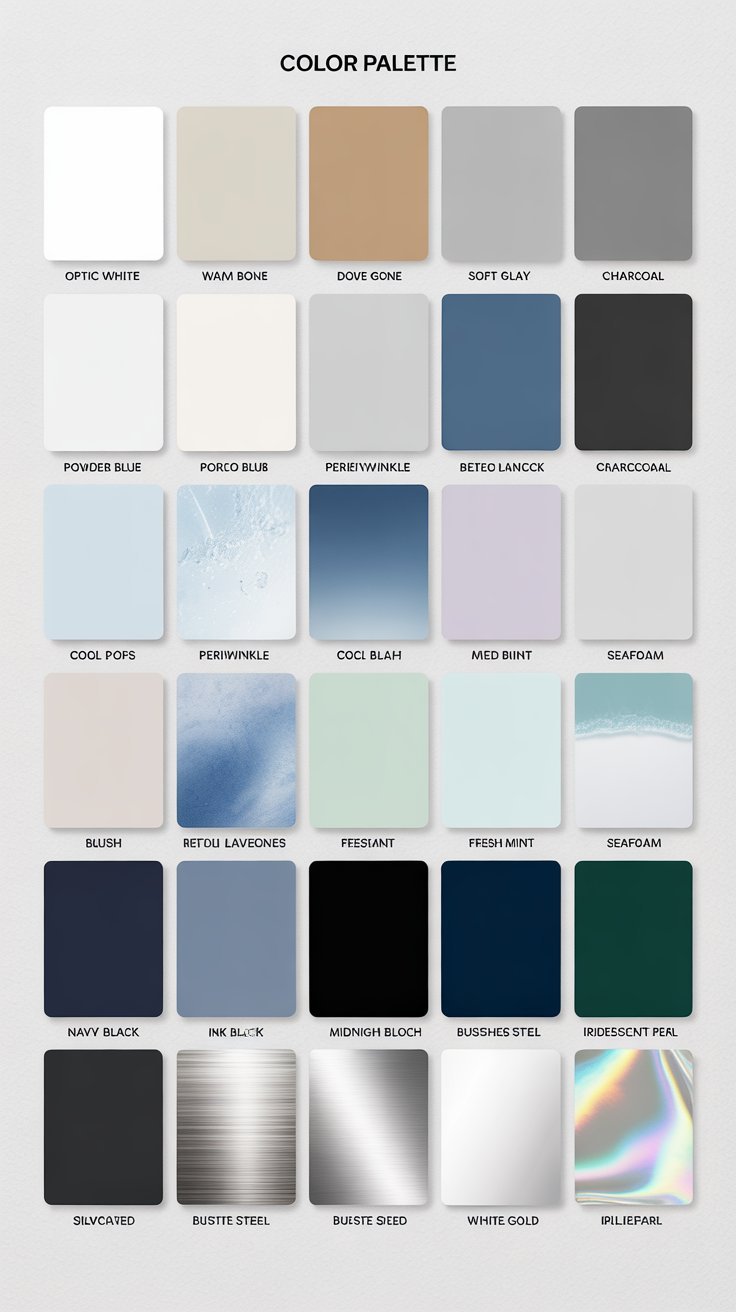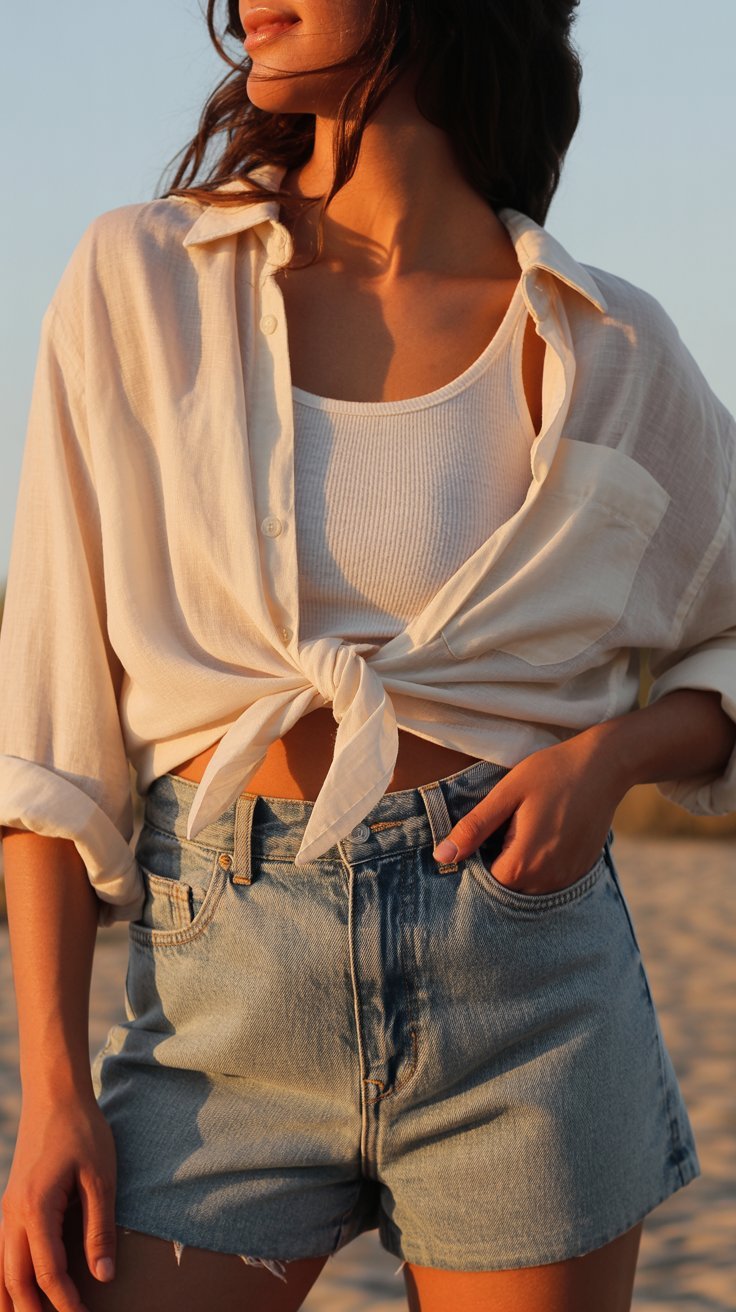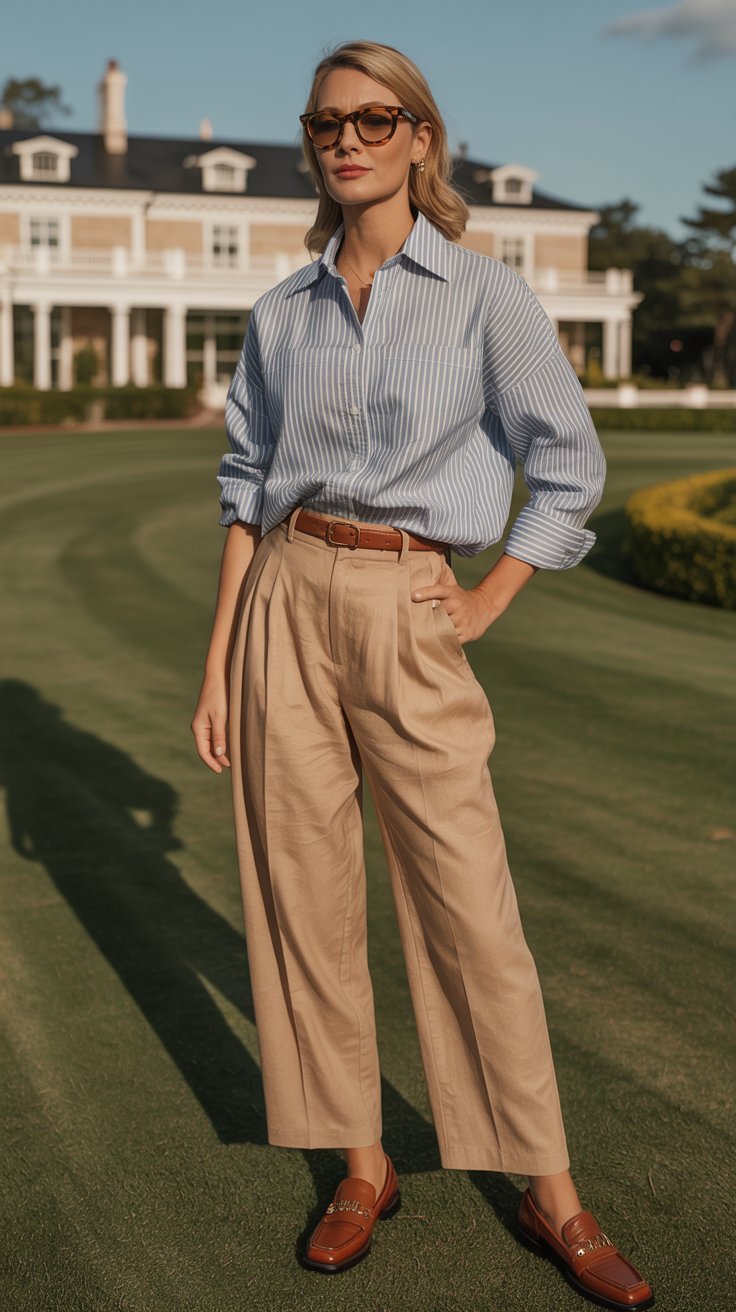





You landed the internship—nice. Now you’re staring at your closet wondering how to look legit in a place where “casual Friday” means…a slightly lighter shade of navy. Don’t sweat it. You can dress for a conservative office without melting into a beige blob or breaking the budget. Let’s get you looking sharp, cool (as in temperature and vibe), and internship-ready.
You can’t hit the target if you don’t know it, right? Ask HR or your manager what “professional” means at this company. Some places say business professional and mean suits five days a week. Others mean slacks and a blazer in rotation.
Do a little recon on day one. Look around, clock the vibe, then adjust. If you over-dress, no one will judge you. If you show up in sneakers and a graphic tee at a bank, you’ll never hear the end of it—FYI, not ideal.
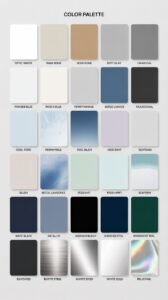
– Neutral colors win: navy, black, gray, taupe, white, cream
– Clean lines and tailored fits
– Minimal prints, minimal logos, minimal everything
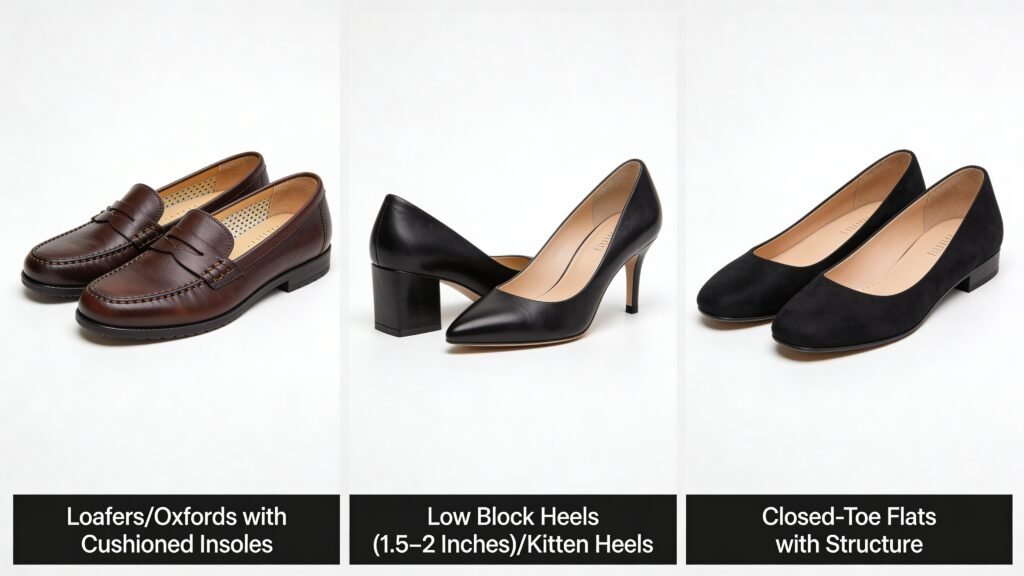
– Closed-toe shoes
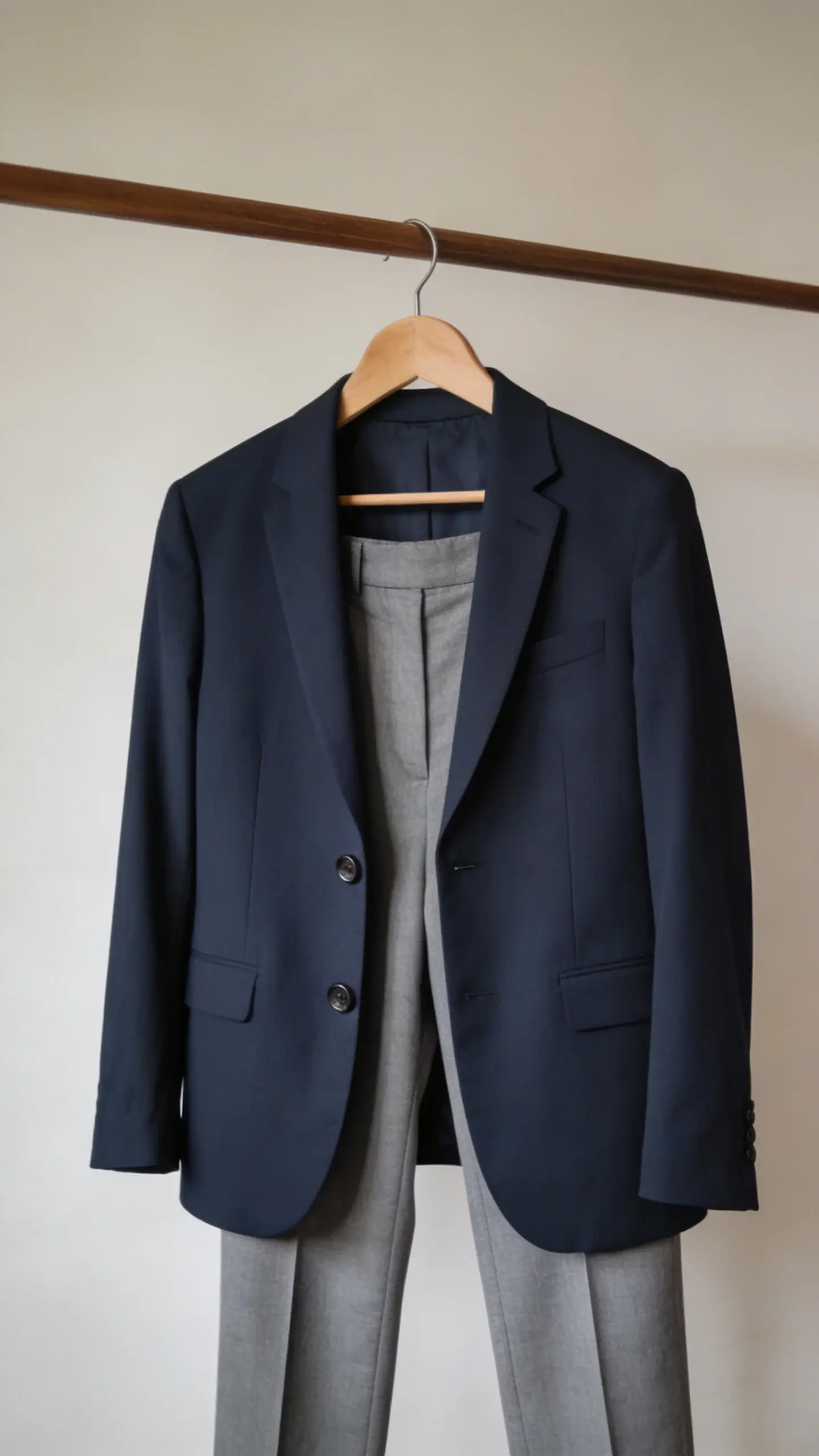
You don’t need 20 outfits—you need 8-10 mix-and-match pieces that play nice together. Think “smart uniform,” not “fashion week.”
Core pieces to cover two weeks without repeating a full look:
Pick breathable fabrics. Cotton poplin, lightweight wool, and silk blends keep you cool and hold shape. Linen looks great but wrinkles hard—more on that in a sec.
Tailoring makes $60 pants look like a million. Hem them. Nix the waist gap. Tight across the shoulders? It’ll look sloppy and feel worse. IMO, a $30 tailor visit gives bigger returns than another random shirt from the sale bin.
Summer internships + conservative dress codes = “How do I not combust?” Strategy time.
Choose these fabrics:
Skip these:
Linen breathes, but it wrinkles. In very conservative fields, a full linen suit can read too casual. Compromise with a linen-cotton blend blouse or a blazer with structure. Or rock linen on Fridays if the office vibe permits.
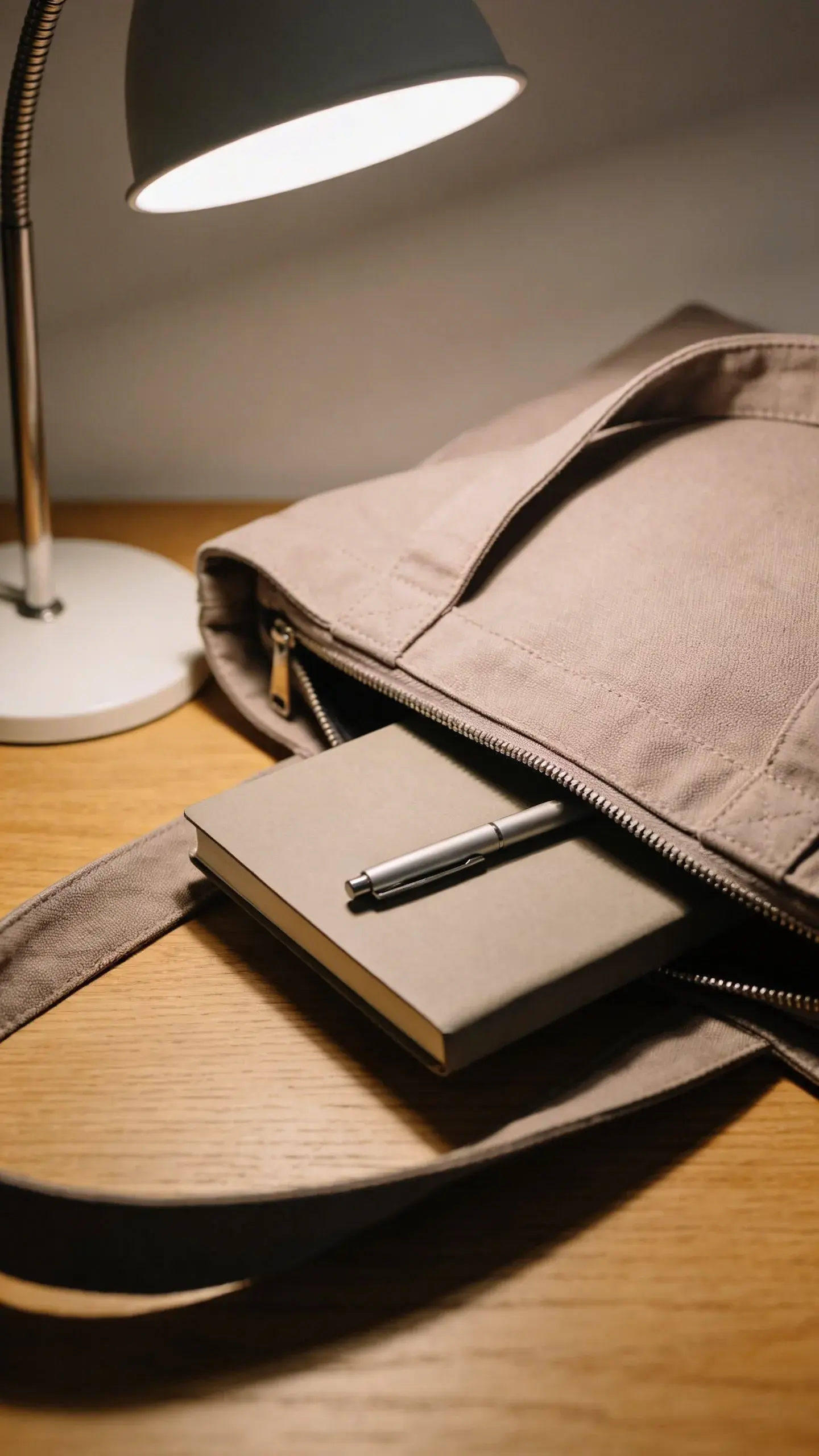
And please, keep a lint roller and stain pen at your desk. Coffee happens to good people.
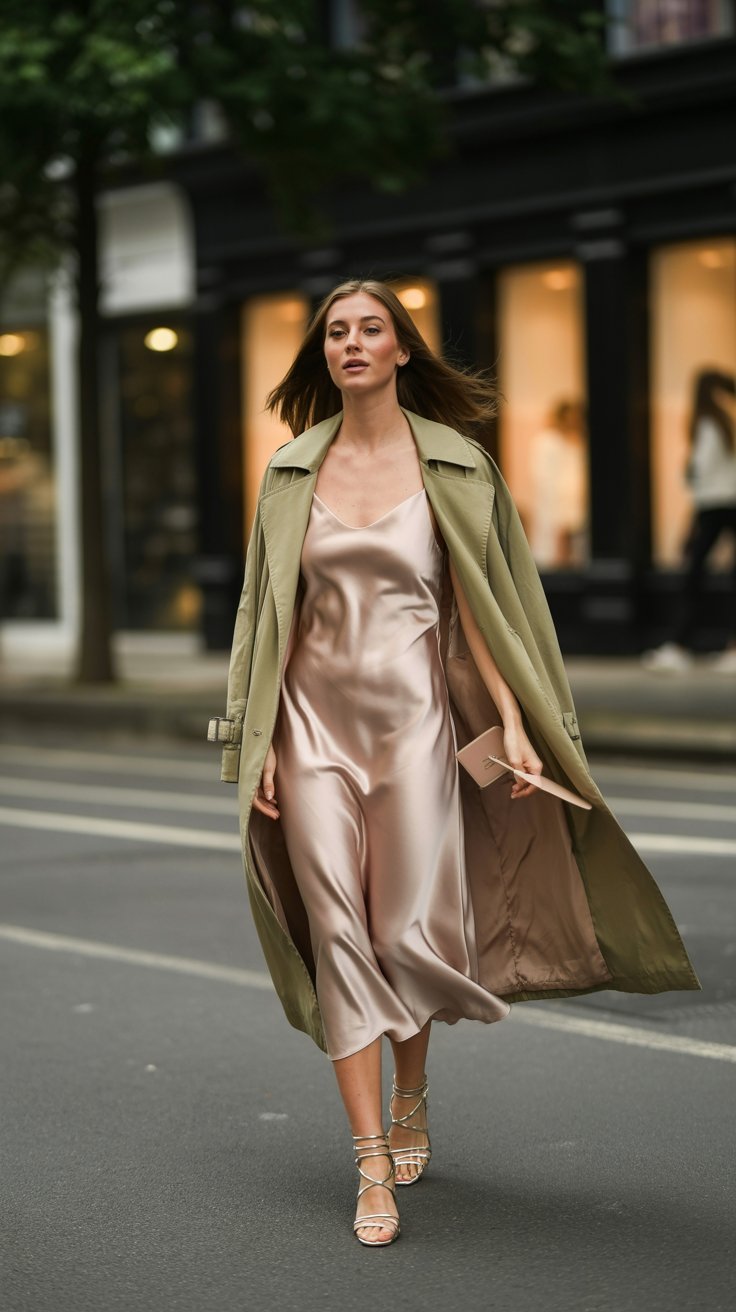
You can stay professional without suit-lockdown, depending on the office. Try a high-low approach.
Outfit formulas:
– Solids and micro-patterns (pinstripes, subtle checks)
– Accents in burgundy, forest, soft blue, or camel
– If you wear prints, keep them small and grounded by neutrals
Rule of thumb: If you’d wear it to a wedding afterparty, it’s probably too much for the office.
Skip:
Break shoes in at home. Bandaids in your bag = lifesaver. IMO, comfort makes you look more confident than any trend piece.
Summer outside, polar vortex inside. Plan for both climates.
– Keep a neutral cardigan or blazer at your desk
– Add a silk scarf or light shawl if that fits your style
– Choose breathable base layers so you don’t overheat outside
– If you wear undershirts, pick moisture-wicking, skin-tone-adjacent ones
Pro move: A blazer with a slightly stretchy lining gives movement and air flow.
Jewelry should whisper, not shout. A watch signals punctual energy. A simple necklace keeps it personal without saying “I moonlight as a disco ball.”
– Wearing see-through fabrics without a proper layer
– Heaping on cologne or perfume
– Overlooking grooming: chipped nail polish, frayed hems, scuffed shoes
– Going too trendy too fast—ease in, then add personality once you read the room
– Ignoring the weather: sweat stains do not build credibility
Check the policy first. Some conservative offices tolerate dark, non-distressed denim on Fridays only. If in doubt, pick trousers. They always read smarter than jeans, no matter how black and “elevated” the denim looks.
One good suit does the job. Rotate the blazer with other trousers or a dress to stretch outfits. If your office is very formal (think court or client meetings daily), two suits help—one navy, one charcoal.
Usually, yes—if they’re structured and not too casual. Short-sleeve button-downs or tailored blouses work. Avoid cap sleeves that look too casual and keep shoulders covered unless the dress code says otherwise.
Policies vary. Conservative fields often prefer covered tattoos and minimal piercings. Scope the office quietly, then adjust. If a partner has visible ink, that’s a clue. If not, keep it subtle until you know.
Only if the company culture clearly allows them. Even then, go sleek and minimal—think leather, low-profile, neutral color. Running shoes belong at the gym, not with your blazer.
Play with texture and accessories: a silk scarf, a subtle pinstripe, a fun-but-muted sock, or a colored belt that still matches your shoes. Keep the base classic; add one “you” element at a time. FYI, confidence counts as an accessory.
You don’t need a massive wardrobe or fashion degree to nail conservative-office style in the summer. Build a small capsule, focus on fit and fabric, and let polish do the heavy lifting. Start slightly formal, read the room, then sprinkle in your personality. You’ll look competent, feel comfortable, and spend your brainpower on the work—not your hemline.