Affiliate links used. Thanks for supporting my curated fashion finds.
Morning Routine For Skin That Survives Humidity
Humidity doesn’t just sit quietly in the background. It barges into your bathroom, frizzes your hair, and bullies your T-zone by noon. But you can outsmart it.
Build a morning routine that keeps skin balanced, calm, and actually glowy—without feeling like a grease slick. Let’s make your face humidity-proof, shall we?
Know Your Humidity Enemy (And What It Does To Skin)
Humidity means lots of moisture in the air. Sounds hydrating, right?
Yes and no. It can soften skin, but it also messes with your barrier and ramps up oil, sweat, and breakouts.
- Oily or combo skin: Sebum goes into overdrive, makeup slides, pores look bigger.
- Dry or sensitive skin: Sweat plus friction equals redness and irritation.
- Acne-prone skin: Bacteria and clogged pores throw a party—uninvited.
You don’t need 10 steps. You need smart steps.
Light layers, breathable textures, and a few strategic ingredients.
Step 1: Cleanse Without Stripping
You want a clean slate, not squeaky skin. Over-cleansing will push your skin to produce more oil, which, IMO, is the opposite of what we want.
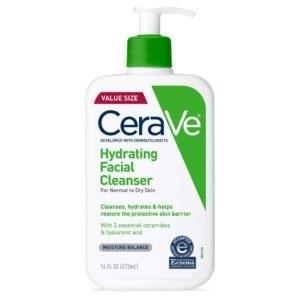
- Use a gentle gel or water-based cleanser that removes sweat and overnight oil.
- Avoid harsh foaming sulfates that leave your face tight.
- Post-workout? Rinse and re-cleanse quickly to remove salt and bacteria.
When to Exfoliate
Skip daily scrubs. In humidity, your skin is already fired up.
- Chemical exfoliation 2-3x/week with salicylic acid (for oil/blackheads) or lactic acid (for glow and gentle smoothing).
- Keep it AM-light: If you exfoliate in the morning, use very low strength and follow with SPF.FYI, overdoing acids will backfire.
Step 2: Tone Strategically (Optional, but Useful)
Do you need a toner? Not always. But in humid weather, a smart toner can balance oil and calm skin.
- For oily/combo: Look for witch hazel (alcohol-free), green tea, or a tiny bit of BHA (0.5-1%).
- For dry/sensitive: Choose glycerin, panthenol, and centella asiatica for soothing hydration.
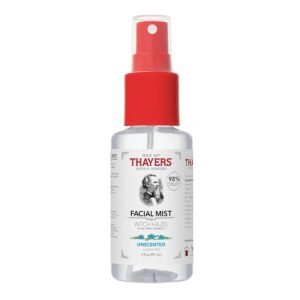
- Mist lovers: Use a fine, alcohol-free mist and pat lightly.No drowning your face.
Step 3: Hydrate Light, Layer Smarter
Hydration matters even when the air feels like soup. You just need breathable layers that won’t suffocate your pores.
- Serum first: A lightweight hyaluronic acid + glycerin combo draws water in without heaviness.
- Consider niacinamide (2-5%): It regulates oil, tightens the look of pores, and keeps redness calmer.
- Optional antioxidants: Vitamin C (SAP or MAP for sensitive skin, L-ascorbic for pros) fights dullness and pollution.
Humectants 101
Humectants pull moisture into your skin. In humidity, that’s great—but you still need a micro-occlusive layer to keep that water from evaporating.
- Great humectants: hyaluronic acid, glycerin, panthenol, aloe.
- Great light occlusives: squalane, dimethicone, lightweight esters, thin gel-creams.
Step 4: Moisturizer—Go Sheer, Not Absent
Skipping moisturizer can backfire and make your skin oilier.
Choose textures that breathe.
- Oily/combination: Gel-cream with squalane or dimethicone. Oil-free is fine, but not mandatory if the formula is light.
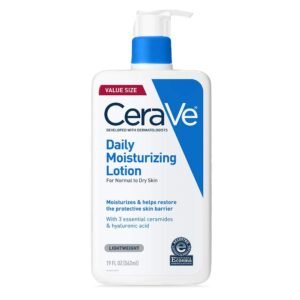
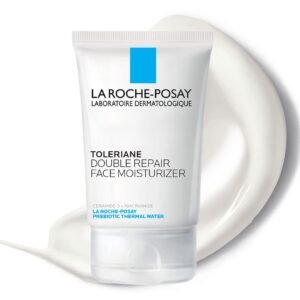
- Dry/sensitive: Lightweight cream with ceramides and cholesterol for barrier support.
- Acne-prone: Look for non-comedogenic labels and niacinamide or green tea.
If You Want Makeup Grip
A thin, silicone-based moisturizer can double as a primer. It blurs, controls shine, and helps foundation stick without suffocating your skin.
Two birds, one pump.
Step 5: Sunscreen That Won’t Melt
Non-negotiable. But you need the right texture, or your face will feel like a slip-n-slide by 10 a.m.
- SPF 30 or higher every single morning, even if it’s cloudy.
- Choose lightweight finishes: gel sunscreens, milky fluids, or matte/velvet formulas.
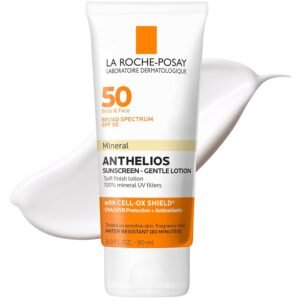
- For sensitive skin: Mineral sunscreens with zinc oxide can work well—look for sheer versions to avoid white cast.
- For oily skin: Look for oil-absorbing powders in the formula or added niacinamide.
Reapplication Without Ruining Your Face
Powder SPF or SPF mist makes midday touch-ups easy. Is it perfect?
No. Is it better than nothing? Absolutely.
Keep one in your bag and reapply every 2-3 hours if you’re outdoors.
Step 6: Optional Defenses—Only If You Need Them
Keep extras minimal and purposeful. More layers don’t equal better skin in humidity.
- Spot treatments: Dab on 2% salicylic acid or benzoyl peroxide after serum, before moisturizer—only on problem areas.
- Oil-control gel: A thin layer of mattifying gel (with silica or polymer blurring) on T-zone helps makeup longevity.
- Barrier boosters: If you get redness or chafing, a tiny amount of ceramide cream around the nose or chin helps.
Step 7: Midday Survival Tactics
Because the day isn’t over after your morning routine. Humidity likes a comeback.
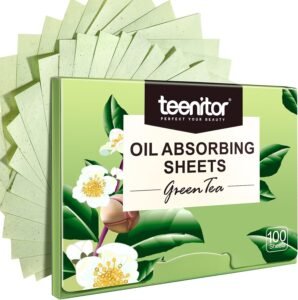
- Blot, then powder: Use blotting papers first, then a translucent powder.Powdering over sweat = cake city.
- Mist—sparingly: One light spritz, not a shower. Then gently press with clean hands or a sponge.
- Mini cleanse hack: Micellar water on a cotton pad around the nose and chin, then reapply SPF mist. Game changer.
Product Texture Cheat Sheet
Because labels lie and textures don’t.
- Look for: gel, water cream, fluid, serum, milk, cloud, souffle.
- Avoid: balms, rich creams, heavy occlusives, thick oils (AM only—PM is a different story).
- Finish goals: satin or natural matte, not dewy.Dewy in humidity reads as sweaty. We’re going for “alive,” not “I ran here.”
Sample Morning Routine (Customize by Skin Type)
Oily/Combination
- Gentle gel cleanser
- Light toner with green tea or low-dose BHA
- Niacinamide serum (2-5%)
- Gel-cream moisturizer (squalane or dimethicone)
- Matte gel sunscreen SPF 50
Dry/Sensitive
- Low-foam hydrating cleanser
- Soothing toner with glycerin and centella
- Hydrating serum (HA + panthenol) + gentle vitamin C derivative if tolerated
- Light ceramide cream
- Sheer mineral sunscreen SPF 30-50
Acne-Prone
- Gel cleanser
- Optional BHA toner (0.5-1%) 3-4x/week
- Niacinamide serum
- Oil-free gel moisturizer
- Non-comedogenic sunscreen (matte finish)
FAQ
Do I still need moisturizer if my skin feels oily in humidity?
Yes. Lightweight moisturizer prevents water loss and keeps your barrier happy. If you skip it, your skin may overproduce oil to compensate.
Choose gel-cream textures and apply a thin layer.
Can I use oils in the morning?
You can, but heavy oils often feel suffocating in humidity and can make sunscreen pill. If you love oils, use a single drop of a fast-absorbing one (like squalane) mixed into moisturizer, or keep oils for nighttime.
What if my sunscreen pills?
It’s usually a layering issue or incompatible textures. Keep layers thin, let each step set for 60 seconds, and pair water-based serums with fluid sunscreens. Avoid silicones on silicones if they ball up, and skip heavy powders under SPF.
How do I stop my makeup from melting?
Start with mattifying T-zone products, use a thin silicone-based moisturizer as primer, and pick long-wear, water-resistant formulas.
Blot midday before powder. Setting sprays help, but don’t rely on them to fix a heavy base.
Is vitamin C worth it in humid climates?
Yes. Pollution loves sticky air. Vitamin C boosts antioxidant defense and brightens.
If L-ascorbic acid irritates you, switch to a gentler derivative (SAP/MAP) and you’ll still get benefits.
How often should I exfoliate in humid weather?
Less than you think. Two to three times a week is plenty. Over-exfoliation plus humidity equals irritation, redness, and more oil. Keep it chill.
Conclusion
You don’t need a 12-step saga to beat humidity—you need smart textures, strategic ingredients, and thin layers.
Cleanse gently, hydrate lightly, seal smartly, protect fiercely. Then carry blot papers and a sense of humor. FYI: shine happens.
Control it, don’t fight your face. Your skin can thrive—sweaty air and all.