




Your closet has potential—no, really. With a few stylist-approved tweaks, you can turn that chaotic cave into a boutique you actually want to shop in. It won’t take a full weekend or a personality transplant. Just a solid plan, smart systems, and maybe a snack break.
You can’t organize clutter. Pull everything out and get real about what stays. Ask: Do I wear this? Does it fit? Do I like how I feel in it? If you hesitate, you know the answer.
Create four piles:
Stylists build “zones.” You’ll stop losing your favorite tee if it has an address. Give prime real estate (eye-level, easy reach) to everyday items. Less-used pieces live up high or down low.
Suggested layout:
Stylists swear by consistent sorting because it trains your brain to find things fast. Group by category first: blazers with blazers, tees with tees, denim with denim.
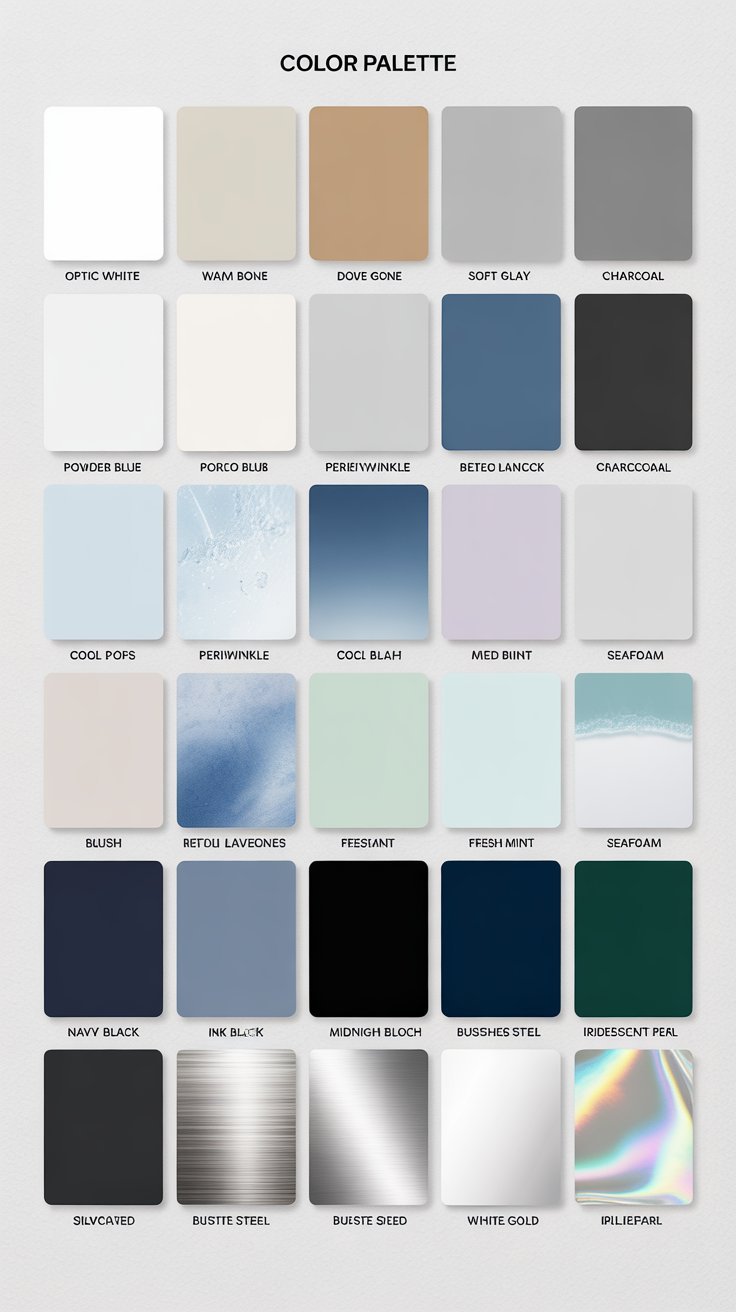
Inside each category, sort by color:
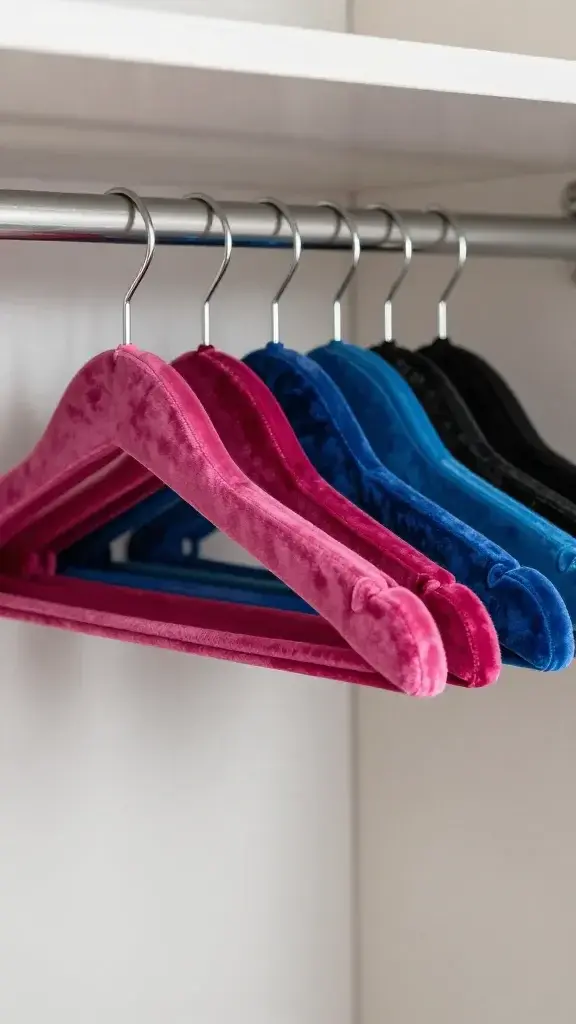
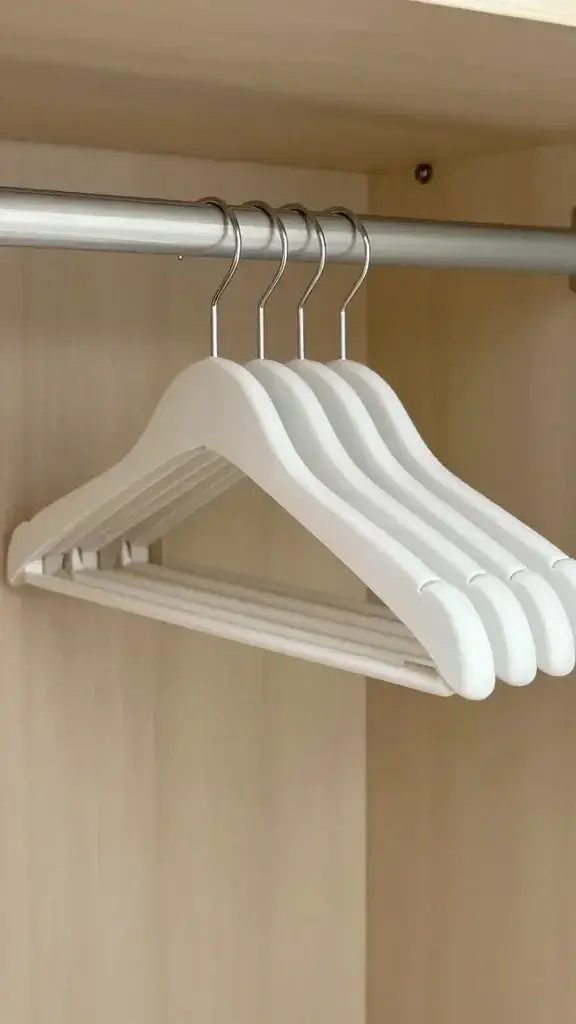
Use one type of hanger for everything you hang. It keeps lines clean and your closet instantly looks 30% more expensive. Use velvet for slippery fabrics, wood for outerwear, clips for skirts.
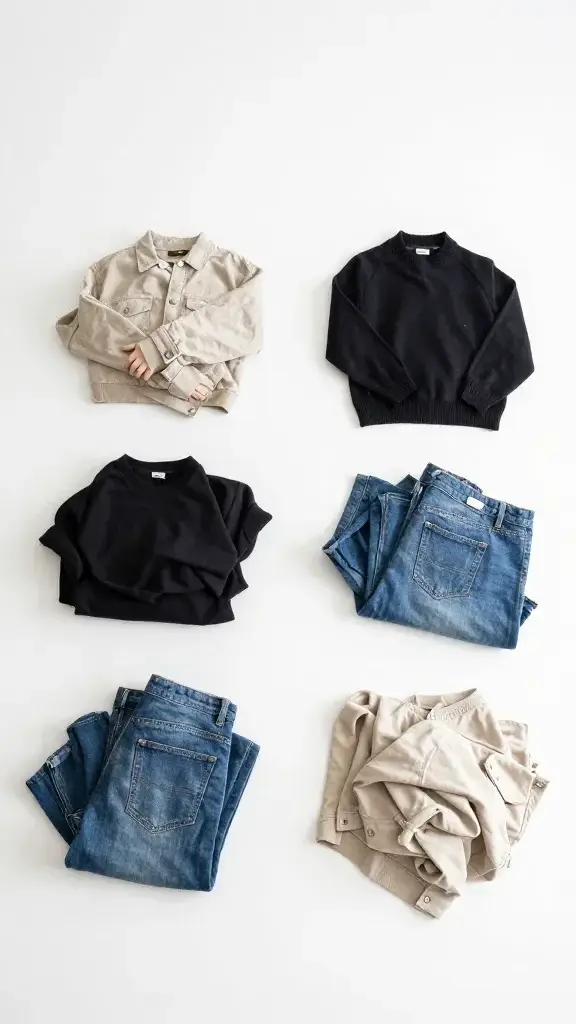
Not everything belongs on a hanger. Your knits will thank you if you fold them instead. Hanging heavy sweaters stretches them out; you don’t want noodle-shoulders.
Fold these:
Fold items so they stand upright like files. You’ll see every piece at a glance and stop wearing the same top five shirts. Bonus: it looks weirdly satisfying.
Want stylist vibes in the morning? Set up an “outfit bar.” Use a small section of your rod or a hook to stage tomorrow’s look. Add the top, bottom, layer, shoes, even jewelry.
Other mini-zones to try:
Keep a tray or drawer for jewelry, belts, lint roller, fabric shaver, and a mini sewing kit. You’ll fix a loose button in 60 seconds instead of “someday,” which we both know means never.
Closets have walls—use them. Mount hooks or rails for bags and hats. Add a second rod if you have the height. And get those top shelves working.
Smart vertical moves:
Labels sound extra, but they save time and keep your system intact. You’ll know exactly where things go after laundry day. You’ll also stop “borrowing” shelf space and creating chaos.
Label ideas:
Give the closet five minutes every Sunday. Re-stack, rehang, and rotate anything out of place. It’s the tidy version of grocery shopping for your wardrobe—quick, essential, and oddly therapeutic.
You invested in your clothes—keep them fresh. Store delicate pieces thoughtfully. Keep moisture and dust away so your closet doesn’t smell like aimless adulthood.
Care checklist:
Use slim hangers, add an over-the-door organizer, and double your hanging space with a second rod. File-fold tees and workout gear in drawers. Keep only the current season accessible and rotate the rest into under-bed bins. Small space, big strategy.
Do category first, then color. Outfits change; categories don’t. If you love pre-planned looks, hang a week’s worth on an outfit bar, but keep the core system by category + color so you can mix and match fast.
Hang anything structured or wrinkle-prone: blazers, dresses, trousers, button-downs. Drawer the soft stuff: tees, knits, lounge, underwear, socks. Jeans can go either way—hang if space allows, fold if not. FYI, knits stay better folded to avoid stretching.
Give them a home outside your daily closet. Use a memory box or labeled garment bag. Limit the volume—one box per person, IMO. You honor the memory without clogging prime real estate.
Stuff them with tissue or bag inserts to keep shape, and stand them upright on a shelf. Use shelf dividers so they don’t flop. If dust is an issue, store in dust bags with a photo tag on the outside so you can find them fast.
Do a quick pass each season and a deeper edit twice a year. Bodies change, styles shift, and clothes wear out. A regular reset keeps your closet honest and your style sharp.
You don’t need a celebrity dressing room to feel pulled together. Edit ruthlessly, assign zones, stick to one hanger style, fold smart, and label like a boss. Keep a tiny maintenance routine and your closet will work as hard as your coffee. And if you want a little extra flair? Stage tomorrow’s outfit and pretend your bedroom is a studio wardrobe trailer—because why not.