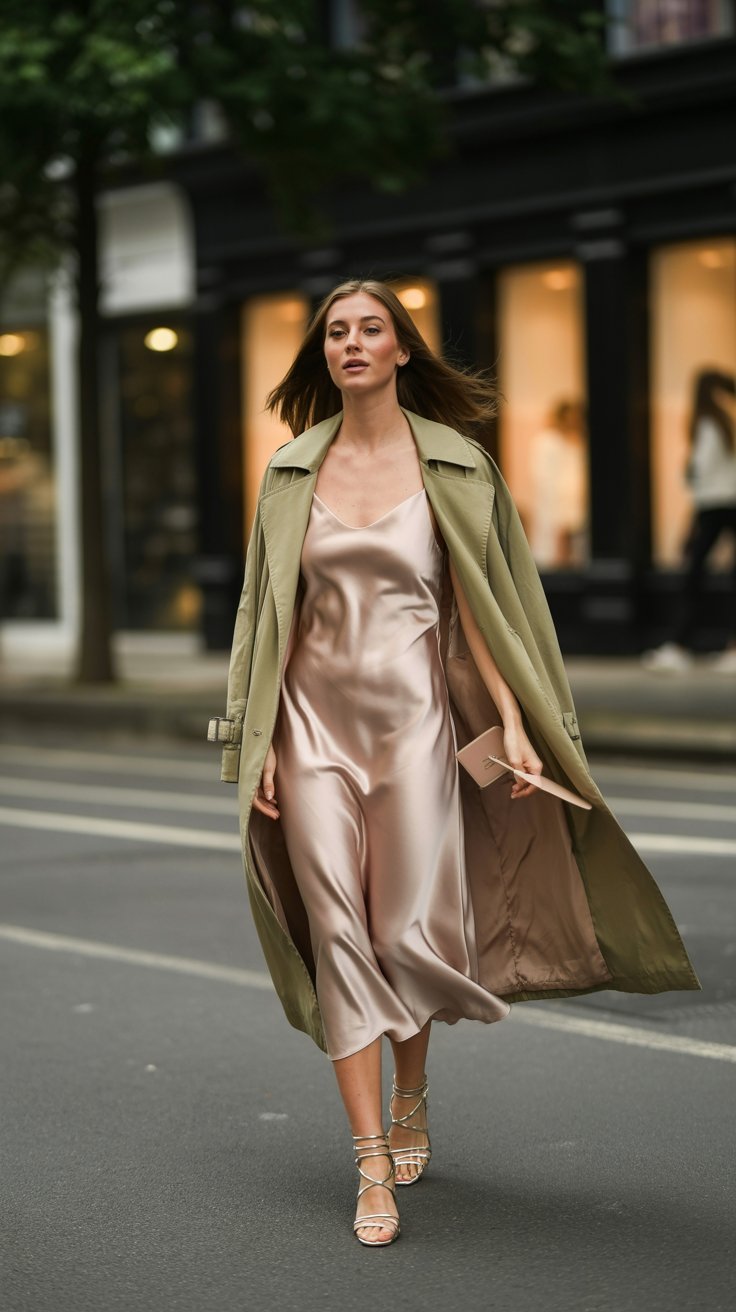
How To Dress Old Money In Modern Life
You don’t need a trust fund to dress like you inherited taste. The “old money” look is less about logos and more about quiet confidence, great fabrics, and knowing when to stop. Think whisper, not shout.
If you want your clothes to say “I have standards” instead of “I have Wi-Fi,” you’re in the right place.
Old Money, Updated: What It Really Means
Old money style isn’t cosplay. You don’t need a yacht or a double-barreled last name. You just need restraint, quality, and a sense of ease.
Key idea: buy fewer, better pieces and wear them on repeat.
The goal is a wardrobe that looks collected over years, not a week-long haul. Lean into timeless shapes, natural fabrics, and a color palette that goes with everything.
Build the Foundation: Fabric, Fit, and Finish
If you only remember one thing, remember this: fabric and fit do the heavy lifting. You can’t fake them for long.
- Fabrics that age well: wool (tropical and flannel), cashmere, merino, linen, cotton poplin, Oxford cloth, silk twill, suede, leather.
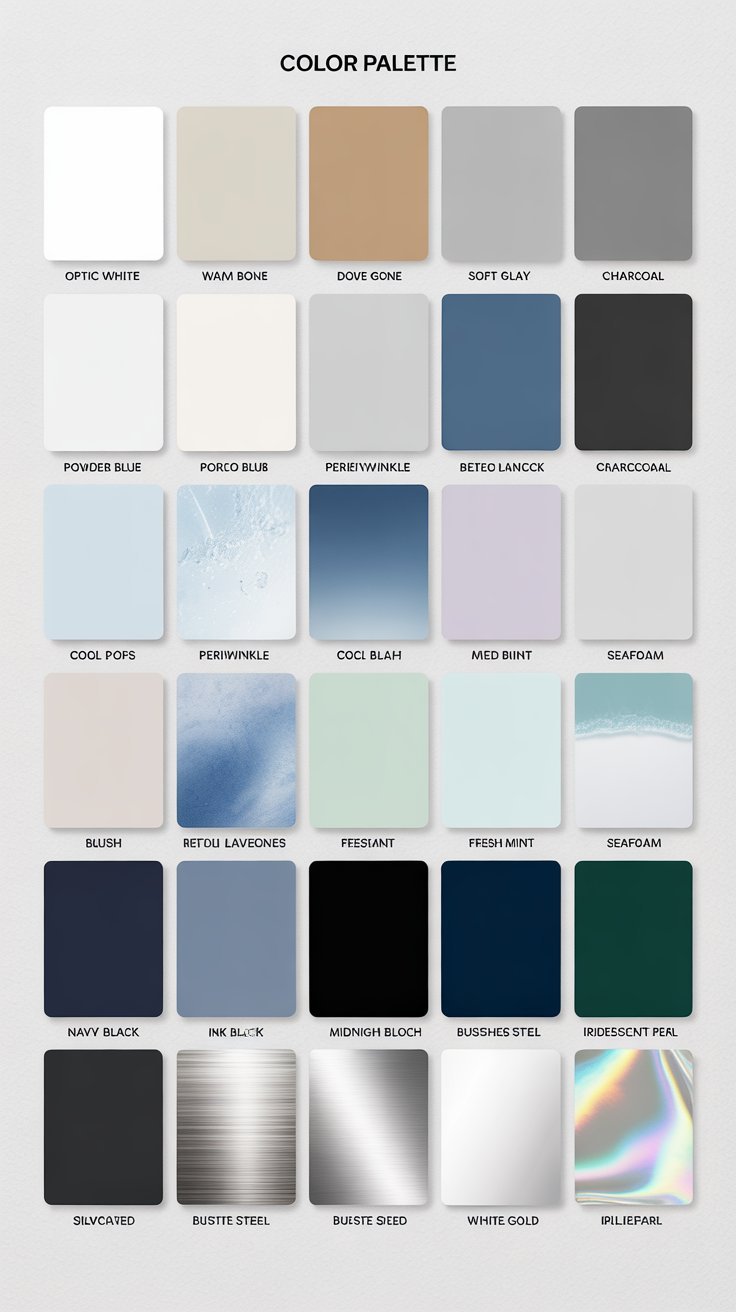
- Colors that play well together: navy, charcoal, camel, cream, white, olive, chocolate, muted blues and greens.
- Tailoring matters: hem trousers properly, slim the waist on jackets, shorten sleeves to show a sliver of shirt cuff.
Fit Rules You Can Actually Use
- Jackets: shoulder seam ends at your shoulder.If it divots, it’s too small. If it droops, it’s too big.
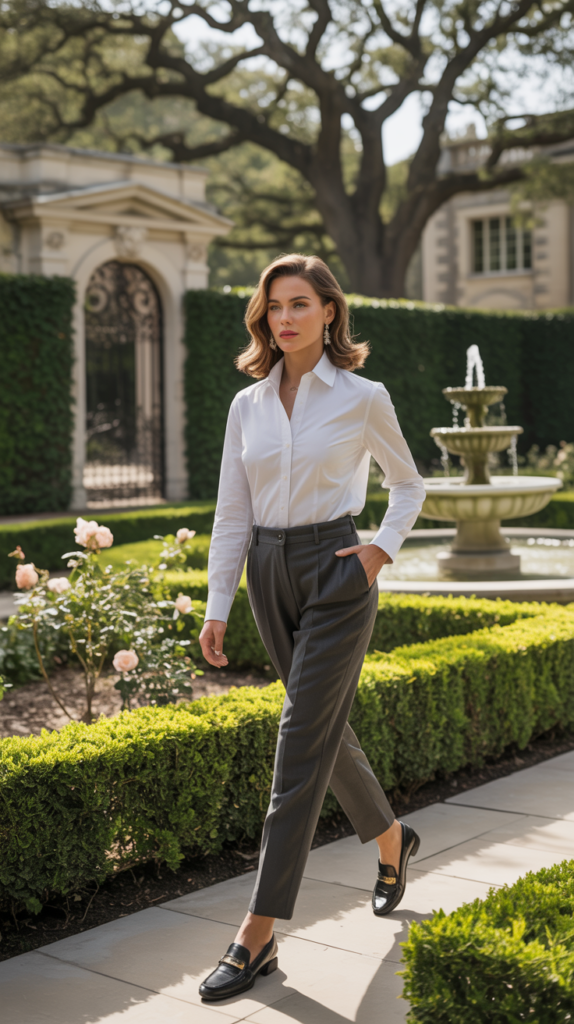
- Trousers: a gentle break and a clean line. No puddles, no spray-on silhouettes.
- Shirts: you should move without pulling.Two fingers should slide into the collar comfortably.
Quiet Pieces That Do the Talking
Old money dressing thrives on understatement. You want details that only up close reveal themselves.
For Women
- Blazers: navy or camel in wool. Single-breasted, simple lapels.
- Knitwear: cream cashmere, navy crewnecks, fine-gauge cardigans.
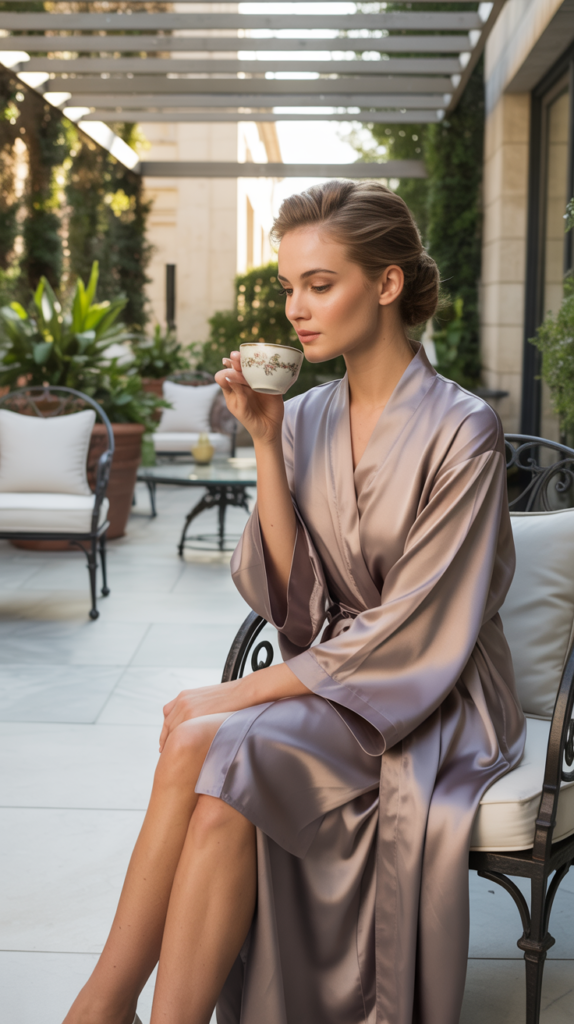
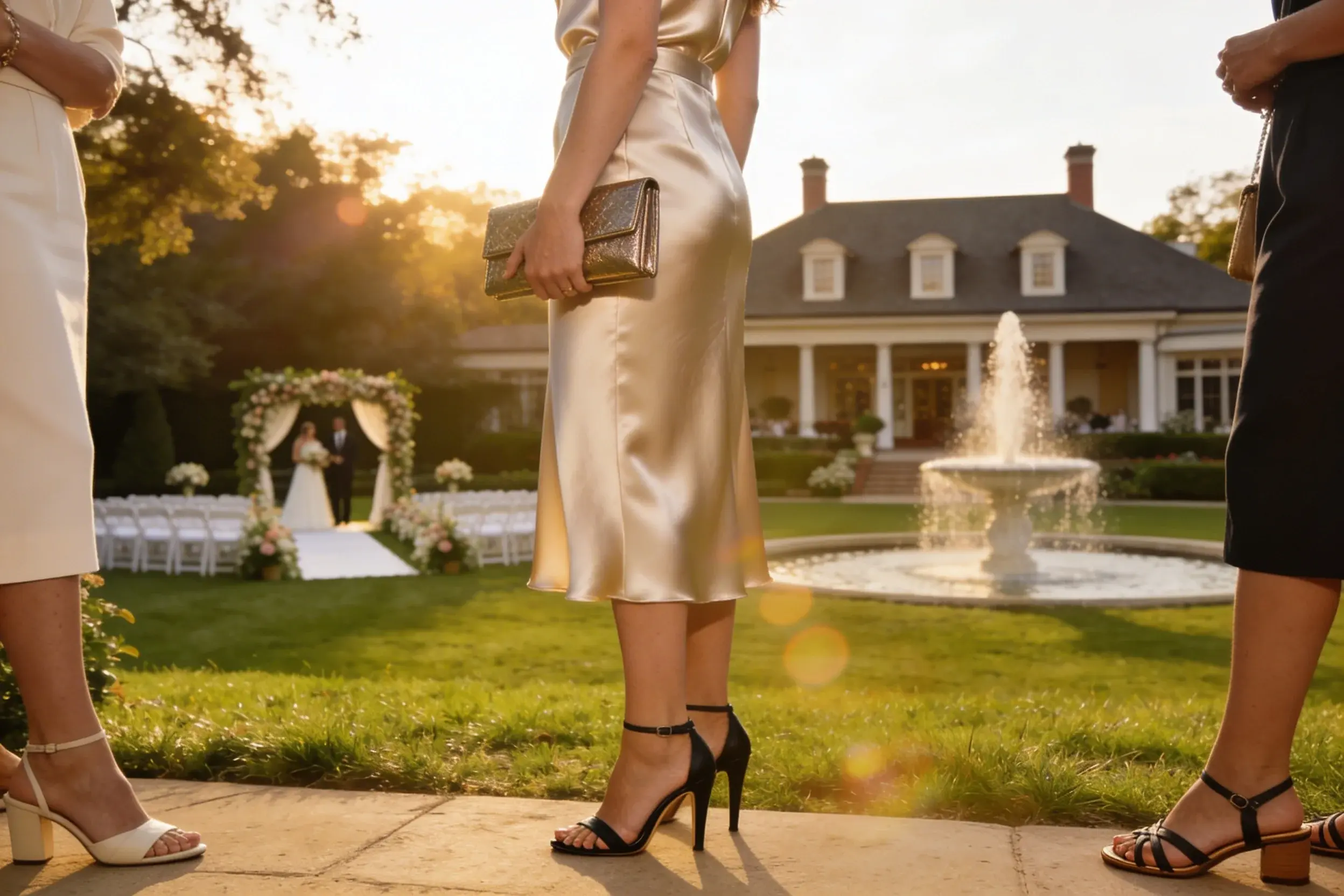
- Dresses and skirts: silk shirt dresses, wool pencil skirts, A-line midis.Knee to mid-calf is the sweet spot.
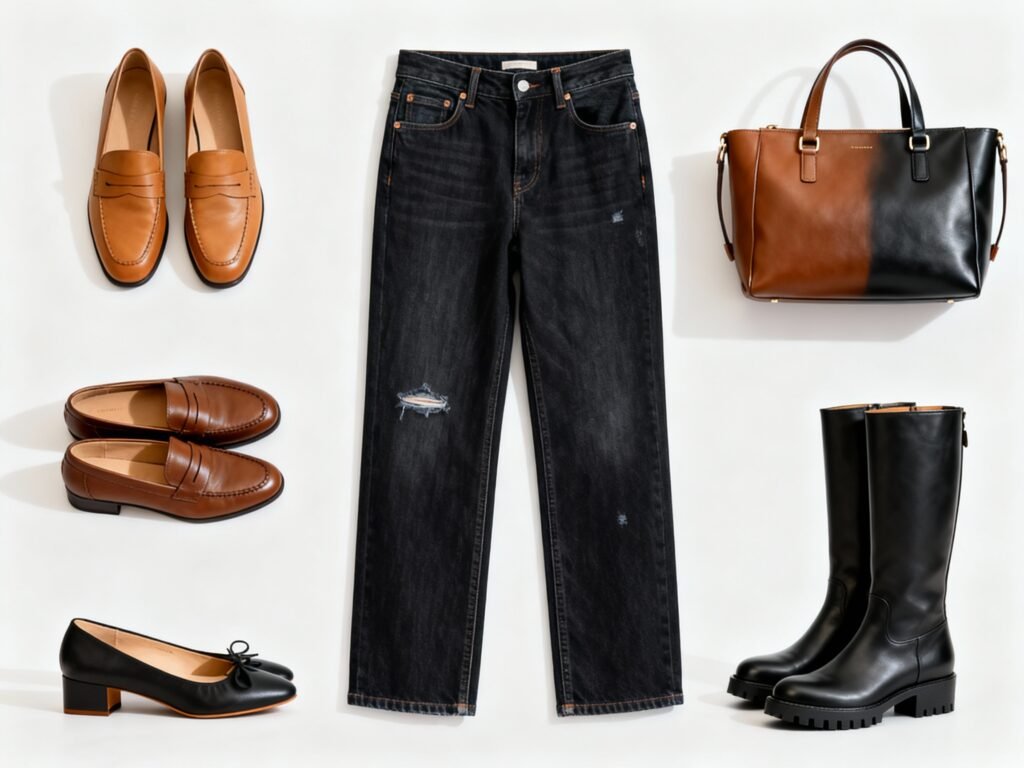
- Trousers and denim: high-waist, straight-leg. Dark rinse jeans with minimal distressing.
- Shoes: leather loafers, low block heels, riding boots, ballet flats with a sturdy sole.
- Bags: structured leather in tan, chocolate, or black. Minimal hardware.No screaming logos.
For Men
- Jackets: navy blazer, tweed or herringbone sport coat. Soft shoulders, two buttons.
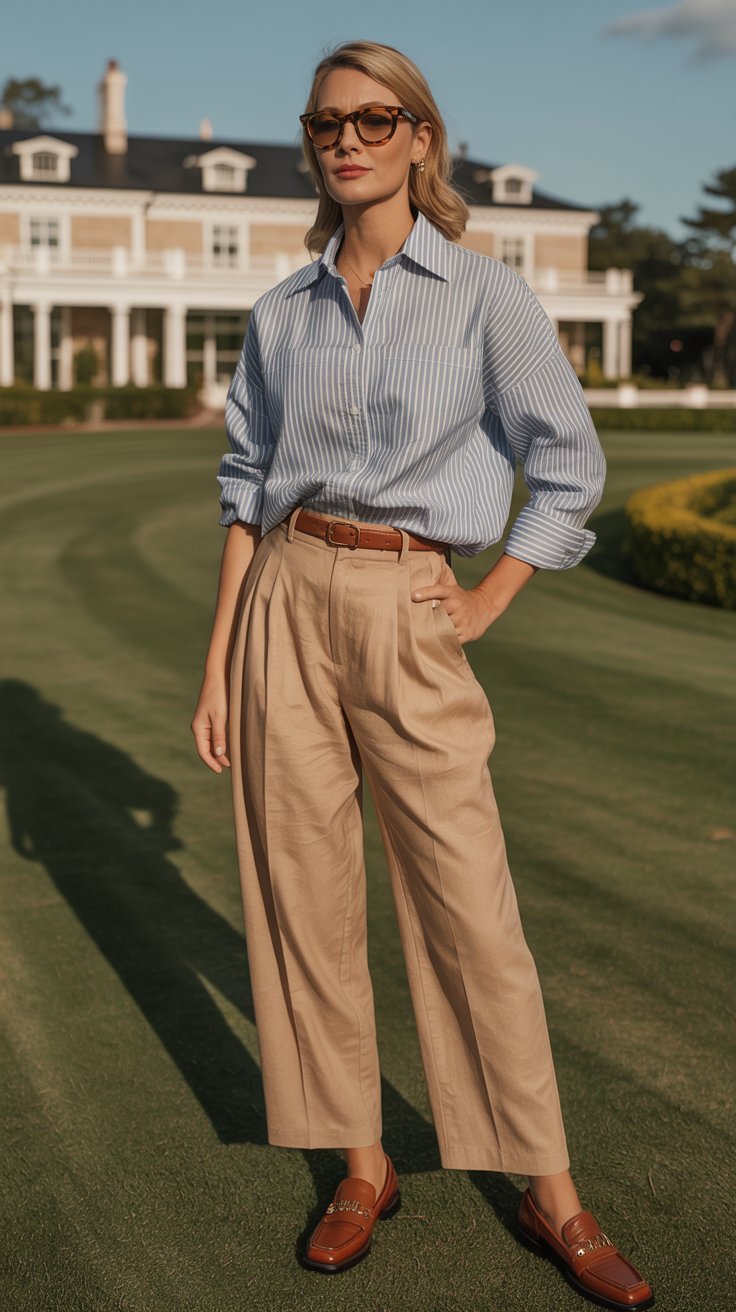
- Shirts: OCBDs in white and blue, striped poplin, understated checks.
- Trousers and denim: mid-rise chinos in stone, khaki, olive; dark, straight-leg denim.
- Knitwear: navy crewneck, oatmeal cashmere, cable-knit in cream.
- Shoes: brown loafers, brogues, suede chukkas, plain white leather sneakers (clean ones, FYI).
Logos? Keep It On Whisper Mode
You don’t need to erase branding totally, but avoid loud monograms.
Subtle marks from heritage brands read better than billboard logos. If the piece only “works” because of the logo, skip it. If it looks good with the label covered, you nailed it.
Swap These For Those
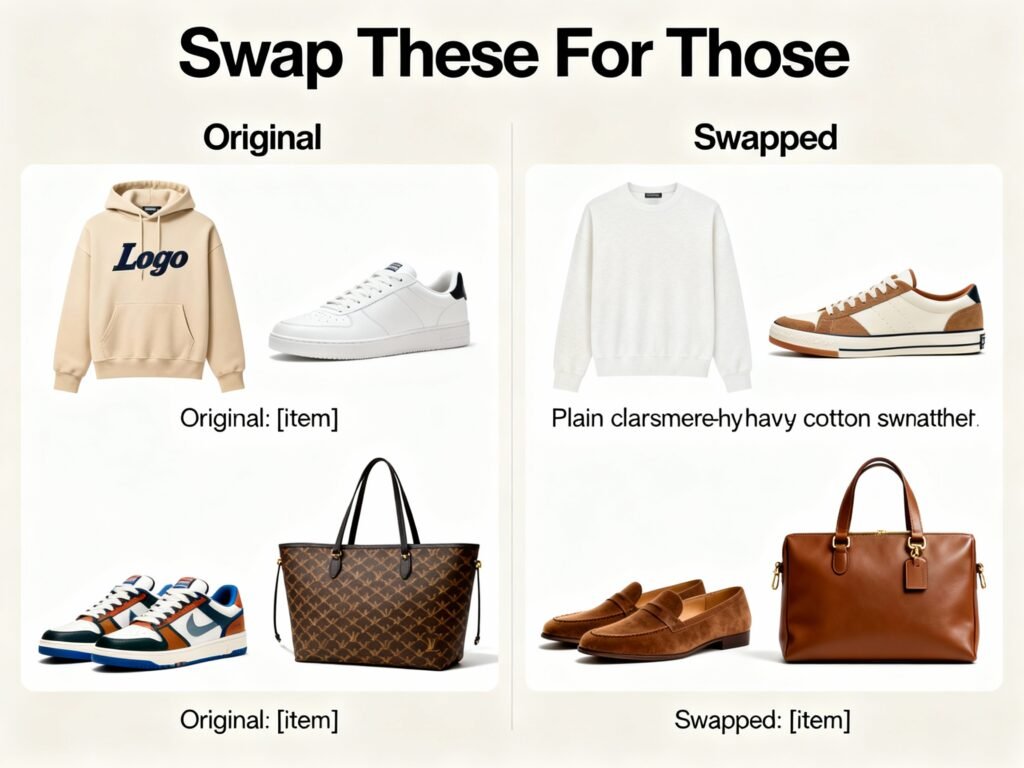
- Swap a logo hoodie for a plain cashmere or heavy cotton sweatshirt.
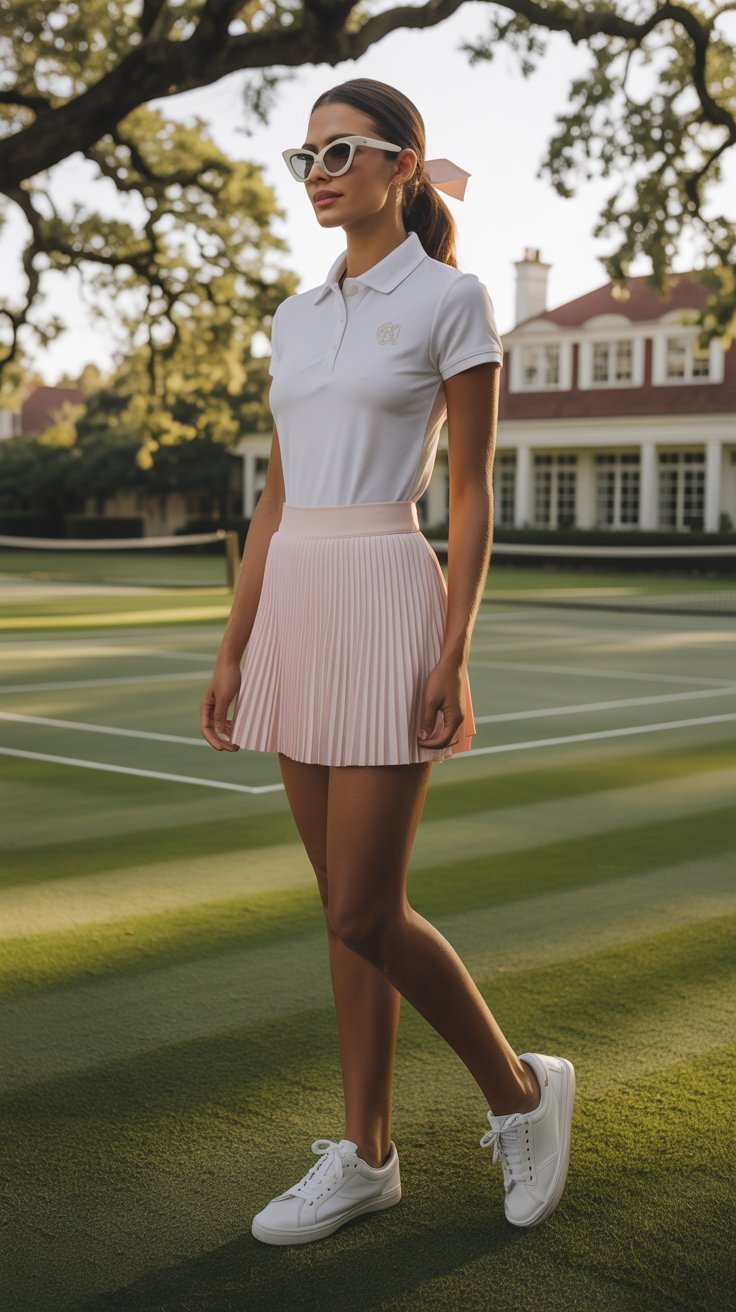
- Swap flashy sneakers for leather tennis shoes or suede loafers.
- Swap a monogram tote for a structured leather bag with minimal hardware.
Color, Texture, and the Art of Understated Layers
Old money style loves texture: tweed next to cashmere, crisp poplin under a chunky knit, suede with flannel.
That combination looks rich without trying.
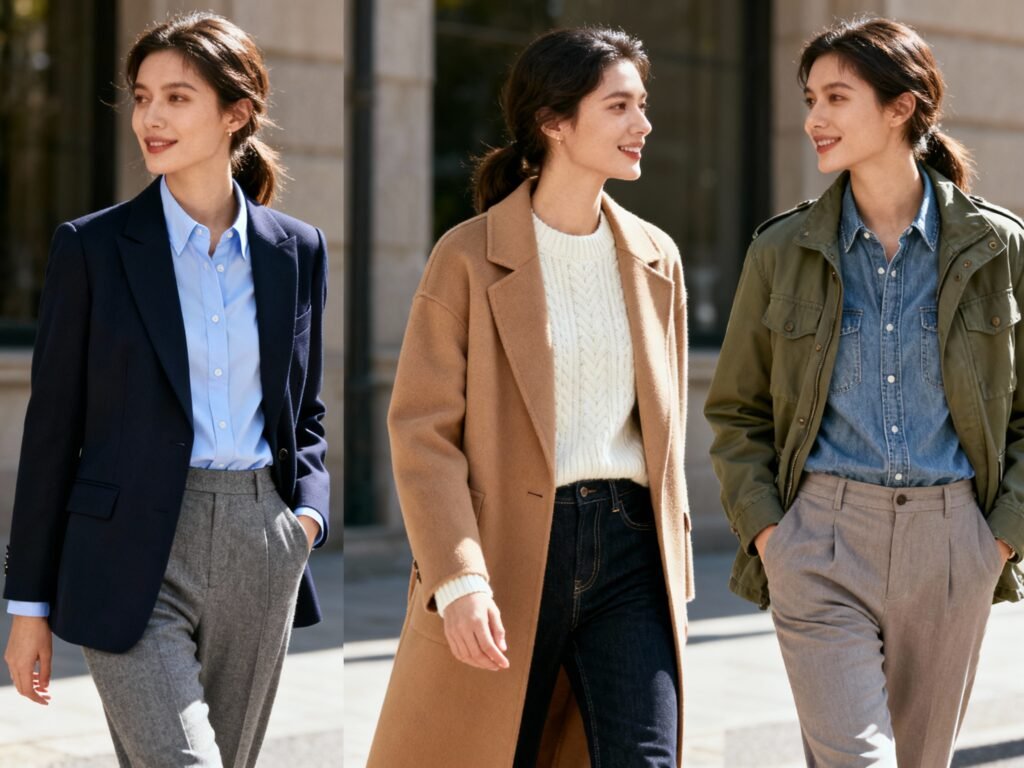
Easy layering formula: shirt + knit + tailored outer layer.
Keep colors tonal for impact:
- Navy blazer + light blue oxford + grey trousers.
- Cream knit + camel coat + dark denim.
- Olive field jacket + chambray shirt + stone chinos.
Seasonal Switch-Ups
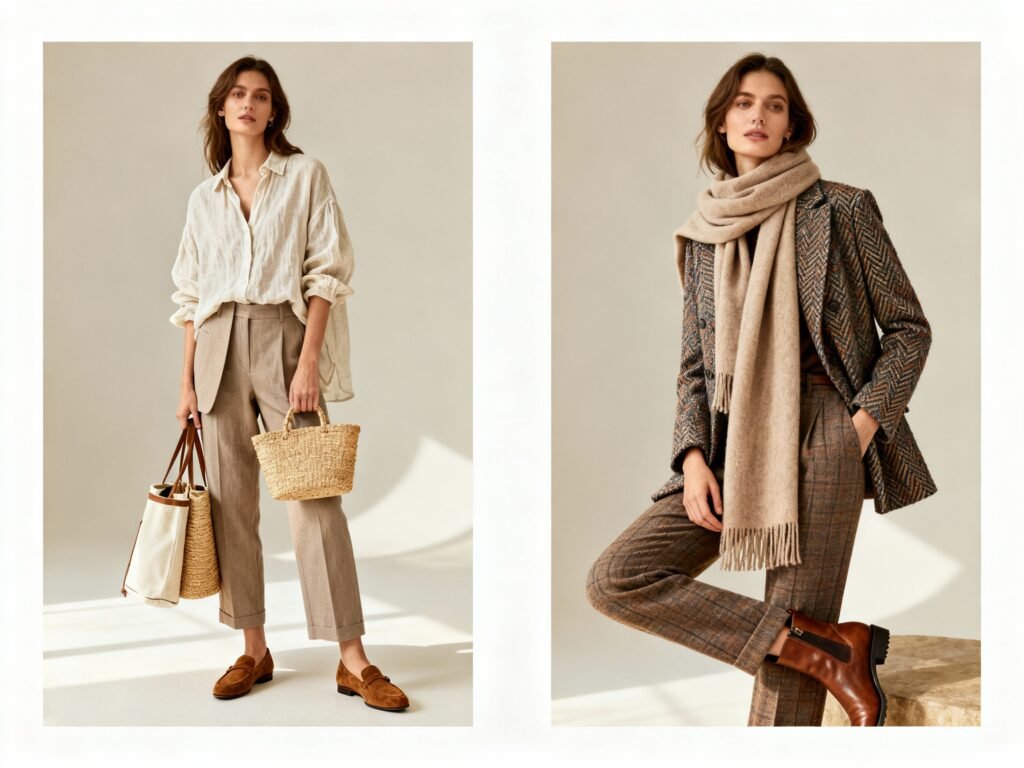
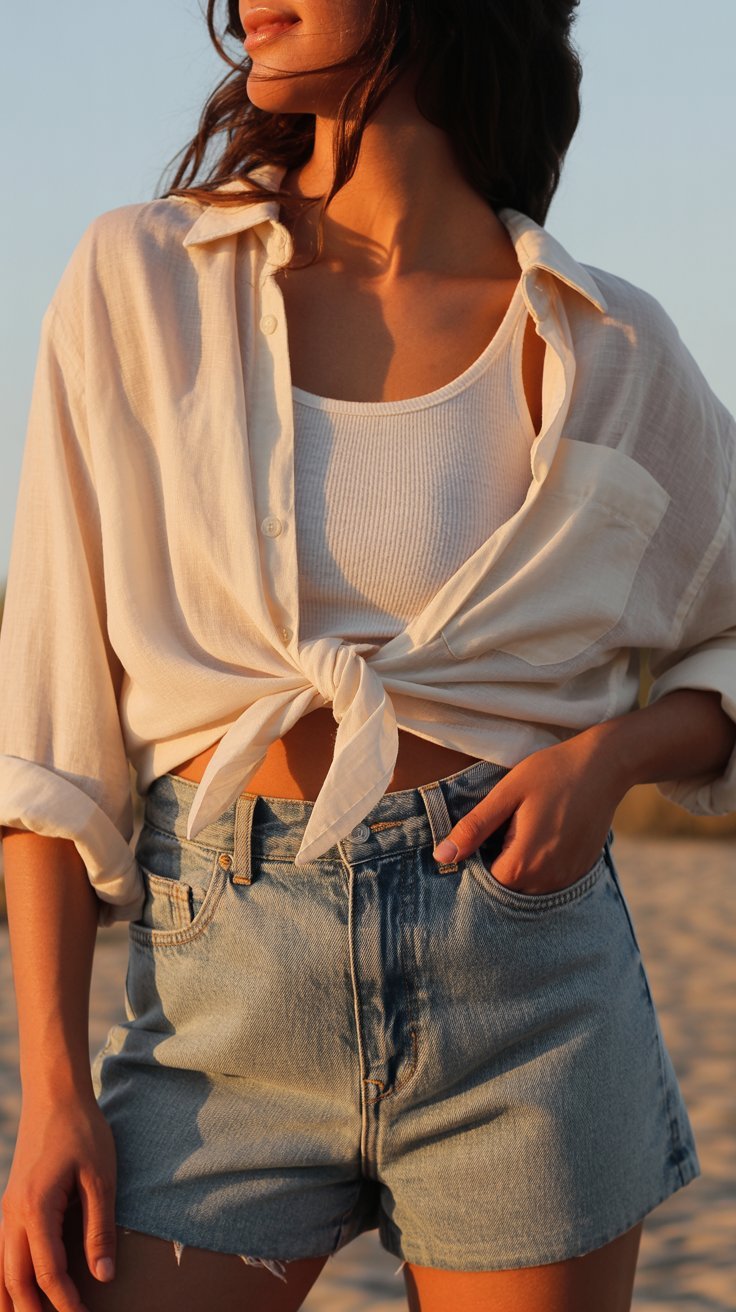
- Spring/Summer: linen shirts, cotton suits, suede loafers, straw or canvas accessories.
- Autumn/Winter: flannel trousers, tweed or herringbone, cashmere scarves, leather boots.
Accessories: The Quiet Power Moves
Accessories should feel personal, not performative. Choose pieces you’ll wear for years.
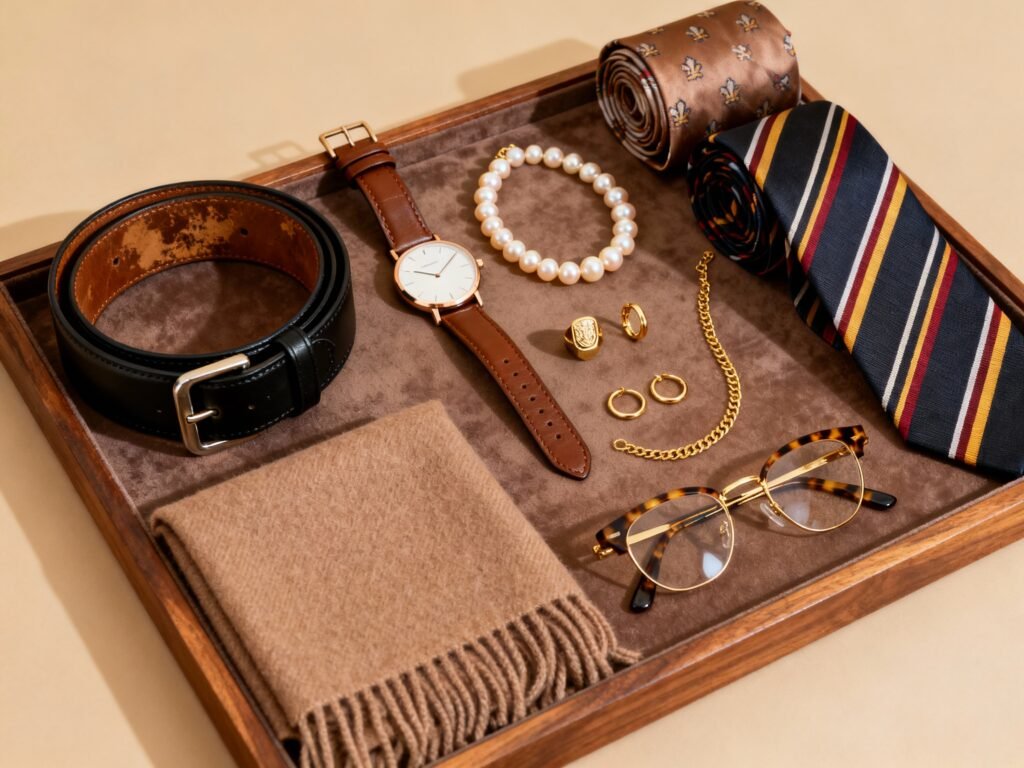
- Watches: slim, simple dials on leather straps.Vintage if you can. Avoid dinner-plate sizes.
- Belts: leather in brown or black with understated buckles. Match to your shoes, mostly.
- Jewelry: pearls, signet rings, small gold hoops, delicate chains.Nothing that could double as a paperweight.
- Scarves and ties: silk in subtle patterns, cashmere in solids. Regimental or club stripes for a nod to tradition.
- Eyewear: tortoiseshell or wire frames. Clean lines win.
Care, Maintenance, and The Patina Flex
You can’t look old money if your clothes look tired in a bad way.
Aim for well-kept, not precious.
- Steam shirts and knits to refresh. Only dry clean wool tailoring a few times a season.
- Use cedar shoe trees, condition leather, and resole good shoes. Yes, cobblers still exist.
- Shave pills off knits.Mend loose buttons. Tailor instead of replacing.
- Store off-season pieces properly: breathable garment bags, folded knits, silica packs.
When “Worn-In” Looks Good
A subtly faded Oxford, soft elbows on a tweed jacket, or a crease on leather loafers? Chef’s kiss.
Holes, stains, or misshapen sweaters? Not that kind of patina. IMO, the line is: character good, chaos bad.
How To Wear It Without Looking Costume-y
You live in the 2020s, not a period drama.
Blend classic with contemporary so you look current, not curated by your great-aunt.
- Pair a navy blazer with a crisp tee and tailored jeans.
- Throw a camel coat over a hoodie and trousers with creases. Keep colors muted.
- Mix heritage fabrics with modern cuts: think cropped straight jeans with a tweed jacket.
- Choose one statement per outfit: bold scarf OR printed skirt OR standout shoes.
- Use tech smartly: AirPods stay in the case during conversations. That’s the real elegance.
Context Is King
Dress for the room.
You can wear loafers and an Oxford to a coffee date. Don’t wear a tie to a barbecue unless you plan to narrate the potato salad like David Attenborough. The vibe: relaxed but considered.
Smart Shopping: Where and How
You don’t need a royalty-sized budget.
You need patience and a keen eye.
- Thrift and vintage: look for natural fabrics, made-in tags, fully canvassed jackets, and sturdy zippers.
- Heritage brands: aim for their core lines, not the trend drops.
- Mid-tier heroes: simple, well-cut basics in wool and cotton beat trendy designer pieces.
- Tailor everything: allocate budget for alterations. Most “meh” pieces become great with a nip and tuck.
- Buy on a plan: make a list, fill gaps, avoid duplicates. FYI, three navy sweaters do not count as variety.
FAQ
Can I dress old money on a budget?
Absolutely.
Focus on solid fabrics, simple cuts, and secondhand finds. Prioritize shoes and outerwear, then build around them. Thrift stores and tailoring will do more for your look than chasing new-season “quiet luxury.”
Do I have to avoid sneakers and denim?
Nope.
Keep sneakers clean and minimal, and choose dark, straight-leg denim with a neat hem. Pair both with quality knitwear or a blazer to keep the polish. It’s about balance, not banning comfort.
What about prints and colors?
Go subtle: stripes, checks, houndstooth, and small-scale florals.
Stick to a restrained palette and let texture do the heavy lifting. If you crave color, work in one rich tone—forest green, burgundy, or royal blue—against neutrals.
How do I spot quality quickly?
Touch the fabric—does it feel dense and smooth? Check seams for straight stitching and pattern matching.
Look for real horn or mother-of-pearl buttons, lined waistbands, and functional sleeve buttons on jackets. Weight often signals quality, IMO.
Can I mix old money style with streetwear?
Yes, with discipline. Pair a tweed jacket with a plain tee and tailored cargos, or loafers with relaxed trousers.
Keep shapes clean and colors muted. One streetwear piece per outfit keeps it modern without losing the plot.
Is jewelry a big part of the look?
Yes, but keep it personal and restrained. Think heirloom energy: a signet ring, a slim watch, small gold hoops, a pendant with meaning.
If it clashes with metal detectors, you’ve gone too far.
Wrapping It Up
Old money style thrives on intention: choose quality, keep it quiet, and wear it like you don’t need to prove anything. Build a tight palette, invest in fit, and let texture carry the outfit. Most of all, relax.
Confidence is the most expensive-looking thing you can wear—and it’s free.