How to Do a Small Room Makeover That Looks Designer (on a Real Budget)
You don’t need a gut reno or a lottery win to transform a tiny room. With a few smart moves and a dash of boldness, your small space can go from “meh” to “whoa, who lives here?!” Let’s make every inch work harder—without sacrificing your personality.
1. Start With A Vision (And Ruthless Edit)
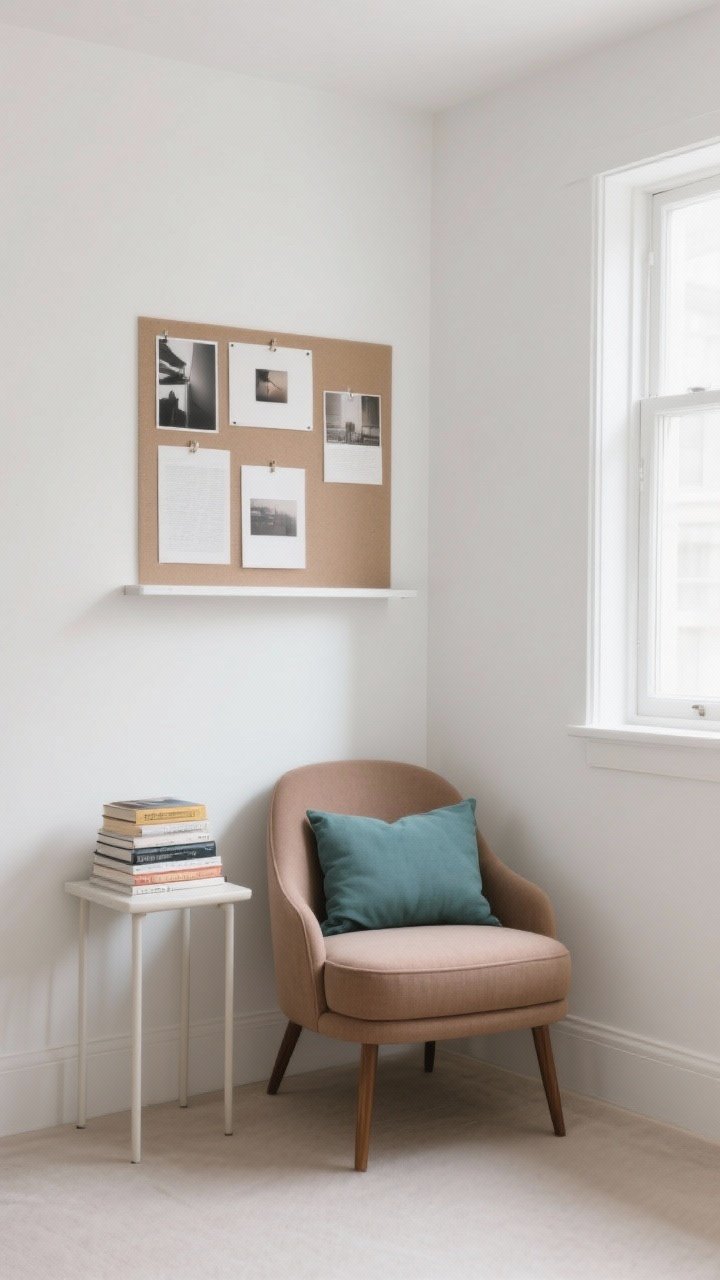
Before buying cute baskets you don’t need (we’ve all done it), get clear on your function and feel. Is this a reading nook, a mini office, a chill den? Pick a vibe—calm and airy, warm and moody, or colorful and playful—and stick to it.
- Declutter like a boss: Keep only what earns its spot. If it’s not beautiful or useful, it’s out.
- Measure everything: Wall widths, ceiling height, window placement. Tiny rooms thrive on precision.
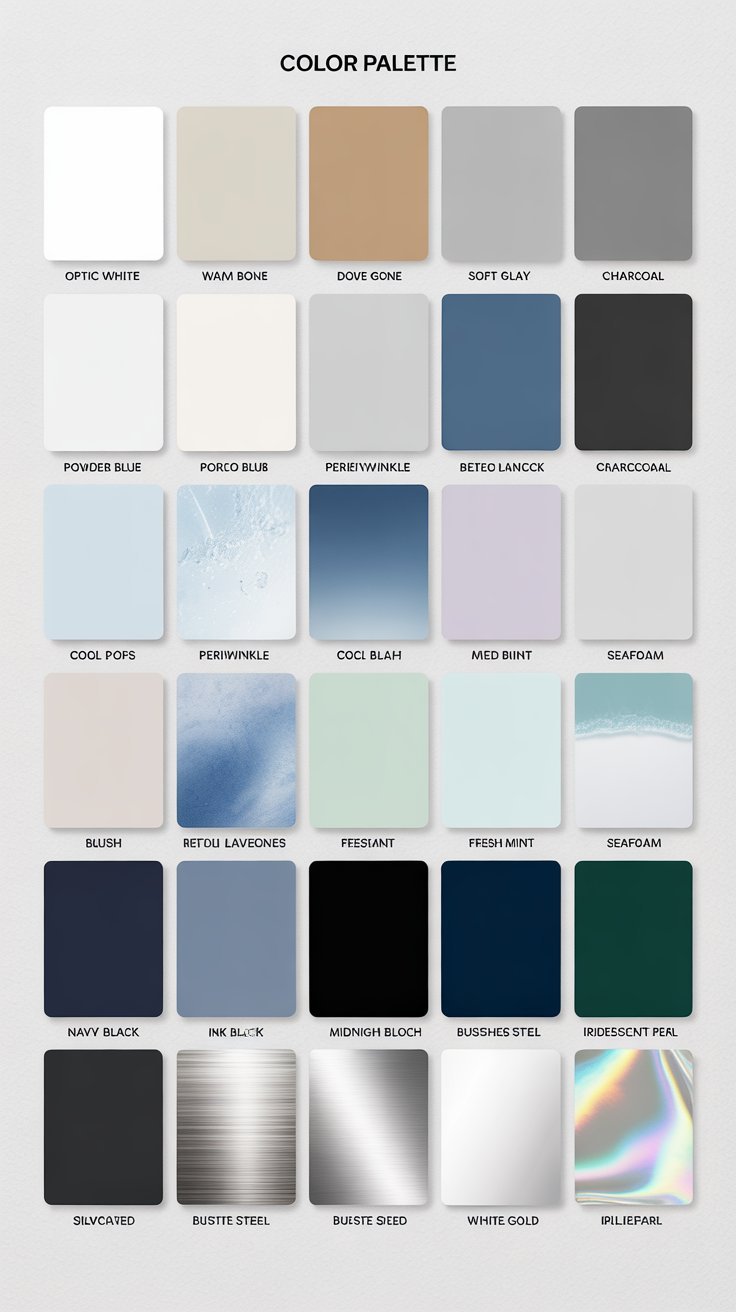
- Create a simple palette: 2-3 main colors + 1 accent. Consistency = bigger-looking space.
FYI, a quick sketch or mood board (Pinterest counts) saves you from impulse buys that don’t fit—literally and stylistically.
2. Nail The Layout: Float, Frame, And Flow
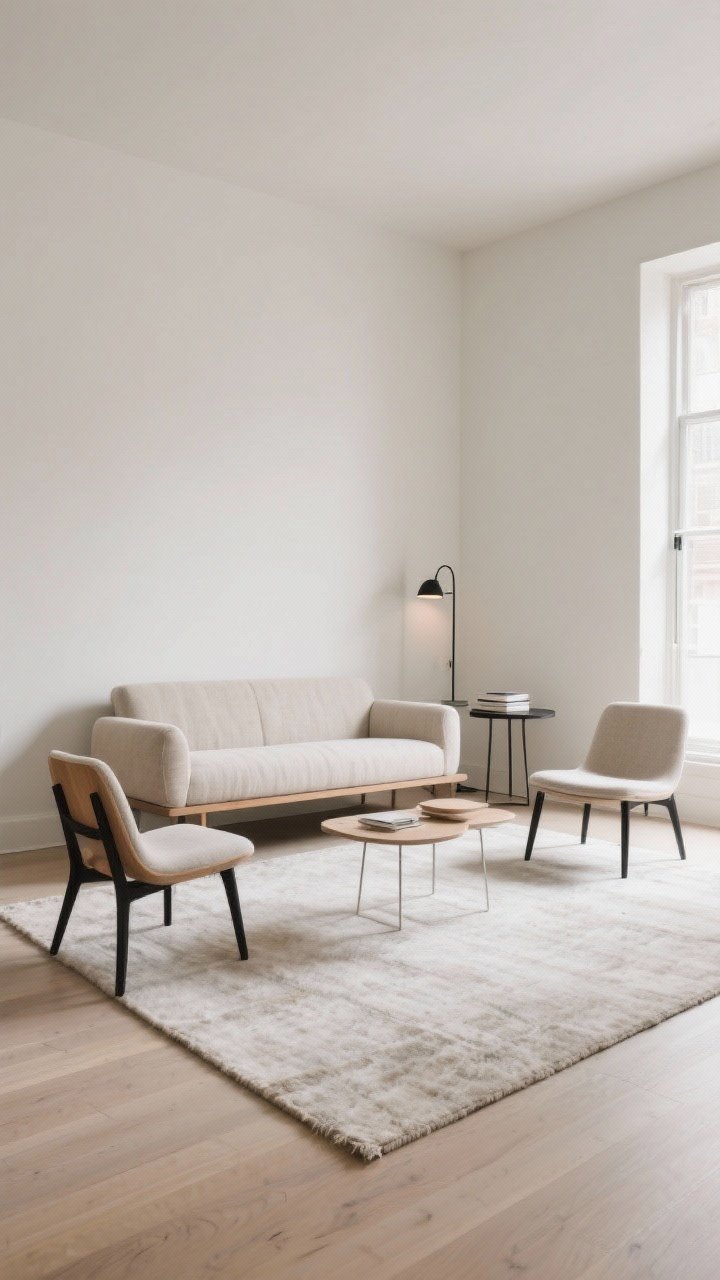
Good layout is your secret weapon. Push everything against the walls? That’s how rooms feel like waiting rooms. Instead, float furniture where it makes sense and let the walls breathe.
- Create zones: A rug defines the sitting area; a sconce and side table create a reading corner.
- Leave pathways: Aim for 24–30 inches of circulation so the room doesn’t feel cramped.
- Use “visual lightness”: Choose pieces with legs (vs. blocky bases) to keep sightlines open.
What to avoid
- Overmatching sets: Mix tones and materials so the room feels curated, not catalog.
- Oversized coffee tables: Try a nesting set or a slim bench for flexibility.
3. Color, Paint, And Pattern: Small Rooms Can Handle Drama
Contrary to myth, small rooms don’t require white everything. They love contrast and intentional depth. Choose your strategy: bright and airy, or cozy and cocooned.
- Light + bright plan: Soft white walls, tone-on-tone textiles, a pop of color in art or pillows.
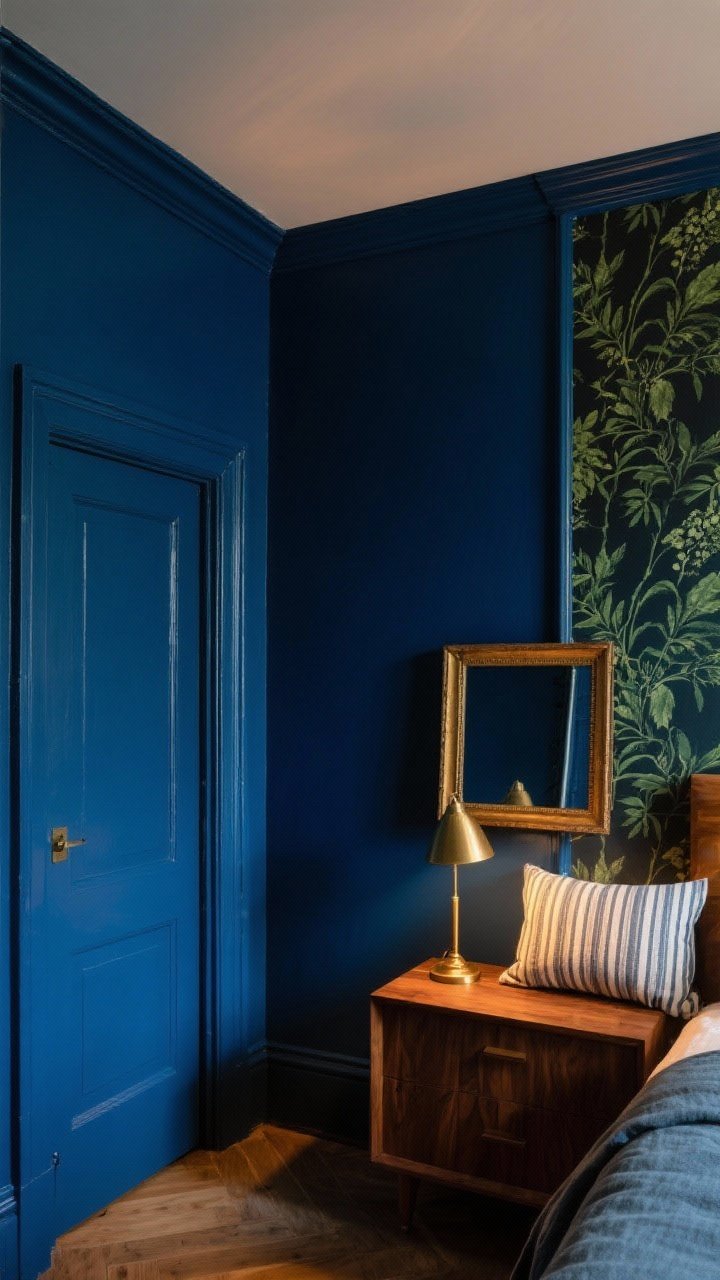
- Moody magic: Saturated walls (think deep olive, charcoal, marine blue) with warm lighting and wood accents.
- One-wall wonder: A painted or wallpapered accent wall can create depth and a focal point.
Pro paint tricks
- Color drench: Walls, trim, and doors in one shade = seamless, expansive look.
- Ceiling love: Paint the ceiling the wall color (or a shade lighter) to blur edges and visually raise it.
- Stripes or vertical elements: They elongate walls. Subtle = classy; bold = high fashion, IMO.
4. Furniture That Multitasks (Because Space Is Premium)
Every piece should work overtime. If it doesn’t, it’s not invited. Look for items with storage, flexibility, or slim profiles.
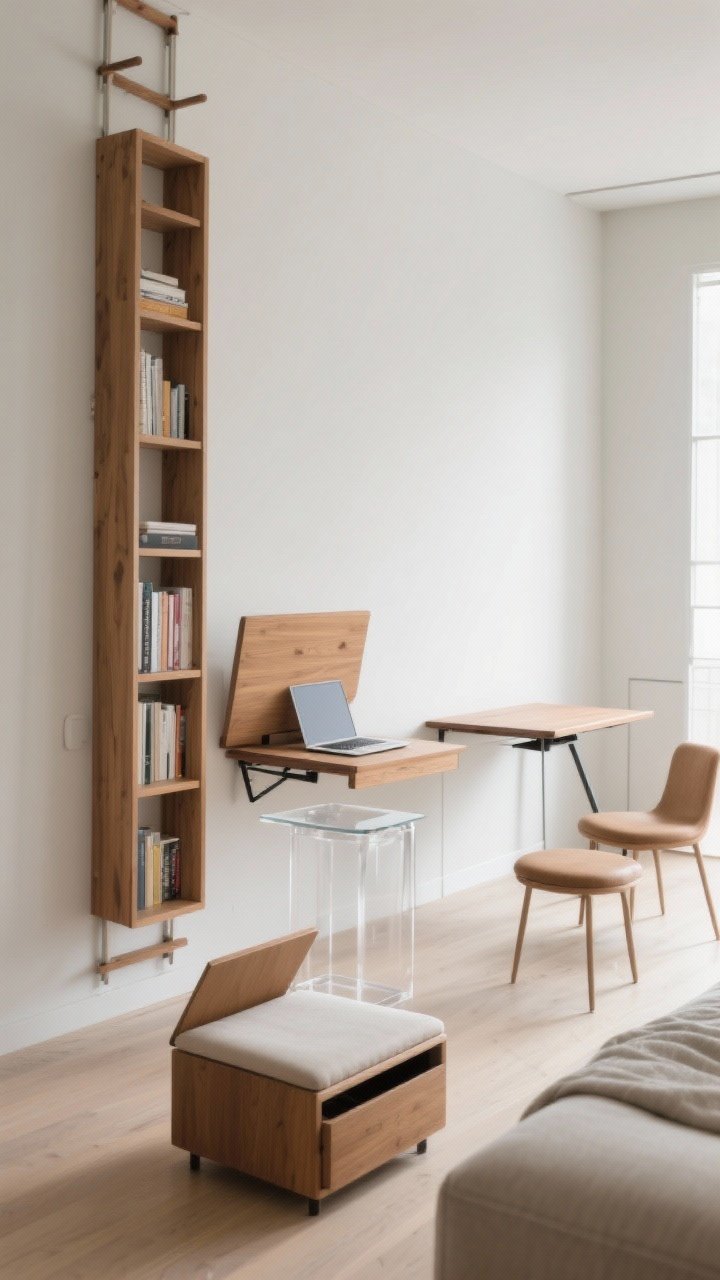
- Go vertical: Tall bookcases, wall-mounted shelves, and ladder units draw the eye up.
- Hidden storage: Ottomans with lids, beds with drawers, benches that stash blankets.
- Transformers: Drop-leaf tables, nesting stools, and extendable consoles adapt to your life.
- Glass or acrylic: Visually light coffee tables or side tables keep things airy.
Smart swaps
- Side tables vs nightstands: Slimmer footprint, same function.
- Wall desks: A fold-down desk turns a corner into a legit office.
- Chair math: Two petite chairs might beat one oversized sofa for flexibility and flow.
5. Light Like A Stylist: Layers, Levels, And Glow
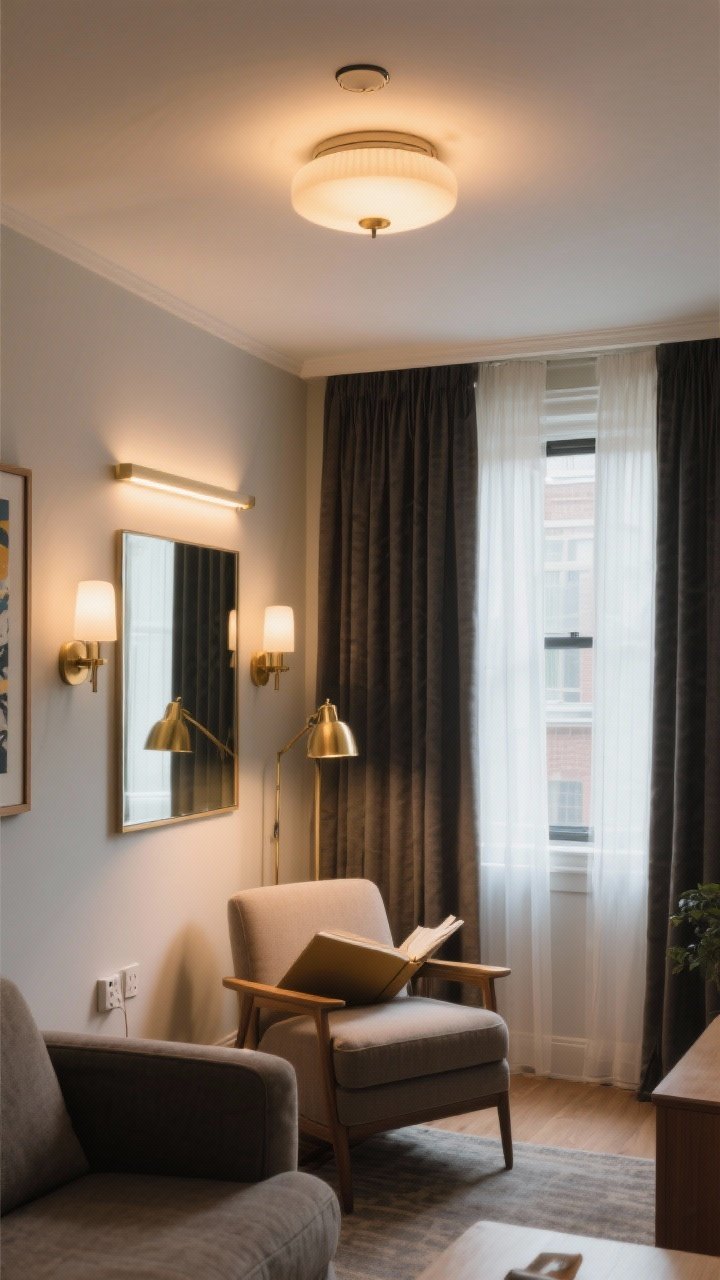
Lighting makes a tiny room feel intentional and luxe. Overhead light alone? Harsh. You want layers at different heights to balance shadows and set a mood.
- Overhead: Flush mount or semi-flush + dimmer. Dimmers are non-negotiable.
- Task: Lamps for reading, desk lights for work, under-cabinet LEDs for shelves.
- Ambient: Wall sconces, plug-in picture lights, or LED strips behind mirrors for a soft wash.
- Reflective magic: Mirrors opposite windows amplify light and visually double the space.
Window wisdom
- Mount curtains high and wide: Hang rods near the ceiling and extend past the frame to make windows look bigger.
- Sheers by day, blackout by night: Layer for flexibility and better sleep in multi-use rooms.
6. Style The Surfaces: Texture, Art, And Personality
This is where your room gets its “you” factor. In small spaces, you want fewer accessories, but make them larger and bolder so it doesn’t read cluttered.
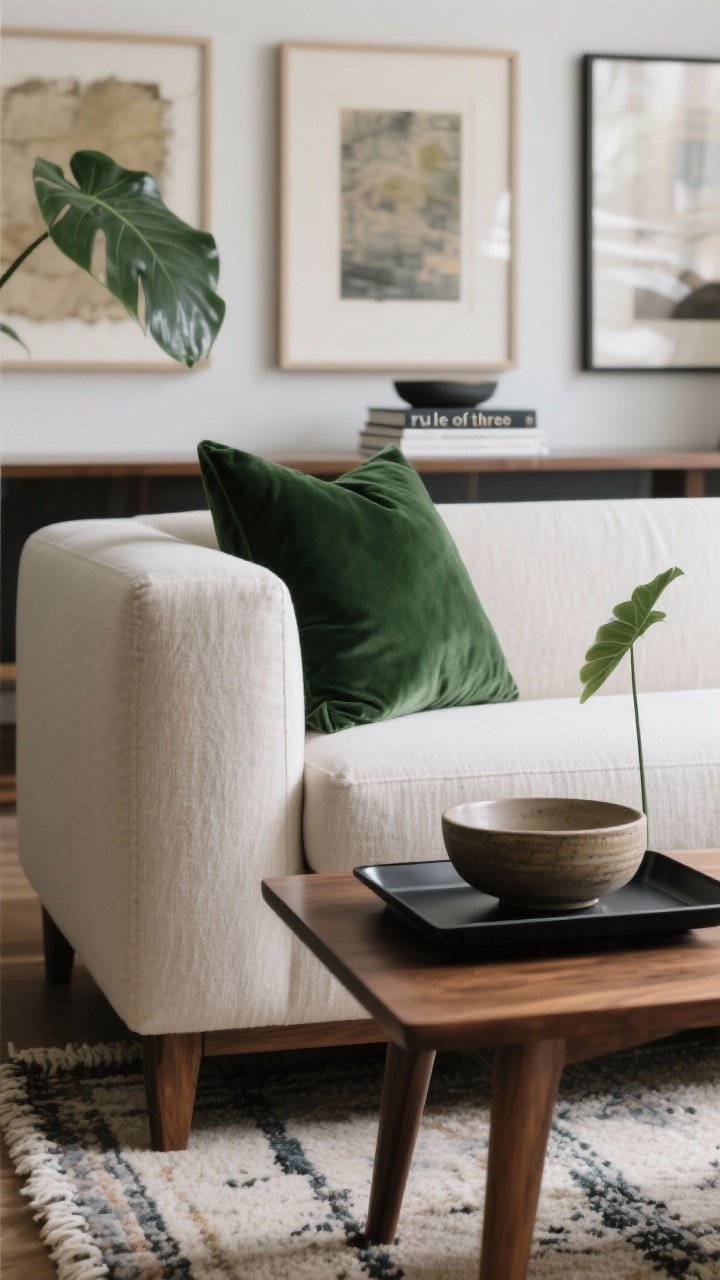
- Layer textures: Linen + velvet + wood + metal = rich and balanced. Mix matte and gloss.
- Scale up art: One big piece or a tight gallery beats a dozen tiny frames scattered everywhere.
- Rugs that fit: Front legs of furniture on the rug to anchor the zone. Too-small rugs shrink rooms.
- Greenery: One tall plant or a trio of small ones adds life. Fake is fine if it looks real, FYI.
Curation tips
- Rule of three: Style shelves in groups of three with varied heights and textures.
- Books as decor: Stack horizontally, add a bowl or object on top, call it done.
- Personal moments: Travel photos, heirlooms, or a framed note—small rooms love meaningful details.
7. Quick Wins That Make A Big Difference (Weekend-Friendly)
Don’t want a full redesign? These upgrades are fast, affordable, and change everything.
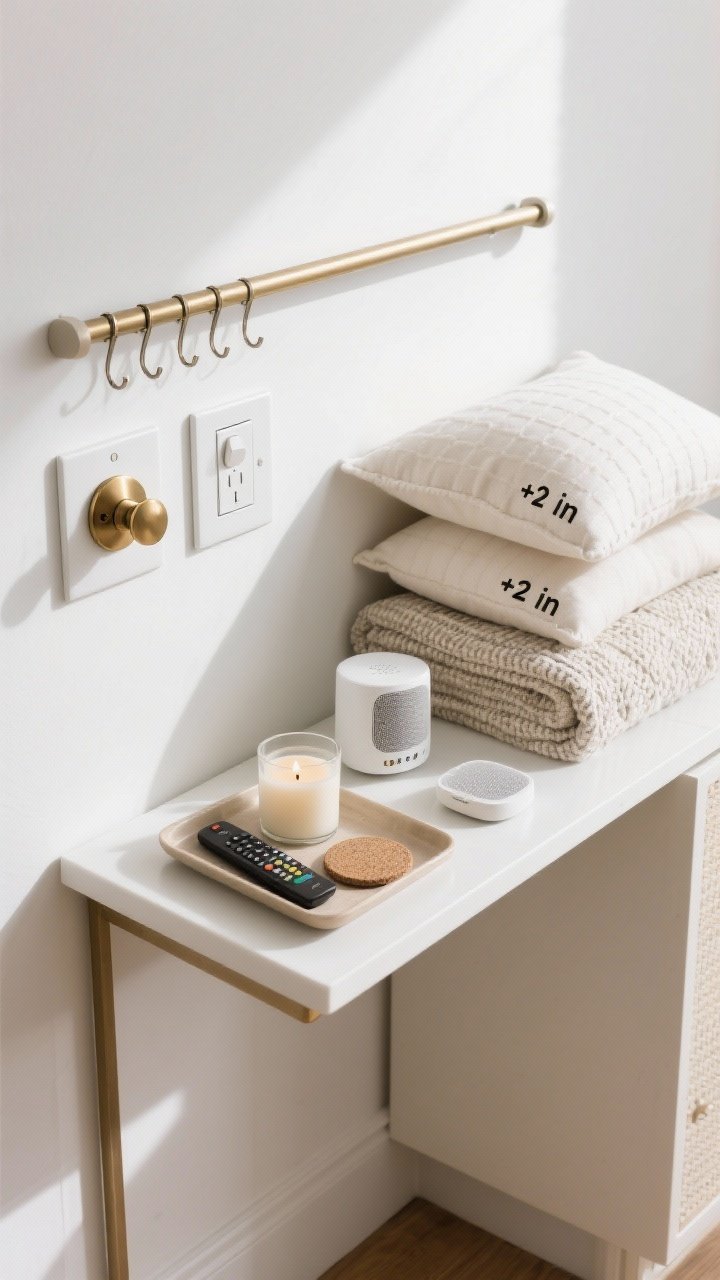
- Swap hardware: Knobs, pulls, and hooks are the earrings of your room—instant polish.
- Upgrade switch plates and outlets: Clean, modern plates make walls look crisp.
- Elevate textiles: Matching pillow covers, a throw with texture, and properly sized inserts (go 2” bigger) = luxe.
- Command hooks and rails: Create vertical storage for bags, hats, or kitchen tools without drilling.
- Style a tray: Corrals remotes, candles, and coasters so surfaces look intentional, not chaotic.
- Scent and sound: A candle or diffuser and a mini speaker set the vibe—design isn’t just visual.
Budget checklist
- Paint: Highest impact per dollar, always.
- Lighting: Second best—one great lamp changes the whole mood.
- Textiles: New rug or curtains = instant refresh.
There you go: a small room makeover that feels stylish, functional, and totally you. Start with the edit, pick a palette, then layer in flexible furniture and lighting. Keep it intentional, keep it personal, and remember—the best rooms happen when you commit to the vision. You’ve got this.