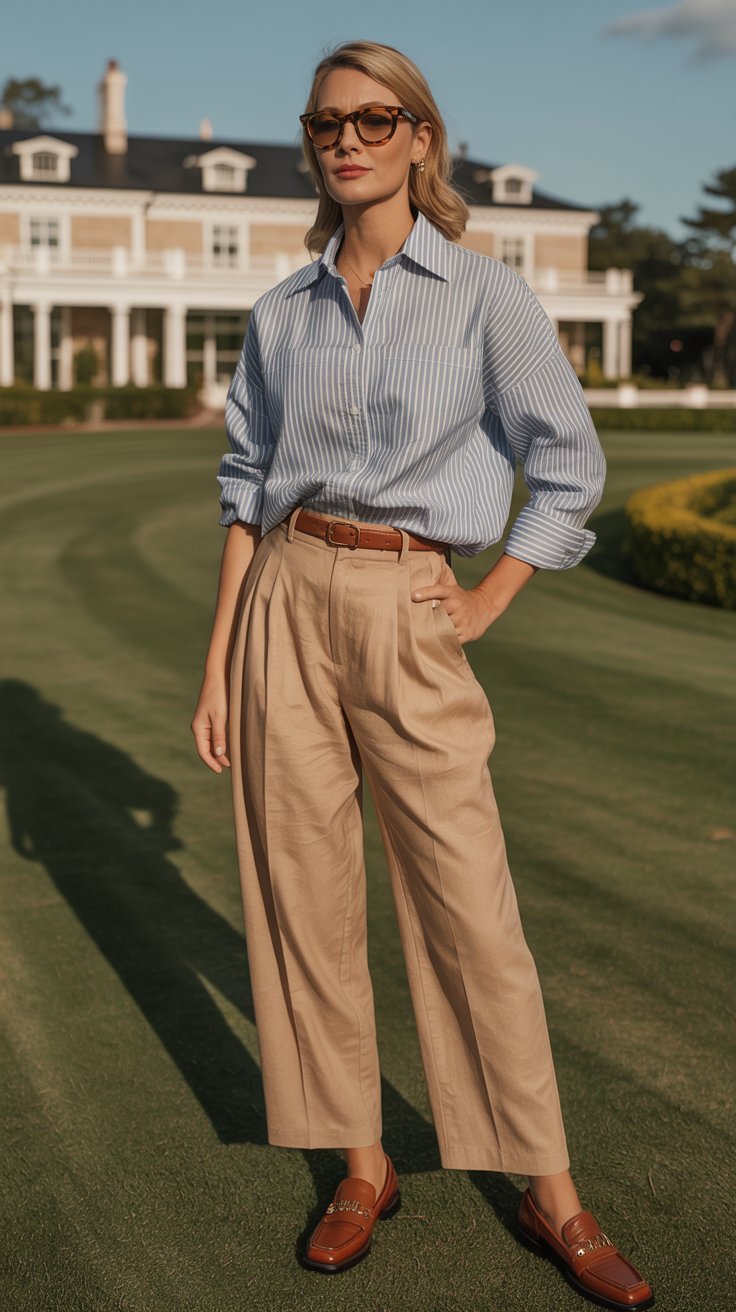



You don’t need a trust fund or a stylist to look expensive. You need strategy, a steamer, and a little attitude. The trick?
Build an outfit from simple, well-chosen pieces, then layer in details that scream “I have standards.” Ready to skip the designer price tag and still turn heads? Let’s go.
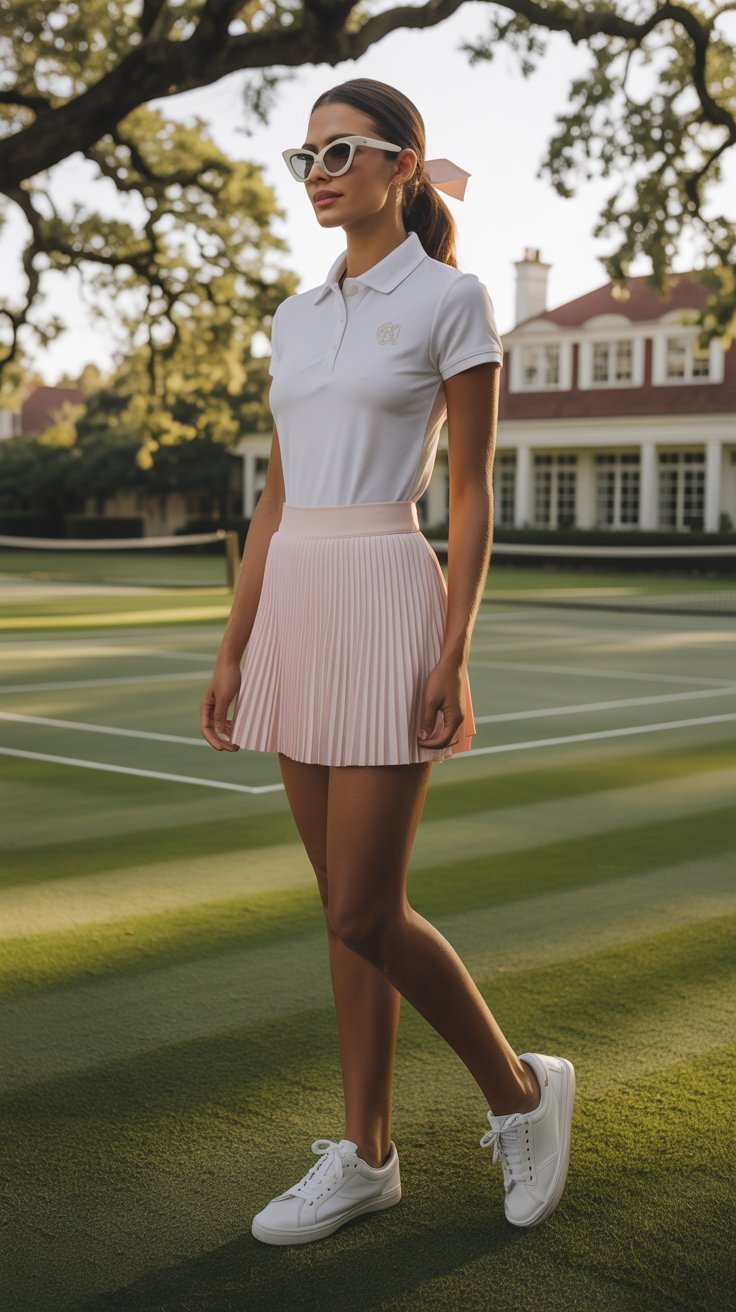
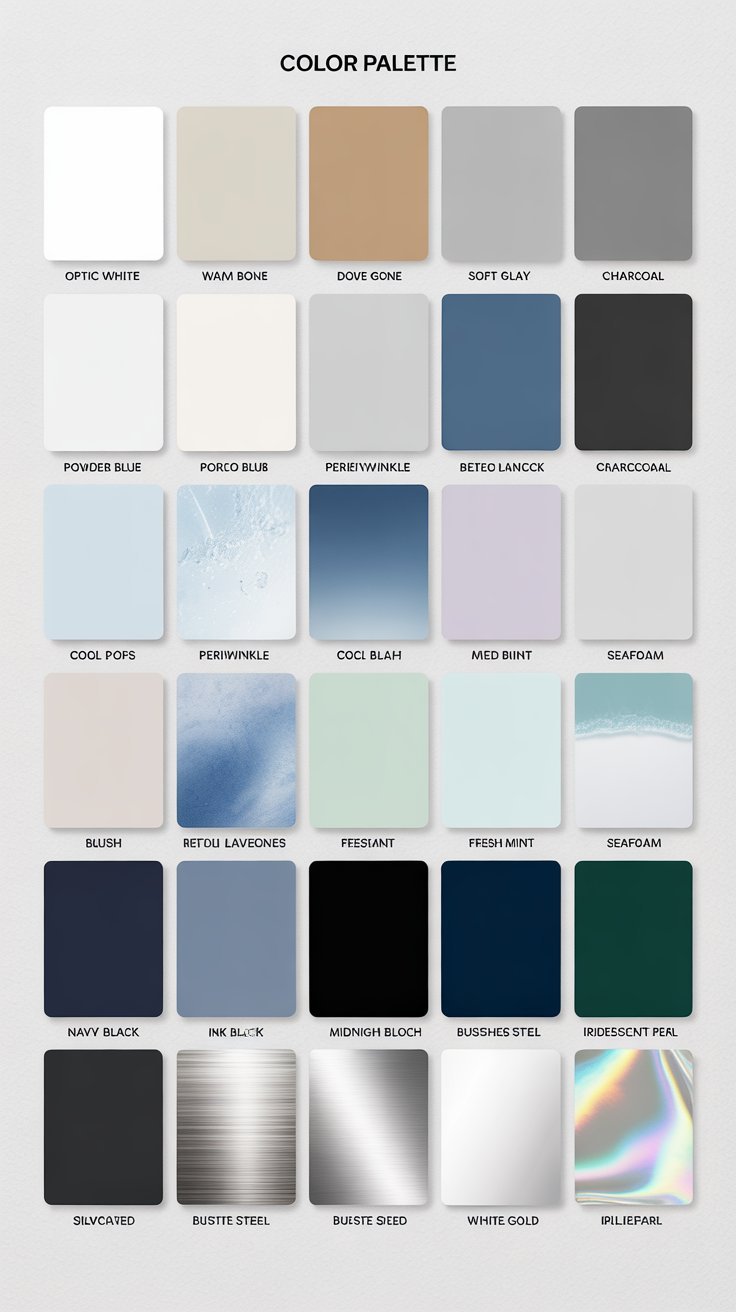
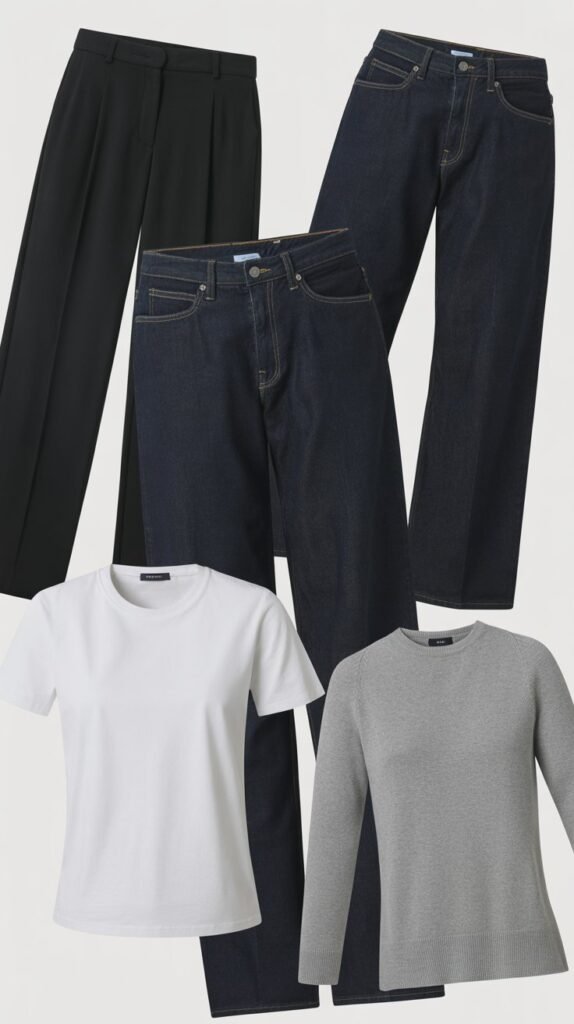
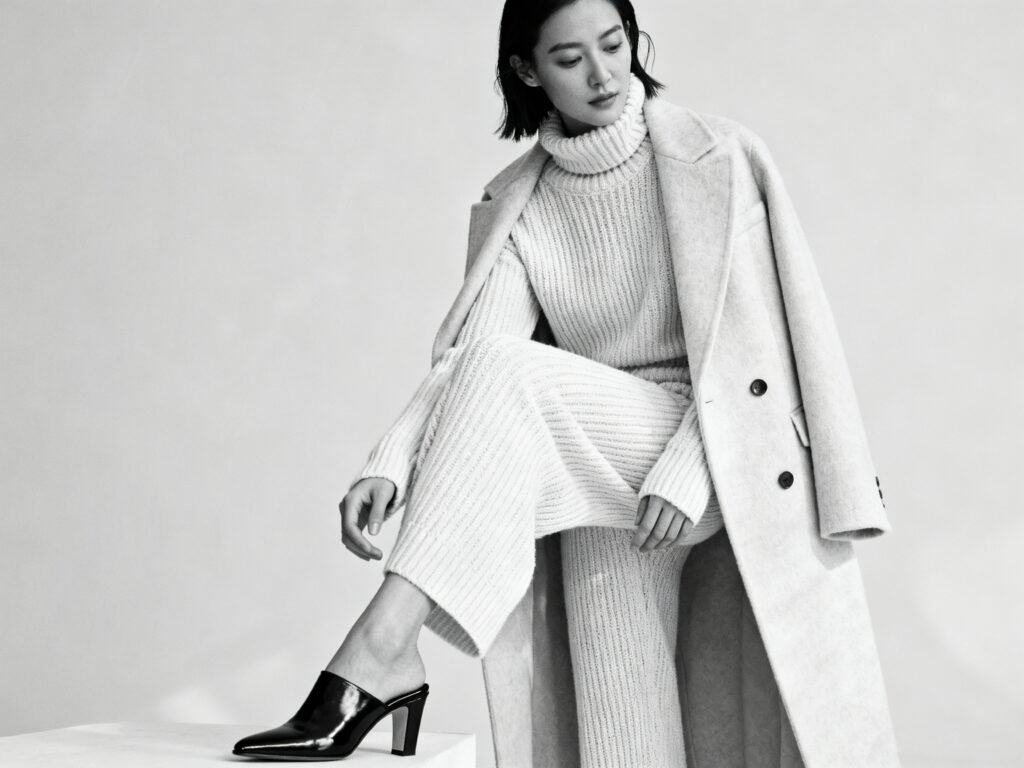
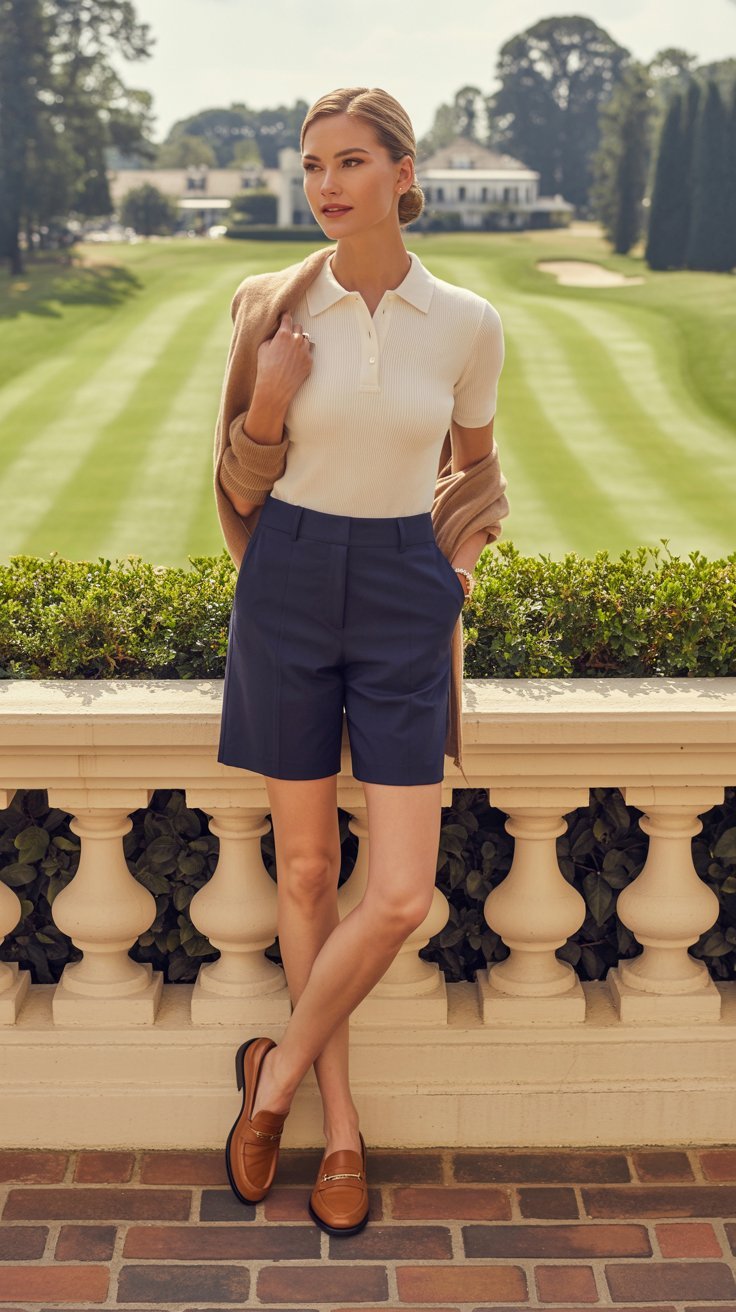
Neutrals do the heavy lifting when you want polish without fuss. Think black, white, navy, cream, camel, olive.
They mix easily and look intentional with minimal effort. Pick one hero piece to anchor the look:
Why neutrals? They hide budget fabrics better than bright colors and keep the outfit cohesive.
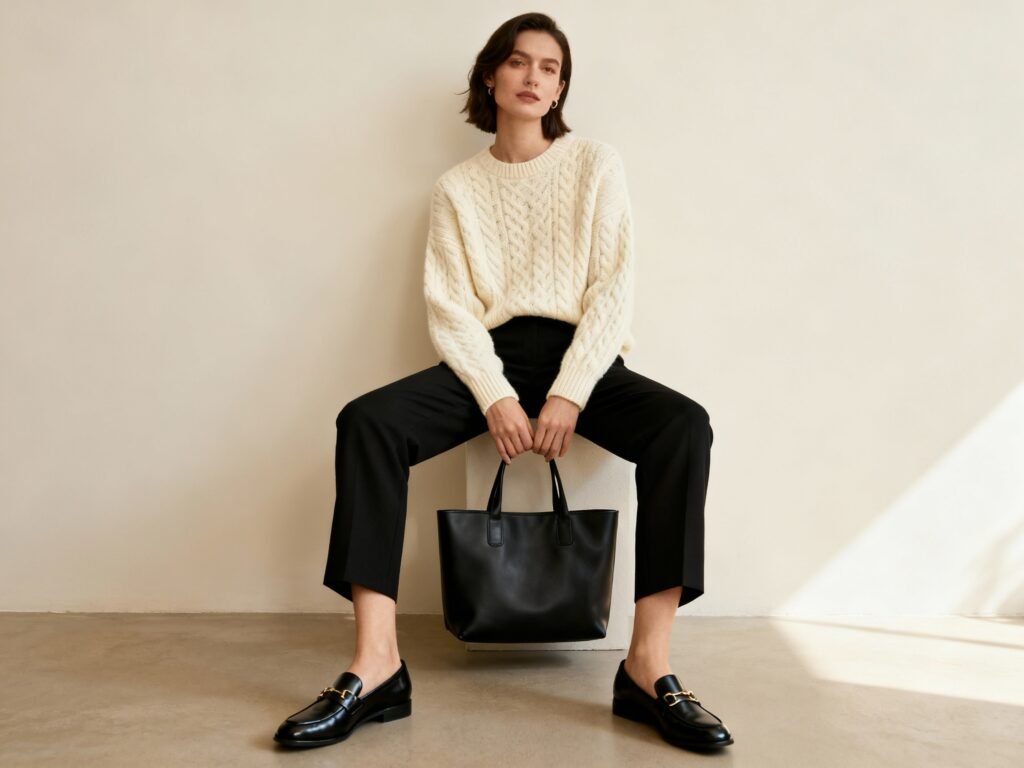
IMO, a cream sweater and black trousers do more for your vibe than any flashy print ever will.
Expensive-looking outfits live and die by fit. You can’t fake it. If you do one thing, tailor your basics:
FYI: A $30 tee that fits perfectly beats a $300 one that doesn’t.
The secret sauce? Fabric weight and texture.
Heavier fabrics hang better, wrinkle less, and look richer.
A subtle sheen reads sophisticated.
High shine reads nightclub. Choose:
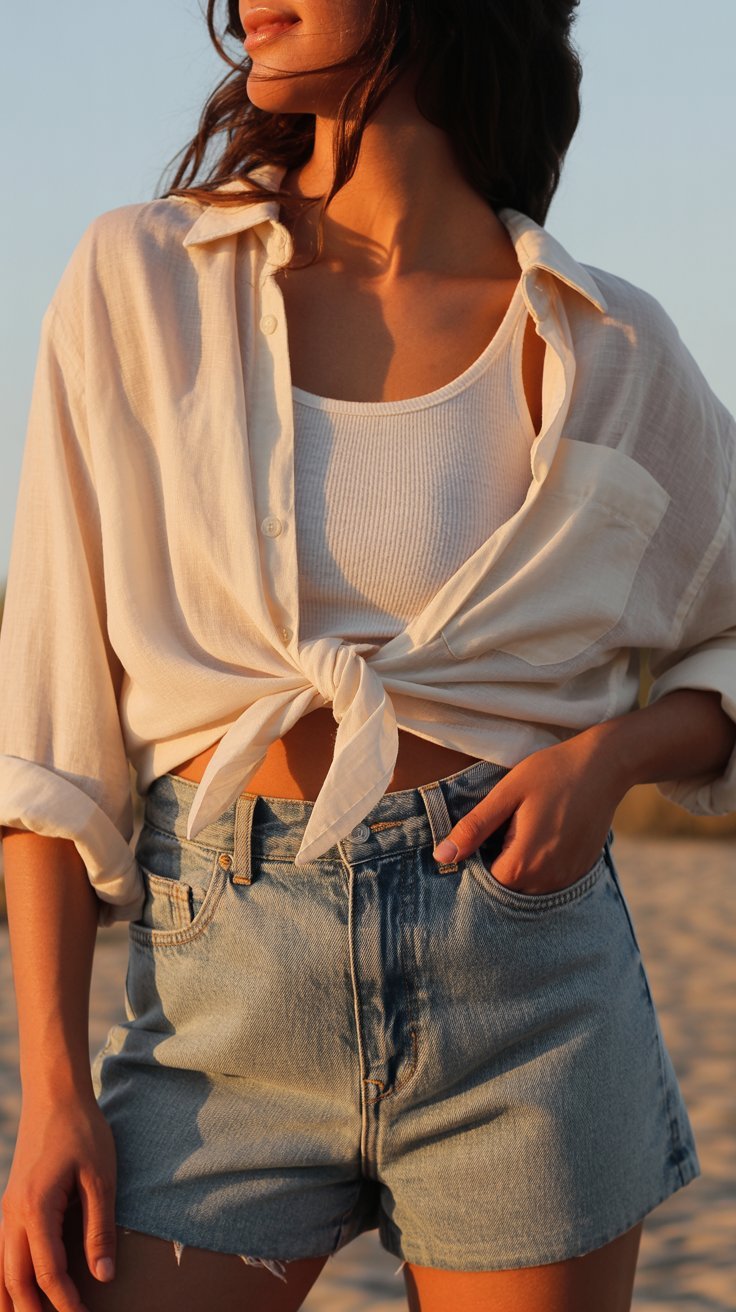
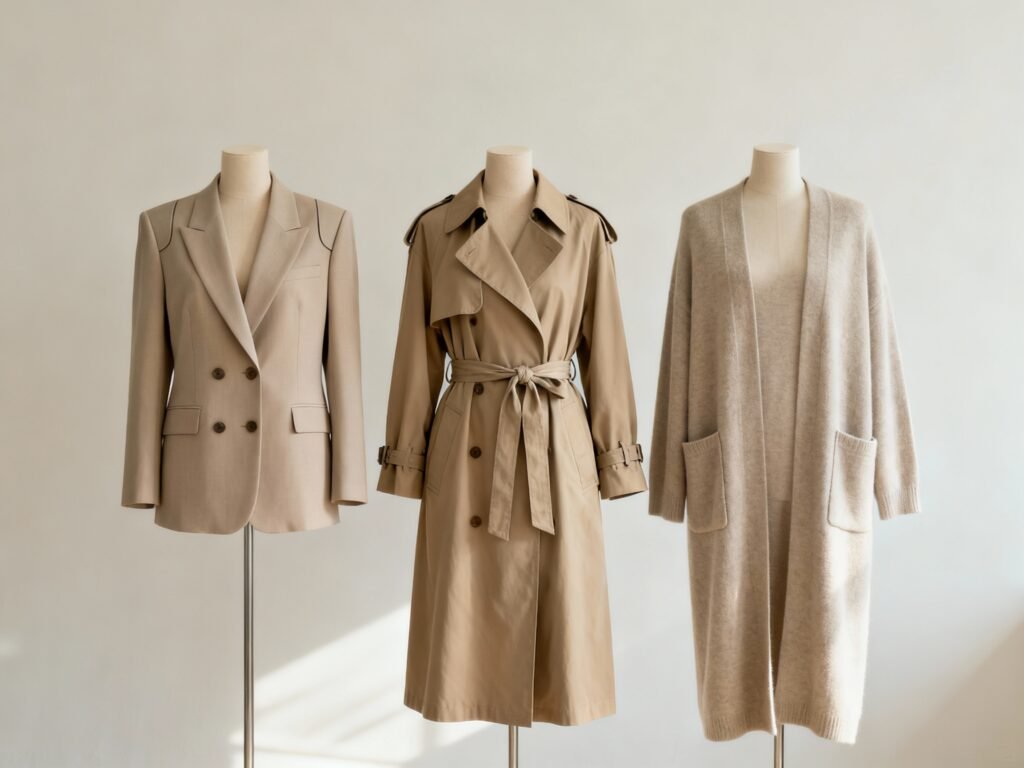
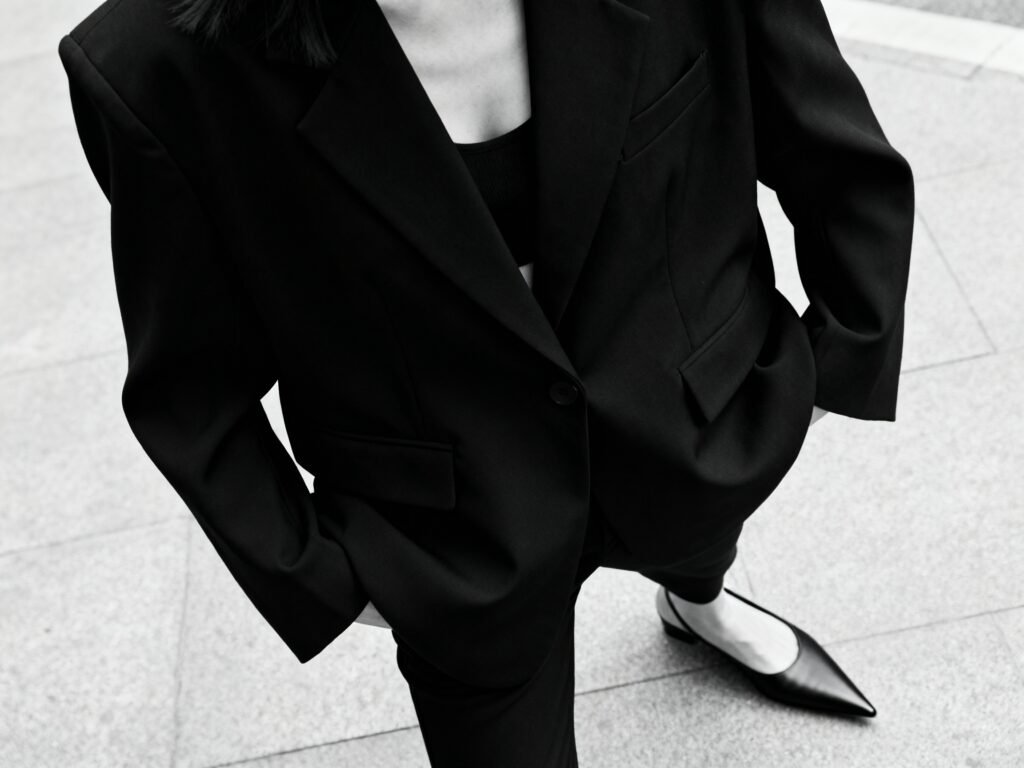
Layering makes basics look intentional. Start simple, then add one or two structural pieces:
You don’t need all three every time, but the combination adds depth, which reads “expensive.” A crisp white shirt under a crewneck sweater?
Old money energy, no trust fund required.
That extra layer transforms an outfit:
One good outer layer can make your $10 tee look like $100. No joke.
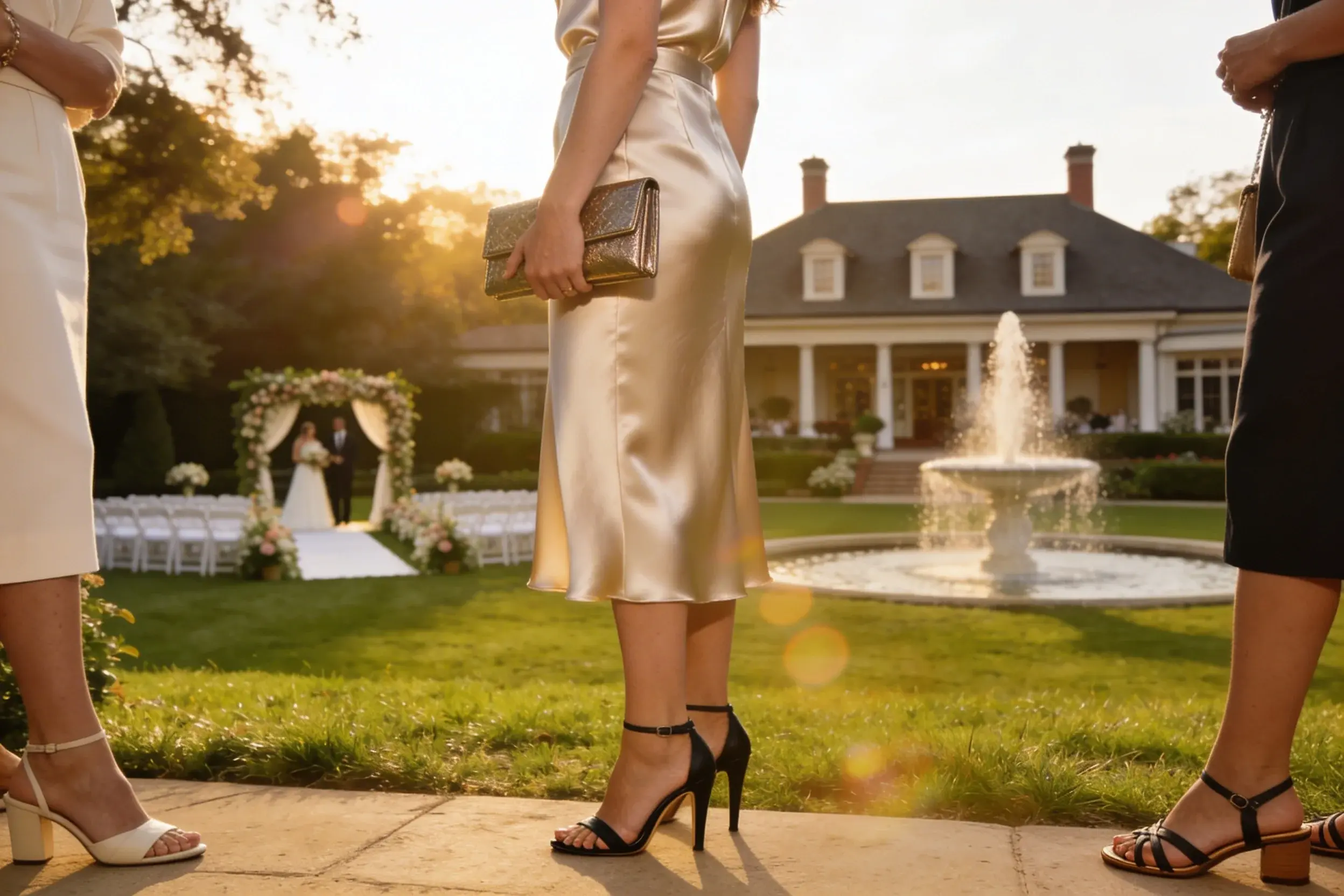
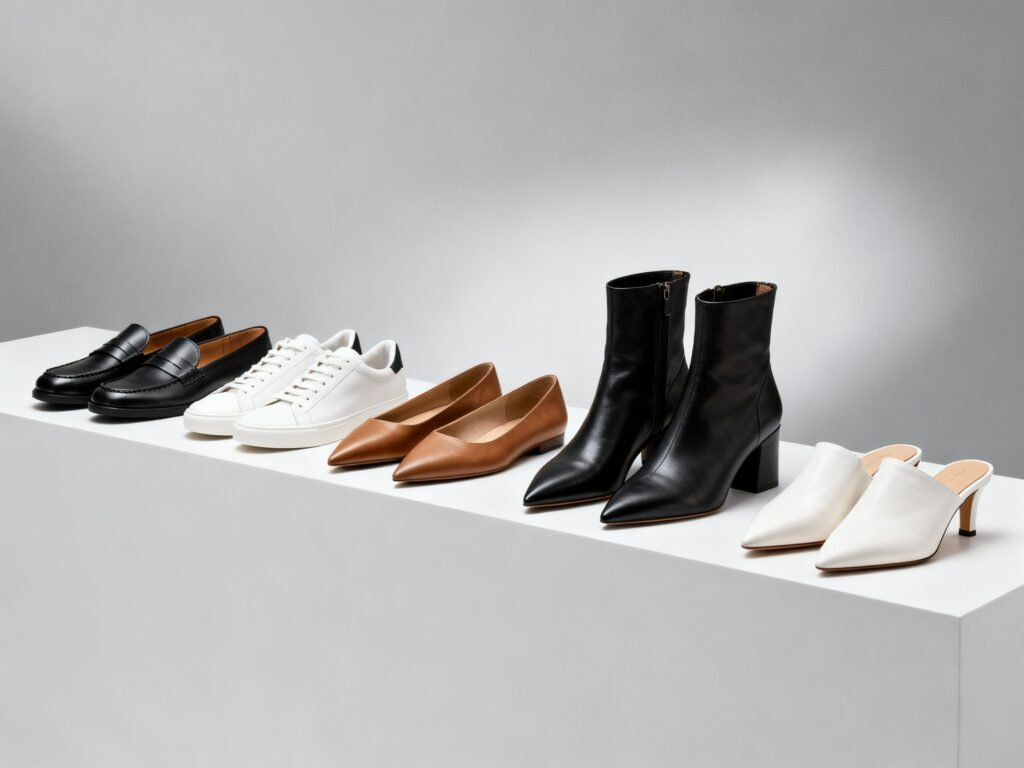
If you splurge anywhere, make it shoes and bags. People notice them first.
Keep it sleek, keep it simple.
Shoes that elevate:
Bags that look luxe:
Pro tip: Match your leather tones when possible—belt, shoes, and bag. It reads as deliberate and polished.
You can’t look expensive if your shoes look tired. Quick fixes:
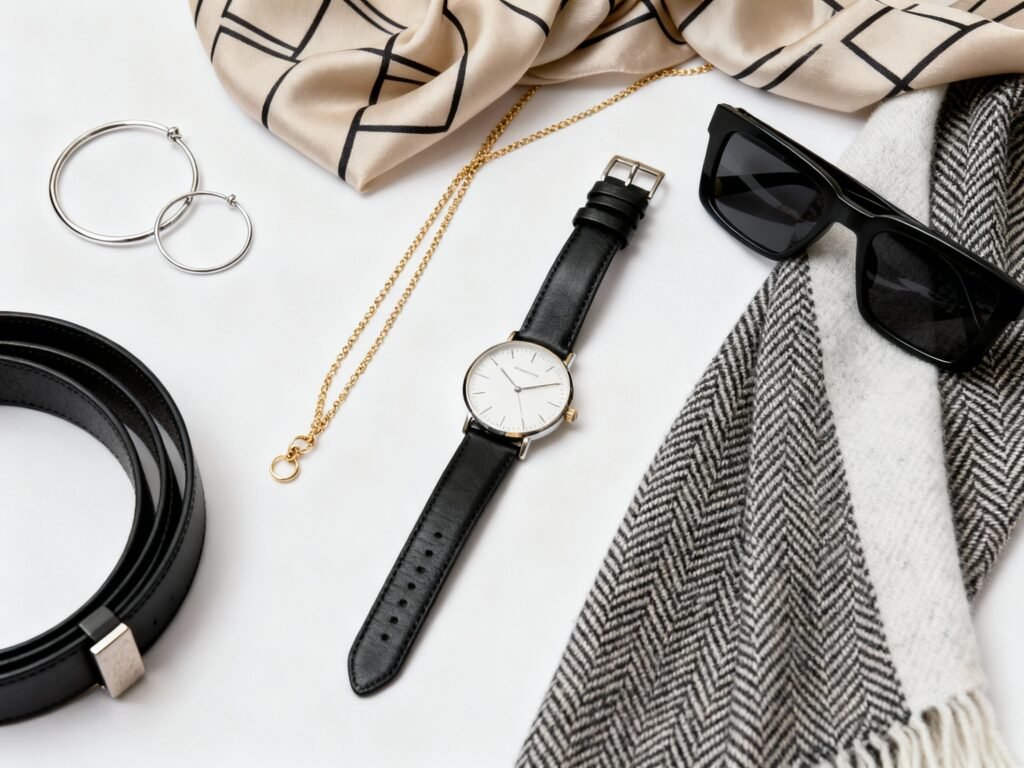
Accessories should whisper, not yell.
Go for a few strong pieces instead of a pile of stuff.
Pick one metal and commit within an outfit. All gold or all silver looks cohesive. Mixing metals can work, but mismatched hardware on belt, bag, and jewelry can cheapen the look fast.
IMO, consistency wins 95% of the time.
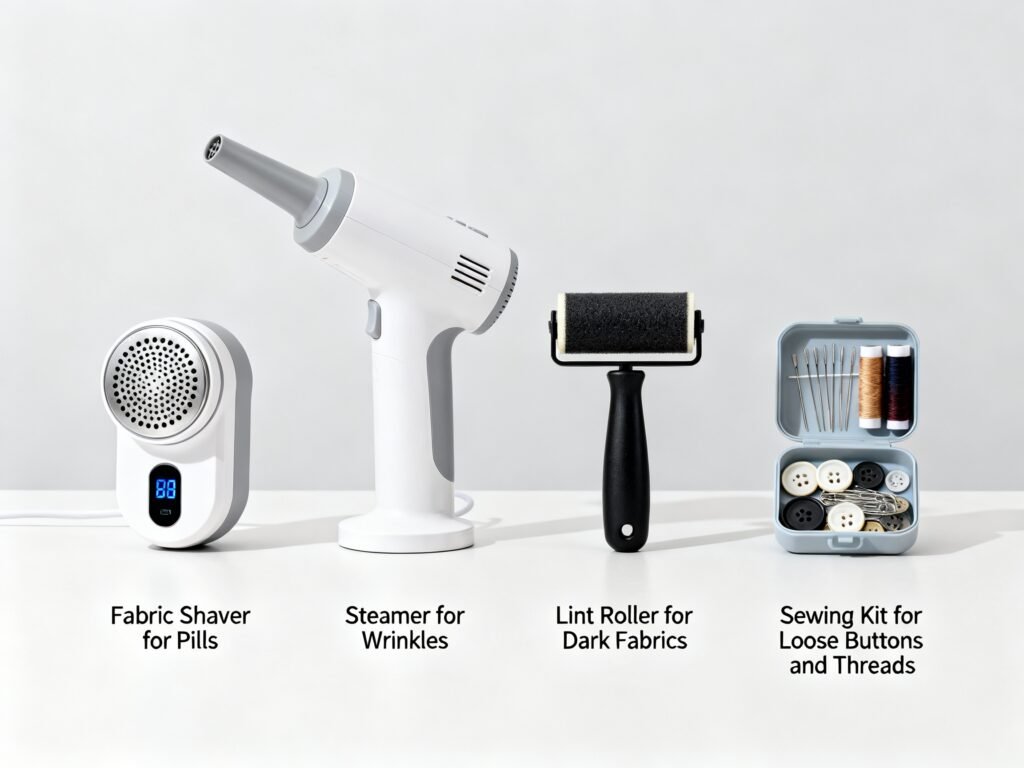
Clothes look expensive when you treat them well. You don’t need a stylist—just a few tools and ten minutes. Your maintenance kit:
Laundry rules that matter:
Wrinkles and fuzz make even pricey items look sad. A crisp hem and a smooth sweater make budget pieces read premium.
You can absolutely use color and print—just do it strategically.
Let neutrals dominate, then add one point of interest.
Smart ways to introduce color:
Prints that feel refined:
One focal point per outfit keeps things elevated. More than that, and you veer into chaos. Fun?
Sure. Expensive? Not usually.
When in doubt, lean on proven combos.
They’re simple, chic, and unfussy.
Wear one color head to toe in slightly different shades. It elongates your silhouette and looks thoughtful. Add texture—knit, leather, wool—to keep it from feeling flat.
Steam it, swap out shiny buttons for matte ones, and tailor the waist and sleeves.
Roll or push the sleeves to soften the look. Pair it with a simple tee and structured pants, not flimsy layers that highlight the blazer’s budget fabric.
Absolutely. Choose low-profile styles in leather or clean canvas.
Keep them spotless and pair them with tailored trousers or a trench for contrast. Chunky, logo-heavy sneakers can work, but simple styles read richer.
Neutrals like black, cream, navy, taupe, camel, and charcoal always win. Deep jewel tones—emerald, burgundy, sapphire—also feel luxe, especially in satin or knit textures.
The trick is low contrast and clean lines.
Nope. Focus on structure, proportion, and finish. A well-made, unbranded leather tote looks pricier than a floppy bag with huge logos.
Care and maintenance matter more than the label.
Throw on a blazer or trench, add a structured bag, and swap casual shoes for loafers or ankle boots. Pop on simple jewelry and smooth your hair. A lint roll and a quick steam beat any last-minute outfit change.
Clutter.
Too many colors, too many trends, or sloppy fit. Keep silhouettes clean, stick to two or three colors max, and make sure every piece sits where it should. FYI, visible wear—pills, loose threads, scuffed shoes—undercuts everything.
Looking expensive isn’t about money—it’s about decisions.
Choose solid basics, nail the fit, keep the palette tight, and add one or two elevated touches. Maintain everything like you care, because you do. The result?
Simple pieces, premium energy, and compliments you didn’t have to finance.