
You can spot quiet luxury from across the room without reading a single label. It whispers instead of shouts. It looks expensive because it fits like a secret tailored just for you.
Want that vibe without a trust fund? Start with fit—because fit changes everything.
It signals intention, which is basically the currency of quiet luxury. When a blazer hugs your shoulders and the sleeve hits the wrist bone? Chef’s kiss.
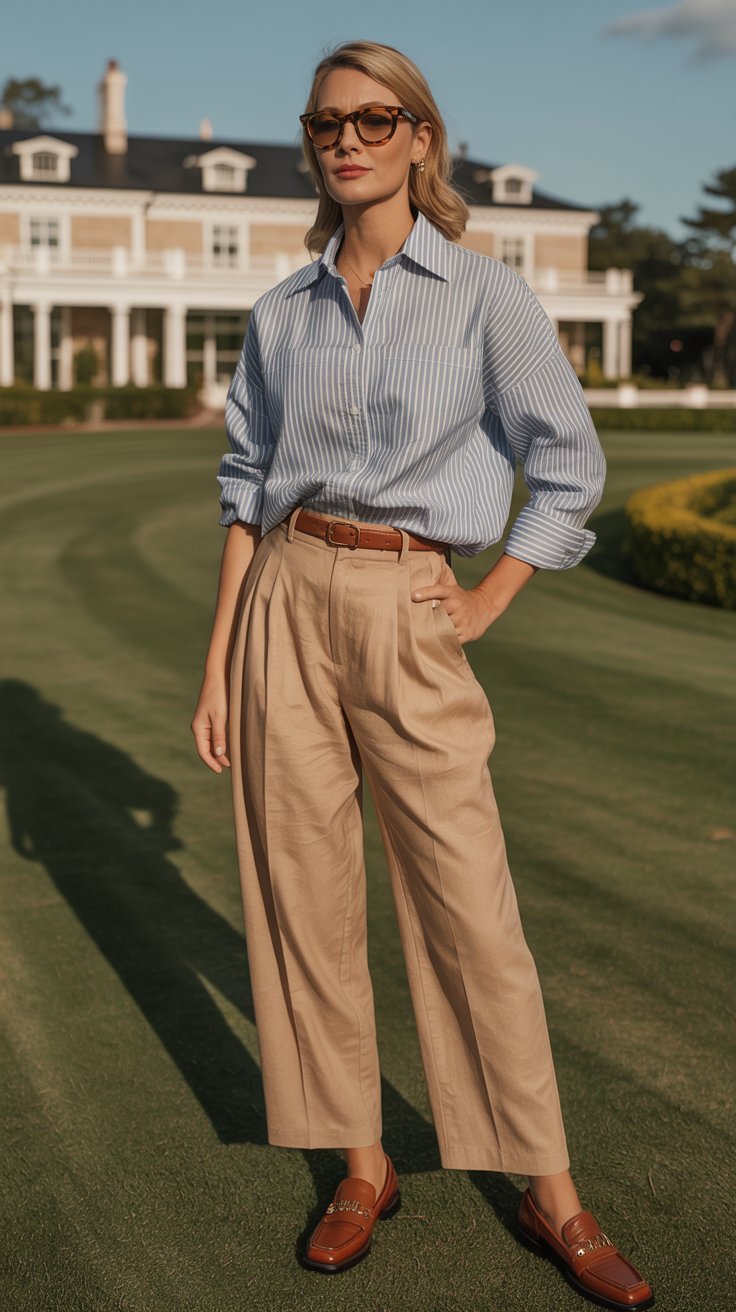
When trousers skim the shoe and don’t puddle like sorrow? Instant upgrade. FYI: fit reads as quality even when the fabric is mid-tier—and that’s the magic.
Think of fit like a map.
If you get these zones right, everything else falls into place.
This is non-negotiable. Shoulder seams should kiss the edge of your shoulders—no sagging, no strain. If the shoulders are off, the whole piece looks borrowed.
For trousers and skirts, you want a clean line.
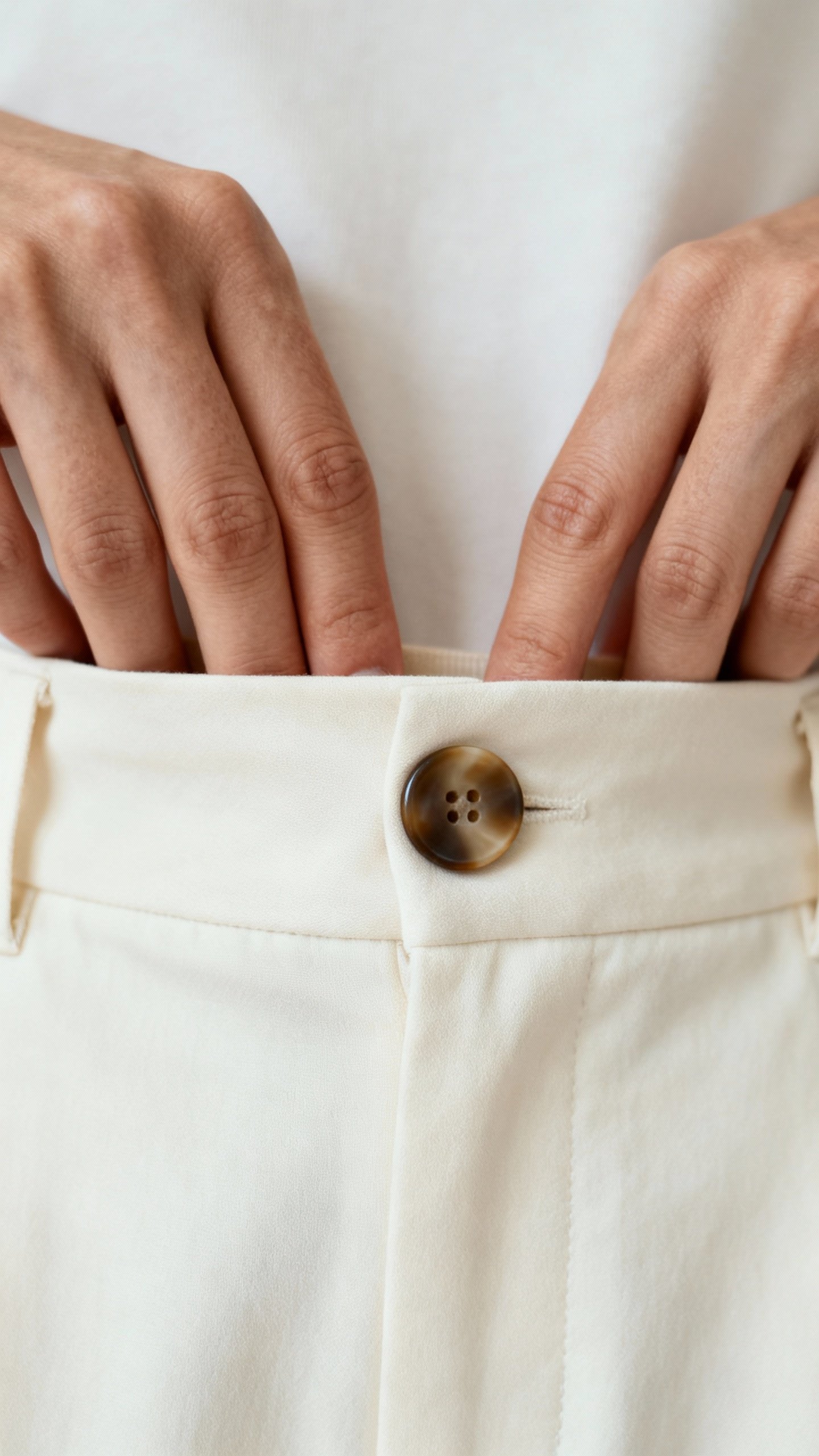
No pulling across the front. No gaping waistband. One finger inside the waistband is the sweet spot: snug but comfortable.
Hem lengths telegraph taste. Sleeves should hit the wrist bone (blazers) or just above the thumb knuckle (knits).
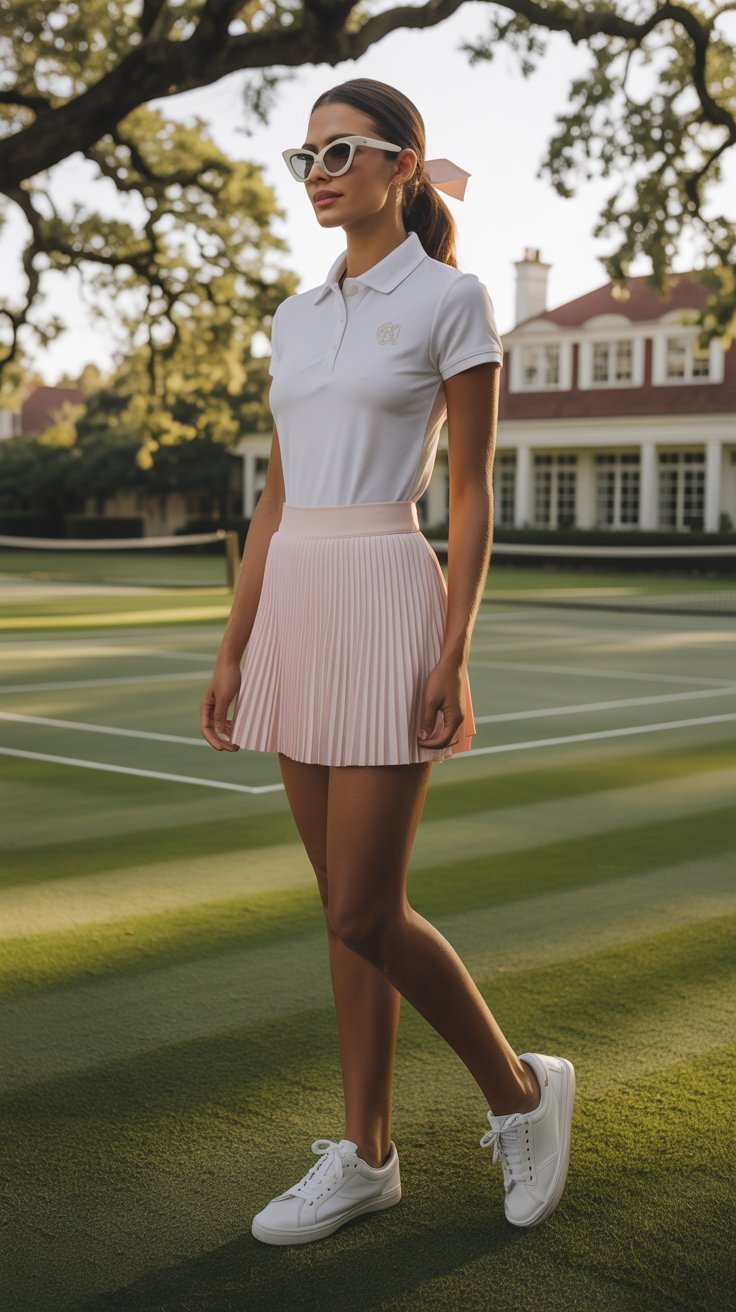
Trousers should break once on the shoe. Dresses and skirts? Aim for proportions that flatter your height—mid-calf tends to scream quiet wealth.
You don’t need a couture atelier—just a competent tailor and a plan.
Even high-street pieces go stealth-luxe with a few tweaks.
If shoulders are wrong, bail. If the armholes sit too low, pass. And if the fabric can’t hold structure (super-thin knits or flimsy poly), don’t invest.
IMO, structure is a quiet luxury clue—floppy equals lazy.
Fit does the talking; fabric confirms the story. Certain materials play nicer when you tailor them.
Avoid shiny synthetics unless they mimic natural fibers well. If it gleams like a disco ball under office lights, it’s not quiet—just loud.
Stand natural.
If fabric skims your body instead of grabbing it, you win. Look for clean vertical lines—no pulling at buttons, no bunching at the seams. Do a sit test too; if it cuts off your circulation, it’s not luxury, it’s punishment.
Quiet luxury loves balance. It’s not tight; it’s tailored.
Between your body and the garment, you should be able to slide in two fingers comfortably at key points (waist, chest, thigh). It ensures ease without sloppiness. IMO, this is the line between tailored and tight.
You don’t need logos.
You need restraint.
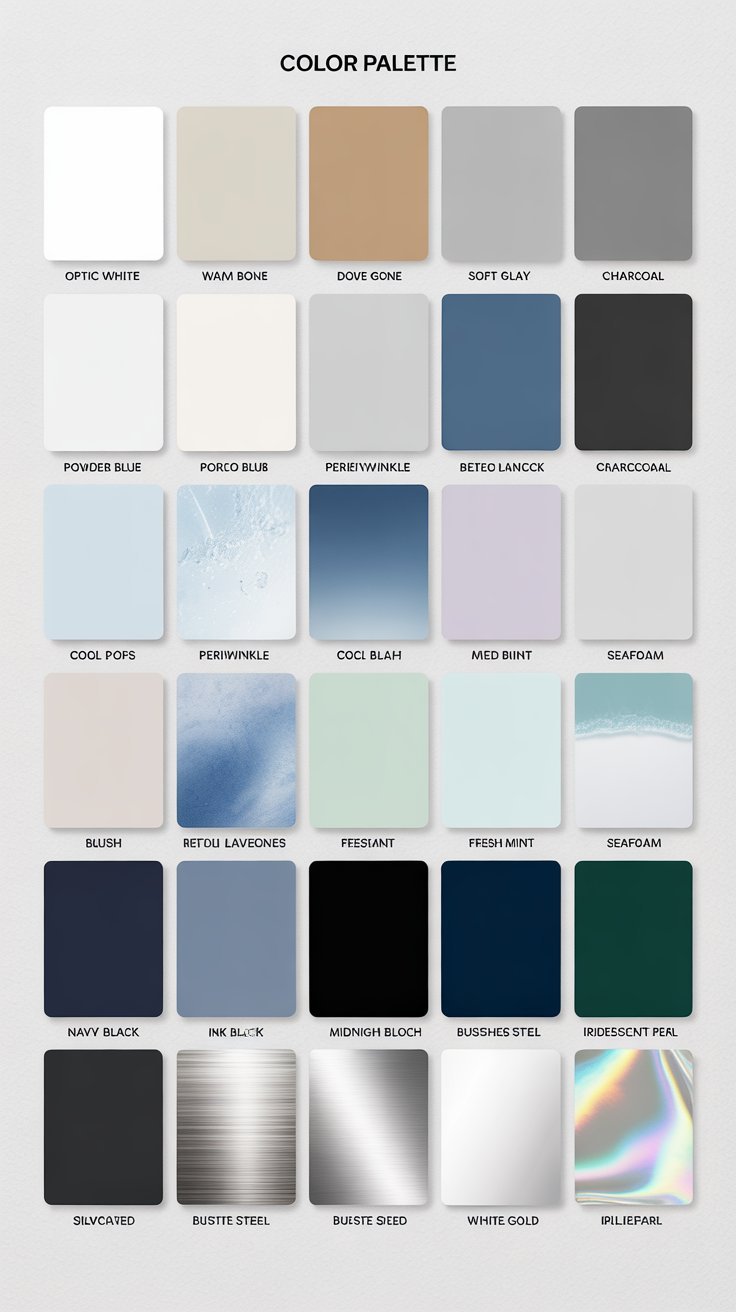
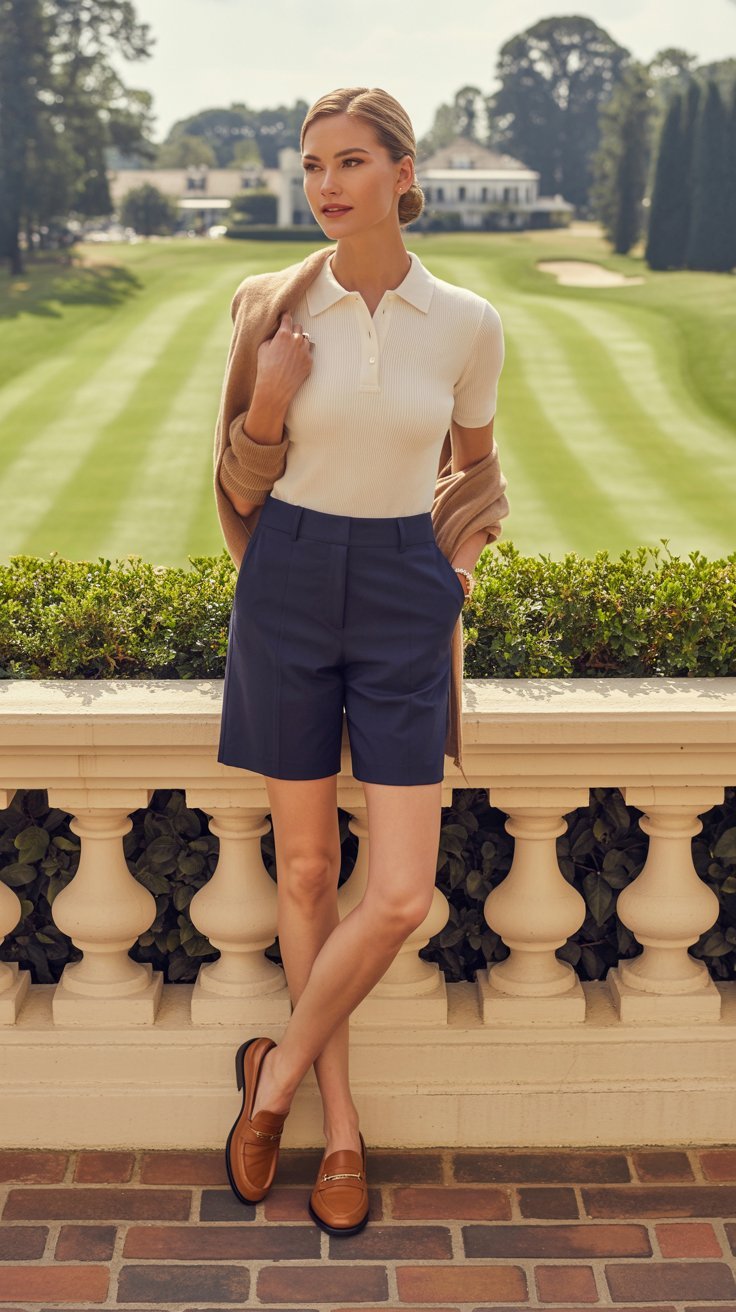
Stick to a refined palette: charcoal, navy, ivory, camel, chocolate, olive. Add texture—ribbed knits, brushed wool, suede.
If you do pattern, go micro: pinstripes, herringbone, gentle checks. Loud prints don’t whisper; they scream.
Here’s a capsule that plays well together and looks bespoke with minimal effort.
FYI: If you choose one place to splurge, make it the coat or the blazer.
They set the tone for everything.
– Try on two sizes and move around. Sit, lift your arms, breathe.
– Check mirrors from the side. Bulk shows there first.
– Photograph outfits in daylight.
Cameras expose fit crimes quickly.
Even the best fit flops if you treat clothes like gym towels.
Yes.
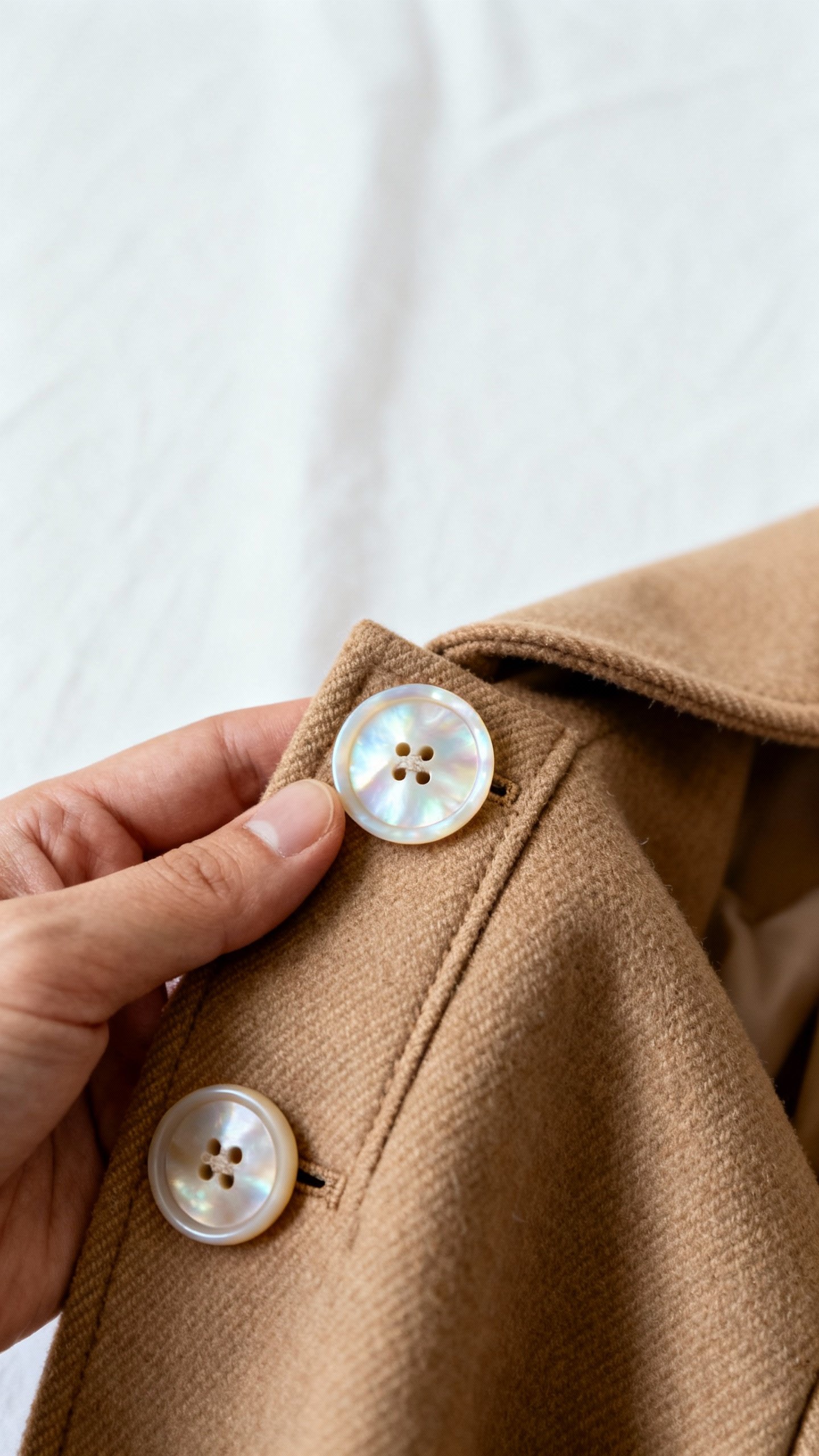
Focus on fit-first items from mid-range brands and spend a little on tailoring. Choose neutral colors and solid fabrics, then upgrade buttons or hems. The result looks custom without the scary price tag.
Size up and tailor.
You can take fabric in; you can’t add it. Prioritize perfect shoulders, then shape the waist, hem, and sleeves. That sequence never fails.
Use trends as seasoning, not the meal.
Try a trending silhouette in a muted color and high-quality fabric. If the fit still skims cleanly and the details stay minimal, you’re safe.
Totally—as long as it’s intentional. Think ease, not excess.
A relaxed trouser with a defined waist and proper hem looks polished, not sloppy.
Not necessarily, but they raise the volume. If you keep logos tiny or hidden and the fit is impeccable, you still land squarely in quiet territory. The silhouette should speak louder than any icon.
Sleeve and trouser hems, hands down.
The right length instantly transforms proportions and makes pieces feel made-for-you.
Quiet luxury doesn’t live on a price tag—it lives in proportions. Nail the shoulders, clean up the waist, set the right lengths, and keep details restrained. With a good tailor and a smart eye, you’ll look “old money” without spending it.
And honestly? That’s the best flex of all.