
You’re bouncing from beaches to business meetings to mountain towns and wondering how to pack without hauling your entire closet. Same. Multiple destinations can wreck even a seasoned packer’s confidence.
The good news? You don’t need a bigger suitcase—you need a better strategy. Let’s make your bag work as hard as you do.
You can’t pack well if you don’t know what your days look like.
Build a simple outline: dates, locations, expected weather, and activities. That’s your blueprint. Then translate it into outfits. If you have three city dinners, one hike, and a beach day, that’s three smart-casual looks, one active set, and one swim setup.
You’re already halfway to not overpacking.
Don’t just glance at the high and low. Look at:
FYI: Desert nights get cold. Tropical rain hits fast.
Microclimates love to humble travelers.
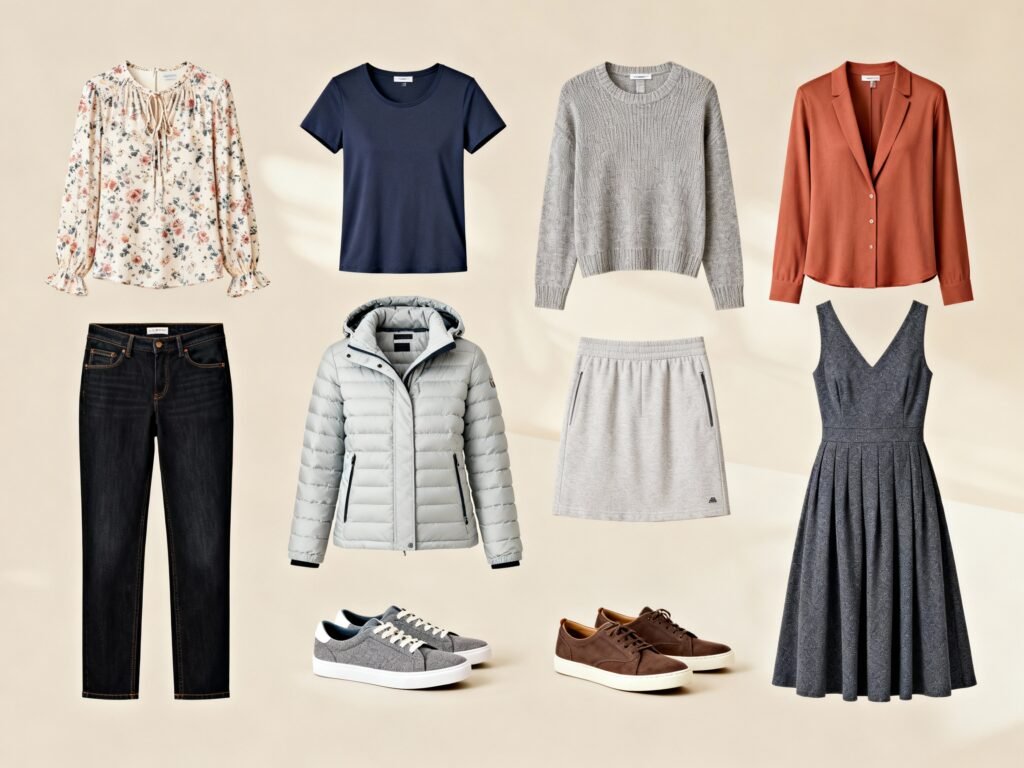
Think of your clothes as a small team of overachievers. Everything should play multiple roles. If it doesn’t, bench it.
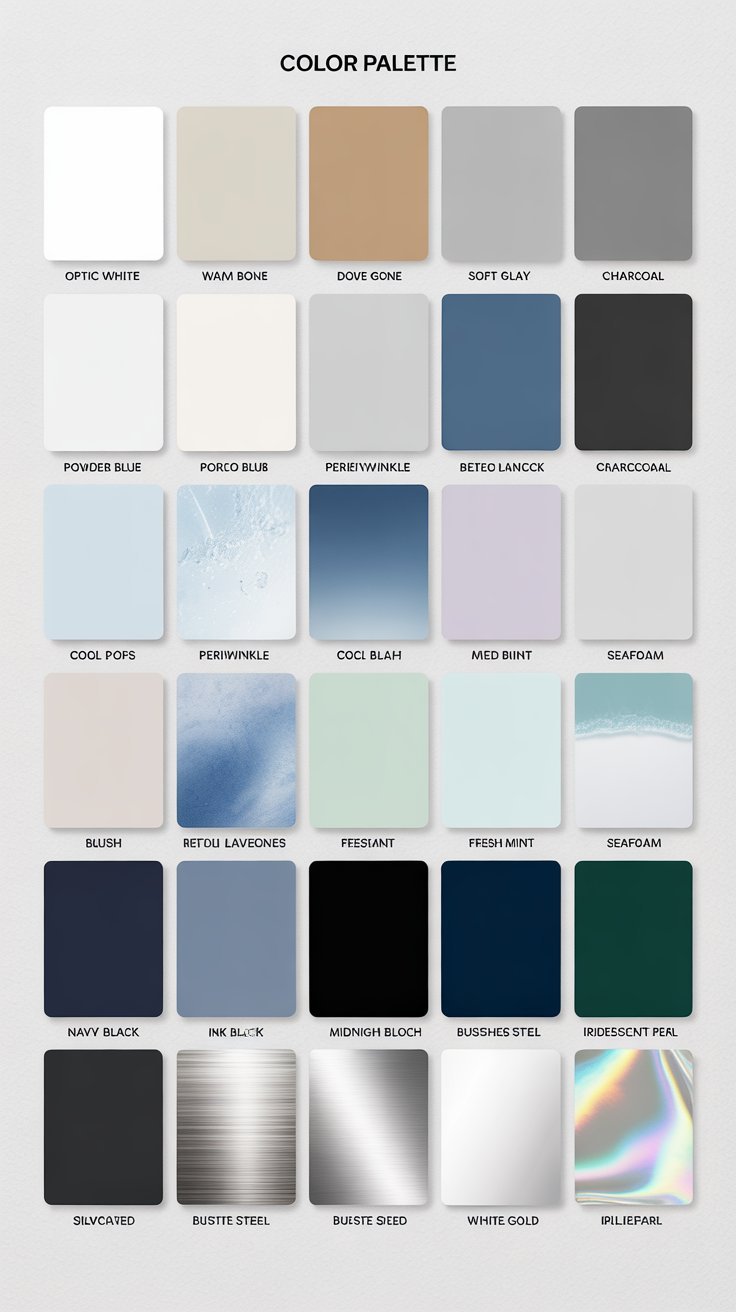
Color palette = your secret weapon.
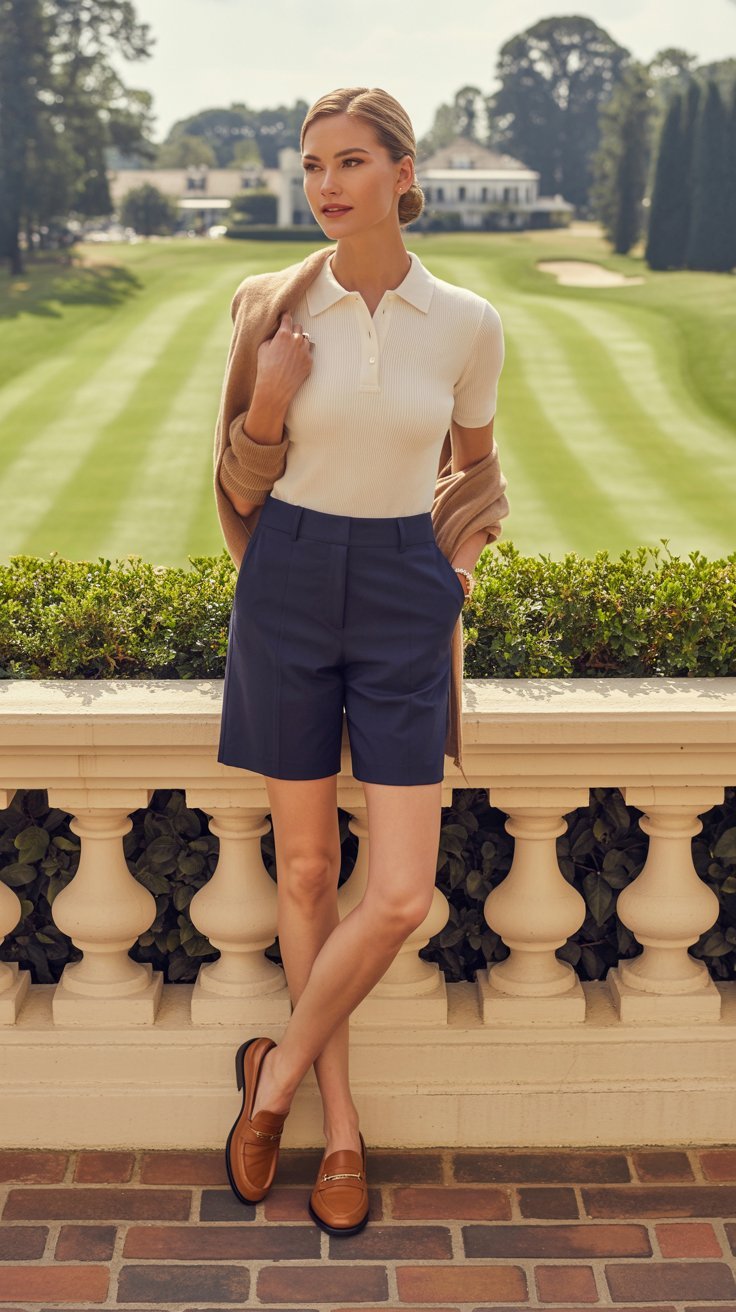
Pick 2-3 base colors and 1-2 accents so you can combine everything without thinking. Neutrals do the heavy lifting; accents keep you interesting in photos.
Pick stuff that refuses to wrinkle and dries fast. IMO:
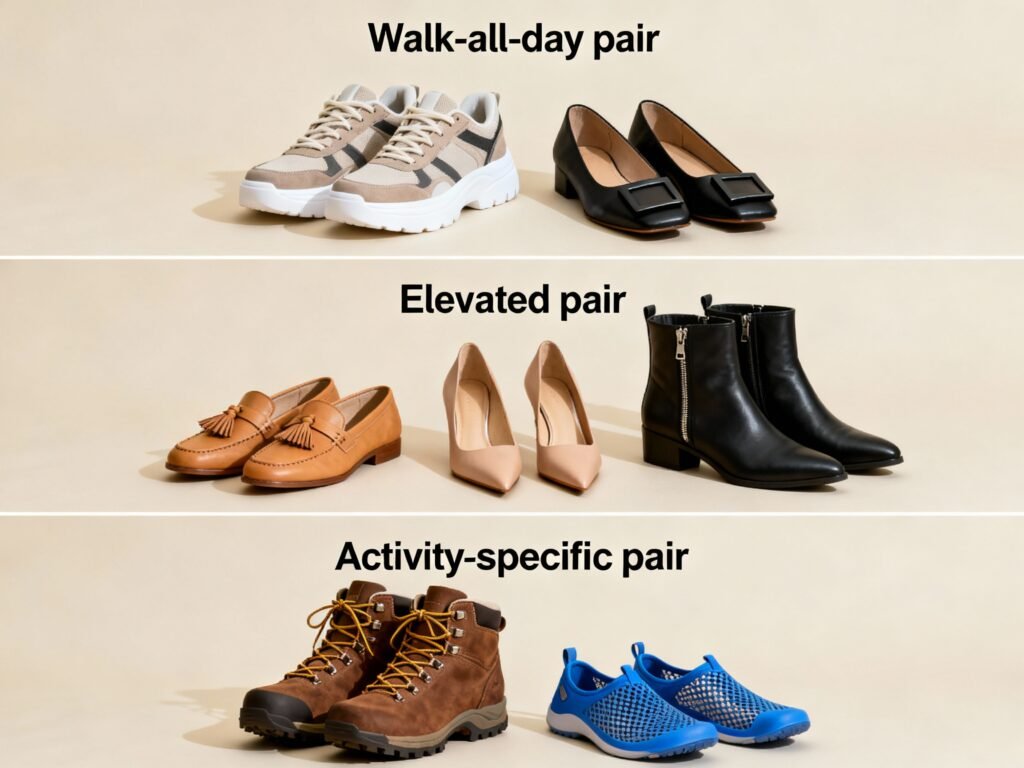
Shoes take space, break hearts, and weigh more than your guilt after overpacking.
Keep it to two if you can, three if you must.
Stuff socks inside each shoe. It saves space and keeps them from squishing.
Packing by day sounds organized, but multiple destinations change plans fast. Pack in zones so you can adapt.
Packing cubes remove chaos.
One cube per zone. Label them or pick colors. Keep a tiny compression sack for dirty laundry so the funk stays quarantined.
Pro tip: roll soft items, fold structured pieces.
You don’t need a heavy coat for a single chilly stop. You need layers that combine into warmth when needed. Think: tee + long-sleeve + fleece + shell.
That stack handles planes, cold nights, and unexpected breezes. Wear your bulkiest items on travel days—jacket, heavier shoes, a scarf. The airplane turns into your extra storage. Also, airplane temps fluctuate like a moody thermostat, so layers make the ride comfy.
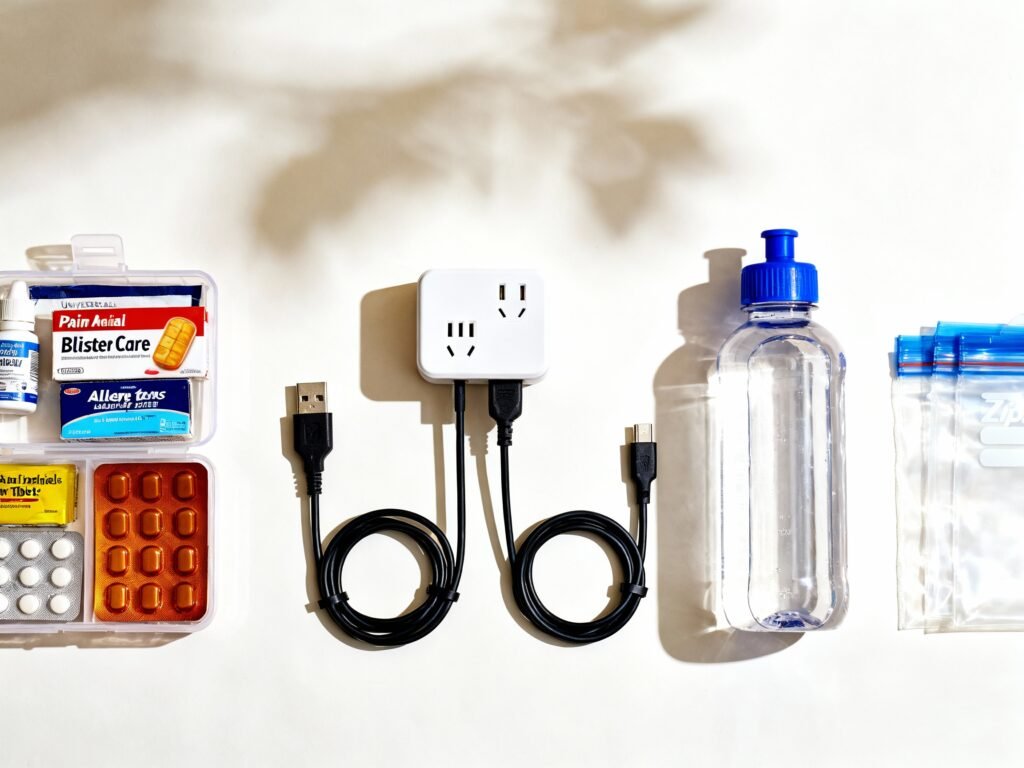
Small things change everything:
Toiletries should be boring and tiny.
Decant your favorites. A 1-ounce bottle goes surprisingly far. If your destinations have pharmacies, you can buy heavy stuff there. Non-negotiables:
Multiple stops = more chances to misplace things.
Keep:
FYI: Snap pics of your bag packed and the contents. If airlines lose it, you’ll file claims faster.
Laundry buys you space. Plan to wash once if your trip runs longer than a week.
That means you only need 5-6 days of clothes total. Hotel sink? Fine.
Laundromat? Better. Many cities have wash-and-fold services that work magic while you sightsee.
Bring a mini laundry kit:
Rewear smart.
Air out clothes overnight. Merino tees handle multiple uses. Spritz a 50/50 vodka-water mix to neutralize odors (old stylist trick).
IMO, fresh socks and underwear every day no matter what. Some hills are worth dying on.
When you change locations, reset your bag like a tiny home. Keep the zones intact, move dirty laundry to the compression sack, and lay out tomorrow’s outfit before you close the suitcase.
You’ll save your future self from a 6 a.m. rummage session. Night before a transfer, do this:
Aim for a 7-day capsule and plan one laundry session. That usually means 5-6 tops, 2-3 bottoms, 1 dress/jumpsuit or blazer, 2-3 pairs of shoes, and 2-3 layers. With a tight color palette, you’ll create 12-15 outfits without feeling like a cartoon character.
If you can manage it, a 40-45L carry-on plus a personal item keeps you nimble.
Trains, cobblestones, walk-ups—carry-on wins every time. If you must check a bag, go for a medium (60-70L) and keep essentials in your personal item in case your bag takes a solo vacation.
Layer, layer, layer. Use breathable base layers for hot spots and add insulating pieces for cold ones.
Pack one packable down or fleece and one rain shell. Skip bulky sweaters unless you’ll wear them constantly—swap for thinner layers that combine into warmth.
Use what you own—just prioritize comfort, versatility, and quick-dry fabrics. A couple performance pieces help (merino tee, tech chinos), but you don’t need a full travel uniform.
The goal: clothes that look normal, feel great, and refuse to wrinkle.
Decant everything, cut makeup to a mini edit, and skip “just-in-case” full sizes. Put liquids in a top-access pouch for security. If you run out, buy locally.
Bonus: many destinations have fun local beauty finds—souvenir unlocked.
Keep passport, cards, and cash divided: some on you, some in the bag, one backup card hidden. Use hotel safes when reliable. Consider a slim RFID wallet and an AirTag/Tile in your suitcase.
And don’t flash expensive gear when you don’t need to—muggers also love nice cameras.
Packing for multiple destinations doesn’t require wizardry—just intention. Build around your itinerary, lock in a tight palette, layer smart, and let laundry do the heavy lifting. Keep zones in your bag, travel light, and leave room for souvenirs and spontaneity.
You’ll move faster, feel lighter, and look put together without trying too hard. Which, IMO, is the whole point.