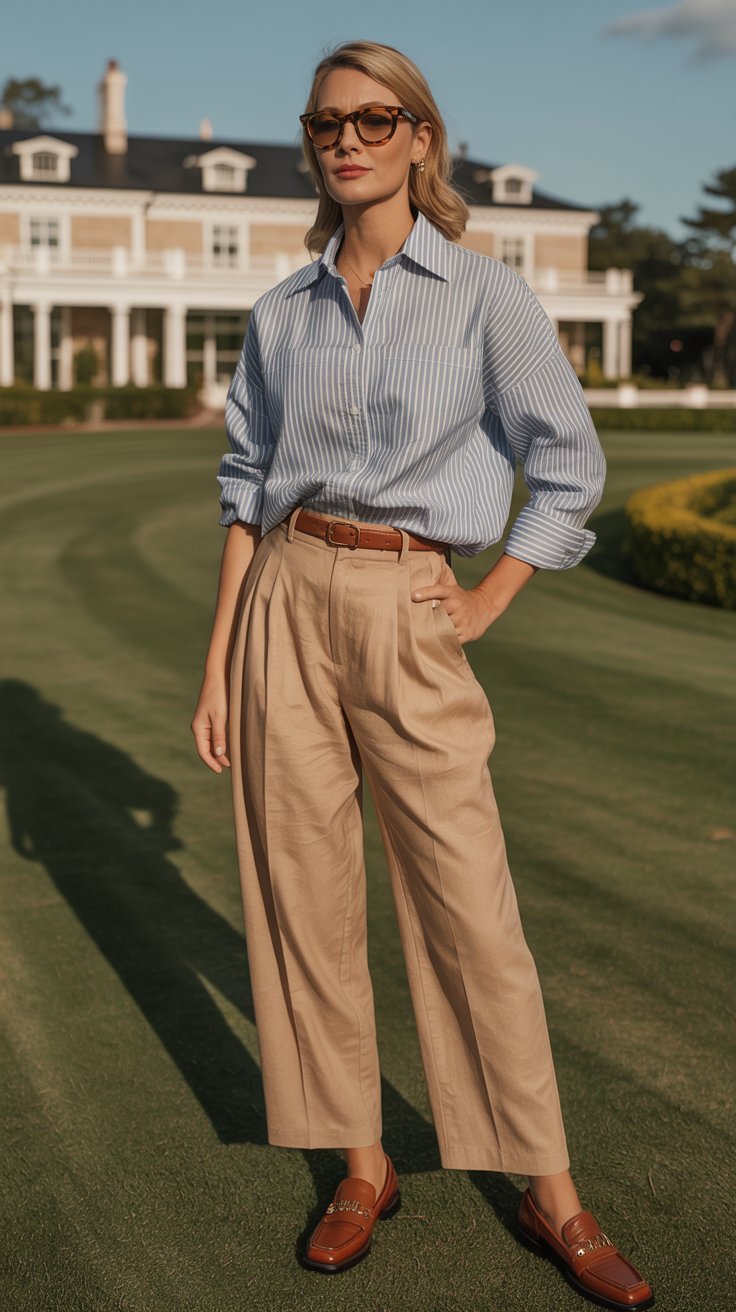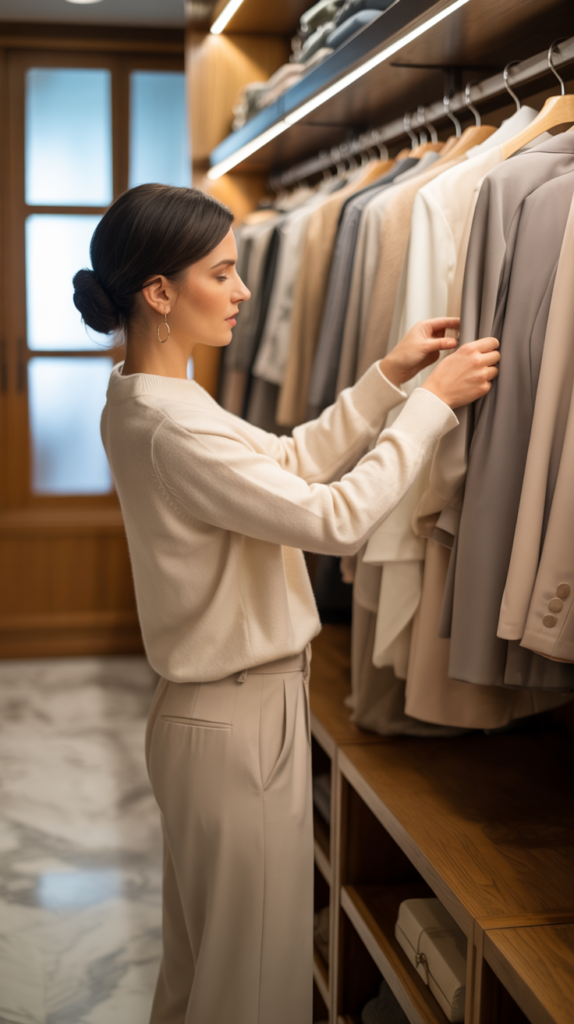
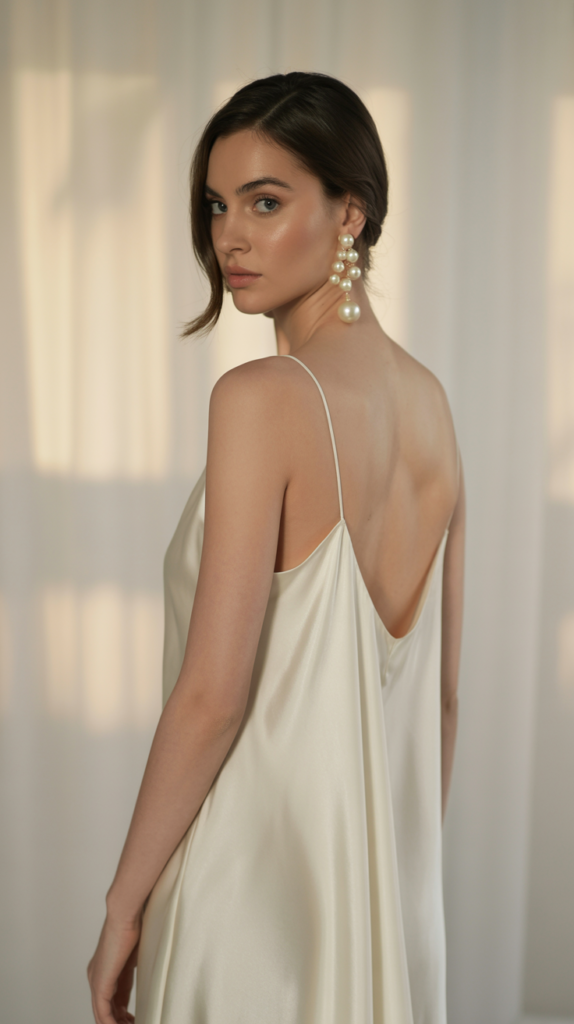
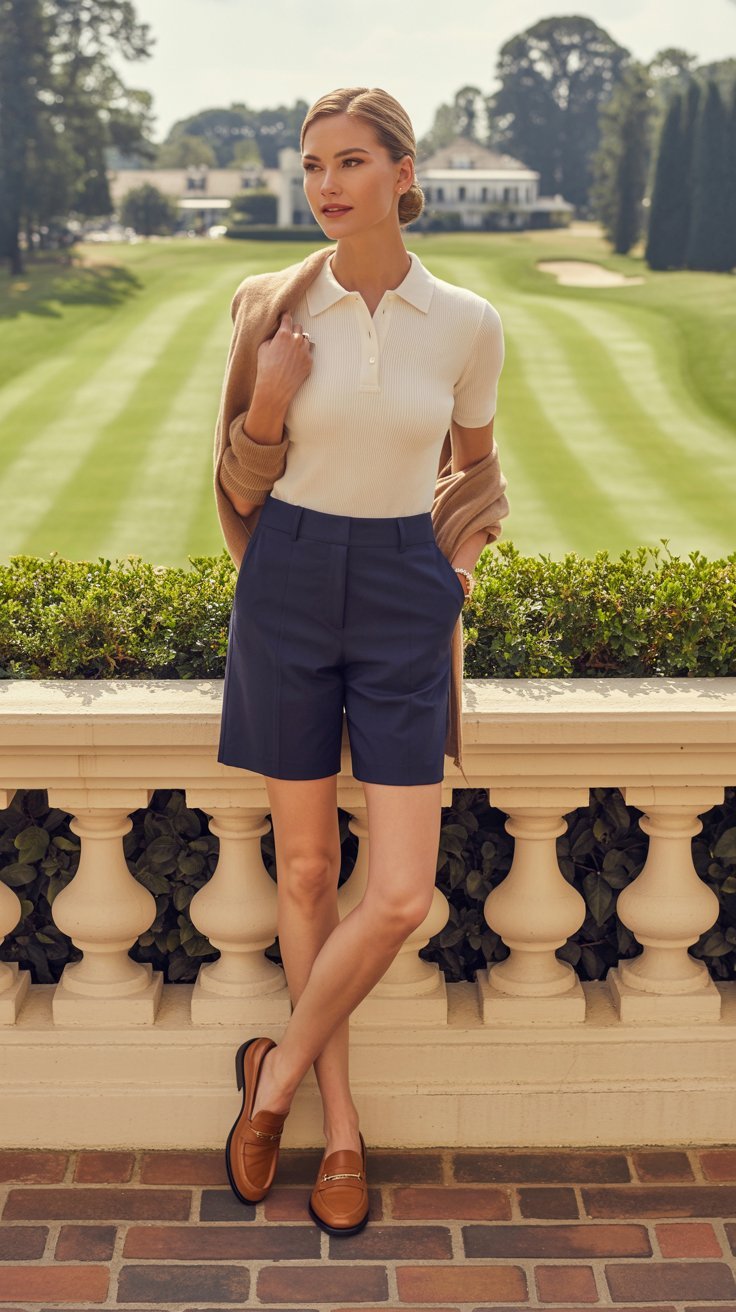

We all know “effortless” style takes effort. Elegant women who look polished year after year didn’t stumble into it—they built it. They chose well, edited often, and stopped chasing every shiny trend.
Want a wardrobe that still works in 2035? Let’s set you up now.
You don’t need gowns if you live in sneakers and meetings. Build your core wardrobe around what you actually do most days.
Then sprinkle in the glam if you have room (and budget).
Audit your week:
Once you see the pattern, you’ll shop smarter. No more buying six blazers when you really needed two great pairs of pants.
Elegant women edit. They commit to a mood and color story, then stick with it.
This makes getting dressed faster and everything mix-and-match.
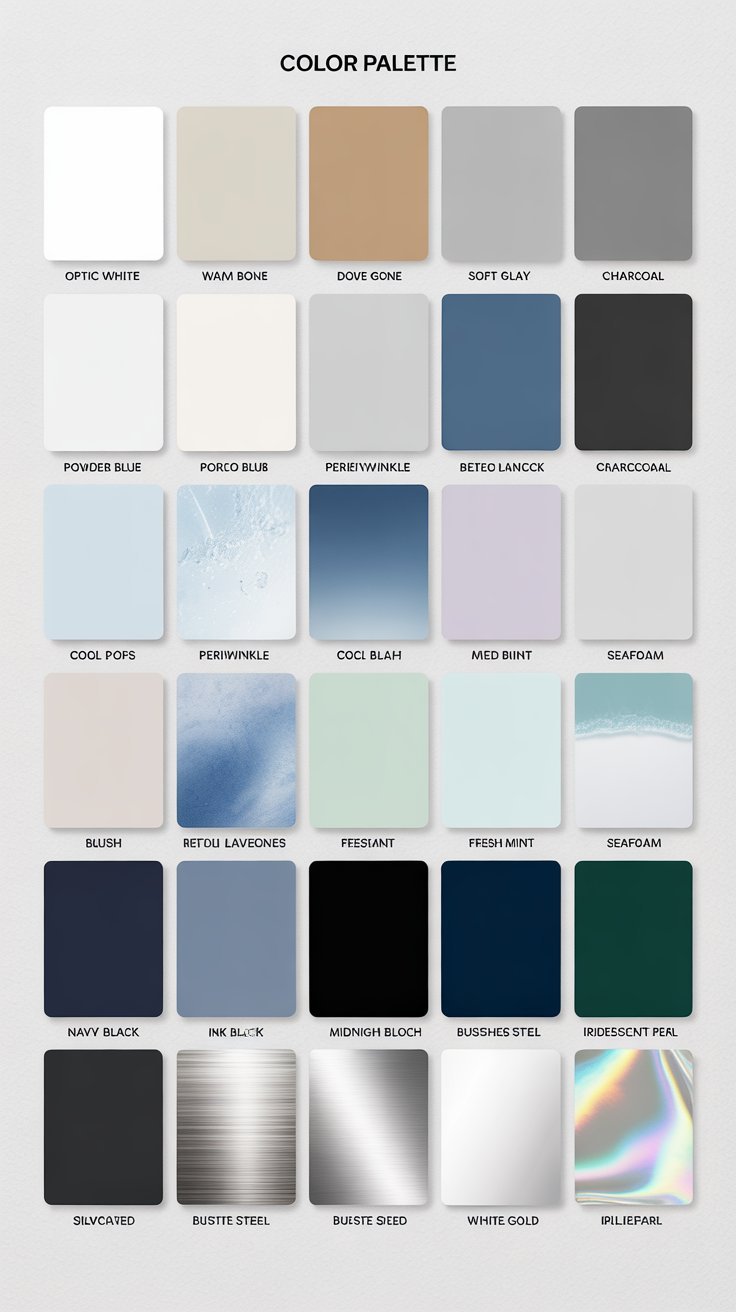
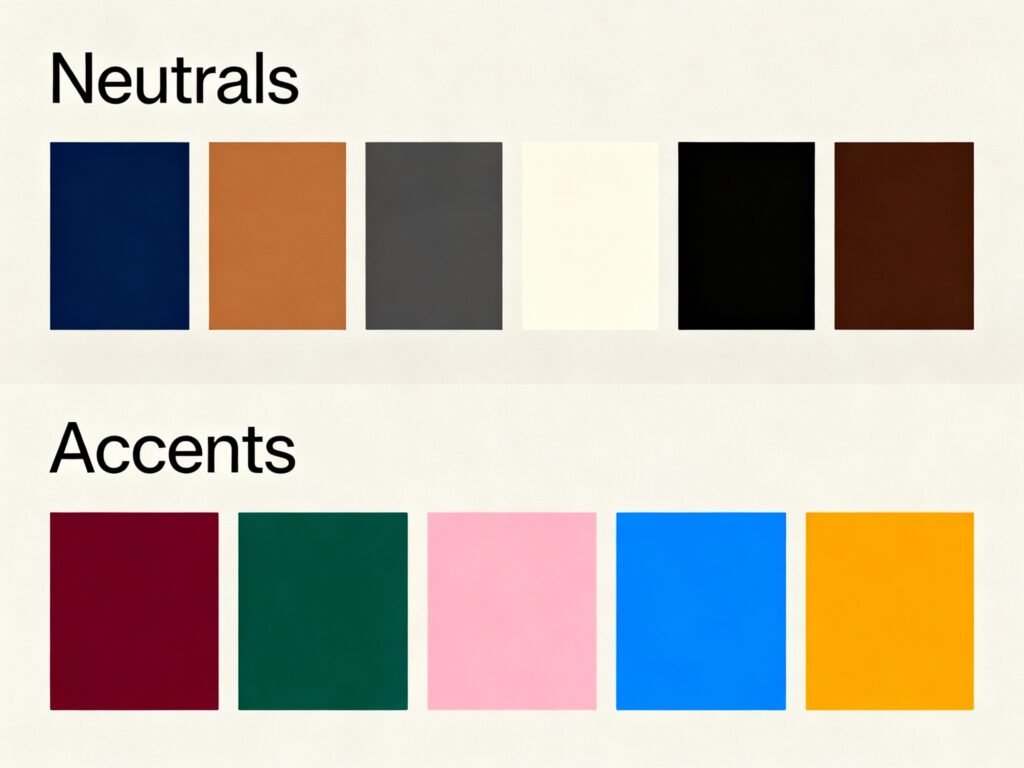
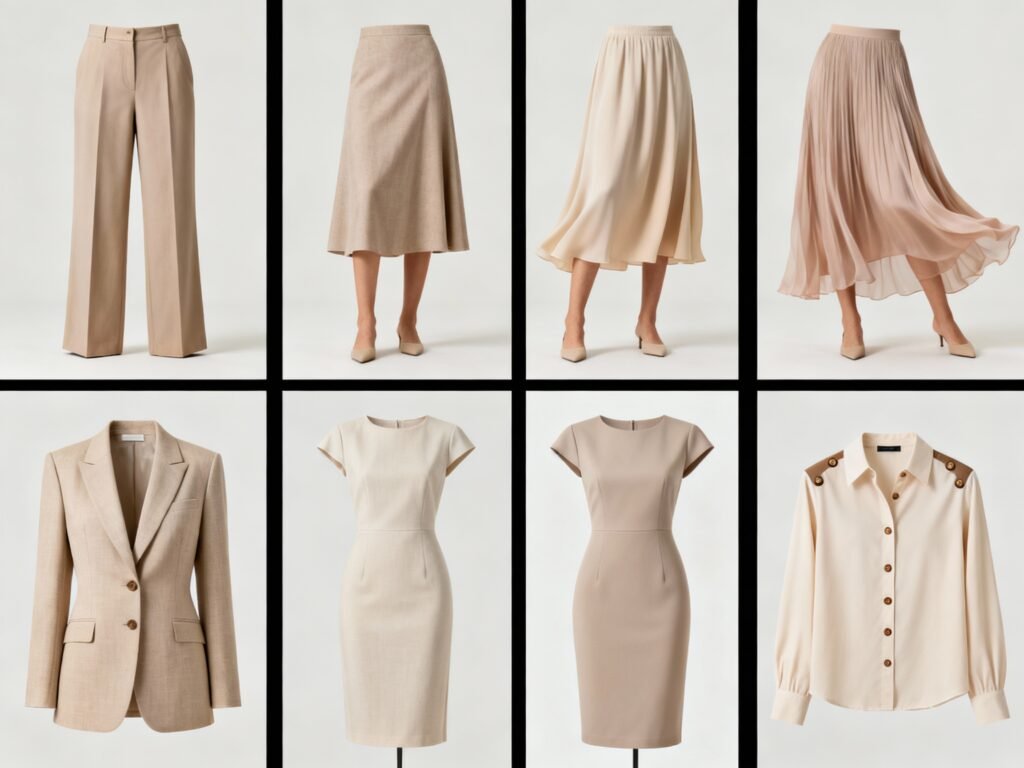
Pick 2-3 neutrals and 2 accent colors. Keep metals consistent.
FYI, you can be a gold girl, a silver girl, or a “don’t make me choose” girl—just keep it cohesive per outfit.
What flatters you never goes out of style—IMO, that’s the real secret.
Decide your “nos” and stick to them.
If cap sleeves haunt you, banish them.
If low-rise pants betray you, stop trying to “make them work.” Sanity saved.
Quality isn’t a brand; it’s construction and fabric. You can find winners at many price points if you know what to check.
If it feels flimsy on the hanger, it’ll give up on you after three washes.
Harsh but true.
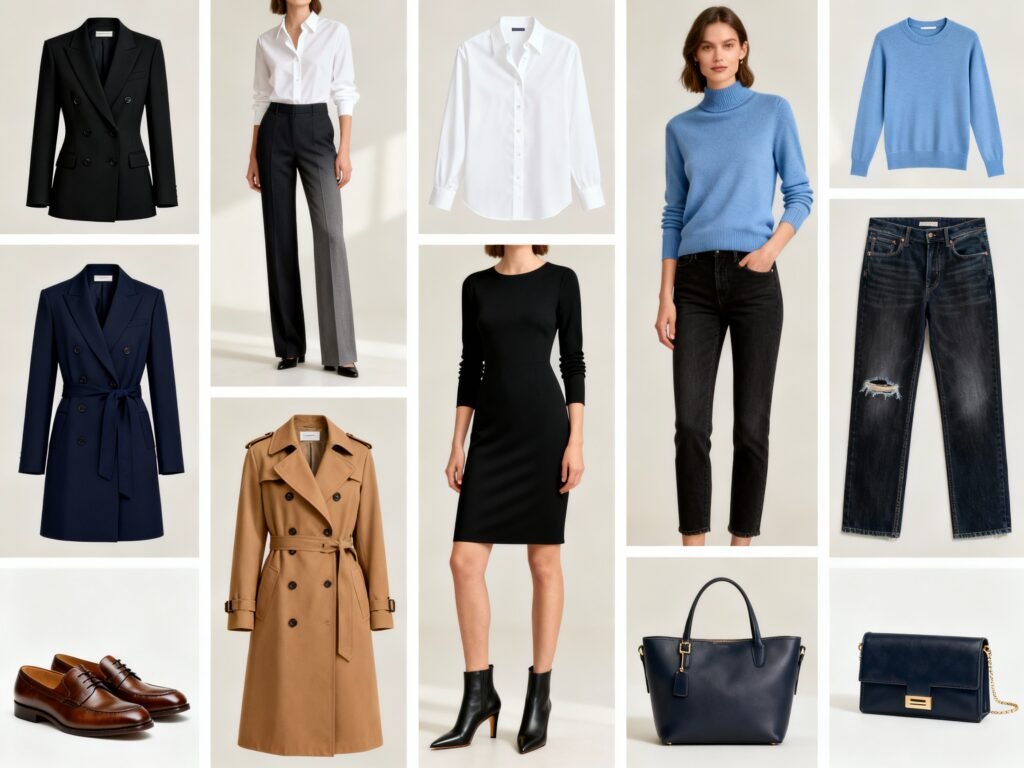
Start with the workhorses. These pieces should mix 80% of the time and survive heavy wear.
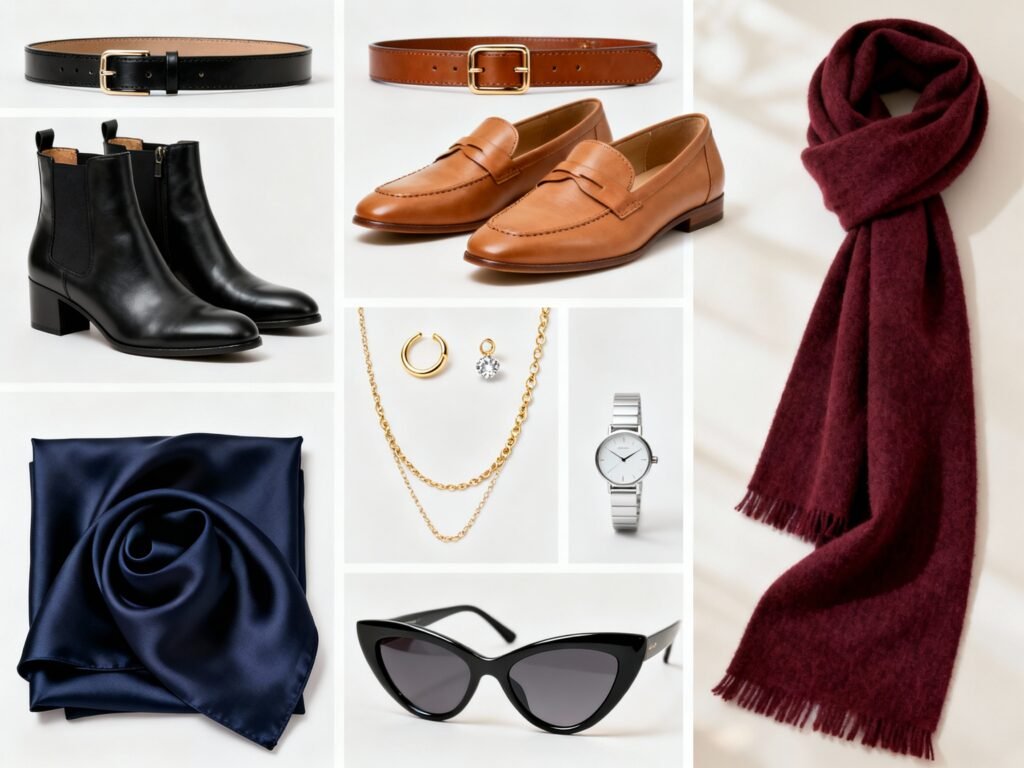
Once this base works, add personality: a silk scarf, a printed skirt, a standout coat. One special piece per season beats five impulse buys, IMO.
You can’t look timeless in clothes that don’t sit right.
Elegant women have tailors on speed dial.
Non-negotiable: if it pulls, gapes, or bubbles, fix it or skip it. “I’ll shrink into it” is not a strategy—it’s a donation plan.
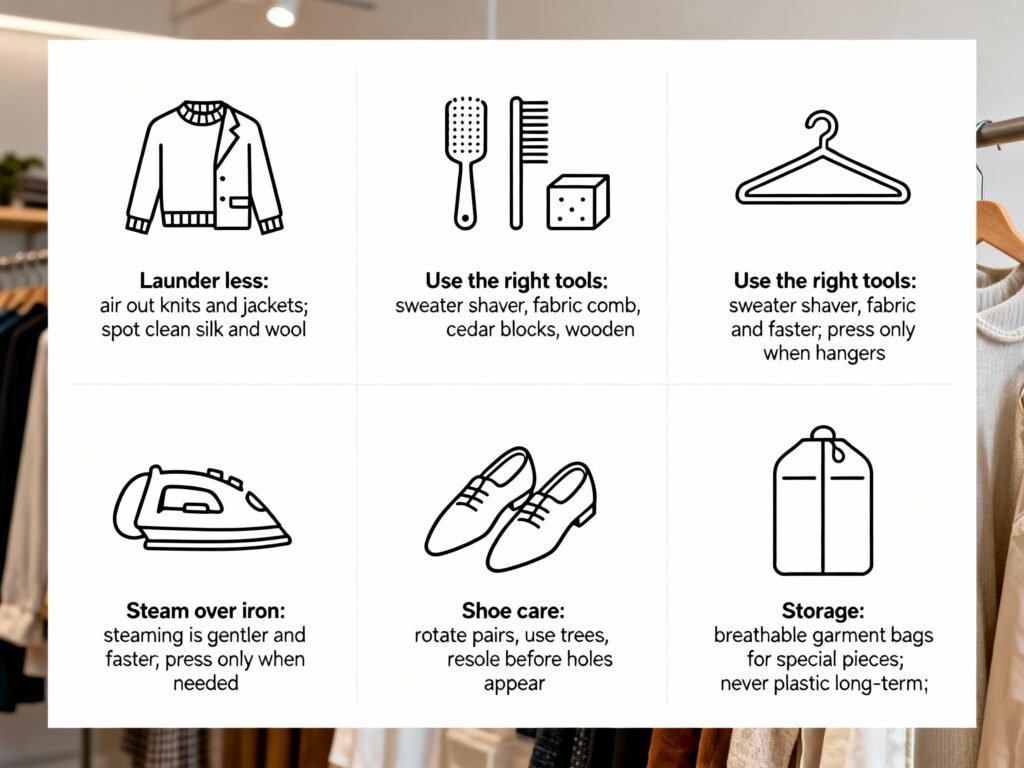
Clothes don’t last decades by accident. They last because someone cared properly between wears.
One more thing: learn basic mending. A popped button shouldn’t take you out for a week.
Timeless doesn’t mean dull.
It means you choose edits of trends that harmonize with your base.
You’re not anti-trend—you’re trend bilingual. You speak classic, and you sprinkle slang.
The right extras make simple outfits look intentional. Plus, accessories age well when you pick quality.
Rule of thumb: remove one thing before you leave… unless that one thing is your actual pants.
Elegant wardrobes evolve slowly and intentionally.
Do mini-reviews every season.
FYI: lists beat sales. If it’s not on the list, it’s not coming home.
You don’t need a magic number. Aim for 30–50 solid pieces you wear regularly, then add seasonal accents.
If something doesn’t get worn in two seasons, reassess it.
Please mix them. Black and navy look rich together when fabrics differ (matte vs. satin) or accessories bridge them (black loafers, navy blazer, gold jewelry). It reads intentional, not accidental.
Not always.
Blends can add durability and wrinkle resistance. Look for high-quality blends (e.g., wool with a bit of elastane). Avoid anything that feels squeaky, shiny, or traps heat—your comfort is a quality metric.
Nope.
Designer can offer craftsmanship, but elegance comes from fit, fabric, and restraint. Mix mid-range with vintage and the occasional splurge. Spend more on shoes, coats, and bags; save on tees and trend-adjacent items.
It should.
Keep the bones the same—fit, palette, proportions—and rotate accents. Swap burgundy for forest, trade loafers for ballet flats, try a different neckline. Evolution beats reinvention every time.
Shop with a list, sleep on non-essentials, and ask three questions: Does it fit my palette?
Does it play with three items I own? Will I wear it 20 times? If you get three yeses, proceed.
If not, walk away.
Elegant women don’t chase wardrobes—they build them. They choose a palette, back great fabrics, tailor relentlessly, and care like pros. Do that, and your closet will carry you for decades with minimal drama.
And if anyone asks your secret? Smile and say, “I just wear what works.” IMO, that’s the chicest flex of all.