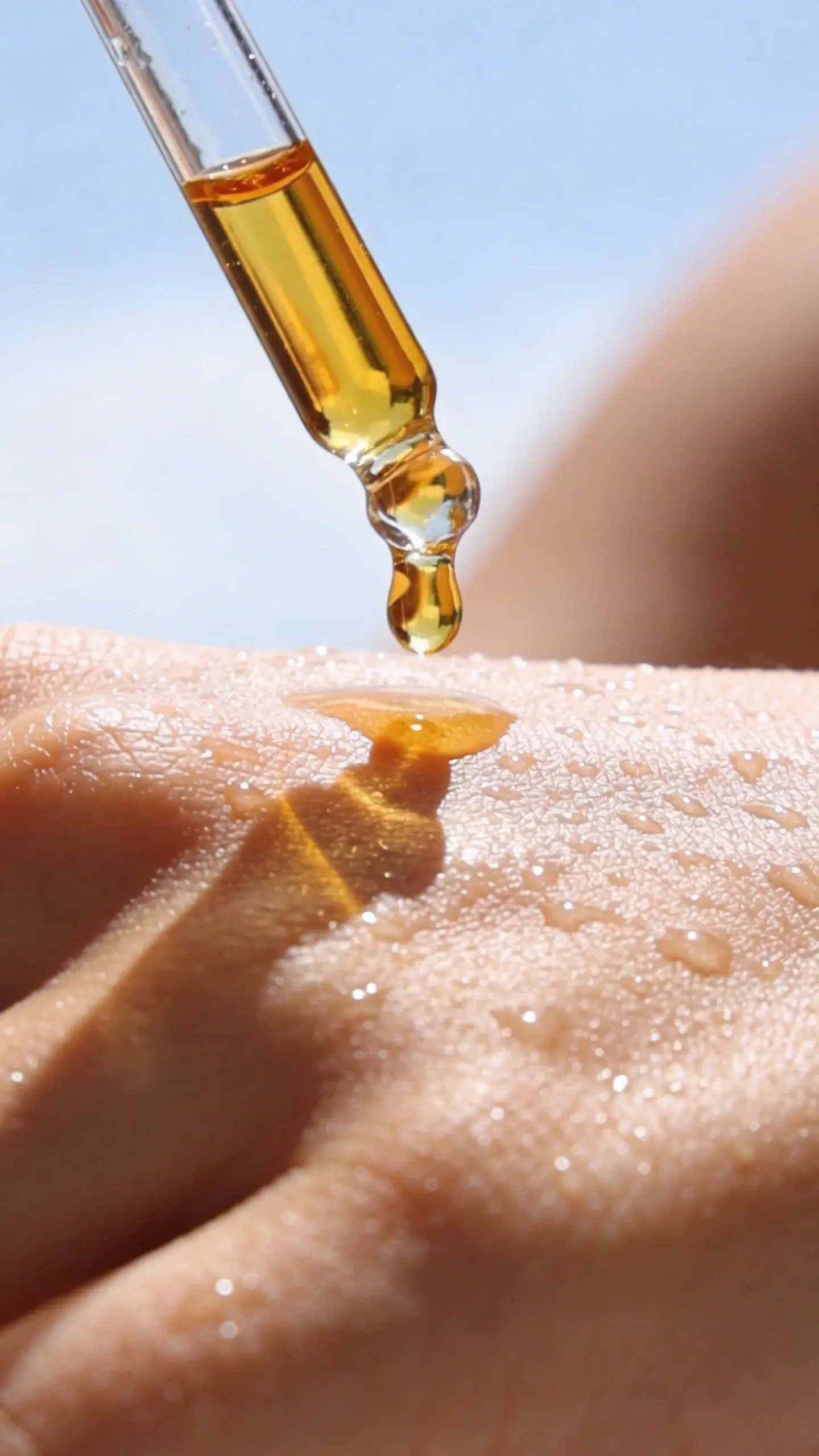
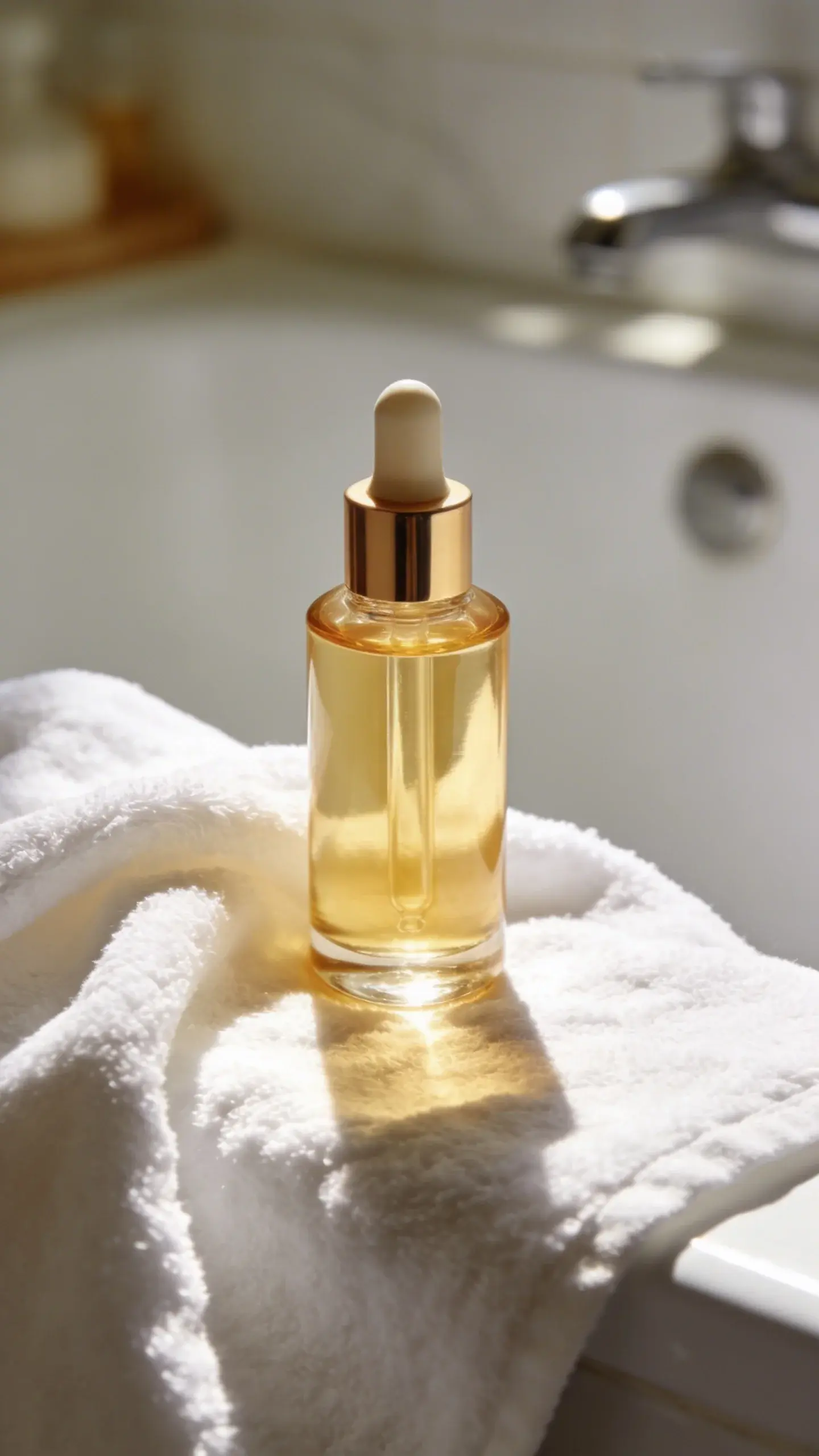

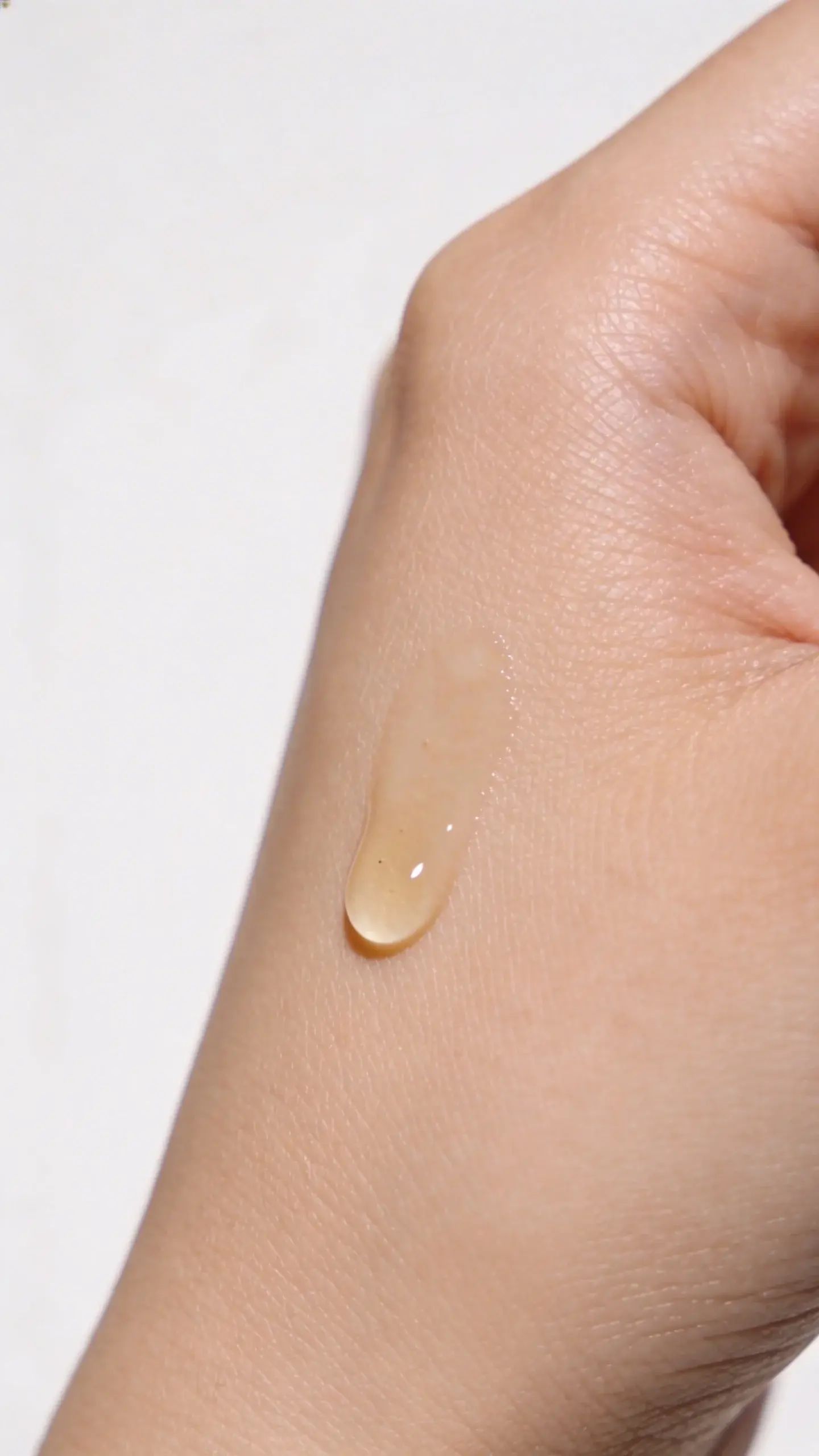






Summer skin feeling slicker than a slice of pizza? Same. But here’s the plot twist: a face oil can actually make your summer skin calmer, clearer, and less greasy. It sounds chaotic, I know. Stick with me—we’ll talk science, texture, and exactly how to do it without turning into a human disco ball.
Your skin doesn’t stop needing nourishment just because the sun’s out. In heat, we sweat more and often over-cleanse, which strips the skin and kicks oil glands into panic mode. More stripping = more oil production = more shine and breakouts. Cute cycle, huh?
A lightweight face oil helps balance things out. It softens the moisture barrier, signals “we’re good” to your oil glands, and locks hydration in without trapping sweat. You’ll notice fewer flaky spots and less tightness after washing, which, FYI, can also mean fewer clogged pores.
Your skin’s barrier loves lipids—ceramides, cholesterol, fatty acids. Good face oils mimic some of those, so your barrier chills out. When your barrier stays intact, water doesn’t evaporate as fast, and your skin doesn’t freak out.
Key benefits of a summer-friendly oil:
No oil fits everyone. Pore-clogging depends on your unique combo of sebum, routine, and climate. Start slow, patch test, and don’t slather. You’re nourishing, not basting a turkey.
Lightweight and quick-absorbing oils work best. Skip the heavy, buttery ones till fall.
Order matters. Oil goes near the end, but not always dead last in summer.
Morning (optional if you’re super oily):
Evening (my fave time for oils):
Short answer: not if you pick the right oil and use the right amount. Breakouts usually come from heavy textures, over-application, or mixing too many occlusives in heat. Also, some people just don’t vibe with oils—and that’s fine.
Breakout-proofing tips:
If you feel slick 30 minutes after applying, if your sunscreen pills, or if your makeup slides by noon, scale back. One drop can be enough for the T-zone. IMO, less is always more in July.
Your environment matters more than you think. Beach days, gym sweat, city smog—different vibes, different needs.
Plays well with:
Use caution with:
A face oil won’t replace sunscreen, won’t erase acne overnight, and won’t make you look airbrushed. It will, however, make your skin feel more comfortable, help balance oil over time, and give you that soft, healthy sheen—like you drink water and mind your business. You’ll need 2–3 weeks to judge results, and consistency beats enthusiasm every time. FYI, patience really is the ultimate skincare ingredient.
No, but layering matters. Apply a tiny amount of oil, let it absorb fully, then apply sunscreen as the final step. Too much oil can make SPF slide or pill, which reduces the evenness of coverage.
Sometimes. If you’re oily or live in high humidity, a hydrating serum plus a few drops of oil might be enough at night. If your skin feels tight or looks dull, keep a light moisturizer in the mix.
Yes, if you choose wisely. Look for lightweight, high-linoleic oils like grapeseed or rosehip, and start with one drop. If breakouts increase after two weeks, switch oils or skip altogether—your skin, your rules.
Typically after, because oils seal things in. In summer, you can also cocktail one drop into your moisturizer to keep things light and avoid extra layers. Test both ways and see which feels less greasy.
Absolutely. Apply retinol first on dry skin, wait a few minutes, then press in your oil. The oil cushions irritation and helps your barrier stay happy while you build tolerance.
Way fewer than your Instagram feed suggests. Start with 1–2 drops for the whole face, add one more for the neck, and stop when your skin feels comfy—not shiny.
Summer doesn’t demand a full-on oil embargo. It asks for smarter choices and lighter layers. Pick a featherweight oil, use it intentionally, and let it support your barrier while you live your best sweaty life. IMO, a tiny bottle of squalane or jojoba can turn hot-weather skincare from chaos to calm—without the grease, without the drama. Just remember: SPF on top, patience always, and glow responsibly.