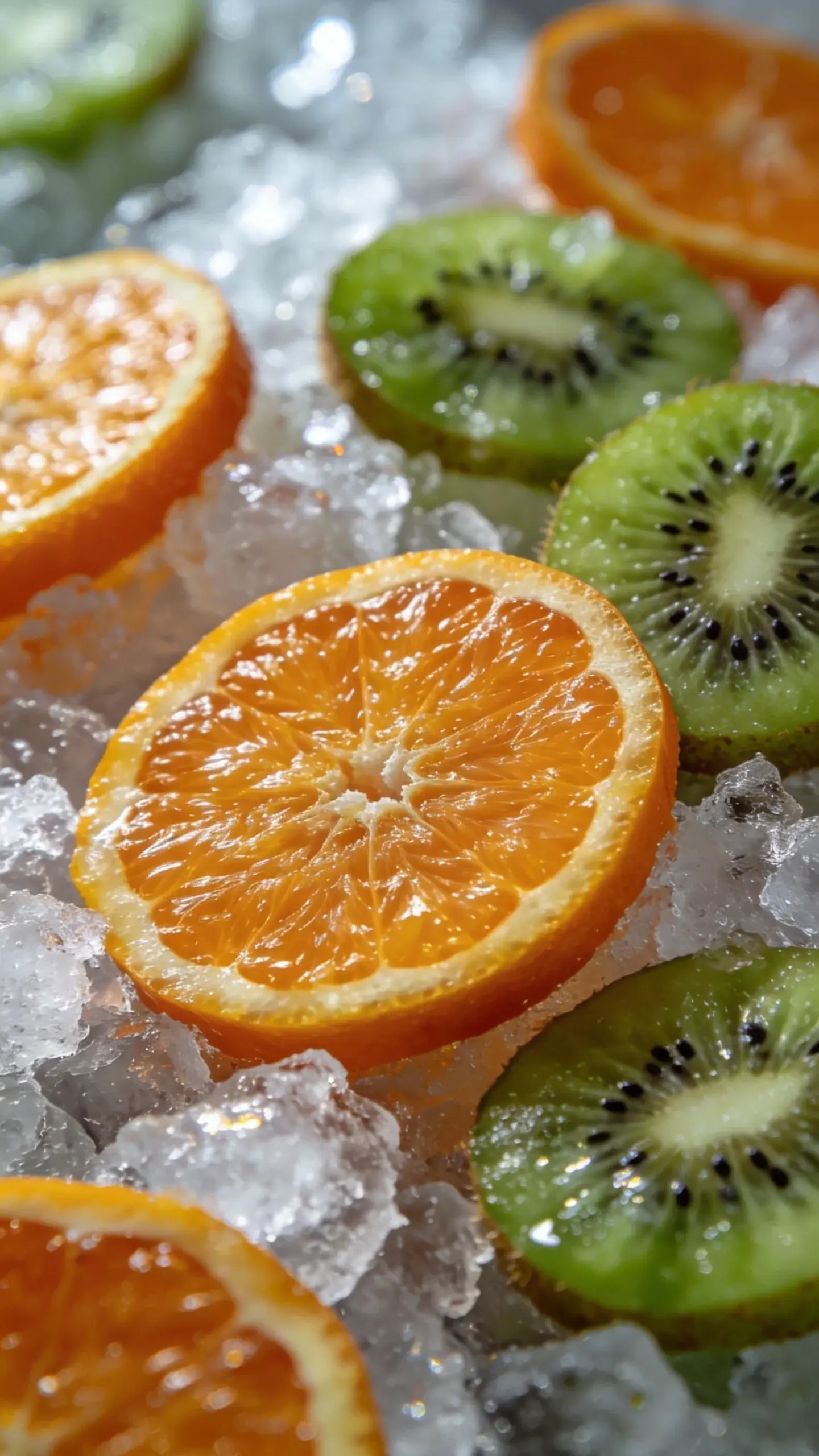
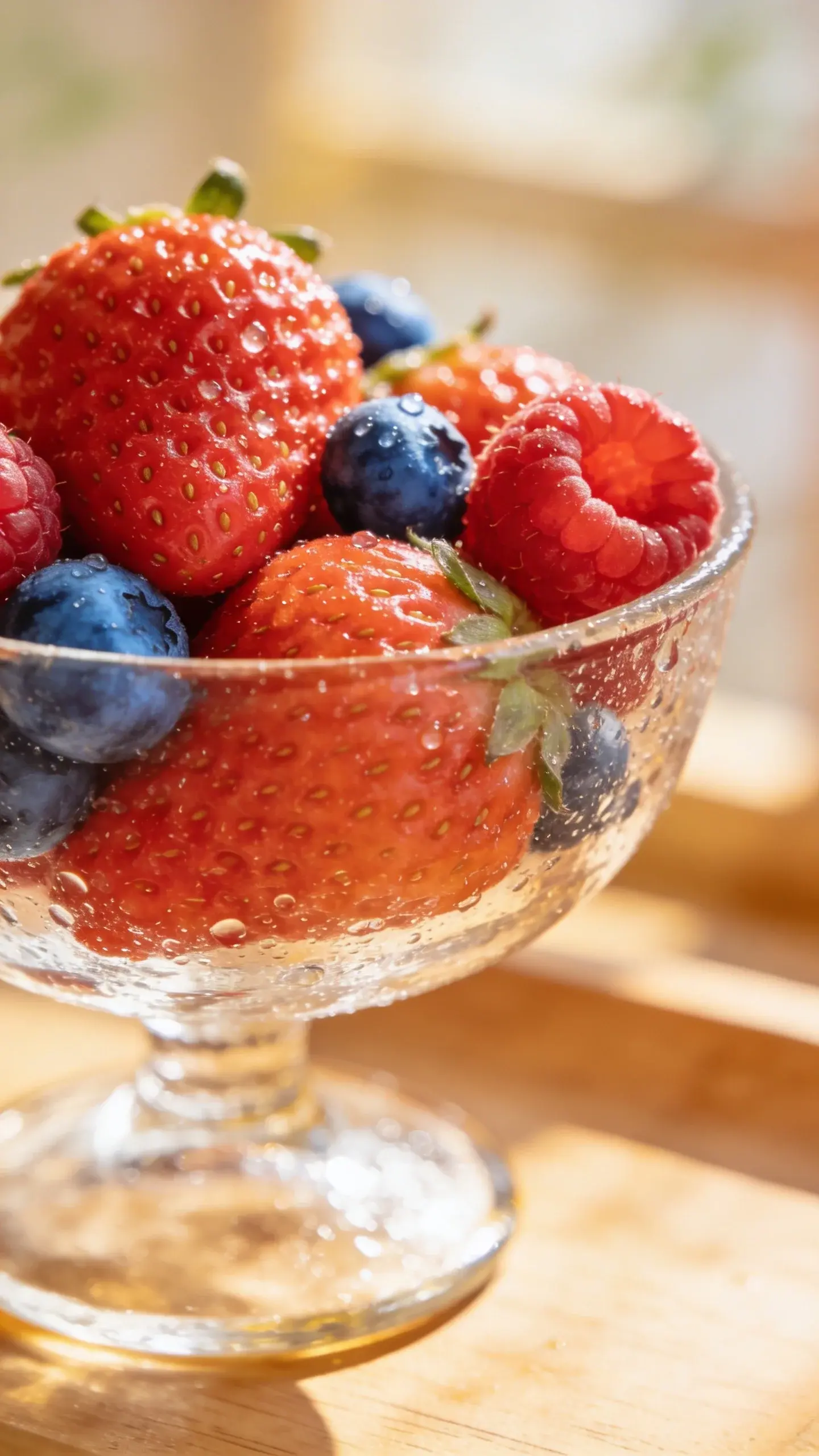
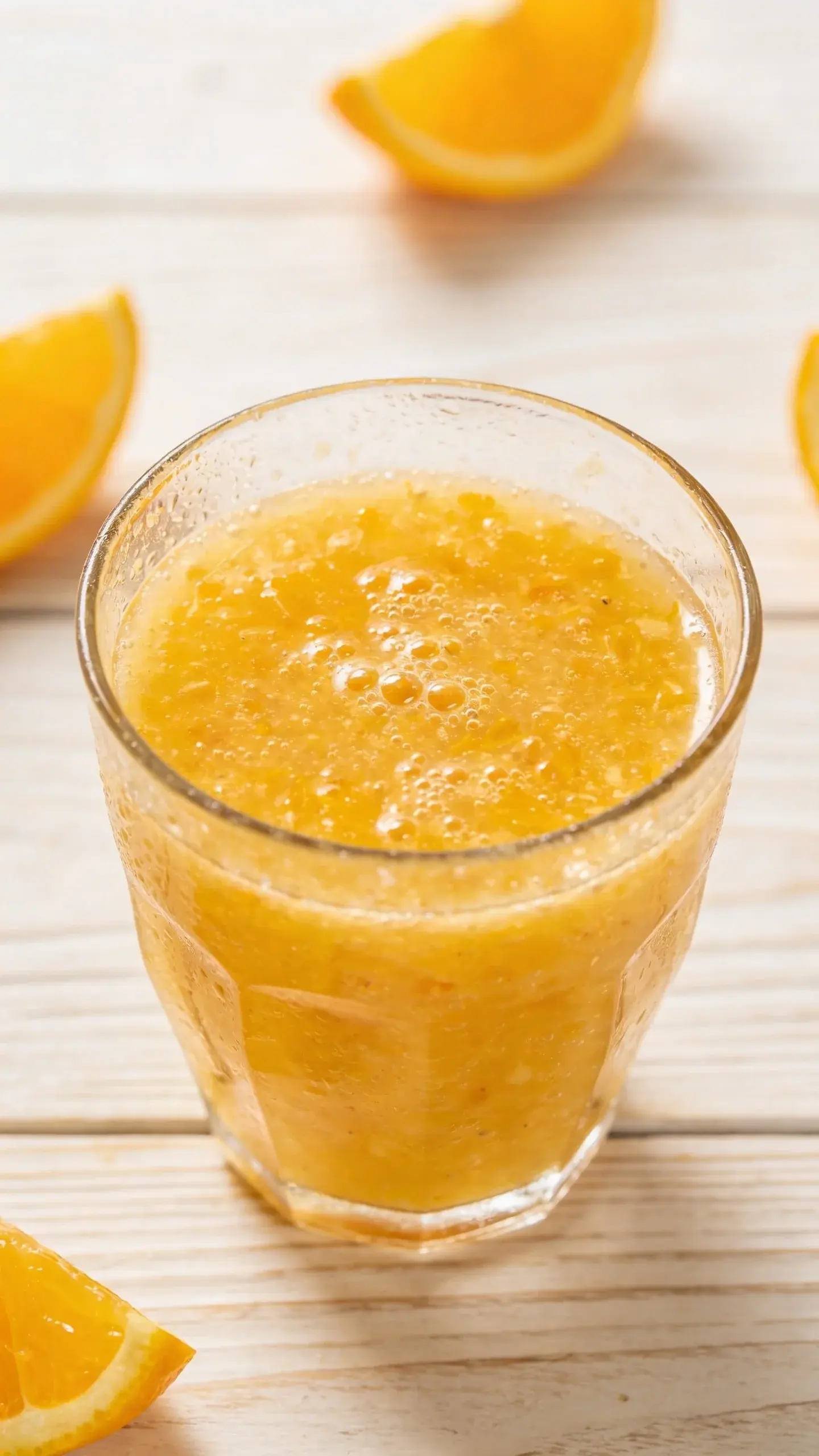






Summer sun feels amazing… until your skin and energy tap out. That’s where vitamin C strolls in like the friend who brings sunscreen, cold fruit, and good vibes. This antioxidant doesn’t just hype your immune system; it fights oxidative stress, supports collagen, and keeps you glowing even after a beach day. Want easy, tasty ways to load up without chewing chalky tablets? Let’s raid the produce aisle and your pantry.
Vitamin C hustles on a few fronts at once. It neutralizes free radicals from UV exposure, pollution, and, yes, that afternoon sunbake you swore would be “just 10 minutes.” It also supports collagen synthesis, so your skin stays bouncy and your joints stay happy.
Here’s the greatest hits list:
FYI, your body can’t store much vitamin C, so you need steady intake. The good news? Summer produce basically throws it at you.
Let’s skip the boring and go straight to juicy, crisp, and zesty.
Vitamin C breaks down with heat and light. Keep it chilled, eat it fresh, or cook briefly. IMO, sautéed peppers taste great, but raw peppers deliver more C.
Want more than a vitamin checkbox? Stack your plate with combos that play well together.
Beverages can carry your vitamin C game without feeling like “health food.”
Blend fruit with yogurt or kefir for protein, or add spinach to sneak in iron. Keep the blender time short to limit oxidation. Also, skip the sugar bombs—fruit already brings the sweetness.
Most adults do great with 75–90 mg per day. Active folks or those under more oxidative stress can benefit from a bit more, easily hit with food. The upper safe limit sits at 2,000 mg/day for adults, but please don’t turn it into a competition. More doesn’t mean “superhuman,” and your gut will protest.
– Food first: Whole foods bring fiber, water, and a bouquet of antioxidants that team up.
– Supplements: Handy if your appetite dips in heat or your diet restricts produce. Aim for 250–500 mg if you supplement, split doses if you go higher to improve absorption.
– Liposomal vitamin C: Trendy and fine, but not magic. Food still wins for most people.
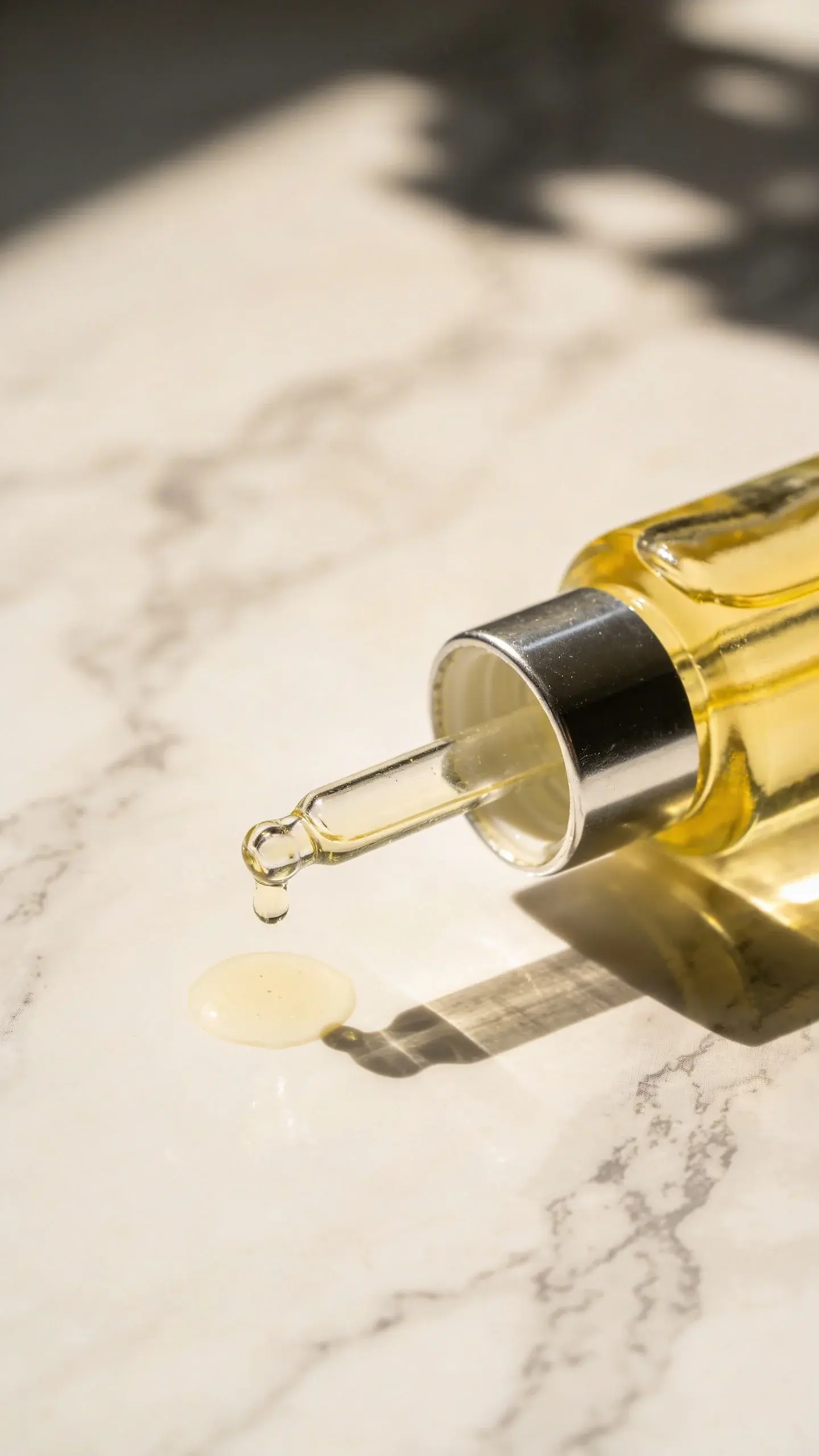
You can double-dip benefits with diet and topical vitamin C. Inside-out + outside-in = happy skin.
FYI, if your skin feels stingy with strong C serums, switch to gentler derivatives or use every other day.
Low-effort, high-flavor meals that keep your kitchen cool.
– Prep a big bowl of citrus segments and berries.
– Wash and slice peppers and cucumbers for grab-and-go crunch.
– Freeze mango chunks for instant smoothie therapy.
– Keep limes and lemons on the counter. If it sits there, you’ll use it.
Not really. Your kidneys flush the excess, and food-based vitamin C rarely causes issues. Very high supplemental doses can cause GI discomfort, so stick to sensible amounts if you use pills.
Not completely, but heat and long cook times reduce it. Steam briefly, microwave, or eat raw when possible. Quick-cook methods preserve more C than simmering something to death.
No problem—go for strawberries, kiwi, bell peppers, pineapple, and tomatoes. You’ll still crush your vitamin C goals without the acidity spike that some citrus brings.
Yes, as part of your routine. Dietary C supports recovery and collagen, and a morning vitamin C serum can bolster your sunscreen’s defense. But nothing replaces broad-spectrum SPF, shade breaks, and hats. Sorry, I don’t make the UV rules.
Often, yes. Producers freeze at peak ripeness, which locks in nutrients. If fresh berries look tired and pricey, frozen is a solid, budget-friendly MVP.
Not much. Aim for consistent daily intake. Pair vitamin C foods with meals for better tolerance and easy habit-building.
Summer hands you vitamin C on a silver platter—berries, peppers, citrus, tomatoes, and tropical fruit galore. Prioritize fresh, keep the cooking light, and stack smart pairings like C + iron or C + healthy fats. Add a topical serum under sunscreen if you want bonus glow. Do that, and you’ll ride into fall with more energy, stronger skin, and fewer “why am I so tired?” moments. IMO, that’s a pretty sweet deal.