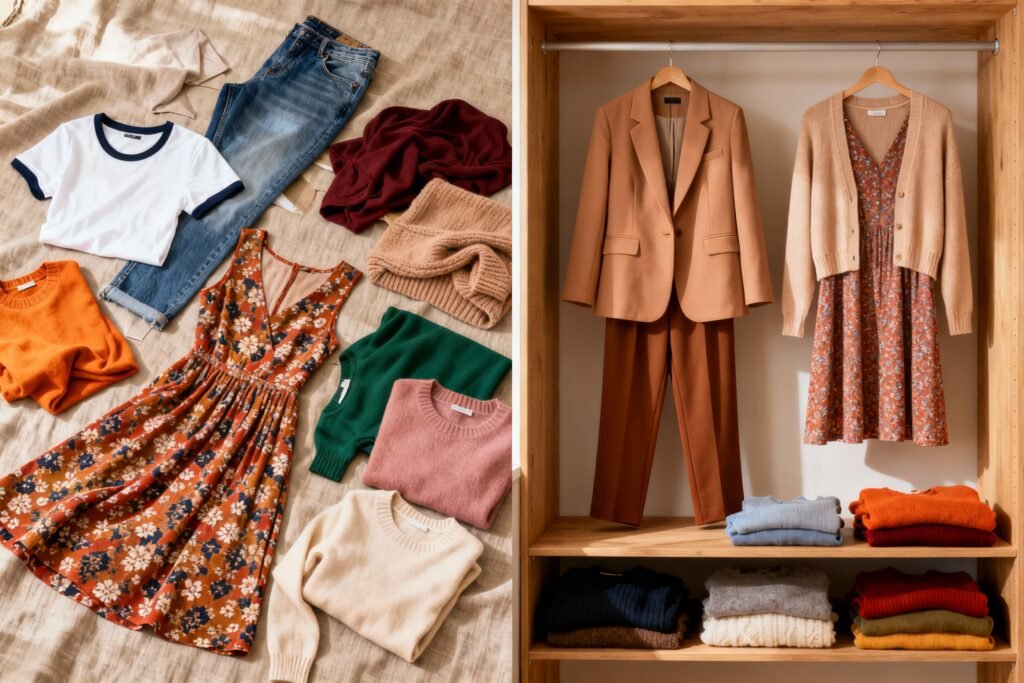


Your closet looks like a thrift store on a windy day, right? A sequined top here, three black tees there, and somehow seven pairs of “statement” pants that never see daylight. You don’t need more clothes—you need a plan.
Let’s turn those random pieces into a wardrobe that actually gets dressed without dramatic sighing.
Stop building a wardrobe for the person you might be in Paris. Build for Monday morning, gym days, coffee runs, date nights, and actual events on your calendar. If you work from home and live in sneakers, owning five blazers makes zero sense—unless they’re your personality, in which case, carry on.
Reality check: Buy for the life you live 80% of the time.
Fill the 20% with a few special pieces you love.
What vibes do you actually want to give? “Minimal, a little sporty, with sharp shoes” beats “I like everything.” Pick a clear direction so outfits connect instead of fight.
Choose three words that capture your look. Examples:
Use these words when you shop. If it doesn’t fit the formula, leave it (unless it’s jaw-dropping and you’ll wear it 10+ times, IMO).
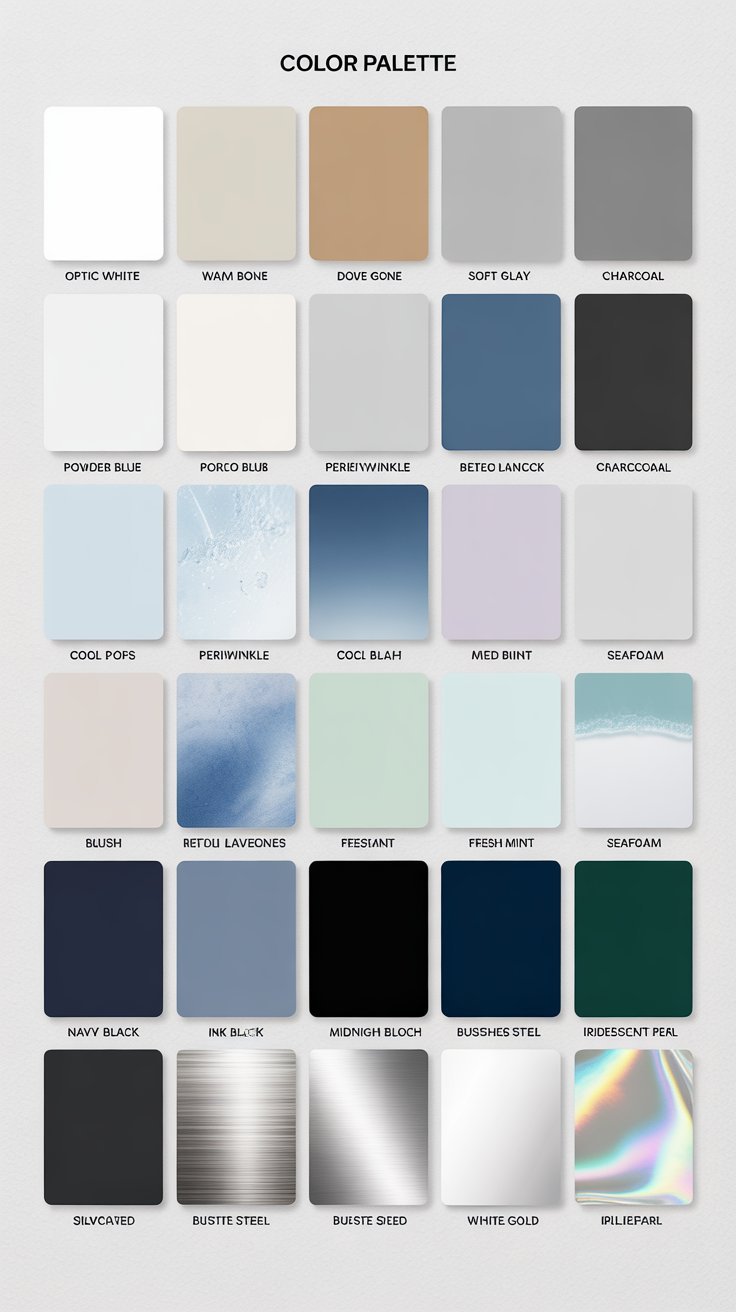
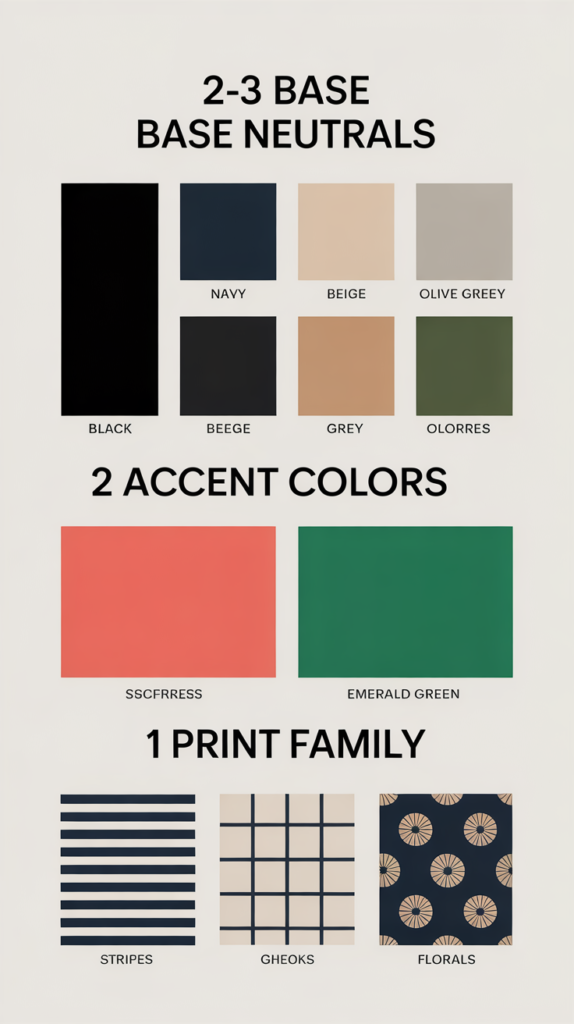
Color chaos kills cohesion.
Choose:
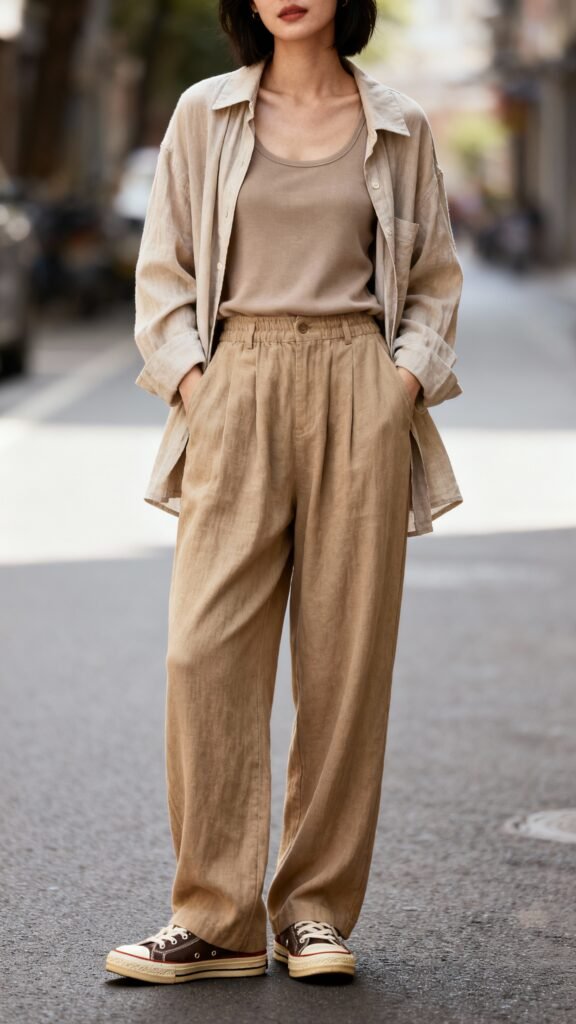
Pro tip: Keep bottoms mostly neutral. Go wild on top halves and accessories. It multiplies outfit options.
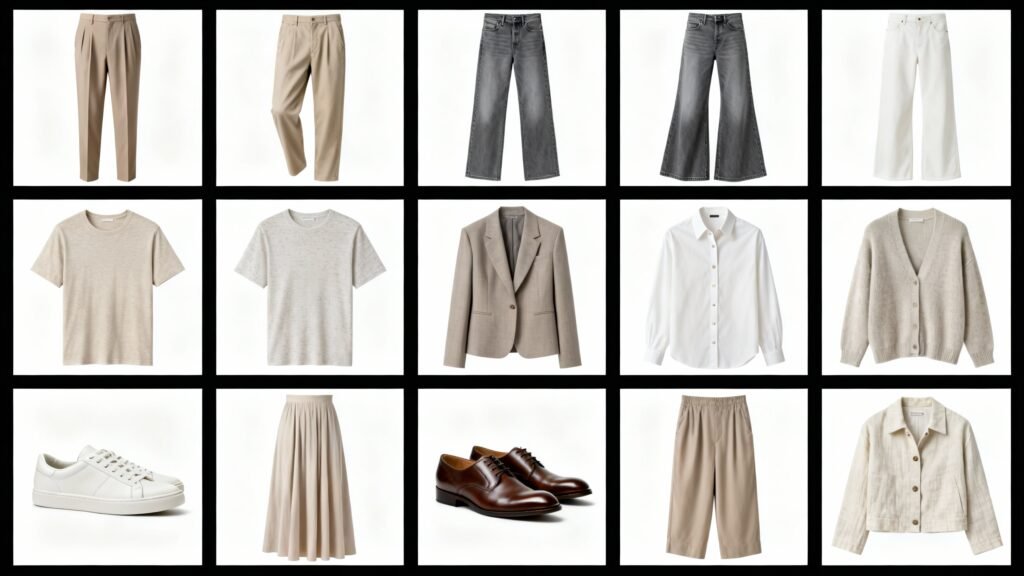
Capsules sound preachy, but they work.
Think of them as the “connectors” that turn one-off pieces into outfits.
Rule: Every piece must pair with at least three others. If it doesn’t, it’s not core—it’s a guest star.
You probably have half this stuff hiding. Pull everything out.
Yes, everything. Make three piles:
Try-on session: Make 10 outfits from what you own.
Take mirror pics. You’ll see what’s missing instantly (usually shoes or layering pieces).
Now you get to shop, but like a grown-up. Create a short list:
Buy less, buy better. If it won’t last 30 wears, skip it.
If it scares you slightly but fits the formula, try it.
When you’re about to click “add to cart,” ask:
If you hit four yeses, congrats—approved. If not, it’s a scroll-by.
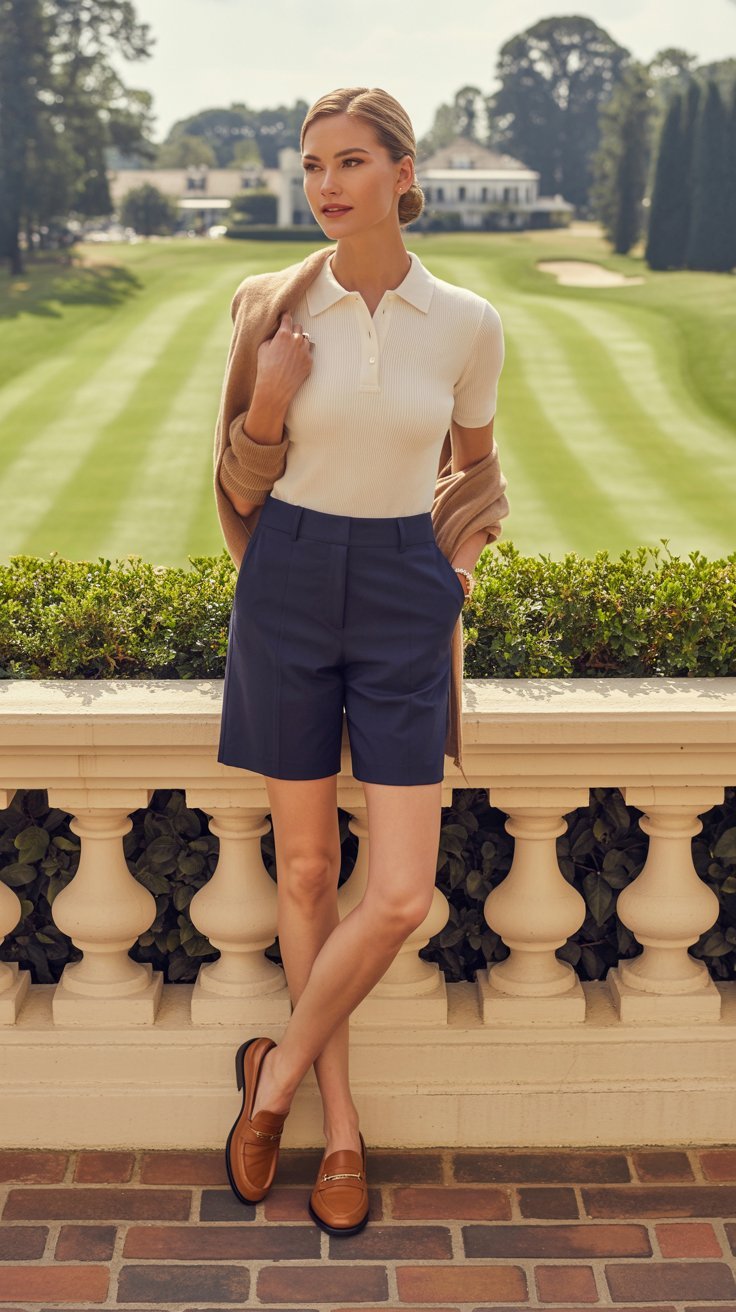
Outfit formulas save brain cells. Build a few templates you can repeat with different pieces.
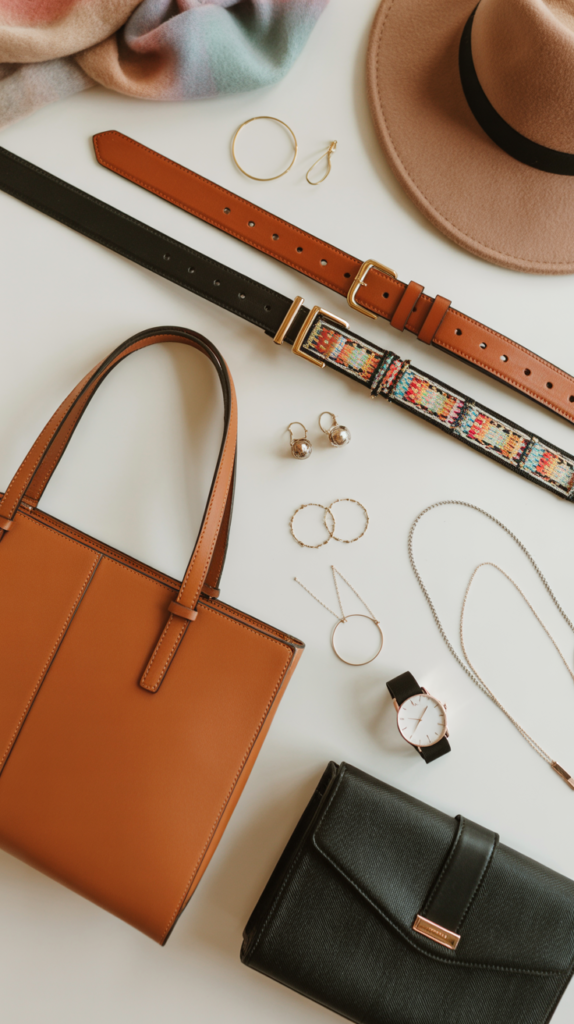
Accessories tie outfits together with minimal effort. Build a small rotation:
IMO: If your shoes and bag feel intentional, everything looks intentional.
Cohesion isn’t a one-time miracle; it’s maintenance.
Nope. You need a consistent foundation and a clear style direction. A capsule helps, but you can absolutely keep variety—just make sure new pieces play nicely with your core items and color palette.
Keep your bottoms and layers neutral, then go bold on tops and accessories.
Choose a print family and stick to it—like stripes and checks—so pieces mix without clashing. Bold doesn’t mean chaotic; it just needs a boundary.
For most people, five pairs cover everything: clean sneakers, loafers, ankle boots, a dressy heel or smart shoe, and a sandal. Add specialty pairs (running shoes, hiking boots) as needed.
Quality and comfort beat a dozen “almost right” pairs.
Yes. A $25 hem or $40 waist nip can transform how often you wear something. Tailoring makes mid-priced clothes look custom and gives old favorites new life.
It’s the cheapest way to upgrade your entire wardrobe, FYI.
Use a 7-day rule and your 3-word style formula. If you still want it after a week and it styles three ways with what you own, go for it. If not, it was an infatuation, not love.
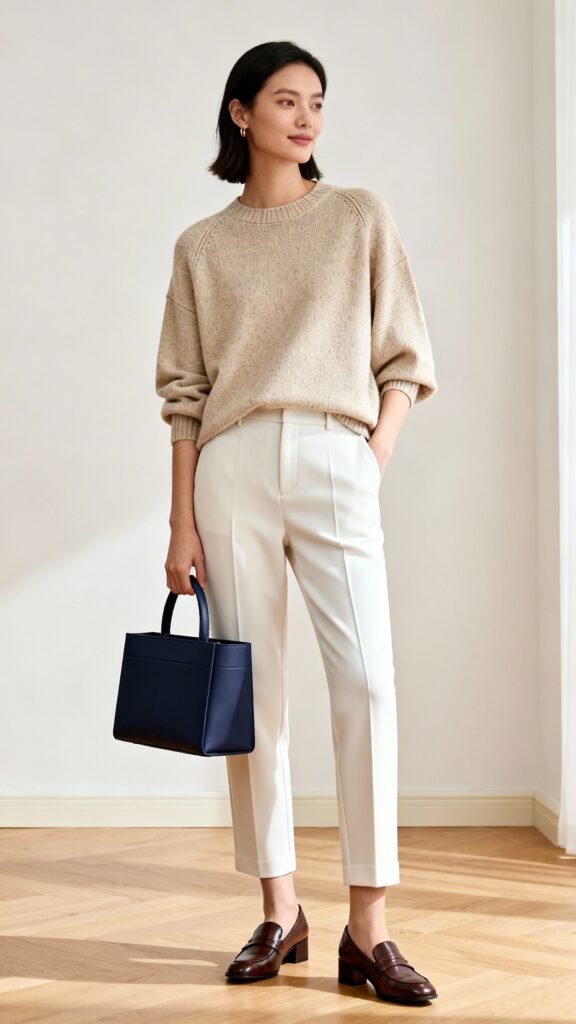
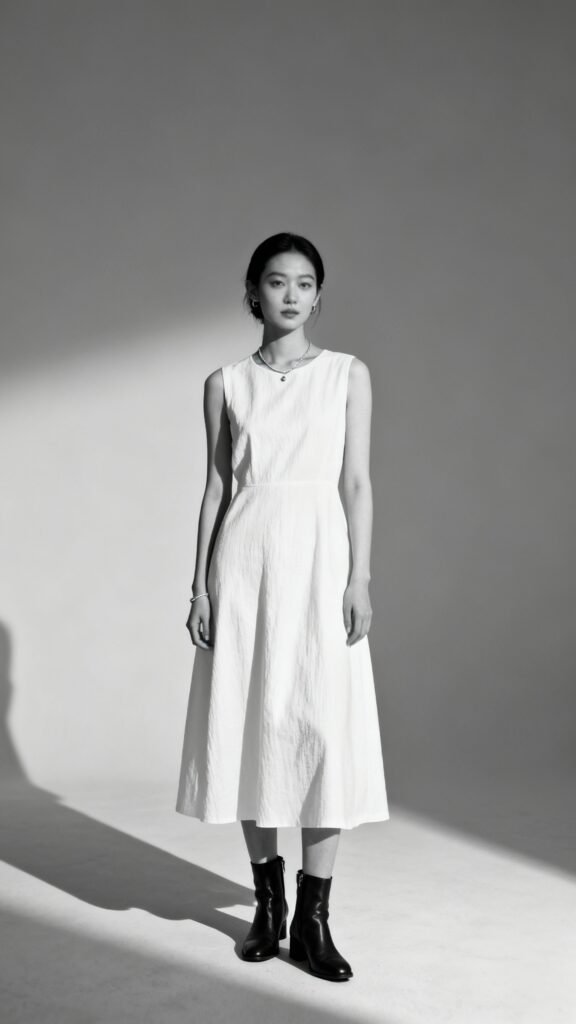
Monochrome outfit + structured layer + clean shoes.
Add a belt and a simple accessory. Boom—effortless.
A cohesive wardrobe doesn’t mean boring or minimal—it means intentional. You pick pieces that support your real life, play within a color story, and slot into outfit formulas you love.
Do the audit, define your style, fill the gaps, and maintain the system. Then enjoy the best part: getting dressed fast, feeling great, and leaving the dramatic sighs to your laundry pile.