



Some fabrics whisper. They don’t shout logos or scream trends. They just sit there, drape perfectly, and say, “Yes, this was expensive,” without moving their lips.
If you want that quiet-wealth aura—the kind that looks effortless and impossible to copy with polyester—start with these materials and a few practical tells that never lie.
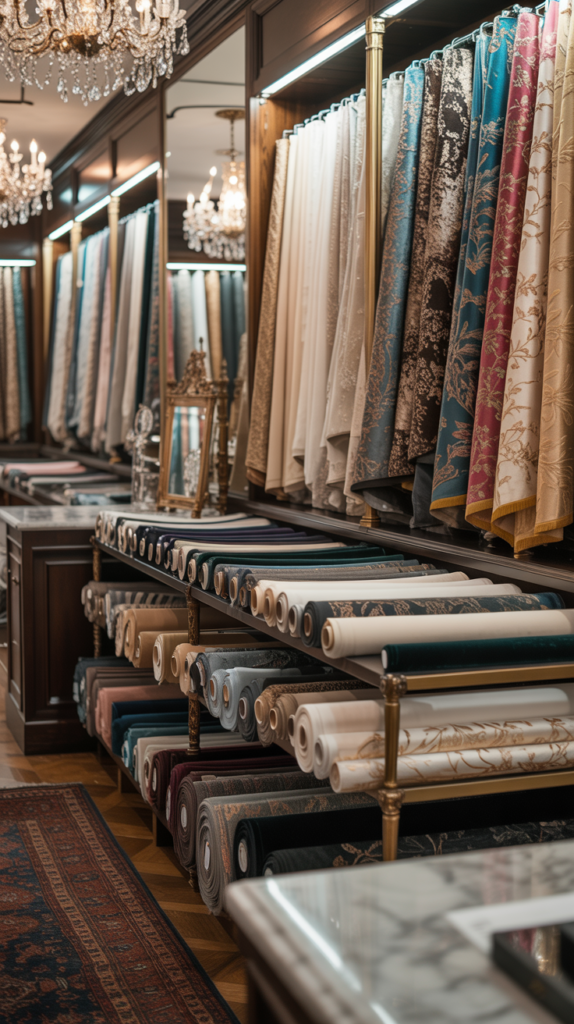
You can spot quiet luxury by how a fabric behaves. It falls cleanly, resists shine, and looks rich from five feet away. Think texture over logos and depth over dazzle.
What to look for right away:
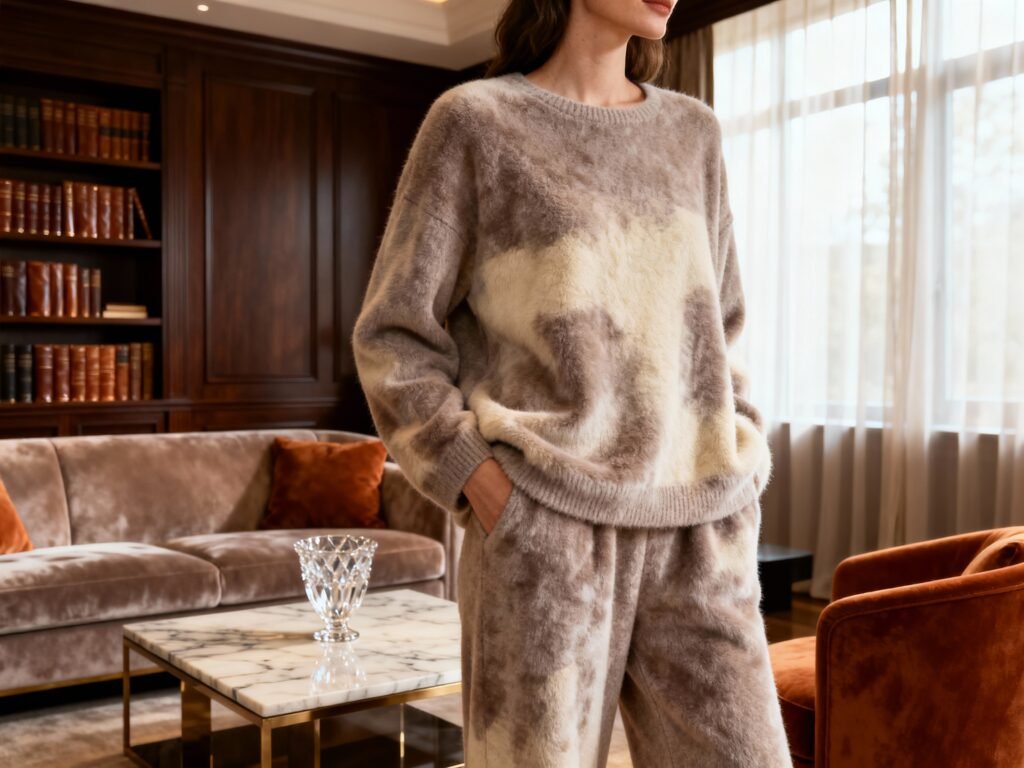
Cashmere is the entry ticket to low-key luxe.
Good cashmere feels cloud-soft without fuzzing everywhere, and it warms without bulk. It also avoids that shiny, tight knit you see in cheaper blends. How to spot quality cashmere:
Yes, there’s a real difference. Grade A uses longer, finer fibers, so it feels smoother and lasts longer. Grades B and C cost less but pill faster and stretch out sooner. If the price seems suspiciously friendly, IMO you’re buying blends or lower grades.
We’re talking about merino, lambswool, and worsted wool suiting.
High-end wool looks clean and structured. It keeps shape, drapes beautifully, and doesn’t itch (unless it’s the cheap stuff—then yes, it fights back). Quiet-wealth wool hallmarks:
“Super 120s, 150s, 180s” measure fiber fineness, not quality alone. Higher numbers feel silkier but wrinkle more and can wear out faster.
Sweet spot for suits? Super 100s–130s—refined but durable. FYI, anything labeled “Super 220s” is basically a diva.
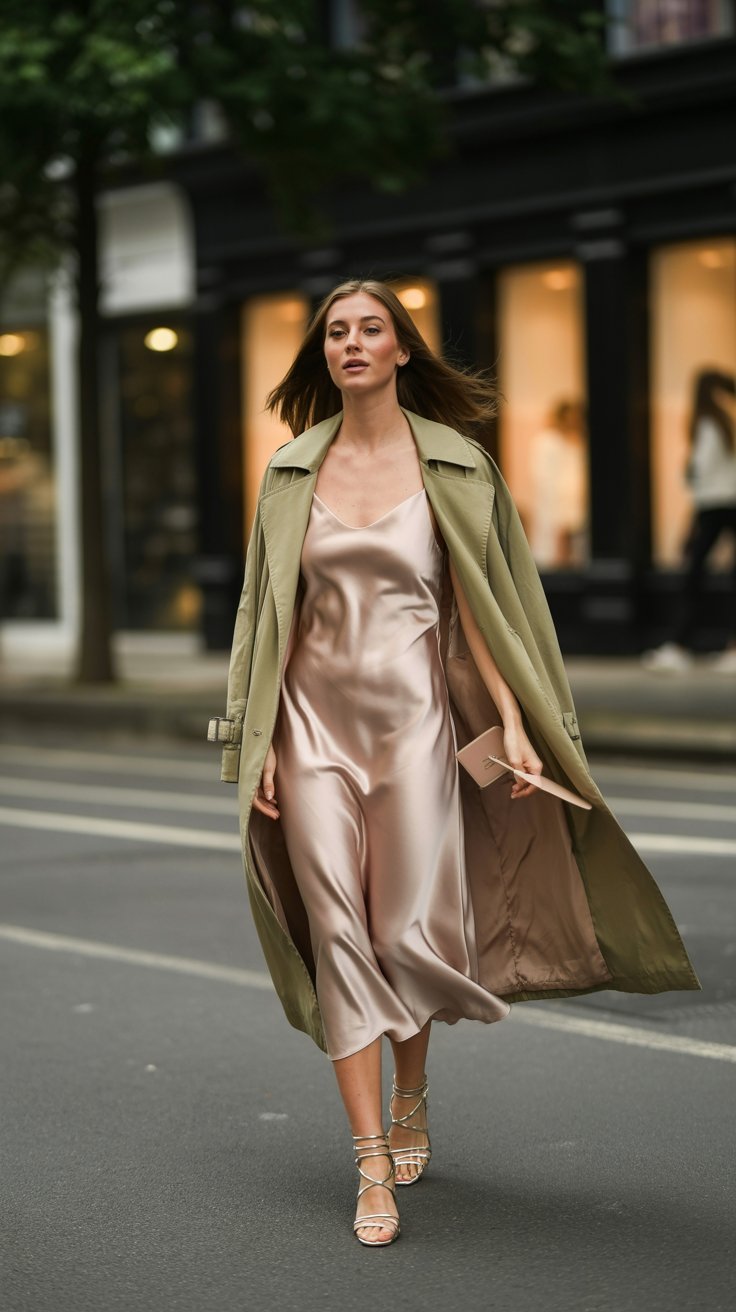
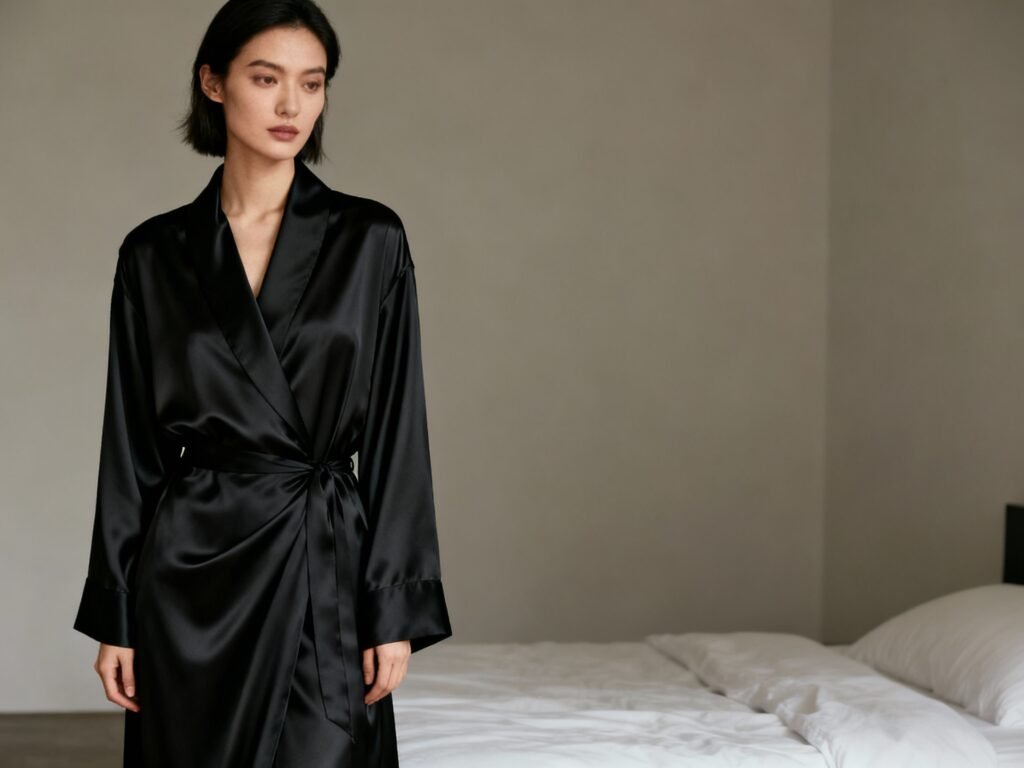
Silk can scream or whisper. Quiet-wealth silk prefers whisper mode: matte or crepe textures, not prom-night gloss.
Silk types that read expensive:
Check the momme (mm) if possible. Higher momme means more heft and longevity.
The blouse that doesn’t cling weirdly and drapes with intention? Probably 16–22 mm. The flimsy one?
Hard pass.
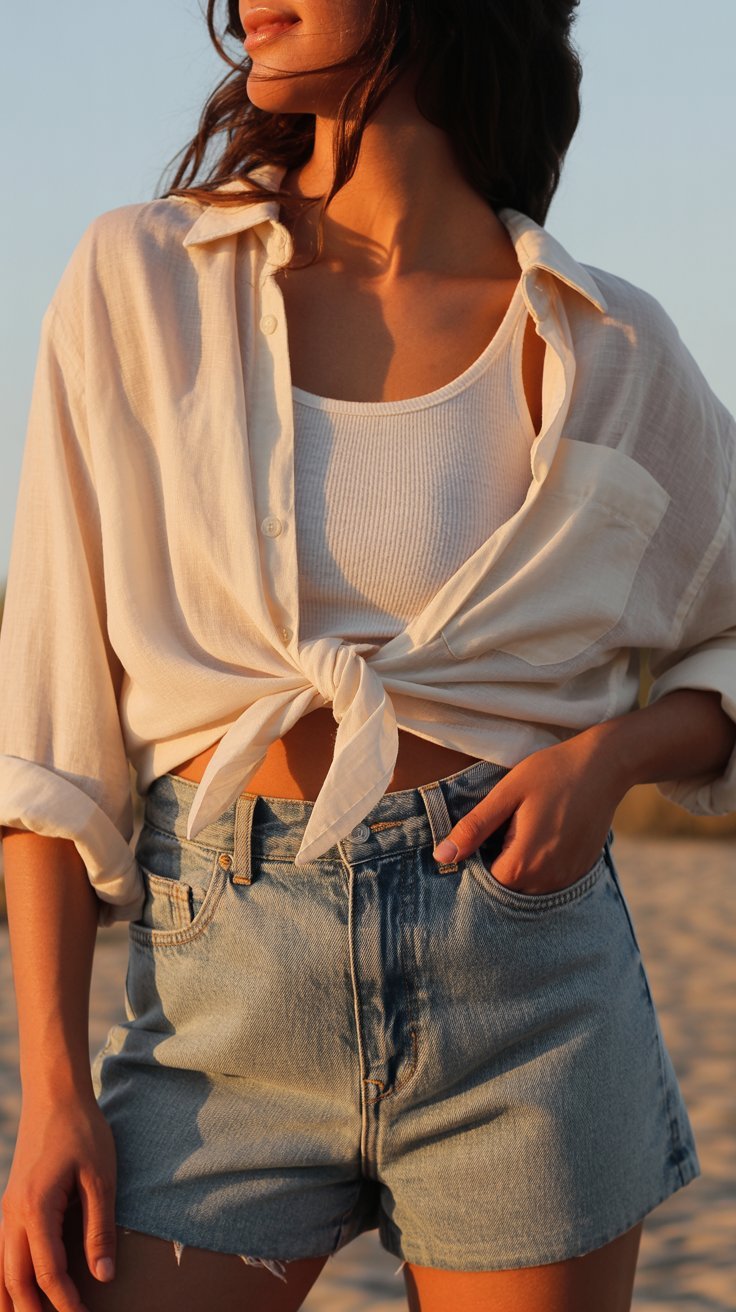
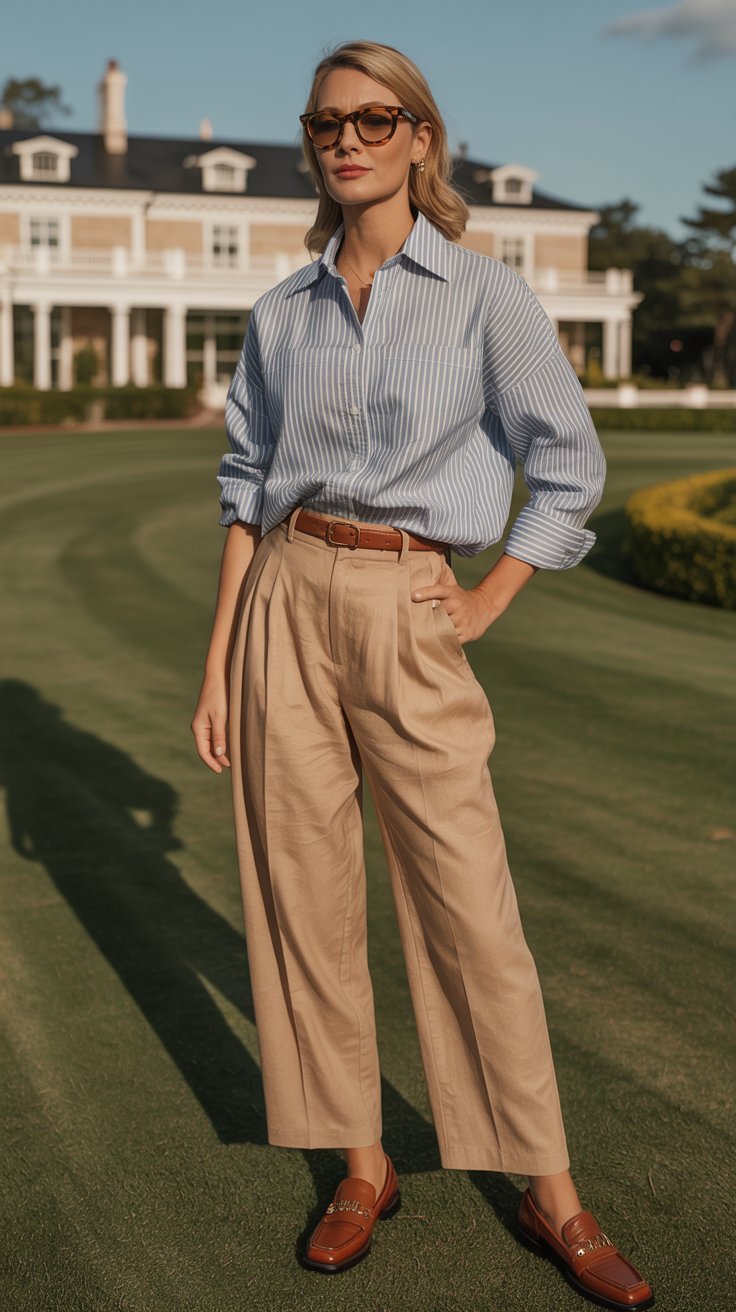
Linen wrinkles, but in a “I have a garden in Tuscany” way. The weave looks crisp, the hand feels cool, and the overall vibe says summer money without the brag.
Quality signals:
Steam lightly, then embrace the soft creases. Pair with structured pieces—blazers, leather sandals, clean trousers—to turn the “wrinkle” into a flex.
You don’t need giant hardware to telegraph luxury.
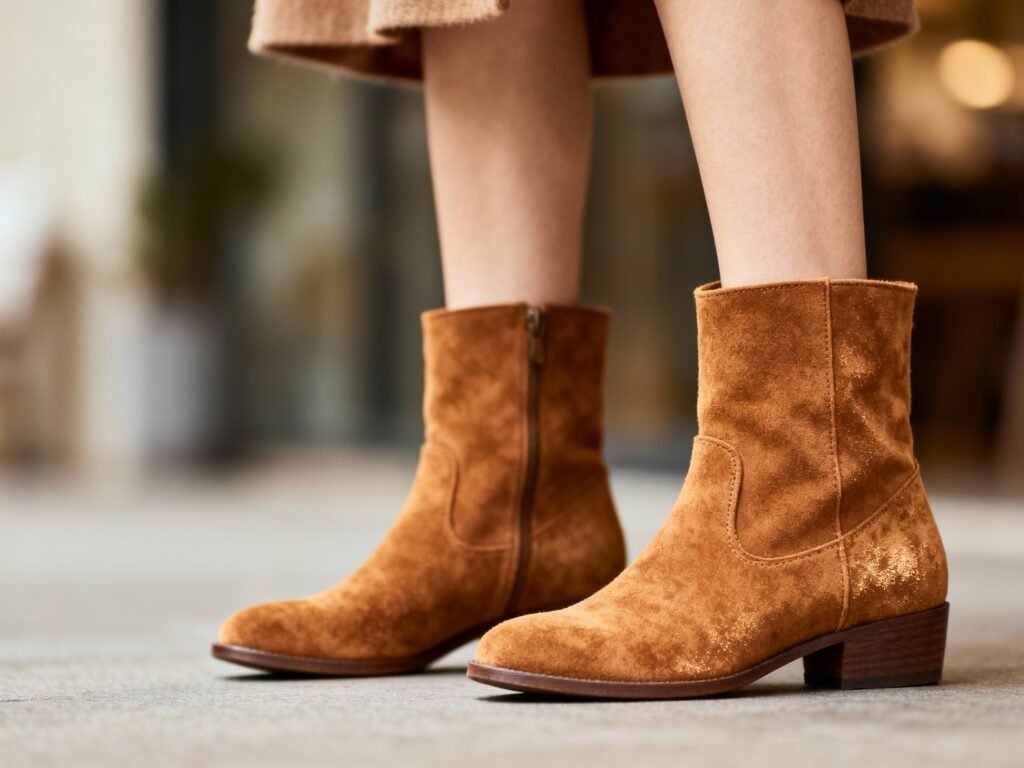
High-grade leather and suede do more with less. They feel supple, smell rich, and patina like a good story. What separates the good stuff:
Condition, protect, and brush. Use suede spray and a crepe brush. Store with space—leather hates being squished like a subway commute.
You won’t see these plastered on fast-fashion racks.
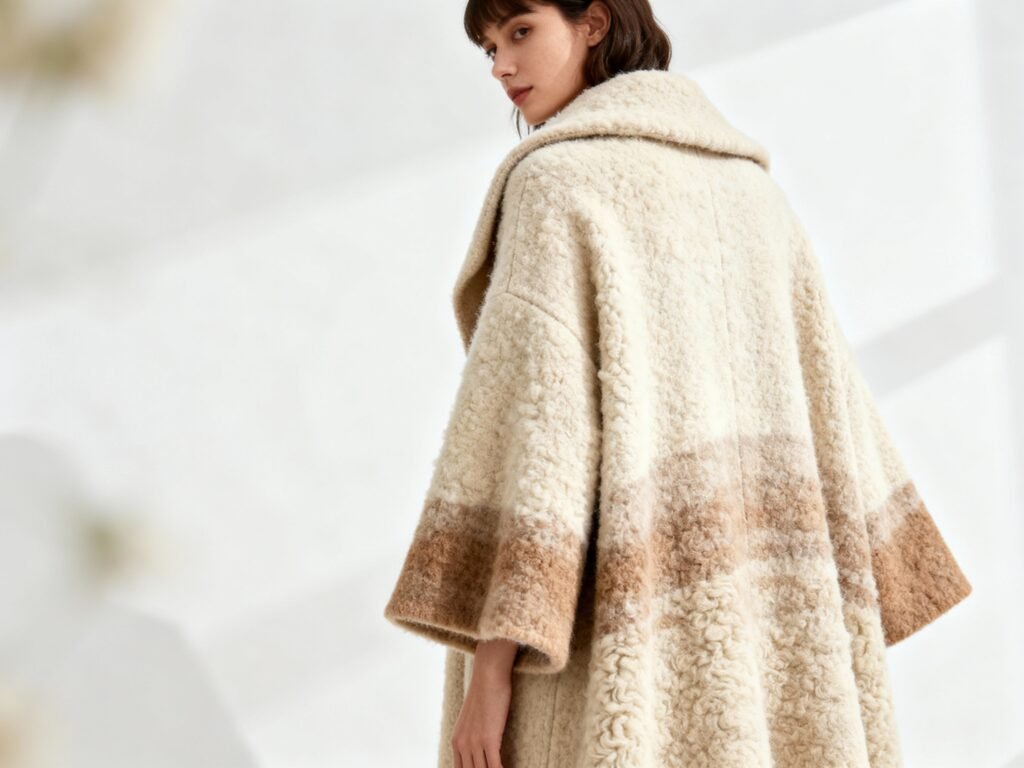
That’s the point. Alpaca and camel hair deliver featherweight warmth, low pilling, and a dignified, matte finish. Why they signal money quietly:
Alpaca or camel blended with wool often hits the sweet spot: durability, shape retention, and a more approachable price. Look for majority natural fiber with minimal synthetics.
Cotton can be basic—or it can be “whoa, why does this tee feel like a cloud?” The difference is fiber length and finish. Spend where it shows:
For tees, choose compact jersey or interlock with a weighty hand.
For dress shirts, check for tight stitching, pattern matching, and thick buttons. If the buttons feel like chiclets, IMO you can do better.
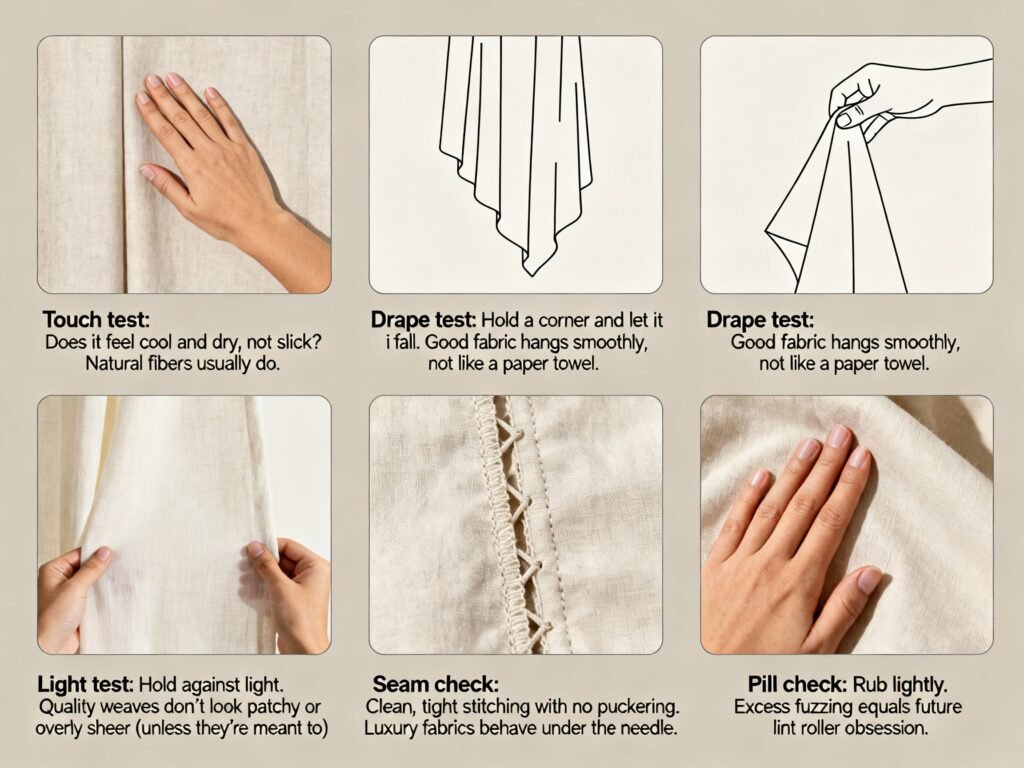
Want to avoid buying the wrong thing? Two minutes in the fitting room can tell you a lot.
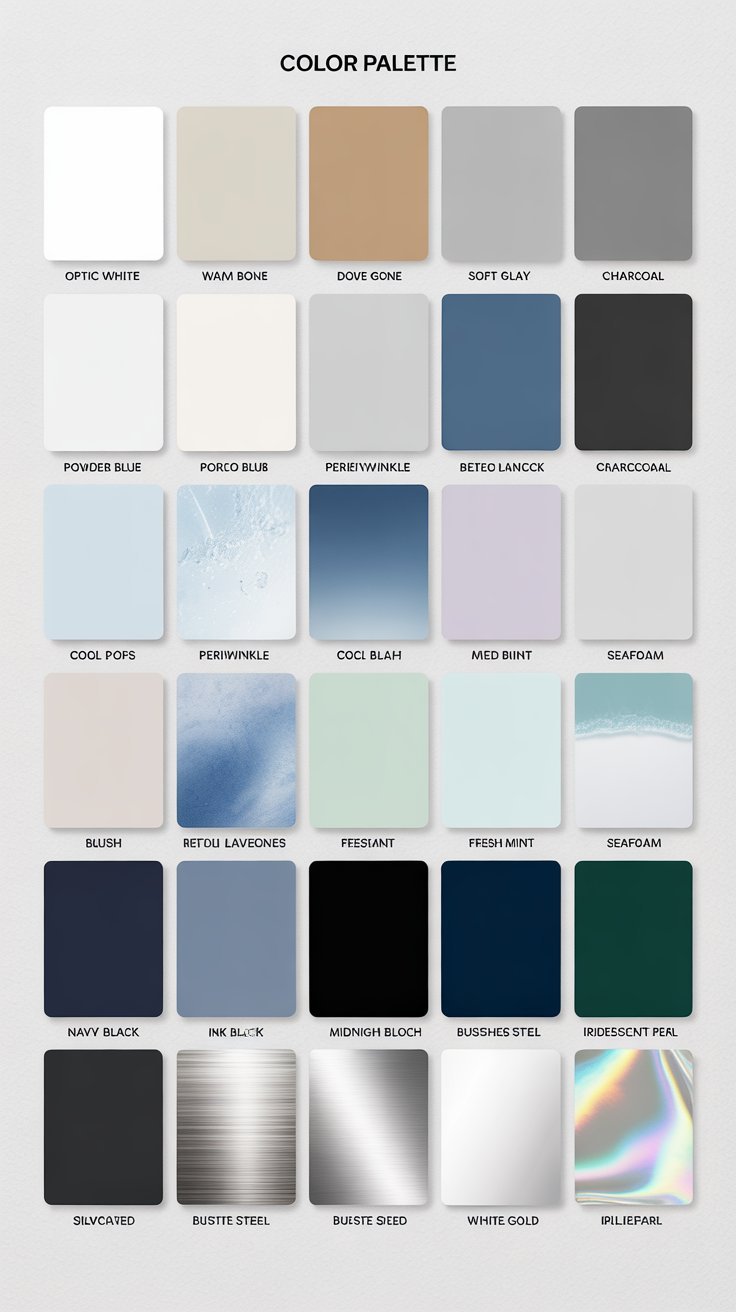
Quiet wealth leans neutral but never boring. Matte finishes and rich, saturated tones look expensive because they hide flaws and highlight texture. Best-in-class cues:
Not at all.
Smart blends improve durability and drape. Wool-silk for suits, cotton-silk for shirts, and alpaca-wool for coats can look incredibly refined. The trick is majority natural fiber and a fabric that feels substantial, not flimsy.
Rotate wear, avoid backpacks that rub, and use a cashmere comb or sweater stone to remove pills.
Hand-wash or gentle cycle in a mesh bag with wool detergent, then dry flat. It sounds fussy, but your sweater will look new for years.
No, but it’s loud. Quiet luxury favors matte and soft luster because it reads expensive without shouting.
If you love sheen, choose silk twill or charmeuse on the matte side, or polished leather with minimal hardware.
Start with one great sweater (merino or cashmere) and a crisp cotton shirt in a dense weave. Those pieces anchor outfits and make everything else look better. Then add a linen shirt for summer and a wool coat when budget allows.
Look for fiber content, fabric weight (momme for silk, gsm for knits), close-up weave photos, and return policies.
Read reviews for notes on drape and feel. If a listing hides the composition or weight, FYI that’s a red flag.
Natural fibers generally breathe and biodegrade, but certifications matter. Look for GOTS (organic cotton), RWS (responsible wool), and Good Cashmere Standard.
Buy fewer, better pieces and care for them well—that’s the ultimate quiet flex.
Quiet wealth lives in fabric, not logos. Choose materials with body, breathability, and a matte or subtle luster—cashmere, fine wools, silk crepes, linen, luxe cotton, and refined leathers. Test the drape, feel the density, and keep the palette calm.
Do that, and your clothes will say everything—softly, confidently, and with zero need for a nameplate.