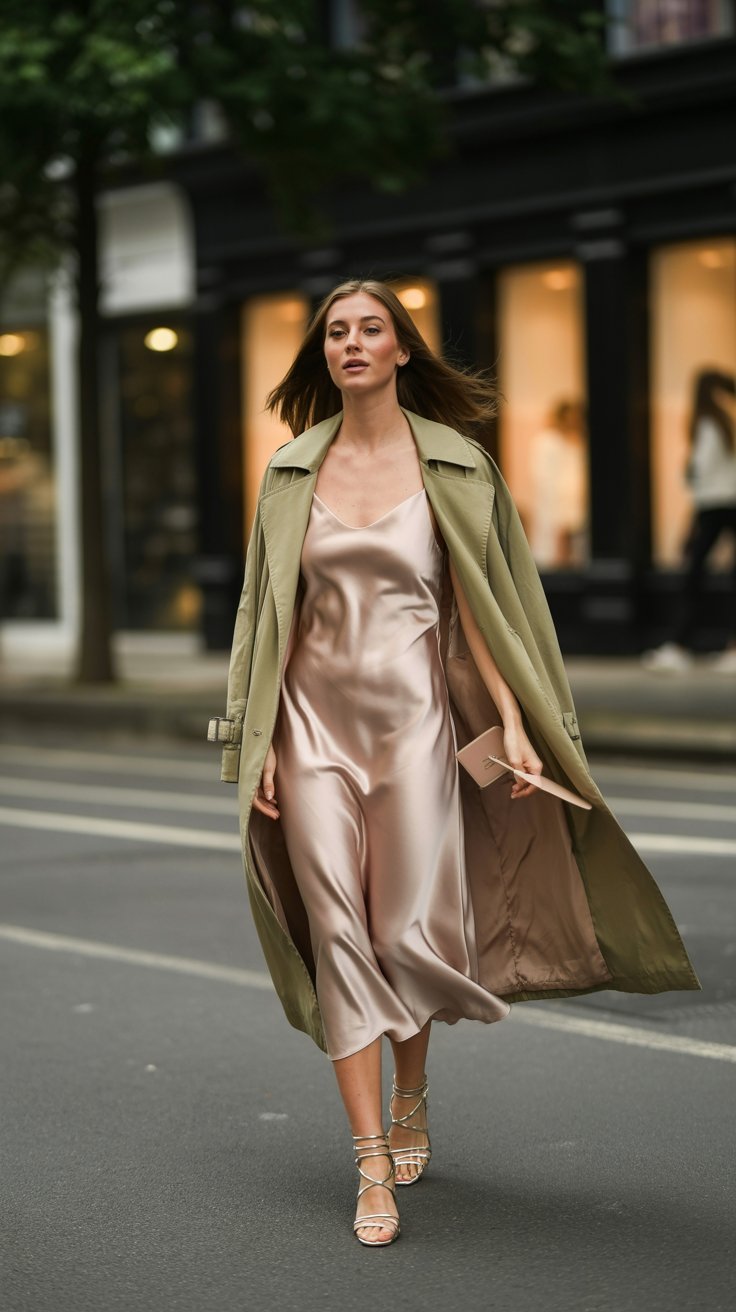
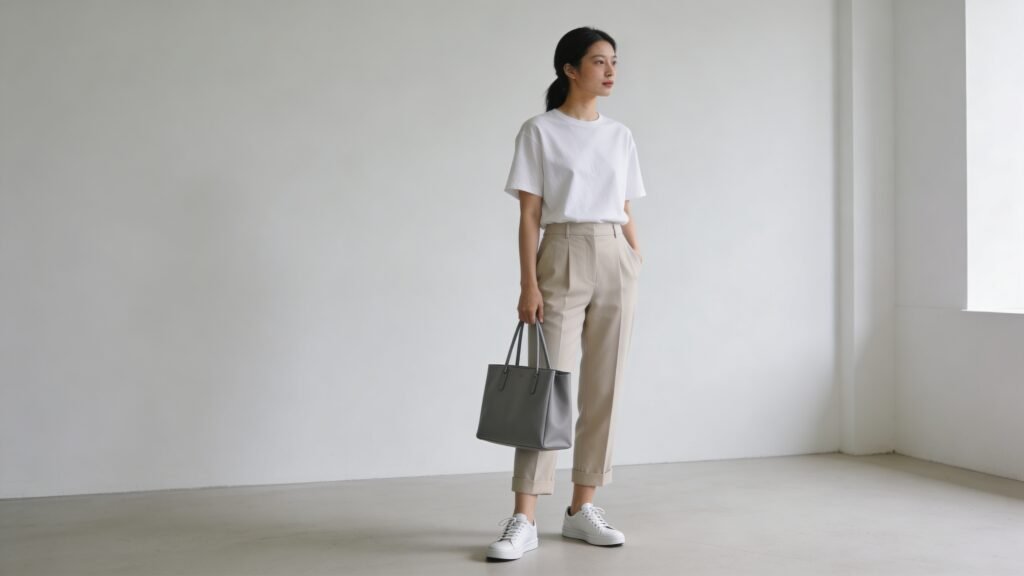
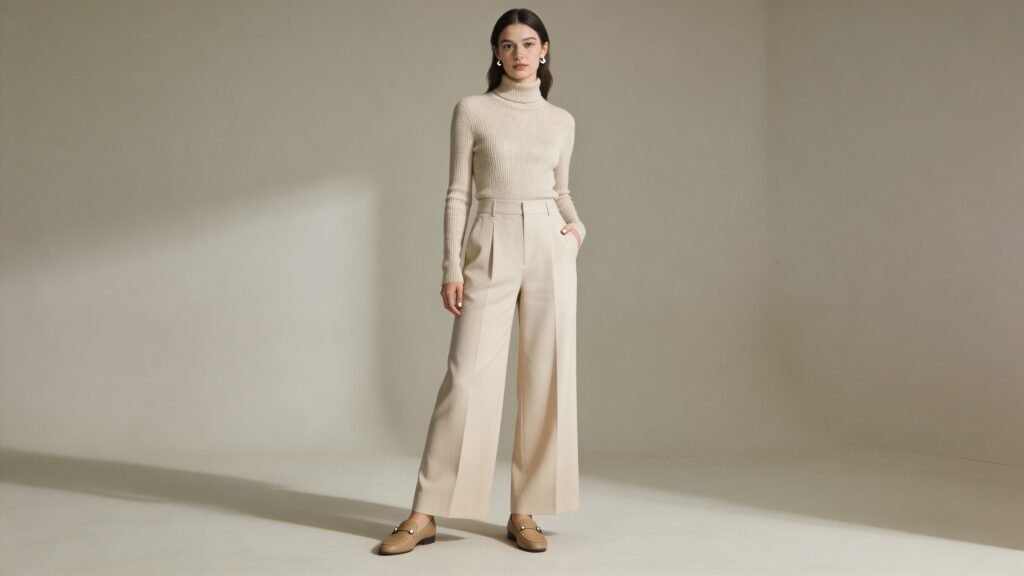
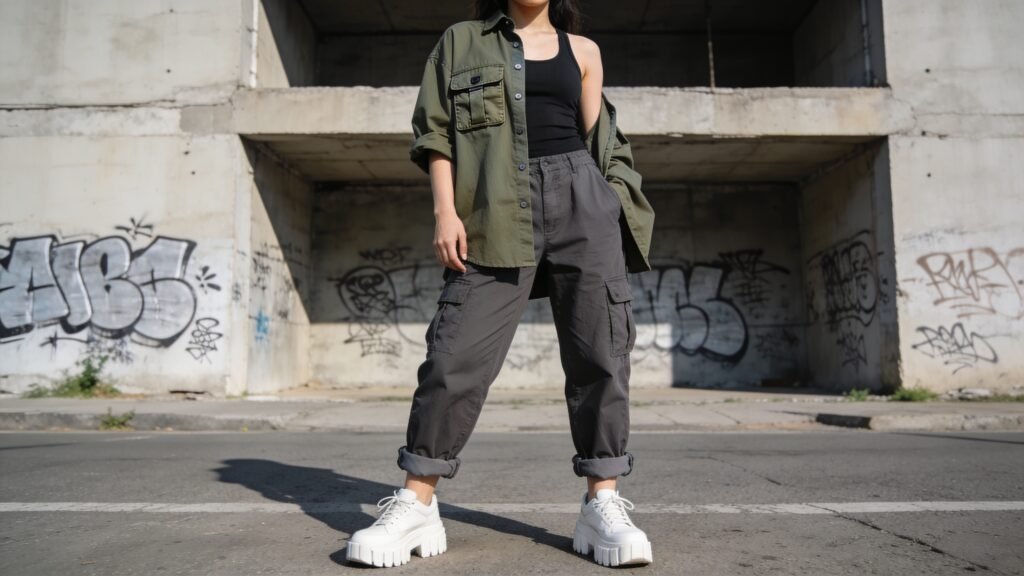
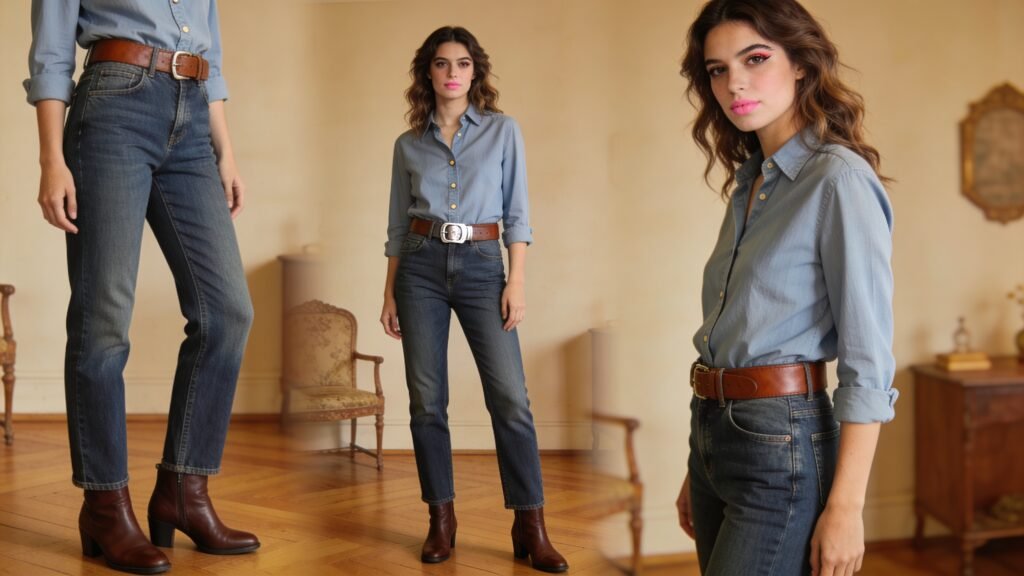




You don’t need a new wardrobe. You need a point of view. Before you buy another “maybe this will fix me” sweater, hit pause. Style isn’t shopping; it’s editing. Build your personal philosophy first, then let your closet catch up. Yes, you’ll save money. Yes, you’ll look better. Yes, you’ll finally stop hate-wearing that shirt you bought on a panic sale.
You can buy cool things and still look like a walking thrift bin if nothing connects. A philosophy gives you a filter. It tells you what belongs and what gets a polite “nope.” That filter turns “what should I wear?” into “I already know.”
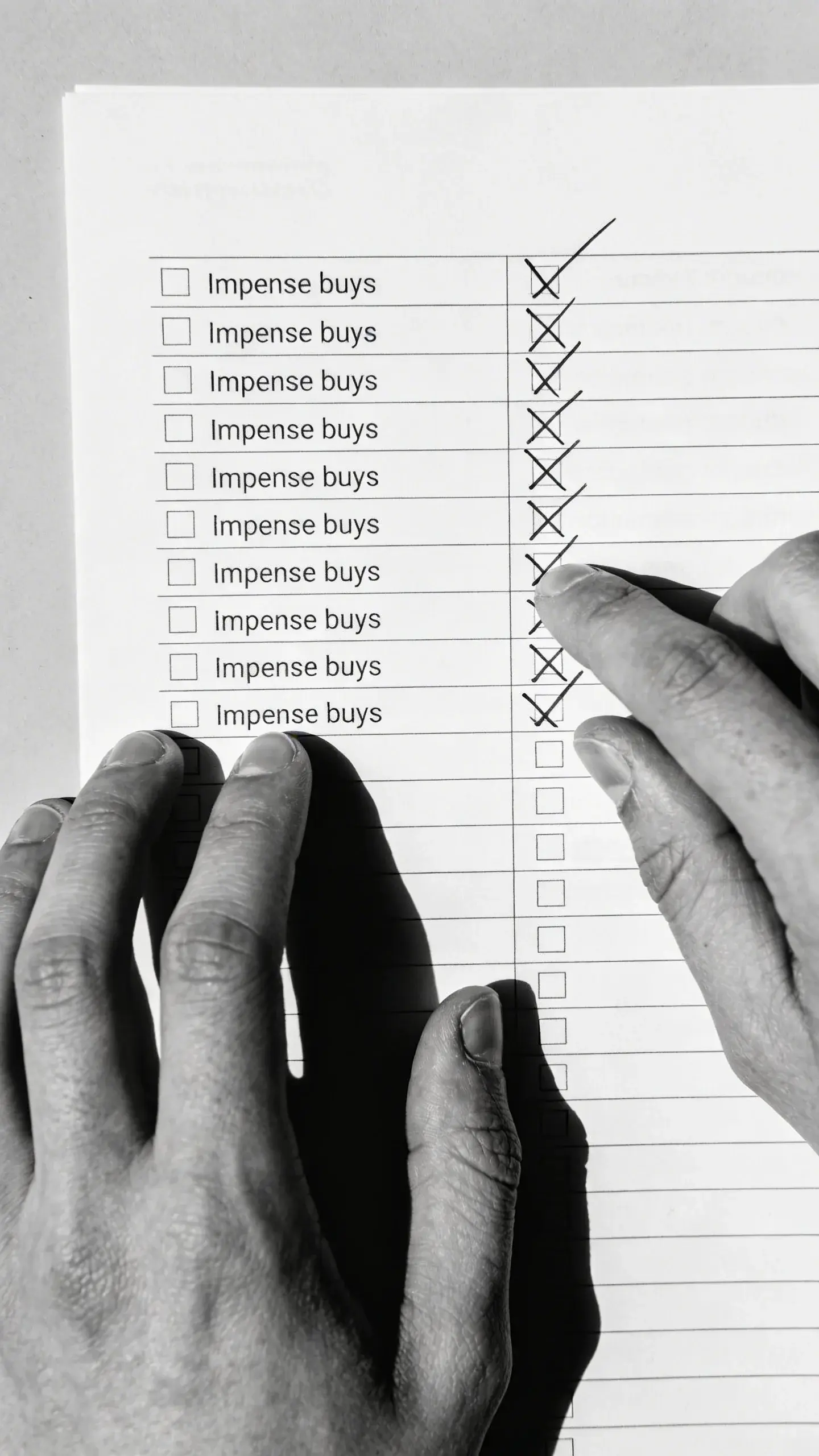
Think of it like this: your philosophy = your brand guidelines. Once you set them, every piece either supports your vibe or distracts from it. You stop impulse-buying and start curating.
If your schedule lives in sneakers and commutes, why are you fantasizing about silk blazers? Build for reality first, fantasy second. When your clothes match your actual days, you look pulled-together without trying.
List your top 3-4 life buckets like Work, Casual, Going Out, Movement. Allocate percentages: if Work = 60% of your week, it deserves 60% of your wardrobe attention. FYI, this alone kills 80% of bad shopping habits.
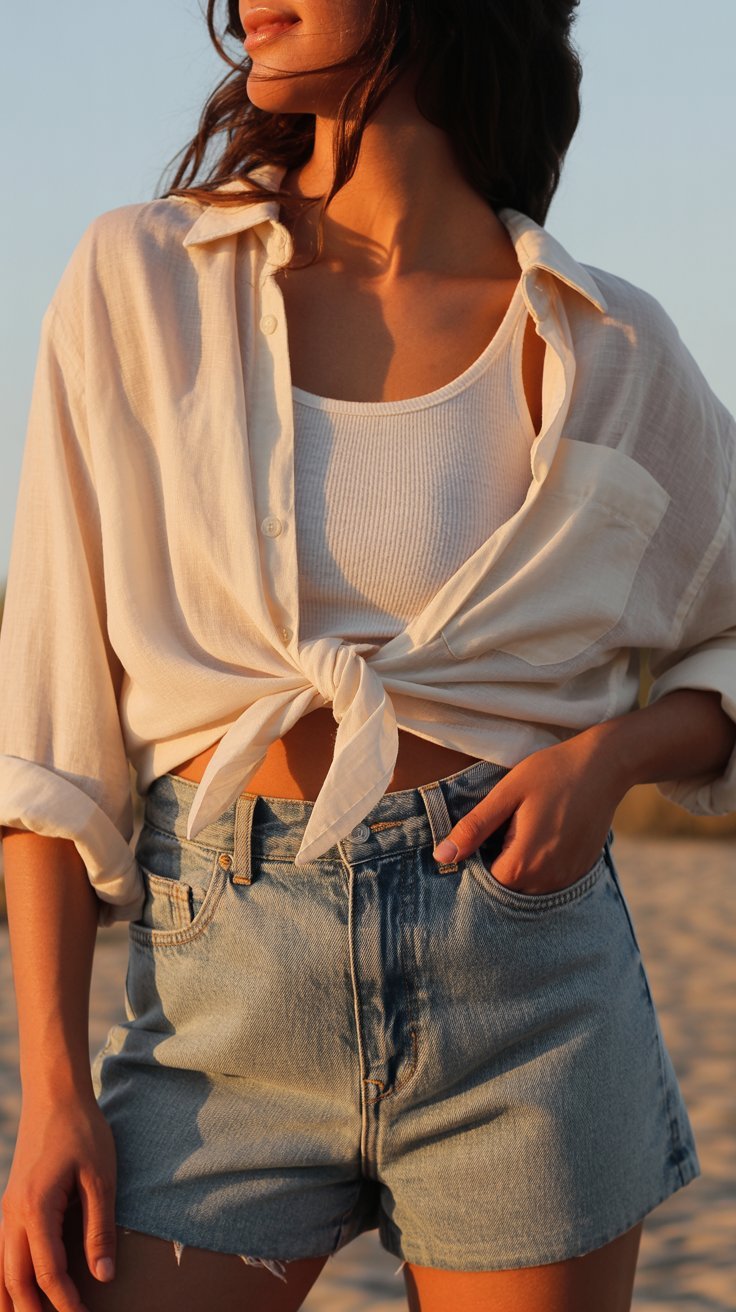
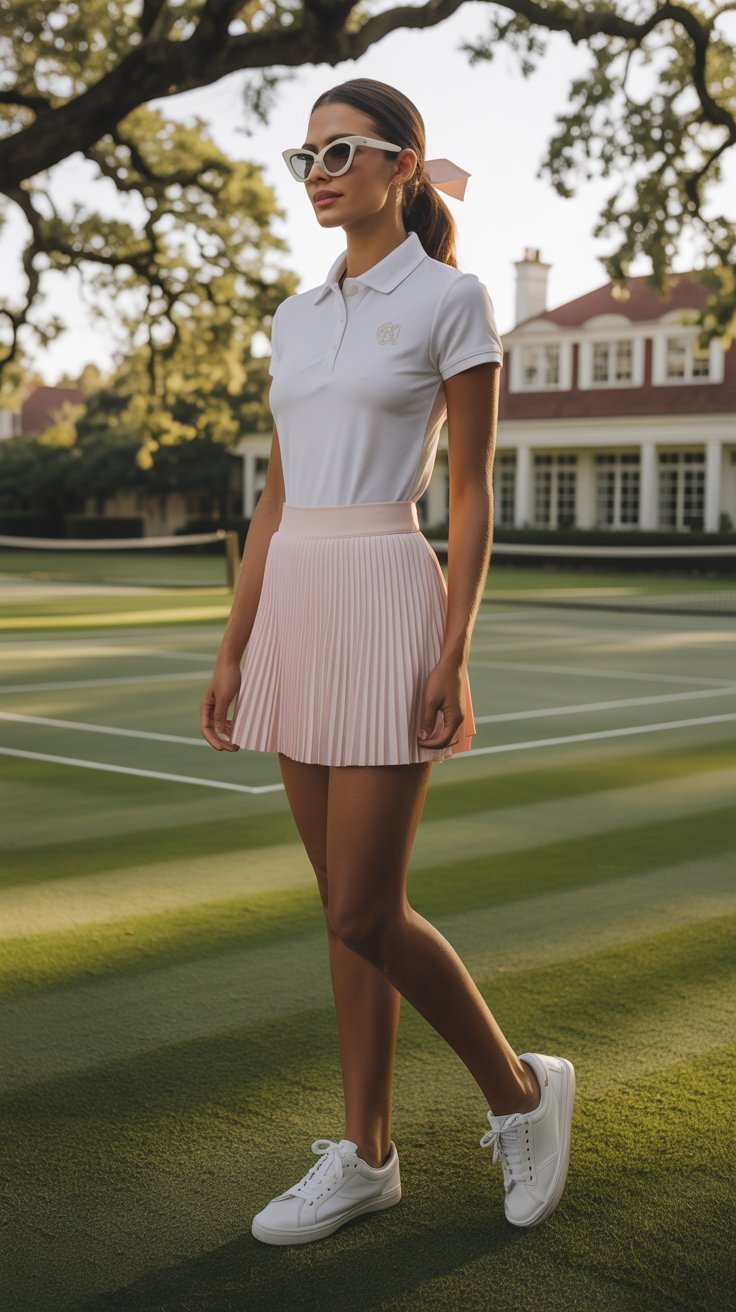
Yes, we’re mood-boarding. No, you don’t need to sell your soul to Pinterest. Just save images that make you go “ugh, yes.” Don’t overthink it yet.
What to look for:
Pick 3-5 adjectives that describe your board. Examples: “clean, relaxed, architectural,” or “playful, vintage, tailored,” or “sporty, utilitarian, dark.” These become your filter. If a piece doesn’t hit at least two, it’s out. IMO, three is perfect.
You don’t need a stylist. You need a mirror and five minutes of honesty. Which silhouettes make you feel like the main character, and which make you hide?
Go to a store as a lab. Try silhouettes only. Take photos. Note what you like, even if the color or brand is wrong. You’re building a shape library, not a receipt.
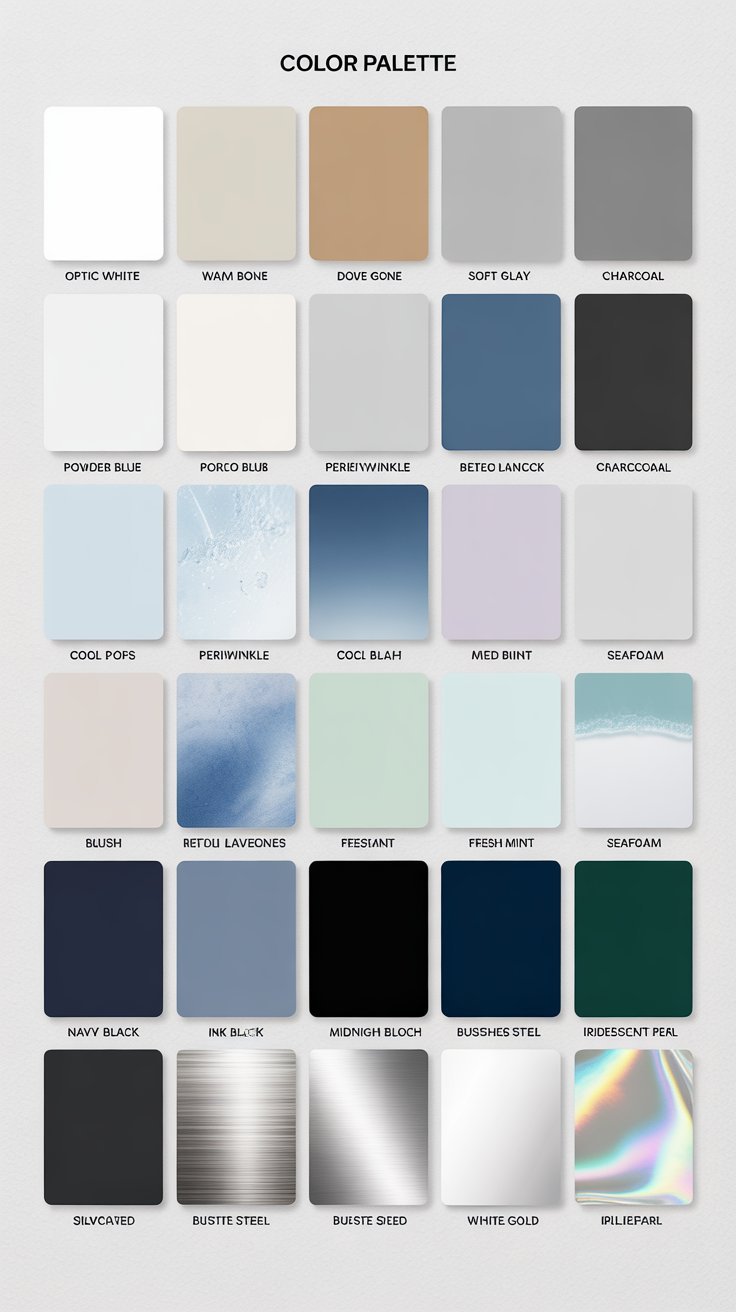
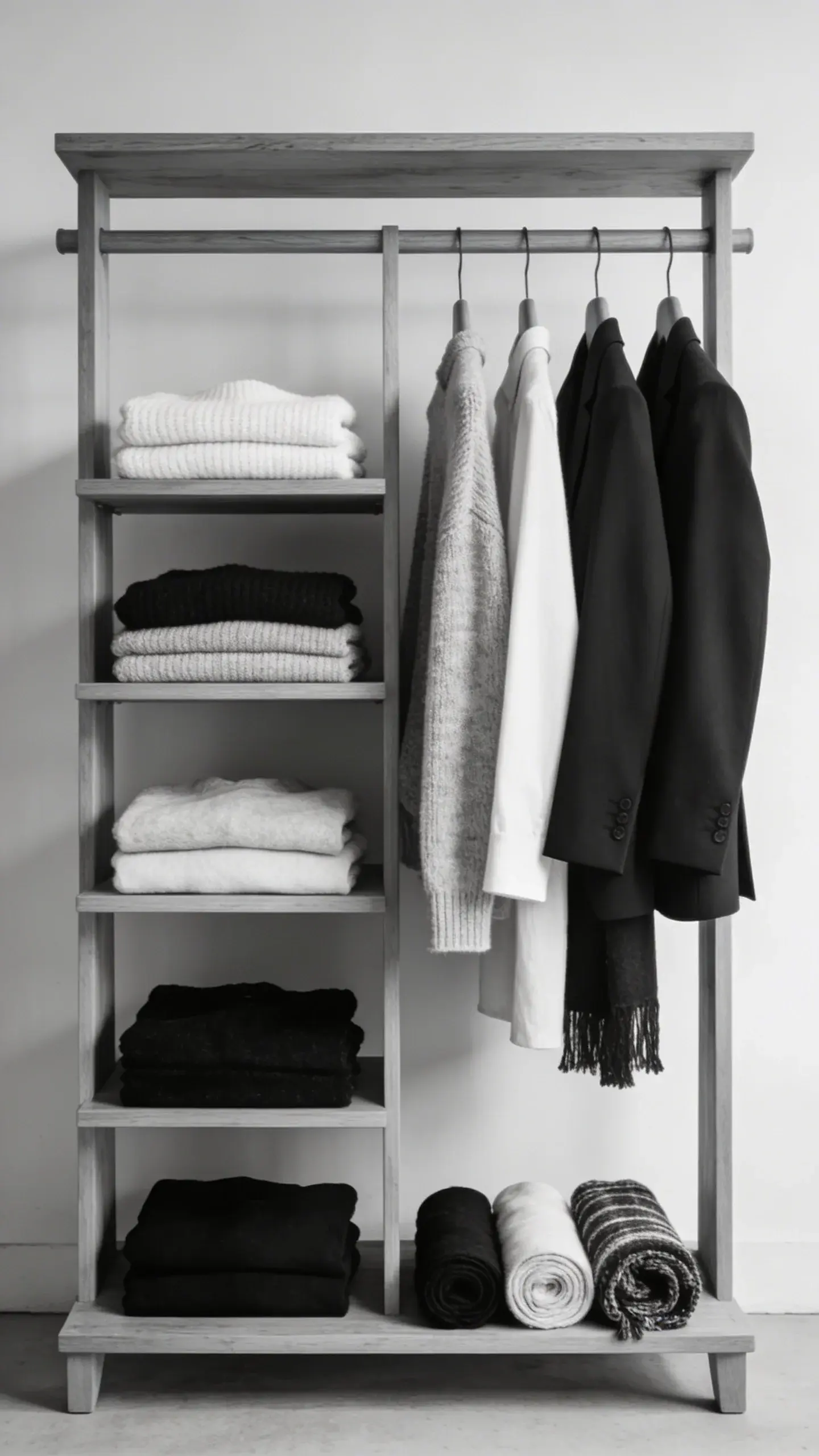
Color makes or breaks cohesion. You don’t need a 90-shade fan deck. You just need rules you’ll actually follow.
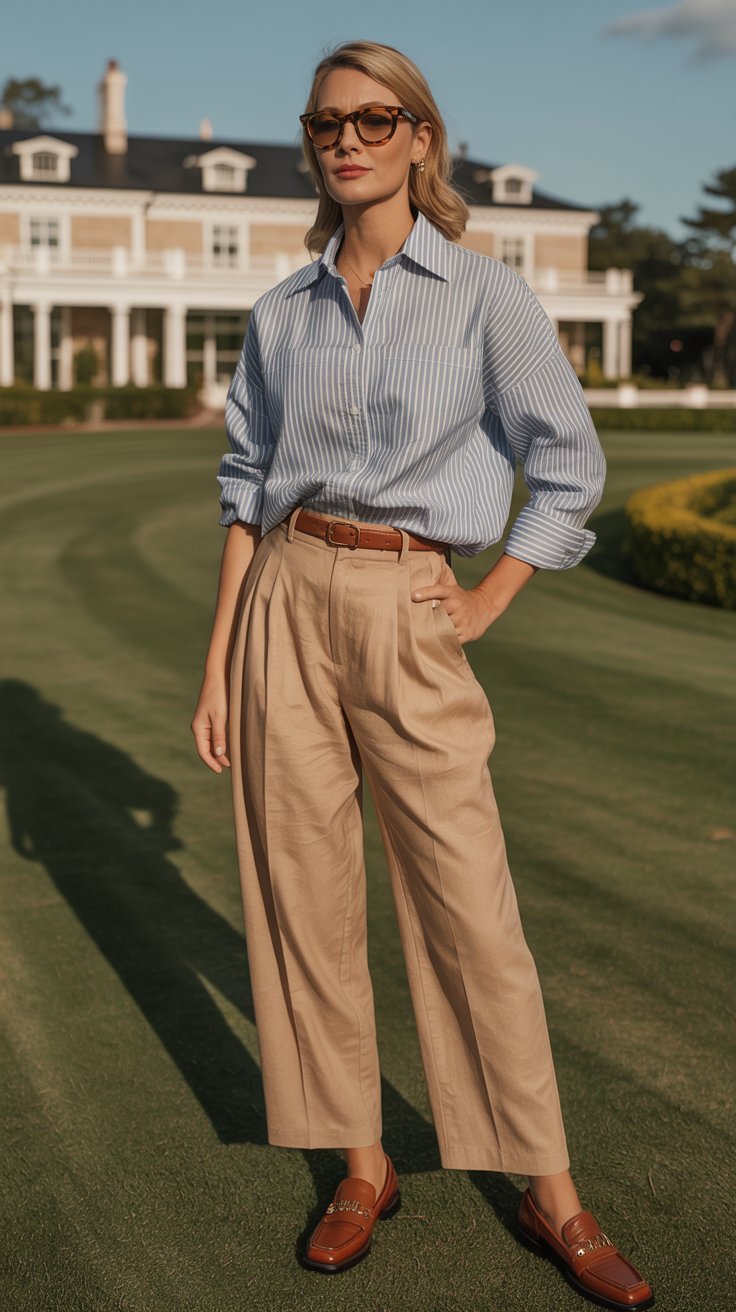
Uniforms aren’t boring; they’re liberation. A few go-to formulas save time and still allow creativity.
Sample formulas:
Write mini rules you love. Example: “If top is oversized, pants are tailored.” Or “If neckline is high, hem hits at waist.” These rules are anchors when your brain screams “buy the ruffled neon thing.”
Signatures make your style unmistakably yours. They’re small, repeatable choices that add identity.
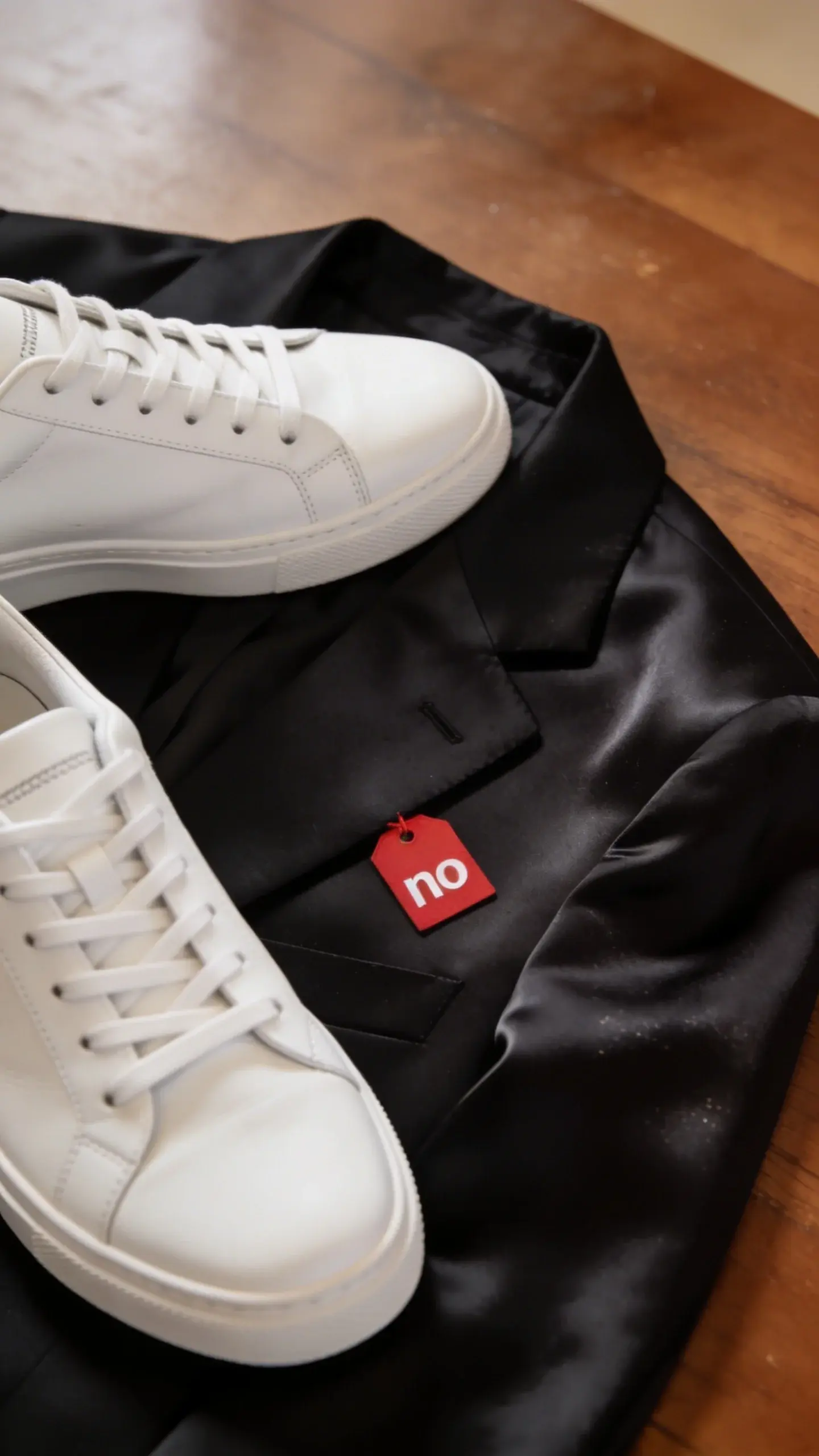
Power move: write what you’ll never buy. Example: “No itchy wools, no low-rise, no cold-shoulder tops, no giant logos.” Boundaries save money. FYI, permission to change later if your taste evolves.
Saying “I like nice things” means nothing. Knowing what makes them nice changes everything.
Expensive isn’t fancy if you wear it twice. Cheap isn’t smart if it falls apart. Calculate cost-per-wear and aim for pieces that earn their keep. IMO, shoes and outerwear pay back fastest.
Put it in writing. Keep it short so you’ll actually use it.
Your style one-pager could include:
Then tape it inside your closet or save it as your phone’s notes. When you want to buy something, run it through the list. If it fails, you just saved yourself a return label.
Cool, embrace it. Create two or three micro-philosophies that share a common core—like consistent palette and accessories—then flex silhouettes. Think “Monday Minimal” and “Weekend Sporty” with the same colors and shoes. Cohesion without boredom.
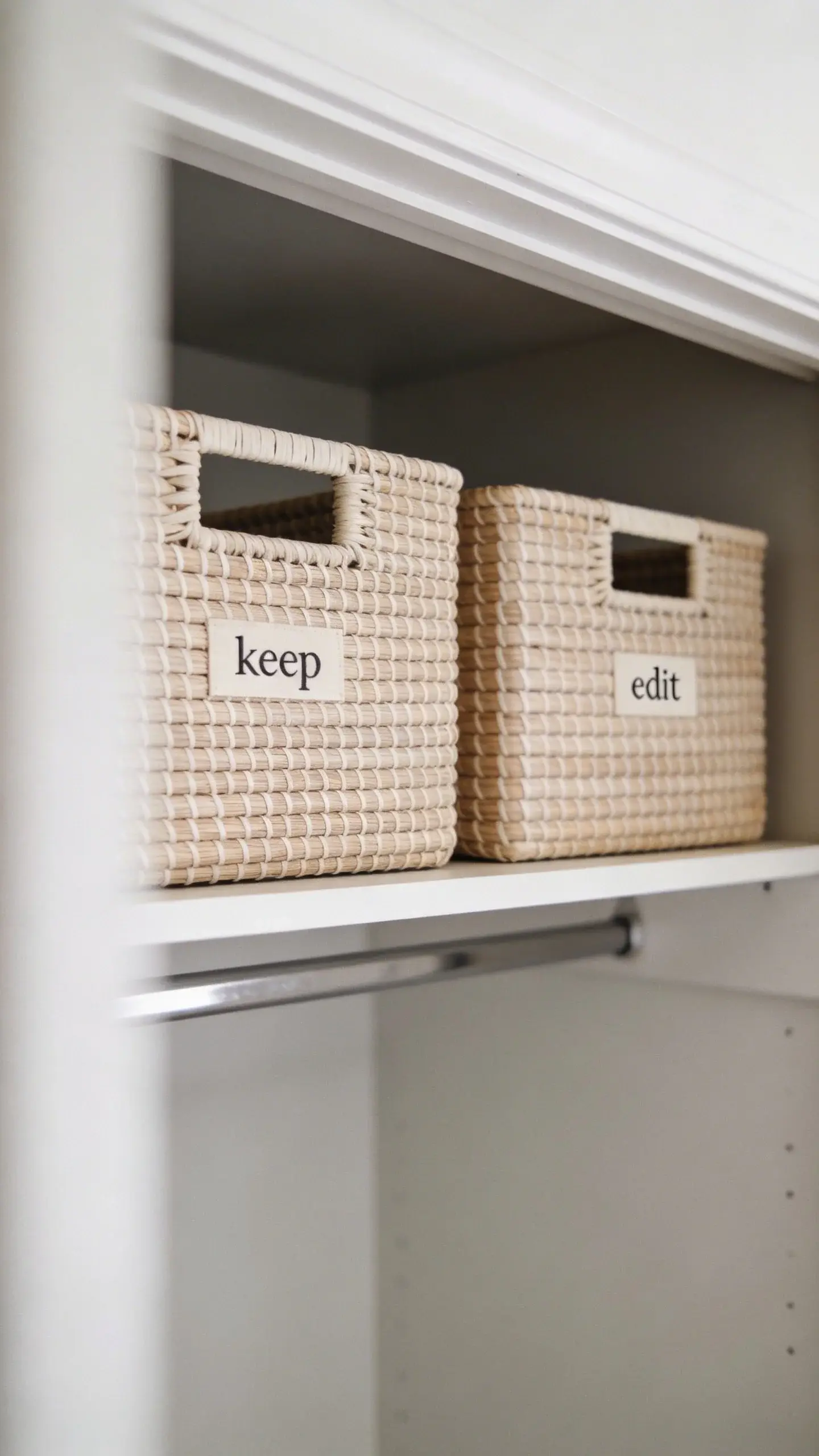
No. Build your philosophy first, then shop your own closet against it. Keep what fits the plan, store what’s borderline, and donate the rest. You’ll make smarter calls once your rules exist.
Less than you think. Aim for outfits, not items. If every top pairs with every bottom in your palette, you’ll multiply looks fast. Start with 3-4 uniforms per life bucket and expand only when you feel a real gap.
Absolutely—treat trends like seasoning. If a trend aligns with your adjectives and silhouettes, go for it in an accessory or a single statement piece. If it fights your rules, admire it on Instagram and move on.
Keep colorful pieces away from your face at first—shoes, bags, belts, or outerwear accents. Or stick to one saturated piece per outfit. As your eye adjusts, graduate to tops and knits that flatter your undertone.
Invest where durability and fit matter most: shoes, outerwear, everyday pants. Thrift or outlet shop for shirts and knits once you know your fabric and fit rules. A sharp tailor beats a pricey brand every time.
A personal style philosophy isn’t a vibe; it’s a system. You choose your adjectives, palette, silhouettes, and signatures—then let them make your shopping decisions for you. Build for your real life, write it down, and treat trends like spice, not sauce. Do this before you buy anything, and suddenly your closet looks intentional, your mornings get easier, and your wallet stops crying. Win-win-win.