

You want to talk luxury anti-aging serums for 40+ skin? Let’s cut the fluff. You want results, not a vanity bottle that smells like a rose garden and does nothing.
The right serum can smooth, firm, brighten, and basically make your moisturizer work harder. And yes, some are worth the splurge—if they’re packed with proven ingredients and not just marketing sparkle.
Luxury shouldn’t just be a heavy glass bottle and a French accent. It should mean high concentrations of proven actives, elegant textures that layer well, and formulas that stay stable and effective over time.
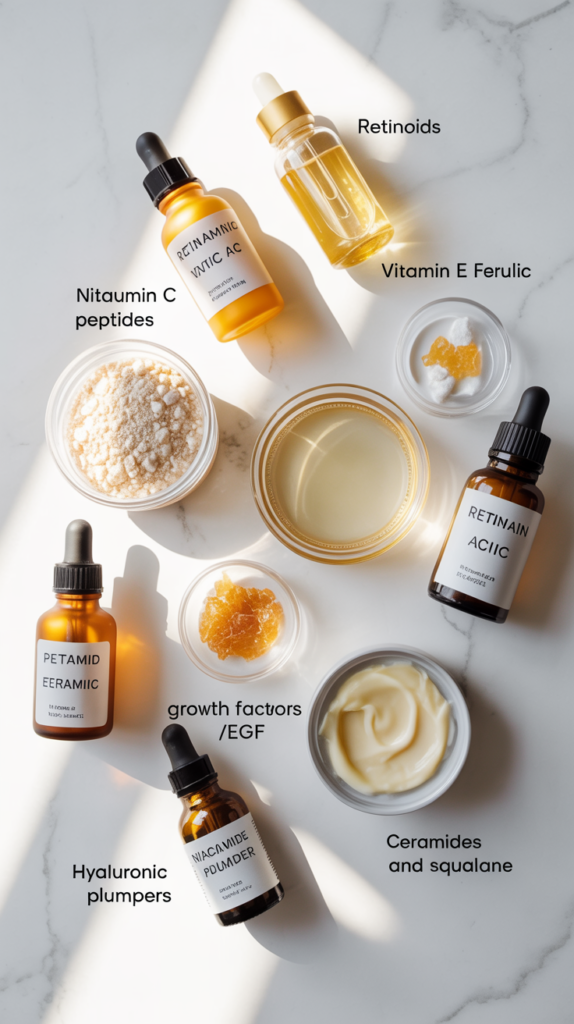
If a serum feels amazing but skips legit ingredients like retinoids, vitamin C, peptides, or growth factors? Hard pass. You’ll also want smart packaging. Airless pumps protect delicate ingredients (like vitamin C and retinol) from light and oxygen so they don’t die before your face even meets them.
And if a brand invests in clinical testing, even better. Show me before-and-afters, or at least some peer-reviewed science.
Let’s talk the good stuff—the ingredients that have receipts.
IMO, these formulas deliver on both science and sensorial joy.
Prices change, so brace yourself.
: A gentler retinol system with bakuchiol and ferulic to smooth without wrecking your barrier.
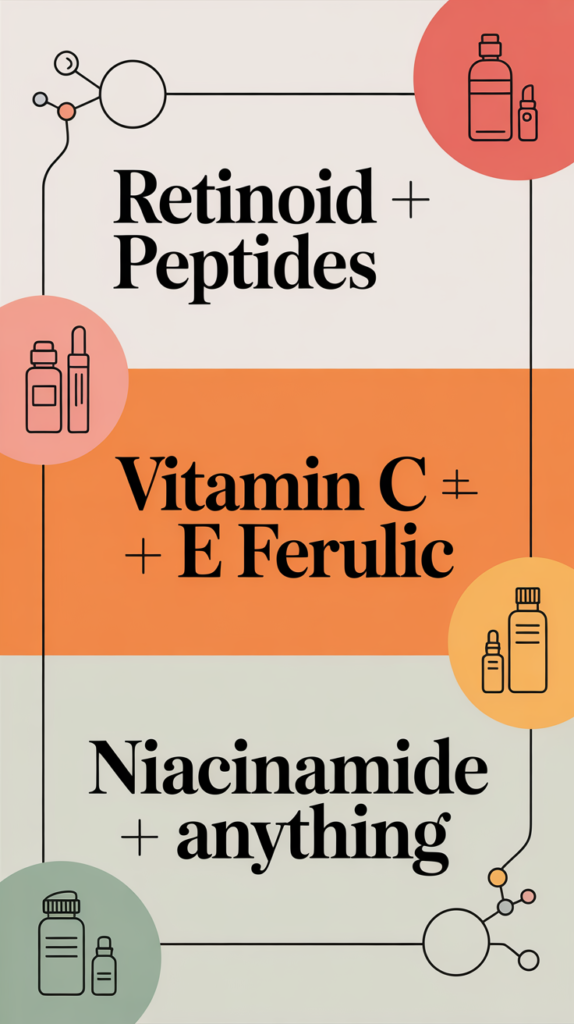
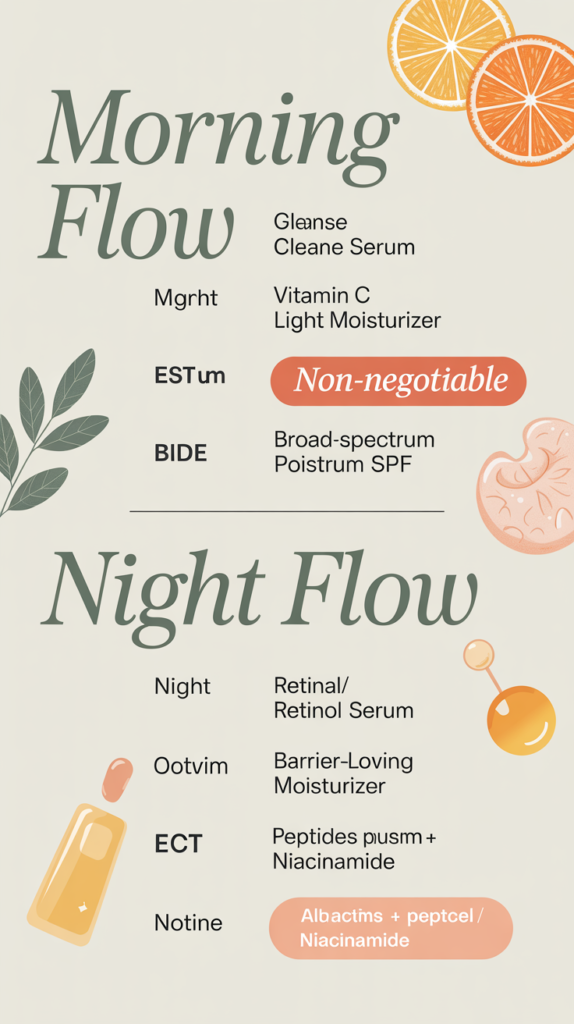
– You want brightness and even tone? Vitamin C in the morning. – You want firmer, smoother skin? Retinoid at night. – You want plump, juicy glow? Peptides + hydrators anytime. – You want everything? Rotate: vitamin C AM, retinoid PM, peptides/hydration as support.
Fancy serums flop if the rest of your routine fights them. Keep it simple and strategic.
On off nights, swap retinoid for peptides + niacinamide. Your skin will thank you.
If melasma, persistent redness, or deep lines bother you, book a derm.
Prescription retinoids, professional peels, and lasers can amplify what your serum started.
You want progress, not miracles. Here’s a realistic timeline:
Take a selfie in consistent light every month. Sounds extra, but FYI, it’s the easiest way to notice real change.
You can, but most people get better mileage by splitting them: vitamin C in the morning for antioxidant protection, retinol/retinal at night for repair.
If your skin tolerates both in one routine, cool—but don’t force it if you get irritated.
Normalize it for the first few weeks. Reduce frequency to 2 nights a week, buffer with moisturizer, and avoid scrubs or harsh acids. Add a ceramide-rich cream and a bland hydrating serum.
Once your skin adjusts, increase slowly.
Peptides won’t replace retinoids, but they support firmness, smoothness, and repair. They shine in well-rounded formulas and help sensitive skin handle stronger actives. Think of them as the cheerleaders that keep the team energized.
If crepiness, laxity, or post-40 texture changes bug you, growth factor serums can deliver impressive improvements over 8–12 weeks.
They’re expensive, but if you already use vitamin C and a retinoid, this can be the “next level” upgrade.
About a pea-sized amount for retinoids and 3–5 drops for vitamin C. More won’t work faster—it might just irritate your skin and your wallet.
You could, but over 40, you’ll usually benefit from sealing it in. A lightweight moisturizer helps lock actives in and keeps your barrier calm.
Your future self (and makeup) will look smoother.
Luxury anti-aging serums can absolutely be worth it—if you choose formulas that pair proven actives with smart delivery and skin-friendly textures. Start with a powerhouse vitamin C in the morning and a retinal or retinol at night. Layer in peptides or growth factors if you want extra firmness and bounce.
Keep your barrier happy, wear sunscreen like it’s your job, and give it time. Great skin at 40+ isn’t luck—it’s strategy (with a little shiny bottle that actually earns its place). IMO, that’s the kind of luxury that counts.