A Wardrobe That Works For Every Part Of Your Life
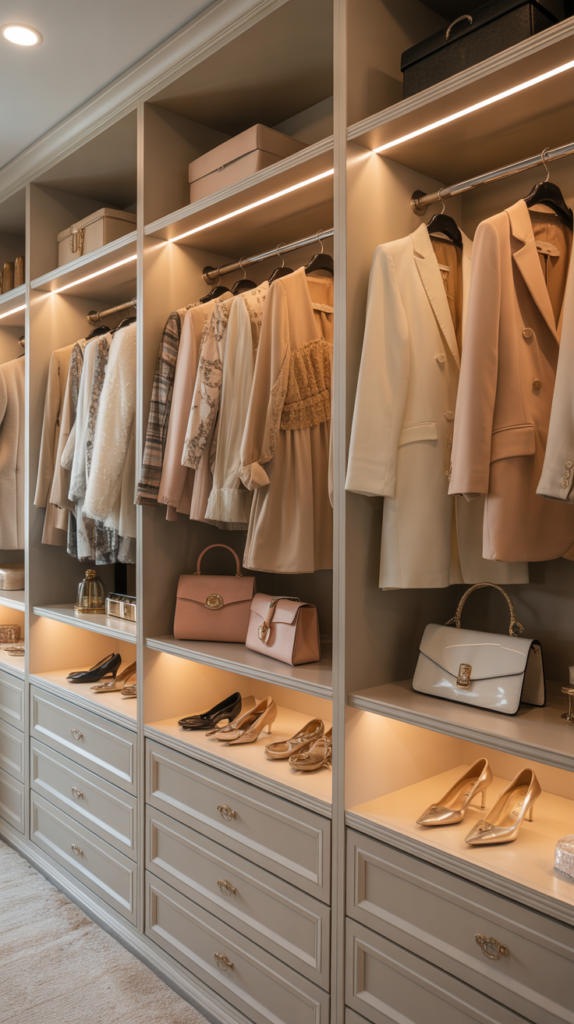
You don’t need a giant closet to look put-together for every part of your life—you need a smart one. Think pieces that play well together, get you through Monday meetings, Saturday errands, last-minute dates, and “I guess I’m going to a wedding.” The goal? Fewer clothes, more outfits, zero morning meltdowns.
Ready to build a wardrobe that actually shows up for you?
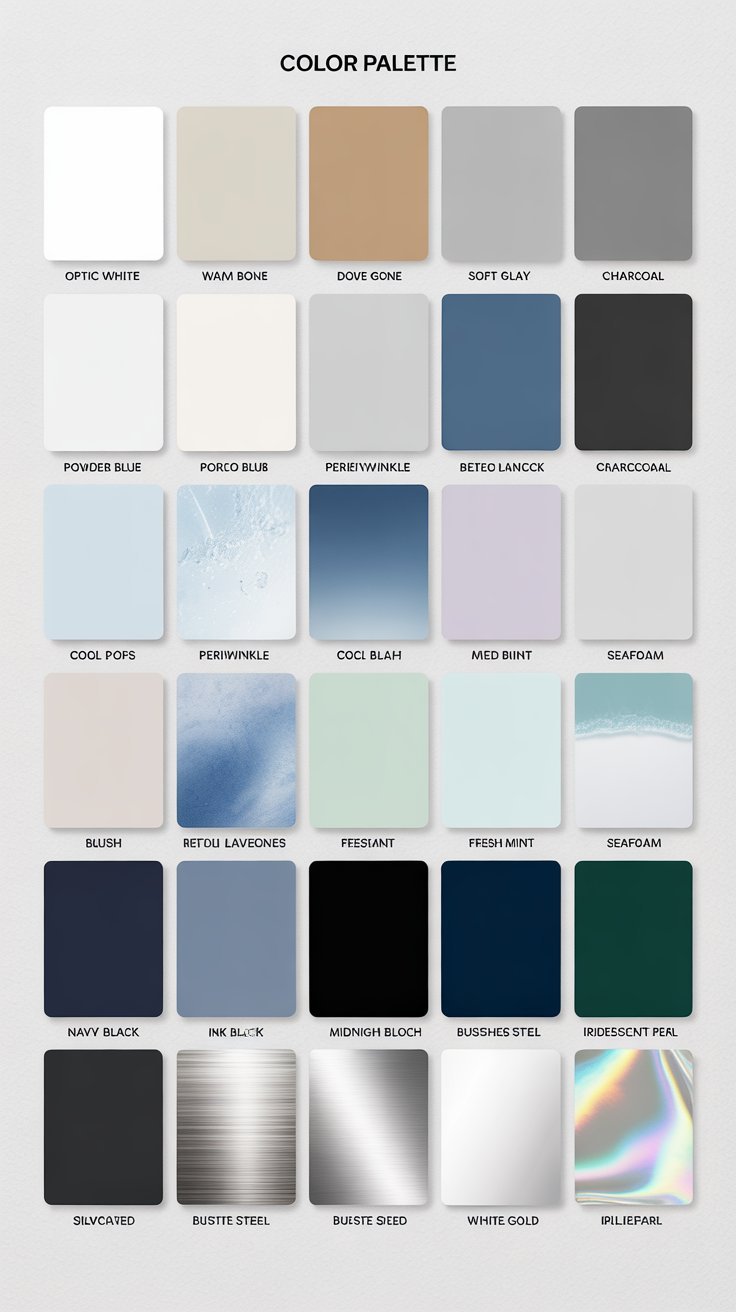
Start With a No-Drama Color Palette
You can’t build anything without a foundation, and your wardrobe’s foundation is color. Keep your base to 2-3 neutrals you love—think black, navy, charcoal, chocolate, olive, tan, or cream. Add 1-2 accent colors that make you feel alive.
That’s it.
Why this matters:
- Effortless mixing: Everything matches, which means faster outfits.
- Less visual clutter: Fewer “this only goes with that” pieces.
- Your vibe, on purpose: Colors signal mood—cool neutrals read sleek, warm tones feel cozy.
How to choose your palette
- Open your closet. What color dominates? That’s your base.
- Pick two accents that look good with your base and each other.If unsure, try forest green and rust with tan; or burgundy and blush with navy.
- Keep prints subtle and aligned—stripes, checks, or a tonal floral you can layer easily.
Build Your Core Capsule (The Workhorses)
These are the pieces you reach for constantly. They need to fit, feel good, and multitask like a caffeinated assistant. IMO, you can keep it lean and still cover your life.
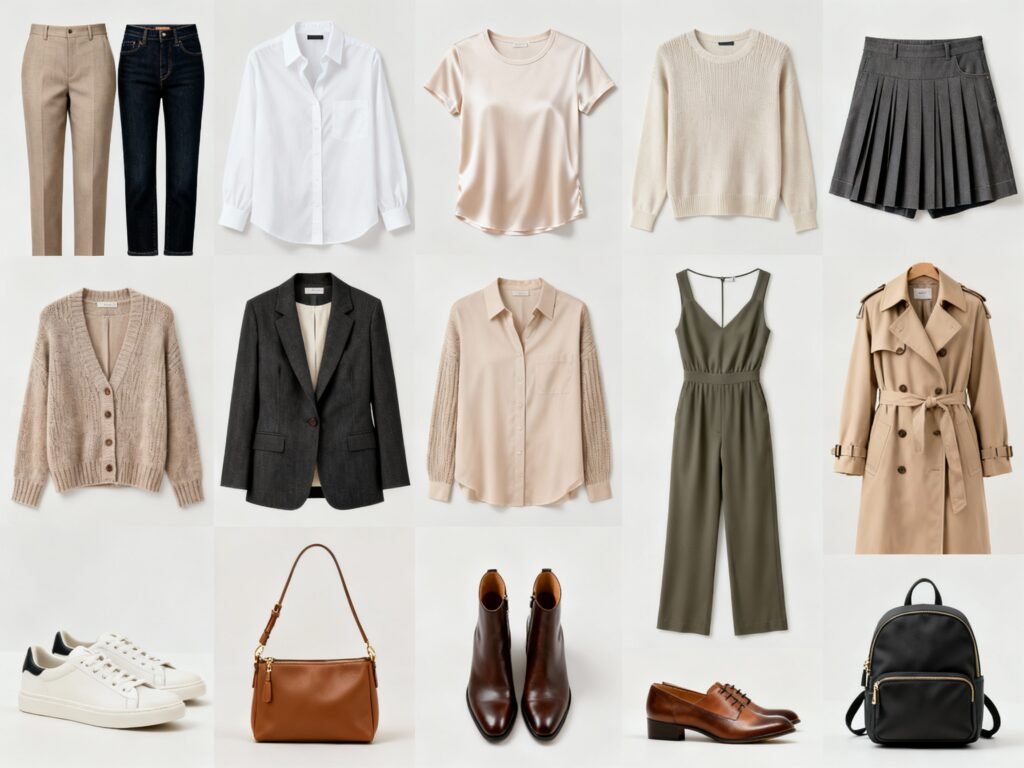
Suggested core pieces (adjust for your style and climate):
- 2 tailored bottoms: One trouser, one dark denim.
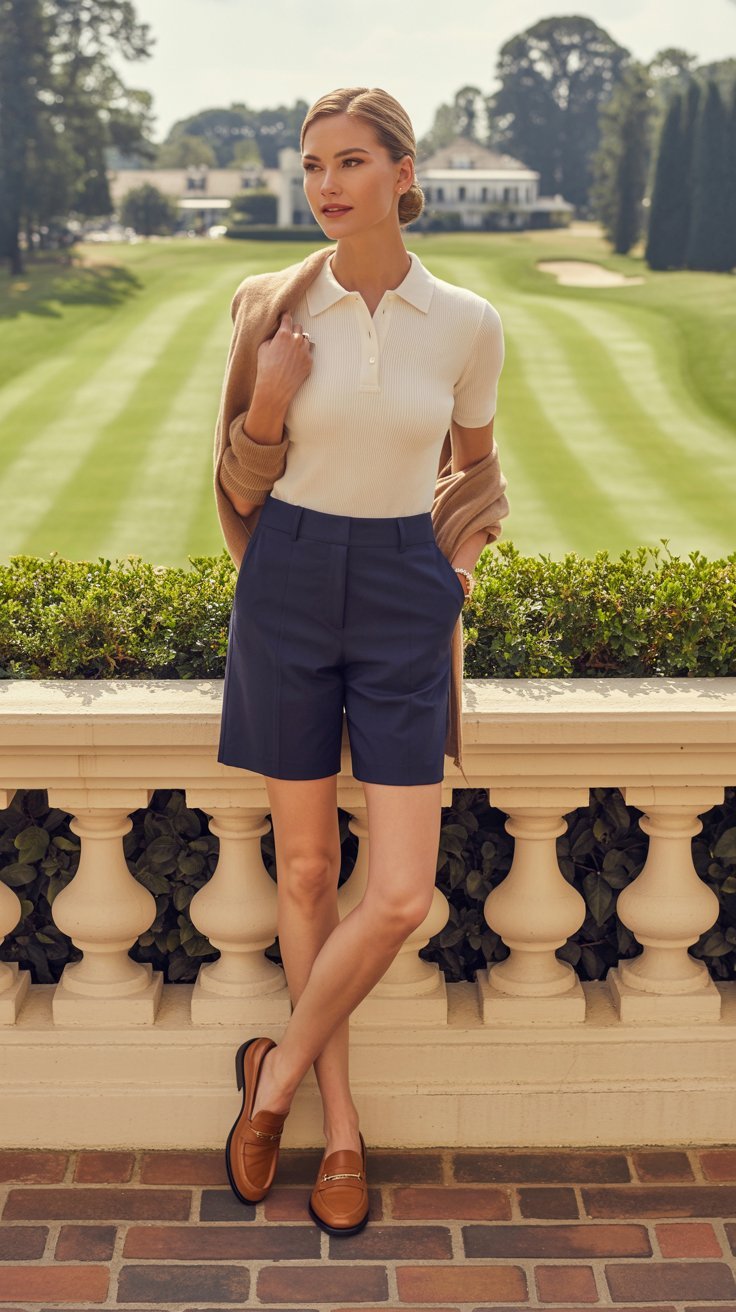
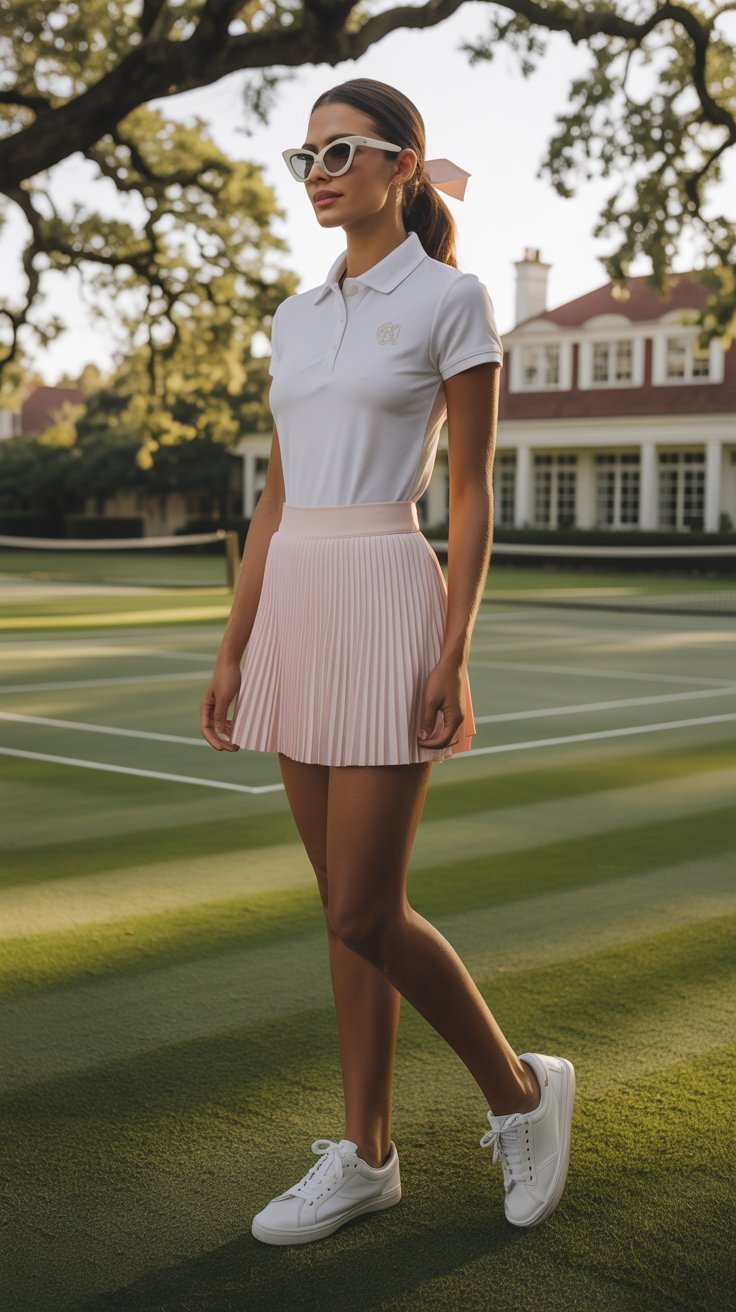
- 1 easy bottom: Relaxed chino, midi skirt, or pleated shorts.
- 3 tops you trust: A crisp button-up, a refined knit tee, and a silky blouse or polo.
- 2 third layers: Blazer and knit cardigan (or a structured overshirt).
- 1 dress or jumpsuit: Something that works day-to-night with a shoe swap.
- Outerwear: Trench or smart rain shell; a warm coat if you need it.
- Shoes: Clean sneakers, loafers or ankle boots, and a dress shoe/sandal.
- Bags: Everyday crossbody/tote and a small evening bag or sleek backpack.
Fit and fabric: where the magic happens
- Fit first: Tailor your trousers and sleeves.A $60 tailor job beats a $600 mistake.
- Fabric matters: Wool blends, cotton poplin, silk or satin, sturdy denim. Avoid flimsy knits that pill after two washes.
- Comfort check: If you can’t sit, reach, and breathe, it doesn’t belong.
Uniforms for Each Life Mode
Let’s translate your week into outfit formulas. No guesswork, just plug-and-wear.
Work Mode (office or remote-but-on-camera)
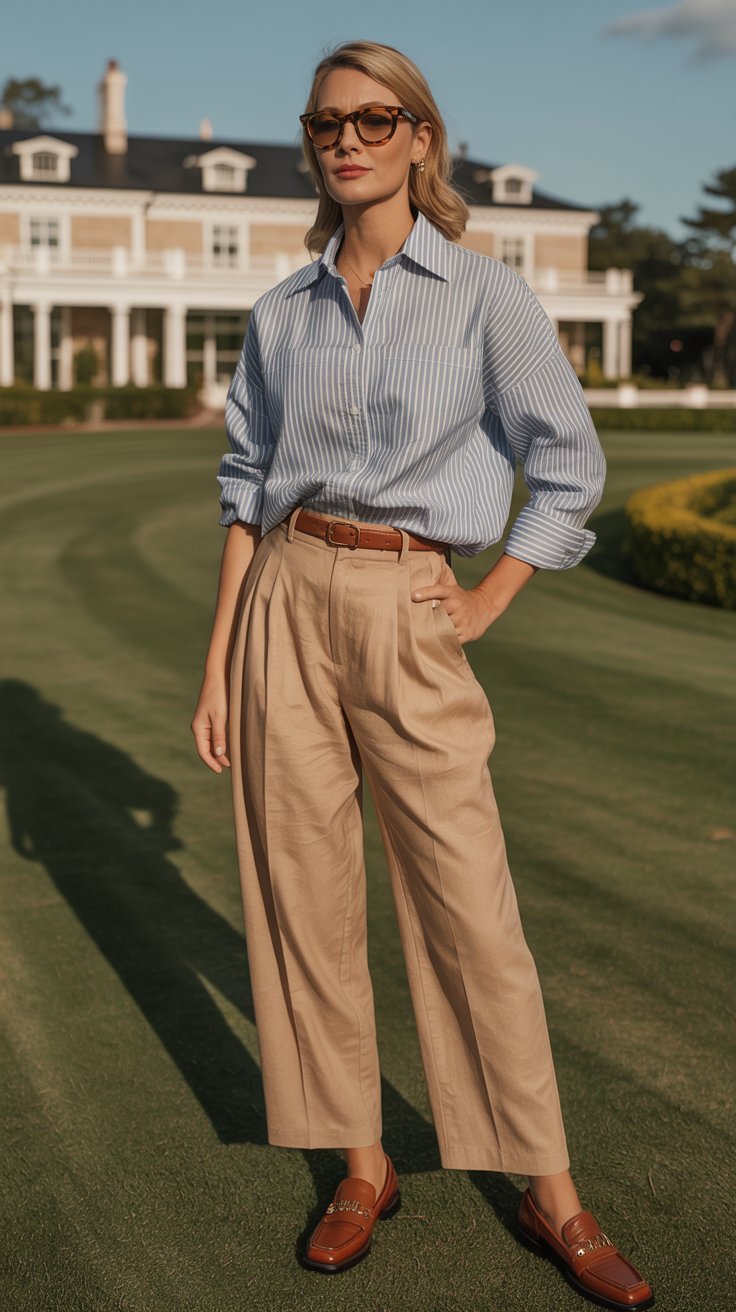
- Formula: Tailored bottom + polished top + third layer + simple shoe.
- Example: Navy trouser, off-white knit tee, camel blazer, loafers.
- Zoom days: Keep a structured cardigan and earrings nearby.T-shirt + cardigan + neat hair = done.
Errands & Weekend
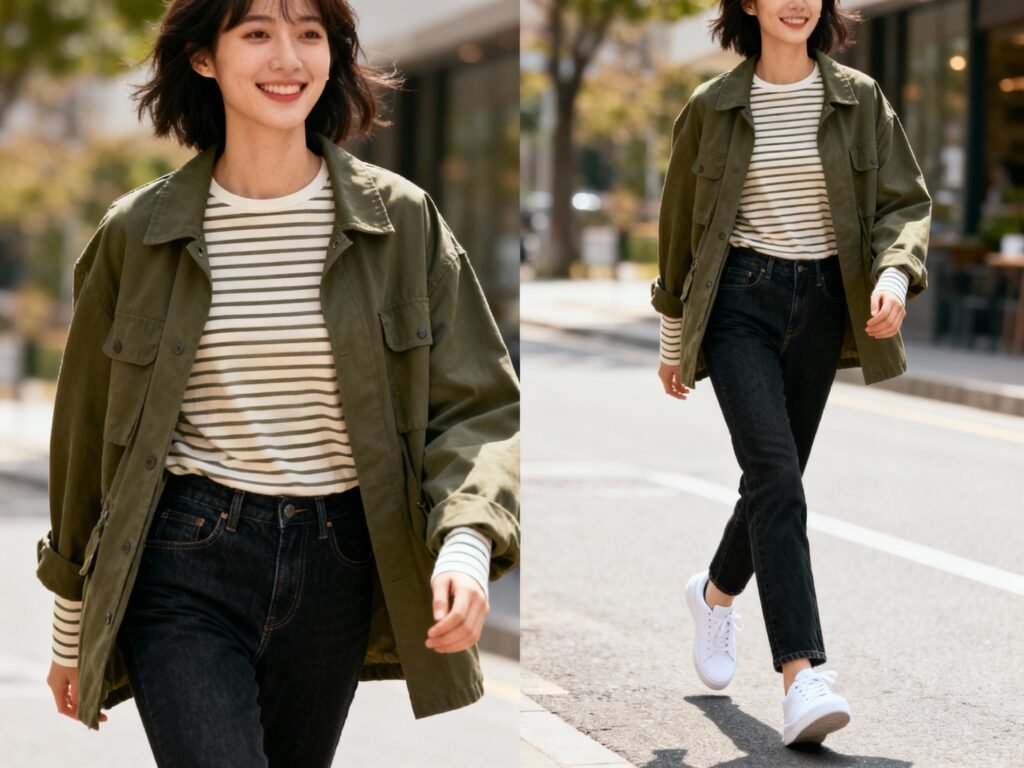
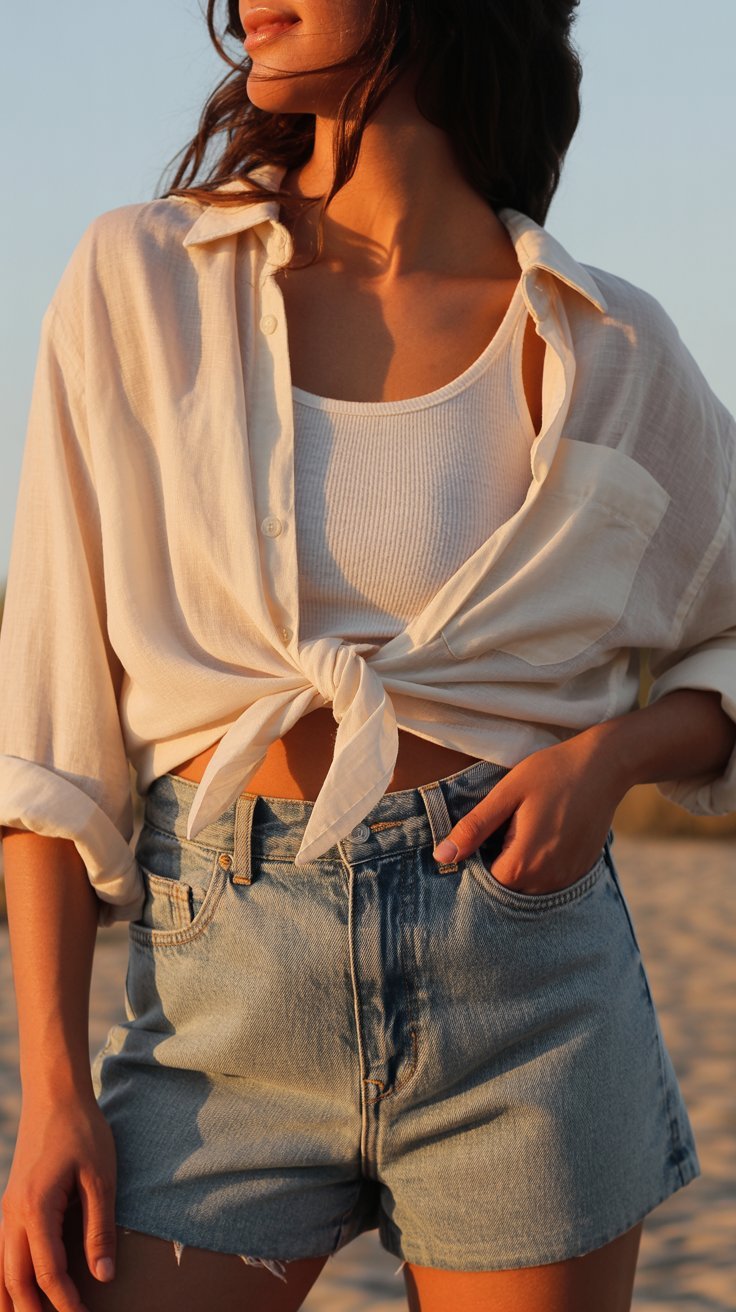
- Formula: Easy bottom + comfy top + light jacket + sneakers.
- Example: Dark denim, striped long-sleeve, olive chore jacket, white sneakers.
- Pro tip: Swap the tee for a half-zip or polo to look instantly “I tried.”
Evening & Events
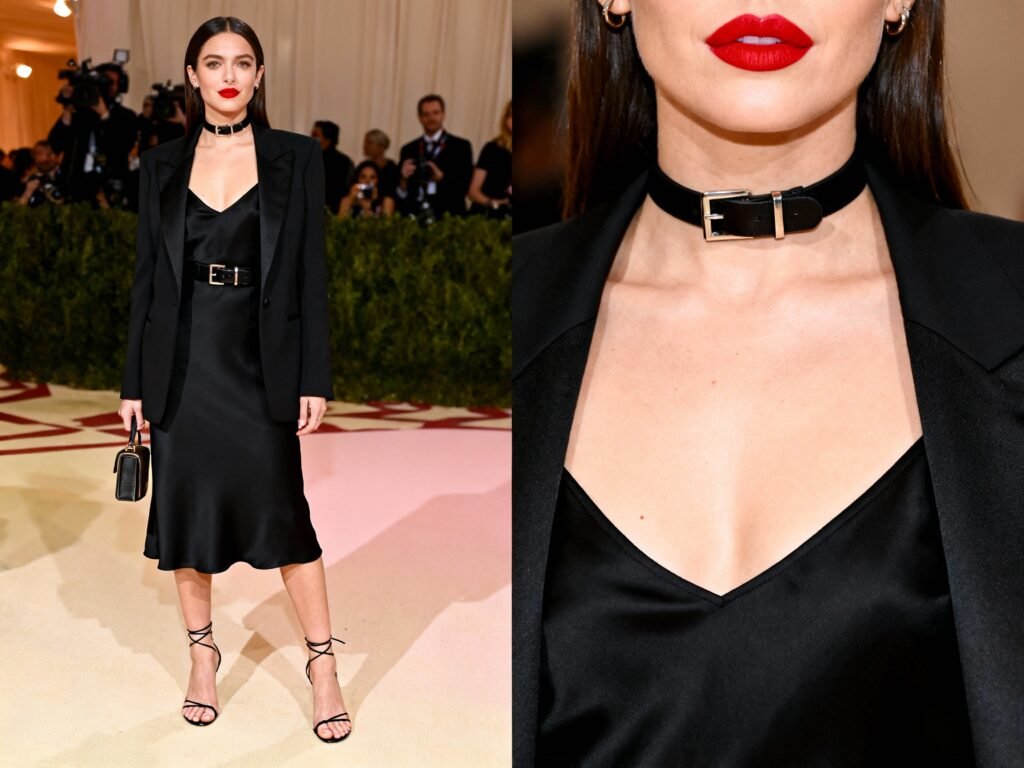
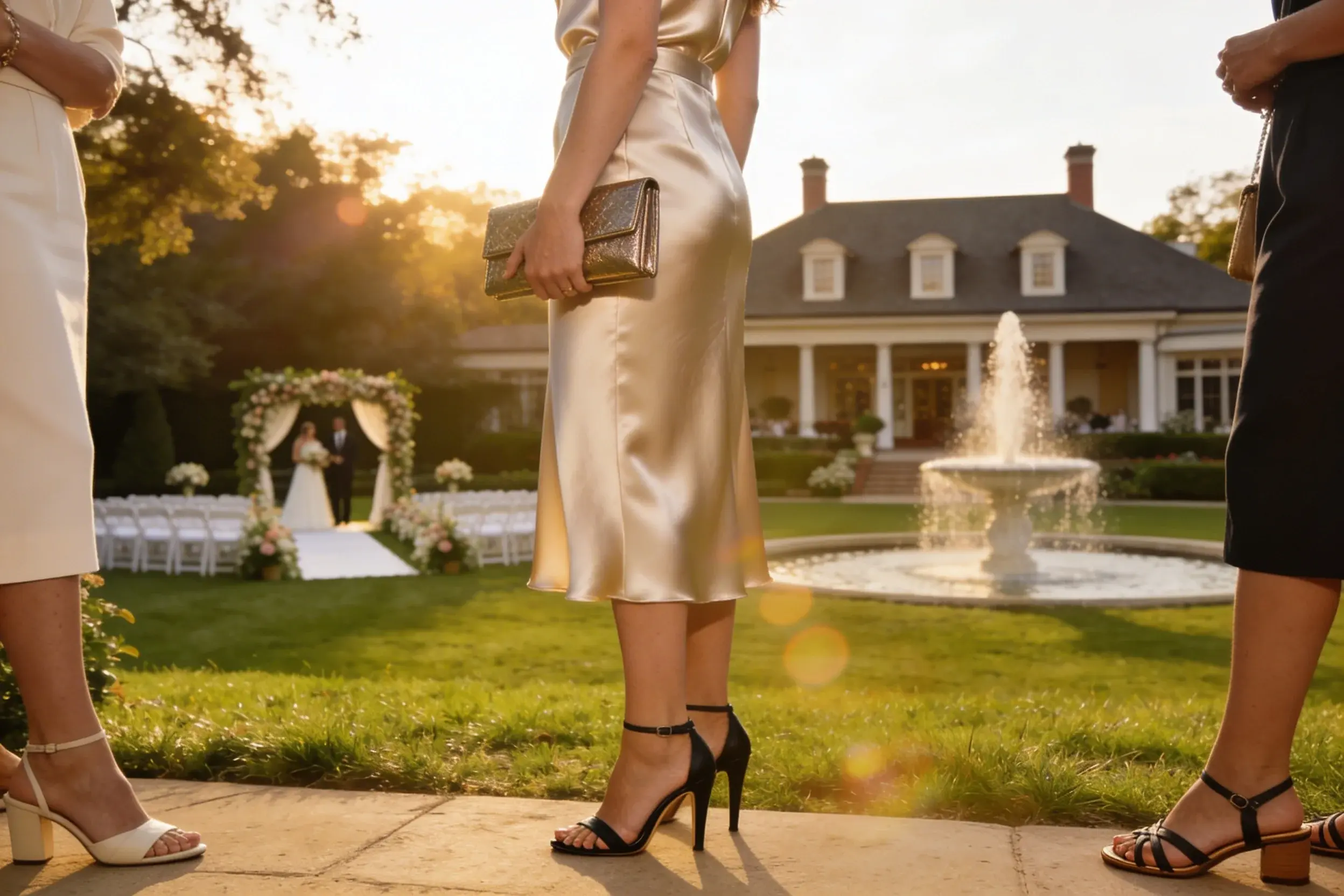
- Formula: Dress/jumpsuit or tailored set + dress shoe + minimal jewelry.
- Example: Black slip dress, blazer as outer layer, strappy sandal, small bag.
- Upgrade move: Red lip or sharp belt. Tiny change, big energy.
Travel
- Formula: Stretch trouser or dark jean + breathable knit + layer + scarf.
- Example: Charcoal knit trouser, merino tee, navy cardigan, slip-on sneakers.
- Packable heroes: Wrinkle-resistant dress and a pocketable rain shell. FYI, merino resists odors—hero status.
Make It Personal: Style Anchors
A wardrobe that works still needs a point of view.
Enter “style anchors”—repeatable choices that make outfits feel like you.
Pick 2-3 anchors and stick to them:
- Silhouette: Cropped tops with high-rise bottoms, or oversized tops with slim pants.
- Signature detail: Gold hoops, a leather belt, bold frames, a red lip.
- Texture play: Suede shoes, ribbed knits, nubby tweed, smooth silk.
- One pattern: Stripes or checks you repeat across seasons.
Example anchor sets
- Minimalist cool: Black/charcoal/navy, clean lines, silver jewelry, white sneakers.
- Soft classic: Cream/tan/olive, drapey fabrics, delicate gold, loafers.
- Creative polish: Navy/camel/burgundy, unexpected color pops, textured knits, statement glasses.
Smart Layering: Turn One Outfit into Three
Layering keeps your wardrobe working across seasons and situations. The trick? Proportions and structure. Layering rules that never fail:
- Thin to thick: Tee or blouse, then knit, then jacket/coat.
- Short over long: Cropped cardigan over a longer tee or dress looks intentional.
- Define the waist: Tuck or belt to avoid “I’m wearing all my clothes at once” energy.
- Texture ladder: Smooth base (silk/cotton), then knit, then structured woven (blazer/coat).
Three quick remixes
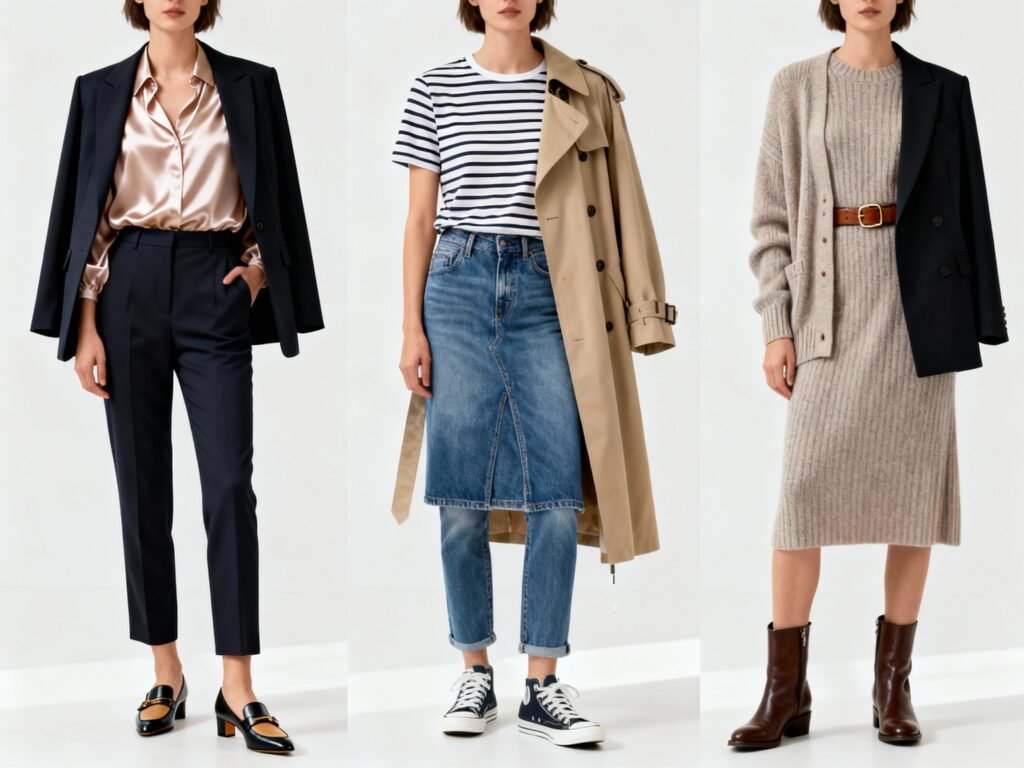
- Silk blouse + trousers + loafers → add blazer for meetings → swap loafers for heels for dinner.
- Striped tee + denim + sneakers → add trench for rain → swap denim for skirt for brunch.
- Knit dress + boots → add cardigan for cozy → add belt and blazer for sharp.
The Accessory Multiplier
Accessories change the mood faster than a coffee.
They take a 6/10 outfit to a 9/10 without buying a whole new wardrobe.
Keep a mini accessory capsule:
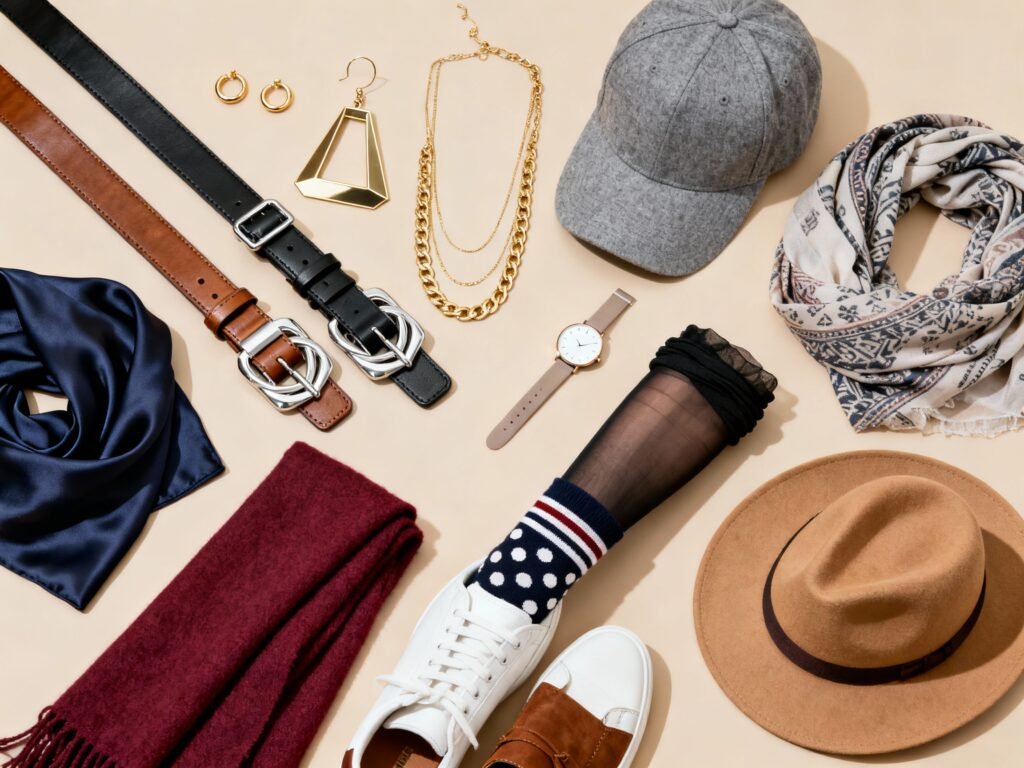
- Belts: One black, one brown. Add a statement buckle if you dare.
- Jewelry: Tiny hoops, one bold earring, layered chain, a watch.
- Scarves: Silk square for polish, wool for winter, lightweight for travel.
- Hats: Beanie or baseball cap for off-duty; fedora if it’s your thing (not for everyone, IMO).
- Socks/tights: Sheer black tights, fun socks to peek out of sneakers or loafers.
Shoes: the wardrobe’s steering wheel
- Sneaker = casual, loafer = smart, heel/sleek boot = dressy. Same outfit, different shoe, whole new vibe.
- Prioritize comfort.Painful shoes don’t “break in,” they break you.
Care, Rotation, and Seasonal Switch-ups
A wardrobe that works also survives laundry day and weather changes. Treat it like a team you coach well. Care basics:
- Steam more, wash less. Over-washing ruins fabric and color.
- Use mesh bags for knits and delicates.Cold water saves shrinkage and tears (yours).
- Rotate shoes to let them air out. Shoe trees for leather, FYI.
Seasonal tune-ups:
- Spring/Summer: swap in lighter fabrics (linen, poplin), add sandals, lighter blazer.
- Fall/Winter: bring in coats, heavier knits, boots, and thermal layers.
- Store off-season pieces clean and folded; hang tailored items to keep shape.
Ready for a wardrobe that works for every part of your life?
I offer a private, high-touch styling experience designed to create an intentional wardrobe that supports your work, lifestyle, and personal image—without trends or excess.
Private styling is available by application.
→ Apply to work with me here
FAQs
How many pieces do I actually need?
Enough to make outfits without boredom, not so many you forget what you own. For most people, 25–40 core pieces (not counting underwear, athletic wear, and sentimental items) cover work, weekend, and events.
Focus on versatility and fit, not the number.
Can I do this if my job is super casual?
Absolutely. Build around clean denim, chinos, structured tees, and an overshirt or cardigan. Add one blazer and a dress shoe for the occasional upgrade moment—you’ll thank yourself the next time someone says “smart casual.”
What if I love color and prints?
Go for it—just corral them.
Keep your base neutral and let 1–2 prints dominate (stripes, checks, or a floral). Make sure prints share at least one color with your base palette so they layer easily.
How do I handle weight fluctuation?
Keep a small “flex fit” box with pieces that fit one size up or down—stretch trousers, elastic waists, wrap dresses, knit skirts. Belts and tailoring help too.
Clothes should fit your body now, not the ghost of last summer.
Do I need to spend a lot?
Nope. Spend where it shows and where it works hard: coats, shoes, bags, and tailored pants. Save on trend pieces and simple tees.
Fit and fabric beat logos every time.
How do I stop impulse buys?
Create a wishlist and wait 72 hours. Ask: does it match my palette, my life, and at least three outfits I already own? If the answer’s no, your cart can say goodbye.
Conclusion
You don’t need a whole new you.
You need a small, intentional set of pieces that mix, match, and move with your life. Start with a palette, nail your core items, set your style anchors, and let accessories do the heavy lifting. Fewer decisions, better outfits, more you—no closet meltdown required.