Some outfits scream “I woke up like this.” Others whisper “I tried… a lot.” The difference isn’t just price tags. It’s fit, fabric, finish, and a little styling magic. You can nail an expensive-looking vibe without the designer bill—if you know what to tweak.
It Starts With Fabric (Your Closet’s Secret Sauce)
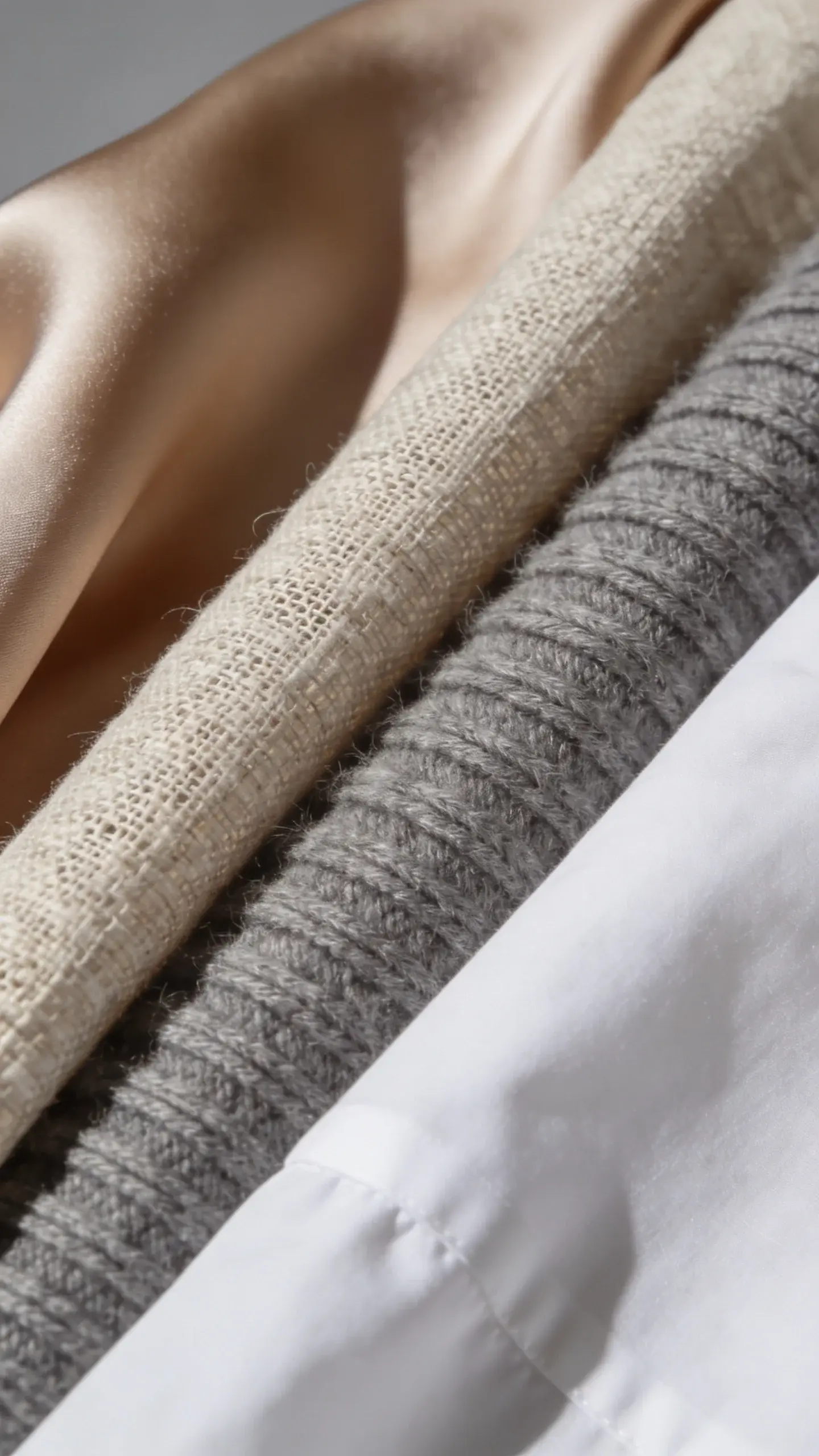
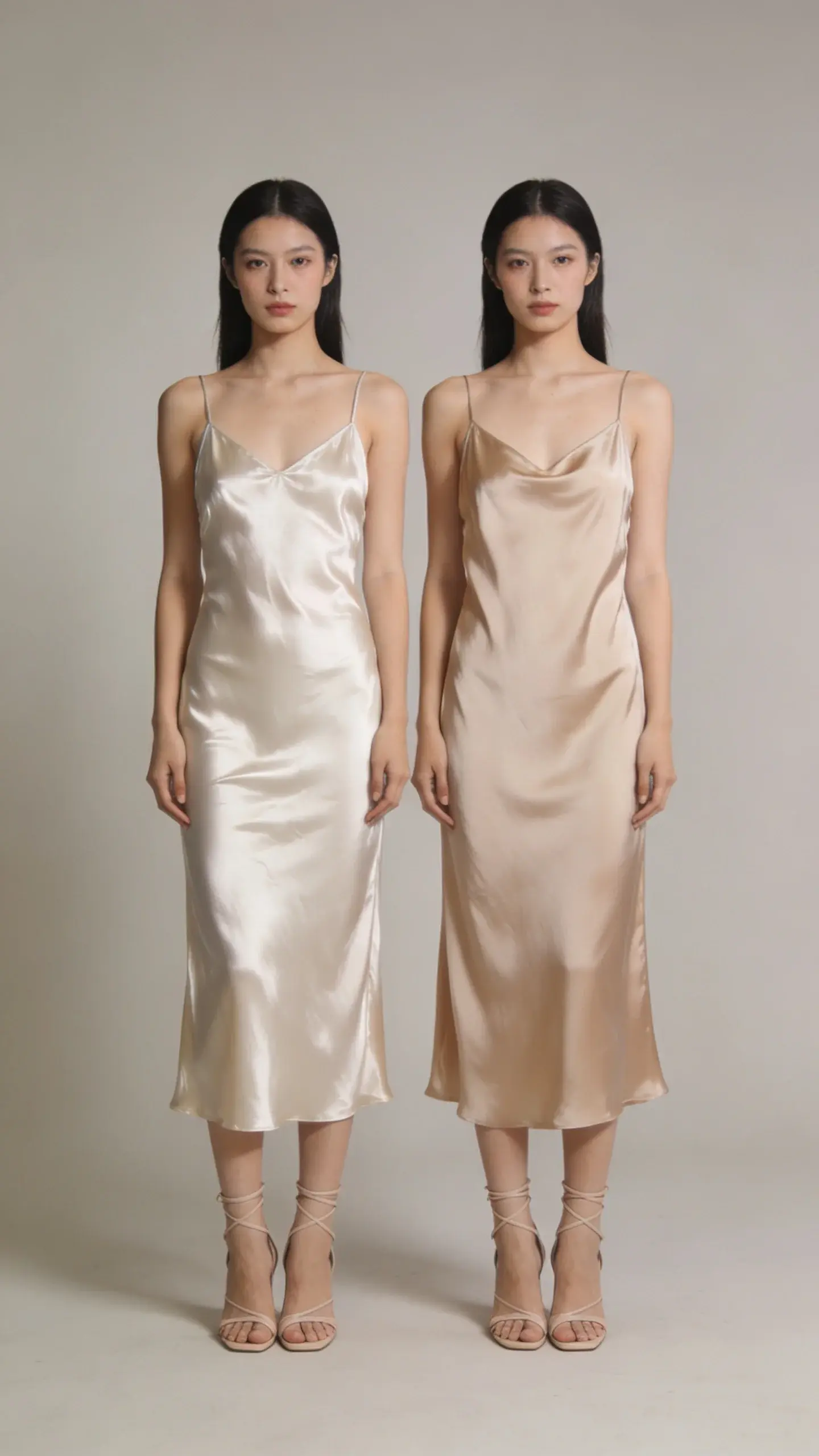
Fabric tells on you before anything else. Shiny synthetics, flimsy knits, and crunchy faux leather usually read cheap. Meanwhile, matte, dense, and soft materials look sleek and elevated.
Fabrics that look luxe
- Natural fibers: Cotton poplin, linen, wool, cashmere, silk. Even blends work if they feel substantial.
- Matte finishes: Avoid that plastic-y shine. Look for a soft drape or crisp structure.
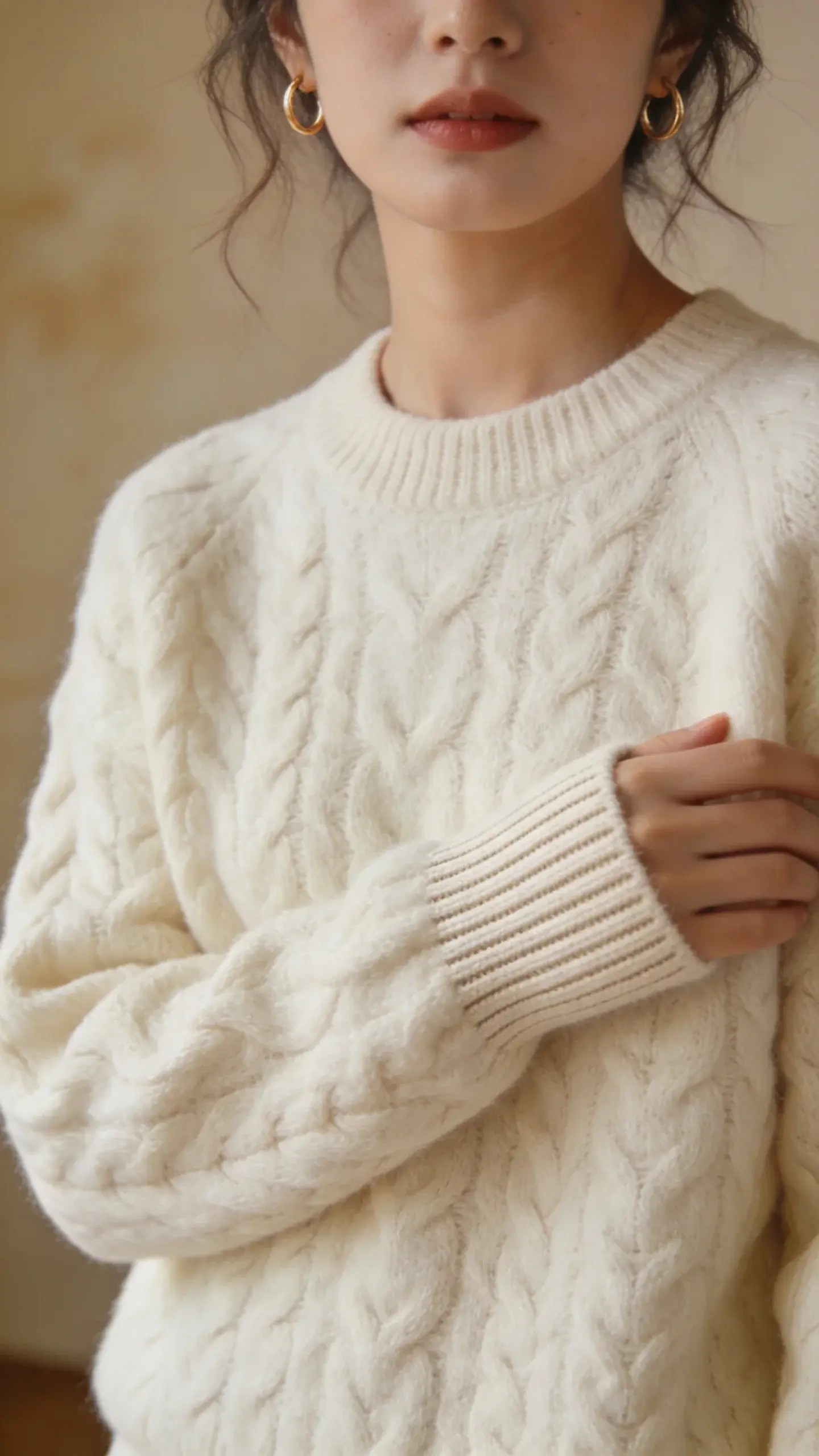
- Textured knits: Ribbed, cable, or tightly woven knits look richer than thin jersey.
Fabrics that cheapen a look fast
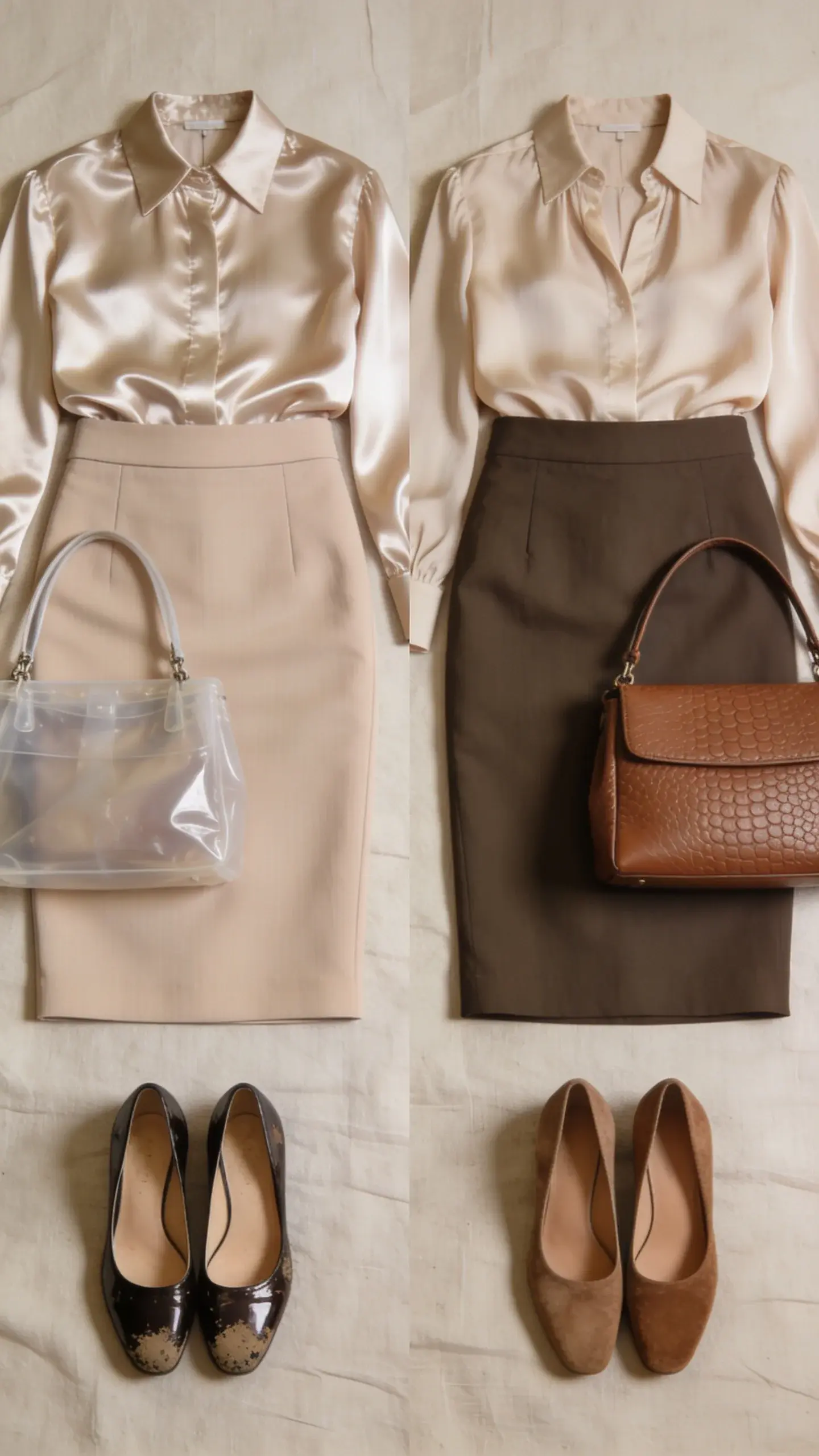
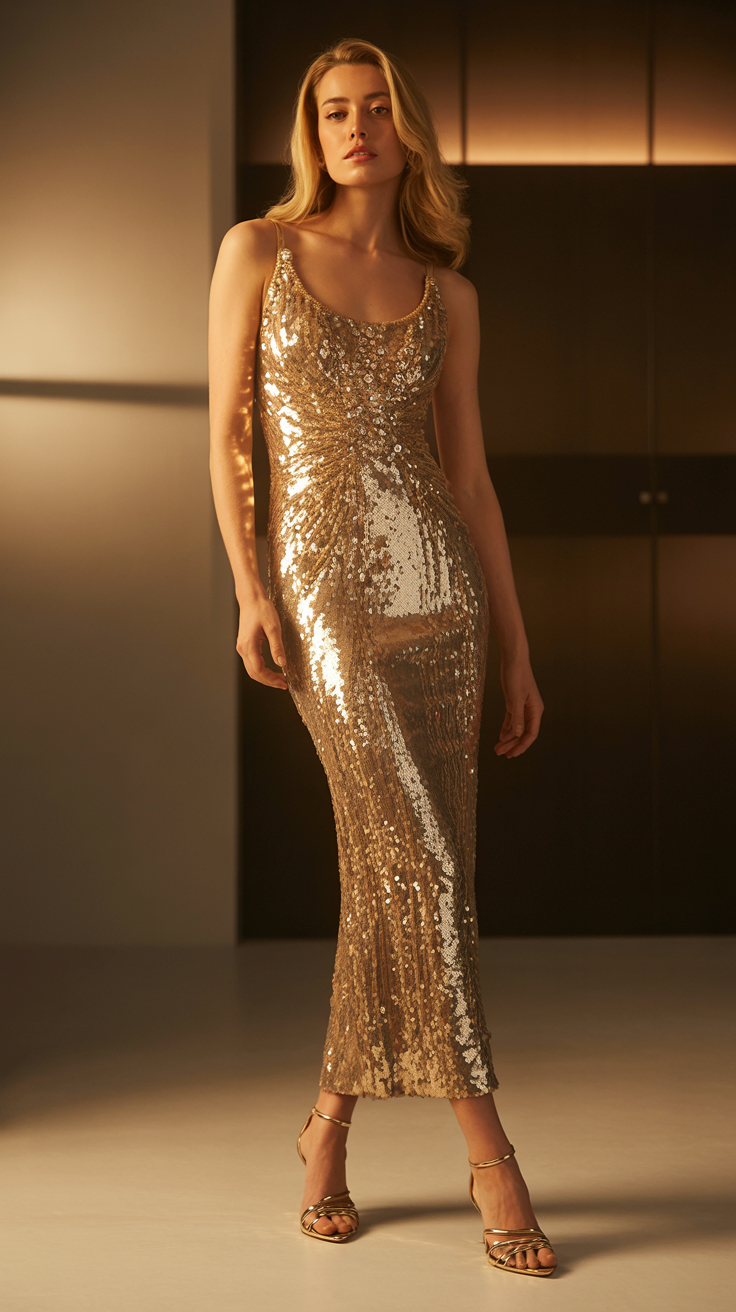
- Ultra-shiny satin that highlights every wrinkle and bump.
- Thin, see-through materials that cling in weird places.
- Stiff faux leather with a plastic gloss and sharp creases.
Pro tip: Do the scrunch test. Squeeze the fabric. If it wrinkles into chaos and stays that way, skip it or plan to steam 24/7.
Fit: The One Thing Money Can’t Fake
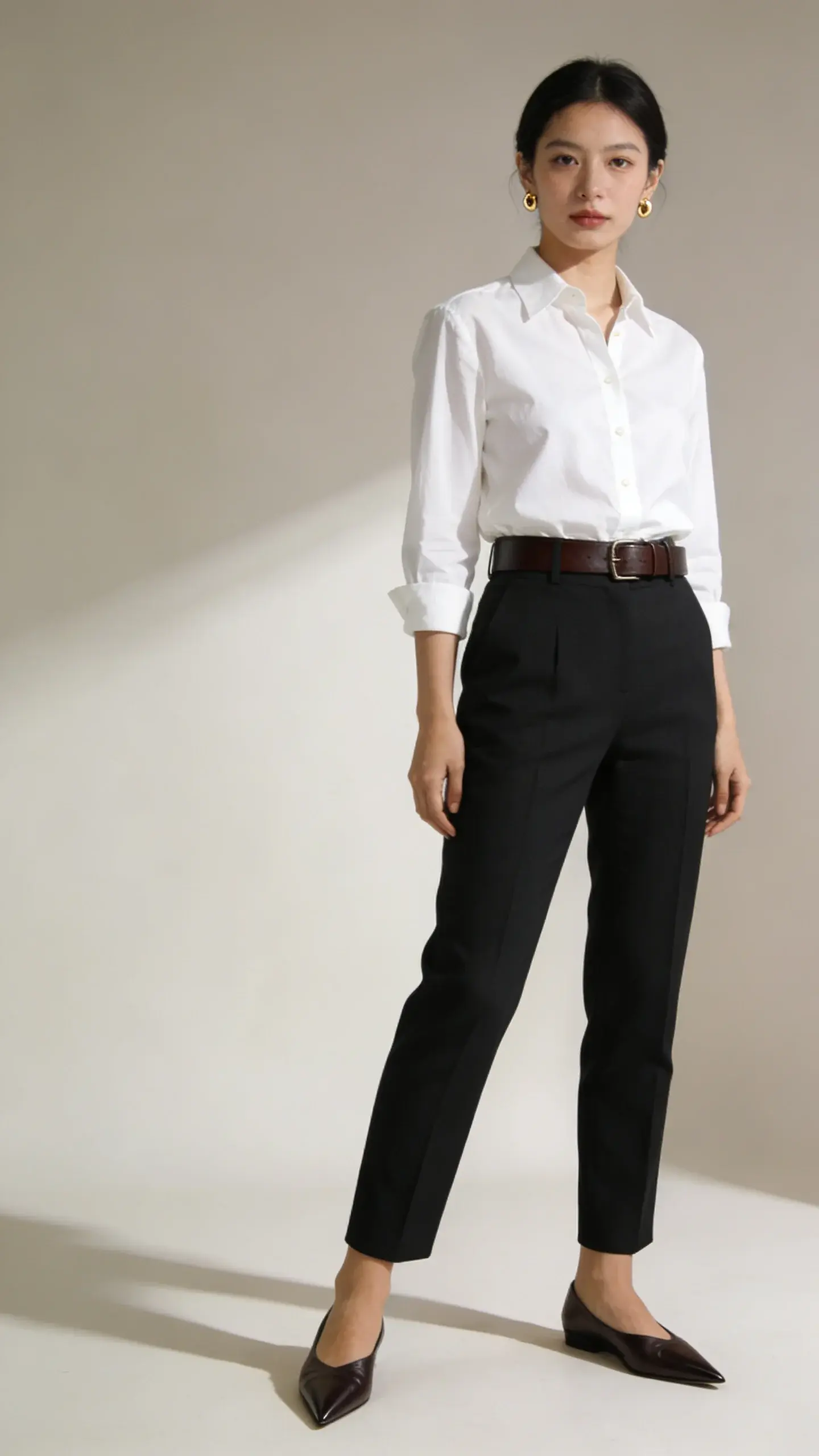
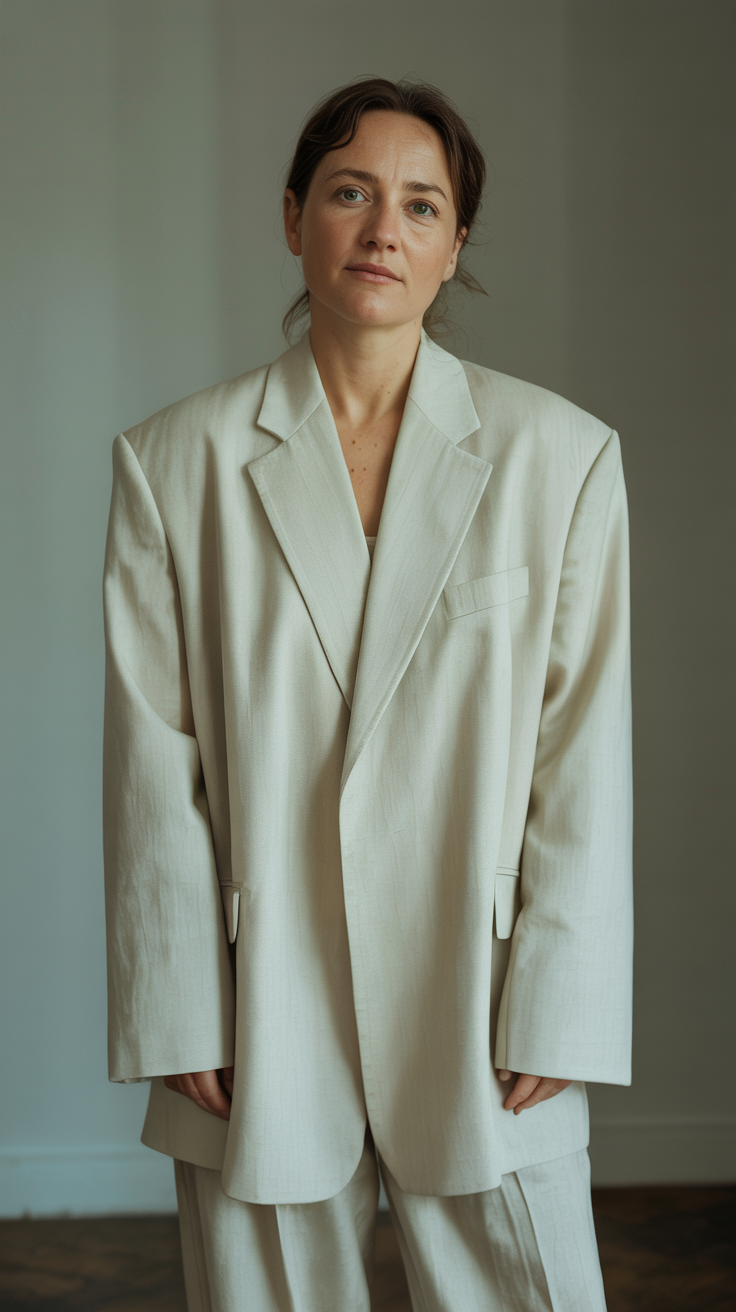
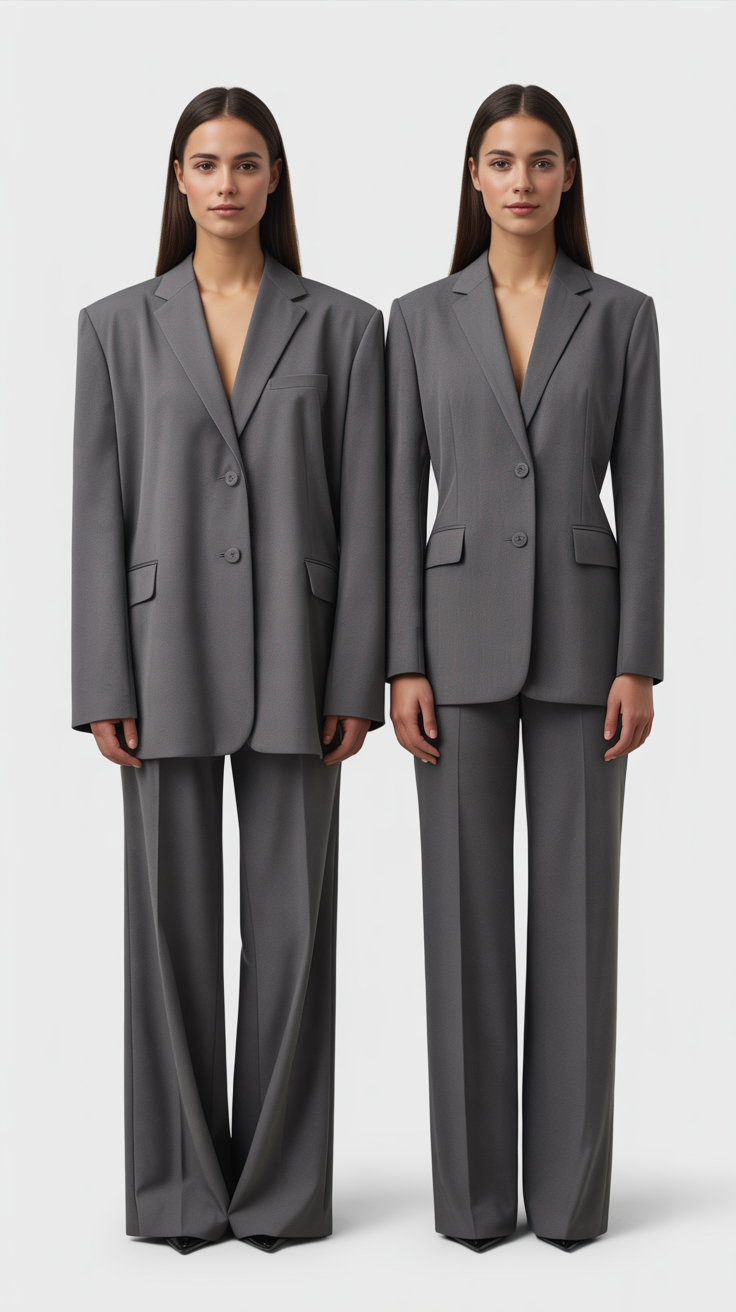
Nothing looks expensive if it doesn’t fit. Period. Baggy shoulders, pulling buttons, and puddled hems scream “off-the-rack panic.”
Quick tailoring wins
- Hem your pants to skim the top of your shoe or hover just above the floor with heels.
- Taper sleeves so they end at your wrist bone—no accordion stacks.
- Dart or nip the waist on blazers and dresses for shape without tightness.
FYI: A $30 dress that fits like it was made for you beats a $300 designer piece that doesn’t. Tailors are the unsung heroes of expensive-looking style.
Color, Prints, and the “Too Much” Trap
You don’t need a beige-only wardrobe to look polished. But color and print need intention. The wrong combo reads chaotic fast.
Colors that feel elevated
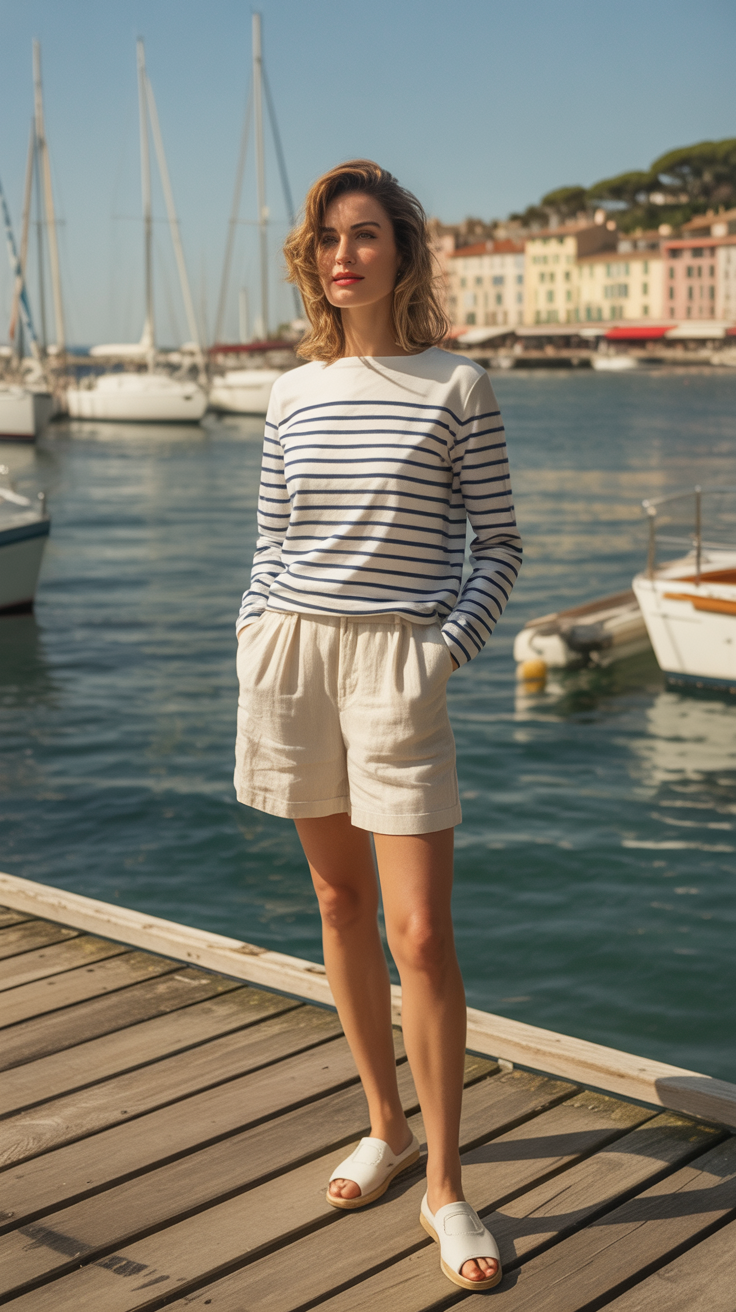
- Neutrals: Cream, camel, navy, charcoal, olive—mix and match for instant polish.
- Jewel tones: Emerald, aubergine, sapphire—deep shades look luxe and photograph well.
- Monochrome: One color head-to-toe looks sophisticated even in basics.
Prints that can cheapen a look
- Overly busy patterns or obvious repeats that don’t align at seams.
- Low-res florals and blurry graphics that look like a bad printer day.
- Logo overload: One logo? Fine. Ten? Walking billboard.
IMO: If you love a loud print, ground it with solid, high-quality basics. Let one piece do the talking.
Details: Where “Cheap” Hides (and Where “Expensive” Shines)
The devil lives in the details—with a sewing kit. Small tweaks change everything.
What cheap-looking outfits often have
- Dangling threads and crooked stitching.
- Plastic buttons that look like they came from a toy set.
- Exposed zippers that buckle or wave.
- Uneven hemlines and puckered seams.
What expensive-looking outfits include
- Clean finishes: Covered seams, neat hems, invisible zippers.
- Upgraded hardware: Tortoiseshell, horn, or metal buttons.
- Lining: Especially in skirts, dresses, and coats—prevents cling and looks refined.
Easy upgrades: Swap buttons, steam everything, lint-roll dark pieces, and check your hems before leaving the house. Five minutes, huge difference.
Style vs. Costume: Trendy Done Right
Trends can look amazing—or like you panic-bought the entire “New In” page at 2 a.m. The trick? Balance.
How to wear trends without looking cheap
- One hero trend at a time: metallic boots or cargo maxi—not both.
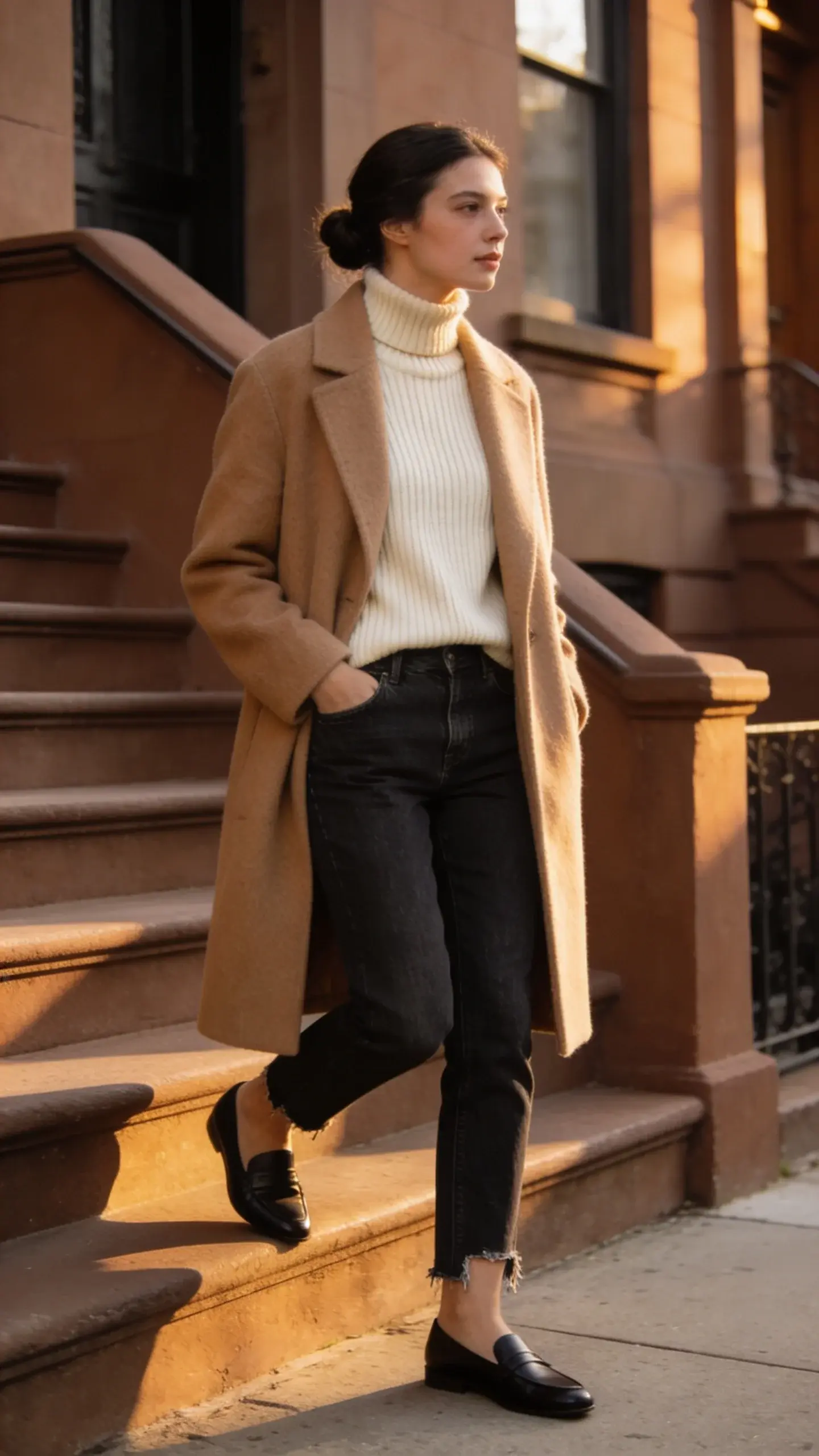
- Pair trendy with timeless: Slouchy denim + crisp white shirt = chef’s kiss.
- Mind proportions: Oversized top + fitted bottom, or vice versa. Keep some structure.
FYI: Fast fashion doesn’t automatically equal cheap-looking. Styling, fit, and restraint do the heavy lifting.
Accessories: The “Rich” Filter for Any Outfit
Accessories can upgrade a $20 dress into a “Where’d you get that?” moment. Or tank it instantly.
Accessories that elevate
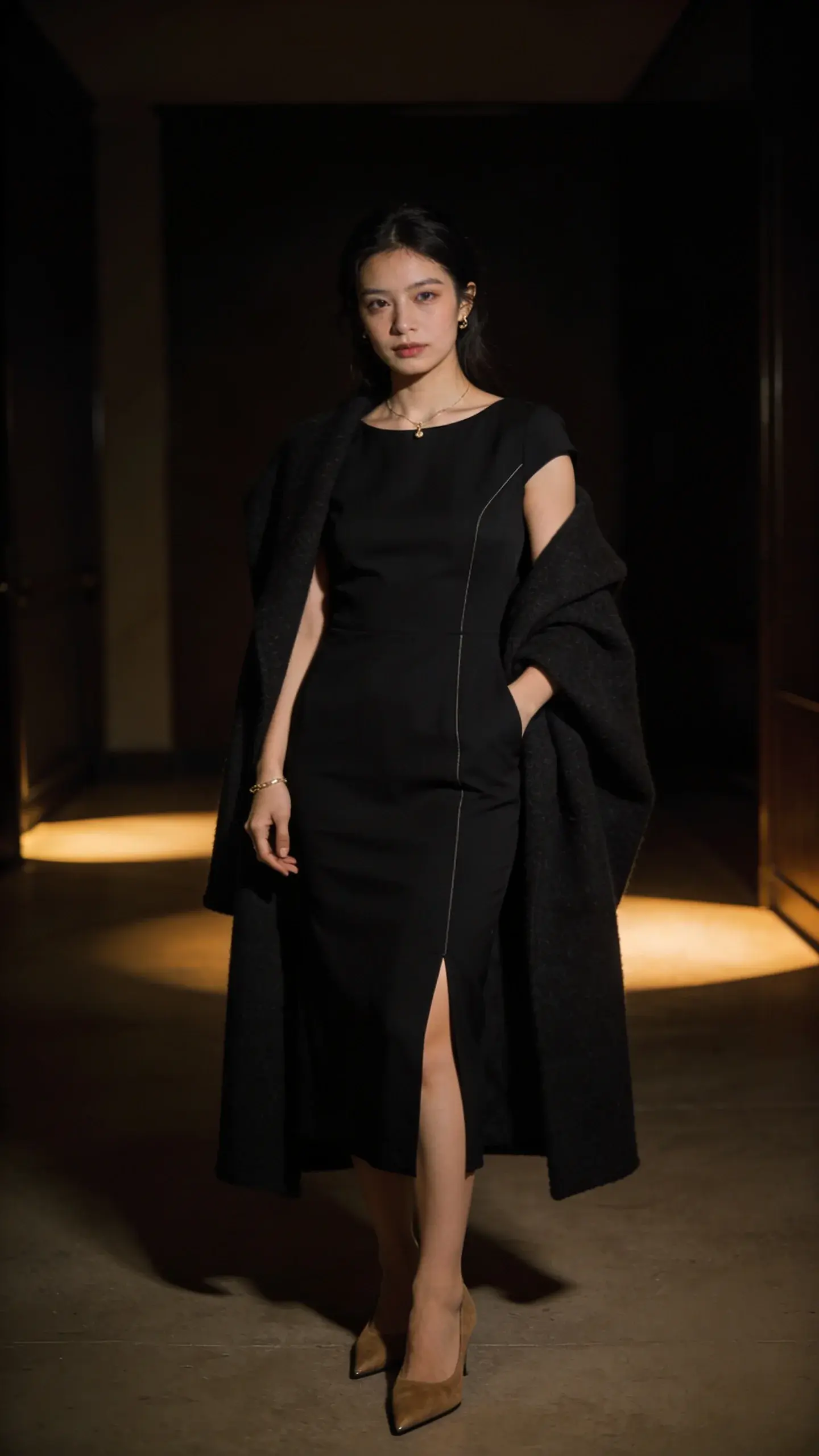
- Minimal jewelry in gold or silver tones—think huggies, a chain, a classic watch.
- Structured bags with clean lines and minimal hardware.
- Belts that cinch smoothly and match your shoe tone.
- Good shoes: Leather or good faux-leather, clean soles, no flapping straps.
Accessories that age a look
- Over-embellished pieces with rhinestones and giant logos.
- Worn-out bags with peeling edges or sagging shapes.
- Cheap-looking metals that turn orange or green. Big yikes.
IMO: If you splurge anywhere, shoes and bags pay you back for years.
Grooming and Care: The Quiet Luxury You Can’t Skip
You can wear a perfect outfit and still look messy if your grooming fights it. The “expensive” vibe comes from polish.
The care checklist
- Steam or iron: Wrinkles cheapen everything, even silk.
- Lint roll and de-pill: Fuzz and pills make knits look tired.
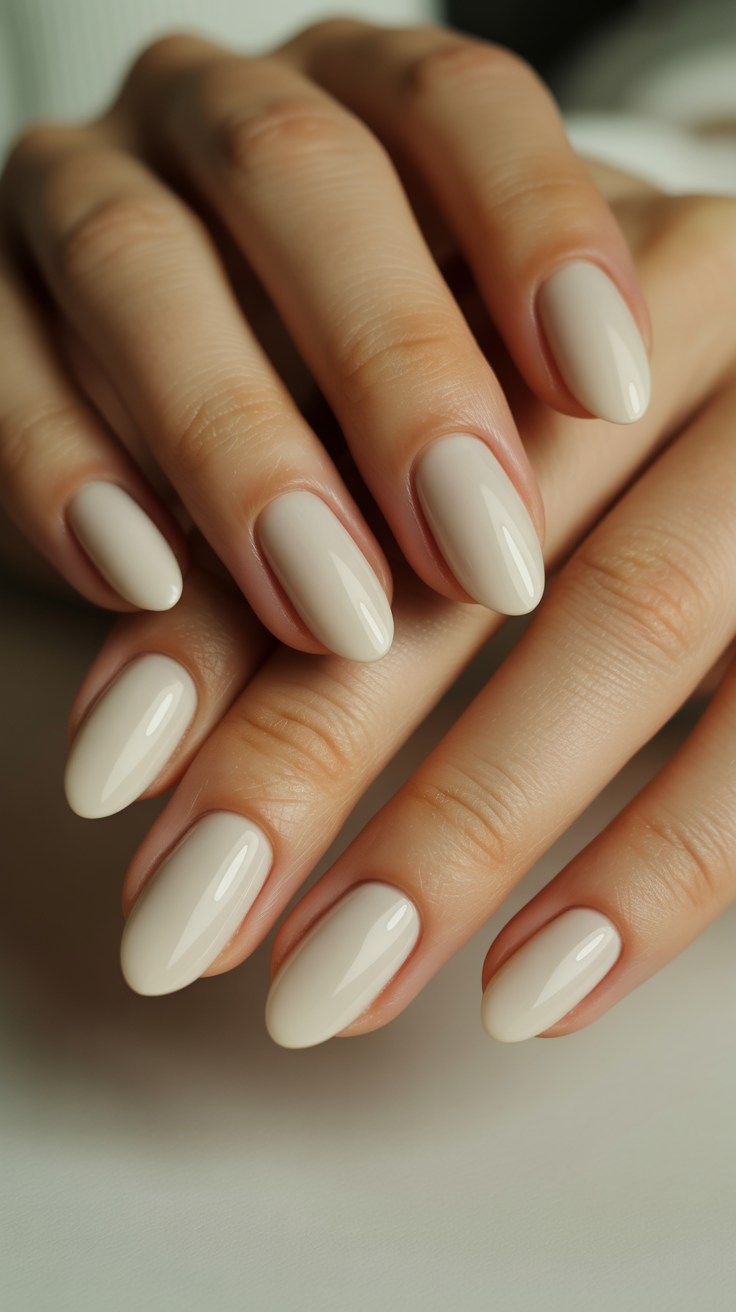
- Neat hair and clean nails: Doesn’t need to be fancy—just intentional.
- Right underpinnings: Seamless underwear, a bra that fits, no visible straps unless it’s a style choice.
Bonus: Use a fabric shaver on sweaters and a leather conditioner on bags. Tiny effort, big payoff.
Price vs. Perception: What Actually Matters
Expensive-looking style isn’t about designer labels. It’s about choices that read as thoughtful and refined.
Spend here (if you can)
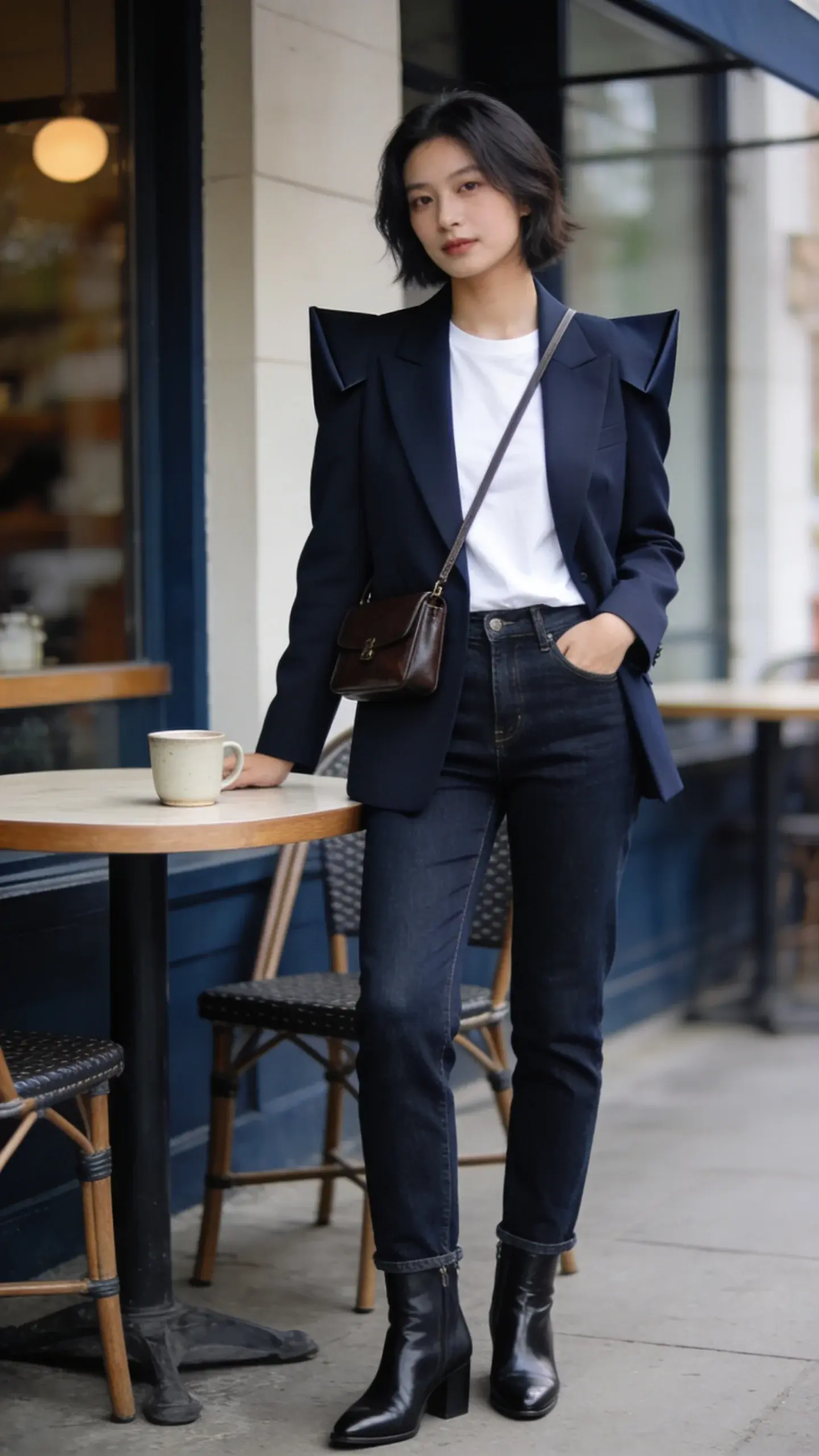
- Outerwear: Coats and blazers set the tone for everything.
- Shoes and bags: They carry the outfit—literally and visually.
- Everyday basics: The white tee, black pants, great jeans you wear to death.
Save here
- Occasion pieces you’ll wear twice.
- Trendy items that will date in a season.
- Statement jewelry that doesn’t pretend to be fine—go bold, go fun.
Rule of thumb: If it touches your face or anchors your outfit, prioritize quality. The rest can flex.
FAQs
Can bright colors look expensive?
Absolutely. Keep the fabric matte and the silhouette clean. Pair brights with neutral accessories and avoid fussy details. A cobalt blazer over a white tee looks sharp; cobalt plus neon plus glitter? That’s a party, not polish.
Do I need designer brands to look expensive?
Nope. Focus on fabric, fit, and finish. If labels make you happy, cool—but if the garment pulls, pills, or puckers, the logo won’t save it. Quiet confidence looks pricier than loud branding.
How do I make a cheap dress look luxe?
Tailor the waist and hem, swap the buttons if it has any, add a belt, and wear great shoes. Steam it, use seamless underwear, and carry a structured bag. Boom—elevated.
Is all faux leather cheap-looking?
Not at all. Higher-quality faux leather feels soft, has a subtle sheen, and drapes instead of cracking. Avoid stiff, shiny versions and check how it moves when you sit or bend.
What’s the fastest way to upgrade an outfit?
Steam, lint-roll, add a belt, and switch to cleaner shoes. Throw on a blazer or structured jacket. These five minutes can turn “meh” into “main character.”
How do I handle logos tastefully?
One logo at a time, preferably small. Let the silhouette and fabric do the talking. If you wear a logo bag, keep the rest of the outfit minimal.
Conclusion
Expensive-looking style isn’t a secret society—it’s a checklist. Choose better fabrics, nail the fit, keep details clean, balance trends, and finish with thoughtful accessories and grooming. You don’t need a new wardrobe, just sharper edits. With a few smart swaps, your outfits will stop trying hard and start looking effortless. And honestly? Effortless always reads rich.