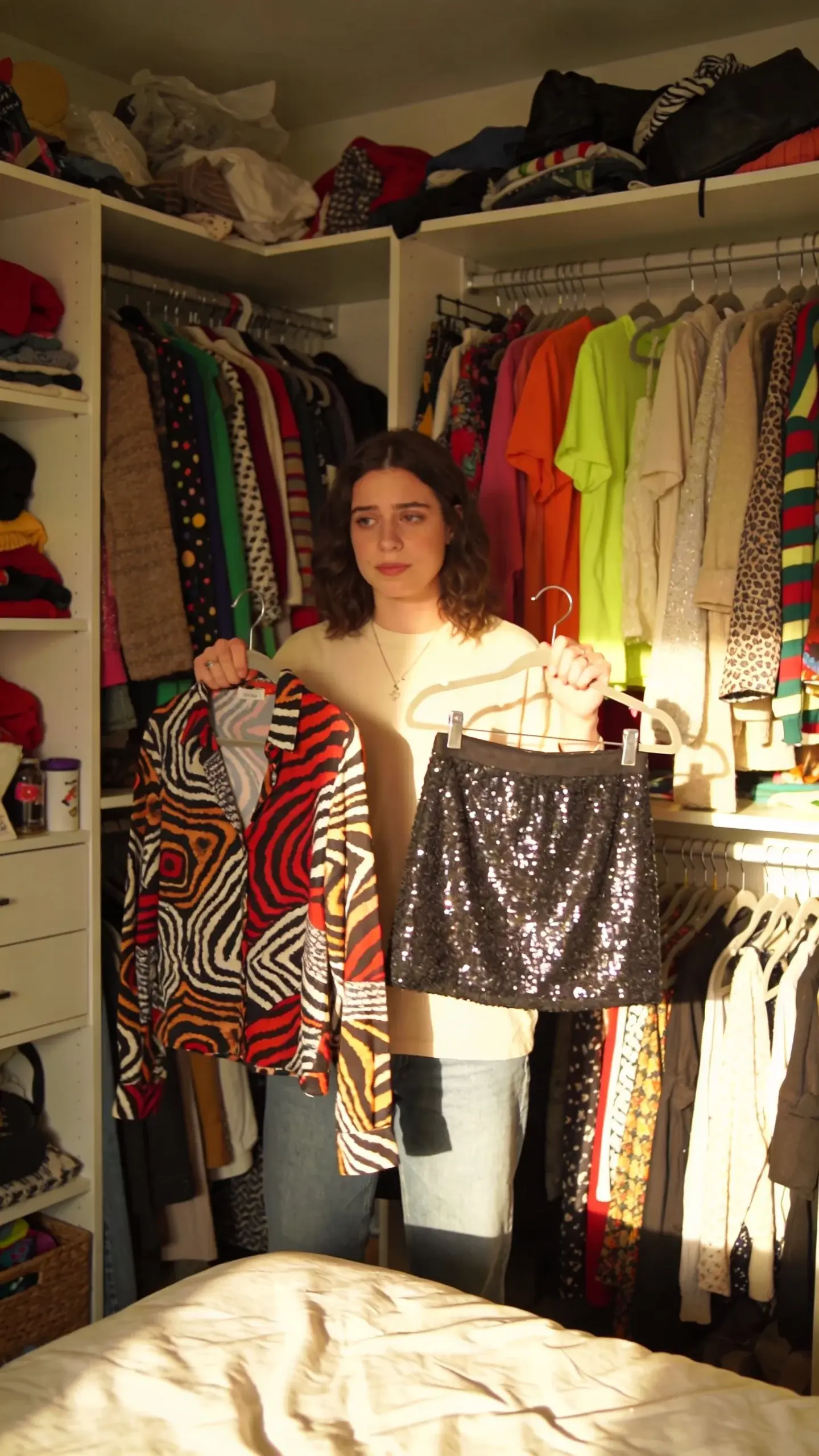
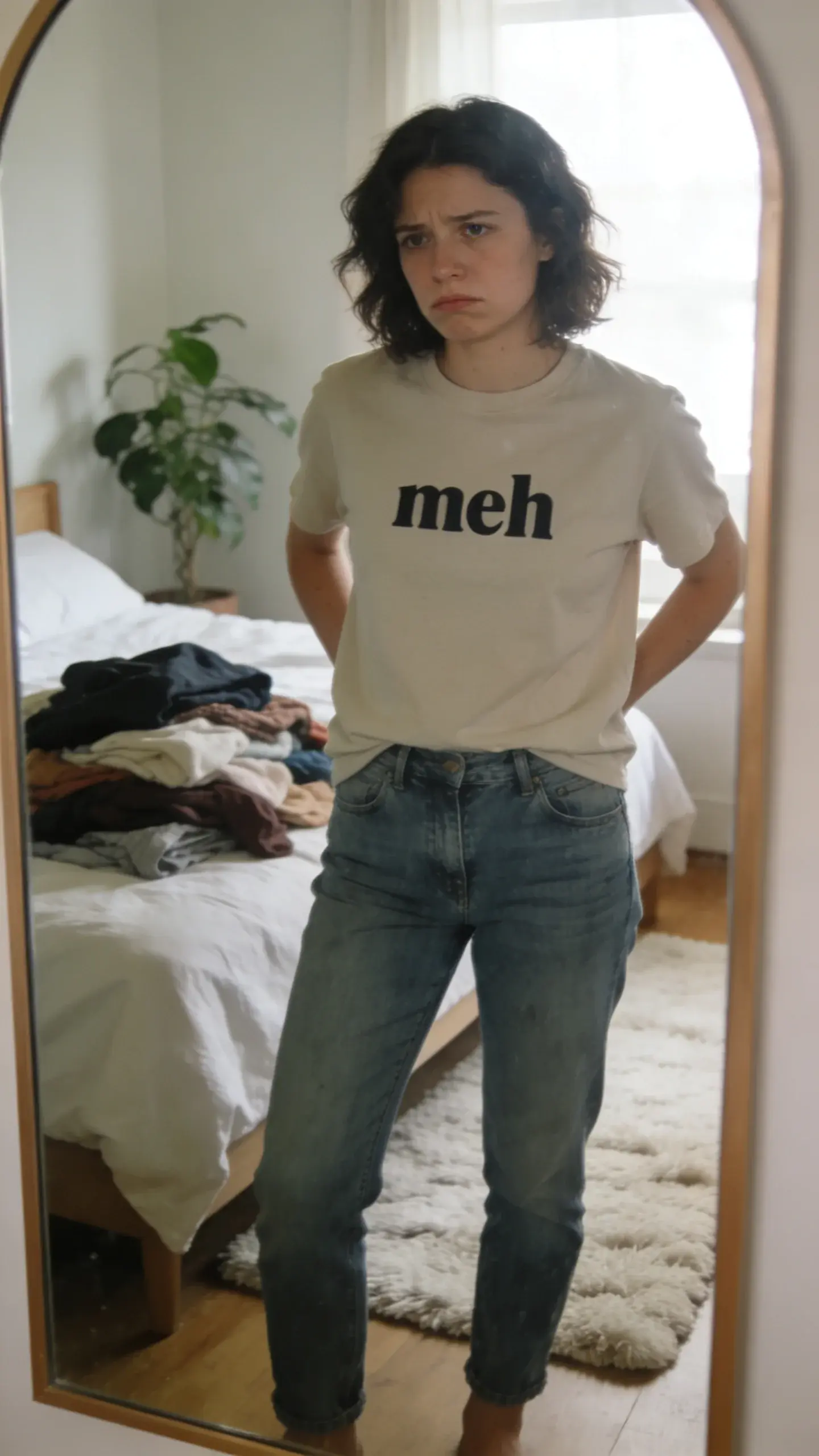

You open your closet, stare for too long, and still end up wearing the same jeans and a “meh” top. Sound familiar? If getting dressed feels like solving a riddle you never asked for, your style hasn’t clicked yet—and that’s totally normal. The good news? The signs are obvious once you know what to look for, and the fixes are easier than you think. Let’s spot the clues and nudge you toward a wardrobe that finally feels like you.
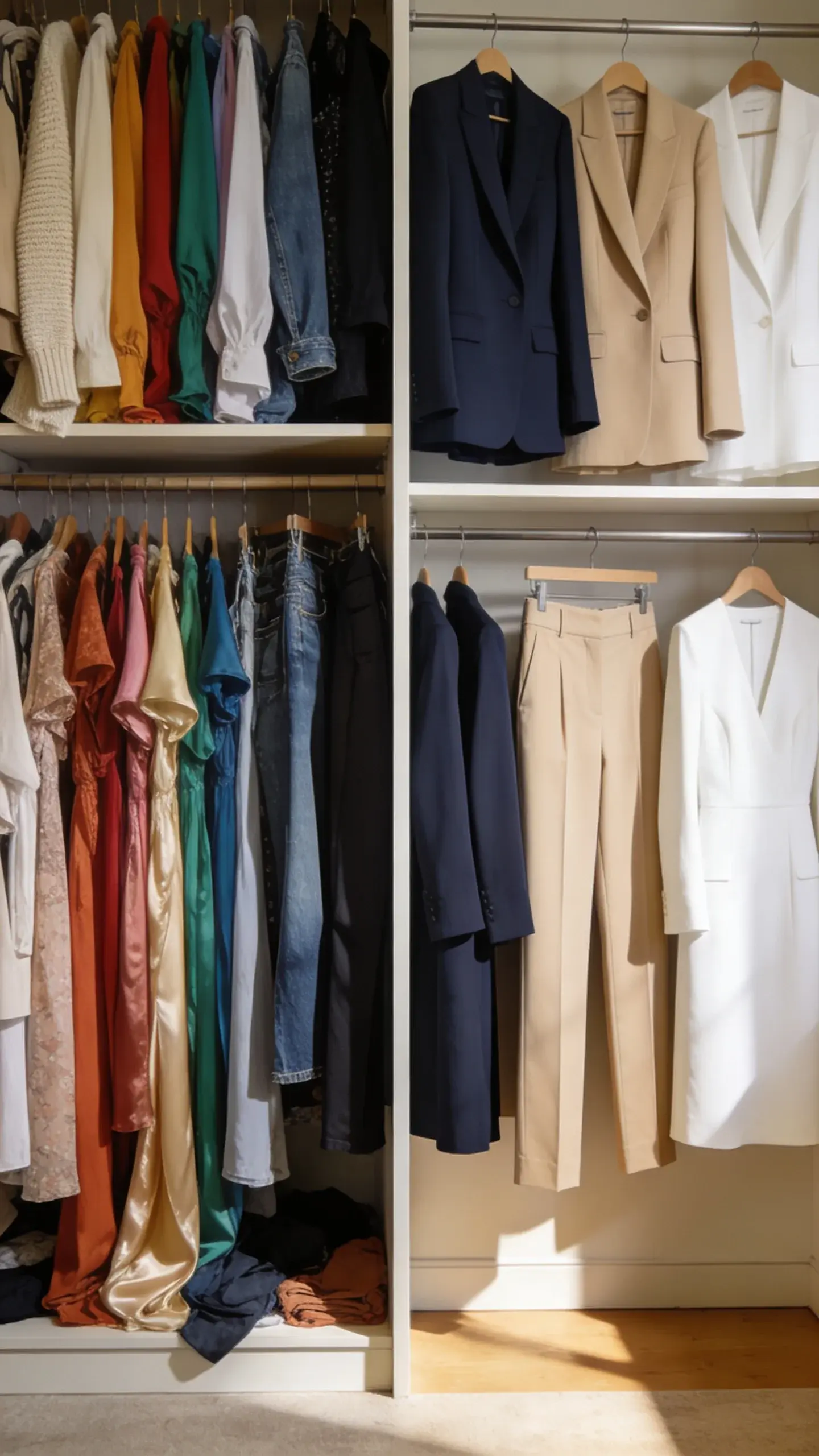
You’ve got plenty of clothes, but outfits? Not so much. If most pieces don’t play nicely with each other, you probably shopped for individual items instead of a style vision. That leads to a chaotic closet and zero styling confidence.
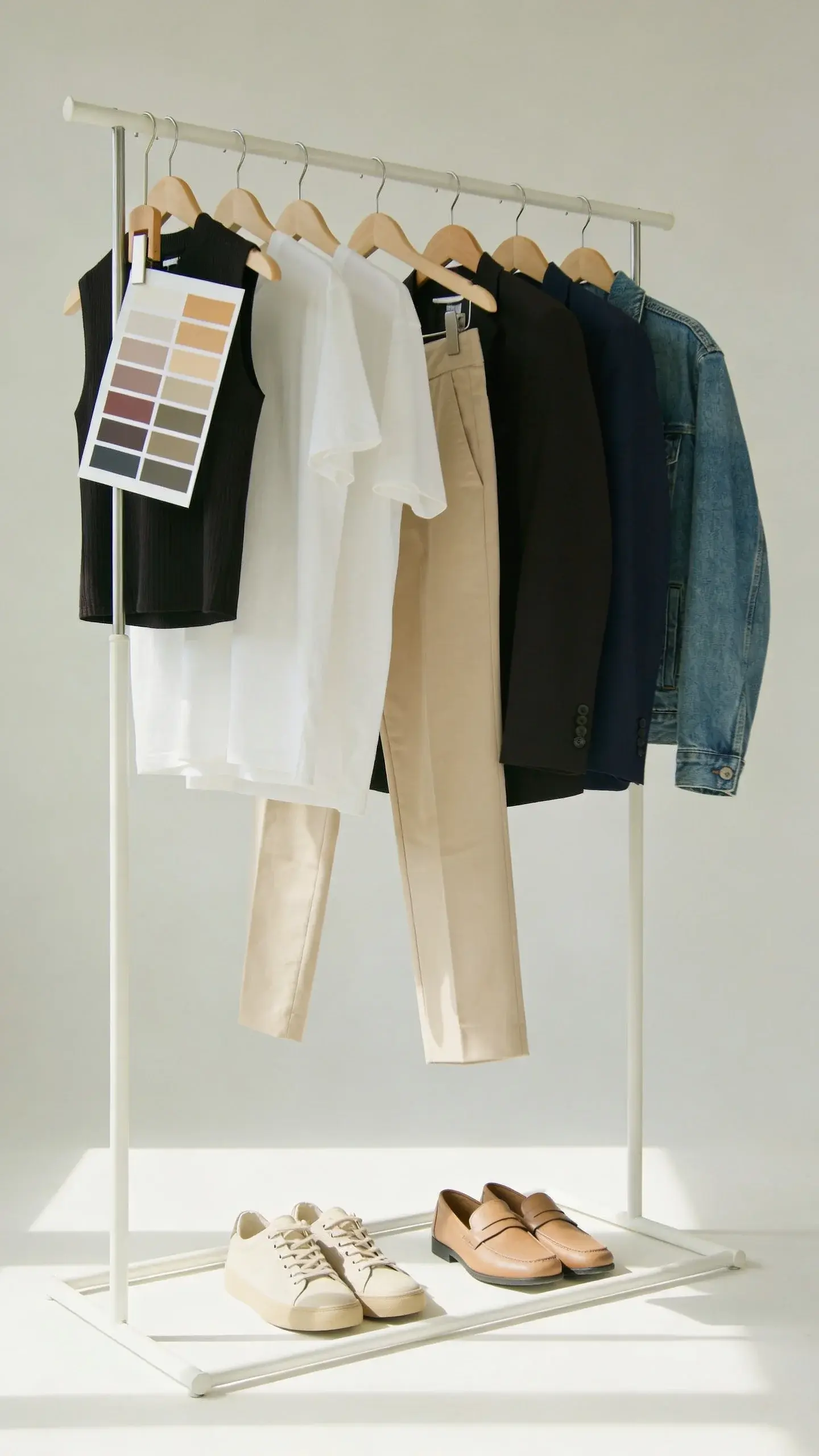
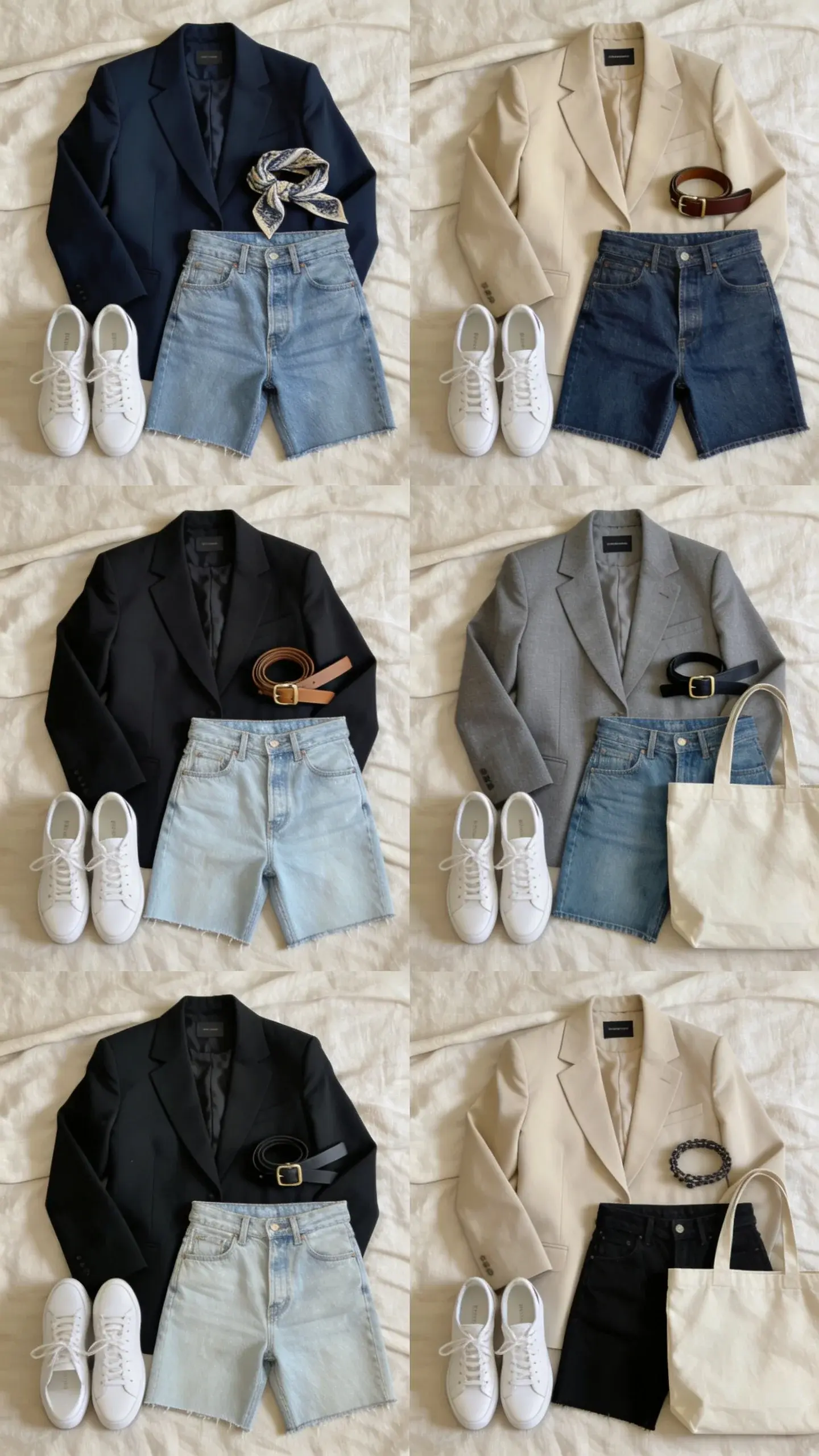
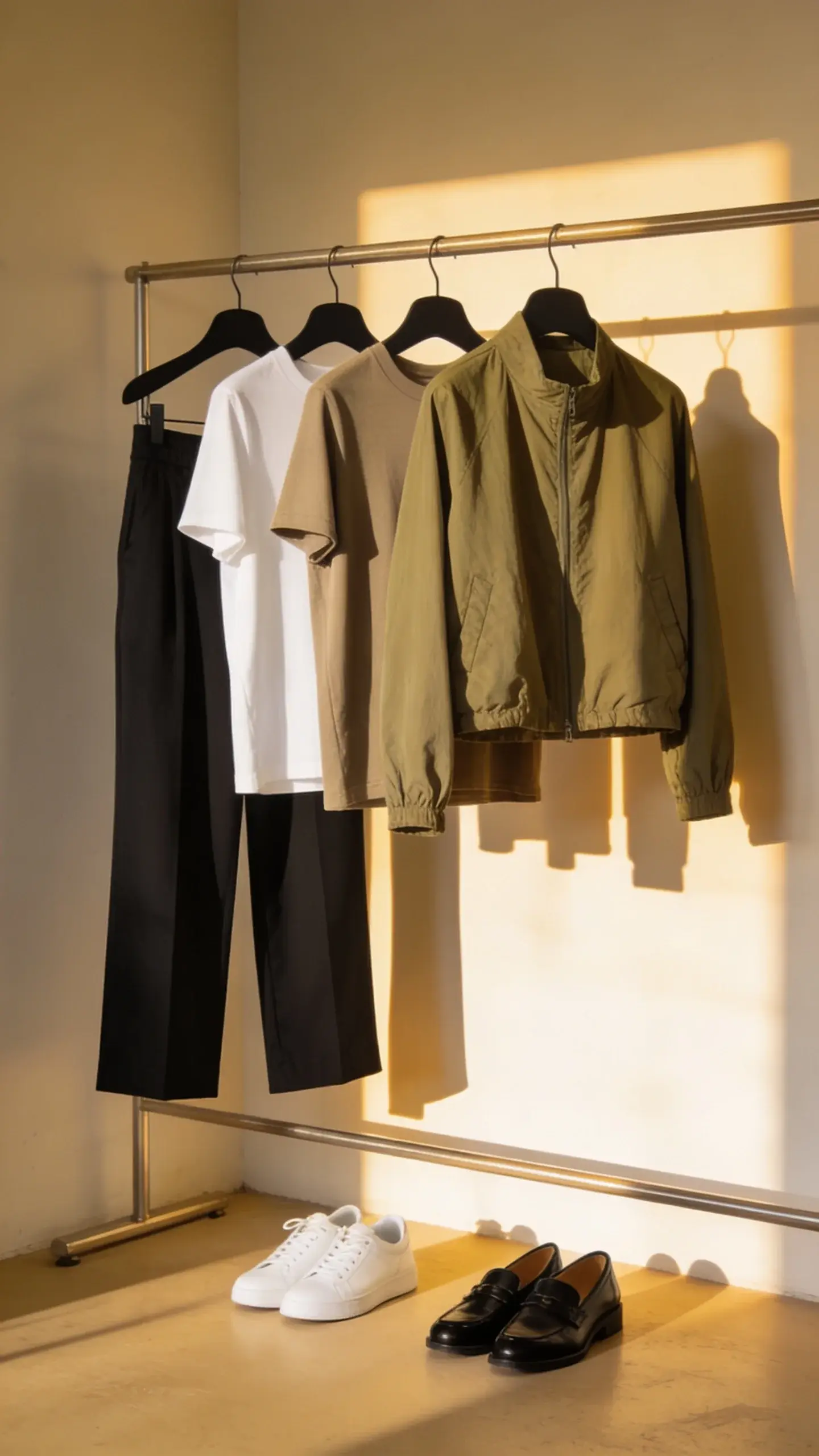
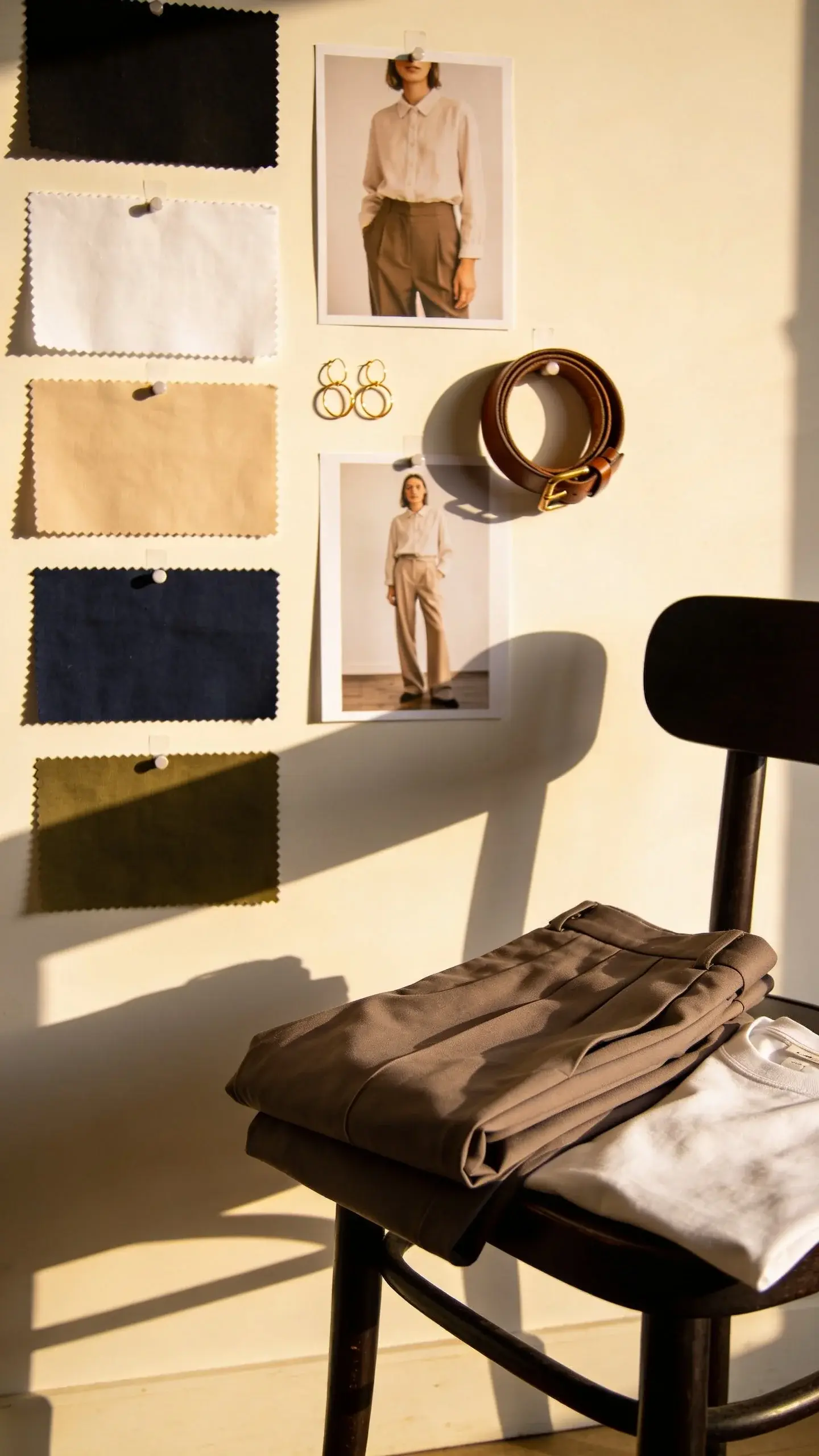
Quick fix: Pick a base palette (think black, white, beige, navy, or olive) and stick to it for a while. Buy pieces that mix and match. If three items can’t create at least five outfits, they’re probably not helping.
Create a go-to combo that always works, like straight-leg jeans + simple tee + structured blazer + white sneakers. Rotate colors and fabrics, but keep the silhouette steady. You’ll look put-together without thinking too hard.
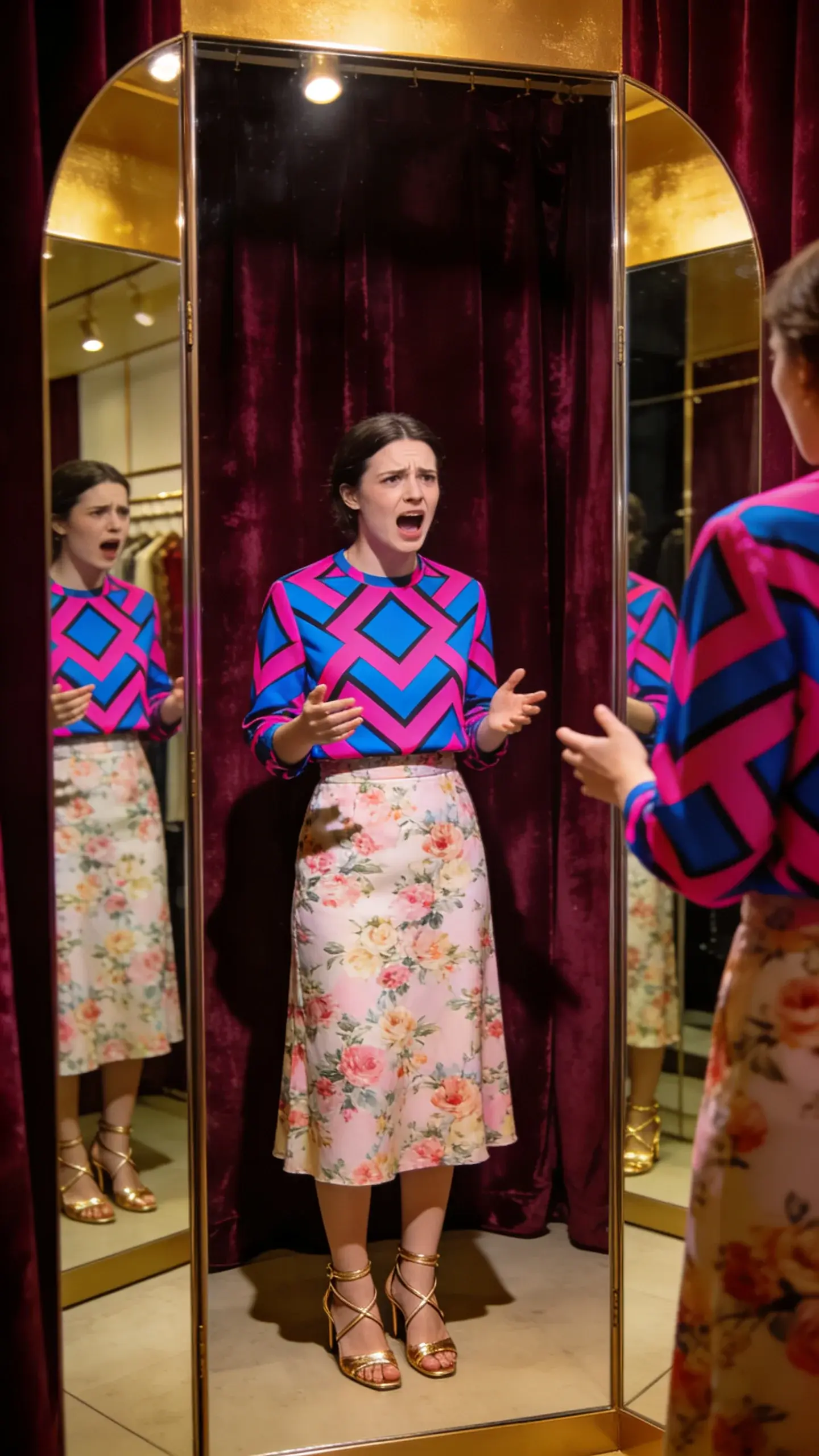
You bought the micro-bag, the viral parachute pants, and that weird asymmetric sweater. Wore each once. Now they haunt your shelf like fashion’s version of impulse-buy ghosts. You chased the vibe, not the fit for your life.
Reality check: Trends are fun seasoning, not the whole meal. Choose one trendy piece and balance it with classics you love. FYI, if a trend doesn’t work with your shoes or coat, it won’t get worn.
On Monday you’re minimalist. By Friday you’re boho. Next week? Dark academia cosplay. You can love different aesthetics, but if your cart looks like a group project with no leader, your style won’t feel cohesive.
Try this: Pick two style words and one “spice” word. For example: “clean, relaxed, edgy.” Every piece must fit at least two words. IMO, this trick saves money and sanity.
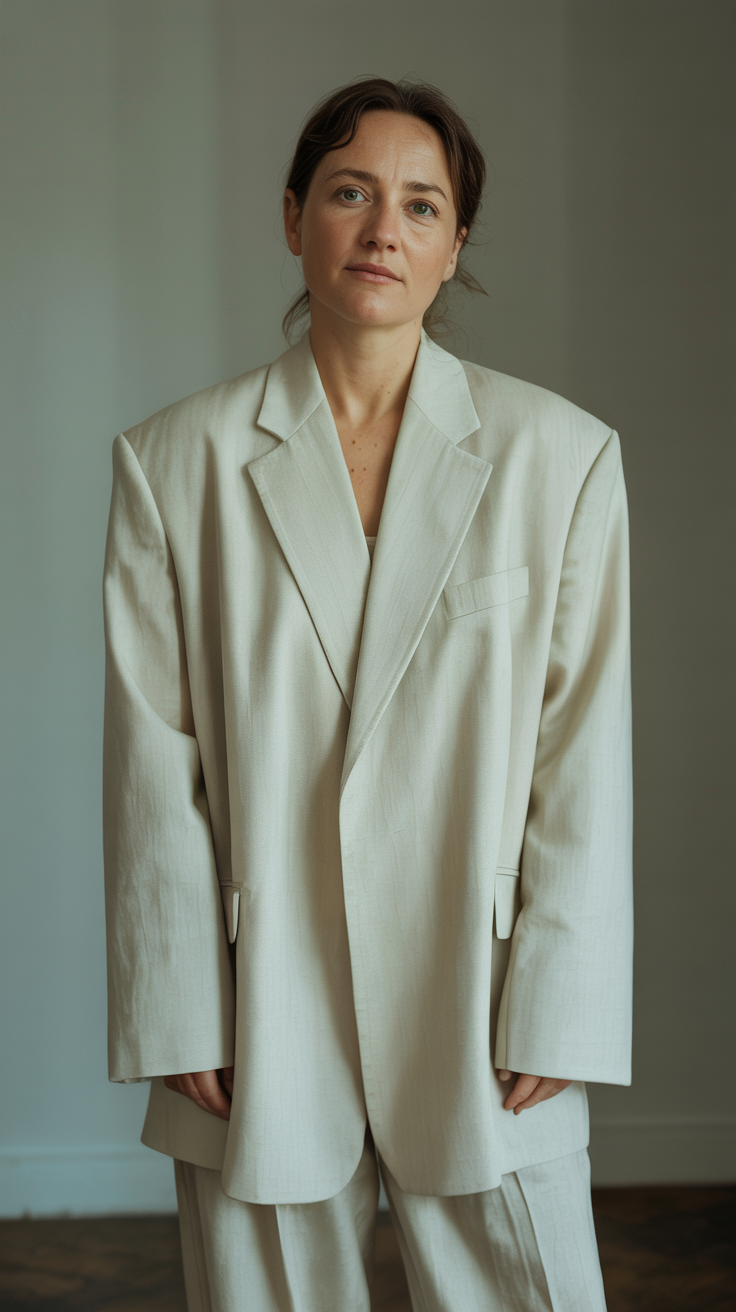
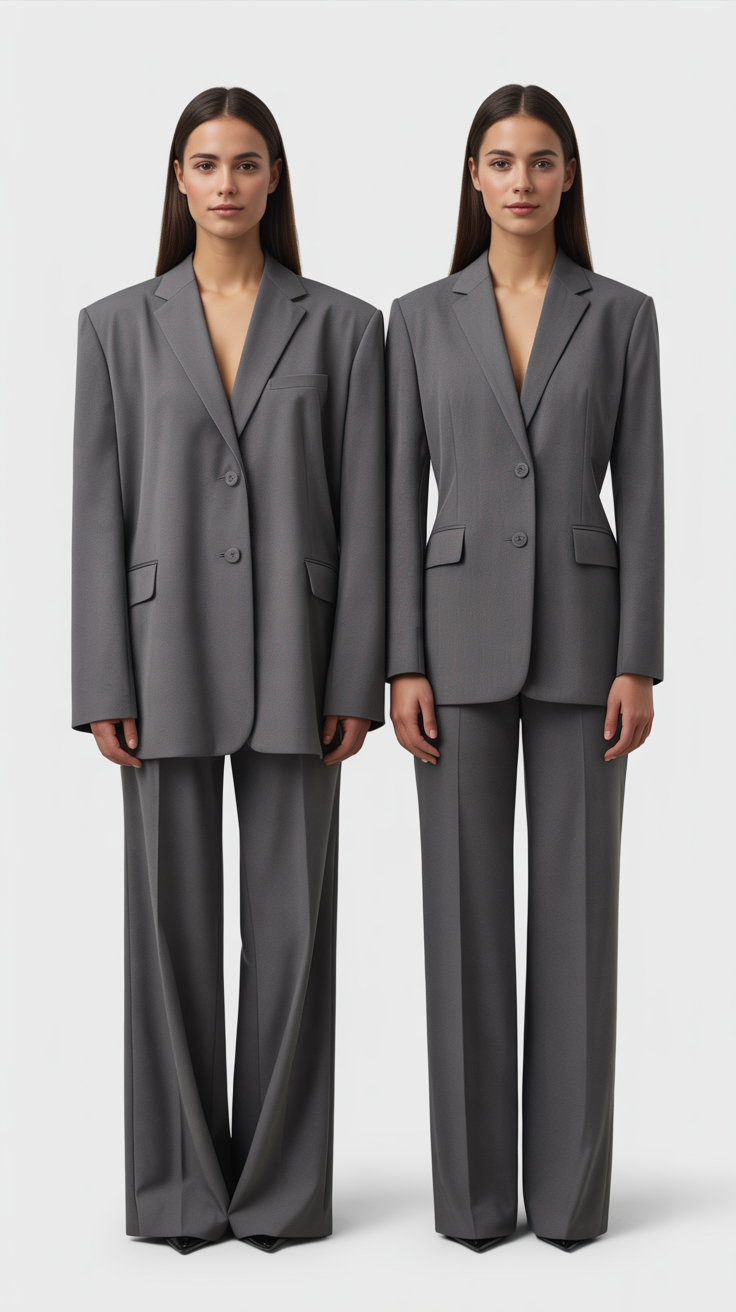
You put something on and instantly want to change. The colors might be fine, but the proportions feel wrong. That usually means silhouettes, not items, need work.
Focus on shape:
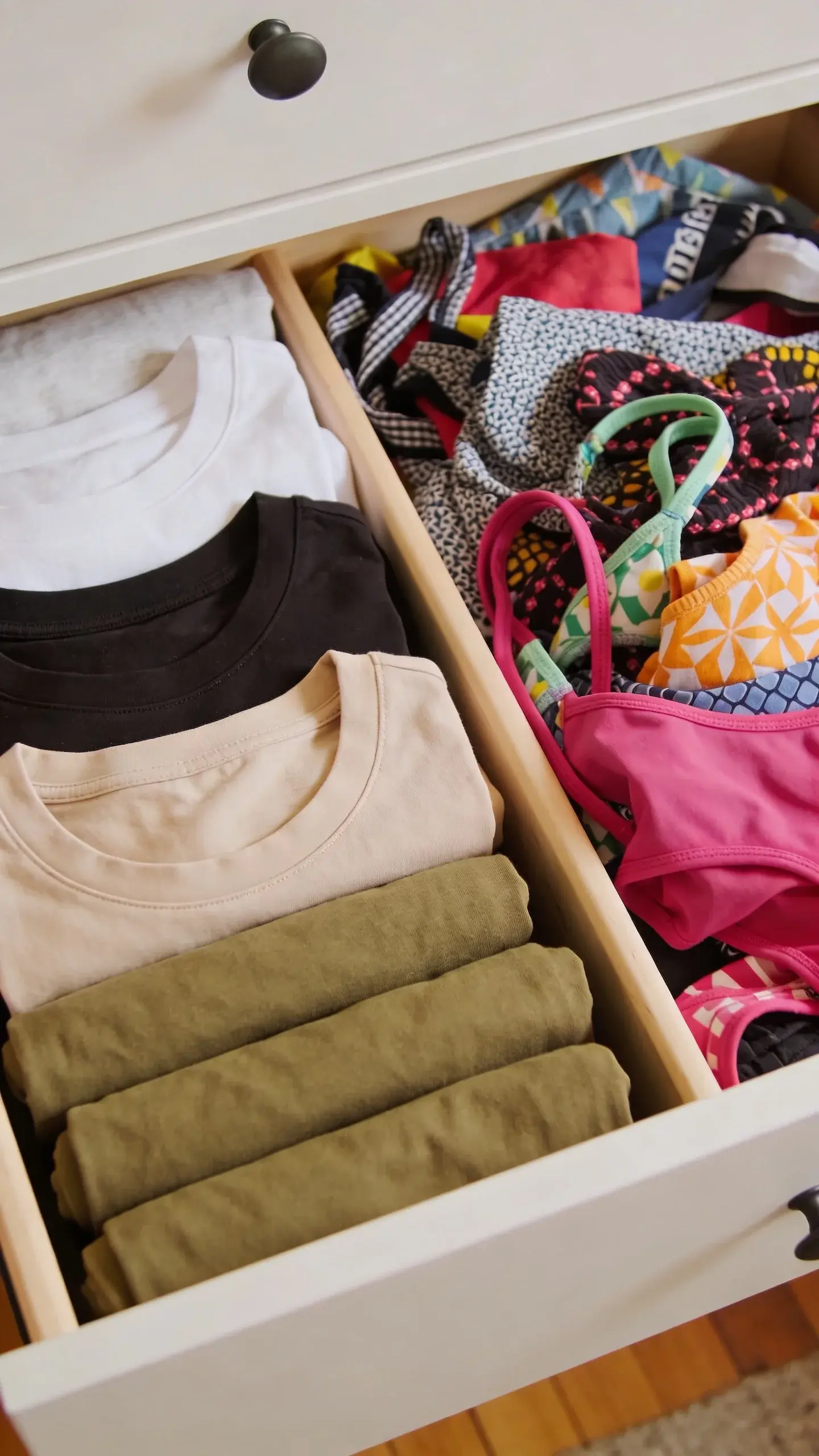
Statement tops? You’ve got them. Loud prints? Yup. But where are the quiet heroes that make outfits actually work? Without basics, you’ll struggle to build anything.
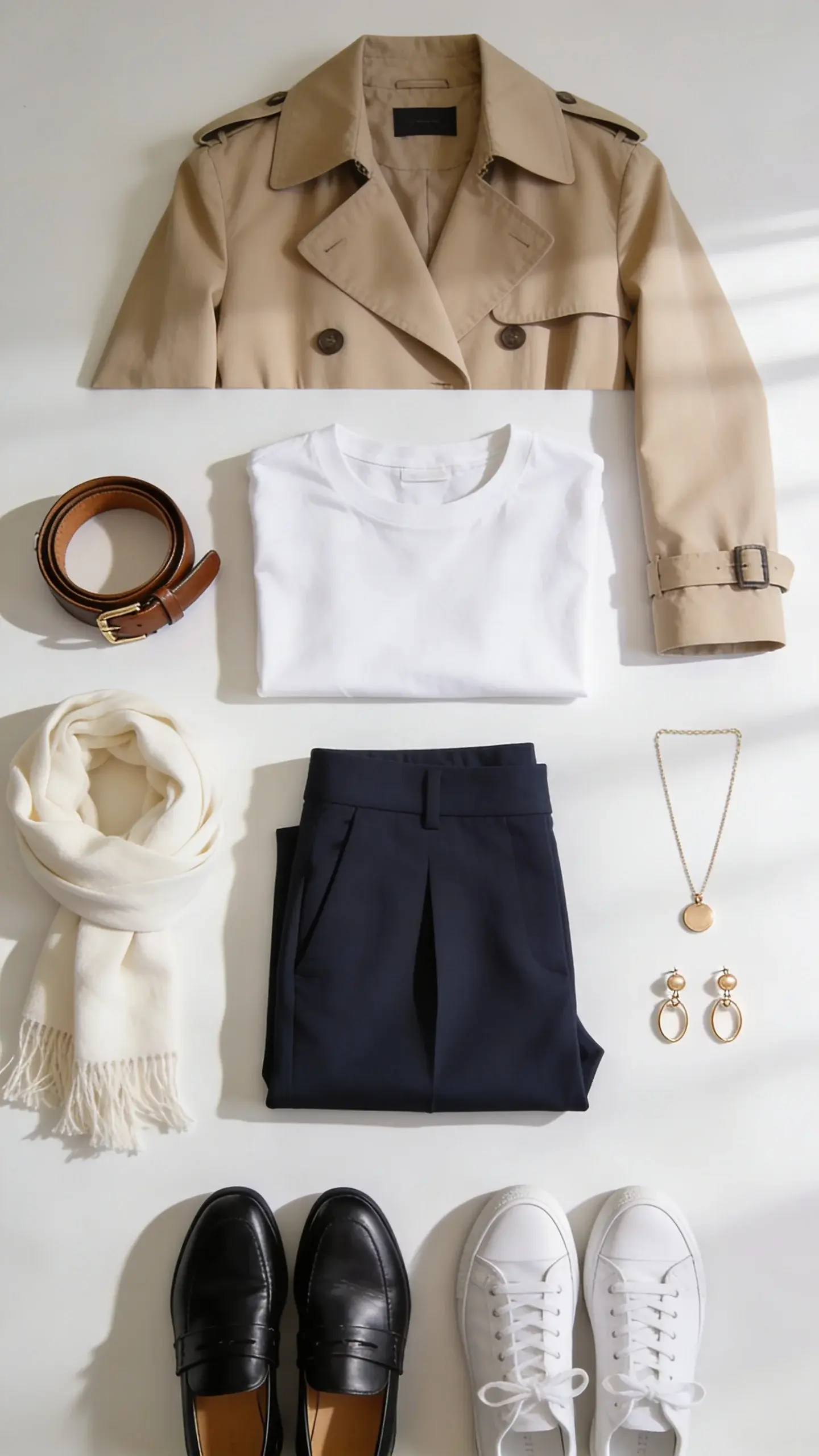
Glue pieces to prioritize:
Buy the boring stuff. Then your fun stuff will finally see the light of day.
If any calendar invite sends you into a panic spiral, your wardrobe doesn’t reflect your actual life. You’ve got coffee-run clothes and couch clothes, but not date-night, interview, or brunch-with-the-ex vibes.
Plan your real life:
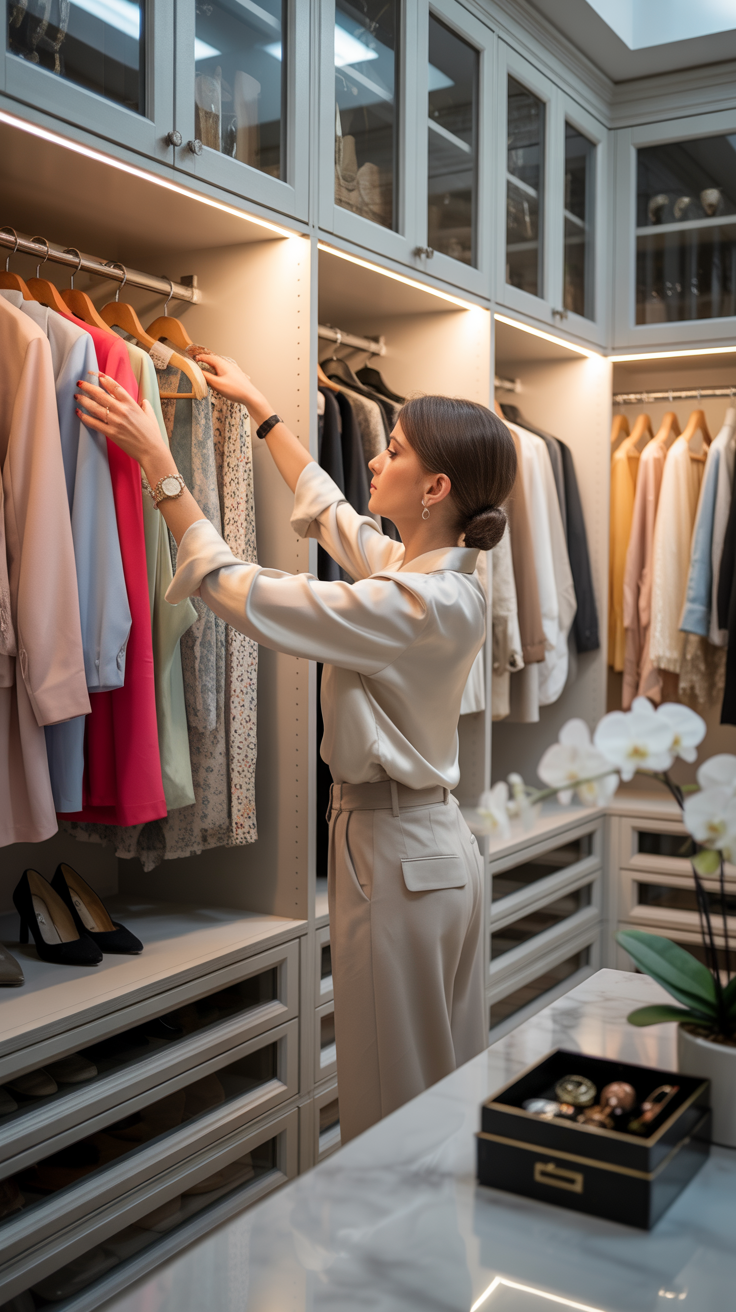
Hang 5 pre-styled looks at the front of your closet. Accessories on the hanger, too. When your brain says “nope,” your rail says “got you.”
People with defined style know what they refuse to wear. Maybe it’s itchy wool, low-rise anything, or neon. If you say yes to everything, your style says nothing.
Make a Never List:
When you politely decline the wrong pieces, the right ones get louder.
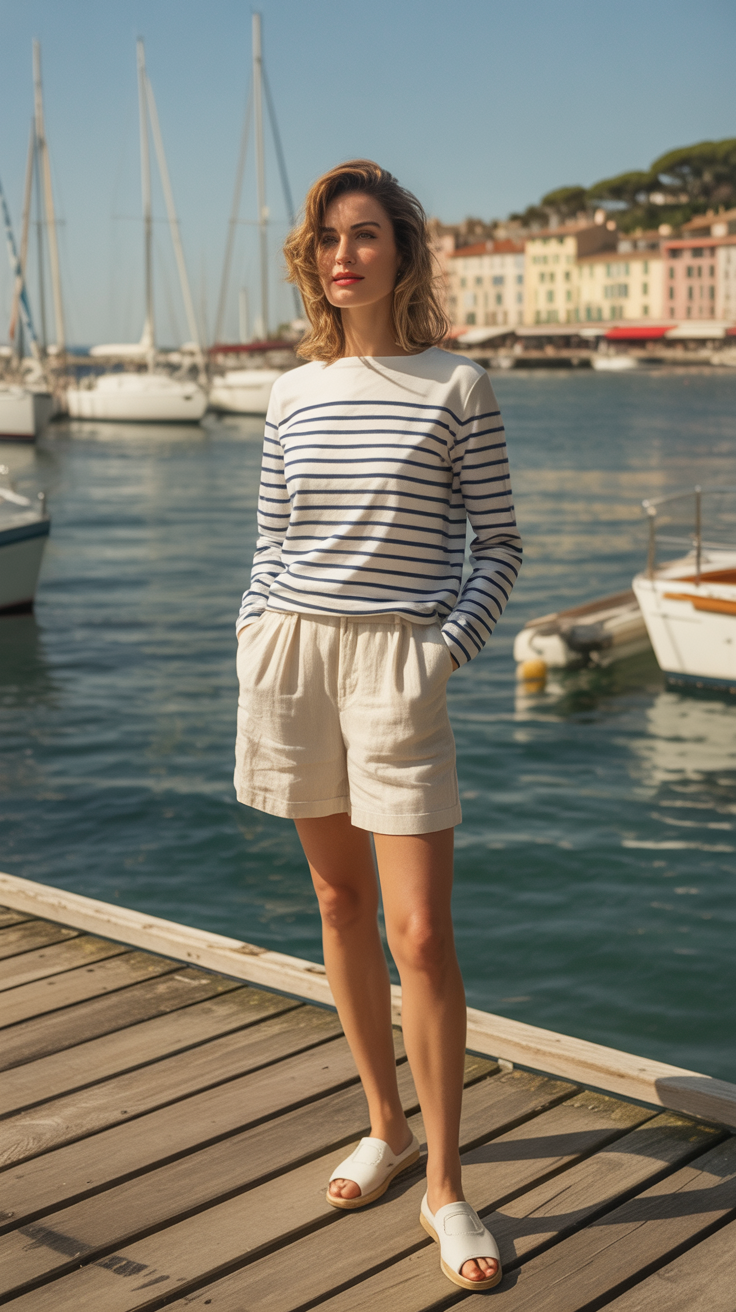
You own delicate gold jewelry and a biker jacket. Or chunky sneakers with only floaty dresses. Clashing on purpose works when intentional; random mismatch just looks confused.
Build an accessory lane:
Pick your outfit’s lane and keep accessories in it. Then mix lanes sparingly for balance.
Fantasy You goes to rooftop parties and sips martinis in silk. Real You eats noodles on the couch and wears socks with slides. If your cart reflects Fantasy You, you’ll never wear your clothes.
Match your daily rhythm: Buy pieces that elevate your real routines—errands, desk work, coffee dates—by 10%. Not 100%. Comfort and polish can coexist, promise.
Start with a closet session. Pull your top 10 favorite items and look for patterns—colors, silhouettes, fabrics. Style outfits only with those pieces and a few basics. Snap photos of what works. That mini-capsule becomes your north star. Build slowly from there.
Blend them with intention. Choose a base style (say, minimal) and layer accents from another (like sporty or vintage). Keep your color palette tight so the mix feels cohesive. FYI, accessories do the heavy lifting when merging vibes.
Enough to make getting dressed easy. Think 2-3 tees, 1-2 pairs of well-fitting jeans, 1 trouser, 1 versatile jacket, everyday shoes, and a neutral knit. Add duplicates only after you wear them constantly. Basics should earn their rent.
Use a 72-hour rule and a wish list. If you still want it after three days and it styles three ways with what you own, green light. Also, shop outfits, not orphans. IMO, unsubscribing from brand emails helps more than willpower.
Helpful, not mandatory. If certain shades make you look alive, note them and repeat. If not, lean on neutrals and add color with accessories. Confidence beats perfect color theory every time.
Prioritize fit and finishing touches. Steam your clothes, tailor the long hems, add a belt, and wear clean shoes. A simple outfit with sharp details beats a flashy one that doesn’t fit—every day of the week.
If your wardrobe feels like a noisy group chat, your style just needs a moderator—you. Tighten your palette, define your silhouettes, pick your lanes, and buy for your real life. Sprinkle trends with intention, protect your non-negotiables, and build those glue pieces. Do that, and “I have nothing to wear” turns into “Wow, I have options.” Which is the whole point, right?