
You know that feeling when you open your closet and still have “nothing to wear”? That’s not you being dramatic—your clothes probably just don’t match your style. The pieces are fine on their own, but together they’re chaos. Let’s decode the signs your wardrobe needs a vibe check and how to actually fix it without starting from scratch.
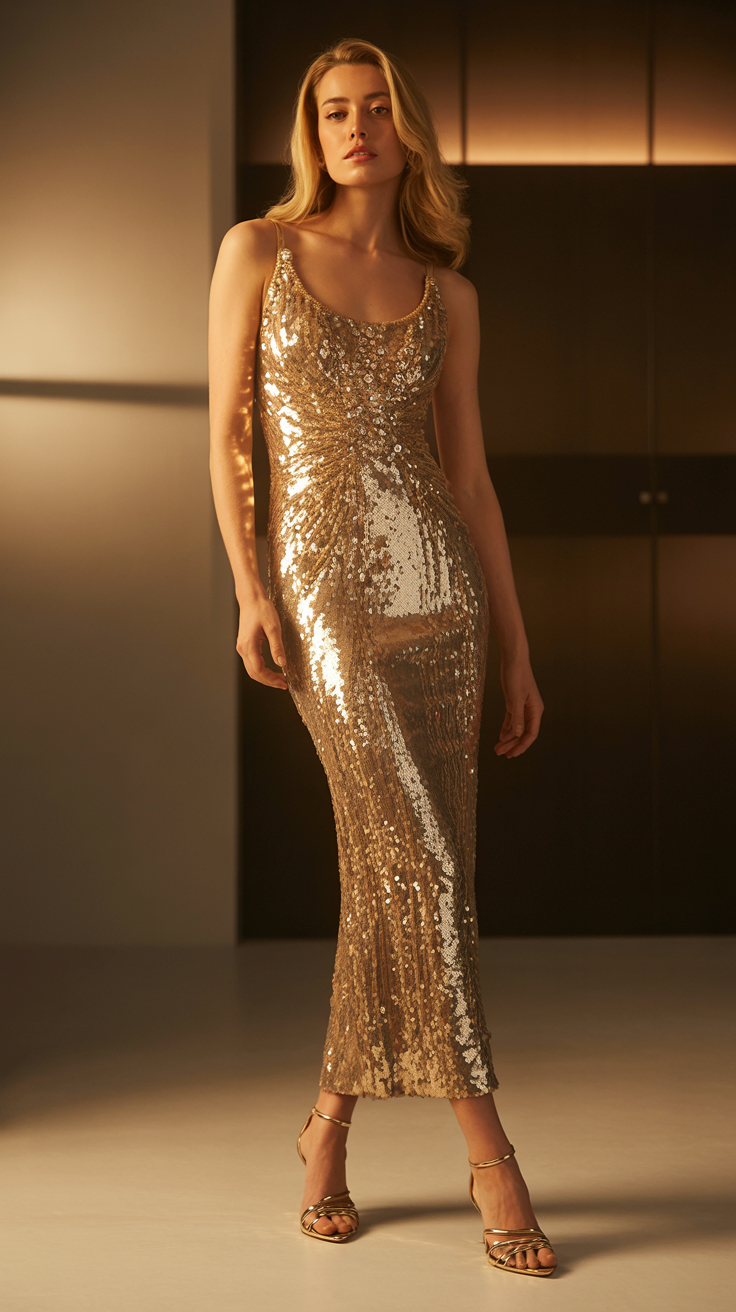
You buy cocktail dresses for “future weddings” and blazers for “corporate you,” but you mostly work from home and wear sneakers. If your closet looks like a costume department for alternate versions of you, that’s a mismatch. Your wardrobe should serve your real week, not your imaginary montage.
Three black tees that all feel wrong? Five jeans that never make the cut? You’re collecting, not curating. Duplicates aren’t the issue—non-functional duplicates are. If none of them nail the fit or vibe, you basically own five maybes.
If everything clashes, getting dressed becomes advanced Sudoku. A closet full of random brights, muddy neutrals, and the occasional neon sock equals chaos. You don’t need to go monochrome, but you do need harmony.
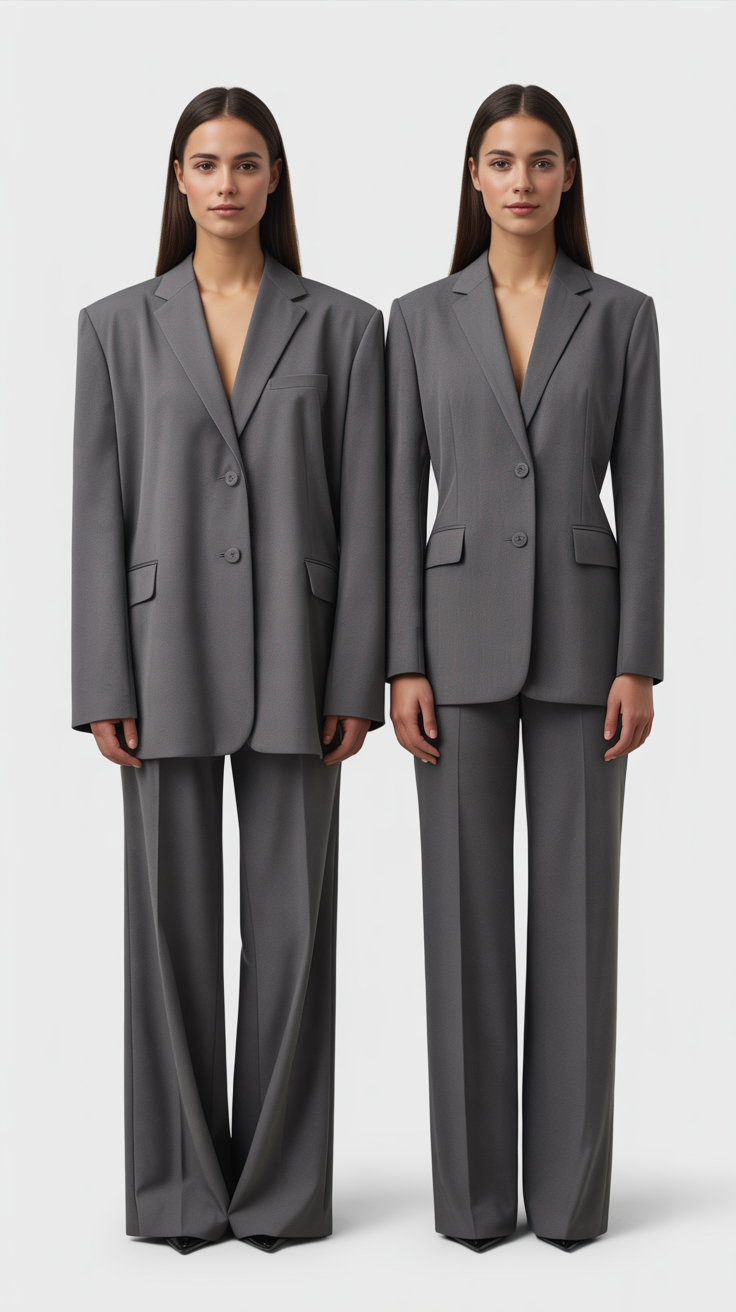
If your jeans fight your hips or your blazer pinches your shoulders, you’ll avoid them. Also, if your style mood says “ease” and your clothes scream “structure,” you’ll resist them daily. Fit is both physical and emotional.
You grabbed the micro-bag because TikTok screamed about it, but you hate holding your phone. You bought chunky loafers and feel like a cartoon character. Trends are fun—until they hijack your closet.
Every morning feels like reinventing the wheel. You throw on five things and still feel off. People with dialed-in style usually rely on two or three go-to formulas they remix endlessly.
Great outfit, wrong shoes—instant downgrade. If your closet skews casual but your shoes are all delicate, you’ll always feel mismatched. Same with bags: a massive tote with a cocktail dress? It’s giving airport, not aperitivo.
“Someday when I love bodycon.” “Someday when I move to Paris.” If half your closet lives in someday, today-you has nothing to wear. Clothes should support your current self—not babysit a fantasy.
If someone asked your style vibe and you’d say “um, comfy-cute?”—you need a POV. Don’t overthink it. A simple phrase helps you decide what belongs.
Curate a core style for everyday life, then add micro-capsules for moods. For example, build a minimal base wardrobe, then keep a small “romantic” set (flowy dress, lace top) and a “sporty” set (track jacket, chunky sneakers). You’ll mix them when you want, but your outfits will still look intentional.
Start with high-impact basics you can wear three ways immediately. Think: a great pair of jeans, a neutral knit, a versatile jacket, and shoes that go with 80% of your outfits. If it doesn’t play nicely with what you own, it’s not a first-round draft pick.
Enough to get dressed for your real week without laundry panic. For most people, that’s 6–10 tops, 4–6 bottoms, 2–3 jackets, 2–3 dresses (if you wear them), and 3–4 shoe options. FYI, quality and cohesion beat quantity every time.
Nope. Keep a stable base palette, then rotate accent colors by season or mood. That way your closet stays cohesive, but you still get the fun of switching things up. IMO, evolving beats reinventing.
Absolutely. A $20 hem or a nip at the waist can transform a budget piece into something you reach for weekly. Fit sells the look, not the price tag.
If your closet doesn’t match your style, getting dressed feels like a daily negotiation. Fix the mismatch by aligning with your real life, building a friendly color palette, choosing flattering silhouettes, and locking in your outfit formulas. Keep the pieces that support your style sentence and let the rest go. Your wardrobe should hype you up—every single day.
Seasonal Style Tracker (PDF Download) Because your closet deserves more than “I have nothing to…
Why Turtlenecks Sometimes Look Frumpy (and How To Fix It) Turtlenecks can look chic and…
Seasonal Closet Switch: How to Do It Without Stress Ever stand in front of your…