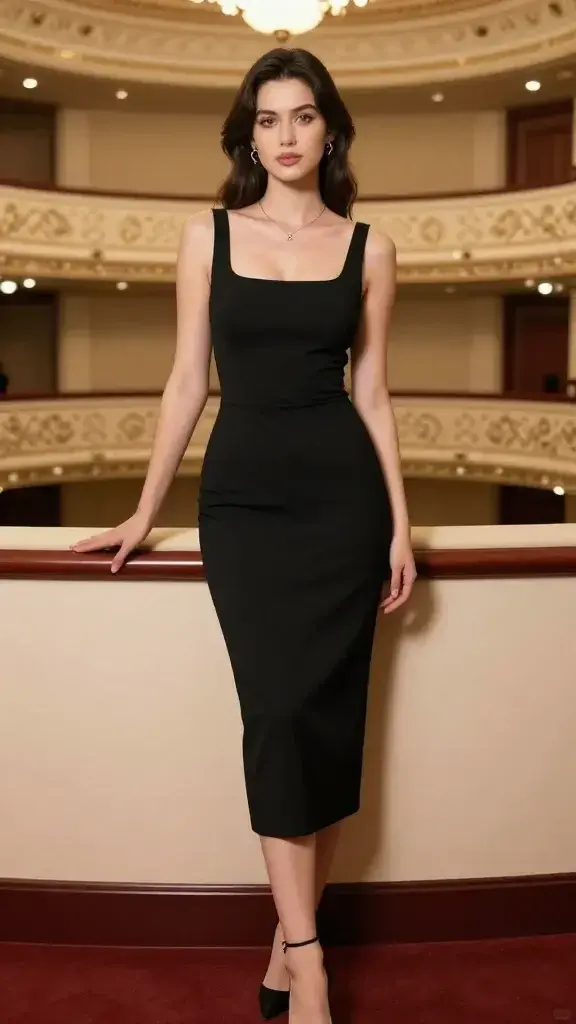
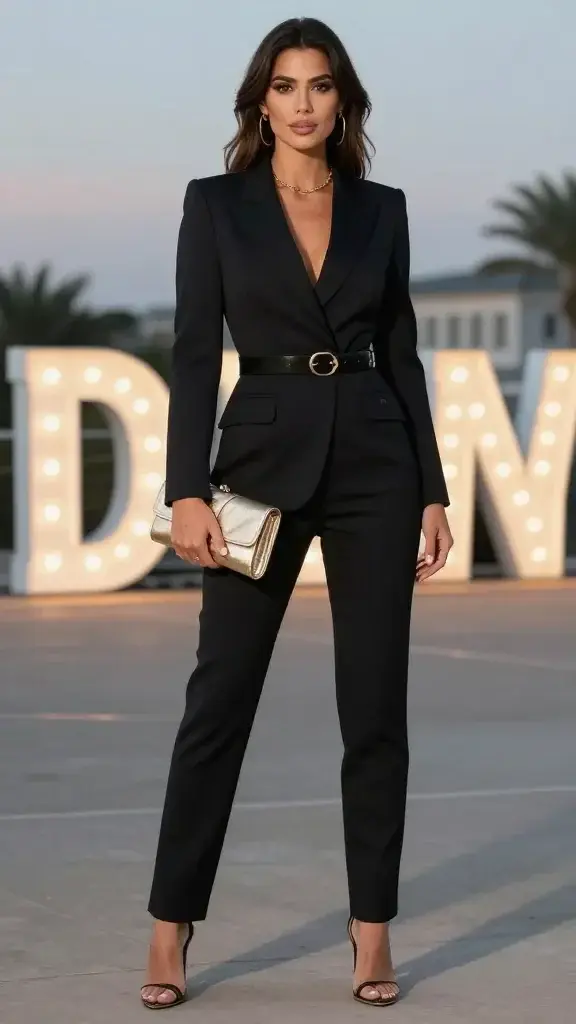


The curtain goes up, the lights dim, and—plot twist—you don’t need a tux or tiara to enjoy the show. Theater and opera still feel special, but the dress code evolved while no one was looking. You can honor tradition without feeling like an extra in a period drama. Ready to modernize the rules and still look like you belong in the good seats?
People dress up for live performance because it feels like an occasion. You’re stepping into a centuries-old ritual where audiences show respect by looking a bit polished. But we don’t live in a one-size-fits-all world anymore. Today’s code says: dress with intention, not obligation.
Here’s the thing: you can look great without dressing old-school formal. The vibe now leans toward “elevated smart-casual”—clean, confident, and comfortable. Think dinner date plus a little sparkle.
Dress codes depend on where and when you’re going. Opening night in a grand opera house? Step it up. Matinee at a neighborhood theater? Keep it relaxed but tidy.
Peek at the venue’s Instagram or tagged photos. You’ll get instant context. FYI: If the ticket says “dress to impress,” they mean it. If it says nothing, smart-casual wins 95% of the time.
You don’t need a stylist. You need a few reliable pieces you can remix.
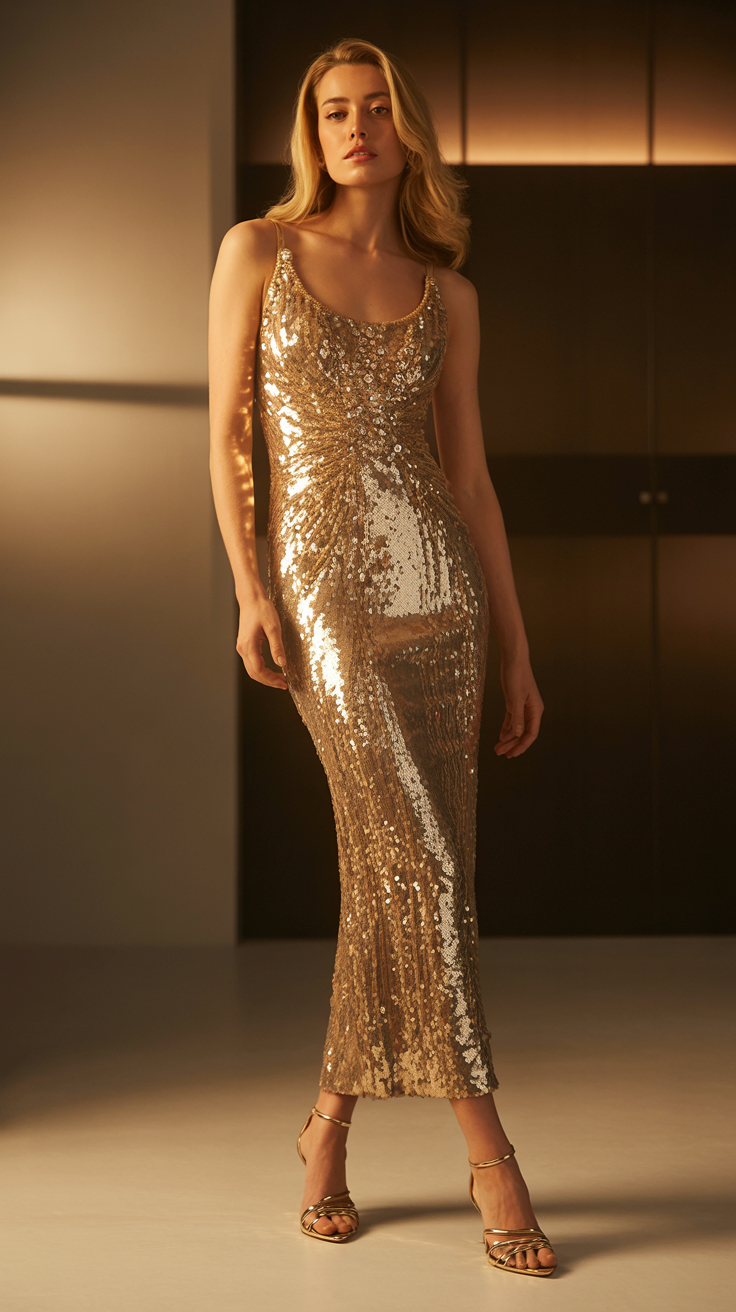
If you love color, go for it, but deep tones (navy, burgundy, emerald, charcoal) photograph best at night. Fabrics like satin, velvet, and silk say “evening” without screaming. IMO, texture beats sparkle for elegance that doesn’t feel costume-y.
You’ll climb stairs, navigate carpet, and maybe dodge spilled prosecco. Pick shoes you can wear for four hours. Break in new pairs at home. Leather soles can be slippery, so add grips if needed. FYI: Opera houses do not award style points for blisters.
Want a quick upgrade without a full outfit change? Use these cheats.
Your coat makes the first impression in the lobby. A classic wool coat, trench, or tailored topcoat beats a puffer for evening—unless it’s arctic, then do what you must. Cloakrooms exist for a reason; use them and free your seat from coat mountain.
Theater lighting runs warm and dim, which softens details. You can go a bit bolder than daytime, but don’t cross into club territory (unless you’re at a late-night cabaret, then live your truth).
Black or navy base, one standout detail: a cuff, silk scarf, or bold shoe. It reads intentional without fuss. IMO, minimal done right feels the most timeless.
Different shows invite different energies. You can mirror that without cosplay.
Opening nights skew fancy and photogenic. If the lobby has a step-and-repeat, amp it up. For regular shows, you’ll blend in best with “dinner date nice”.
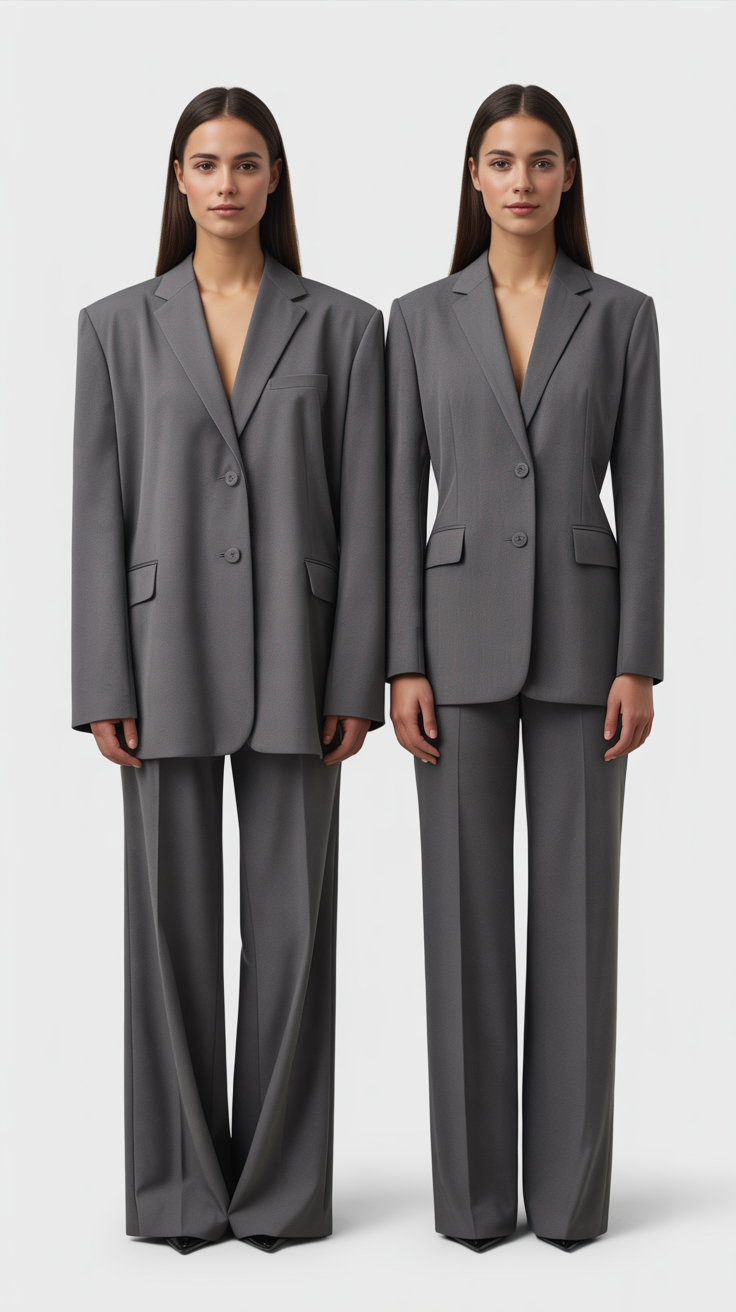
No. Unless the invitation says “black tie” or it’s a major gala, you can wear cocktail or smart-casual. A well-fitted blazer, midi dress, or dark suit looks perfectly at home at most opera performances.
Yes—if they’re dark, clean, and free of rips. Pair them with structured pieces like a blazer, button-down, or heeled boot. The overall outfit should read intentional, not “ran out for milk.”
Skip anything loud or distracting: noisy jewelry, strong perfume, giant hats, and overly reflective sequins. Also avoid shoes you can’t walk in for hours. Your neighbors (and feet) will thank you.
Dressy, minimal sneakers sometimes work for casual or matinee shows. Stick to clean leather, neutral colors, and pair them with tailored pieces. For evening performances, loafers, boots, or heels feel more appropriate.
Build a day-to-night plan. Bring a blazer, statement earrings, or a belt in your bag. Swap flats for dressy boots or loafers, add a bold lip or pocket square, and you’re stage-ready in five minutes.
Slightly. Ballet leans refined and elegant; musicals welcome more playful colors and prints. Both sit comfortably in the smart-casual to cocktail range.
Dress codes for theater and opera didn’t vanish; they relaxed and got smarter. Aim for intentional, comfortable, and a touch elevated, and you’ll nail it every time. Show respect for the art, enjoy the ritual, and wear something you can clap in enthusiastically. Curtain down, confidence up.