Affiliate links used. Thanks for supporting my curated fashion finds.
How To Shop For Petite Sizes Online (and Actually Get The Right Fit)
If you’re under 5’4″, you already know the struggle: pants that puddle, sleeves that swallow your hands, and “midi” dresses that hit… your ankles. Shopping petite online can feel like a sport with suspicious odds. But you can absolutely win it with a few smart moves and a measuring tape.
Let’s turn “this looked so cute on the model” into “this actually fits my body.”
Know Your Real Measurements (Not Your Guesswork)
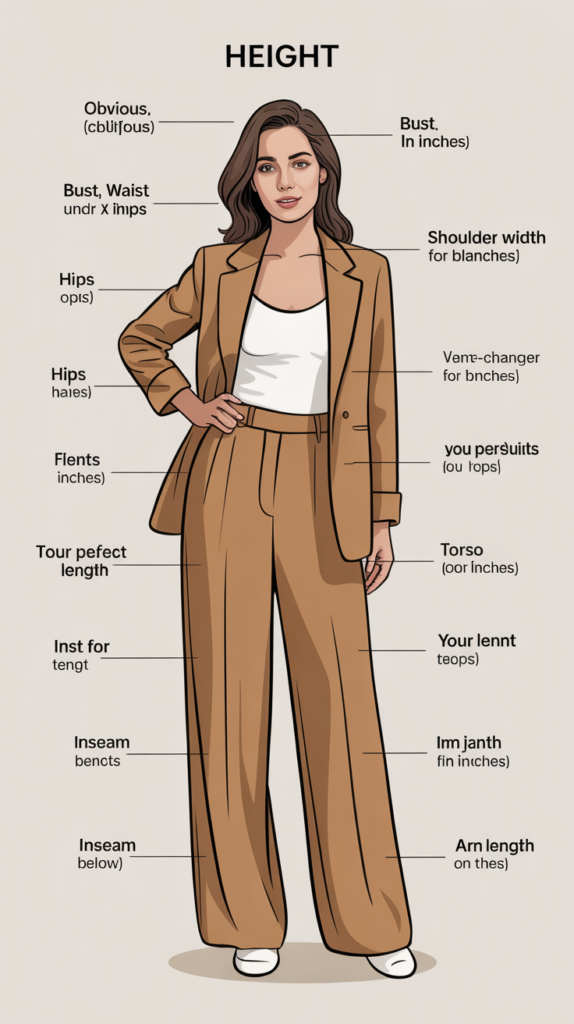
You can’t shop petite online without the numbers. Sizes vary like wild, so your best bet is a tape measure and five minutes. Measure the essentials:
- Height (obvious, but helpful when brands list “best for under X inches”)
- Bust, waist, hips (in inches)
- Shoulder width (game-changer for blazers and tops)
- Torso length (if jumpsuits haunt your dreams)
- Inseam (your perfect pant length, more on that below)
- Arm length (shoulder seam to wrist bone)
Pro tip: Write your measurements in your phone notes. Compare them to each brand’s size chart, not just the generic “S/M/L.” IMO, the size chart decides everything.
How to measure your inseam (so pants stop fighting you)
Lay your best-fitting pants flat.
Measure from the crotch seam to the hem. That number = your magic inseam. For petites, common sweet spots:
- 25–26” for ankle/cropped jeans
- 27–28” for full-length slim/straight
- 29–30” for wide-leg or with heels
FYI: fabric drape matters.
Wide legs run long. Skinny jeans can sit shorter.
Decode “Petite” vs. “Short” vs. “Cropped”
Not all “short” labels mean petite-friendly. Brands play fast and loose with these words.
- Petite = scaled proportions for shorter frames: higher knee placement, shorter rise, narrower shoulders, shorter sleeves.This is what you want.
- Short = usually just shorter length. Torso, rise, and shoulders remain regular.
- Cropped = a style, not a size. On petites, cropped can look full-length.Cute? Sometimes. Accurate?
Rarely.
Red flags in product descriptions
If you see “regular fit, shorter hem,” expect saggy rises and droopy knees. Also watch for “oversized” and “relaxed” without petite scaling—you’ll drown.
Read the Fit Like a Detective
Online listings hide clues. You just need to know where to look. Check these details before adding to cart:
- Model height + size: If the model is 5’9” in a size 2 and the pants are “ankle,” they’ll be full-length on you.
- Garment measurements: Some sites list shoulder, sleeve, rise, and length.Compare to your best-fitting pieces.
- Rise: Petites often need a slightly lower rise or a petite-scaled high rise. A 12” rise can hit your ribs.
- Knee break: Tailored trousers and bootcuts need the knee placed higher for petites. If not scaled, the shape looks off.
- Fabric composition: Stretch helps.Stiff denim runs unforgiving and long.
Quick test: If a tee’s length hits mid-hip on the model, it might hit your upper thigh. Look for length in inches when possible (21–23” is petite-friendly for tops, IMO).
Build Your Petite-Friendly Brand Shortlist
Some brands just get it. Bookmark your favorites and stick with them. Consistently petite-friendly options:
- LOFT Petite: Great for everyday work-to-weekend pieces, solid sleeve lengths.
- Banana Republic Petite: Polished silhouettes, trousers with proper knee placement.
- J.Crew Petite: Classic fits, typically good for blazers and coats.
- Abercrombie Short/Petite: Denim and trousers with multiple inseams.
- Madewell Petite: Denim with petite rises and inseams, softer fabrics.
- ASOS Petite: Trend-driven, watch fabric quality but sizing is truly petite-scaled.
- Athleta Petite: Active and athleisure that won’t stack at the ankle.
Petite-friendly categories beyond “petite” labels:
- 7/8 leggings = full length on petites
- Kids’ XL/XXL for hoodies/tees (depends on proportions)
- Petite waterproofs from outdoors brands now exist—search specifically
When a brand doesn’t offer petite
Look for:
- Short inseam options (Gap, American Eagle, Uniqlo)
- Specific length in inches (Reformation often lists dress length)
- Stretch + adjustable straps (wrap dresses, smocked bodices, tie shoulders)
Choose Silhouettes That Love Petite Frames
You can wear anything, but some shapes make life easier. High-success styles:
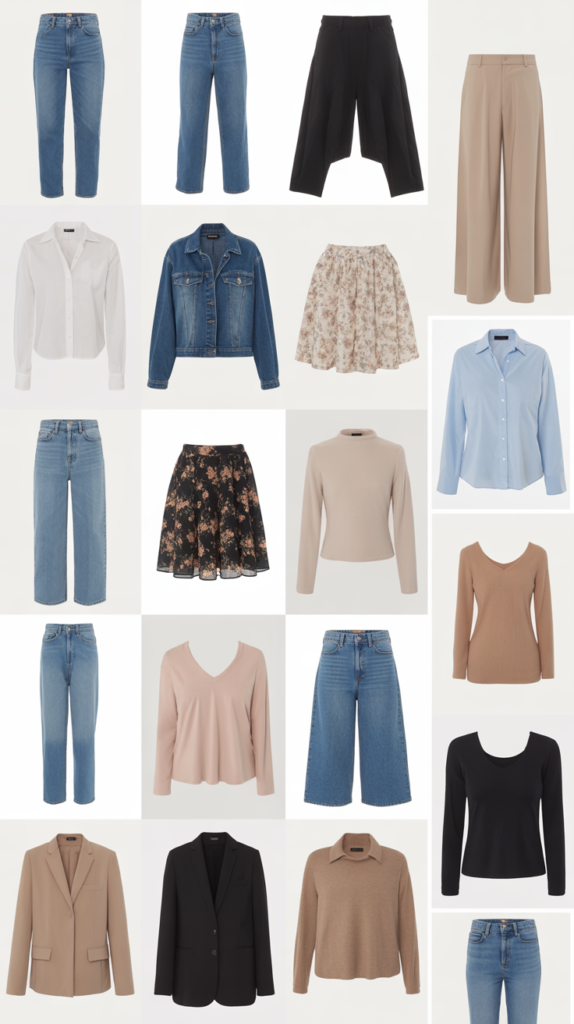
- High-rise straight or slim jeans with 26–28” inseam
- Wide-leg trousers with petite rise and 28–30” inseam
- Mini-to-just-above-knee skirts (true midis often hit maxi)
- V-neck or scoop-neck tops to elongate the neck
- Cropped jackets that end at the waist to lengthen legs
Approach with caution:
- Maxi dresses without petite length—trip hazard
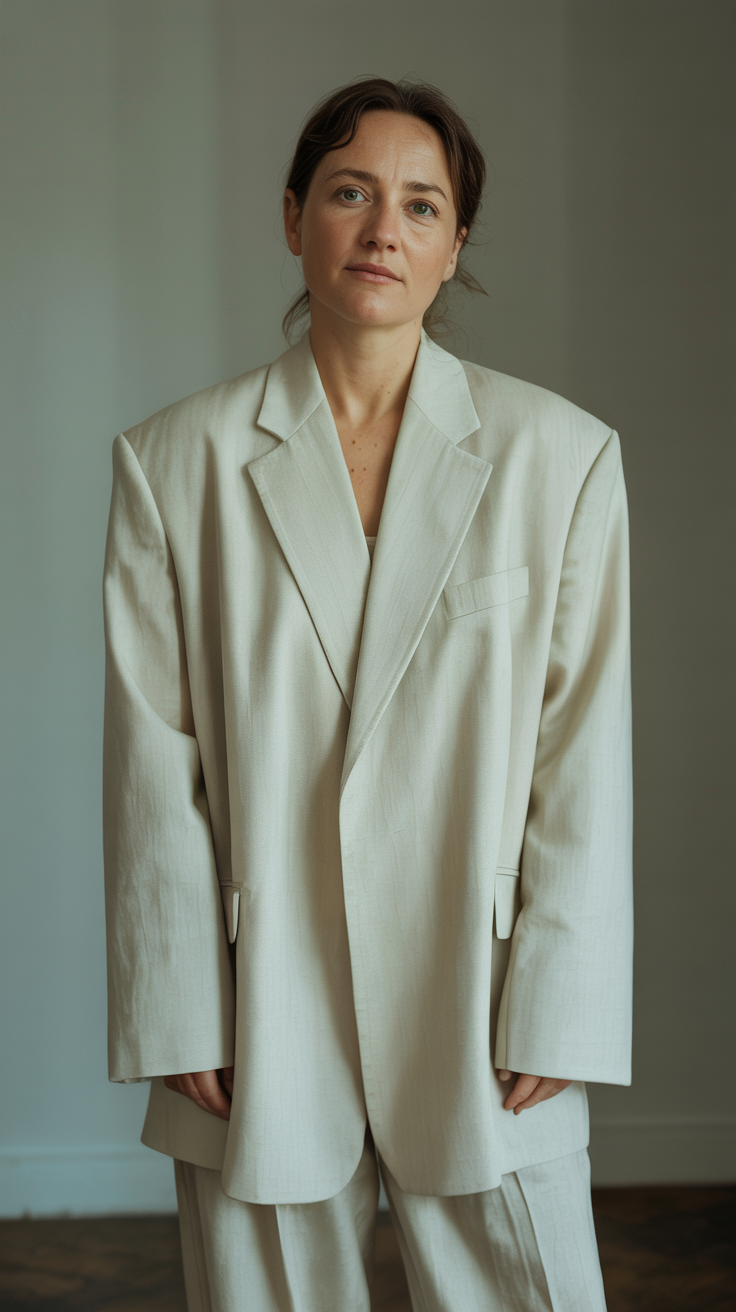
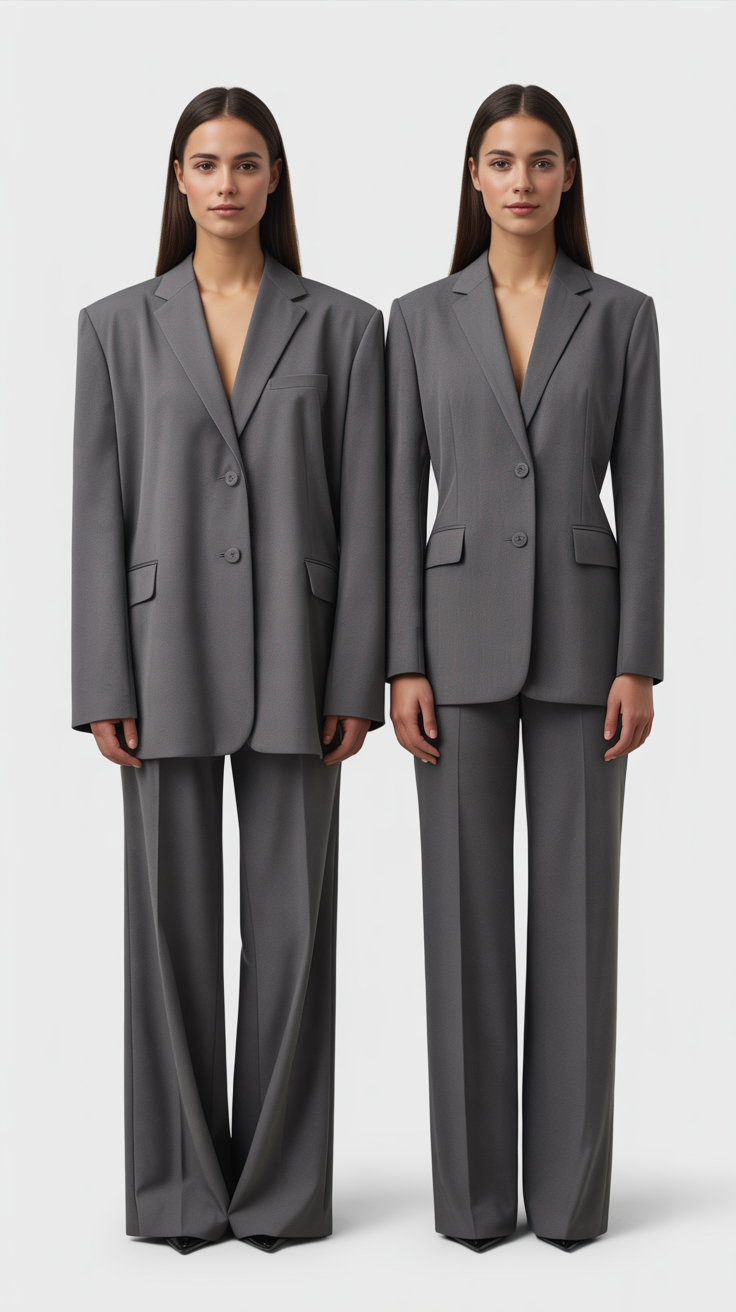
- Oversized blazers in regular sizing—shoulders don’t lie
- High-rise over 11–12” unless it’s petite-scaled
Footwear shortcuts that fix proportions
- Low-contrast shoes with skirts/dresses lengthen legs
- Pointed toes add instant inches (optical ones, sadly)
- Chunky soles balance wide legs without tailoring
Master the Try-On Strategy (and Returns)
You can’t avoid returns.
You can make them painless. Smart cart strategy:
- Order two sizes when in doubt—your time is worth it.
- Try multiple inseams in denim if offered (short, regular, petite).
- Stick to free returns or buy via retailers with easy drop-offs.
- Screenshot size charts and your order details for later.
At-home fit checklist:
- Shoulder seams sit at the edge of your shoulders.
- Waist hits where you expect; no bunching at the crotch.
- Sleeves end at the wrist bone; not the knuckles.
- Pants skim the top of your foot or ankle as intended.
- You can sit, bend, and breathe—wild concept.
Return like a pro
Open packages carefully so you can reuse them. Keep tags on until you do the mirror test with the shoes you’ll actually wear. Set a calendar reminder for the return window.
Nothing hurts like paying to keep a “maybe” you never wear.
Tailoring: Your Secret Weapon
Even the best petite sections miss the mark sometimes. Tailoring closes the gap—literally. What’s worth tailoring:
- Hems on trousers and jeans (keep original hem on denim if you want the factory finish)
- Waist nips for gaping
- Strap shortening on dresses and tanks
- Blazer sleeve length with working buttons—ask before you buy
What to skip (usually):
- Raising a too-high rise—almost impossible
- Moving knee placement on tailored pants—pricey and rarely perfect
- Resizing heavily lined coats more than one size
Budgeting for alterations
Plan $10–$40 for simple hems, $15–$35 for waist tweaks, $25–$60 for sleeves. When the fit becomes perfect, the cost per wear wins.
IMO, a $20 hem can turn “meh” into “favorite.”
Fabric, Stretch, and Drape: The Fit Trifecta
Fabric makes or breaks proportion. You can’t fight physics.
- Denser fabrics (twill, ponte) hold shape and look polished on petites.
- Flowy viscose or silky blends drape without overwhelming.
- Heavy, stiff fabrics in oversized cuts add bulk—choose petite versions.
- Stretch content (1–3% elastane) helps with rises and seat fit.
Pattern and detail placement
Small-scale prints, vertical details, and high-set waistbands flatter shorter frames. Giant florals and low-slung pockets can look out of place because proportions shift.
FAQs
How do I figure out my best inseam without trying on?
Measure your favorite pants’ inseam and note the shoe you wear with them.
Then match that number online. If you’re between lengths, choose the longer one for wide legs and the shorter one for skinny/straight styles.
Are petite sizes just shorter versions of regular?
Nope. True petite sizing changes proportions: shoulder width, sleeve length, rise, knee placement, and torso length.
That’s why petite blazers feel right and regular ones feel like you borrowed your manager’s suit.
What if my top half is petite but my bottom half isn’t (or vice versa)?
Mix sizes. Many petites wear petite tops for shoulders and sleeve length, but regular bottoms for rise and hips. Or choose short inseams in regular sizing.
Build your own set—no one can tell.
How can I tell if a dress will hit the right length?
Look for the garment length in inches. For many petites:
- 34–36” hits above the knee
- 37–39” at the knee
- 40–44” midi (true midi if petite-scaled)
If they don’t list length, check model height and where it lands on her, then estimate a couple inches lower for you.
Is tailoring worth it for fast-fashion pieces?
Sometimes. If the fabric drapes well and you love it, a $10–$20 hem can turn it into a staple.
But skip complex alterations on cheap fabrics—they won’t hold the shape.
What do I do with jeans that fit everywhere but the waist?
Try petite cuts with curvy fits first. If that fails, ask a tailor to nip the waist—two small darts or a center-back take-in usually works and costs less than replacing the jeans.
Bottom Line
Shopping petite online doesn’t need to be chaos. Get your measurements, learn your inseam, stick to brands that scale proportions, and use tailoring when needed.
Return anything that doesn’t make you feel great. Clothes should fit you—not the other way around.