Is The Led Mask Worth It? Honest Review
You’ve seen the glowing selfies. You’ve scrolled past the stormtrooper-looking masks that promise clearer skin, fewer lines, and fewer breakouts—all while you chill on the couch. But is the LED mask actually worth it, or just a pricey prop for your bathroom shelf?
Let’s cut through the hype and talk about what these masks really do, who they help, and when to skip them.
What Exactly Is an LED Mask?
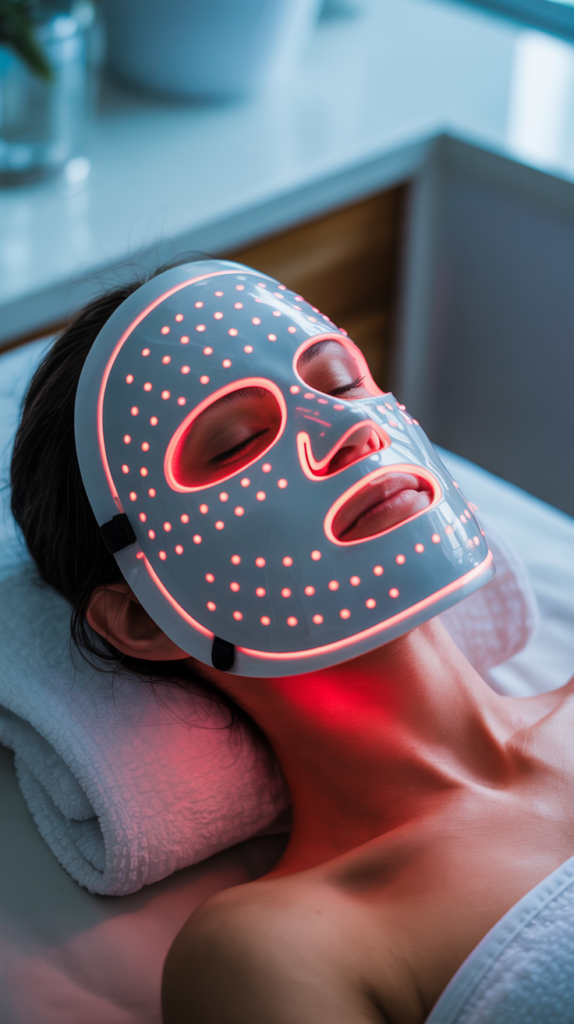
LED masks use specific wavelengths of light to nudge your skin into doing useful things. Think of it as a gentle push rather than a full-on shove. You strap on the mask, it shines light at your skin, and you hope magic happens. Here’s the quick science:
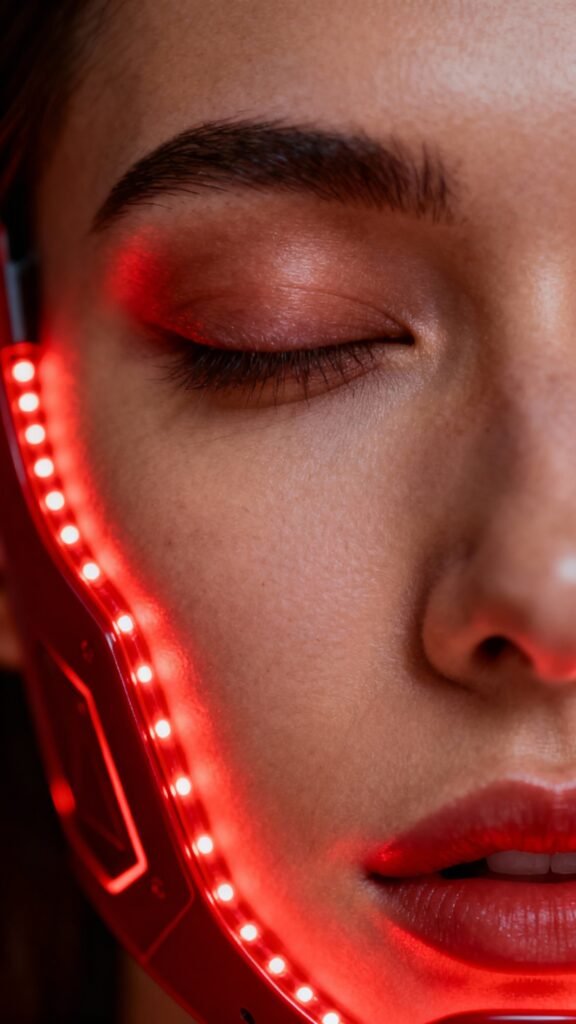
- Red light (around 630–660 nm): Encourages collagen and helps with fine lines, redness, and overall skin tone.
- Near-infrared (around 830–850 nm): Penetrates deeper to support healing and firmness.
- Blue light (around 405–470 nm): Targets acne-causing bacteria to reduce breakouts.
No, it doesn’t burn your skin.
And no, it’s not a tanning bed for your face. It’s more like a low-key, consistent nudge that adds up over time.
Does It Actually Work?
Short answer: Yes, for many people—if you use it consistently. LED therapy has solid research behind it, especially for acne and mild signs of aging. The catch?
It’s a slow burn. Think weeks to months, not days.
What You Can Realistically Expect
- Acne: Fewer breakouts and smaller, calmer pimples after 4–8 weeks with blue or blue+red combos.
- Fine lines and texture: Slightly smoother skin and gentler lines after 8–12 weeks with red and near-infrared.
- Redness: Red light can help calm irritation over time, especially if your skin throws tantrums easily.
Will it replace retinoids or professional treatments? Nope.
But it can boost your routine and help you keep results from facials or dermatology visits. IMO, it’s best as a consistent add-on, not a miracle worker.
Who Should Consider an LED Mask?
You’ll get the most bang for your buck if you:
- Fight recurring acne and want fewer flare-ups.
- See early signs of aging and want a gentle, non-irritating boost.
- Have sensitive or reactive skin that hates harsh actives.
- Can commit to 3–5 sessions a week for several weeks. Lazy routine?This might collect dust.
You might want to skip it if:
- You want instant results before an event.
- You already struggle to wash your face nightly. (No shade, just real talk.)
- You expect it to erase deep wrinkles or cystic acne alone.
How to Choose a Good LED Mask
Not all masks are created equal. Some are basically colorful night-lights, and your skin knows the difference.
Key Features That Actually Matter
- Wavelengths listed: Look for exact numbers (e.g., 633 nm, 830 nm). Vague “red” or “blue” claims = meh.
- Energy density (irradiance): Ideally 20–60 mW/cm².Lower than that? You’ll need forever-long sessions to see results.
- Multiple wavelengths: For acne, get blue + red. For aging, red + near-infrared.
- Safety certifications: Eye protection built in, and clear safety labeling (e.g., FDA-cleared in the U.S.).
- Fit and comfort: Lightweight, evenly spaced LEDs, and no weird pressure points on your nose.
Red Flags
- LED counts with no wavelength or power listed.
- Claims like “results in 3 days” or “replaces Botox.” Okay, sure, and I can deadlift a car.
- Uncomfortable weight or light leakage that blasts your eyes.
How to Use It for Real Results
Consistency beats intensity.
You don’t need to roast your face—just show up regularly.
- Start with clean, dry skin. No SPF or oils that could block light.
- Use 3–5 times per week. Aim for 10–20 minutes, depending on your mask’s guidelines.
- Pair smartly. Use after cleansing and before serums. Follow with hydrating serums and moisturizer.
- Stick with it 8–12 weeks. Reassess then. Take a selfie at week 0 and week 8 to keep yourself honest.
Pro Tips
- Don’t stack harsh actives right after. If you use retinoids or strong acids, keep them on separate nights or apply post-mask if your skin tolerates it.
- Protect your eyes. Even with built-in shielding, keep your eyes closed or wear goggles if you’re sensitive.
- Neck and chest count. If your mask covers them, use it there too.Aging didn’t skip those zones—FYI.
What Results Did I See? (Real Talk)
Personal experience time. I tested a mid-tier mask with 633 nm red and 830 nm near-infrared, plus a separate blue-light device for acne spots. I used the mask 4–5 nights a week for 12 weeks. My takeaways:
- Texture improved by week 4.Makeup sat nicer. Pores looked less… shouty.
- Fine lines softened around week 8, mostly on my forehead and smile lines.
- Acne? Fewer surprise zits, and the blue light sped up the life cycle of the few that did pop up.
Was it dramatic? No.
Was it noticeable? Yes. And if you’re consistent, it’s a quiet win.
IMO, the key is realistic expectations and patience.
Cost: Should You Buy or Book Treatments?
This is where the math helps.
At-Home Masks
- Price range: $150–$800+ depending on brand and features.
- Pros: Convenient, unlimited sessions, good for maintenance.
- Cons: Variable power, results take longer vs. pro devices.
In-Office LED Sessions
- Price: $50–$150 per session, often sold in packages.
- Pros: Stronger devices, quicker results, pro guidance.
- Cons: Adds up fast, requires appointments.
If you’re treating chronic acne or early aging and know you’ll use it, an at-home mask can pay off within a few months. If you want a short, intense series with faster results, go pro first and use a home mask for maintenance after.
Side Effects and Safety
LED masks are generally safe for most skin types. That said, use common sense.
- Possible mild side effects: Temporary redness, dryness, or tightness, especially if you overdo it.
- Eye safety: Don’t stare into the LEDs.Close your eyes or wear goggles.
- Medication caution: If you take photosensitizing meds (some antibiotics, acne meds), check with your doctor first.
- Skin conditions: If you have melasma or active skin disease, consult a derm to avoid flares.
FAQ
How long until I see results?
Most people notice small changes in 3–4 weeks, with clearer improvements by 8–12 weeks. Acne benefits show up faster with blue light; anti-aging takes longer. Keep your routine consistent for best results.
Can I use LED light with retinoids or acids?
Yes, but pace yourself.
Use the mask on clean skin, then apply gentle products after. If you use strong retinoids or acids, alternate nights or apply post-mask only if your skin tolerates it. If irritation pops up, scale back.
Will an LED mask help with hyperpigmentation?
Indirectly.
Red and near-infrared can reduce inflammation and support healing, which helps spots fade over time. For stubborn pigment, pair with vitamin C, sunscreen (non-negotiable), and possibly professional treatments.
Is it safe for darker skin tones?
Yes. LED therapy doesn’t heat or break the skin, so it suits all skin tones.
Still, if you’re prone to melasma, use caution with blue light and focus on red/near-infrared, and always wear sunscreen.
How do I know if a mask is powerful enough?
Look for listed wavelengths and irradiance (mW/cm²). If a brand won’t share numbers, that’s a red flag. Also check reviews that mention actual results over time, not just “it feels nice.”
Can I stack LED with microneedling or peels?
Yes, but time it right.
Many pros use LED post-treatment to calm redness and support healing. At home, wait 24–48 hours after strong treatments and focus on red/near-infrared, not blue, until skin settles.
So… Is the LED Mask Worth It?
If you want steady, low-effort improvements and you’ll use it consistently, yes—an LED mask can absolutely be worth it. It helps acne behave, softens fine lines, and calms cranky skin.
But if you crave instant, dramatic change or you ghost your skincare routine regularly, save your cash. Bottom line: pick a mask with legit wavelengths and decent power, use it 3–5 times a week, and give it 8–12 weeks. Pair with sunscreen, a gentle routine, and a little patience.
Your future face will send a thank-you note—eventually.