

You bought a fancy LED mask to level up your skin, but your results look… meh? Don’t panic. Most people use these things wrong and then blame the mask.
The good news: a few small tweaks can turn your weekly light show into real results. Let’s fix the most common mistakes so your glow-up actually, you know, glows.
Consistency beats intensity every single time. You can’t blast your face once and expect poreless, porcelain skin by Friday.
Think of LED masks like going to the gym—skip a week and your gains stall. Here’s the sweet spot:
FYI: More time doesn’t equal better results. Overuse can irritate your skin and drain your device battery faster than your patience.
Pick a time you won’t skip—post-cleansing at night works for most people. Put the mask somewhere obvious, like next to your toner. Set a reminder if you’re a chronic “I’ll do it later” person.
IMO, habit beats motivation every time.
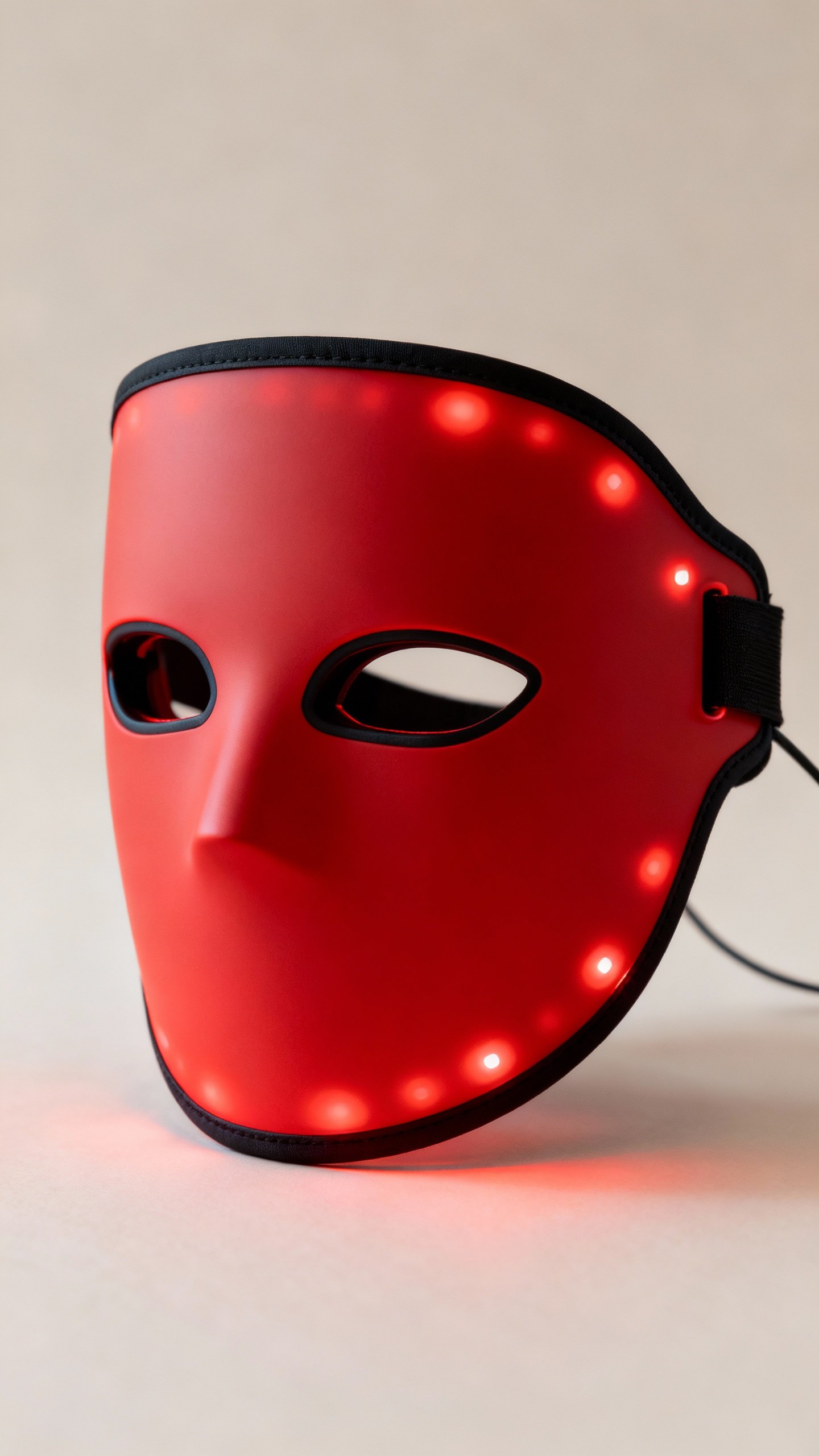
LED masks aren’t magic disco balls. Each color targets different skin concerns. If you choose wrong, you’ll just look fancy with zero payoff. Quick cheat sheet:
If your mask lets you mix colors, great.
Just don’t use every color every session like a skincare buffet. Choose what your skin needs most right now.
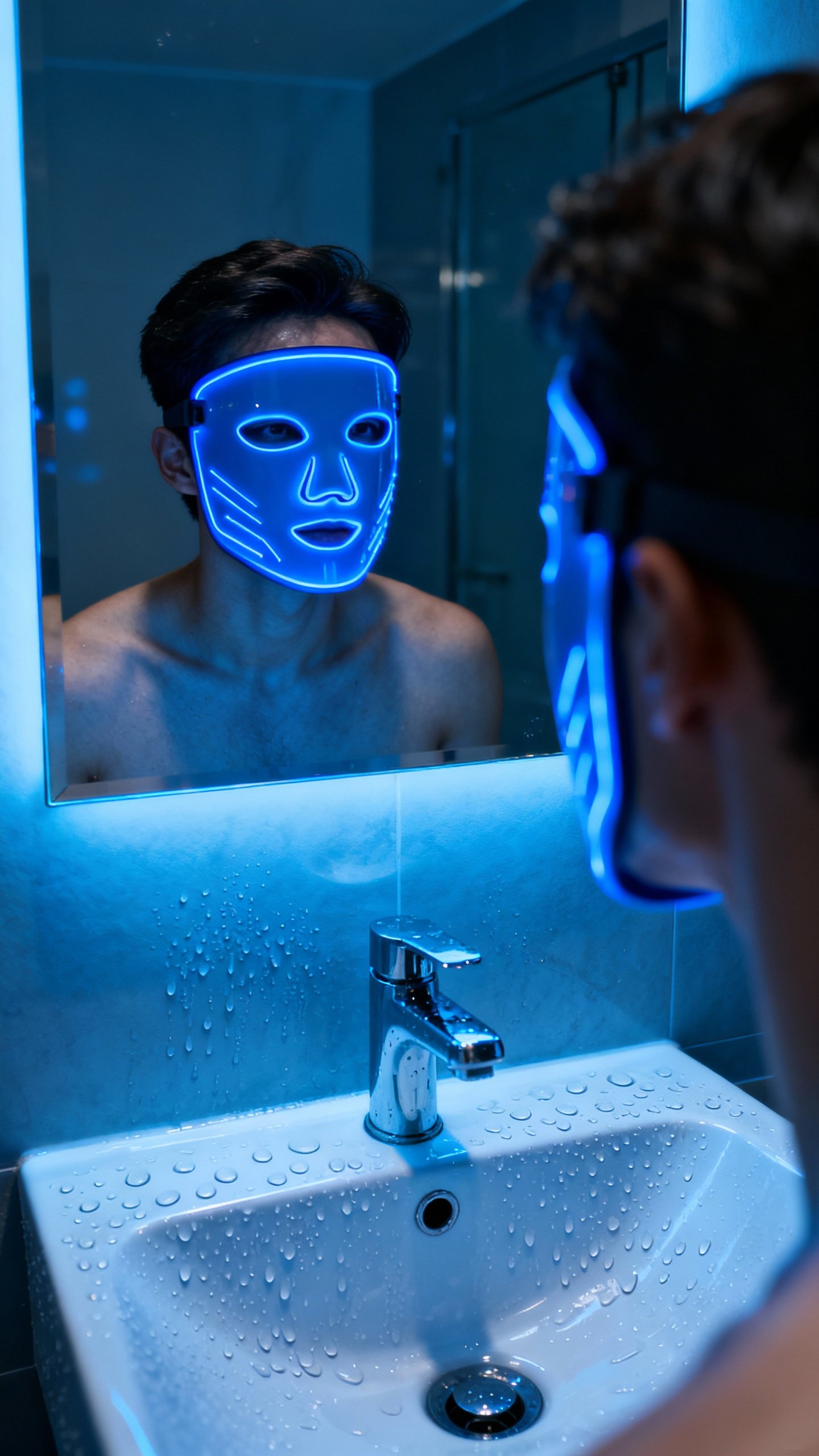
Acne this month?
Use blue 3–4 times per week. Want firmer skin? Rotate red and near-infrared on alternating days.
You can stack red + near-infrared together for extra oomph.
LED can’t magic-light through a thick layer of sunscreen, makeup, or leftover cleanser. You need a clean, dry base so the light can actually reach the skin. Do this before every session:
What to apply before? Most experts suggest bare skin or a simple hydrating serum that won’t reflect light. Avoid oils—they can scatter light and reduce effectiveness.
Some brands sell “light-optimizing” gels.
Some help conduct light better; others just feel fancy. If you use one, make sure it’s non-occlusive and doesn’t contain strong exfoliants. Save your retinoid or acid for after the session, or better yet, alternate nights if you’ve got sensitive skin.
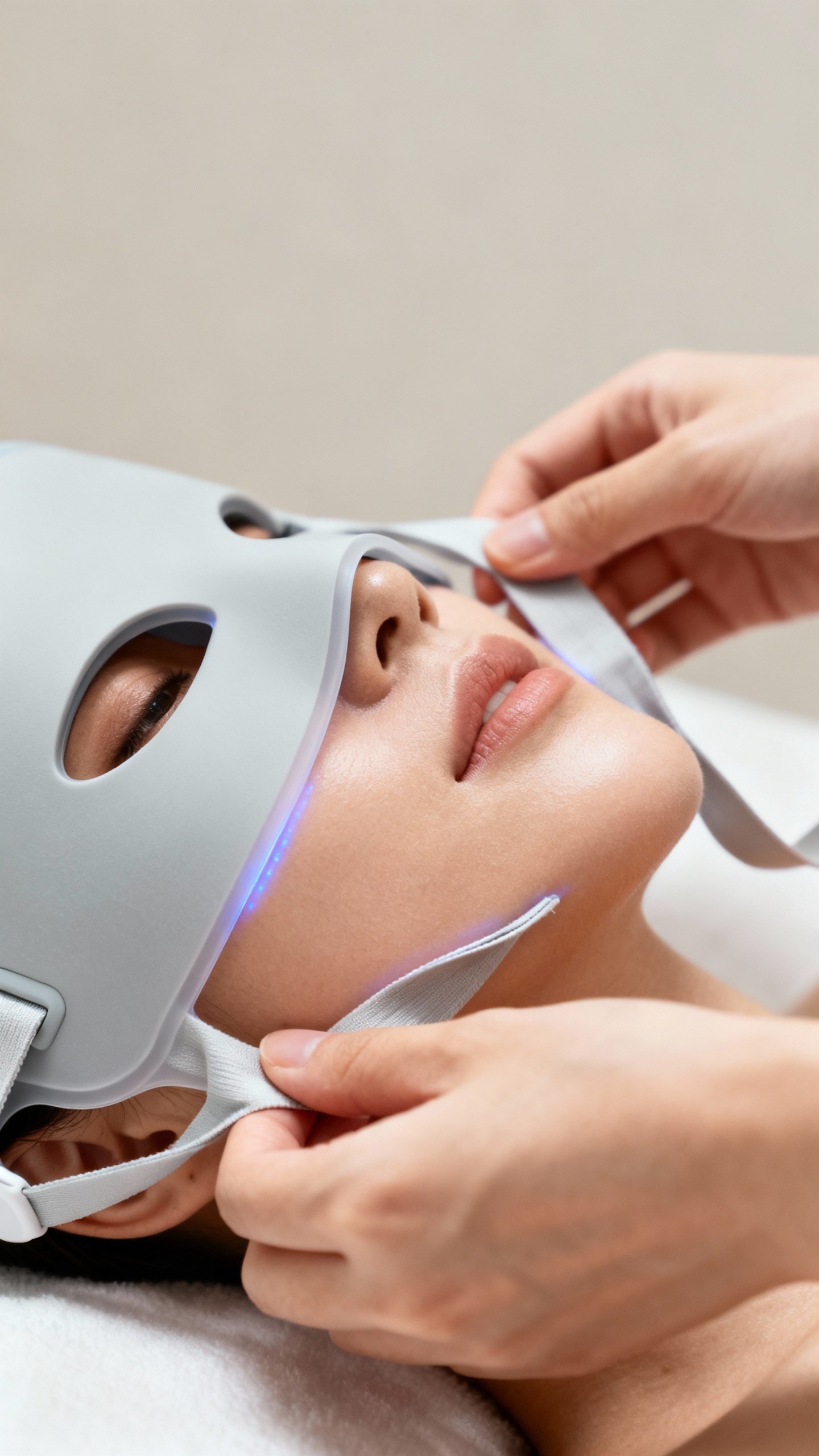
LED works best when it sits close and evenly across the skin.
If your mask floats an inch away from your cheeks, you’re wasting half your session. Adjust the straps so it hugs your face without suffocating your nose. Key checks:
If your mask has a neck attachment, use it. FYI, your neck and chest age too—don’t leave them in 2009.
More isn’t always better.
If your skin gets red or hot, you cranked it too high or you’re using it too long. Start on a lower intensity and increase slowly. Your skin likes a gentle nudge, not a stadium spotlight.
LED plus smart products = chef’s kiss.
LED plus harsh actives at the wrong time = angry skin. You don’t need to overhaul your entire routine—just sequence wisely. Best combos:
Use caution with:
IMO, keep LED nights simple. Let the light do its thing, then moisturize and go live your life.
I get it.
Manuals feel like homework. But your device’s settings, wavelengths, and recommended use actually matter. One brand’s 10 minutes can equal another brand’s 20. Read for:
If your mask came with an app, use it.
Built-in timers and programs help you stay consistent. Also, wipe the mask down after each use—face bacteria and leftover product can block light and cause breakouts. Gross.
Troubleshoot Like a Pro
Let’s run through the quick audit:
Small improvements add up. Track it weekly, not daily. You’ll go nuts looking for changes every morning.
Most people notice small improvements in 2–4 weeks and more visible changes in 6–8 weeks with consistent use.
Acne can calm faster with blue light, while firmness and fine lines from red/near-infrared take longer. Patience beats panic.
You can, but you don’t need to. For most devices, 3–5 sessions per week works best.
Daily use won’t necessarily speed things up and may irritate sensitive skin. Follow your device’s guidelines first.
Use LED on clean, dry skin. After your session, apply hydrating serums and moisturizer.
Save strong actives (retinoids, acids) for later or on alternate nights if your skin gets cranky.
Yes. LED light targets cellular activity, not pigment, so it works across all skin tones. Just watch for sensitivity and adjust intensity and frequency if needed.
Many devices allow it, and it can help if you deal with both breakouts and texture.
Use blue for a shorter time (e.g., 5–10 minutes), then switch to red for 10–15 minutes. Don’t exceed your device’s total recommended session length.
If your mask includes shields, use them. If the light feels too bright or you’re sensitive, wear goggles or keep your eyes closed.
Comfort and safety first—squinting for 15 minutes isn’t a vibe.
LED masks can deliver legit results, but only if you use them right. Keep it consistent, choose the right wavelengths, start on clean skin, and pair with smart skincare. Tweak the fit, follow the manual, and give it time.
Do that, and your mask goes from expensive decor to your favorite low-effort skin upgrade—IMO, worth every minute.