
You don’t need a royal title to look like you belong in the saddle. The right pieces do the heavy lifting: they flatter, they protect, and they keep you comfy while you post, canter, and, yes, occasionally chase your hat across the arena. Ready to upgrade your barn wardrobe without losing your budget or your sanity?
Let’s dress like we mean it.
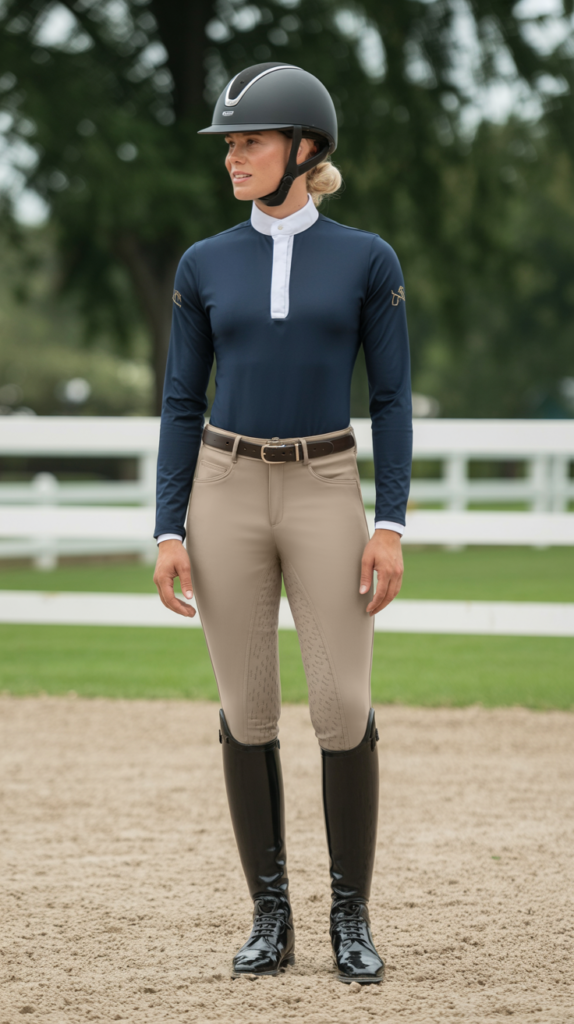
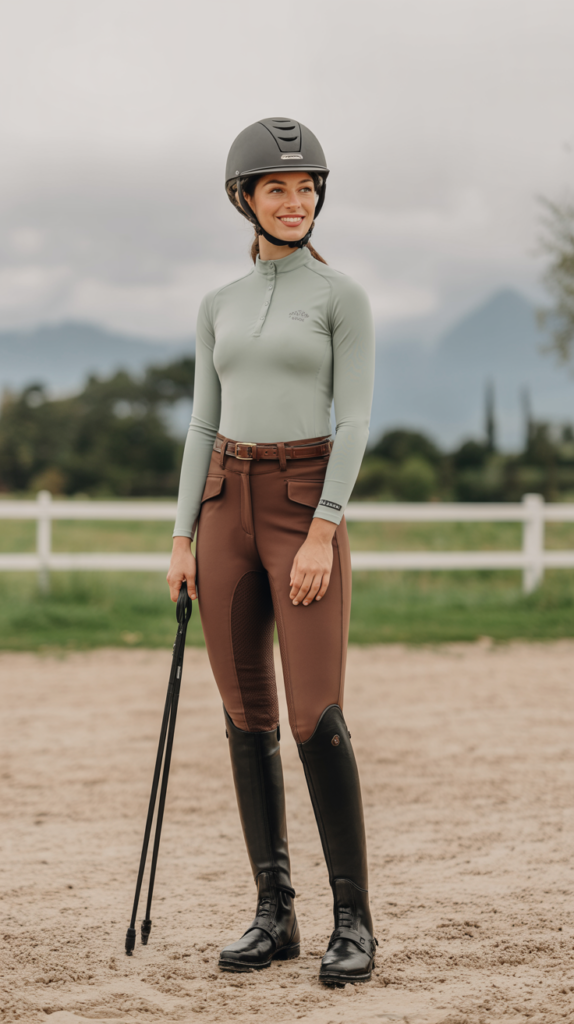
Your helmet sets the tone. You want sleek, safe, and breathable—because nothing ruins a vibe faster than helmet hair and a soggy head.
Match your helmet’s trim to your boots or gloves for a subtle, pulled-together look. It’s low effort, high payoff—IMO, the best kind.
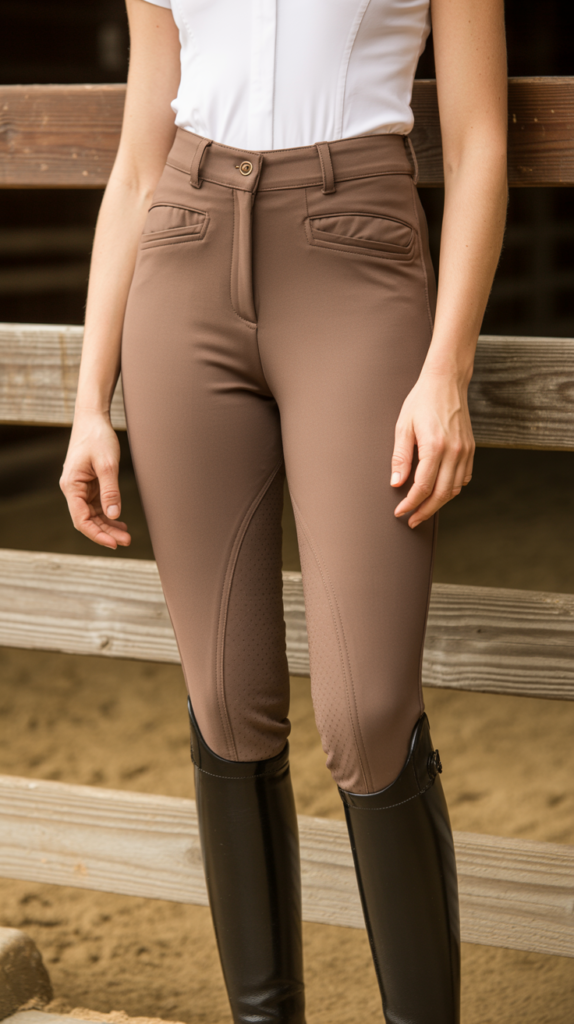
If your breeches sag, twist, or fold like origami, we fix that right now.
Look for fabrics that stretch four ways and recover instantly.
Pro move: Look for a phone pocket on the thigh. You’ll thank yourself mid-hack when your playlist doesn’t live in Narnia.
A good base layer does more than keep you warm or cool—it also makes your jacket drape better and your life easier.
Styling tip: Tuck into breeches for a streamlined silhouette.
No bunching, no tugging, no drama.
You can go tall boots for that classic look or paddock boots with half chaps for versatility. Both can look sharp if you choose well.
Match the color and texture of your paddock boots with your half chaps for a tall-boot look. Elastic panels and rear zips help with a sleek fit that doesn’t gape. Barn reality check: Keep an old pair for chores and a “nice” pair for lessons and clinics. Your future self (and your trainer) will be grateful.
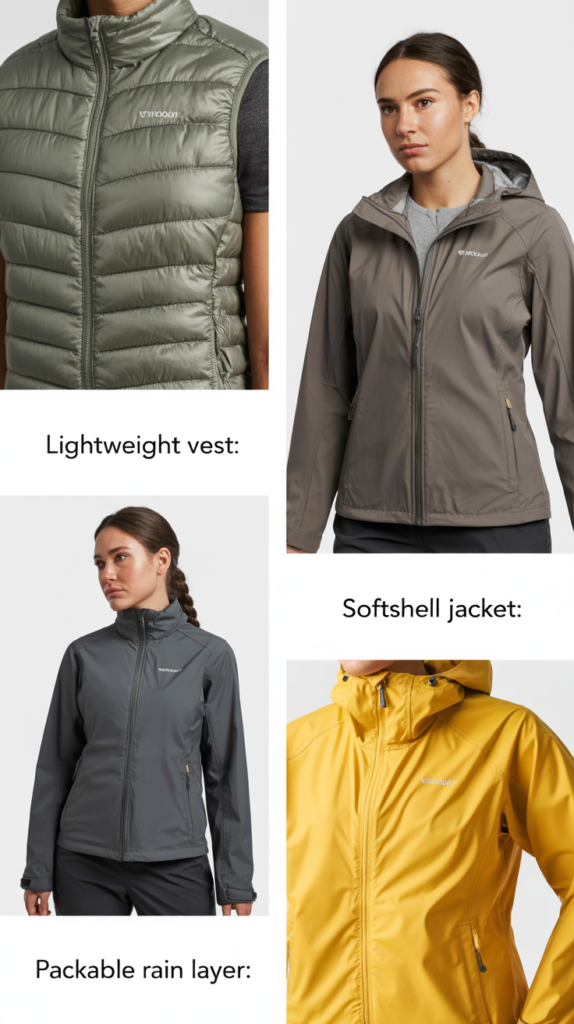
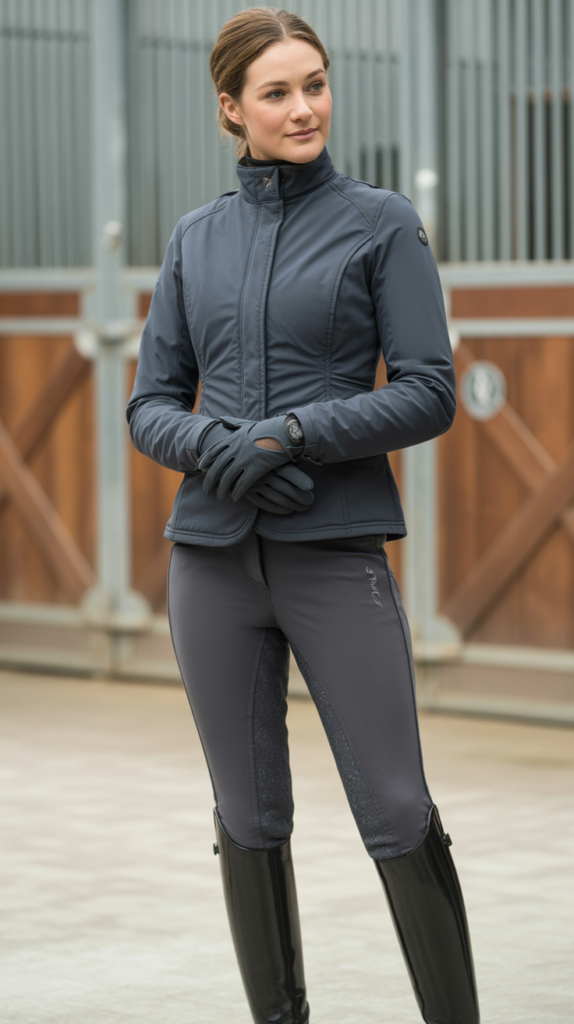
Layer like a pro so you can ride through drizzle, wind, and that weird shoulder season where the weather can’t commit.
Look for a two-way zipper so you can open the bottom while you sit. A drop tail hem keeps your back covered in the saddle without bunching in front. FYI: Earthy neutrals plus one bold accent piece (like a berry vest or teal shell) = instant style without trying too hard.
Don’t sleep on accessories. They instantly polish your look and make your ride better.
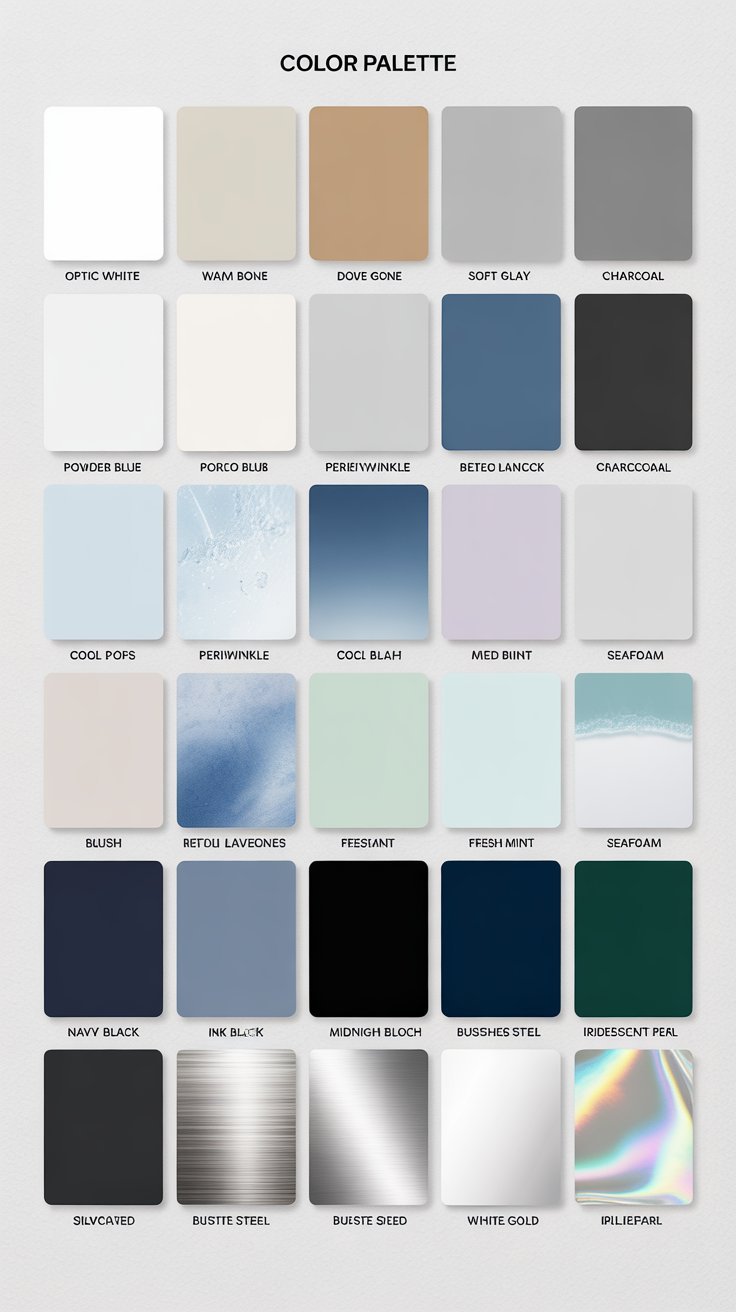
Tie your outfit together with two matching accents—say, belt + helmet trim or gloves + boot piping. It feels intentional without screaming “I tried.”
Sometimes you just want a blueprint. Steal these and tweak to taste.
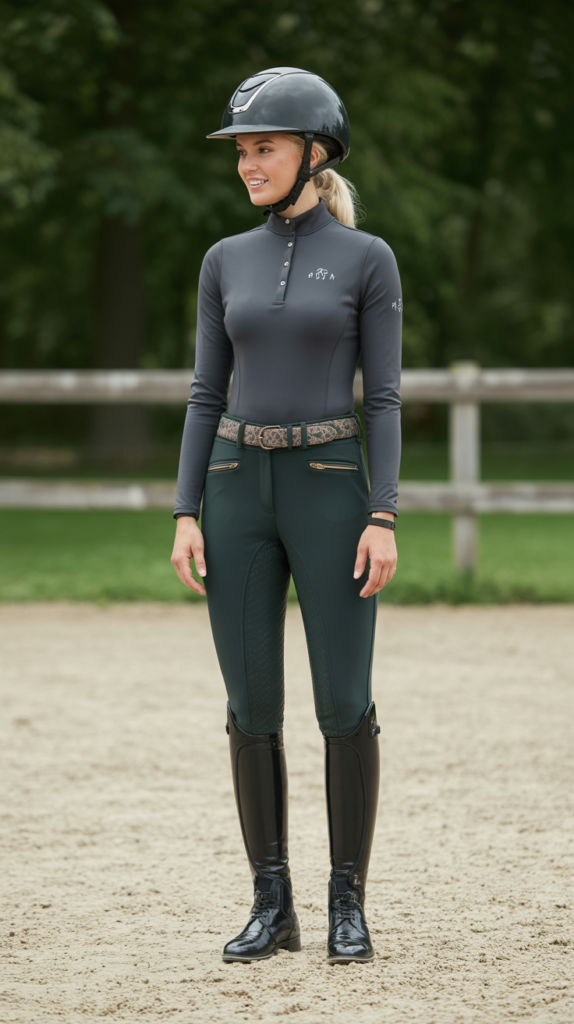
2. Jump Day Pop: Charcoal base layer, deep green full-seat breeches, gloss black helmet, black paddock boots + suede half chaps, patterned belt.
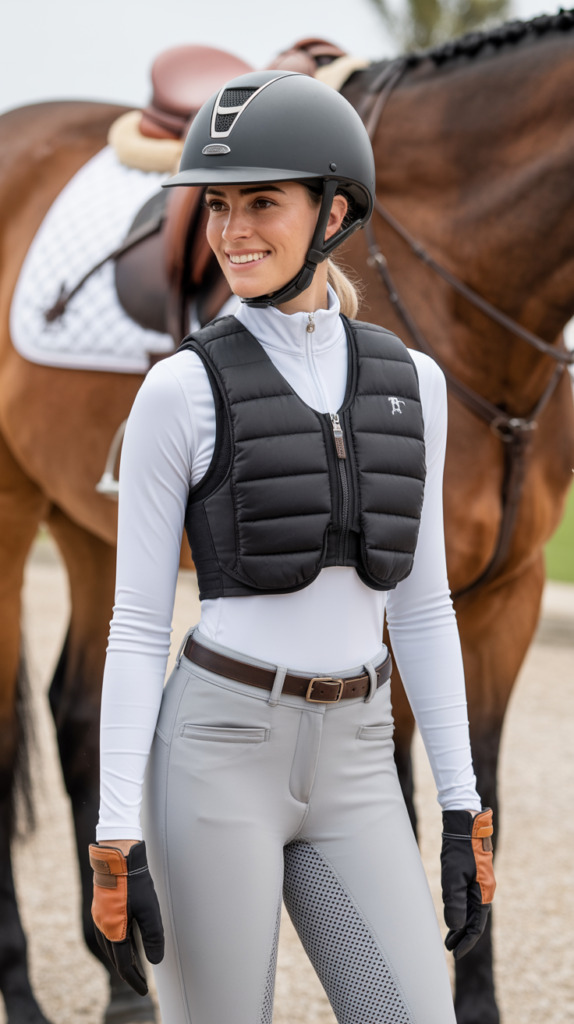
3. Summer Schooling: White mesh quarter-zip, light grey knee-patch breeches, vented helmet, brown paddock boots, lightweight vest for warm-up.
4. Winter Warrior: Thermal base layer, fleece-lined breeches, softshell jacket, insulated tall boots, wool socks, touchscreen gloves.
5. Trail Chic: Sun-shirt with UPF, chocolate full seats, wide-brim-certified helmet or brim attachment, grippy paddock boots, packable rain shell.
IMO: The best outfits handle muck, mane kisses, and surprise trot poles—and still look put-together at the coffee run after.
Good gear lasts if you treat it right.
Not glamorous, but very adult.
No rule says you must, but full seats give extra grip that helps with stability and feel, especially during lateral work or green-horse moments. If you move a lot in the saddle or ride in slick leather, full seats feel like a friendly anchor.
Snug but not numb. You want a bit of pressure at the calf that relaxes after a few rides.
Your heel should lift slightly when you walk, and the boot should drop about an inch as it breaks in. If your toes tingle, size up or adjust the calf width.
Mid-tones hide barn grime: charcoal, mushroom, olive, and navy stay sharp longer than black or white. If you want one do-it-all pair, go charcoal.
It pairs with everything and looks elevated without trying.
If they carry the proper certifications, yes. The mesh panels improve airflow without compromising protection. Just verify the safety label and fit the helmet correctly—snug, level, and stable when you shake your head.
Hard no.
You need a defined heel and a safe sole so your foot doesn’t slip through the stirrup. Grab paddock boots at minimum. Your ankles and your trainer will thank you.
Two solid rotations cover most riders: one “barn warrior” set and one “nice lesson/clinic” set.
If you ride multiple days a week, add a third pair of breeches and swap tops seasonally. Quality over quantity—FYI, it pays off.
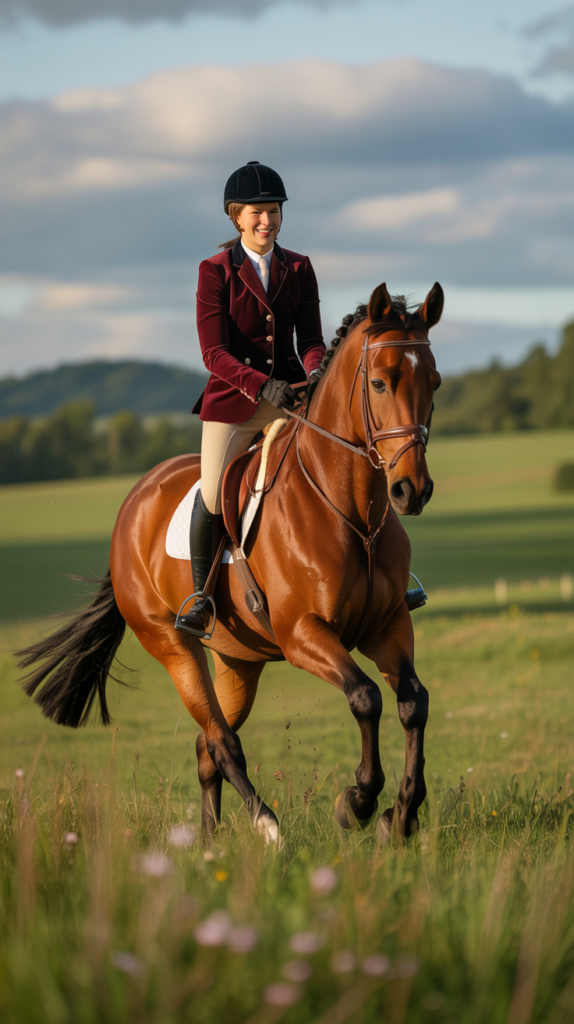
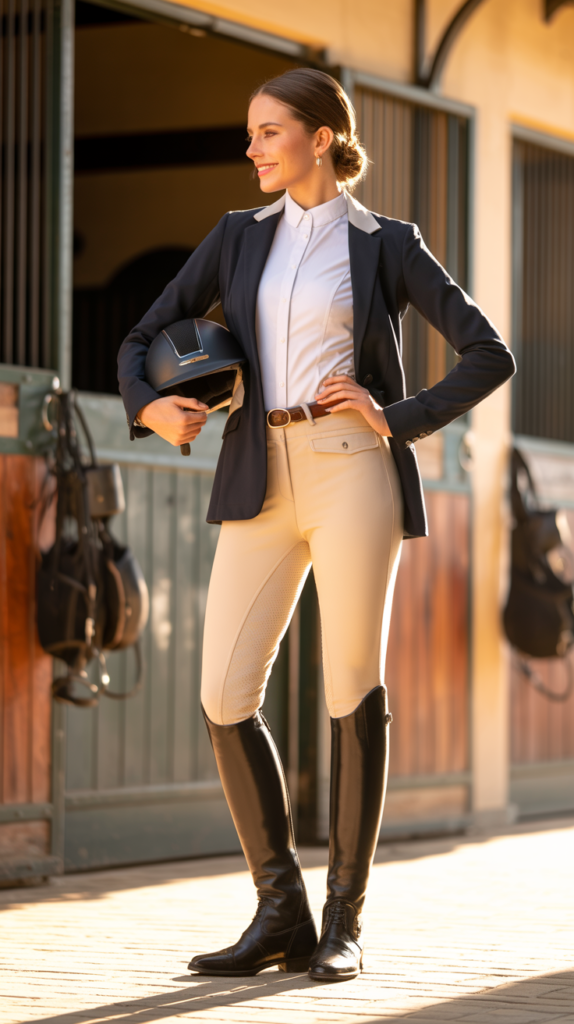
Chic riding style doesn’t mean overcomplicating your tack trunk. Build around a safe, sleek helmet; supportive breeches; a breathable base layer; ride-ready boots; and smart outerwear—then finish with gloves and a belt for polish.
Mix colors thoughtfully, keep fabrics technical, and pick pieces that move with you. You’ll look sharp, ride better, and handle whatever your horse throws at you—with style and maybe a little swagger.