$300 Vs $30 Anti-aging Cream… Is It Worth It?
You’ve seen it on the shelf: a sleek, heavy jar that costs as much as a weekend getaway sitting next to a no-frills tube for the price of takeout. Both promise smoother, brighter, firmer skin. So… should you splurge $300 on an anti-aging cream, or will a $30 option do the trick?
Let’s cut through the hype, the sparkly jars, and the influencer drama and get to the good stuff.
What Actually Makes an Anti-Aging Cream “Work”
Anti-aging isn’t magic—it’s chemistry and consistency. The ingredients matter more than the price tag or how luxe the lid feels. Look for these proven players:
- Retinoids (retinol, retinaldehyde, adapalene): Increase cell turnover, improve texture, and soften fine lines.
- Vitamin C (L-ascorbic acid): Brightens, supports collagen, and fights free radicals.
- Peptides: Signal skin to make more collagen (results are gentler, but real).
- Niacinamide: Smooths texture, calms redness, balances oil.
- Hyaluronic acid & glycerin: Hydrate and plump, fast.
- Sunscreen: Not sexy, but it’s the real anti-aging MVP. No SPF = two steps back.
If a cream costs $300 but doesn’t include at least one of those heavy hitters at effective concentrations, you’re paying for vibes, not results.
FYI: Concentration and Stability Matter
It’s not just the ingredient—it’s how much and how it’s packaged.
A 0.3% retinol in an opaque, airless pump? Good. A mystery “retinol complex” in a clear jar?
Meh. Vitamin C oxidizes fast, so brown bottles and airtight pumps win.
Where Does the $300 Go?
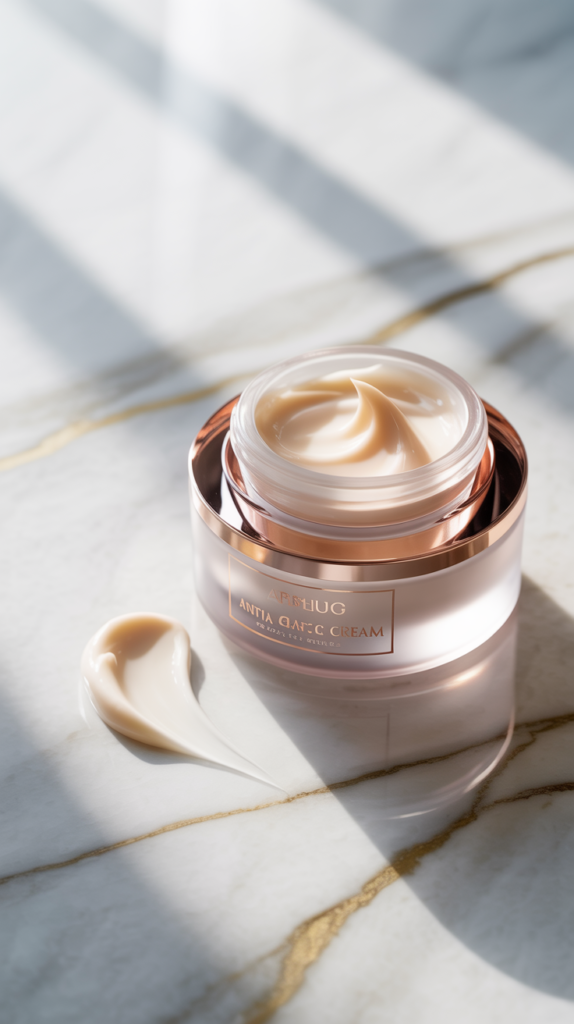
Let’s be honest—some of that money covers a fancy box and a sink-side flex. But not all. What you actually pay extra for:
- Proprietary complexes: Lab-developed blends that promise better penetration or stability.
- Clinical testing: Real studies cost $$$.If a brand shows third-party results, that’s valuable.
- Texture and experience: Luxurious feel, elegant scent (or none), and zero pilling under makeup.
- Packaging that preserves potency: Airless pumps, UV-blocking materials.
What you sometimes pay for (and don’t need):
- Heavy jars that feel expensive but let in air and light
- Fragrance that can irritate sensitive skin
- Celebrity endorsements (your pores don’t care)
The Case for the $30 Cream
Drugstore has been glow-up central the last few years. You can get retinol, vitamin C, niacinamide, peptides, and solid moisturizers without selling a kidney. Big pros:
- Proven actives at honest concentrations from brands that publish percentages
- Layering freedom: Build a routine with targeted steps instead of one pricey do-it-all cream
- Less fear factor: Easier to test and tweak without sunk-cost heartbreak
Trade-offs? Textures may feel stickier, and you might need two products for what a luxe cream bundles into one. But IMO, performance-wise, you can absolutely get results.
When the $300 Cream Might Be Worth It
I know—spicy take—but sometimes the splurge makes sense.
- Your skin hates everything: If you’re reactive, a meticulously formulated, fragrance-free, well-stabilized cream can be worth the premium.
- You want fewer steps: A multitasker with retinoid + peptides + antioxidants in one elegant cream saves time.
- You value texture and zero pilling: If you wear makeup or have dry, mature skin, that cushiony glide can be a joy to use daily.Consistency = results.
- It has legit clinical data: Not just before-and-after lighting tricks—actual measured improvements.
Red Flags at Any Price
- Vague ingredient claims with no percentages
- Clear jars for light-sensitive actives
- “Miracle,” “instant facelift,” or “botox-in-a-jar” claims (lol, no)
- Heavy fragrance if you’re sensitive
The Real Anti-Aging Routine (Under $60 or $600)
You can spend a lot or a little, but this framework works either way.
- AM: Gentle cleanse, vitamin C (optional), moisturizer, broad-spectrum SPF 30+ every. single. day.
- PM: Cleanse, retinoid (start 2-3 nights/week), moisturizer or a peptide cream.
- Weekly: Hydrating mask or mild exfoliation if you’re dull or flaky.
Non-negotiables: SPF, retinoid, moisturizer. Everything else is spice.
Pairing Tips
- New to retinoids? Buffer with moisturizer to reduce irritation.
- Vitamin C irritating?Try a derivative (SAP/MAP) or use every other morning.
- Don’t cocktail everything at once. Introduce one product every 2 weeks.
How to Read a Label Like a Pro
You don’t need a chemistry degree. Just a checklist.
- Active callouts: Look for specifics like “retinol 0.3%” or “niacinamide 5%.” Vague = suspect.
- Packaging: Opaque, airless pump > jar, especially for retinoids and vitamin C.
- Order of ingredients: Higher on the list usually means more of it, but actives can be effective at low percentages.
- Support cast: Ceramides, cholesterol, fatty alcohols = barrier-friendly.
IMO: These Combo Formulas Are Worth Hunting For
- Retinoid + peptides + squalane or ceramides (night)
- Vitamin C + ferulic acid + vitamin E (morning, under SPF)
- Niacinamide + hyaluronic acid (anytime you want calm hydration)
Budget vs.Luxury: Sample Routines
Budget (~$50 total):
- AM: Gentle cleanser, 10% vitamin C serum, lightweight moisturizer, SPF 50
- PM: Gentle cleanser, 0.1–0.3% retinol serum, ceramide cream
Luxury (~$300+):
- AM: Creamy cleanser, stabilized 15% vitamin C serum, luxe peptide moisturizer, SPF 50 gel-cream
- PM: Silky retinoid cream (retinaldehyde or encapsulated retinol), rich peptide night cream, occasional barrier mask
Both will move the needle. The difference? Texture, fragrance profile, and “ooh this feels nice.” If that “ooh” makes you stick with it, that’s value.
FAQ
Can a $30 cream work as well as a $300 one?
Yes—if it includes proven actives at good concentrations and comes in smart packaging.
Many drugstore formulas use the same backbone ingredients. The pricier options often win on texture, stability tech, and clinical testing, not raw efficacy.
Do I need both a serum and a cream?
Not necessarily. Serums usually carry higher concentrations of actives.
Creams focus on moisture and barrier support. If your cream already has your active of choice (retinoid, peptides) and your skin feels great, you can skip the serum.
How long until I see results?
Hydration shows up in minutes. Brightening takes 4–8 weeks.
Texture and fine lines from retinoids: 8–12 weeks and beyond. Collagen changes happen slowly—think months, not days. Consistency beats sprinting with “miracle” products.
Are fragrances always bad?
Not always, but they can irritate sensitive or reactive skin.
If you get redness, stinging, or breakouts, go fragrance-free. If your skin tolerates it and you like a bit of luxury, that’s your call. Just don’t mistake scent for skincare.
What’s the biggest anti-aging mistake?
Skipping sunscreen.
You can buy the fanciest retinoid on earth and still lose ground if UV gets you daily. Also: doing too much too fast—over-exfoliation and retinoid burn help no one.
Do peptides actually do anything?
Short answer: yes, but gently. Peptides signal the skin to support collagen and improve firmness over time.
They won’t replace retinoids, but they play nicely with them and boost overall results, especially in well-formulated creams.
Bottom Line: Is the $300 Cream Worth It?
It can be—if it brings stabilized actives, clinical data, and a texture that makes you excited to use it every day. But you don’t need a triple-digit price tag to get real results. Focus on retinoids, vitamin C, peptides, niacinamide, hydration, and daily SPF.
Choose the formula you’ll actually use consistently. Splurge for joy, save for science—either way, your skin wins. IMO, that’s the sweet spot.